The core compliance question is whether pallet inverters count as “lifting equipment” because they raise and support loads against gravity, or as general material handling machinery. This article explains how regulators draw that line and what it means for inspection, design, and safe operation. You will see how classification affects inspection intervals, guarding, integration with forklifts and AGVs, and how to choose and run pallet inverters safely in real-world warehouses.
How Pallet Inverters Fit Lifting Equipment Rules
Pallet inverters are classed as lifting equipment when they raise and support a palletized load off the floor, but may be treated as material handling machinery when they only tilt or reposition a fully supported load. Understanding this boundary is essential if you are asking “are pallet inverters classed as lifting equipment” for compliance, inspection, and training duties.
Definition Of Lifting Versus Handling Equipment
Lifting equipment directly lifts, lowers, or suspends a load against gravity, while handling equipment mainly moves or supports loads without a true “lift and hold” phase. Pallet inverters sit on the boundary, so you must look at how they actually support the load.
- Lifting equipment: Raises/lowers a load and supports it in a lifted state – failure could drop the load from height.
- Key test: Does the device hold the load clear of the floor or base? – If yes, it usually falls under lifting rules.
- Pallet inverters as lifting equipment: Units that clamp and lift pallet stacks off the floor – treated like other powered lifting machines.
- Handling-only inverters: Units that just tilt or rotate while the load stays fully supported by a table – often treated as material handling machinery.
Safety regulations typically classify equipment as “lifting” when it raises, lowers, or suspends a load against gravity, and could drop it if it failed. Pallet inverters that lift and hold palletized loads off the floor are therefore generally classed as lifting equipment, while low-tilt devices where the load remains fully supported may fall under broader machinery and material handling rules instead. This distinction drives how you apply inspection and safety standards.
💡 Field Engineer’s Note: When I assess a pallet inverter on site, I ignore the brochure label and watch one full cycle. If the load ever hangs clear of the floor on clamps or platforms, I treat it as lifting equipment for risk assessment, guarding, and inspection planning.
When An Inverter Becomes Lifting Equipment
An inverter becomes lifting equipment once it actually supports the pallet load off its base, even for a short period, so a failure could drop or eject the load. The more the machine behaves like a clamp-and-lift device, the more clearly it falls under lifting rules.
- Clear off-floor support: Clamps or platforms hold the pallet stack several hundred millimetres above the floor – this is classic lifting equipment behaviour.
- Load suspended during rotation: The load remains clamped and unsupported from below while the frame rotates – any loss of clamp force could drop the load.
- Dynamic loading: Fast rotation or sudden stops create extra forces in the frame and pivots – this increases the need for lifting-equipment-grade structural integrity.
- “Tilt-only” edge cases: If the pallet stays fully supported by a fixed table while the frame tilts slightly – regulators may treat it more like a handling or positioning device.
Practical examples of classification
Clearly lifting equipment: A floor-standing inverter that clamps a 1,000 kg pallet stack, lifts it 300–500 mm, then rotates 180°. The load hangs on the clamps during rotation, so any failure could drop it.
Borderline handling device: A low-profile tipper that only tilts a pallet by 20–30° while the base plate fully supports the weight. The risk profile is closer to a tilting table than a hoist.
Inspection frequencies usually change once the inverter is classed as lifting equipment. Where regulators treat it as lifting equipment, formal thorough examinations typically occur every six to twelve months, similar to other powered lifting devices. For units treated as material handling machinery, inspections are often periodic and risk-based, but industry practice still favours structured schedules, including pre‑use checks, routine visual inspections (monthly or quarterly), and thorough exams every 6–12 months to control crushing and ejection risks. Treating borderline units with lifting‑grade discipline is usually the safer option.
💡 Field Engineer’s Note: If your maintenance team already struggles to keep up with inspections, assume the inverter is lifting equipment and align its schedule with your forklifts and hoists. One consolidated 6–12 month thorough exam plan is easier to manage and defend during audits.
Regulatory Frameworks And Duty Holders
Regulatory frameworks treat pallet inverters as lifting equipment when they lift and suspend loads, which triggers specific duties for employers, owners, and users. Even where they are classed as handling machinery, duty holders must still manage crushing, ejection, and stability risks to an equivalent safety level.
- Classification drives duties: Once regulators class an inverter as lifting equipment, it falls under stricter lifting-equipment regulations – including formal examinations and documentation.
- Employer/owner duties: Provide suitable equipment, ensure correct installation, plan inspections, and keep records – this applies whether the unit is fixed or mobile.
- Operator duties: Follow training, perform pre-use checks, and stay within rated loads – similar to forklift and aerial lift expectations.
- Integration duties: Where forklifts, AGVs, or conveyors feed the inverter, you must verify guarding, signalling, and interlocks across the whole system – not just the inverter itself.
Integration with other systems can also influence how regulators view the risk level of pallet inverters. When forklifts interface with an inverter, inspections should confirm that approach guides and rack faces show no serious impact damage, floor anchors remain tight, and clear markings show truck limits and no‑go areas. For AGVs and conveyors, engineers must verify safe communication, including stop signals and speed controls, and ensure the inverter cannot rotate or clamp while a vehicle or load is in an unsafe position. These system-level controls are a core duty for designers and site owners.
Operator training expectations also mirror those for other lifting equipment. Training programmes should treat pallet inverters with the same seriousness as forklifts and aerial platform, covering pre‑use checks of guards, clamps, controls, and warning devices, plus correct loading sequences and weight limits. Safe-use practices include controlled speed when approaching the inverter, keeping forks low during travel, and avoiding side pulls or sharp turns with elevated loads to prevent instability and impact damage. Treating inverter operations as “lift truck level” tasks helps align culture and procedures with regulatory expectations.
💡 Field Engineer’s Note: During audits, inspectors often ask one simple question: “Who owns this machine?” Make sure you can clearly identify the duty holder for each inverter, show the last thorough exam date, and demonstrate that operators are trained specifically on that model and its interface with trucks or AGVs.
Design, Inspection, And Maintenance Requirements
Pallet inverter design, inspection, and maintenance depend on whether regulators answer “yes” to are pallet inverters classed as lifting equipment, because that decision drives structural safety margins, inspection intervals, and required protective devices.
When a pallet inverter lifts and holds loads off the floor, regulators usually treat it like other lifting equipment, so its structure, guards, and maintenance regime must safely control gravity, impact, and clamp forces throughout the full rotation cycle.
- Design focus: Frame, pivots, hydraulics, and clamps must safely carry dynamic loads – Reduces risk of collapse or dropped loads.
- Inspection focus: Regular checks target cracks, loose anchors, and failed guards – Catches failures before they injure people.
- Maintenance focus: Planned work plus sensor data keeps performance stable – Limits unplanned downtime and supports compliance.
- Compliance link: If authorities class the inverter as lifting equipment, documented examinations are mandatory – Provides legal defensibility after incidents.
💡 Field Engineer’s Note: Treat any inverter that can hold a full palletized load clear of the floor as lifting equipment in your internal standards, even if local rules are vague; this keeps your design margins, inspections, and training on the safe side.
Structural Integrity And Load Path Design
Structural integrity and load path design ensure the pallet inverter’s frame and pivots safely carry every kN of force from the clamps, gravity, and rotation without cracking or permanent deformation.
Because many authorities answer “yes” to are pallet inverters classed as lifting equipment when they suspend loads, engineers must design and inspect them like other lifting structures, not like light-duty conveyors.
| Design / Check Item | What To Look At | Typical Engineering Concern | Operational Impact |
|---|---|---|---|
| Main frame and base | Columns, cross-members, base plates, floor anchors | Bending, twisting, fatigue around welds and bolt holes | Weak frames can buckle under repeated 1,000–2,000 kg loads |
| Welds and joints | Weld toes, heat-affected zones, gussets | Cracks from vibration and repeated clamp/rotate cycles | Cracked welds can turn a minor overload into a collapse |
| Pivot pins and bushings | Pin diameter, wear steps, lubrication, retaining devices | Ovalization and wear increasing clearance and impact | Excess play leads to shock loads and misalignment |
| Load path definition | From pallet face/clamps through arms into frame and floor | Unintended secondary load paths during rotation | Reduces surprise failures when a pallet shifts mid-rotate |
| Corrosion and environment | Coastal plants, cold stores, washdown areas | Section loss at base plates and welds | Hidden rust can cut real capacity far below nameplate |
Inspections should visually confirm that frame welds, pins, and pivot points show no cracks, deformation, or corrosion, especially on machines that regulators treat as lifting equipment because they support heavy dynamic loads. Source for structural integrity focus.
- Item: Frame straightness and squareness: Check uprights and arms with a straight edge – Prevents binding and uneven clamp forces.
- Item: Floor anchorage: Confirm all anchors are tight and not corroded – Stops the whole inverter “walking” or tipping.
- Item: Rated capacity plate: Verify it is present and legible – Helps operators avoid overloading beyond design.
- Item: Dynamic testing: Run a full rotate cycle with a representative load – Reveals abnormal vibration or frame flex.
How to think about load paths in a pallet inverter
Trace the load from the pallet deck boards into the clamp faces or turntable, then into arms, pivots, the main frame, and finally into floor anchors. Any sudden change in section, weld cluster, or bolted joint along this path deserves closer design review and higher inspection frequency.
Safety Devices, Interlocks, And Guarding

Safety devices, interlocks, and guarding form a second protective layer in case the structure, hydraulics, or operator behavior goes wrong during pallet inversion.
When authorities answer are pallet inverters classed as lifting equipment in the affirmative, they expect guarding and interlocks similar to other lifting and rotating machinery, because the main risks are crushing, ejection, and entrapment.
| Safety Feature | Function | What To Inspect | Operational Impact |
|---|---|---|---|
| Fixed guards and fencing | Physically block access to danger zones | Integrity, gaps, fixings, corrosion | Prevents people entering clamp/rotate envelope |
| Interlocked gates | Stop motion when open | Gate switches, latch alignment, defeat attempts | Prevents rotation with a person inside the cell |
| Emergency stop devices | Provide rapid stop on demand | Function test, visibility, reset action | Limits injury severity during abnormal events |
| Limit switches / position sensors | Define travel limits and safe zones | Mounting, cable condition, repeatability | Stops over-rotation or over-travel of clamps |
| Warning beacons and sounders | Alert staff to motion and faults | Lamp brightness, sound level, correct triggers | Improves situational awareness around the inverter |
Safety devices such as fixed guards, interlocked gates, emergency stop devices, and limit switches provide a second layer of protection, and any failed guard or interlock should trigger immediate lockout until repair because of the high risk of crushing or ejection. Source for safety device requirements.
- Item: Guard coverage: Ensure no reach-through gaps into the clamp or pivot zone – Reduces limb entrapment risk.
- Item: Interlock logic: Verify the inverter cannot clamp or rotate with a gate open – Aligns with good practice for lifting/rotating machinery.
- Item: E-stop reset: Confirm a deliberate reset is required at the panel – Prevents automatic restart after an emergency stop.
- Item: Labels and pictograms: Check hazard and exclusion zone signs – Supports safe use by new or visiting staff.
💡 Field Engineer’s Note: In noisy warehouses, flashing beacons alone are not enough; add local status indicators at operator eye level and ensure interlocks stop motion, not just alarms, otherwise people will work “through” warnings to keep throughput up.
Inspection Intervals And Checklists

Inspection intervals and checklists for pallet inverters depend on whether your regulator or internal policy treats them as lifting equipment or general material handling machinery.
If your risk assessment and local rules answer are pallet inverters classed as lifting equipment with “yes,” you should align inspection intervals with other lifting devices, while still layering in daily and monthly checks.
| Inspection Type | Typical Frequency | Scope | Best For… |
|---|---|---|---|
| Pre‑use / start‑of‑shift check | Every operating shift | Visible damage, leaks, guards, controls, alarms | Early detection of abuse or fresh damage |
| Routine visual inspection | Monthly or quarterly | Structure, anchors, hoses, cables, limit switches | Moderate use sites or low-risk environments |
| Thorough examination | Every 6–12 months | Detailed structural and functional assessment | Inverters treated as lifting equipment |
| Post‑incident / post‑modification | After any collision, overload, or change | Focused check on affected components | Verifying continued safe use after events |
Inspection intervals usually tighten to six to twelve months for formal thorough examinations when the inverter is classified as lifting equipment, while material handling machinery often follows risk-based schedules backed by structured pre-use and routine inspections. Source for inspection frequencies.
- Item: Pre-use checklist: Include guards, clamps, controls, leaks, and warning devices – Gives operators a simple, fast routine.
- Item: Formal exam checklist: Add NDT or close visual checks on welds and pivots – Targets high-stress areas typical of lifting equipment.
- Item: Recordkeeping: Log defects, repairs, and next due dates – Supports audits and incident investigations.
- Item: Competent person: Use someone trained in lifting/rotating machinery – Improves defect detection quality.
Example structure for a monthly inspection checklist
Group items into: 1) Structure and anchorage; 2) Guards, gates, and interlocks; 3) Hydraulics, hoses, and leaks; 4) Controls, E-stops, and indicators; 5) Operational test with a safe load. Mark each as Pass/Fail with comments and corrective actions.
💡 Field Engineer’s Note: In high-throughput operations, I recommend tying inspection triggers to cycle counts as well as calendar dates; a machine doing 500 cycles per day ages very differently from one doing 50 cycles per day, even in the same month.
Sensors, Data Logging, And Predictive Maintenance

Sensors, data logging, and predictive maintenance turn a pallet inverter from a reactive-maintenance asset into a monitored lifting system where emerging faults are caught before they become safety incidents.
This is especially useful where the authority’s answer to are pallet inverters classed as lifting equipment is “yes,” because logged data supports compliance audits and root-cause analysis after any near-miss or failure.
| Sensor / Data Type | What It Measures | How It Helps Maintenance | Operational Impact |
|---|---|---|---|
| Cycle counter | Number of clamp/rotate cycles | Triggers inspections based on actual usage | Aligns service with real wear, not just dates |
| Motor current | Electrical load on drive motor | Reveals overloads or mechanical drag | Spots jammed pallets or failing bearings |
| Hydraulic pressure | Clamp and lift circuit pressure | Confirms clamp force and detects leaks | Prevents under-clamping or crushed loads |
| Vibration sensors | Abnormal vibration signatures | Identifies misalignment or wear early | Reduces catastrophic failures and downtime |
| Tilt / impact sensors | Shocks and unexpected tilt angles | Flags collisions or rough handling | Supports operator coaching and root-cause analysis |
Modern pallet inverters increasingly use sensors to detect abnormal vibration, temperature rise in motors, or pressure spikes in hydraulic circuits, while data such as cycle counts, motor current, hydraulic pressure, and impact or tilt events feed predictive maintenance and compliance records. Source for predictive maintenance and sensors.
- Item: Alarm thresholds: Set sensible limits for pressure, temperature, and vibration – Avoids both nuisance trips and missed faults.
- Item: Data retention: Keep logs long enough to cover inspection cycles – Lets you correlate faults with earlier warnings.
- Item: Integration with CMMS: Link sensor events to work orders – Automates maintenance scheduling.
- Item: Operator feedback: Display basic status on the HMI – Helps operators report problems with evidence.
💡 Field Engineer’s Note: The most valuable single signal on older inverters is a simple cycle counter; once you know real cycle volumes, you can rationalize inspection intervals and justify upgrades like pressure and vibration monitoring where the risk is highest.
Integration, Applications, And Equipment Selection
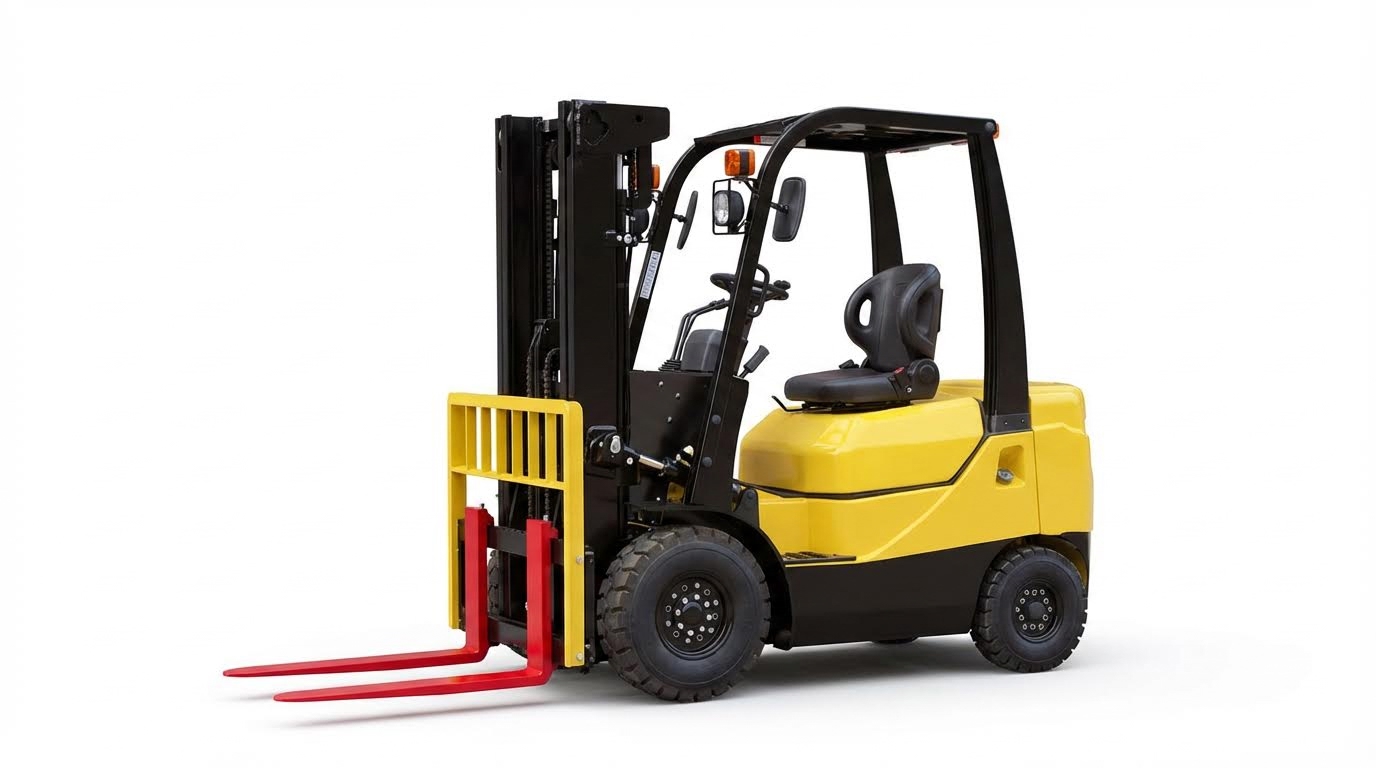
This section explains how pallet inverters integrate with forklifts, AGVs, and conveyors, how special environments affect whether they are classed as lifting equipment, and how to choose the right unit on a total-cost-of-ownership basis.
When you ask are pallet inverters classed as lifting equipment, the answer depends not only on the machine itself but also on how it integrates into your wider handling system and environment. Poor interface design or the wrong specification often creates more risk than the inverter mechanism.
Interface With Forklifts, AGVs, And Conveyors
Integration with trucks, AGVs, and conveyors determines traffic patterns, impact risks, and whether interlocks are needed to keep people and machines out of the danger zone during lifting and rotation.
Where pallet inverters lift and hold palletized loads clear of the floor, they usually fall under lifting equipment rules, so the whole interface zone around the machine must be treated like a lifting area. That includes how forklifts approach, how AGVs communicate stop signals, and how conveyor controls prevent a load from feeding into an open clamp or rotating frame. Integration guidance stresses that inspections must check approach guides, rack faces, and anchors for impact damage, and verify that the inverter cannot clamp or rotate when a vehicle or load is in an unsafe position.
| Interface Type | Key Design Features | Inspection Focus | Operational Impact |
|---|---|---|---|
| Forklift-fed inverter (floor-mounted) | Fork pockets or ground-level access, approach guides, painted truck limits | Damage to guides and rack faces, loose floor anchors, legible markings | Reduces misalignment and mast impacts; supports safe approach at 90° in aisles ≥3.0 m |
| AGV-fed inverter | Defined docking position, communication link for stop/ready signals | Correct stop distance, verified safe communication, interlocks on clamp/rotation | Allows unmanned pallet exchange while preventing AGV entry during lift/rotate |
| Conveyor-integrated inverter | Infeed/outfeed conveyors, photo-eyes, PLC control | Stop signals, jam detection, prevention of feed-in during open clamp | Enables continuous flow; minimizes manual handling in high-throughput lines |
- Approach guides and rack faces: Keep them straight and undamaged – they absorb forklift errors instead of your frame.
- Floor anchors: Check tightness and corrosion – loose anchors allow frame movement and shock loads on welds.
- Interlocks with vehicles: Block rotation/clamp when a truck or AGV is in the danger zone – prevents crushing and collision during lifting.
- Clear markings: Use painted no-go zones and truck limits – gives operators a visual “stop line” before the hazard area.
How integration affects “lifting equipment” classification
If the inverter is part of an automated cell that lifts and suspends loads while AGVs or conveyors move nearby, regulators are more likely to treat the whole system under lifting-equipment rules. Where the device only tilts slightly and the load remains fully supported by a table or conveyor bed, it may be viewed as material handling machinery instead. Always document the load path and support points for your specific layout.
💡 Field Engineer’s Note: In mixed traffic areas, I always specify a safety PLC that cross-checks AGV position, conveyor status, and inverter clamp/rotation. That way a single failed sensor cannot allow a truck to enter while a 1,000–1,500 kg pallet is suspended and rotating.
Hazardous Materials And Special Environments
Hazardous materials, coastal locations, and unstable loads demand tighter controls on clamping, guarding, and corrosion, and they make it more critical to treat pallet inverters as lifting equipment with formal inspection regimes.
When you handle hazardous goods, the question are pallet inverters classed as lifting equipment is not just academic. If a failure could drop or eject a drum, IBC, or chemical pallet, regulators expect lifting-level safeguards, even if the machine also performs a “handling” function. Guidance on hazardous material swapping highlights the need for secure transfer and recommends automated wrapping systems to stabilize the load during pallet exchanges. Hazardous pallet exchange sources also emphasize precision and containment during rotation.
| Environment / Material | Main Risk | Recommended Design / Practice | Operational Impact |
|---|---|---|---|
| Hazardous chemicals on pallets | Spill or container rupture during inversion | High-friction clamp faces, verified clamp force, automated wrapping before rotation | Reduces product loss and environmental incidents during pallet swap |
| Flammable materials | Ignition from static or electrical sources | Grounding/bonding, suitable electrical equipment category, controlled speed rotation | Mitigates ignition risk while lifting and rotating drums or cartons |
| Coastal factories | Corrosion and unstable loads in humid, windy docks | Corrosion-resistant finishes, protected cylinders, stable high-speed exchange systems | Maintains reliability where salt spray and wind would otherwise degrade safety |
In coastal plants, unstable loads and environmental factors demand extra safety measures. Systems designed for high-speed pallet exchanges help stabilize the process and reduce the time that a partially supported or shifted load is in the air, which directly limits the exposure window for a dropped-load event. Coastal safety tips stress that you must treat these applications as higher risk due to environmental instability.
- Containment: Use stretch wrap or banding before inversion – prevents cartons or drums from “walking” out of the stack mid-rotation.
- Corrosion resistance: Specify coatings and stainless hardware in coastal plants – avoids hidden weakening of welds and pins.
- Housekeeping: Keep spill kits and drip trays near the inverter – limits spread if a container fails while lifted.
- Emergency planning: Integrate inverter E-stops with plant alarms – stops motion and alerts response teams after a failure.
Extra checks for hazardous and coastal applications
Increase inspection frequency for clamps, seals, and structural joints exposed to chemicals or salt spray. Log all abnormal vibration, mis-clamps, or emergency stops, and investigate root causes. In many plants, it is sensible to align these checks with lifting-equipment thorough examination intervals (often 6–12 months) to show that you treat the risk at the correct level.
💡 Field Engineer’s Note: In chemical and coastal sites, I assume every fastener and pin sees accelerated corrosion. I specify oversized safety factors on clamp mechanisms and insist on physical proof-load tests after major overhauls, not just visual checks.
Key Selection Criteria And TCO Considerations
Choosing a pallet inverter is about matching load, duty cycle, and environment while balancing purchase price against long-term maintenance, downtime, and compliance costs.
From a compliance view, asking are pallet inverters classed as lifting equipment early in the selection process prevents nasty surprises later. If your process requires the inverter to lift and suspend 1,000–1,500 kg loads off the floor, you should assume lifting-equipment rules, budget for thorough examinations every 6–12 months, and select a design with easy access for inspection. Where the inverter only performs shallow tilting and the load remains fully supported, you may justify a material-handling classification instead, but you still benefit from structured pre-use and periodic checks. Inspection and duty guidance notes that industry practice favors pre-use checks, monthly or quarterly visual inspections, and 6–12‑month thorough exams even for handling machinery.
| Selection Criterion | What To Specify | Why It Matters | Best For… |
|---|---|---|---|
| Load capacity and size | Max kg and pallet dimensions (e.g., 1,500 kg, 1,200 x 1,000 mm) | Ensures structural integrity and correct clamp sizing | Standard 1,000–1,500 kg pallets in warehousing and manufacturing |
| Duty cycle | Cycles per hour and shifts per day | Drives motor, gearbox, and hydraulic sizing | High-throughput lines needing continuous pallet exchange |
| Integration level | Manual forklift-fed vs AGV/conveyor automation | Determines need for interlocks, sensors, and PLC control | Plants moving toward Industry 4.0 and unmanned operation |
| Environment | Ambient temperature, humidity, chemicals, coastal exposure | Affects material choice, sealing, and corrosion protection | Cold stores, chemical plants, and seaside factories |
| Compliance regime | Lifting-equipment vs material-handling classification | Sets inspection intervals and documentation burden | Sites under strict safety or regulatory audits |
- Inspection access: Choose frames with safe access to welds, pins, and cylinders – cuts time and cost for 6–12‑month examinations.
- Sensor and data options: Add cycle counters, pressure sensors, and motor current monitoring – enables predictive maintenance and supports audit trails.
- Training load: Treat operator training like forklift training – reduces misuse, overloads, and side pulls on elevated loads.
- Energy and wear: Right-size motors and hydraulics for duty – avoids overheating and premature seal or bearing failures.
How TCO is influenced by classification
If your risk assessment concludes that the inverter is lifting equipment, you will carry the cost of scheduled thorough examinations, documentation, and sometimes third-party inspections. However, this often pays back through fewer failures, fewer dropped-load incidents, and lower unplanned downtime. If you treat it as handling machinery, still mirror the best practices of lifting inspections to protect uptime and safety.
💡 Field Engineer’s Note: Over 20 years, the cheapest inverter on day one is rarely the cheapest to own. Models that simplify inspection, offer built-in cycle counting, and integrate cleanly with forklifts or AGVs usually win on downtime and compliance costs over a 10–15 year life.
Final Thoughts On Compliance And Safe Operation
The key lesson is that classification follows the load path, not the brochure. If the inverter ever lifts and holds a pallet clear of its base, you must treat it as lifting equipment. That decision drives higher structural safety factors, tighter inspection intervals, and stronger guarding and interlocks. It also shapes how you integrate forklifts, AGVs, and conveyors around the danger zone.
Engineering, maintenance, and operations teams must work as one system. Engineers design clear load paths, robust frames, and reliable clamps. Maintenance teams apply lifting-grade inspections, use sensors and cycle data, and lock out any failed guard or interlock. Operators then follow “lift truck level” training, respect capacity plates, and complete short pre‑use checks every shift.
For borderline “tilt-only” units, the safest policy is simple. Assume lifting-equipment discipline whenever a dropped or ejected load could seriously injure someone or release hazardous material. Build your standards around documented risk assessment, 6–12‑month thorough examinations, and clean integration with site traffic. When you choose or upgrade pallet inverters, select designs that support easy inspection, strong guarding, and data logging. That approach protects people, uptime, and compliance across the full life of your Atomoving equipment.
Frequently Asked Questions
Are pallet inverters classed as lifting equipment?
Pallet inverters are considered lifting equipment when they are used to lift, lower, or handle loads. Lifting equipment includes any device designed for these purposes, such as overhead cranes, patient hoists, and similar machinery. HSE Guidelines.
Is a pallet jack considered heavy equipment?
No, a pallet jack is not typically classified as heavy equipment. Heavy equipment refers to machines like dump trucks, excavators, and bulldozers, which are designed for large-scale construction tasks. Pallet jacks are smaller tools used primarily for moving pallets within warehouses. Heavy Equipment Overview.
Are pallet trucks lifting equipment?
Yes, pallet trucks are considered lifting equipment. They are designed to lift pallets just off the ground to make them moveable from one place to another. This type of equipment falls under regulations like LOLER in the UK. LOLER Compliance.
What qualifies as lifting equipment?
Lifting equipment refers to any work equipment used for lifting and lowering loads, including accessories that support, fix, or anchor the equipment. Examples include overhead cranes, patient hoists, and pallet trucks. HSE Guidelines.