drum handling equipment costs span from basic manual carriers to complex hot melt drum unloaders and automated conveyor lines. When engineers ask “how much does drum handling equipment cost,” the real answer depends on equipment type, load rating, duty cycle, and integration level across the full range of solutions in this outline. This article walks through core equipment types and price bands, then links those prices to engineering drivers such as structure, actuation, controls, and installation needs. It then connects upfront price to lifecycle cost, ROI, and emerging technologies so you can match drum handling spend to real operational requirements with confidence.
Core Types Of Drum Handling Equipment And Price Bands
When buyers ask how much does drum handling equipment cost, they usually compare manual units, powered lifters, conveyors, and process unloaders. Each group sits in a very different price band and supports different duty cycles. Understanding these tiers helps engineers align capital spend with throughput, ergonomics, and safety targets.
Manual Lifters, Tilters, And Palletizers (Entry-Level)
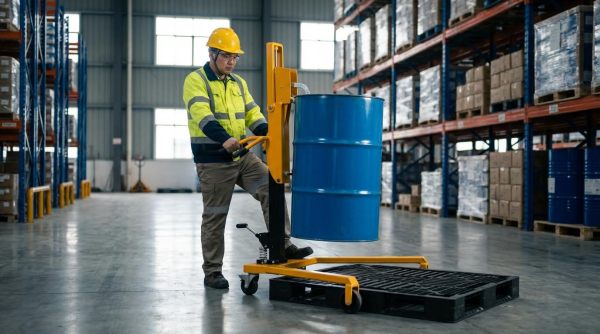
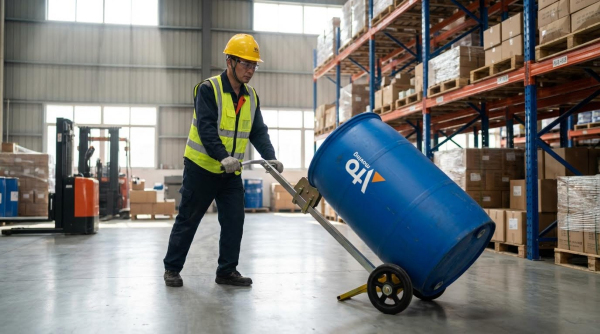
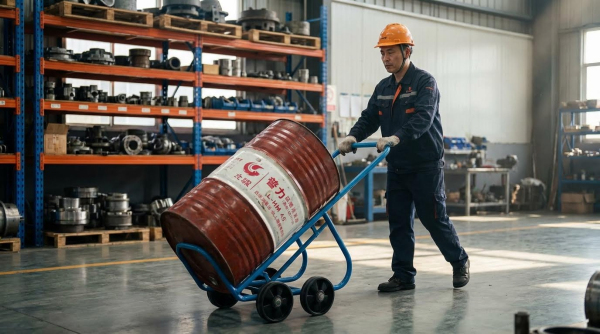
Manual drum handling equipment sits at the low end of the cost curve. As of January 2026, typical prices ranged from about Rs 6,800 for a basic manual drum carrier up to roughly Rs 72,000 for a barrel lifter cum tilter with higher capacity. These units usually handled 200 litre to 500 litre drums with rated loads between 250 kilograms and 400 kilograms. Mild steel frames, simple lever or hand-pump hydraulics, and basic mechanical clamping kept costs down. Manual palletizers and tilters worked well for low-volume work cells where operators moved a limited number of 55-gallon drums per shift. However, once daily drum counts increased or frequent tilting and pouring were required, the ergonomic cost and slower cycle times often outweighed the lower purchase price.
Powered Drum Dumpers, Stackers, And Lifters (Mid-Range)
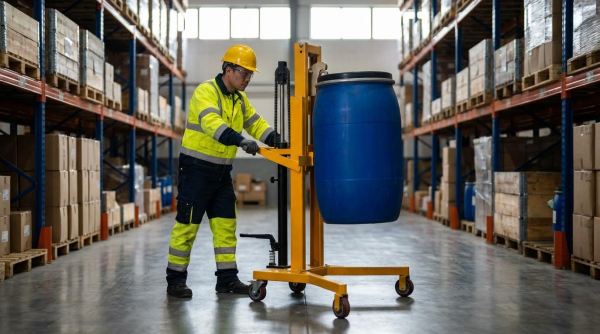
Powered drum equipment moved into a mid-range price band but delivered higher throughput and better ergonomics. Hydraulic or electric drive systems allowed safe handling of drums that weighed over 500 pounds, where manual units reached their limits. Purchase prices were higher than manual models and operating costs included electricity and more complex maintenance. In return, powered dumpers and stackers supported consistent cycle times, reduced musculoskeletal risk, and integrated more easily with automated lines. Engineers usually justified the extra cost by calculating labour savings per drum move and the reduction in injury risk. For medium to heavy duty applications, the life-cycle cost of powered units often undercut cheaper manual gear once utilisation passed a defined threshold of drums per shift.
Conveyors For Drums: Gravity, Powered, And Telescopic
Conveyors showed wide price variation, so how much does drum handling equipment cost in this category depended strongly on configuration. Simple gravity drum conveyors were at the low end, with some manual gravity systems priced around 13.04 Singapore dollars as of January 2026. Basic motorised roller sections started near 89 US dollars per segment. At the high end, telescopic extendable belt truck loaders for steel drums ranged roughly from 15,600 to 20,800 Singapore dollars. Higher cost came from longer structures, heavy-duty rollers or chains, drives sized for drum loads, and safety features such as guards and emergency stops. Engineers chose gravity for short, level transfers and powered or telescopic units for loading trucks, feeding process lines, or bridging long distances. When assessing cost, they also considered structural material, usually stainless steel or heavy-duty aluminium, required load capacity, and expected maintenance intervals.
Hot Melt Drum Unloaders And High-End Process Systems
Hot melt drum unloaders and integrated process systems formed the top tier of drum handling costs. As of May 2025, typical hot melt drum unloaders ranged from about 40,000 to 80,000 US dollars, with safety-optimised systems often in the 50,000 to 60,000 US dollars band. High-viscosity materials above roughly 100,000 centipoise required hydraulic rams and more robust frames, pushing base prices beyond 100,000 US dollars. When plants needed high production rates or continuous operation, tandem or multi-drum systems could exceed 200,000 US dollars and, in extreme multi-drum configurations, even reach above 500,000 US dollars. Extra features such as precision metering, filtration, heated manifolds, and ventilation added from a few thousand to well over 100,000 US dollars. These systems justified their high cost through controlled heat transfer, pump rates up to hundreds of pounds per hour, and tight integration with downstream processes, which reduced waste, labour, and unplanned downtime in high-value production lines.
Engineering Factors That Drive Drum Equipment Pricing
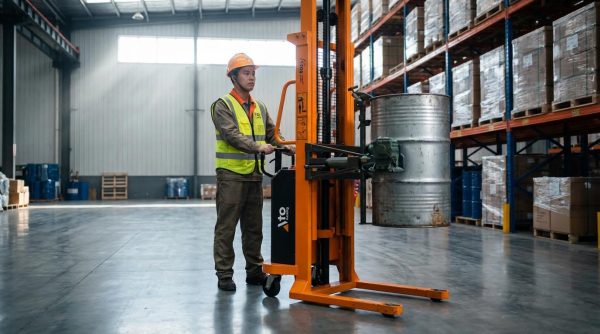
Engineering choices strongly influence how much drum handling equipment costs. Buyers often see a wide price spread between apparently similar units. The gap usually comes from load rating, structure, controls, and integration scope. Understanding these factors helps match specifications to budget without hidden lifecycle costs.
Load Capacity, Drum Format, And Duty Cycle
Load rating is one of the first drivers of how much drum handling equipment costs. A basic manual carrier for a 250 kilogram drum sat near the low end of the price range, while a hydraulic drum stacker rated around 350 kilograms cost several times more. Higher capacity needs thicker sections, larger cylinders, stronger bearings, and more robust welds. These changes push both material and fabrication costs up.
Drum format also matters. Equipment designed for standard 200 liter or 55 gallon drums uses well known geometry and clamping layouts. When plants handle mixed formats, such as fiber, plastic, and steel drums, frames and grippers need more adjustment and sensing. That adds mechanical complexity and setup time features, which increase price.
Duty cycle has a strong impact on how much drum handling equipment costs over its life. Light duty gear that runs a few moves per shift can use simpler bearings and smaller drives. Continuous or near continuous duty systems, such as telescopic drum conveyors or multi drum unloaders, need higher grade components and better cooling. In hot melt drum unloaders, continuous operation could double system cost because tandem configurations and extra heated manifolds were required.
Materials, Coatings, And Structural Design Choices
Base material choice sets a large part of the cost. Mild steel frames gave good strength and acceptable corrosion resistance for general indoor work, keeping prices in the lower bands. Stainless steel or heavy duty aluminum structures, common in food or corrosive environments, raised cost but improved hygiene and service life. Buyers paid more upfront but reduced repainting, corrosion repairs, and unplanned downtime.
Coatings and linings further shifted how much drum handling equipment costs. Anti corrosion and wear resistant inner coatings on rotary drums had been shown to roughly double service life compared with basic finishes. That improvement cut replacement frequency but raised initial price due to higher coating material cost and tighter process control.
Structural design choices also moved price. Heavy duty palletizers and continuous lift systems used thicker plates, stiffeners, and reinforced mast sections to handle 360 to 500 kilogram loads with low deflection. Precision fabrication and better weld quality increased labor hours but reduced fatigue cracking and frame distortion. Budget units used lighter sections and simpler welds, which cut initial cost but risked earlier failures and higher total cost of ownership.
Actuation, Controls, And Safety System Complexity
Actuation type is a major reason why powered drum handling equipment typically cost more than manual units. Manual lifters and tilters used mechanical leverage and simple hydraulic jacks. They had low purchase cost and almost no energy cost, but limited capacity and slower throughput. Powered hydraulic dumpers and stackers used pumps, valves, and larger cylinders. These parts increased both capital and maintenance cost, but enabled faster cycles and heavier drums.
Controls added another layer to how much drum handling equipment costs. Basic push button stations with simple contactors were inexpensive and suited to stand alone units. Advanced systems with PLC and HMI interfaces supported recipes, diagnostics, and line integration. These raised upfront price due to software, panel hardware, and commissioning time, but cut changeover time and improved traceability.
Safety system complexity also influenced cost bands. Features such as emergency stops, overload protection, and guards were standard and relatively low cost. Higher end drum unloaders added semi automatic bleed and boost functions, position sensors, leak detection, and hydraulic clamping. Leak detection options around 5,000 US dollars and safety enhancements under about 6,000 US dollars increased capital cost but reduced risk of spills, burns, and musculoskeletal injuries. For high frequency or hazardous applications, these features often paid back through lower incident and compensation costs.
Installation, Integration, And Supporting Infrastructure
Installation scope can shift how much drum handling equipment costs by a large margin beyond the list price. Simple manual lifters or single drum palletizers usually needed only floor space and basic operator training. Their installation cost stayed low, with minimal site modification. In contrast, powered drum dumpers, telescopic conveyors, and hot melt unloaders required more planning.
Large systems needed proper foundations, power distribution, and sometimes water or ventilation. Shipping cost depended on distance, weight, and transport mode, and could be significant for international deliveries. Some suppliers guaranteed shipment windows of about one to two weeks, but buyers still had to budget for cranes, rigging, and local labor during offloading and placement.
Integration with existing lines added engineering and commissioning effort. Connecting drum conveyors to upstream storage and downstream filling or mixing systems required alignment, controls interface, and safety interlocks. Multi drum hot melt systems with capacities around 2,000 pounds per hour could exceed 500,000 US dollars once tandem units, heated manifolds, and application specific features were included. Support infrastructure such as exhaust shrouds, which could add up to several thousand US dollars, and automation links further increased total project cost. Careful front end design helped avoid scope creep and kept lifecycle costs aligned with actual production needs.
Lifecycle Costs, ROI, And Technology Trends
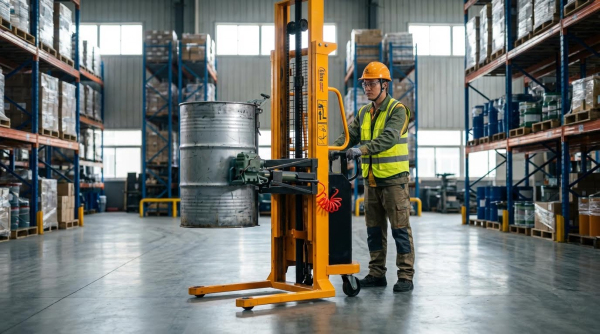
When buyers ask how much does drum handling equipment cost, they often look only at the tag price. Lifecycle economics showed that purchase cost was only one part of the financial picture. Energy use, maintenance, downtime, and labor efficiency usually dominated long-term cost. Technology choices around automation and digital tools changed this balance further.
Total Cost Of Ownership Versus Purchase Price
Purchase prices for drum handling equipment ranged from low-cost manual units to six-figure automated systems. However, total cost of ownership (TCO) also included energy, planned maintenance, unplanned failures, and safety incidents. Manual units had low upfront cost but higher ergonomic risk and labor hours per drum. Powered or semi-automated units cost more but reduced handling time and injury exposure. A realistic ROI study compared labor hours saved per shift, reduced rework from spills, and lower injury-related costs against the annualized capital cost. For high-throughput sites, TCO per drum handled usually dropped as automation level increased.
Maintenance, Reliability, And Spare Parts Strategy
Maintenance strategy strongly affected how much drum handling equipment cost over its life. Heavy-duty frames, quality bearings, and certified motors increased upfront price but reduced failure rates. Rotary drum systems with wear-resistant linings and corrosion-resistant coatings operated longer between overhauls. Plants that standardized on a limited set of drum lifters, dumpers, and conveyors could stock fewer spare parts and shorten repair time. Preventive maintenance plans with six‑monthly inspections, lubrication, and safety checks cut unplanned downtime. Reliability upgrades such as improved seals, better pumps, or reinforced welds added modest capital cost but lowered lifecycle cost by avoiding major failures.
Automation, Cobots, And Digital Twin Integration
Automation level had a direct impact on how much does drum handling equipment cost at purchase. Cobots, motorized conveyors, and automated drum unloaders required higher capital but changed the labor model. In high-volume plants, automated conveyors and powered dumpers reduced manual touches per drum and increased line speed. Digital twin models of drum handling cells allowed engineers to simulate layouts, queue times, and collision risks before installation. This reduced rework and mis-sized equipment purchases. Connected sensors and PLC or HMI control platforms enabled condition monitoring, which supported predictive maintenance and better uptime. For continuous or 24/7 duty, these technologies often shortened payback despite higher initial spend.
Energy Efficiency, Sustainability, And Ergonomics
Energy-efficient drives, optimized hydraulic circuits, and low-friction conveyor designs reduced operating cost per drum moved. Although efficient motors and drives cost more, they lowered electricity use across thousands of operating hours. Sustainable design, such as durable coatings and longer-life components, reduced scrap and replacement frequency. Ergonomic features like electric drum stacker, tilt assist, and good control placement cut strain injuries and related compensation costs. Safety systems, including emergency stops and guarding, added limited cost compared with the impact of a single major incident. When buyers evaluated how much does drum handling equipment cost, including energy, sustainability, and ergonomics in the model gave a more accurate, often more favorable, view of advanced equipment.
Summary: Matching Drum Handling Costs To Operational Needs
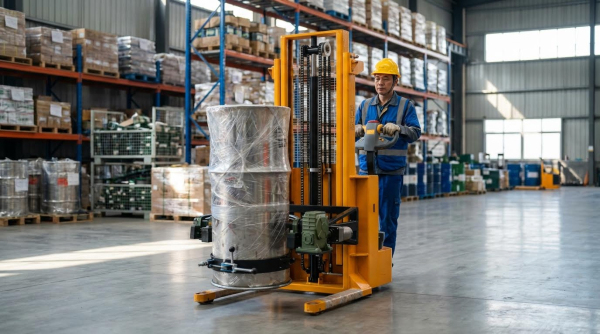
For engineers asking how much does drum handling equipment cost, the answer depends on matching technology to real duty profiles. Entry manual carriers and lifter–tilters could cost roughly the same as light industrial tools, while high-end hot melt drum unloaders and multi-drum systems could reach process-equipment investment levels. Between those extremes sit powered lifters, dumpers, and drum conveyors, where configuration and integration choices strongly influence the final budget.
From a cost engineering view, the first filter should be load, drum format, and handling frequency. Occasional moves of 200-litre drums in a low-throughput area often justify manual or basic hydraulic devices with capacities around 250 kilograms to 400 kilograms. High-frequency or 24/7 transfer of viscous products from drums to process lines usually needs powered systems, heated platens, and complex controls, which could push costs into the tens or hundreds of thousands of US dollars. Under-specifying for duty cycle tends to shift cost into unplanned downtime and injuries.
Next, designers should weigh structure, actuation, and safety against lifecycle cost. Mild-steel frames with proper coatings, overload protection, and emergency stops raise purchase price but lower fatigue failures and compliance risk. For conveyors and automated drum systems, integration into existing lines, foundations, and power distribution often equals or exceeds equipment price. Early coordination with civil, electrical, and controls teams reduces rework and avoids oversizing or duplicate handling steps.
Lifecycle economics show that powered drum handling, though more expensive to buy and run, could deliver better cost per tonne moved when labor, ergonomics, and uptime are included. Future trends pointed toward more automation, cobot-assisted drum manipulation, and digital monitoring, but adoption still depended on volume, product value, and safety targets. A balanced strategy is to start with the minimum safe mechanization, instrument the operation, then scale toward semi- or fully automated drum handling where data proves a clear payback. For instance, a drum stacker or electric drum stacker can significantly improve efficiency, while a forklift drum grabber ensures safe and precise handling in high-throughput environments.