A frame warehouse picking systems used an automated A‑shaped structure with vertical channels to buffer and dispense small items at very high speed. They combined storage, picking, order picking, order-consolidation, and control modules to push units directly into cartons, totes, or onto belt conveyors. Engineers evaluated these systems on throughput, labor productivity, accuracy, and integration with WMS, conveyors, and robotics, while maintaining preventive maintenance and regulatory safety standards. This article examined how A‑frame designs operated, which product and order profiles justified them economically, and how they compared with alternatives such as goods‑to‑person systems and collaborative robots before concluding with practical selection guidelines for modern distribution centers.
Core Design And Operation Of A-Frame Systems
A frame warehouse picking systems used a compact, high-density structure to push items directly into passing orders. Engineers configured channels, dispensers, and conveyors to achieve very high lines-per-hour with minimal labor. Control software synchronized SKU storage, picking logic, and replenishment to maintain accuracy at speeds up to 5 units per second. Understanding core design and operation helped teams decide where A-frame technology fit within broader fulfillment strategies.
Structural Layout: Channels, Frames, And Footprint
An a frame warehouse picking installation used two inclined channel banks forming an “A” over a central conveyor or tote line. Each vertical channel stored a single SKU within defined size limits, typically from 40×25×20 millimetres up to 220×160×100 millimetres. Engineers sized the footprint by counting required channels and using modular blocks, often 24 channels per base module with 12 per side. They balanced length, height, and service aisles to fit existing building grids, fire egress routes, and maintenance access. Channel pitch angles and frame stiffness minimized friction and deformation, which preserved reliable product flow. Designers verified floor loading for fully stocked channels, usually up to about 12 kilograms per channel stack, and checked seismic or building code constraints. The compact footprint enabled very high SKU density along a short conveyor run, which reduced conveyor length and transfer points.
Storage, Picking, Order, And Control Modules
A frame warehouse picking architecture divided into four main modules with clear interfaces. The storage module comprised the gravity-fed vertical channels, separators, and lane dividers that held products in single-file stacks. The picking module used mechanical pushers or driven fingers that dispensed a programmed quantity, often up to 5 units per second, into the order stream. The order module included belts, chutes, or trays that collected dispensed units into cartons, totes, or buckets for downstream inspection and packing. The control module linked everything through PLCs and warehouse software, translating order lines into channel fire commands. It monitored channel inventory counts, disabled faulted lanes, and enforced interlocks to avoid double-dispense events. This modular breakdown simplified capacity upgrades, because engineers could add channel blocks or extend conveyors without rewriting the entire control logic.
Order Flow: From Channel Dispense To Packout
In an a frame warehouse picking sequence, the order carrier entered the A-frame at a controlled pitch and speed. The control system pre-allocated positions on the belt or totes to specific orders, then triggered channels as each carrier passed. Dispensed items dropped directly into the assigned carton or onto the belt, which routed them to consolidation, checkweigh, and sealing stations. Designers tuned conveyor speed and order spacing to keep impact energy low and prevent product bounce or cross-contamination between orders. Vision or weight checks downstream verified that the physical quantity matched the electronic order line. Exceptions diverted to manual inspection lanes, maintaining flow on the main line. This continuous-motion process eliminated walking and discrete pick confirmations, which explained the very high throughput, up to roughly 3,000 orders per hour in well-engineered systems.
Replenishment Logic And Changeover For SKUs
Replenishment in a warehouse order picker layouts occurred from the rear or top of channels while picking continued at the front. Gravity maintained first-in, first-out flow where required, which suited pharmaceuticals and fast-moving consumer goods with expiry dates. Planners set minimum and maximum channel stock levels so the system generated replenishment tasks before channels emptied. Operators refilled up to about 2,000 items per hour without stopping the line, using barcodes or RFID to confirm the correct SKU in each lane. For changeovers, technicians could adjust or remove channel rails to accommodate different package heights and widths. They regrouped SKUs so the fastest movers occupied the most accessible channels and shortest drop distances. Control software updated lane-to-SKU mapping and purge procedures ensured no residual units from the previous SKU remained in the channel. This approach kept mechanical downtime low while allowing assortment changes that reflected evolving order profiles.
Performance, Integration, And Maintenance Factors
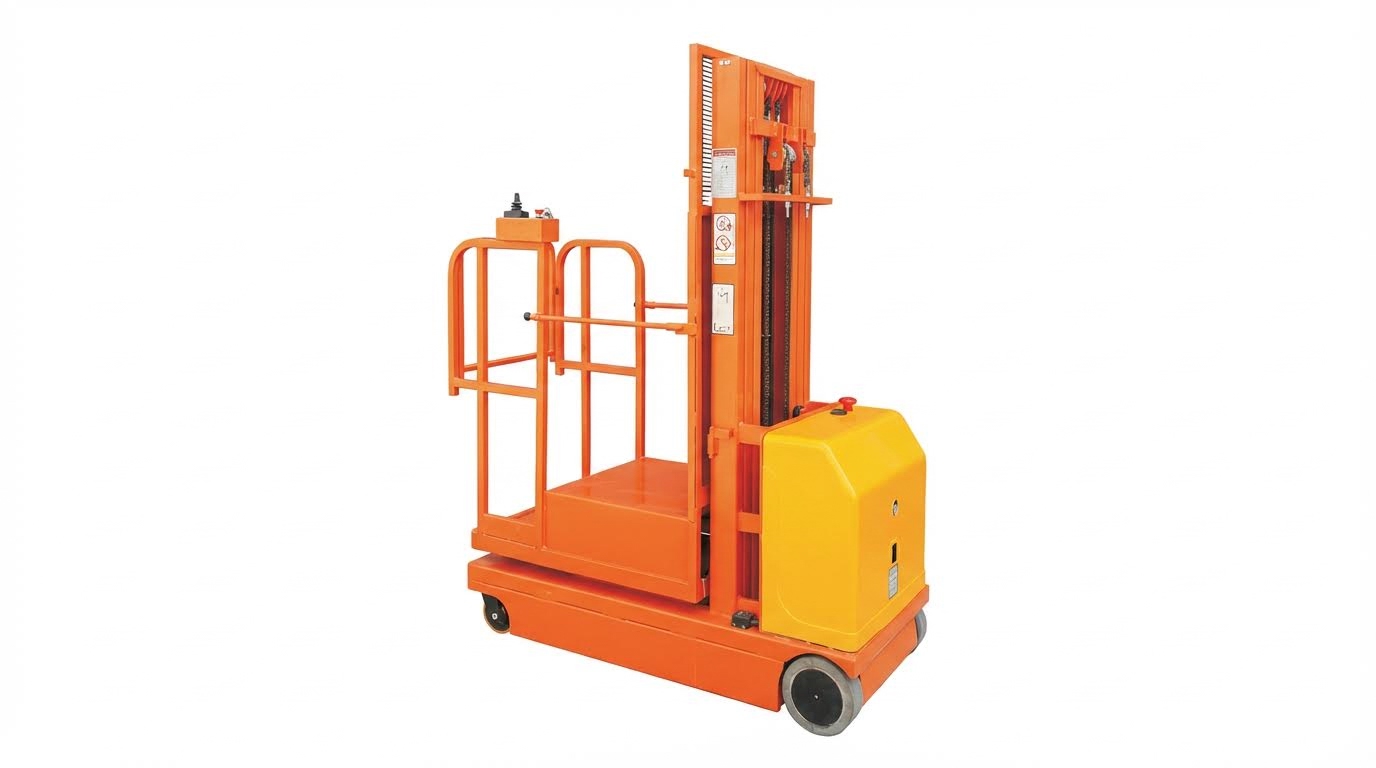
A frame warehouse picking solutions delivered very high performance when engineered and maintained correctly. This section explains how throughput, accuracy, labor, integration, and maintenance strategies shaped real-world results. It also covers safety, ergonomics, and compliance factors that constrained technical choices.
Throughput, Accuracy, And Labor Productivity
An a frame warehouse picking system concentrated on extremely high line throughput for small items. Typical designs processed up to 3,000 orders per hour and dispensed up to 5 units per second from channel ejectors. These rates depended on SKU mix, order profile, conveyor speed, and packout staffing. Engineers sized channel counts, discharge spacing, and conveyor accumulation length to avoid bottlenecks at merges and inspection stations.
Accuracy relied on synchronized control between channel actuators, conveyor tracking, and order identification. The control module associated each carton, tote, or belt pocket with an order ID via barcode or RFID. It then triggered channel pushers exactly when the load passed the dispense point. Optical sensors and weight checks at quality-control stations validated counts and detected double-dispense or missed units.
Labor productivity improved because operators no longer walked aisles to pick each line. One technician could supervise an entire A-frame zone while packers handled only verification and closing. Typical results showed order lines per labor hour several times higher than manual cart picking for suitable SKUs. However, productivity gains dropped if the SKU mix shifted toward bulky items that did not fit the defined size envelope of about 40×25×20 millimetres to 220×160×100 millimetres.
Integration With WMS, Conveyors, And Robotics
In a frame warehouse picking projects, software integration determined whether mechanical capacity translated into usable throughput. The warehouse management system released waves or continuous order streams to the A-frame control module. It pre-allocated orders to cartons, totes, or belt positions and enforced cartonization rules, lot control, and expiry constraints. Stable, low-latency interfaces using standard APIs or message queues reduced the risk of mis-synchronization between order data and physical flow.
Conveyor integration covered infeed, discharge, and recirculation loops. Engineers matched conveyor speed, belt width, and accumulation logic to the A-frame dispense rate. Zero-pressure accumulation and singulation zones prevented back-pressure under the frame that could disturb product alignment or cause shingling. Downstream sorters or merges routed completed cartons to packing, value-added services, or shipping lanes based on WMS instructions.
Robotics increasingly supported upstream and downstream processes. Autonomous mobile robots or automated storage systems staged replenishment cartons near the frame for rapid channel refills. Robotic palletizers handled outbound cartons from the packout line. Control architectures used a combination of PLCs for real-time actuation and higher-level software for routing and task orchestration. Clear definition of ownership between WMS, WCS, and A-frame controller avoided conflicting commands and simplified troubleshooting.
Preventive And Predictive Maintenance Practices
A frame warehouse picking installations depended on consistent preventive maintenance to sustain high uptime. Daily routines included visual inspection of channels, pushers, guides, and belts for misalignment, debris, or product fragments. Technicians checked sensors, air lines, and cabling for damage and verified emergency stops and interlocks. Lubrication of moving components followed manufacturer intervals, with food-grade lubricants used in regulated industries.
Weekly and monthly tasks focused on mechanical fastening, wear, and calibration. Teams inspected fasteners for torque, checked actuator stroke positions, and verified conveyor tracking. They measured air pressure, electrical loads, and temperature at control cabinets to detect early degradation. Spare-part strategies prioritized actuators, sensors, belts, and control modules to minimize mean time to repair.
Predictive maintenance used data from the control system and maintenance software. Logs of cycle counts per channel, fault codes, and micro-stops highlighted high-stress locations. Vibration and thermal monitoring on motors and gearboxes identified issues before failure. Maintenance management software scheduled interventions during low-demand windows and recorded service history for each subsystem. This approach reduced unplanned downtime, extended component life, and protected the high capital investment of the A-frame.
Safety, Ergonomics, And Regulatory Compliance
A frame warehouse picking designs incorporated safety and ergonomics from the concept stage to meet regulatory expectations. Guarding, fixed barriers, and interlocked doors restricted access to moving actuators and conveyors. Light curtains or safety scanners protected maintenance access zones. Emergency stop circuits used safety-rated relays and redundant channels in line with IEC and ISO machinery safety standards.
Ergonomics centered on replenishment and packout activities. Designers positioned replenishment platforms at heights that minimized bending and overreach, often between 800 and 1,400 millimetres. Anti-fatigue flooring, adequate lighting, and clear visual cues reduced operator strain and errors. At packout, workstations allowed neutral wrist positions and short reach distances to tape, labels, and void fill.
Compliance referenced occupational safety regulations and local codes. Procedures defined lockout-tagout steps for servicing actuators and conveyors. Training programs covered system hazards, safe clearing of jams, and response to alarms. Documented inspections and periodic third-party audits demonstrated adherence to safety and maintenance standards. When correctly implemented, these measures reduced incident rates while preserving the high-speed advantages of the A-frame system.
When A-Frame Picking Makes Economic Sense
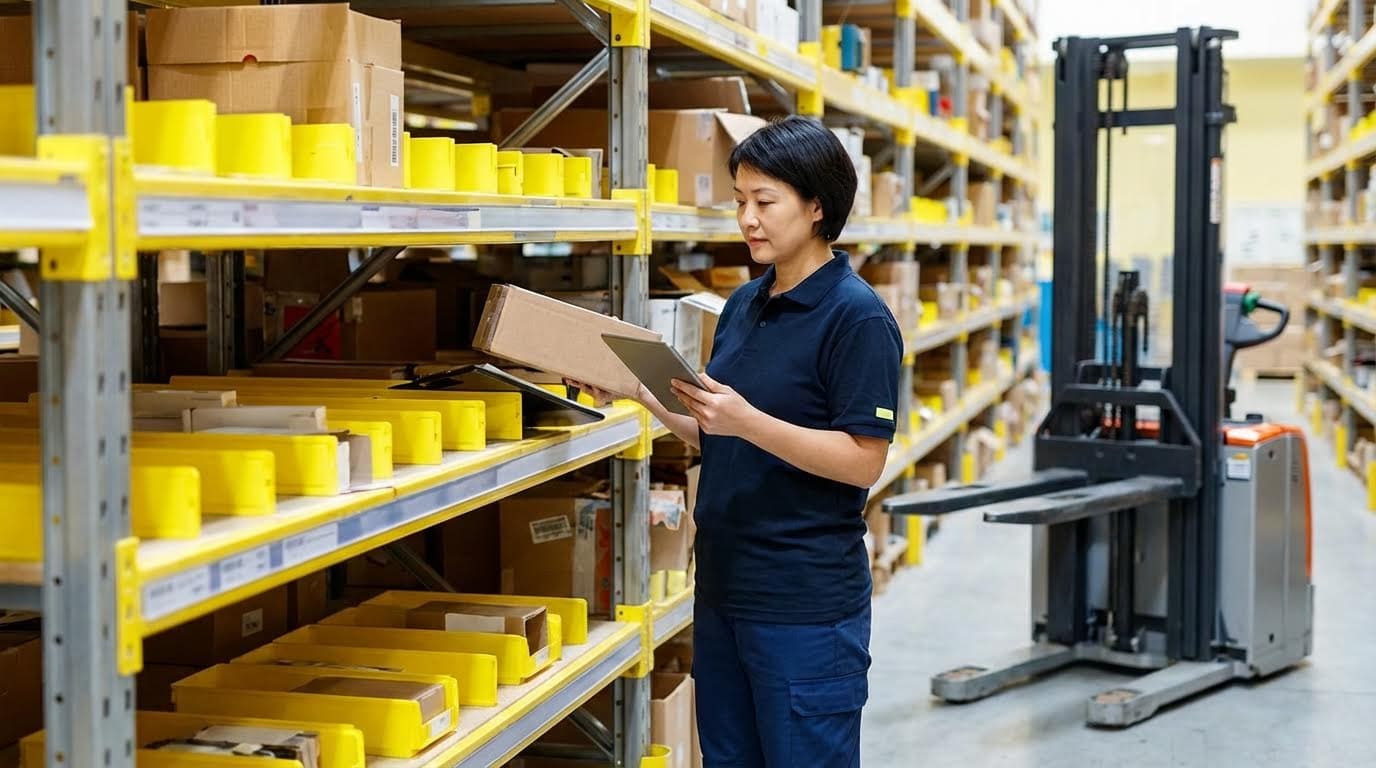
A frame warehouse picking becomes attractive when order profiles, SKU mix, and labor costs align with its automation envelope. Engineers evaluate product geometry, throughput needs, and integration constraints before justifying capital expenditure. The decision often compares A-frame against goods-to-person shuttles, AMRs, and manual batch picking. A structured assessment of product fit, scalability, lifecycle cost, and alternative technologies ensures robust investment decisions.
Ideal Product Profiles And Order Patterns
A frame warehouse picking suits small, regularly shaped items with stable packaging. Typical products include pharmaceuticals, cosmetics, health and beauty, stationery, and small spare parts. Technical constraints usually limit unit dimensions to roughly 40×25×20 millimetres up to about 220×160×100 millimetres. Individual unit mass generally stays below 0.5 kilograms, while total channel load often remains near 10–12 kilograms.
This geometry allows dense vertical channel storage and reliable mechanical dispensing without jamming. The system excels where orders contain many warehouse order picker order lines but few units per line. E‑commerce, direct-to-consumer, and store-replenishment operations with thousands of order lines per hour benefit most. High order volume with repetitive SKUs justifies channel allocation and replenishment labor.
Order profiles with strong ABC concentration improve economics. High-frequency SKUs occupy A-frame channels, while long-tail SKUs stay in conventional shelving or goods-to-person systems. Operations with strong seasonality still work if peak volume repeatedly uses the same fast movers. Highly variable packaging, fragile items requiring special handling, or bulky goods typically do not fit A-frame constraints.
Capacity Planning, Scalability, And Modularity
A frame warehouse picking offers modular capacity increments via additional channel blocks and length extensions. A basic configuration might provide 24 channels, with 12 channels on each side of the frame. Engineers can scale in discrete steps, commonly adding 12 channels per side while maintaining the same conveyor spine. This supports phased investment aligned with demand growth and available capital.
Throughput planning uses key parameters such as units per second and orders per hour. Mature systems reached up to approximately 5 units per second and around 3,000 orders per hour under ideal conditions. Engineers model peak fifteen‑minute intervals, not just average hourly rates. They also include inspection, packing, and transport buffers to avoid downstream bottlenecks.
Vertical expansion increases storage density without enlarging the floor footprint, which benefits space-constrained facilities. However, higher structures require careful review of building clear height, seismic codes, and maintenance access. Changeover flexibility matters: adjustable rails and channel dividers allow resizing for different product heights and widths. When planning, designers include spare channels for future SKUs and promotional items to avoid frequent re-slotting.
Lifecycle Cost, Energy Use, And Sustainability
Lifecycle analysis for a frame warehouse picking examines capital cost, energy consumption, labor savings, and maintenance. The system uses electric drives, control electronics, and conveyor motors, which typically draw less power than large pallet AS/RS cranes. Because A-frames handle small items at high density, they reduce travel distance and associated forklift or picker energy. This often offsets the electrical load of the dispensing mechanisms.
Labor remains the dominant operating expense in manual picking. A-frame automation replaces repetitive walking and reaching with stationary supervision, quality checks, and replenishment. Over ten to fifteen years, reduced headcount and lower picking error rates usually drive the business case. Engineers quantify savings using historical pick rates, error costs, and local wage data.
From a sustainability perspective, compact footprints reduce building area, lighting requirements, and HVAC volume per order line. Automated, controlled dispensing can also reduce product damage and waste. Preventive maintenance and robust component selection extend equipment life and delay replacement, lowering embodied carbon over time. End-of-life planning should consider recyclability of steel frames, aluminium components, and electronic modules.
Comparing A-Frame To Goods-To-Person And Cobots
A frame warehouse picking competes with goods-to-person shuttles, vertical lift modules, and mobile robot (cobot) solutions. A-frames deliver unmatched throughput for high-volume, small-item SKUs with short pick faces. They push items directly into cartons, totes, or onto belts, reducing touches and handling steps. In contrast, goods-to-person systems excel with broader SKU ranges and variable carton sizes but usually at lower line speeds.
Autonomous mobile robots and collaborative robots provide flexibility and lower initial capital for smaller operations. They navigate existing shelving and adapt to layout changes without fixed steel structures. However, their per-order labor content often remains higher, especially at very high order densities. A-frames require more upfront engineering but yield lower cost per order at scale.
Integration considerations also differ. A-frames rely on tight synchronization between WMS, conveyor control, and the dispensing logic. Goods-to-person and cobots tolerate more asynchronous flows and mixed manual tasks. When SKU profiles are stable, demand is predictable, and peak throughput requirements are extreme, A-frames usually outperform alternatives. Where assortment volatility, frequent product launches, or uncertain growth dominate, goods-to-person or cobots may offer better risk-adjusted value.
Summary And Practical Selection Guidelines
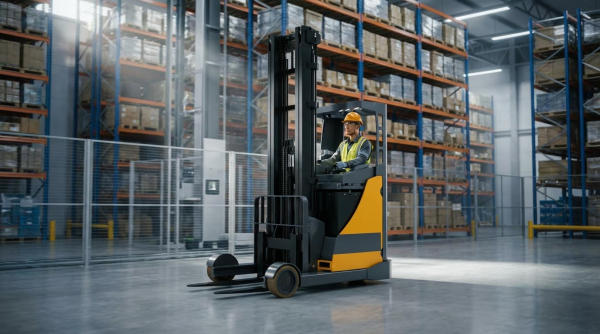
A frame warehouse picking solutions delivered very high throughput for small-piece, high-volume distribution. They dispensed items from dense vertical channels directly to belts, totes, or cartons with minimal labor. When engineered correctly, they integrated with warehouse management software, conveyor networks, and upstream or downstream automation. This section summarizes where a frame warehouse picking fit best and how engineers could select and size systems responsibly.
Technically, a frame warehouse picking worked best where order lines per hour exceeded manual picking capacity and each order line contained only a few units. Product geometry needed to fall inside defined envelopes, typically 40 × 25 × 20 millimetres up to about 220 × 160 × 100 millimetres, with limited unit mass. Operations teams had to confirm SKU stability, packaging robustness, and flow characteristics to avoid jams in vertical channels. Engineers also evaluated replenishment rates, since channels required frequent but short refills that could occur without stopping production.
From an economic perspective, the technology made sense when labour savings and error reduction offset capital, integration, and maintenance costs over the system life. Life‑cycle analysis considered energy consumption of drives and controls, spare parts, and planned preventive or predictive maintenance. Compared with goods‑to‑person shuttles or collaborative robots, a frame warehouse picking offered superior lines‑per‑hour for suitable SKUs but lower flexibility for bulky or irregular items. Future trends pointed to tighter coupling with real‑time analytics, dynamic SKU slotting, and condition‑based maintenance that used sensor data.
Practically, selection guidelines included a structured engineering study: define target throughput and service levels, map SKU and order profiles, and simulate different layouts. Designers checked building constraints, floor loading, fire protection, and egress requirements to maintain regulatory compliance. They also planned interfaces to upstream storage and downstream packing, with clear maintenance access and lockout points. By balancing performance, flexibility, risk, and total cost, operators could position a frame warehouse picking as a focused, high‑speed subsystem within a broader intralogistics architecture.