Warehouse teams asking what is a cherry picker in a warehouse usually mean an order picking truck that lifts both operator and load into the racking. This article explains how these machines are defined, how they differ from other lift trucks, and how engineers size them for height, capacity, and aisle width across different storage systems.
You will see how drive units, masts, batteries, and control systems shape performance, energy use, and maneuverability in narrow aisles. Later sections connect safety rules, OSHA and EN standards, fall protection, inspections, and stability limits to everyday picking tasks and maintenance planning. The summary section then links these design and safety points to practical selection criteria so operations, engineering, and safety teams can choose safe, efficient cherry pickers for modern warehouses.
What A Warehouse Cherry Picker Really Is
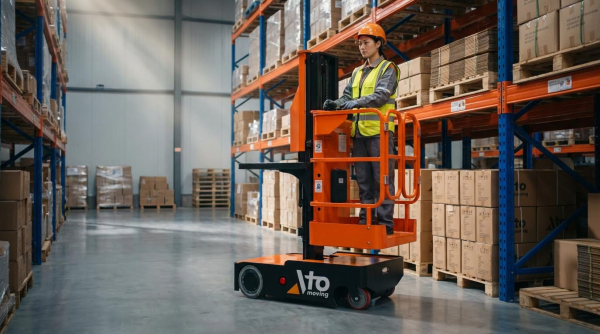
Engineers and warehouse managers often ask what is a cherry picker in a warehouse and how it differs from other lift trucks. In intralogistics, the term usually refers to a self-propelled order picking machines that lifts both the operator and the load into the racking. This section explains how these machines are defined, how they work, and where they fit best. It also links capacities, heights, and aisle widths to real warehouse tasks and storage strategies.
Cherry Picker Vs. Order Picker: Key Definitions
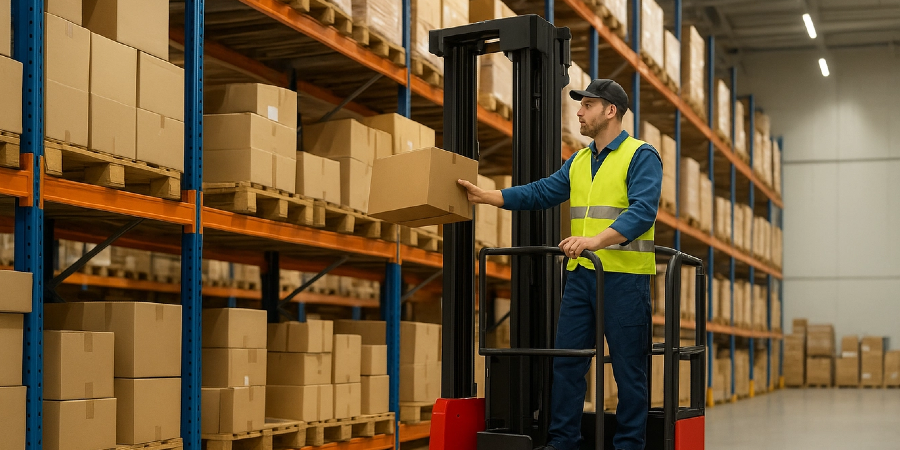
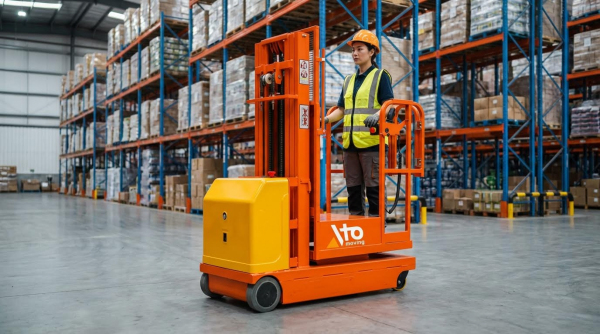
In warehouse operations, a cherry picker usually means an electric warehouse order picker. The operator stands on a platform that rises with the forks into the rack. The machine lifts the person and the load together for case or piece picking. Traditional forklifts keep the operator at floor level and only lift the pallet.
Order pickers fall under electric narrow aisle truck categories in safety standards. They are not designed for constant pallet put-away or heavy stacking. Instead, they support high-selectivity picking where workers handle cartons and pieces. Outside warehouses, cherry picker may mean a boom lift, so engineers should always confirm the context.
Core Components And Operating Principles
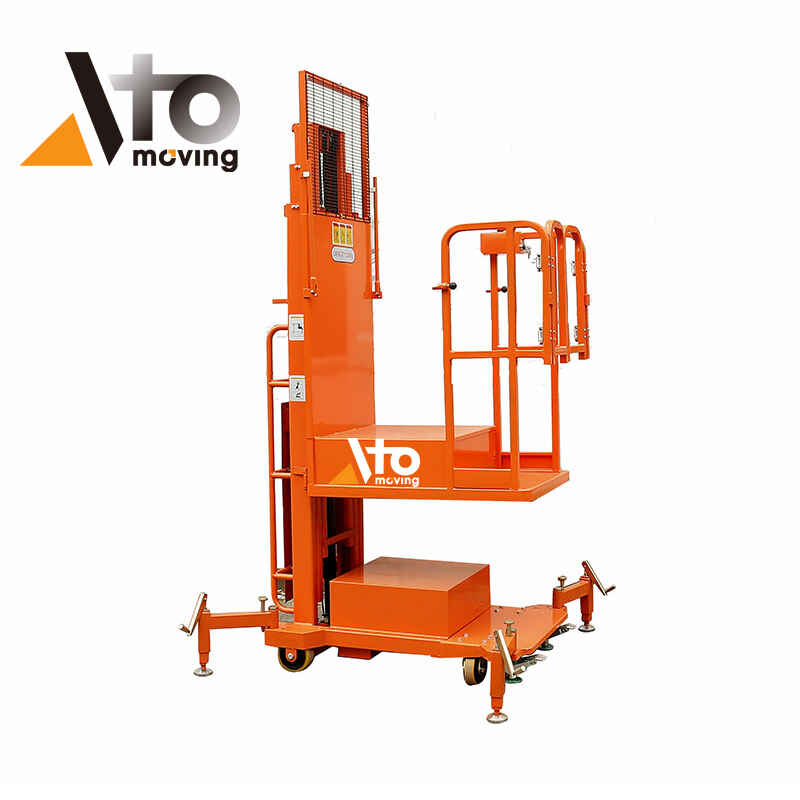
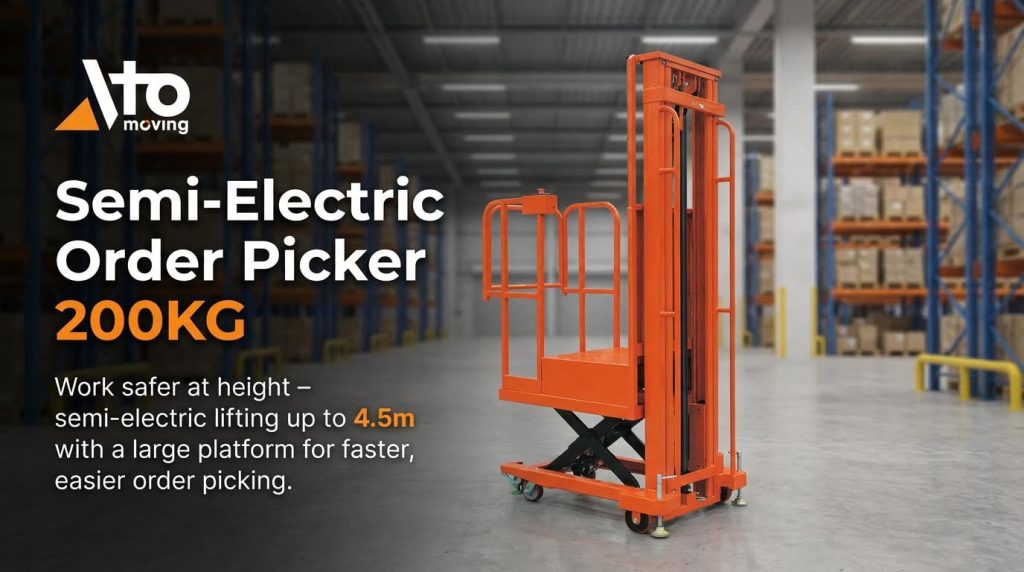
A warehouse cherry picker combines a drive unit, mast, and operator platform into one narrow chassis. The main components usually include:
- Drive section with electric traction motor and drive wheel
- Mast with lift chains, hydraulic cylinder, and fork carriage
- Operator platform with controls, guardrails, and harness anchor
- Battery compartment and electronic control units
The operator stands on the platform and uses a steering wheel or tiller plus a joystick or levers. A deadman pedal must stay pressed for any movement. The hydraulic system raises the mast and platform to the target level. Control logic limits speed and acceleration at height to maintain stability and ride comfort.
Typical Capacities, Heights, And Aisle Requirements
Typical warehouse cherry pickers focus on people and carton handling, not full pallet mass. Common engineering envelopes include:
| Parameter | Typical range |
|---|---|
| Rated load | Up to about 1,000–1,500 kg for the platform and load combined |
| Mid-level lift height | About 4.5–7.5 m |
| High-level lift height | About 6–11 m |
| Power supply | 24 V or 36 V battery systems; larger units may use 48 V |
| Typical aisle width | Very narrow aisle layouts with tight rack clearances |
Load ratings always include the operator, tools, and picked goods. Engineers must check the data plate for exact limits. Very narrow aisle designs reduce wasted floor space but demand precise steering and guidance. Some high-level units use wire or rail guidance so the truck tracks a fixed path between racks.
Common Warehouse Tasks And Use Cases
Warehouse cherry pickers support operations where workers pick individual cartons or items from high racking. Typical use cases include:
- Piece or case picking for e-commerce and spare parts
- Replenishing forward pick faces from reserve levels
- Cycle counting and inventory checks at upper beam levels
- Light maintenance tasks within the rack envelope
They work best where SKU variety is high and full-pallet moves are rare. Facilities often combine cherry pickers with walkie pallet truck or reach trucks for inbound and outbound pallet flows. Compared with ladders or static platforms, cherry pickers cut climb time, improve ergonomics, and maintain higher pick rates at height. When paired with a warehouse management system, they also support directed picking paths and better slotting strategies.
Engineering Design And Technology Considerations

Engineering choices in warehouse cherry pickers shape safety, uptime, and picking speed. Designers must balance narrow-aisle maneuvering, vertical reach, and energy use while answering a core search question: what is a cherry picker in a warehouse from a systems point of view. This section explains how drive units, masts, batteries, and automation features work together in modern warehouse order picker trucks. It focuses on architectures that support high-bay racking and very narrow aisle layouts.
Drive, Mast, And Powertrain Architecture
A warehouse cherry picker is a narrow-aisle electric truck that lifts both operator and load. The drive unit usually sits under or ahead of the operator platform with a single powered wheel and stabilizing casters. This layout reduces turning radius so the truck can work in very narrow aisles while elevated.
The mast uses telescopic or triplex sections with hydraulic cylinders and chains. Designers size channels and chains for vertical heights around 5–11 metres in typical order-picking use. Load rating falls as height rises, so data plates specify separate capacities at defined lift heights.
Powertrains use electric traction motors with electronic controllers. These limit acceleration and travel speed when the platform rises to cut sway and tipping risk. Smooth ramp-up and ramp-down profiles protect mast components and reduce fatigue on welds and bearings over the truck’s service life.
Steering, Guidance, And Control Systems
Steering systems on warehouse cherry pickers must stay precise even when the operator stands several metres above floor level. Most trucks use electric steering with a wheel or tiller that drives a steer motor on the main wheel. Electronic control units map steering angle to wheel angle and often reduce steering sensitivity at speed.
Guidance options depend on aisle width and rack layout. Typical choices include:
- Manual guidance with full operator steering control.
- Mechanical or rail guidance that keeps the truck centered in very narrow aisles.
- Wire or RFID guidance that follows a buried cable or tags.
Wire guidance became common in very narrow aisles because it avoids floor rails and keeps forks and platforms free. Control systems integrate travel, lift, and braking logic. They monitor deadman pedals, presence sensors, and height encoders, then apply speed limits or automatic braking when risk conditions appear.
Battery Systems, Charging, And Energy Efficiency
Warehouse cherry pickers run on traction batteries, usually 24-volt or 36-volt packs in compact, tall compartments. Higher voltage versions, including 48-volt systems, power heavier trucks or higher lift heights. Battery trays often roll on steel rollers for side extraction, which shortens change-out time on multi-shift operations.
Energy efficiency depends on three main factors. First, the efficiency of traction and lift motors. Second, the weight and rolling resistance of the truck. Third, driving habits and duty cycle. Regenerative braking on traction and sometimes on lowering functions can return energy to the battery and reduce charging frequency.
Charging strategies include overnight conventional charging, fast charging during shifts, or battery exchange. Engineers size battery capacity based on ampere-hour demand over a shift, expected lift cycles, and travel distance. They also design ventilation and cable routing in charging areas to meet electrical safety rules and limit heat build-up.
Automation, AGVs, And Digital Twin Integration
Designers have started to add automation layers to answer rising labor costs and higher throughput targets. Some warehouse cherry pickers now include semi-automated functions such as aisle-keeping assist, programmable stop positions, and speed zoning by location. These features still keep an operator on board but reduce cognitive load and error risk.
Fully automated guided vehicle (AGV) order picking machines used sensors, lidar, or camera systems to navigate and pick without a driver. They suited high-volume, repeatable flows, often in standardized cartons or cases. These systems interfaced with warehouse management systems to receive tasks and report status.
Digital twin models of the warehouse and equipment allowed engineers to simulate travel paths, traffic conflicts, and battery usage. They tested different rack layouts, aisle widths, and fleet sizes before committing capital. When combined with live telemetry from trucks, digital twins helped optimize speed limits, charging windows, and maintenance intervals for each site.
Safety, Compliance, And Operational Best Practices
Safety rules for warehouse cherry pickers protect people working at height and in narrow aisles. Operations teams that ask what is a cherry picker in a warehouse also need to know how standards, training, and inspections control risk. This section explains how to align OSHA and EN rules, fall protection, daily checks, and stability limits with real warehouse practice. The goal is simple. Keep operators safe while maintaining high pick rates and uptime.
OSHA/EN Standards, Training, And Certification
OSHA classified warehouse order picker, often called cherry pickers, as Class II electric narrow aisle trucks. Aerial lift style boom cherry pickers fell under separate OSHA and ANSI/SAIA A92 rules, while EN 280 and related EN standards applied in Europe. In all regions, only trained and authorized operators could use this equipment.
Effective training programs combined three parts. Classroom theory, hands‑on driving and lifting, and a documented skills evaluation on the exact truck type. Even if a worker already held a forklift license, order picker or aerial lift use still required specific, separate training.
Key training topics usually included: truck controls, deadman pedal function, emergency lowering, safe travel with the platform raised, pedestrian interaction, and battery or charging safety. Employers had to refresh training after incidents, near misses, or when layouts or equipment changed. This was essential in very narrow aisle systems, where clearance errors quickly became collision or crush hazards.
Fall Protection, Harness Systems, And Guardrails
Fall protection answered a core part of what is a cherry picker in a warehouse from a safety view. It is a mobile work platform that lifts the person, so fall arrest or restraint was mandatory in most cases. For order picker trucks, OSHA required a full‑body harness and lanyard tied to an approved anchor point on the platform or mast.
Good practice kept lanyards short enough to prevent a person from reaching a fall edge. ANSI and EN rules set typical guardrail heights around 1.1 metres with mid‑rails and toe boards. Operators had to stay inside the rail envelope and never stand on pallets, boxes, or add‑on steps to gain extra reach.
In boom‑type cherry pickers used indoors, the same principles applied. Tie‑off inside the basket, no climbing on rails, and no use of extra platforms inside the basket. Supervisors also needed to check anchor labels, harness inspection dates, and lanyard condition as part of routine audits.
Pre-Use Inspection, Maintenance, And Lifecycle Costs
Daily pre‑use checks reduced breakdowns and serious incidents. Operators should walk around the cherry picker before each shift and check:
- Battery charge, connectors, and cable damage
- Hydraulic leaks, hoses, and lift chains
- Wheels, casters, and load wheels for wear
- Guardrails, gates, harness points, and decals
After the visual check, the operator should test lift, lower, steering, braking, horn, alarms, and emergency stop. Any fault meant the truck stayed out of service until repair. This policy directly cut tip‑over, collision, and entrapment risk.
Planned maintenance schedules usually grouped tasks by operating hours. Typical work included chain lubrication, brake inspection, hydraulic oil and filter changes, and control system checks. Lifecycle cost models had to include battery replacement, charger upkeep, and mast or chain overhauls, not just purchase price. Well‑planned service extended safe life and lowered cost per pick.
Stability Limits, Load Ratings, And Operating Hazards
Understanding stability is central to answering what is a cherry picker in a warehouse from an engineering angle. It is a balance system. The truck, mast, platform, load, and floor all interact. The data plate on the truck defined maximum rated capacity at specific lift heights and load centres. Operators had to read and follow these values.
Main operating hazards included:
- Tip‑over from overloading, turning with the platform raised, or hitting floor defects
- Crush and entrapment between platform rails and racking beams
- Falls from stepping outside guardrails or not using a harness
- Collision with pedestrians in shared aisles
Good practice limited travel speed when elevated and, where possible, kept travel at ground level with the platform lowered. Very narrow aisles often used wire or rail guidance to keep the truck centred and reduce rack strikes. Engineers also checked floor flatness and bearing capacity so point loads from wheel sets stayed within slab limits.
Clear rules, visible signage, and simple traffic plans tied all these controls together. When combined with correct truck selection and layout design, they allowed high pick efficiency without compromising safety.
Summary: Selecting Safe, Efficient Cherry Pickers
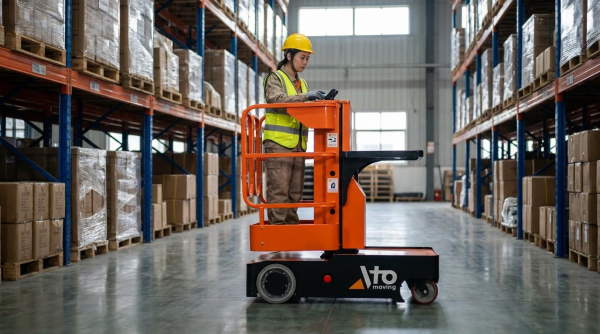
Warehouse teams that ask what is a cherry picker in a warehouse usually face a buying decision. They must balance reach height, load capacity, aisle width, and safety rules. A cherry picker in this context is a powered truck that lifts both operator and load for case or piece picking in racking. It differs from pallet movers or boom lifts that only move loads or reach building exteriors.
From a technical view, selection starts with the storage profile. Key checks include required picking height, typical load mass, pallet type, and aisle geometry. Narrow aisles often push buyers toward guided systems and higher mast stiffness. Battery voltage, duty cycle, and charging strategy must match shift patterns, or trucks will sit idle during peaks.
Safety and compliance drive the next filter. Buyers should verify that the platform, guardrails, and anchor points support a full fall arrest system. They also need clear data plates that state rated capacity at height, plus documented training programs aligned with OSHA or EN rules. Daily inspection routines and planned maintenance help control lifecycle cost and downtime.
Looking ahead, guidance systems, partial automation, and digital twins will shape how warehouses use cherry pickers. Yet the core choice will still depend on simple engineering fits. Does the truck reach the top location, stay stable in the aisle, and protect the operator at all times? A structured selection process that covers layout, loads, energy, and safety will deliver the most efficient and defensible answer.