Order picking sits at the heart of warehouse execution and links planning to customer delivery. When teams ask what is picking process in warehouse operations, they need an end-to-end view, not just the act of taking items from shelves. This article walks through the complete flow from order release and pick wave creation, through replenishment, travel, verification, and exception handling, to final handover for packing and dispatch. You will also see how layout, slotting, labor models, automation, and data-driven control reshape the warehouse order picking process into a repeatable, measurable, and scalable workflow.
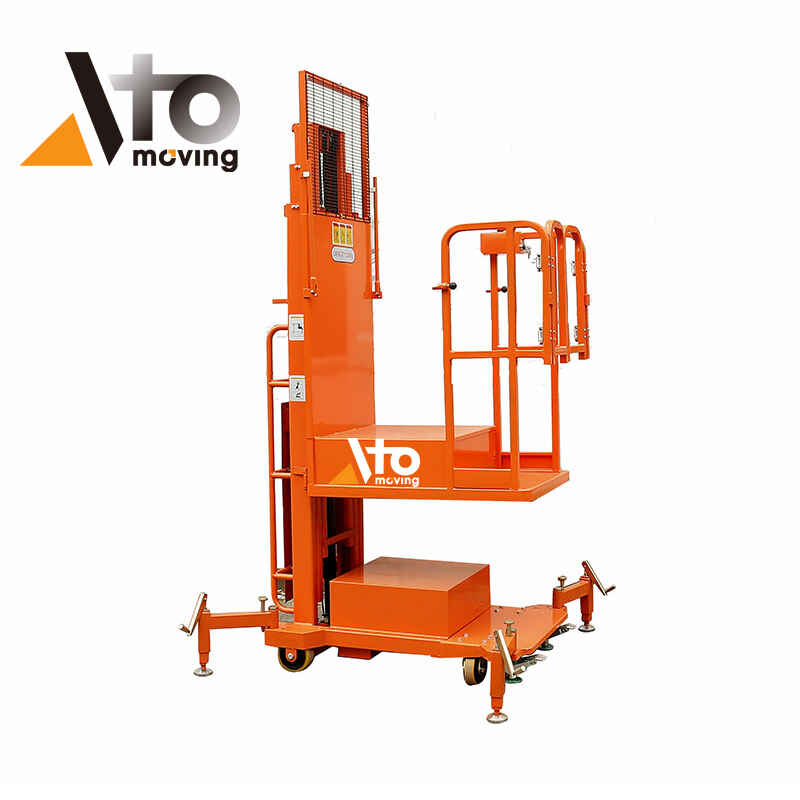
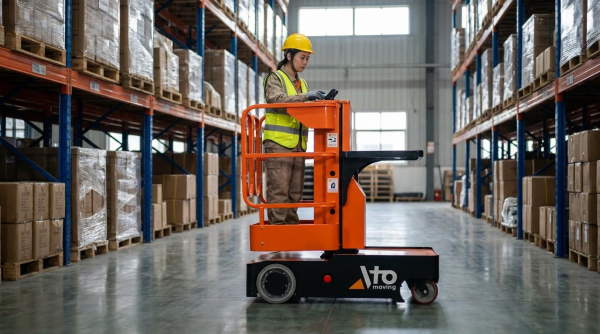
The outline then examines how to design physical layouts and methods that cut travel time while keeping workers safe and compliant. It explains how WMS, robotics, and real-time data optimize each step, from inventory visibility to picker guidance and performance tracking. The closing section condenses key engineering and operational takeaways so warehouse, industrial engineering, and operations leaders can align on a practical, high-efficiency order picking machines model. Additionally, integrating tools like semi electric order picker can further enhance efficiency.
Mapping The End-To-End Picking Workflow
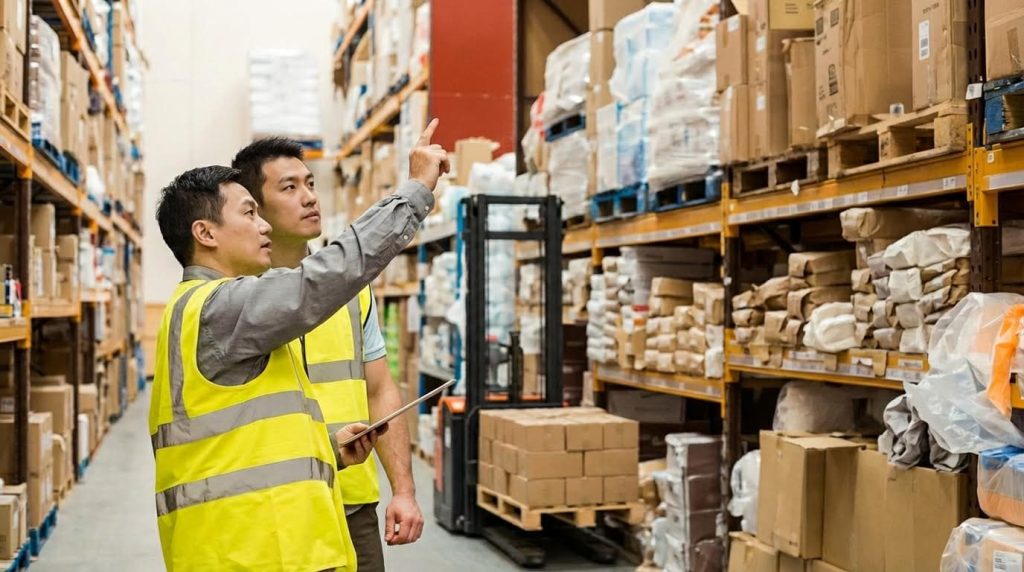
Operations teams that ask what is picking process in warehouse need a clear view of the full workflow. This section maps every step from order release to dispatch. It links planning, replenishment, travel, verification, and handover into one controlled flow. The goal is to cut travel, prevent stockouts, and protect accuracy at each stage.
From Order Release To Pick Wave Creation
The picking process in a warehouse starts when the system releases orders from the host or ERP. A Warehouse Management System groups these orders into pick waves or tasks. Grouping logic often uses due time, carrier cut-off, order size, and shipping zone. This step decides which SKUs get picked together and when.
Engineers design this release step to balance dock cut-offs and picker workload. Common approaches include:
- Real-time release for urgent or same-day orders.
- Time-based waves aligned with carrier schedules.
- Batching by SKU or zone to reduce travel distance.
Good wave design limits congestion in hot zones and avoids starving downstream packing. It also supports demand spikes by changing wave size and frequency without changing the layout.
Replenishment Of Forward Pick And Reserve Storage
Forward pick locations hold small, easy-to-reach stock for fast picking. Reserve storage holds bulk inventory in higher or deeper positions. The picking process depends on timely replenishment of forward pick from reserve. Poor replenishment planning creates empty slots and picker delays.
Engineers usually define:
- Minimum and maximum stock levels per forward location.
- Replenishment triggers based on demand and historical velocity.
- Cut-off rules so replenishment does not block active picking aisles.
Timely top-up lets pickers work without waiting for pallets or cases. It also stabilizes cycle counting because stock stays in defined locations. In high-volume sites, planners often schedule pre-wave replenishment so all fast movers are full before the main pick wave starts.
Travel, Pick, Verify, And Exception Handling
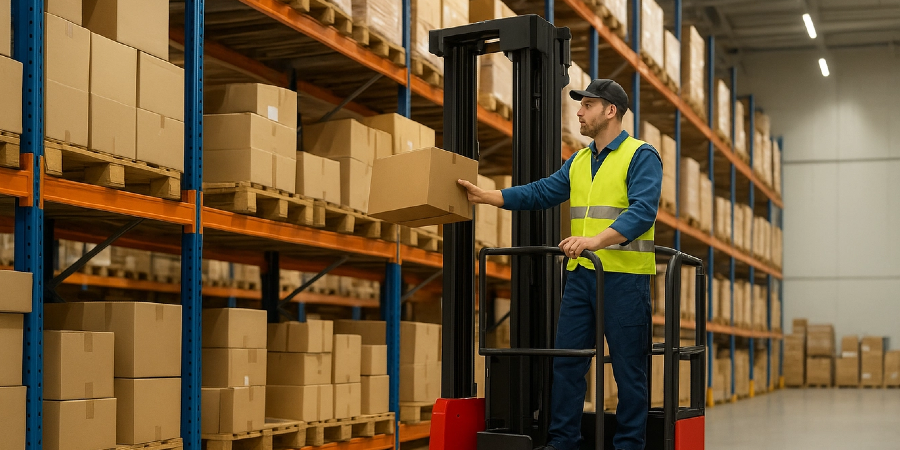
Travel and picking form the cost core of what is picking process in warehouse operations. The picker follows an optimized route through aisles. The system guides them to location, quantity, and unit of measure. Travel time often dominates total pick time, so layout and routing rules matter.
Verification reduces errors and customer claims. Typical methods include barcode scanning of location and item, quantity confirmation, or check digits. These checks add seconds but prevent wrong-SKU and wrong-quantity issues.
Exception handling covers cases where the plan does not match reality. Common exceptions are short picks, damaged stock, or blocked locations. Best practice is to capture the reason code at once and trigger automatic tasks. These tasks can include inventory adjustment, replenishment, or order reallocation. Fast exception resolution protects service levels without manual chasing.
Handover To Packing, Sortation, And Dispatch
The last step links picking with packing and shipping. Picked units move to a consolidation or packing area. For discrete picking, each order usually arrives complete. For batch or zone picking, a consolidation point merges items from different zones into one order.
At packing, operators verify contents again, add void fill, and close cartons. Many sites pick directly into the final shipping carton to cut touches. After packing, cartons enter sortation. Sorters send them to the correct dock door, carrier lane, or route cage based on labels and ship method.
Dispatch closes the loop. Systems confirm shipment, update inventory, and send tracking data to customers. A smooth handover ensures that gains from an efficient picking process are not lost at the dock.
Designing Layouts, Methods, And Labor Models
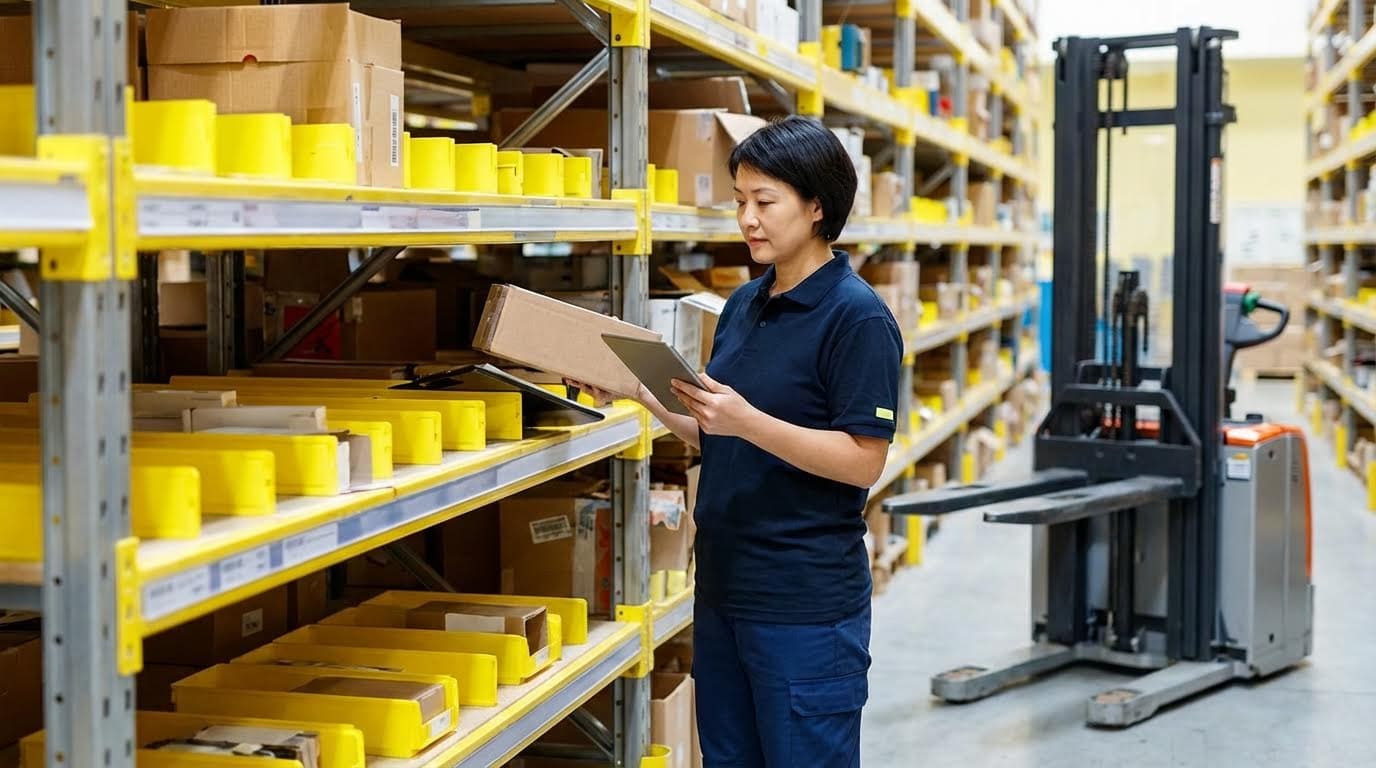
Designing layouts, methods, and labor models defines what is picking process in warehouse practice, not just theory. This section links slotting, picking methods, and staffing choices to travel time, accuracy, and safety. It shows how engineering decisions on layout and labor models control cost per pick, throughput, and worker risk.
Slotting And Layout For Minimal Travel Time
Engineers treat travel distance as the main waste in what is picking process in warehouse analysis. A good layout cuts walking and pushing time without adding complexity. The core rule is simple. Keep the fastest movers closest to packing and dispatch.
Typical design steps include:
- Profile SKUs by velocity, cube, and handling unit.
- Place A‑items in forward pick near shipping and receiving.
- Use reserve storage for bulk and slow movers.
- Separate bulky, heavy, and fragile items into suitable zones.
For small items, use dense storage like shelving or carton flow near pack stations. For cases and pallets, place pick faces along main travel aisles. Short, clear pick paths reduce congestion and cut search time.
Engineers also check aisle width against equipment. Reach trucks, pallet jacks, and carts need different clearances. Poorly sized aisles increase conflicts and slow the picking process. Clear one‑way traffic rules and U‑shaped flows help avoid deadhead travel. The result is a layout where pickers touch more order lines per metre walked.
Choosing Between Discrete, Batch, Zone, And Wave
Method choice defines what is picking process in warehouse operations at a tactical level. Each method trades travel, complexity, and control differently. Engineers match methods to order profiles and service targets.
A simple comparison framework helps:
| Method | Best for | Main gain | Main risk |
|---|---|---|---|
| Discrete | Low volume, high mix | High accuracy | High travel |
| Batch | Medium volume, similar lines | Less travel | Extra sort step |
| Zone | Large sites, many SKUs | Less walking | Balancing zones |
| Wave | High volume, tight cut‑offs | Ship date control | Planning complexity |
Discrete picking keeps logic simple. One picker handles one order from start to finish. It fits start‑up e‑commerce and high value items where control matters more than speed. Batch picking groups orders to cut repeated travel. It works well when many orders share the same fast movers.
Zone picking fixes pickers in defined areas. This reduces travel and allows local expertise. It needs clear handoff or consolidation processes. Wave picking aligns work with carrier cut‑offs and dock capacity. Engineers use data on picks per hour, order line count, and SLA targets to blend these methods into a hybrid model.
Assisted vs. Solo Picking And Labor Utilization
Labor design is central to what is picking process in warehouse cost control. Assisted models pair a picker with a helper or driver. Solo models assign all tasks to one worker. At first glance, assisted picking looks faster per order. In practice, idle time often offsets that gain.
Key factors when comparing models include:
- Direct picks per labor hour.
- Share of time spent walking versus picking.
- Waiting time for helpers or equipment.
- Error rate and rework effort.
Studies in third‑party logistics sites showed higher total productivity with solo pickers. The main reason was less waiting and clearer responsibility. Each worker controlled their own pace and route within system rules. This cut non‑value‑added time and improved labor utilization.
Assisted models still suit heavy or bulky items where team lifts are needed. They also help during training phases. Engineers often design tiered models. Heavy zones or pallet picks use assisted teams. Small‑item forward pick uses solo operators with carts or mobile devices. Data from real‑time systems should guide ongoing adjustment of team size and task assignment.
Ergonomics, Safety, And Regulatory Compliance
Ergonomics and safety shape what is picking process in warehouse design just as much as speed. Poor design leads to injuries, claims, and downtime. Back strain, repetitive motion, and trips are the main risks. These can be reduced with simple layout and method choices.
Good practice includes:
- Store heavy items between knee and chest height.
- Limit manual lift weights according to local rules.
- Use mechanical aids for pallets and large cases.
- Keep aisles clear with marked walkways and crossings.
Ergonomic pack and pick stations place screens, scanners, and totes within easy reach. Adjustable work surfaces fit different worker heights. Shorter reaches and fewer bends reduce fatigue and error rates.
Compliance demands clear procedures and training. Workers must know safe lifting rules, traffic rules, and emergency paths. Regular audits check rack condition, floor condition, and lighting. When engineers plan what is picking process in warehouse upgrades, they should include injury cost data in the business case. Reduced risk often justifies investment in better storage, aids, and automation. This links safety, morale, and long‑term productivity in one coherent design.
Automation, WMS, And Data-Driven Optimization
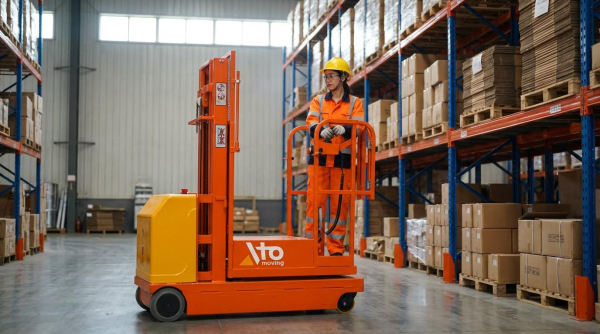
Automation changed what is picking process in warehouse from a manual walk-and-pick task to a data-driven flow. Modern sites linked order release, inventory, labor, and equipment through software, sensors, and mobile devices. The goal stayed constant. Reduce travel, cut errors, and raise throughput while keeping flexibility for demand spikes.
WMS, WES, And Real-Time Inventory Control
A Warehouse Management System (WMS) defined what is picking process in warehouse at system level. It broke orders into tasks, assigned locations, and sequenced work. A Warehouse Execution System (WES) sat between WMS and automation. It balanced work across zones, conveyors, AMRs, and manual pickers in real time.
Real-time inventory control mattered more as SKU counts increased. Typical best practice used:
- Location-level inventory with unique IDs or barcodes.
- Scan or sensor confirmation for every pick, move, and put-away.
- Cycle counting instead of annual wall-to-wall counts.
When every pick task closed with a scan, the system updated on-hand stock instantly. This reduced stock-outs in forward pick locations and cut emergency replenishment. It also improved planning for pick waves because available-to-pick quantities were reliable. For engineers, this data supported slotting models, travel simulations, and labor standards.
Goods-To-Person, AMRs, And Robotic Piece Picking
Goods-to-person systems changed what is picking process in warehouse by removing most walking. Shuttles, mini-load cranes, or vertical lift modules brought totes or cartons to a workstation. The picker stayed in a small ergonomic zone and handled high line rates with short reach distances.
Autonomous Mobile Robots (AMRs) supported person-to-goods flows. Software assigned AMRs to bring carts, racks, or containers to pickers or pack stations. AMRs adapted routes in real time around congestion and obstacles. This reduced non-productive walking and simplified layout changes compared with fixed conveyor.
Robotic piece picking added another layer. Robotic arms with 3D vision and AI-based grasp planning picked eaches from bins or ASRS outputs. These systems worked well for:
- Stable packaging and rigid items.
- High-volume SKUs with predictable demand.
- Repetitive tasks such as induction to sorters.
Engineers evaluated these options using metrics like picks per hour, uptime, error rate, and energy use. Integration with WMS and WES ensured robots received optimized work queues instead of static scripts.
Scan, Voice, And Light-Directed Picking Systems
Scanning, voice, and light guidance defined the human interface of what is picking process in warehouse. Barcode or 2D code scanning gave strong verification. The system confirmed location, item, and quantity at each step. This cut mis-picks and fed accurate data to KPIs.
Voice-directed picking used headsets and wearable terminals. The system spoke location and quantity. The picker confirmed by voice or button. This method kept hands and eyes free, which helped in case or pallet picking. It also supported multi-lingual teams because vocabularies were configurable.
Light-directed systems used LEDs at storage locations or put walls. In pick-to-light, a light and display showed which slot and how many units to pick. In put-to-light, lights guided order consolidation. These systems worked well for dense forward pick modules with high line counts.
Selection between scan, voice, and light depended on order profiles, density, and required accuracy. Many sites used hybrids. For example, scan plus voice in bulk areas and pick-to-light in fast-moving each-pick zones.
KPIs, Digital Twins, And Continuous Improvement
Data made what is picking process in warehouse a measurable system rather than a black box. Core KPIs included:
- Picks per hour and lines per hour.
- Order accuracy and perfect order rate.
- Labor cost per order or per line.
- Travel distance per pick route.
Engineers built digital twins of the warehouse using these inputs. A digital twin mirrored racks, slots, travel paths, pick methods, and equipment rules. Teams tested scenarios such as new slotting rules, extra AMRs, or different pick strategies without disrupting live operations.
Continuous improvement loops used daily KPI dashboards, exception reports, and root-cause analysis. Common actions included re-slotting high-velocity SKUs, adjusting wave sizes, or changing labor allocation between picking, replenishment, and packing. Over time, this closed the gap between designed and actual performance and kept the picking process aligned with demand and service targets.
Summary: Key Takeaways For Efficient Picking
Efficient order picking answered the core question what is picking process in warehouse by treating it as an engineered flow from release to dispatch. The strongest operations treated picking as a closed loop that linked demand signals, inventory accuracy, travel time, and packing performance. Layout, methods, labor, and systems all worked together, not in isolation.
From a technical view, the best results came from three design layers. First, physical design: slotting by velocity, clear forward pick vs reserve logic, and travel paths that cut empty walking. Second, process design: the right mix of discrete, batch, zone, and wave picking, plus clear rules for replenishment and exception handling. Third, control systems: WMS or WES with real‑time inventory, scan or voice verification, and data capture at every step.
Data and automation reshaped what the picking process could deliver. Facilities used KPIs such as picks per hour, lines per order, and cost per line to choose when to add AMRs, goods‑to‑person systems, or robotic piece picking. Digital twins and simulation helped test new layouts and methods before physical change.
Future roadmaps pointed to more AI‑driven slotting, predictive labor planning, and tighter integration between transport promises and pick waves. Still, even highly automated sites needed disciplined basics: accurate inventory, ergonomic workstations, safe travel paths, and trained pickers. The most resilient warehouses combined conservative engineering, phased automation, and continuous improvement around a clear definition of the warehouse order picker process. Tools like the scissor platform lift and manual pallet jack further enhanced operational efficiency.