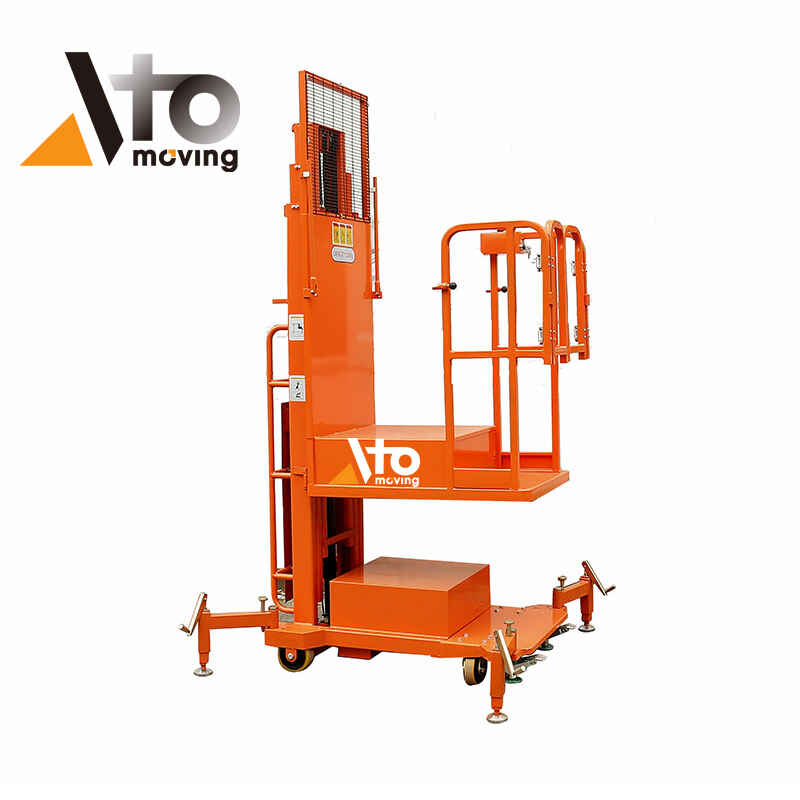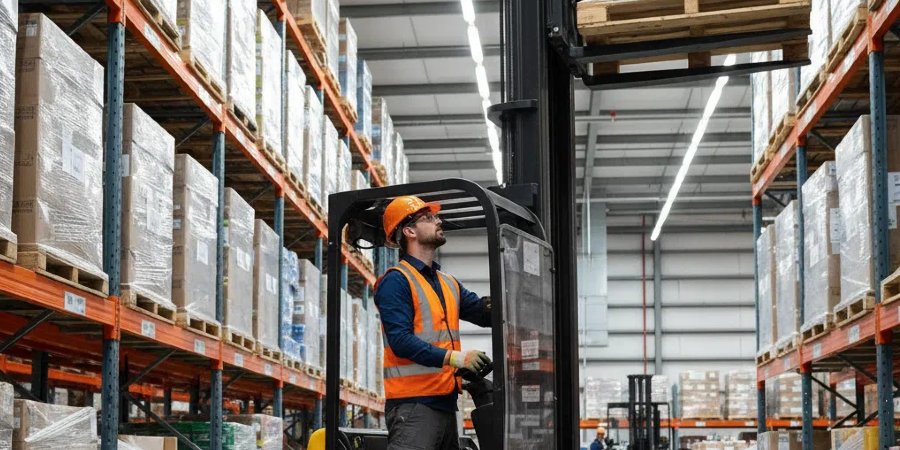
Warehouse stock picker equipment formed the backbone of modern order fulfillment, linking storage systems with outbound logistics. This article examined how to select between core picker types, from Class II narrow-aisle trucks to automated goods-to-person systems, based on SKU profiles and throughput. It also reviewed key engineering and safety factors, including stability, fall protection, traffic management, and ergonomics under current OSHA and ANSI frameworks. Finally, it detailed structured maintenance and lifecycle strategies, from daily inspections to data-driven KPIs, to keep stock picking operations safe, lean, and highly reliable.
Core Types Of Warehouse Stock Picker Equipment
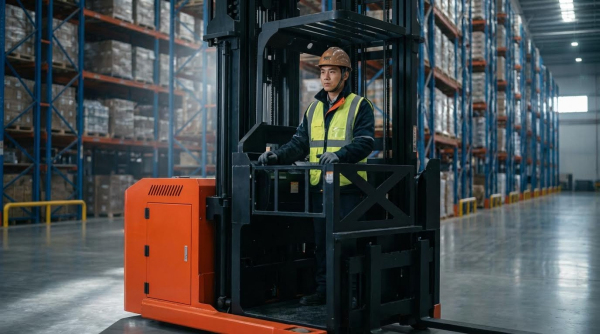
Warehouse stock picking relied on a spectrum of equipment types, from manual-assist machines to fully automated systems. Each design targeted a specific combination of aisle width, lift height, SKU mix, and throughput. Understanding these categories allowed engineers and warehouse managers to align capital investment with safety, productivity, and layout constraints.
Class II Order Pickers And Narrow-Aisle Trucks
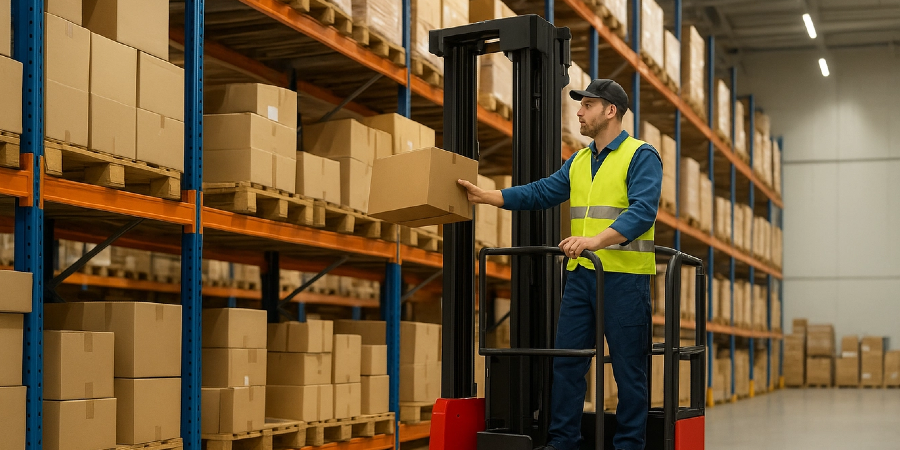
Class II order pickers and narrow-aisle trucks operated in aisles typically between 1.5 m and 2.0 m wide. They used electric motor drives and mast systems that elevated both the operator and the load for case or each-picking at height. OSHA classified these units as powered industrial trucks, which required formal operator training and documented evaluations. Limit switches and interlocks prevented travel when the platform exceeded specified elevation, reducing tip-over risk. These trucks offered high storage density in narrow aisles but demanded strict traffic management and visibility controls to avoid collisions.
Low-Level, Mid-Level, And High-Level Stock Pickers
Low-level stock pickers usually worked up to roughly 2.5 m, supporting ground and first-level picking with minimal lift times. They suited fast-moving SKUs positioned at lower rack levels, where studies showed higher picking productivity. Mid-level pickers typically served ranges around 2.5 m to 6 m, balancing vertical reach with acceptable travel speeds and cycle times. High-level stock pickers reached heights above 6 m and often approached 10 m or more, which increased storage density but required robust fall protection and stricter load stability controls. Selecting between these levels depended on building clear height, SKU velocity profiles, and acceptable operator travel and lift times.
Goods-To-Person And Automated Picking Systems
Goods-to-person systems used conveyors, shuttles, or automated storage and retrieval systems to bring totes or cartons to static operator stations. This architecture reduced walking, which previously consumed up to 50% to 60% of picker time, and lowered fatigue-related errors. Automated solutions integrated with warehouse management software to queue work, balance loads between stations, and record traceability. Semi-automatic aids such as semi electric order picker or voice-picking guided operators step-by-step, increasing accuracy for high-order-volume environments. Fully robotic systems, including shuttle-based AS/RS and robotic pick cells, further reduced manual handling but required higher capital expenditure and rigorous maintenance schedules.
Matching Picker Types To SKU Profiles And Throughput
Matching equipment to SKU profiles started with analyzing cube movement velocity and order line frequency. High-cube, high-velocity SKUs fit well with low-level or pallet-based picking near the floor, minimizing lift cycles. Medium-velocity items often justified mid-level pickers or zone-based manual picking, while low-velocity or slow movers migrated to higher rack levels or automated storage. Facilities with intense order volumes and long travel distances benefitted from goods-to-person or zone and batch-picking strategies that reduced operator walking. Engineers evaluated throughput targets, acceptable order cycle times, and labor costs to decide when to transition from manual stock pickers to warehouse order picker or fully automated systems. In some cases, order picking machines were deployed to enhance efficiency further.
Engineering Design, Safety, And Compliance Factors
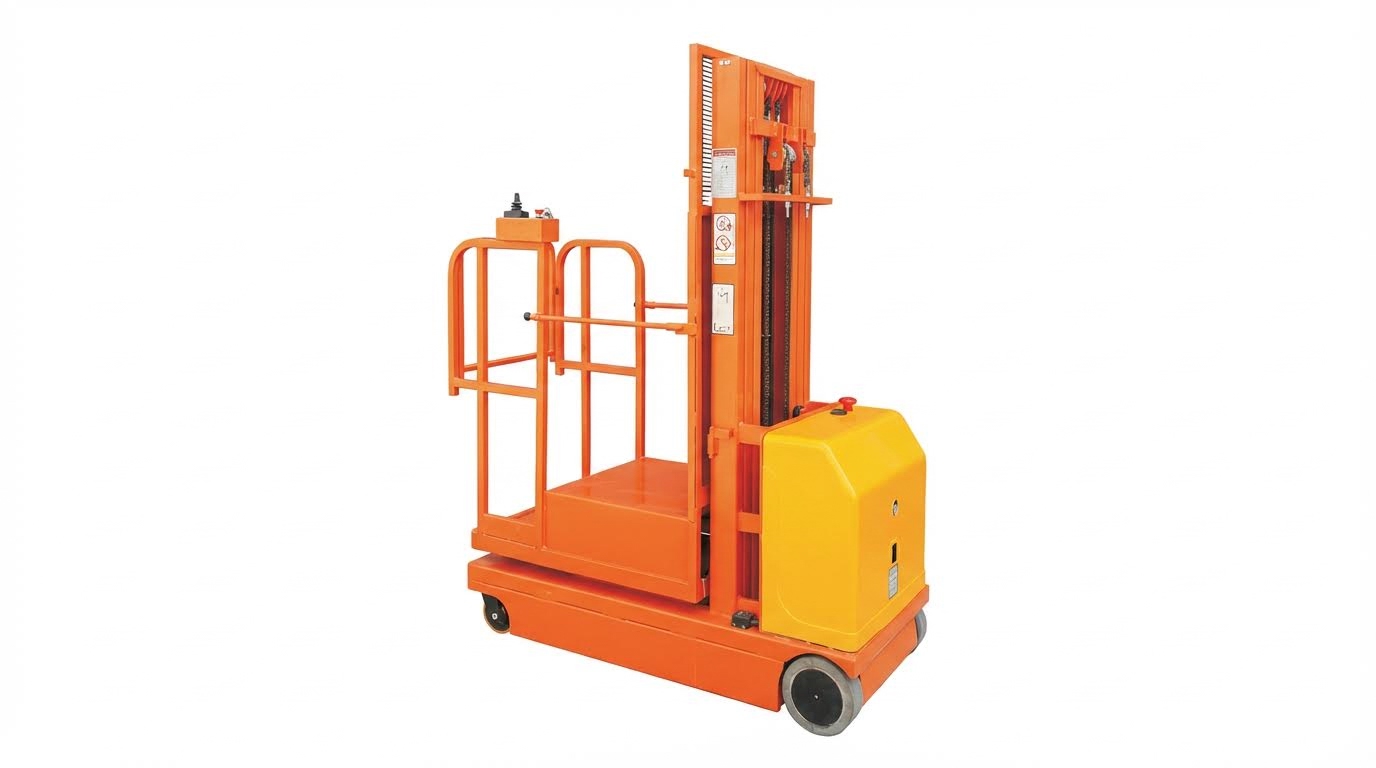
Engineering design of warehouse stock picker equipment combined structural stability, control systems, and human factors. Safety and compliance requirements constrained mast geometry, platform layout, and drive performance. Well-engineered machines reduced incident rates, improved picking efficiency, and extended component life. This section examined the key technical factors that governed safe, compliant operation in modern warehouses.
Stability, Load Capacity, And Mast Design Limits
Stability depended on the combined center of gravity of truck, operator, and load relative to the wheelbase. Engineers defined rated capacity from standardized load centers and maximum lift heights specified on the data plate. Order pickers used mast sections, chains, and rollers designed to limit deflection and sway under full rated load. Limit switches and control logic restricted travel when platforms exceeded defined elevation thresholds to prevent overturning incidents.
Designers validated mast strength and buckling resistance through finite element analysis and physical testing. They considered dynamic effects from acceleration, braking, and turning, especially at elevated heights. Safe travel height remained just clear of the floor yet below axle height to maintain stability margins. Operators had to keep within rated capacities, including operator mass, tools, and any attachments, to avoid exceeding structural limits.
Fall Protection, Guarding, And OSHA/ANSI Compliance
Order pickers fell under OSHA powered industrial truck rules and relevant ANSI design standards. Platforms incorporated guardrails, mid-rails, and toe boards to reduce fall hazards at height. Operators wore body harnesses with approved anchor points whenever they worked above defined elevation thresholds. Gates or interlocked doors on platforms prevented travel if not properly closed.
Limit switches prevented driving at excessive elevation, and standards prohibited tampering with these devices. Emergency stop circuits, redundant braking, and clearly labeled controls formed part of required safety systems. Daily inspections checked guardrails, lanyard anchorages, gates, and interlocks for damage or malfunction. Equipment that failed any safety function had to be locked out and repaired by qualified personnel before reuse.
Traffic Management, Aisle Design, And Visibility
Safe operation depended on engineered interaction between machines, pedestrians, and storage systems. Aisle widths had to accommodate truck geometry, turning radii, and required clearances to racking and overhead structures. Facilities used marked travel lanes, stop lines, mirrors at intersections, and posted speed limits to manage traffic. Signage indicated horn use points, pedestrian crossings, and restricted zones.
Lighting levels needed to support clear visibility of racking labels, floor markings, and obstacles. Ventilation design considered electric truck emissions from batteries and charging, as well as dust or fumes in specific processes. Job hazard analyses identified blind spots, congested zones, and high-risk crossings for additional controls. Some sites introduced one-way traffic schemes or physical barriers to separate picking routes from general warehouse flows.
Human Factors, Ergonomics, And Operator Fatigue
Human factors engineering aimed to reduce fatigue and error rates while maintaining throughput. Control handles, pedals, and display panels were positioned to minimize awkward postures and repetitive strain. Platforms and guardrails were dimensioned to allow stable stance, clear sightlines, and two-handed control use during travel. Designers integrated low step heights, anti-slip surfaces, and handholds to support frequent mounting and dismounting.
Facilities limited walking distance through optimized slotting, zone picking, and goods-to-person concepts to reduce operator fatigue. Adjustable consoles and controls accommodated operators with different statures and reach ranges. Training programs emphasized maintaining three points of contact, proper body positioning, and controlled speeds. Monitoring KPIs such as near-miss reports, strain complaints, and travel times helped refine ergonomic measures over time.
Maintenance, Reliability, And Lifecycle Optimization
Maintenance strategies for warehouse stock picker equipment aimed to maximize uptime, control lifecycle cost, and protect operators. Effective programs combined structured inspections, disciplined component care, and data-driven decision-making. Facilities that aligned maintenance with utilization intensity and environment typically achieved lower downtime and safer operations.
Daily And Weekly Inspection Checklists
Daily inspections at the start of each shift focused on immediate safety and functional readiness. Operators checked forks and masts for cracks, bends, deformation, or loose fasteners, and verified that platforms and guardrails remained secure. Tires and wheels had to be free of debris, cuts, and flat spots, with casters rotating without binding. Functional tests covered brakes, steering, horn, emergency stop, limit switches, and lift-lower controls to confirm correct response. Weekly checks extended to hydraulic hose condition, visible leaks, chain tension, and structural fasteners, with findings logged for traceability and regulatory compliance.
Battery, Hydraulic, And Lubrication Care Plans
Battery care plans specified recharge thresholds, usually before charge dropped below approximately 20% to avoid deep discharge damage. Terminals required regular cleaning and tightening to prevent resistance heating and intermittent power faults. Hydraulic systems needed weekly fluid-level checks, plus inspections for leaks at cylinders, hoses, and fittings that could degrade lift performance or cause instability. Lubrication schedules covered mast rails, chains, bearings, and pivot points according to manufacturer intervals and duty cycles. Consistent cleaning of platforms, controls, and mast sections reduced dust accumulation, which otherwise accelerated wear and interfered with sensors and moving parts.
Preventive, Predictive, And AI-Driven Maintenance
Preventive maintenance followed fixed intervals, typically monthly, quarterly, and six-monthly, performed by qualified technicians. These activities included detailed checks of drive systems, motor-chain mechanisms, electrical wiring, pneumatics where present, and lifting components against manufacturer specifications. Predictive approaches used condition indicators such as vibration, temperature, charge cycles, and hydraulic pressure trends to plan interventions before functional failure. Facilities integrating maintenance data with warehouse management or fleet systems could prioritize work based on utilization, environment, and fault history. Emerging AI-driven tools analyzed large data sets from telematics to recommend optimized service intervals, detect anomalous behavior, and support root-cause analysis after incidents.
KPIs For Downtime, Cost, And Equipment Utilization
Key performance indicators for stock picker maintenance focused on availability, reliability, and cost per operating hour. Typical metrics included mean time between failures, mean time to repair, planned versus unplanned maintenance ratio, and equipment availability percentage during scheduled operating hours. Downtime analysis considered both technical causes and organizational factors such as parts availability and technician response. Cost KPIs tracked maintenance labor, spare parts, and energy usage relative to throughput, enabling comparisons between equipment types and maintenance strategies. Utilization metrics, including hours in motion, lifting cycles, and idle time, helped identify underused or overstressed units and guided fleet sizing, replacement timing, and capital planning.
Summary: Safer, Leaner, And Smarter Stock Picking Systems
Modern warehouse stock picking systems relied on a tight integration of equipment design, safety engineering, and data-driven operations. Technically robust warehouse order picker with verified load charts, compliant masts, and reliable braking and control systems formed the hardware backbone. Facilities that combined these assets with structured maintenance programs, from daily inspections to six‑monthly strip-downs, achieved lower failure rates and longer service life. Preventive routines for batteries, hydraulics, and lubrication, supported by professional audits, reduced unplanned downtime and stabilized operating costs.
Industry practice increasingly moved toward leaner, software-orchestrated picking flows. Warehouses that optimized slotting, minimized walking distances, and deployed zone, batch, or wave strategies cut labor hours and error rates. Integration of WMS with ERP, plus RF or pick-to-light guidance, improved traceability and shortened order cycles. In parallel, safety expectations tightened: OSHA/ANSI-compliant training, fall protection, traffic management, and rigorous defect lockout became baseline requirements rather than best practices.
Future stock picking systems will trend toward higher automation and predictive maintenance. Goods-to-person technologies, conveyors, and collaborative robots will further reduce travel time and physical strain, while sensor data and AI models will anticipate component wear before failure. Implementing these advances requires realistic ROI analysis, careful change management, and upskilling of technicians and operators. A balanced roadmap will mix conventional semi electric order picker, semi-automated assistance, and targeted robotics to match SKU profiles and throughput demands.
Facilities that align equipment engineering, maintenance discipline, and lean process design will operate safer, leaner, and smarter systems. They will experience fewer incidents, lower lifecycle cost per pick, and higher resilience to demand volatility. The most competitive warehouses will treat stock picker fleets not as static assets, but as evolving socio-technical systems that continuously adapt to new regulations, technologies, and customer service expectations. Additionally, integrating advanced tools like scissor platform lift can enhance operational efficiency and safety.