Learning how to get a pallet truck and fork lift certiication starts with understanding what “certified” legally means and which truck types the rules cover. This guide walks you through compliant training requirements, from theory and hands‑on practice to evaluations and refresher cycles. You will see how employer-led training, site-specific hazards, and proper recordkeeping all fit into OSHA-style standards. Use it as a step‑by‑step roadmap to build safer operations and a fully compliant operator fleet.
Understanding Certification For Pallet Trucks And Forklifts
What “Certified Operator” Legally Means
“Certified” does not mean a lifetime personal licence. In most jurisdictions it means your employer has proof that you completed formal training, hands‑on practice, and a workplace performance evaluation on a specific truck type. This is the legal core of how to get a pallet truck and fork lift certiication and keep it valid over time.
- Employer duty: The employer must run or arrange a compliant training program and only allow trained operators to use powered trucks. Training must include formal instruction, practical training, and evaluation.
- Operator duty: The operator must attend all training, follow site rules, and operate only the truck types listed on their record or card.
- Site‑specific: Certification is tied to both truck type and workplace conditions, not just a generic “forklift licence.”
Legally compliant programs share the same three building blocks.
- Formal theory: Classroom or online learning on operating instructions, warnings, stability, capacity, and site hazards. Standards require topics such as controls, visibility, vehicle stability, refueling or charging, and operating limits.
- Practical training: Supervised driving and load handling on the actual or similar equipment, including inspections, turning, ramps, and stacking. Compliant workflows include supervised practice and site‑specific modules.
- Performance evaluation: A competent person checks skills in the workplace and signs off only if you meet the standard. Written tests and scored practical assessments are common. Programs often use standardized scoring sheets and minimum pass marks.
Certification also creates a paper trail. This is what proves in court or during an inspection that the operator was trained.
| Minimum data on a certification record | Why it matters |
|---|---|
| Operator’s full name | Links the record to a specific person |
| Date of training | Shows when formal and practical training took place |
| Date of evaluation | Shows when skills were last checked on the job |
| Name of trainer / evaluator | Identifies the competent person who signed off |
| Truck type or class | Defines what equipment the operator is allowed to use |
Standards required employers to keep this information. Certification records must include the operator’s name, training date, evaluation date, and trainer/evaluator name.
How long certification normally lasts
Most powered industrial truck certifications stayed valid for up to three years, provided there were no triggers for earlier retraining. Electric pallet jack operator certifications were typically valid for three years. A new evaluation was required sooner if the operator had an accident, a near miss, unsafe behavior, or a significant change in truck type or workplace conditions. Refresher training was triggered by incidents, unsafe operation, truck changes, or workplace changes.
Truck Types Covered Under OSHA And Similar Rules
When you plan how to get a pallet truck and fork lift certiication, you must match the training to the exact truck type. Safety rules treated “powered industrial trucks” as a family, but they did not cover every manual device.
Powered trucks that typically required full certification included:
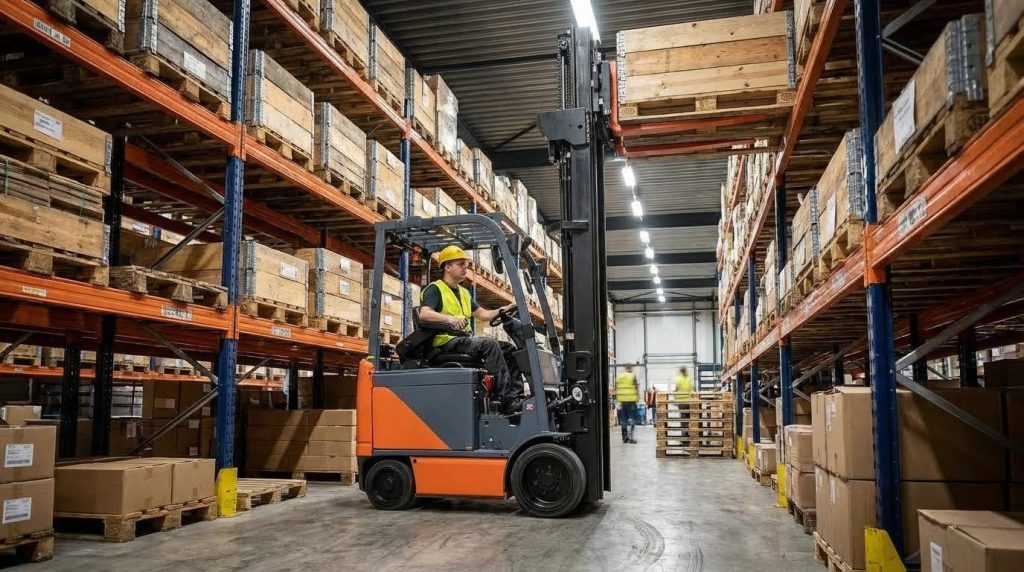
- Rider forklifts (counterbalance, reach, order picker, etc.): Sit‑down or stand‑up trucks for stacking and transport.
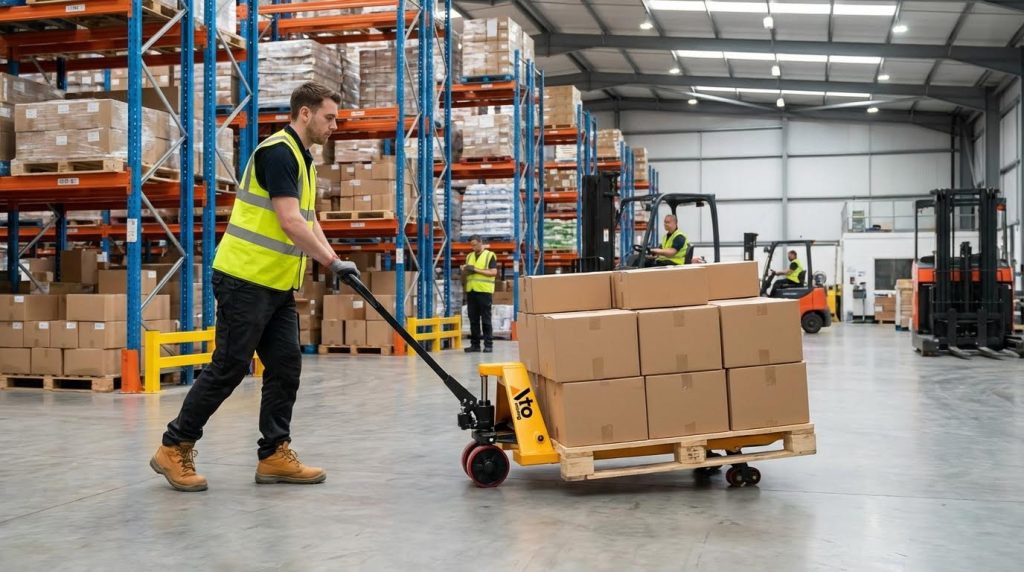
- Powered pallet trucks and pallet jacks: Walk‑behind or rider electric units used for horizontal movement. Electric pallet jack operators had to complete formal training, hands‑on training, and an employer‑led evaluation.
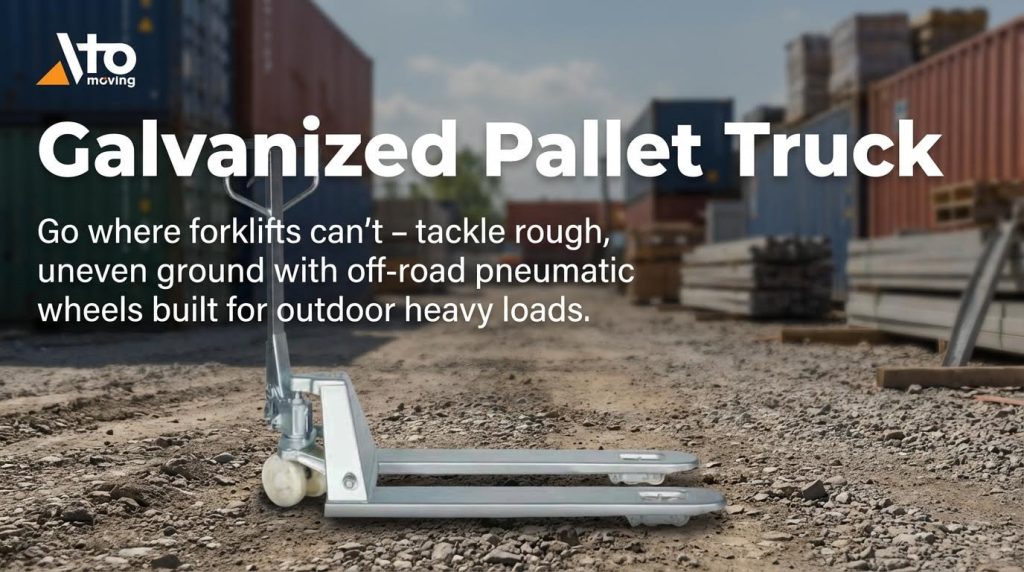
- Rough‑terrain and yard trucks: Variable‑reach or masted trucks for construction, yards, and uneven ground.
Training providers usually grouped courses by truck class and environment.
| Truck / equipment type | Power | Typical training / certification need |
|---|---|---|
| Counterbalance forklift | Electric / internal combustion | Full powered industrial truck certification with theory, practice, and evaluation |
| Reach truck / narrow aisle truck | Electric | Course focused on stability in high racking and tight spaces |
| Electric pallet truck / pallet jack | Electric | Powered pallet truck training plus site‑specific practical evaluation |
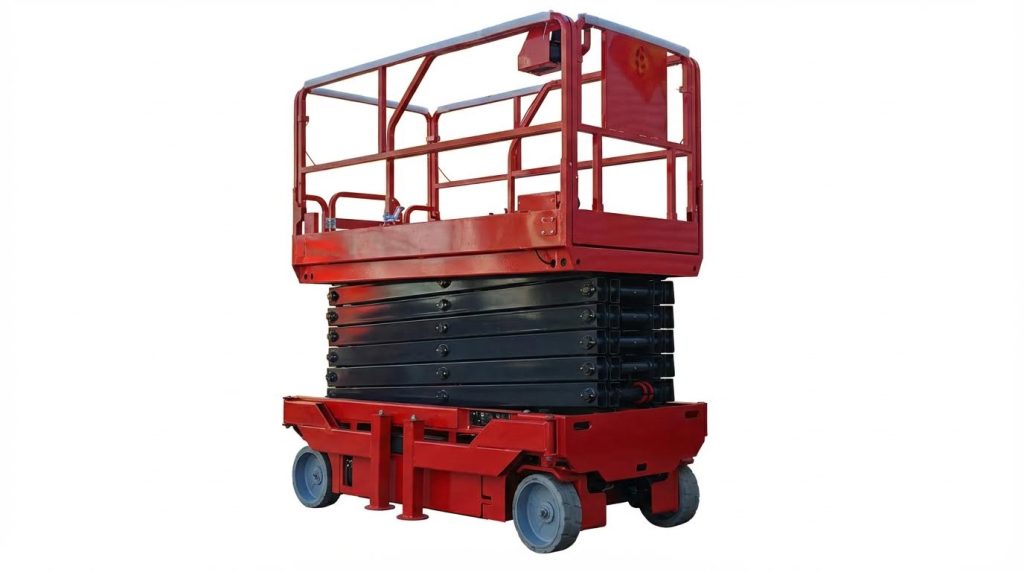
| order picking machines | Electric | Training on elevated work platforms, harness use, and fall risks |
| Rough‑terrain forklift | Diesel / internal combustion | Special course on uneven ground, slopes, and load charts |
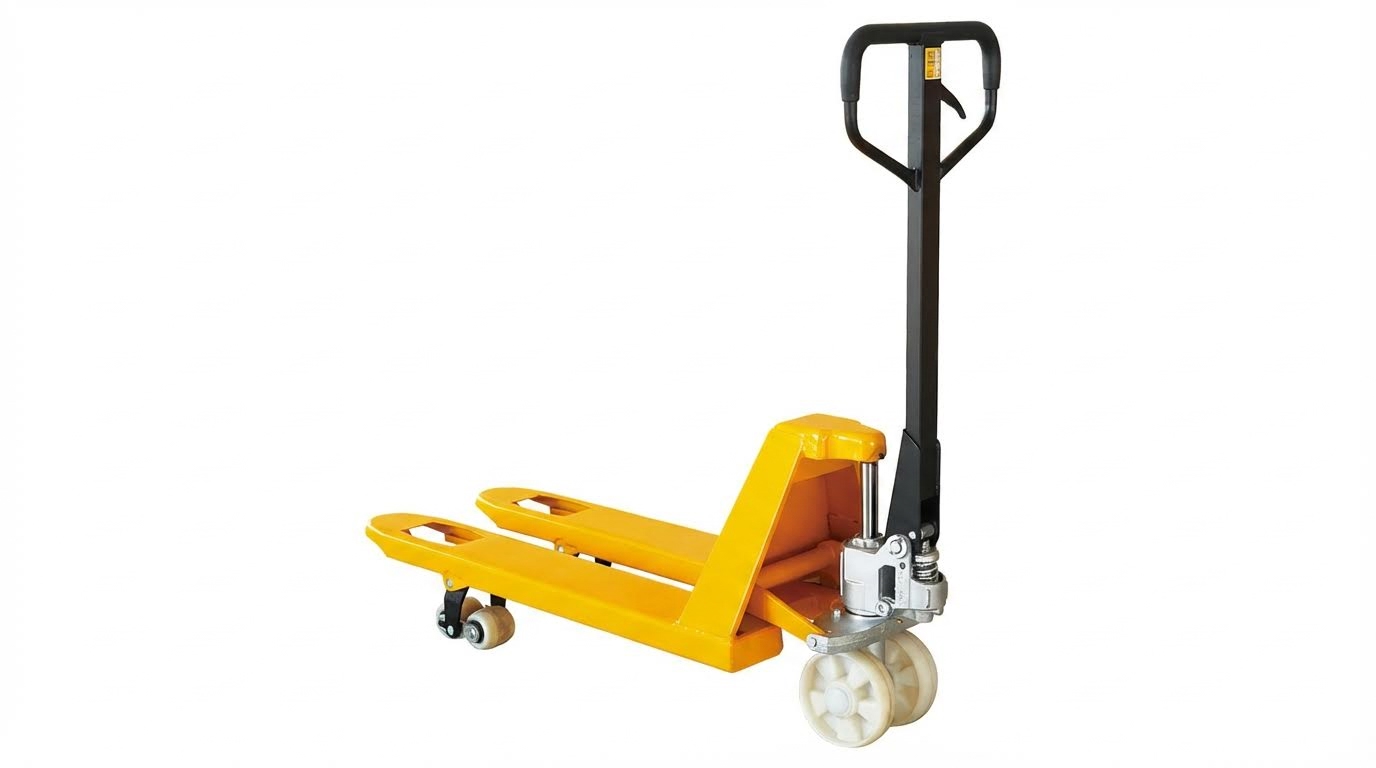
| Manual pallet jack | Manual | No legal certification in many standards, but safe‑use training strongly recommended |
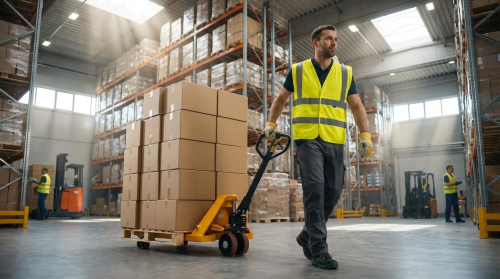
Manual pallet trucks sat in a grey area. They were not powered industrial trucks, so many regulations did not demand formal certification. However, guidance still recommended training for anyone using them, especially in busy warehouses or on slopes. Manual pallet jack operators did not need formal certification, but safe‑operation training was advised.
Examples of workplace‑specific topics by truck type
Standards required that training match both the truck and the workplace. Typical workplace topics included surface conditions, load stability, pedestrian traffic, narrow aisles, ramps, and hazardous locations. Workplace‑related training topics covered surface conditions, load composition, pedestrian traffic, and environmental conditions. For example:
- Electric pallet trucks: Dock edges, trailer creep, wet floors, and mixed pedestrian traffic.
- Reach trucks: High‑bay racking, tight clearances, and floor flatness.
- Rough‑terrain forklifts: Soft ground, slopes, and changing weather.
Technical Requirements Of A Compliant Training Program
Formal Theory: Stability, Capacity, And Load Handling
A compliant theory module explains why pallet trucks and forklifts tip, how much they can safely lift, and how loads must be positioned. This is the “why” behind every safe maneuver and is central to how to get a pallet truck and fork lift certiication that actually prevents accidents.
- Core theory topics (truck-focused)
- Operating instructions, warnings, and precautions specific to each truck type (OSHA training requirements)
- Differences between trucks and automobiles: rear steering, braking behavior, and turning radius
- Controls and instrumentation: meaning of gauges, alarms, and indicator lights
- Engine or motor operation: internal combustion vs. electric drive characteristics
- Vehicle capacity, load centers, and reading the capacity plate
- Vehicle stability: stability triangle/pyramid, center of gravity movement, tipping risks
- Fork and attachment effects on capacity and stability
- Operating limitations: speed, gradients, visibility, and restricted areas
- Load handling and stability theory
- How load weight, height, and position shift the combined center of gravity
- Impact of uneven, damaged, or off-center loads on stability
- Safe stacking heights and racking interaction
- Effects of ramps, dock plates, and floor defects on stability
- Workplace and environment theory
- Surface conditions, narrow aisles, and congestion zones
- Hazardous locations, ventilation limits, and emissions in closed environments (workplace-related topics)
- Interaction with pedestrians, other trucks, and fixed structures
Typical theory delivery formats
Theory can be delivered in a classroom, online, or blended format, provided all mandatory topics are covered. Programs often combine slide-based instruction, videos of good and bad practices, and short quizzes to confirm understanding before moving to hands-on work. Formal instruction is one of the three pillars required by safety standards for powered industrial trucks. (formal, practical, evaluation)
Practical Skills: Maneuvering, Inspections, And Worksite Hazards
The practical component turns theory into repeatable habits. Any program that claims to teach how to get a pallet truck and fork lift certiication must include supervised driving, inspection routines, and site-specific hazard drills.
- Pre-use inspection skills
- Completing a structured pre-shift checklist for each truck type
- Identifying leaks, damage, tire defects, and hydraulic issues
- Checking forks, chains, load backrests, and safety devices
- Tagging and removing unsafe equipment from service until repaired by qualified personnel (inspection and removal from service)
- Maneuvering and control skills
- Smooth starting, stopping, and speed control in forward and reverse
- Tight turns in narrow aisles without striking racking or pedestrians
- Operating on ramps and slopes with and without loads
- Parking, securing, and shutting down equipment correctly
- Load handling skills
- Approaching pallets square, setting fork spread, and full fork insertion
- Raising, tilting, and traveling with loads at safe heights
- Stacking and de-stacking in racking, on docks, and on the floor
- Handling unusual loads: long, high center-of-gravity, or unstable items
- Worksite hazard management
- Navigating dock edges, mezzanine openings, and blind corners
- Working around pedestrians, doors, and intersections
- Operating in cold rooms, low lighting, or noisy environments
- Sharing space with other mobile equipment or automated systems (site-specific modules)
How practical training is organized
Standards require that practical training be carried out under direct supervision in an area that does not expose other workers to risk until the trainee demonstrates safe operation. Exercises usually start with unloaded trucks on clear floors, then progress to loaded runs, ramps, and real production lanes as competence improves. For drum dollies, employers typically provide jobsite-specific demonstrations and supervised practice before any independent operation. (employer-led hands-on training)
Evaluation, Refresher Training, And Recordkeeping
The third pillar of a compliant program is documented evaluation and ongoing control. This is what formally turns training into recognized certification for pallet trucks and forklifts.
| Compliance Element | Minimum Requirement | Typical Practice In Strong Programs |
|---|---|---|
| Type of evaluation | Workplace performance evaluation of each operator using the actual or similar equipment (OSHA 1910.178) | Written test plus a scored practical test covering inspections, travel, and load handling |
| Frequency of evaluation | At least once every three years for each operator (three-year cycle) | Three-year cycle plus additional checks after incidents or major process changes |
| Refresher training triggers | Unsafe operation, accident or near-miss, poor evaluation, new truck type, or changed workplace conditions (refresher triggers) | Scheduled refresher every three years or sooner, plus targeted coaching after any safety concern |
| Certification record contents | Operator name, training date, evaluation date, and name of trainer/evaluator (certification process) | Same data plus truck class/type, site/location, and expiry or next-evaluation date |
| Validity period (typical) | Standards require reevaluation at least every three years; many employers align card validity to this | Three-year operator card for powered pallet trucks and forklifts, with earlier renewal after changes or incidents (three-year certification) |
- Role of the employer in certification
- Formally certifying that each operator has been trained and evaluated according to the standard
- Issuing operator cards or internal licenses tied to specific truck types and sites (operator cards)
- Maintaining training and evaluation records for audits and incident investigations
- Integration with refresher strategy
- Scheduling periodic refresher courses, typically every three years or sooner after accidents, near-misses, or equipment changes (refresher every three years)
- Using evaluation results and incident data to adjust training content
- Aligning records, refresher dates, and operator cards so no one operates with lapsed evaluation
How this ties back to “getting certified”
For powered pallet trucks and forklifts, online or classroom courses can satisfy the formal theory requirement, and many providers allow you to download a course completion certificate. However, official operator certification only exists when your employer adds supervised hands-on training and a workplace performance evaluation, then documents it in their records. Understanding this three-part structure is essential when planning how to get a pallet truck and fork lift certiication that meets legal and safety expectations. (formal course, hands-on, evaluation)
Step-By-Step Path To Operator Certification
Choosing The Right Course For Truck Type And Site
To understand how to get a pallet truck and fork lift certiication that actually meets legal and safety requirements, start by matching the course to the exact truck type and worksite. Regulations required a mix of formal theory, supervised practice, and on‑the‑job evaluation for powered industrial trucks. Training had to include formal instruction, practical training, and performance evaluation. The table below helps you choose the correct course structure.
| Step | What To Decide | Key Considerations |
|---|---|---|
| 1. Define truck type | Electric pallet jack, rider pallet truck, counterbalance forklift, reach truck, etc. | Certification must match the powered industrial truck class and attachments used. |
| 2. Check legal scope | Powered vs. manual equipment | Powered pallet trucks and forklifts require full OSHA‑style programs; manual pallet jacks typically require documented safety training but not formal certification. Manual pallet jack operators were recommended, not mandated, to be trained. |
| 3. Select theory format | Classroom, online, or blended | Formal instruction could be online for pallet jacks and forklifts if it covered truck classes, capacity, stability, and site hazards. Programs commonly used classroom, online, or blended theory modules. |
| 4. Match to worksite | General vs. site‑specific course | Good programs included modules on surface conditions, ramps, docks, racking, cold rooms, and mixed pedestrian traffic relevant to your facility. Site‑specific hazards such as dock edges and mezzanines were part of compliant training. |
| 5. Confirm evaluation method | Written test + practical test | Look for written exams plus scored driving evaluations on the actual truck type and typical loads. Programs used standardized scoring sheets for pre‑shift checks, travel, and load handling. |
| 6. Check validity and refresher rules | How long the card is valid | Most certifications were valid for three years, with earlier refresher training after incidents, unsafe operation, or equipment changes. OSHA required evaluation at least every three years and refresher after unsafe events or changes. |
Once you know the truck class and environment, you can shortlist courses that satisfy the three pillars of a compliant program: formal theory, supervised practice, and workplace performance evaluation. These components were standard in powered industrial truck training. This structure applies whether you are focusing on how to get a pallet truck and fork lift certiication for a single site or rolling out a fleet‑wide scheme.
Typical theory topics your course should cover
When comparing courses, verify that theory modules cover at least the following:
- Operating instructions, warnings, and limitations for the specific truck type.
- Differences between trucks and automobiles, especially steering and braking characteristics.
- Controls and instrumentation, including meaning of all indicators and alarms.
- Capacity plates, load centers, stability triangle, and derating with attachments.
- Pre‑operation inspection, defect reporting, and lock‑out from service.
- Refueling or battery charging procedures and ventilation requirements.
- Workplace hazards such as surface conditions, ramps, docks, and pedestrian traffic. These topics were listed in OSHA powered industrial truck training guidance.
Coordinating Employer-Led Practical Training And Tests
No external course, by itself, completed the legal certification process. For powered pallet trucks and forklifts, the employer had to deliver or control practical training on the actual equipment and then document a performance evaluation on site. Regulations required formal instruction, hands‑on training, and workplace evaluation. Use the workflow below to coordinate this in a structured way.
- Complete formal instruction first
- Have operators finish an approved classroom or online module for their truck type.
- Keep copies of completion certificates or test scores in training files. Online pallet jack courses allowed operators to download a certificate after theory.
- Plan supervised hands‑on sessions
- Assign a competent trainer familiar with the specific trucks and site hazards.
- Use an unloaded truck first, then introduce real loads once basic control is proven.
- Cover pre‑use inspections, starting and stopping, steering, reversing, and parking.
- Practice maneuvers your site uses daily: tight aisles, docks, ramps, blind corners, and pallet racking. Practical training normally included inspections, controlled maneuvers, ramps, and stacking.
- Run a documented performance evaluation
- Use a scoring sheet covering pre‑shift checks, travel behavior, load handling, stacking, and shutdown.
- Include site‑specific tasks such as loading trucks, working near pedestrians, or entering cold rooms.
- Set a clear pass mark and define “critical faults” that cause automatic failure, such as bypassing guards or driving with elevated loads. Competent evaluators used standardized scoring and required minimum passing scores.
- Issue and maintain certification records
- After a successful evaluation, create an operator card and internal certificate.
- Record at least: operator name, truck type or class, training date, evaluation date, and name of the trainer/evaluator. OSHA required this information on powered industrial truck certifications.
- Store records where supervisors and auditors can access them quickly.
- Schedule refresher and re‑evaluation
- Set a standard cycle; most organizations used three years as the maximum interval.
- Trigger earlier retraining after any incident, near miss, unsafe behavior, major process change, or switch to a different truck type. Refresher training was required after unsafe operation, accidents, or workplace changes.
What “employer‑led” meant in practice
For anyone mapping how to get a pallet truck and fork lift certiication that stands up to inspection, it was important to understand that:
- The employer remained responsible for ensuring the operator was competent on the specific trucks and in the actual workplace, even if an external provider delivered theory.
- Hands‑on training and the final evaluation had to reflect real loads, aisle widths, gradients, and traffic patterns in that facility.
- Certification was not just a card; it was a documented process demonstrating that formal instruction, practical training, and evaluation all took place. Compliant programs treated certification as a full workflow, not a single event.
Final Thoughts On Building A Safe, Compliant Fleet
Certification for pallet trucks and forklifts is not just a legal checkbox. It is a structured way to control stability risks, match operators to the right truck types, and keep loads within safe limits. Formal theory gives operators a clear picture of how capacity plates, load centers, and the stability triangle work in real moves. Practical training then turns that knowledge into habits through inspections, controlled maneuvers, and hazard awareness on the actual floor.
Evaluation, refresher training, and tight recordkeeping close the loop. They prove competence at a point in time and keep skills current as equipment, layouts, and traffic patterns change. When employers lead this full workflow, they cut tip‑over risk, protect pedestrians, and reduce damage to racking and stock.
The best practice is simple. Treat every powered pallet truck and forklift as a high‑risk machine. Build a program around the three pillars: formal instruction, supervised hands‑on work, and documented workplace evaluation on the exact truck type. Extend basic safe‑use training to manual pallet trucks as well, especially in busy areas. This approach gives you a fleet that is not only certified on paper, but truly safe and compliant in daily operation with Atomoving equipment or any similar trucks.
Frequently Asked Questions
How do I get my pallet jack certification?
To obtain a pallet jack certification, you need to complete formal training that includes both theoretical instruction and a practical operator evaluation. The training typically covers equipment operation, safety protocols, and risk awareness. You must pass a certification exam with a minimum score of 70%. If you don’t pass initially, most programs allow retakes until you succeed. Pallet Jack Certification FAQs.
Do you need training to use a pallet truck?
Yes, proper training is required to operate an electric pallet truck safely. Training ensures you understand the equipment, risks involved, and safe usage practices. It also includes practical skills and knowledge assessments. Electric Pallet Truck Guide.
Is a pallet truck considered a forklift?
An electric pallet truck is classified as a powered industrial truck (PIT) under OSHA standards, falling into Class III, which includes hand and rider forklifts. While similar in some functions, pallet trucks are generally smaller and designed for horizontal transport rather than lifting heavy loads to significant heights. Pallet Truck Equipment Guide.