Integrated warehouse picking and packing defines how orders move from digital demand to physical shipment. This article explains what picking and packing in a warehouse is, how engineers design end-to-end pick–pack workflows, and which technologies support high-throughput operations. It also examines how packing integrates with WMS and analytics, and how data-driven methods improve safety, ergonomics, and performance. Finally, it summarizes engineering strategies for future-ready, scalable pick–pack systems that support rapid, accurate fulfillment.
Engineering The End-To-End Pick–Pack Workflow
Understanding what is picking and packing in a warehouse requires a systems view of how orders enter, move, and exit the facility. Engineering the end-to-end pick–pack workflow aligns order profiles, material flows, and technology choices to compress cycle time and reduce errors. A robust design balances manual labor, mechanization, and automation while maintaining safety, ergonomics, and regulatory compliance. This section focuses on how industrial engineers structure the complete workflow so that picking and packing operate as a single, integrated fulfillment engine.
Mapping Order Flows And Material Handling Paths
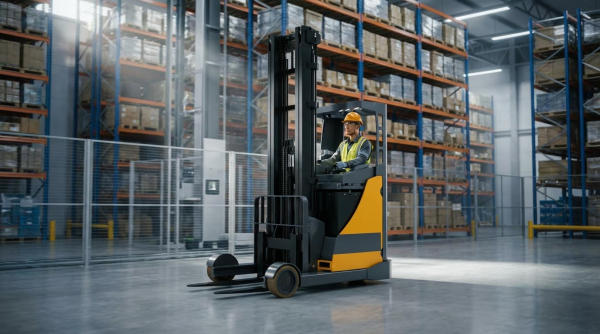
Engineers start by defining what is picking and packing in a warehouse in terms of discrete material flows. They map every step from order creation in the WMS to dock dispatch, including storage, picking zones, consolidation, packing, and staging. A detailed material flow diagram shows SKU families, order types, and peak volumes, and links them to conveyors, carts, pallet jacks, or automated systems. Travel paths must minimize cross-traffic, deadheading, and congestion while separating pedestrians from powered equipment. Shorter, one-way loops with clear pick–pack handoff points usually reduce travel time and misroutes. Engineers also evaluate where robots or shuttles can replace long horizontal moves, and where human flexibility still offers better performance.
Manual, Semi-Automated, And Automated Process Options
When defining what is picking and packing in a warehouse, process selection is a primary design decision. Manual systems rely on operators walking with carts, using paper or mobile scanning, and suit low volumes or high product variability. Semi-automated options add conveyors, put-to-light, or pick-to-light, which reduce walking and guide operators while retaining human dexterity. Fully automated concepts integrate AS/RS, goods-to-person shuttles, or robotic picking cells that present items directly to pack stations. Engineers compare capital cost, labor availability, product characteristics, and required throughput before choosing the mix. They often deploy hybrid layouts, keeping manual areas for slow movers and using automation for high-volume, repetitive SKUs.
Defining Performance KPIs For Fulfillment Speed
Clarifying what is picking and packing in a warehouse also means quantifying performance expectations. Core KPIs include order cycle time, lines picked per labor hour, and dock-to-stock or order-to-ship lead times. Engineers track pick accuracy, pack accuracy, and mis-pick rate because speed without correctness increases returns and customer churn. Throughput metrics such as orders per hour or cartons per hour help size labor, conveyors, and automation. Advanced operations add travel distance per line, picker utilization, and equipment uptime to highlight bottlenecks. These KPIs feed optimization algorithms in the WMS or execution layer, which adjust wave sizes, batching logic, and resource allocation in near real time.
Safety, Ergonomics, And Regulatory Compliance
In any design of what is picking and packing in a warehouse, safety and ergonomics are non-negotiable constraints. Layouts must comply with local occupational safety regulations, fire codes, and standards for pedestrian and vehicle separation. Engineers limit manual lifting masses, specify lift assists or conveyors, and design work heights to reduce musculoskeletal disorders. Repetitive picking and packing tasks require rotation plans, adjustable benches, and low-force tooling such as tape dispensers and scanners. Collaboration zones between humans and robots need guarding, speed and separation monitoring, and clear visual cues. Documented safe operating procedures, PPE policies, and training programs ensure operators can maintain high throughput without compromising health or legal compliance.
Technologies For High-Throughput Picking Systems
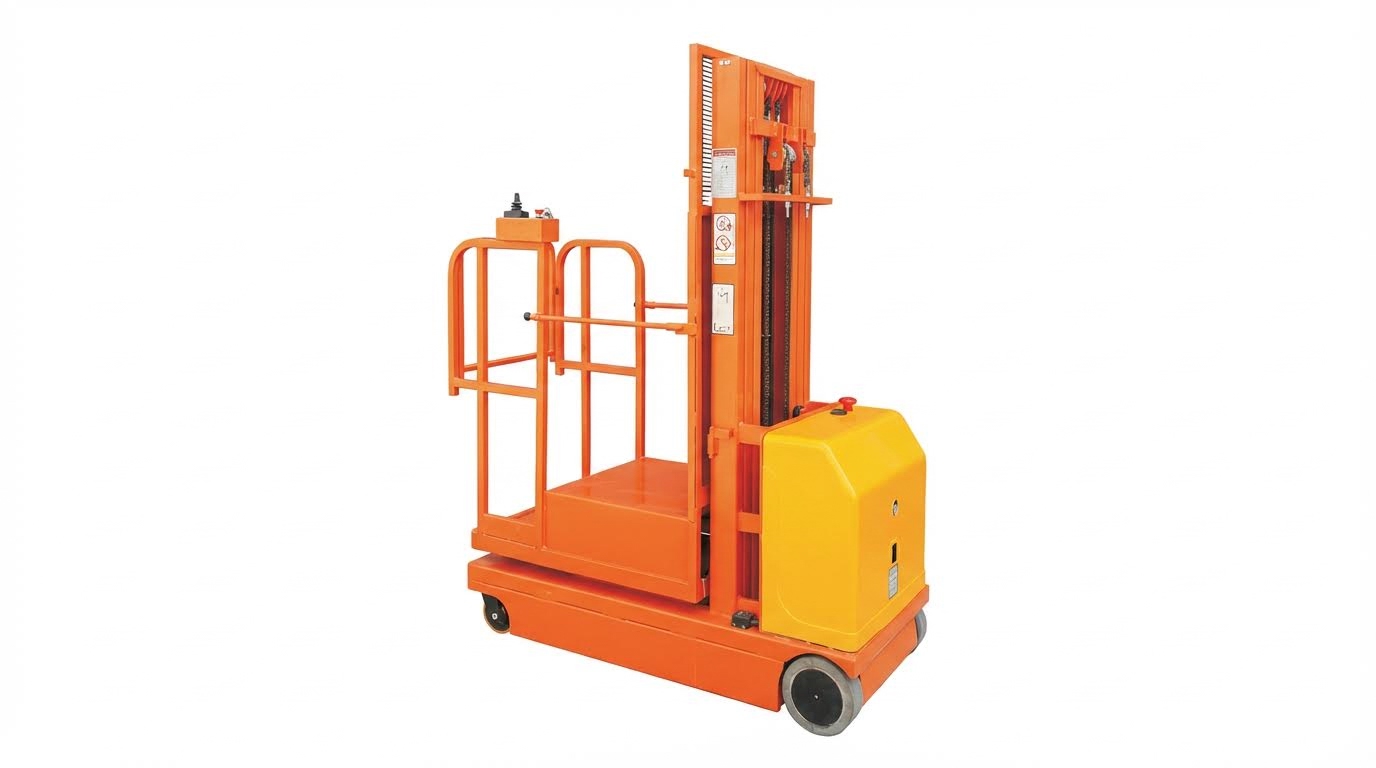
High-throughput picking technologies determine how fast and accurately warehouses execute picking and packing in a warehouse. Engineering teams must align picking strategies, identification technologies, and automation level with order profiles and SKU characteristics. The objective is to shorten travel, reduce touches, and stabilize labor productivity under peak loads. This section explains how strategy, scanning, storage automation, and robotics interact to deliver faster, more reliable fulfillment.
Batch, Wave, And Zone Picking Strategy Selection
Batch, wave, and zone picking strategies structure how operators or machines traverse the warehouse. Batch picking groups multiple orders into a single trip, which reduces travel distance and suits small, multi-line e-commerce orders. Wave picking releases groups of orders at defined time windows based on carrier cutoffs, dock availability, or labor shifts, which stabilizes flow to packing and shipping. Zone picking assigns workers or robots to dedicated areas; orders pass through several zones physically or virtually, which limits cross-traffic and simplifies training.
Engineers select among these methods using hard data: lines per order, SKU velocity, order deadlines, and aisle congestion. For high-SKU, low-unit orders, batch or wave-batch hybrids usually reduce travel time significantly. For very large sites, zone or pick-and-pass concepts often yield better throughput because they reduce picker walking distance and overlap. Modern fulfillment software supports dynamic strategy switching, for example batch during peaks and single-order picking during quiet periods, which is crucial for optimizing what is picking and packing in a warehouse across seasons.
Barcode, RFID, And Mobile Scanning Integration
Barcode, RFID, and mobile scanning technologies provide the digital backbone for accurate picking and packing in a warehouse. Linear or 2D barcodes remain the most widely used because they are inexpensive and easy to print on labels and cartons. Handheld or wearable scanners guide pickers along optimized routes, confirm each SKU and quantity, and update inventory records in real time. This two-step verification during pick and pack typically halves mis-pick rates and improves order throughput.
RFID tags enable non-line-of-sight identification, which suits high-throughput environments with dense storage or sealed containers. Fixed RFID portals at zone boundaries or conveyors can validate entire totes or cartons without manual scanning. Engineers evaluate RFID by comparing tag costs, read reliability, and interference risks with the expected labor savings. Mobile computers integrate scanning with task management, navigation, and exception handling, so operators receive immediate feedback on shortages, substitutions, or location discrepancies. Tight integration with WMS and analytics platforms exposes granular performance data, enabling continuous improvement of picking paths and pack station loading.
AS/RS, Goods-To-Person, And Shuttle System Design
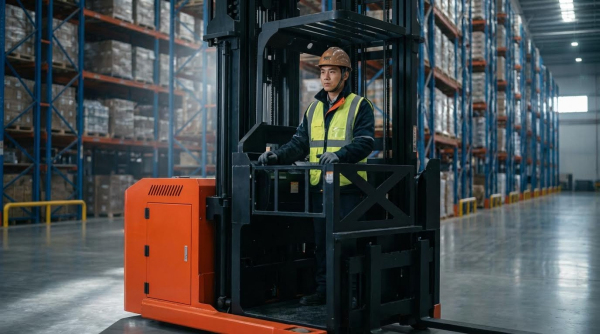
Automated storage and retrieval systems, goods-to-person modules, and shuttle systems increase throughput by decoupling operator productivity from walking distance. AS/RS cranes or shuttles handle storage and retrieval in high-bay racking, which maximizes vertical space and supports dense SKU populations. Goods-to-person workstations bring totes or cartons directly to pickers, who stay in an ergonomic zone and execute rapid pick–scan–place cycles. Shuttle-based systems provide high-speed buffering and sequencing, which is critical when synchronizing picking with packing and shipping cutoffs.
Designers size these systems using detailed order and SKU data: lines per hour, peak-to-average ratios, cube utilization, and required service levels. Simulation models help determine the number of aisles, shuttles, and workstations to avoid bottlenecks at decant, picking, and induction to packing. Integration with the WMS and warehouse execution software orchestrates task queues, replenishment, and exception handling. When correctly engineered, AS/RS and shuttle solutions can increase throughput by 30–40% compared with manual shelving while maintaining high inventory accuracy. However, engineers must also consider infrastructure impacts such as floor loading, fire protection, and maintenance access.
Cobots, Picking Robots, And Vision-Guided Systems
Cobots, autonomous picking robots, and vision-guided systems extend automation into tasks that previously required manual dexterity and judgment. Collaborative robots share workspaces with humans and handle repetitive lifting, reaching, or transport, which reduces ergonomic risk and stabilizes output. Piece-picking robots combine advanced grippers with 3D vision and AI-based object recognition to identify, grasp, and place individual items from bins or conveyors. These systems fit high-volume, repetitive SKUs where consistent packaging and presentation simplify gripping.
Vision-guided navigation and perception allow robots to adapt to minor position or orientation variations, which historically limited automation. Engineers assess feasibility by analyzing SKU mix, packaging types, and required picks per hour per station. For complex assortments, a hybrid approach is common: robots handle stable, high-volume SKUs, while humans manage fragile, irregular, or low-volume items. Integration with WMS and execution software allocates tasks dynamically between humans and robots based on real-time workload and priority. When planning what is picking and packing in a warehouse for the next decade, teams should treat robotics as a flexible capacity layer, supported by robust safety zoning, operator training, and preventive maintenance programs.
Integrating Packing, WMS, And Analytics
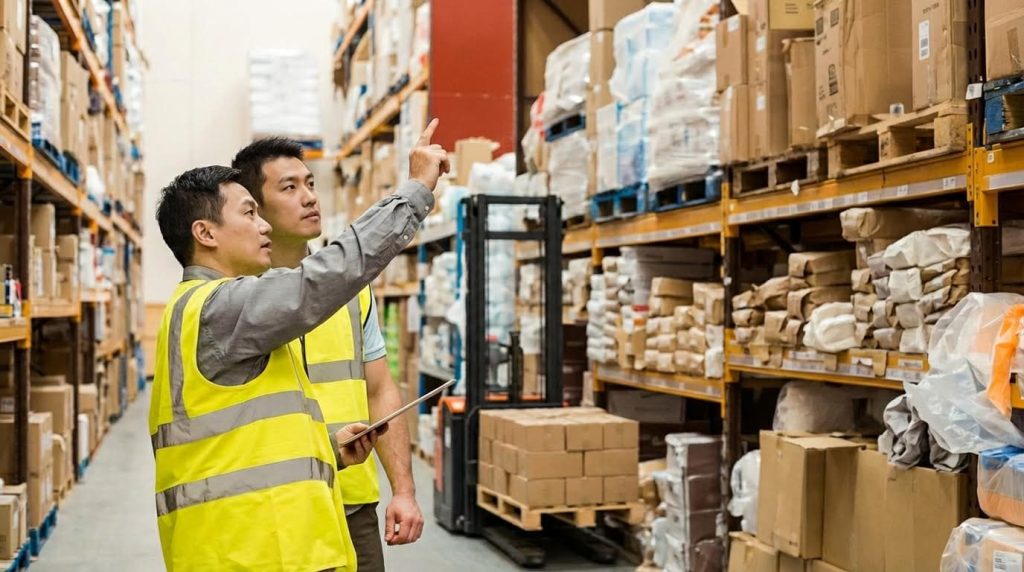
Integrated packing, warehouse management, and analytics define what picking and packing in a warehouse looks like at high throughput. This layer connects physical pack stations with digital order data, routing logic, and continuous improvement loops. When engineers design these systems as one workflow, they reduce errors, compress order cycle time, and stabilize labor requirements. The result is a predictable, data-driven pick–pack operation that scales with order volumes and channel complexity.
Pack Station Layout, Tooling, And Ergonomics
Pack station design determines how efficiently picked items convert into ready-to-ship parcels. A good layout keeps cartons, void fill, dunnage, printers, and scanners within the operator’s primary reach zone, typically within 500–650 mm. Engineers minimize walking and twisting by aligning inbound totes from picking on one side and outbound conveyor or pallet staging on the other. This reduces non-value-added motion and supports higher lines-per-hour without overloading operators.
Tooling must support the specific mix of products and order profiles. Typical tooling includes height-adjustable benches, tape dispensers, auto-baggers, dimensioning systems, and print-and-apply labelers. For high-volume e‑commerce, automated carton erectors and right-size packaging systems reduce corrugated consumption and transport cost. Engineers specify work surface heights, lighting levels, and reach distances according to ergonomic standards to limit repetitive strain and manual handling injuries.
Understanding what is picking and packing in a warehouse helps align station design with upstream activities. Picking delivers the correct SKUs in totes or carts, while packing verifies, protects, labels, and consolidates them into shipments. Scanning at the pack station closes the loop by confirming item identity, updating inventory, and triggering shipping documents. Integrating safety requirements, such as clear walkways, non-slip flooring, and PPE use, maintains throughput without compromising worker wellbeing.
WMS, ERP, And E-Commerce System Integration
System integration defines how digital information flows through the pick–pack process. The warehouse management system orchestrates what is picking and packing in a warehouse by releasing waves, assigning tasks, and validating orders. It communicates with enterprise resource planning and e‑commerce platforms to receive orders, reserve stock, and return shipment status. Consistent master data across systems prevents mismatches that cause mis-picks or packing errors.
Real-time interfaces allow inventory and order status to update as each scan occurs. When pickers confirm an item, the WMS adjusts stock levels and routes the order to an available pack station. At packing, another scan validates item and quantity, and the system generates labels, customs documents, and carrier selections. This two-step verification has historically reduced mis-picks and packing errors by up to 50 percent in optimized operations.
Integration also supports multi-channel fulfillment. The same physical warehouse can process direct-to-consumer, retail replenishment, and marketplace orders under different service-level agreements. Engineers design message flows using APIs, message queues, or file-based exchanges, considering latency, error handling, and security. Well-structured integrations eliminate duplicate data entry and shorten order cycle time from order capture to dispatch.
Route Optimization And Pick–Pack Algorithms
Route and workflow algorithms transform static storage into a high-performance fulfillment engine. In the picking phase, the system groups orders using batch, wave, or zone strategies to reduce travel distance. Algorithms compute the shortest walking paths between SKUs based on aisle topology, pick sequence, and congestion patterns. Mobile devices and scanners then guide operators along these optimized routes, step by step.
Understanding what is picking and packing in a warehouse from a data perspective means viewing it as a sequence of decisions. The WMS decides which order to release, which picker should execute it, and which path they should follow. After picking, packing algorithms apply business rules: carton selection, void-fill type, carrier choice, and service level based on weight, dimensions, and destination. Fulfillment software using such rules has historically increased throughput by around 30 percent compared with manual decision-making.
Engineers tune these algorithms using historical order data. High-frequency SKUs move closer to dispatch areas, and slotting rules reduce cross-aisle travel. During peak periods, systems can switch between strategies, for example from discrete order picking to batch picking, to maintain service levels. Continuous monitoring of travel time per line and order cycle time validates whether the algorithm configuration still matches current demand patterns.
Data-Driven Optimization And Digital Twins
Analytics and digital twins provide the feedback loop that keeps pick–pack operations aligned with business goals. A data-driven view of what is picking and packing in a warehouse includes timestamps for every scan, movement, and exception. Engineers aggregate these data into dashboards showing lines per hour, pick accuracy, packing accuracy, and on-time shipment rate. Deviations from target values highlight process bottlenecks or training gaps.
Digital twins replicate warehouse processes in a virtual environment. They use layout, equipment parameters, order profiles, and labor models to simulate alternative designs or control strategies. Engineers can test new routing algorithms, pack station configurations, or automation levels without disrupting live operations. This approach reduces implementation risk and supports investment decisions in robotics, conveyors, or shuttle systems.
Advanced analytics incorporate machine learning to predict peaks, recommend slotting changes, or adjust labor allocation. For example, models can forecast required packers per hour based on incoming orders and historical handling times. Combined with clear KPIs, this enables continuous improvement programs that systematically reduce travel time, error rates, and handling cost per order. Over time, the warehouse evolves from reactive firefighting to proactive, model-based fulfillment planning.
Summary: Designing Future-Ready Pick–Pack Systems
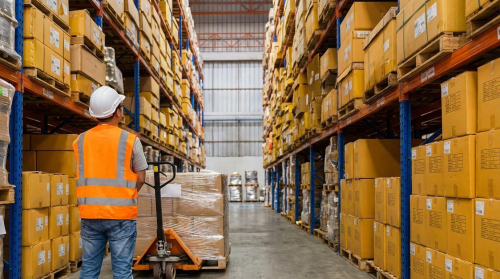
Future-ready pick–pack systems answered the core question “what is picking and packing in a warehouse” with data, integration, and automation. Picking meant systematically retrieving SKUs from storage with optimized paths, while packing consolidated, verified, and protected items for shipment. High-performing operations combined engineered workflows, WMS integration, and analytics to raise throughput and accuracy while controlling labor exposure and ergonomic risk. Robotics, vision systems, and advanced algorithms augmented operators instead of simply replacing manual tasks.
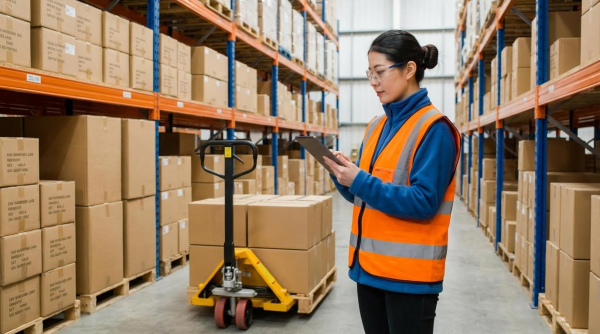
From an engineering perspective, successful designs treated picking and packing as one continuous material flow. Teams mapped order profiles, SKU velocity, and peak patterns, then selected the right mix of batch, wave, or zone picking and appropriate levels of automation. Investments in barcode or RFID scanning, real-time inventory visibility, and route optimization software reduced mis-picks by up to roughly 50% and increased order throughput by approximately 30%. Safety standards, ergonomic pack stations, and clear SOPs for manual pallet jack handling and PPE ensured regulatory compliance while sustaining long-term workforce health.
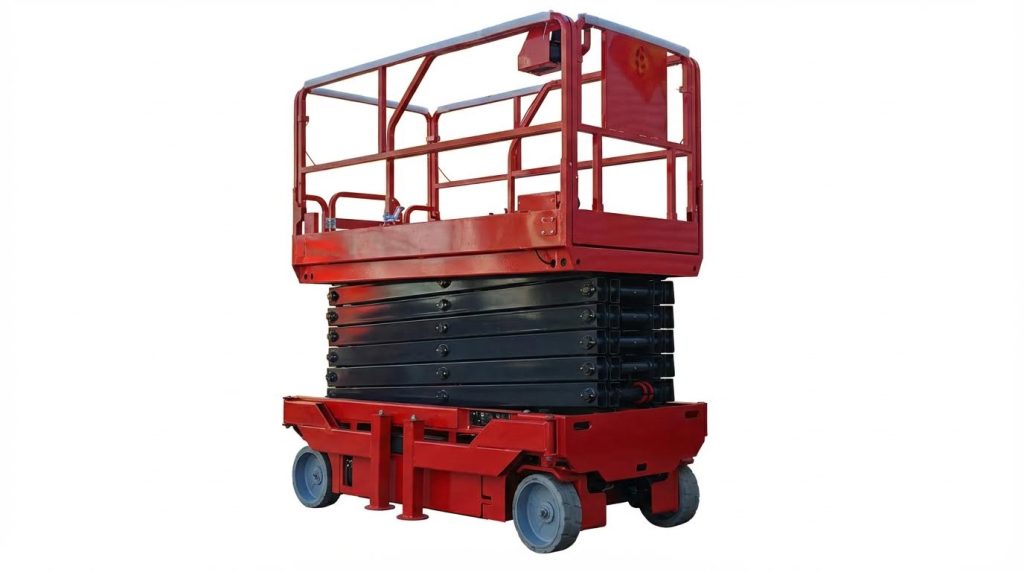
Industry trends pointed toward modular AS/RS, goods-to-person systems, and cobot-assisted picking that scaled with demand rather than large, inflexible installations. Digital twins and data-driven optimization allowed engineers to test slotting strategies, robot deployments, and pack layouts virtually before physical change. Practically, operators needed to plan for infrastructure upgrades, change management, and training so staff could collaborate effectively with robots and advanced software. The most resilient warehouses adopted a balanced approach: start with process discipline, add targeted automation where constraints were clearest, and continuously refine KPIs as technology and customer expectations evolved. For instance, integrating tools like the scissor platform lift or walkie pallet truck can significantly enhance operational efficiency.