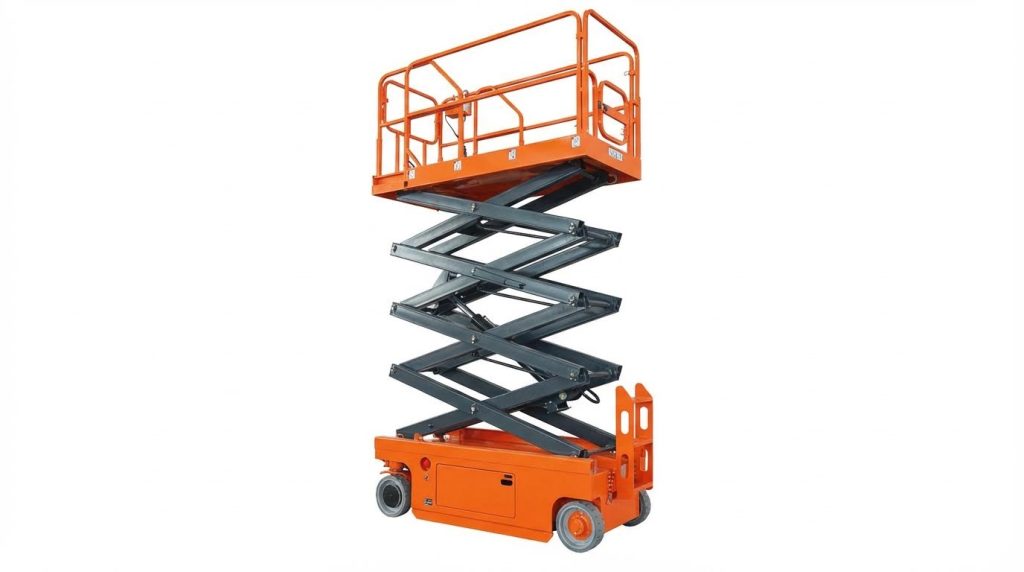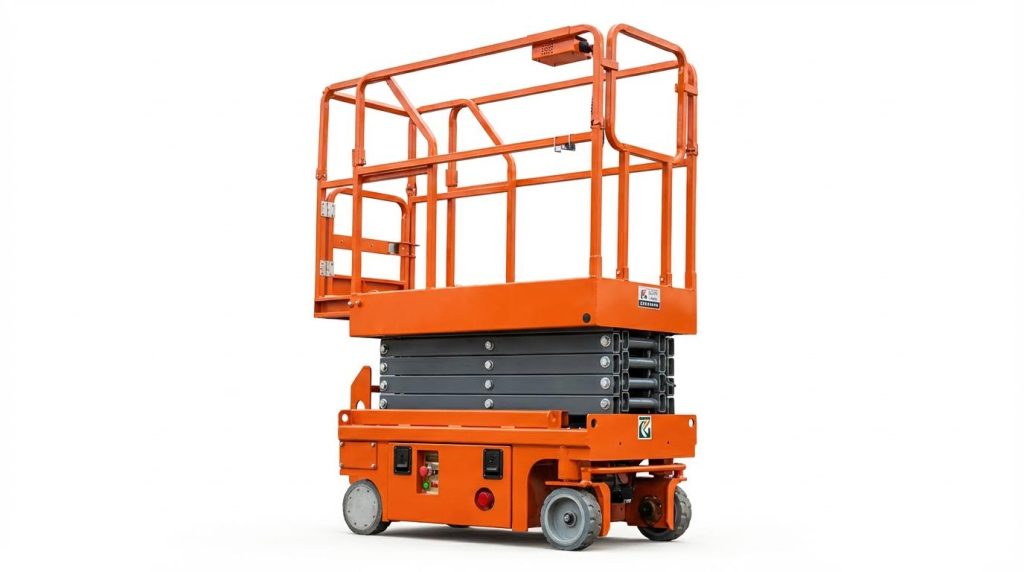
การรักษาความปลอดภัยของลิฟต์กรรไกรเริ่มต้นด้วยการควบคุมกุญแจอย่างเข้มงวด การจัดการการเข้าถึงแบบหลายชั้น และมาตรการป้องกันการโจรกรรมที่ใช้งานได้จริงในสถานที่ทำงานและคลังสินค้า คู่มือนี้จะอธิบายวิธีการป้องกันไม่ให้คนขโมย กุญแจ แท่นกรรไกรพร้อมทั้งลดความเสี่ยงจากอุบัติเหตุและความรับผิดชอบ คุณจะได้เห็นว่านโยบายที่เป็นลายลักษณ์อักษร การจัดเก็บที่ปลอดภัย การติดตามทางอิเล็กทรอนิกส์ และเซ็นเซอร์ต่างๆ ทำงานร่วมกันอย่างไรในโปรแกรมหลายชั้น ใช้เป็นพิมพ์เขียวเพื่อเพิ่มความเข้มงวดในการควบคุมโดยไม่ทำให้การดำเนินงานประจำวันช้าลง
หลักการพื้นฐานของระบบรักษาความปลอดภัยกุญแจสำหรับลิฟต์กรรไกร
หลักการสำคัญของการรักษาความปลอดภัยของกุญแจลิฟต์กรรไกรเน้นที่การควบคุมกุญแจอย่างเข้มงวด บทบาทที่ชัดเจน และขั้นตอนที่เป็นระบบ เพื่อให้เฉพาะผู้ที่ได้รับการฝึกอบรมและได้รับอนุญาตเท่านั้นที่จะสามารถสัมผัสกุญแจได้ นี่คือรากฐานของการป้องกันไม่ให้บุคคลอื่นขโมยกุญแจลิฟต์กรรไกรและนำเครื่องจักรไปใช้ในทางที่ผิด
ในระดับนี้ คุณยังไม่ได้ซื้อฮาร์ดแวร์ แต่คุณกำลังกำหนดกฎเกณฑ์ คุณตัดสินใจว่าใครสามารถเข้าถึงปุ่มต่างๆ ได้บ้าง วิธีการบันทึกการเคลื่อนไหวของปุ่มแต่ละครั้ง และจะเกิดอะไรขึ้นหากมีสิ่งใดหายไป หลักการเหล่านี้จะขับเคลื่อนการควบคุมทั้งทางกายภาพและอิเล็กทรอนิกส์ที่จะตามมา
- จำกัดการเข้าถึง: เฉพาะบุคลากรที่ได้รับการฝึกอบรมและได้รับอนุญาตเท่านั้นจึงจะสามารถจัดการหรือใช้กุญแจลิฟต์ได้ – ช่วยลดทั้งการโจรกรรมและการใช้งานที่ไม่ปลอดภัย
- ติดตามทุกคีย์: ใช้สมุดบันทึกหรือระบบอิเล็กทรอนิกส์เพื่อบันทึกว่าใครมีกุญแจดอกไหนและเมื่อใด – สร้างความรับผิดชอบ
- เก็บกุญแจไว้ในที่ปลอดภัย: เก็บกุญแจไว้ในตู้ล็อกหรือห้องที่มีระบบรักษาความปลอดภัยเมื่อไม่ได้ใช้งาน – ป้องกันการขโมยแบบเดินออกไปโดยไม่ตั้งใจ
- ตรวจสอบอย่างสม่ำเสมอ: เปรียบเทียบรายการสินค้าคงคลังที่สำคัญกับบันทึกตามกำหนดเวลา – ตรวจจับปัญหาได้ก่อนที่เครื่องจักรจะเสียหาย
- บูรณาการเข้ากับระบบความปลอดภัย: เชื่อมโยงการควบคุมที่สำคัญเข้ากับการฝึกอบรมผู้ปฏิบัติงานและการตรวจสอบประจำวัน – ทำให้การรักษาความปลอดภัยเป็นส่วนหนึ่งของกิจวัตรประจำวัน ไม่ใช่งานเพิ่มเติม
💡 หมายเหตุจากวิศวกรภาคสนาม:โปรดดูแลกุญแจลิฟต์เหมือนกุญแจสตาร์ทรถยนต์ ไม่ใช่เหมือนกุญแจกล่องเครื่องมือทั่วไป สถานที่ที่มีการโจรกรรมและอุบัติเหตุน้อยที่สุดมักมีกฎง่ายๆ ข้อเดียวคือ: ห้ามใครออกจากกะจนกว่าจะตรวจสอบและลงชื่อรับกุญแจทุกดอกเรียบร้อยแล้ว
เหตุใดการควบคุมกุญแจจึงมีความสำคัญต่อความปลอดภัยและการป้องกันการโจรกรรม
การควบคุมกุญแจเป็นสิ่งสำคัญ เพราะกุญแจของรถยกกรรไกรที่ไม่มีการควบคุมทุกดอกนั้น เป็นทั้งความเสี่ยงต่อการโจรกรรมและอันตรายร้ายแรงต่อความปลอดภัย ซึ่งอาจทำให้บุคคลที่ไม่ได้รับการฝึกฝนมาใช้งานเครื่องจักรที่มีน้ำหนัก 300-1,000 กิโลกรัมได้
จากมุมมองด้านความปลอดภัย รถยกแบบกรรไกรต้องใช้ผู้ปฏิบัติงานที่ได้รับการฝึกอบรมมาแล้ว ซึ่งเข้าใจเรื่องราวกันตก ขีดจำกัดน้ำหนักบรรทุก และอันตรายจากการวางตำแหน่งตามคำแนะนำด้านความปลอดภัยจากหน่วยงานกำกับดูแล ผู้ใช้งานที่ไม่ได้รับการฝึกอบรมอาจบรรทุกน้ำหนักเกินพิกัด ขับบนทางลาด หรือทำงานใกล้สายไฟมากเกินไป ซึ่งอาจนำไปสู่การตกจากที่สูง การพลิกคว่ำ หรือไฟฟ้าช็อต การควบคุมกุญแจที่ดีจะช่วยป้องกันคนเหล่านี้ตั้งแต่ขั้นตอนแรก: พวกเขาจะไม่ได้รับกุญแจเลย
จากมุมมองของการโจรกรรม กุญแจที่วางอยู่ให้เห็นได้ชัดเจนนั้นเปรียบเสมือนการเชื้อเชิญ โจรไม่จำเป็นต้องใช้เครื่องมือหรือความรู้พิเศษใดๆ หากกุญแจนั้นเสียบอยู่ในสวิตช์หรือแขวนอยู่บนเครื่องแล้ว โปรแกรมควบคุมกุญแจที่เป็นลายลักษณ์อักษรซึ่งจำกัดการเข้าถึงกุญแจเฉพาะบุคลากรที่ได้รับการฝึกอบรม การใช้บันทึกการลงชื่อออกหรือการติดตามทางอิเล็กทรอนิกส์ และการเก็บกุญแจไว้ในตู้ล็อกเมื่อไม่ได้ใช้งาน จะช่วยลดความเสี่ยงนี้ได้อย่างมากวิธีการนี้ได้รับการแนะนำอย่างกว้างขวางสำหรับการป้องกันการเข้าถึงโดยไม่ได้รับอนุญาต
- การดำเนินการที่ไม่ได้รับอนุญาต: ไม่มีระบบควบคุมด้วยกุญแจ หมายความว่าใครก็ได้สามารถยก เคลื่อนย้าย หรือขับลิฟต์ได้ – ขัดแย้งโดยตรงกับการฝึกอบรมการใช้งานอย่างปลอดภัยและข้อกำหนดตามมาตรฐาน OSHA
- การใช้งานผิดวัตถุประสงค์นอกเวลาทำการ: การทิ้งกุญแจไว้ในเครื่องจะทำให้สามารถ "ยืม" เครื่องได้ในช่วงนอกเวลาทำงาน – สาเหตุหลักทั่วไปของความเสียหายและเหตุการณ์เฉียดฉิวที่ไม่ได้รับการรายงาน
- การขโมยทรัพย์สิน: หากสามารถสตาร์ทเครื่องยนต์ได้ ก็สามารถเข็นลิฟต์เคลื่อนที่ขึ้นรถบรรทุกได้ภายในไม่กี่นาที – การควบคุมด้วยกุญแจคือระบบป้องกันการโจรกรรมที่ถูกที่สุดที่คุณมี
- ความเสี่ยงด้านความรับผิด: หากบุคคลที่ไม่ได้รับการฝึกฝนได้รับบาดเจ็บจากการใช้ลิฟต์ที่พวกเขาใช้กุญแจที่ไม่ได้ดูแล การควบคุมกุญแจที่ไม่ดีจะถูกตรวจสอบอย่างละเอียด – นโยบายและบันทึกข้อมูลที่ชัดเจนจะช่วยสนับสนุนการป้องกันของคุณ
การควบคุมที่สำคัญช่วยสนับสนุนความคาดหวังด้านความปลอดภัยตามกฎระเบียบได้อย่างไร
คำแนะนำด้านความปลอดภัยสำหรับลิฟต์กรรไกรเน้นย้ำถึงผู้ปฏิบัติงานที่ได้รับการฝึกอบรม การวางตำแหน่งที่ถูกต้อง และการเคารพพิกัดรับน้ำหนักของแท่น รวมถึงราวกันตกและระบบควบคุมที่ใช้งานได้ เมื่อคุณจำกัดการเข้าถึงกุญแจเฉพาะบุคลากรที่ได้รับการฝึกอบรมและตรวจสอบสถานะของกุญแจในการตรวจสอบประจำวัน คุณจะสนับสนุนข้อกำหนดเหล่านี้ในทางปฏิบัติ ไม่ใช่แค่ในเอกสารเท่านั้น
หากคุณถามว่าทำอย่างไรจึงจะป้องกันไม่ให้คนขโมยกุญแจลิฟต์กรรไกร คำตอบแรกไม่ใช่การใช้ล็อคพิเศษ แต่เป็นการควบคุมอย่างเข้มงวดว่าใครสามารถใช้กุญแจได้ เมื่อใด และภายใต้เอกสารใด อุปกรณ์ฮาร์ดแวร์อาจเพิ่มอุปสรรค แต่ระเบียบวินัยเป็นรากฐานทางกฎหมายและขั้นตอนที่มั่นคง
💡 หมายเหตุจากวิศวกรภาคสนาม:ในไซต์งานที่มีผู้รับเหมาหลายราย วิธีที่เร็วที่สุดที่กุญแจจะ "หายไป" คือเมื่อทีมงานหนึ่งทิ้งกุญแจไว้บนแท่น "ให้คนต่อไป" กำหนดให้เป็นกฎที่ไม่สามารถต่อรองได้ว่าทุกครั้งที่รถยกจอด จะต้องนำกุญแจออกมาและนำกลับไปที่ศูนย์ควบคุมส่วนกลาง แม้ว่าจะจอดแค่ช่วงพักกลางวันก็ตาม
นโยบายการควบคุมกุญแจสำคัญและการกำหนดบทบาทที่เป็นลายลักษณ์อักษร
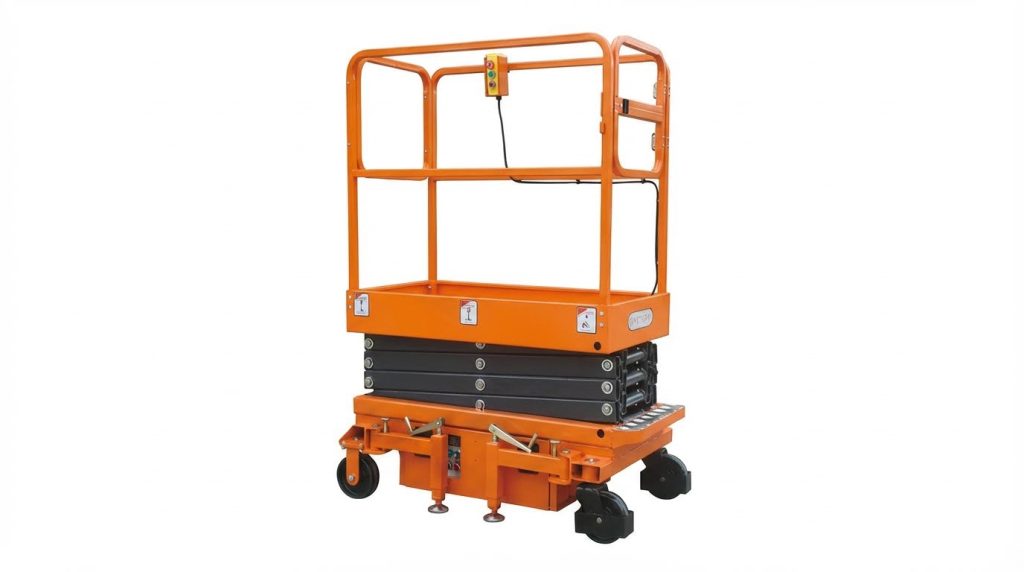
นโยบายการควบคุมกุญแจที่เป็นลายลักษณ์อักษรและการกำหนดบทบาทที่ชัดเจนจะเปลี่ยนเจตนาที่ดีให้กลายเป็นพฤติกรรมที่ทำซ้ำได้ ซึ่งจะช่วยป้องกันการขโมยกุญแจลิฟต์กรรไกรและการใช้งานโดยไม่ได้รับอนุญาตได้อย่างแท้จริง
นโยบายควรเป็นเอกสารสั้นๆ ที่ใช้งานได้จริง และหัวหน้างานทุกคนสามารถบังคับใช้ได้ โดยจะอธิบายว่ากุญแจอยู่ที่ไหน ใครเป็นผู้มีอำนาจในการออกกุญแจ วิธีการบันทึกการใช้กุญแจ และจะเกิดอะไรขึ้นหากกุญแจมาช้าหรือหาย นอกจากนี้ยังเชื่อมโยงโดยตรงกับการฝึกอบรม การตรวจสอบ และการสอบสวนเหตุการณ์ เพื่อให้การควบคุมกุญแจสามารถวัดผลได้ ไม่ใช่คลุมเครือ
- ผู้ดูแลกุญแจ: บุคคลหรือบทบาทที่รับผิดชอบในการออก รับ และล็อกกุญแจ – จุดรับผิดชอบเพียงจุดเดียว
- ผู้ให้บริการที่ได้รับอนุญาต: พนักงานที่ได้รับการฝึกอบรมจะได้รับอนุญาตให้ลงชื่อออกและใช้กุญแจได้ – เพื่อให้มั่นใจว่าเฉพาะผู้ใช้งานที่มีความสามารถเท่านั้นที่จะสามารถเปิดใช้งานลิฟต์ได้
- หัวหน้างาน/ผู้จัดการ: อนุมัติข้อยกเว้นการเข้าถึง ตรวจสอบบันทึก และบังคับใช้ระเบียบวินัย – ปิดวงจรเมื่อมีการละเมิดกฎ
- ช่างซ่อมบำรุง: เก็บรักษากุญแจไว้เฉพาะสำหรับงานบริการ และตรวจสอบความสมบูรณ์ของล็อคและสวิตช์ระหว่างการตรวจสอบเท่านั้น – ช่วยให้ฮาร์ดแวร์รักษาความปลอดภัยมีความน่าเชื่อถือ
- ความปลอดภัย/ด้านอาชีวอนามัยและสังคม: ตรวจสอบเอกสารสำคัญเป็นระยะ และสอบสวนความคลาดเคลื่อน – ตรวจจับรูปแบบที่บ่งชี้ถึงการขโมยหรือการใช้งานในทางที่ผิด
นโยบายที่ดีควรระบุถึงเครื่องมือที่ใช้ในการบังคับใช้ด้วย หลายสถานที่ใช้สมุดบันทึกการยืมหรือระบบอิเล็กทรอนิกส์เพื่อติดตามกุญแจและเก็บไว้ในตู้ล็อกหรือระบบกุญแจอิเล็กทรอนิกส์ที่มีการควบคุมเมื่อไม่ได้ใช้งาน การตรวจสอบสินค้าคงคลังกุญแจและบันทึกการเข้าถึงเป็นประจำจะช่วยรักษาความรับผิดชอบและแสดงให้เห็นว่านโยบายนั้นมีผลบังคับใช้ ไม่ใช่แค่เอกสารที่วางอยู่บนชั้นวางแนวทางการป้องกันการโจรกรรมทรัพย์สินถาวรสนับสนุนแนวทางที่เป็นระบบนี้อย่างยิ่ง
องค์ประกอบสำคัญที่ควรระบุไว้ในนโยบายหลักที่เป็นลายลักษณ์อักษรของคุณ
อย่างน้อยที่สุด นโยบายของคุณควรระบุ: สถานที่เก็บกุญแจ; ใครบ้างที่สามารถออกและรับกุญแจได้; ขั้นตอนการลงชื่อเข้า/ออกอย่างละเอียด; เวลาการยืมสูงสุด; สิ่งที่ต้องทำเมื่อสิ้นสุดกะ; จะเกิดอะไรขึ้นหากกุญแจหายหรือมาช้า; และความถี่ในการตรวจสอบ ควรจำกัดจำนวนหน้าให้เหลือเพียงไม่กี่หน้า และแนบเอกสารบันทึกการทำงานจริงหรือภาพหน้าจอขั้นตอนการทำงานอิเล็กทรอนิกส์ เพื่อให้หัวหน้างานสามารถนำไปใช้ได้ทันที
เมื่อนโยบายที่เป็นลายลักษณ์อักษรนี้ได้รับการสื่อสารในการฝึกอบรมและเน้นย้ำในการพูดคุยเรื่องความปลอดภัยในการทำงาน มันจะกลายเป็นมาตรการควบคุมหลักของคุณในการป้องกันไม่ให้ใครขโมยกุญแจรถยกกรรไกร แม้ว่ากุญแจจะหายไป บันทึกและคำจำกัดความของบทบาทของคุณจะบอกคุณว่าใครเป็นคนใช้กุญแจเป็นคนสุดท้ายและเมื่อใด ซึ่งมีความสำคัญอย่างยิ่งต่อการกู้คืนและความรับผิดชอบ
💡 หมายเหตุจากวิศวกรภาคสนาม:นโยบายที่มีประสิทธิภาพที่สุดที่ผมเคยเห็นมักจะมีลำดับขั้นของผลที่ตามมาอย่างง่ายๆ คือ การเตือนด้วยวาจาสำหรับการนำกุญแจกลับมาคืนครั้งแรก การเตือนเป็นลายลักษณ์อักษรสำหรับการทำผิดซ้ำ และการระงับสิทธิ์การใช้ลิฟต์สำหรับการทำกุญแจหายทุกครั้งจนกว่าการสอบสวนจะเสร็จสิ้น เมื่อผู้คนรู้กฎและผลที่ตามมาแล้ว กุญแจก็จะไม่ “หายไป” อีก
มาตรการทางเทคนิคสำหรับการจัดการการเข้าถึงและการป้องกันการโจรกรรม
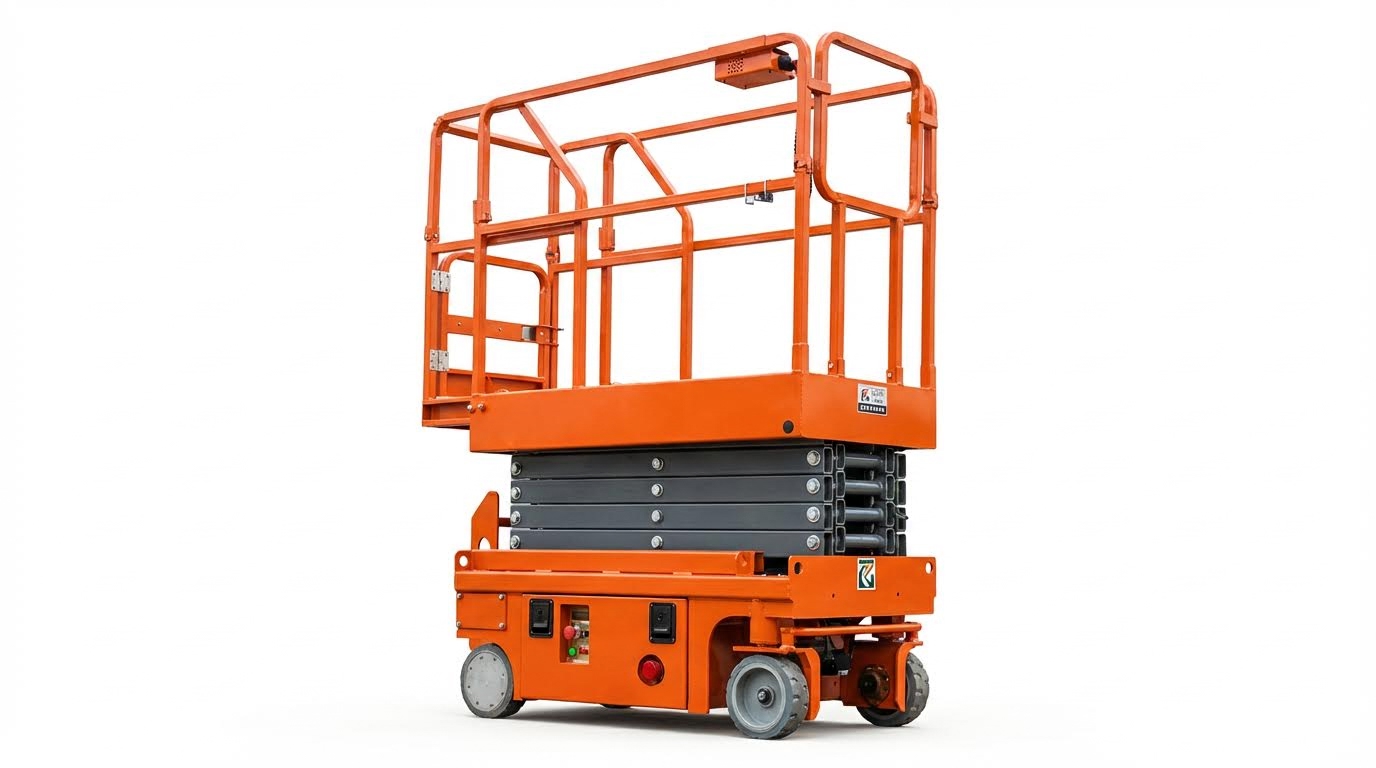
มาตรการทางเทคนิคสำหรับการจัดการการเข้าถึงและการป้องกันการโจรกรรมใช้การควบคุมหลายระดับ ทั้งทางกายภาพ อิเล็กทรอนิกส์ และระดับเครื่องจักร เพื่อป้องกันไม่ให้บุคคลที่ไม่ได้รับการฝึกฝนเข้าถึงลิฟต์ และเพื่อหยุดหรือติดตามกุญแจลิฟต์กรรไกรที่ถูกขโมย หากคุณต้องการวิธีการที่ใช้งานได้จริงและบังคับใช้ได้ในการป้องกันไม่ให้คนขโมยกุญแจลิฟต์กรรไกร ส่วนนี้จะเน้นไปที่ฮาร์ดแวร์ อิเล็กทรอนิกส์ และเซ็นเซอร์ที่สนับสนุนนโยบายของคุณในโลกแห่งความเป็นจริง
- เป้าหมาย: ป้องกันการลักขโมยทั่วไป – ทำให้การฉกกุญแจ "ระหว่างทาง" ทำได้ยากขึ้น
- เป้าหมาย: ควบคุมว่าใครบ้างที่สามารถควบคุมการทำงานของลิฟต์ได้ – เฉพาะผู้ปฏิบัติงานที่ได้รับการฝึกอบรมและได้รับอนุญาตเท่านั้นจึงจะสามารถเปิดใช้งานระบบควบคุมได้
- เป้าหมาย: ตรวจจับและติดตามการใช้งานในทางที่ผิด – บันทึกการตรวจสอบและการแจ้งเตือนช่วยสนับสนุนการสืบสวนและการป้องกันความรับผิด
💡 หมายเหตุจากวิศวกรภาคสนาม:จงปฏิบัติต่อกุญแจเหมือนกุญแจสตาร์ทรถยนต์ เมื่อใครก็ตามได้กุญแจไปแล้ว สิ่งเดียวที่จะหยุดยั้งการนำไปใช้ในทางที่ผิดก็คือจิตสำนึกของพวกเขาเอง ระบบควบคุมทางเทคนิคของคุณต้องทำให้การเข้าถึงกุญแจโดยไม่ได้รับอนุญาตเป็นเรื่องยุ่งยากและตรวจสอบได้ มิเช่นนั้นการขโมยก็จะยังคงเกิดขึ้นต่อไป
การจัดเก็บกุญแจทางกายภาพ, ล็อก และสิ่งกีดขวาง
การจัดเก็บกุญแจ การล็อก และสิ่งกีดขวางทางกายภาพ เป็นด่านป้องกันแรกที่ทำให้ยากต่อการที่ใครจะขโมยกุญแจรถยกกรรไกรไปได้ นี่คือวิธีการที่ใช้เทคโนโลยีต่ำที่สุด แต่คุ้มค่าที่สุดในระบบควบคุมการเข้าถึงใดๆ ก็ตาม
คำแนะนำจากแหล่งข้อมูลระบุว่า กุญแจของลิฟต์กรรไกรควรเก็บไว้ในตู้โลหะที่ล็อกได้ ห้องที่จำกัดการเข้าถึง หรือสถานที่จัดเก็บที่ปลอดภัยอื่นๆ เมื่อไม่ได้ใช้งาน โดยจำกัดการเข้าถึงเฉพาะบุคลากรที่ได้รับการฝึกอบรมเท่านั้นโปรแกรมควบคุมกุญแจที่เป็นลายลักษณ์อักษรยังใช้บันทึกการลงชื่อออกและตรวจสอบเป็นประจำเพื่อติดตามว่าใครมีกุญแจดอกไหนในแต่ละช่วงเวลา
- ตู้เก็บกุญแจแบบล็อคได้: กล่องเหล็กติดผนังพร้อมตะขอเกี่ยวแต่ละอัน – ช่วยป้องกันไม่ให้คนหยิบกุญแจที่วางอยู่กระจัดกระจายบนโต๊ะทำงานหรือกล่องเครื่องมือ
- ห้องหรือกรงที่จำกัดพื้นที่: เก็บกุญแจไว้ในห้องทำงานของหัวหน้างานหรือในห้องเก็บของที่มีกุญแจล็อคเท่านั้น – เพิ่มประตูและระบบควบคุมการเข้าออกระหว่างพื้นที่สาธารณะกับกุญแจของคุณ
- ซีลป้องกันการแกะ: ปิดผนึกกุญแจสำรองหรือชุดกุญแจฉุกเฉิน – ทำให้การเปิดโดยไม่ได้รับอนุญาตปรากฏให้เห็นได้ชัดเจนระหว่างการตรวจสอบ
- ใช้กุญแจล็อคแยกกันสำหรับจุดเชื่อมต่อ: นอกจากสวิตช์กุญแจแล้ว ควรล็อกอุปกรณ์ตัดไฟหรืออุปกรณ์ตัดการเชื่อมต่อแบตเตอรี่ด้วย – แม้ว่าจะมีคนขโมยกุญแจไป พวกเขาก็ไม่สามารถเปิดใช้งานลิฟต์ได้อยู่ดี
- สิ่งกีดขวางรอบพื้นที่: ใช้ประตู เสา หรือแผงกั้นจราจรล้อมรอบลิฟต์ที่จอดอยู่ – ป้องกันไม่ให้ใครขับรถบรรทุกขึ้นมาบรรทุกของขึ้นลิฟต์แล้วจากไป
| การวัดทางกายภาพ | การใช้งานทั่วไป | ผลกระทบในการดำเนินงาน |
|---|---|---|
| ตู้เก็บกุญแจโลหะแบบล็อคได้ | แหล่งเก็บข้อมูลส่วนกลางสำหรับกุญแจทั้งหมดของ MEWP | ช่วยขจัดปัญหา “การลืมกุญแจไว้ในกระเป๋าหรือบนเครื่องใช้ไฟฟ้า” ทำให้การขโมยกลายเป็นการฉวยโอกาสแทนที่จะเป็นการกระทำโดยไม่ได้ตั้งใจ |
| ห้องที่มีข้อจำกัดในการเข้าถึง | กุญแจสามารถเข้าถึงได้เฉพาะทางสำนักงานหรือห้องนิรภัยเท่านั้น | การเข้าถึงกุญแจต้องมีการตัดสินใจอย่างรอบคอบ ซึ่งช่วยป้องกันการขโมยโดยพลการ |
| ซีลกุญแจป้องกันการงัดแงะ | ปิดผนึกกุญแจฉุกเฉินหรือกุญแจสำรอง | การตรวจสอบจะแสดงให้เห็นอย่างรวดเร็วว่ามีใครบุกรุกเข้าไปในคีย์สำรองหรือไม่ |
| กุญแจล็อคที่ปลั๊กตัดไฟ | การล็อกเอาต์รองของแหล่งจ่ายไฟหลัก | ป้องกันการจ่ายไฟให้ลิฟต์แม้ว่ากุญแจจะถูกขโมยไป |
| ประตูรักษาความปลอดภัย / แผงกั้นยานพาหนะ | ควบคุมการเข้าออกลิฟต์ของยานพาหนะ | ช่วยป้องกันไม่ให้ขโมยยกลิฟต์ขึ้นรถพ่วงได้ง่ายๆ |
สิ่งกีดขวางทางกายภาพ เช่น ตู้เก็บของที่ล็อกได้ ห้องที่จำกัดการเข้าถึง และซีลป้องกันการงัดแงะ เป็นสิ่งที่แนะนำเป็นพิเศษเพื่อทำให้การเข้าถึงกุญแจโดยไม่ได้รับอนุญาตทำได้ยาก นอกจาก นี้ ยังสามารถติดตั้ง อุปกรณ์ควบคุมการจราจรและประตูรักษาความปลอดภัยเพื่อป้องกันการเข้าถึงพื้นที่จอดลิฟต์โดยไม่ได้รับอนุญาตได้ โดยอุปกรณ์ควบคุมการจราจรแบบอัตโนมัติมักมีราคาอยู่ในช่วง 1,000–4,000 ดอลลาร์สหรัฐ
การควบคุมทางกายภาพช่วยลดการขโมยกุญแจได้อย่างไรโดยตรง
กุญแจที่ไม่ได้ล็อกมักจะหายไปในระหว่างการเปลี่ยนกะ ช่วงพัก หรือเมื่อลิฟต์จอดอยู่ในพื้นที่ส่วนกลาง การย้ายกุญแจไปไว้ในตู้ล็อกในห้องควบคุมจะบังคับให้ใครก็ตามที่ต้องการกุญแจต้องติดต่อกับหัวหน้างานหรือใช้ระบบควบคุมการเข้าออก การติดต่อเพียงครั้งเดียวก็สามารถป้องกันการขโมยฉวยโอกาสได้เป็นส่วนใหญ่ เพราะตอนนี้มีบันทึกและพยานแล้ว
💡 หมายเหตุจากวิศวกรภาคสนาม:ในโกดังสินค้าที่พลุกพล่าน ผมเคยเห็นการขโมยลดลงอย่างมากเพียงแค่ย้ายกุญแจจาก “แขวนไว้บนลิฟต์” ไปไว้ในตู้ในห้องทำงานของหัวหน้างาน คุณไม่จำเป็นต้องใช้เทคโนโลยีขั้นสูงเพื่อลดเหตุการณ์ลง 80% คุณแค่ต้องการระยะห่าง ประตูที่ล็อกได้ และสมุดบันทึก
ตู้เก็บกุญแจอิเล็กทรอนิกส์ ระบบเข้าออกด้วยรหัส PIN และบัตร
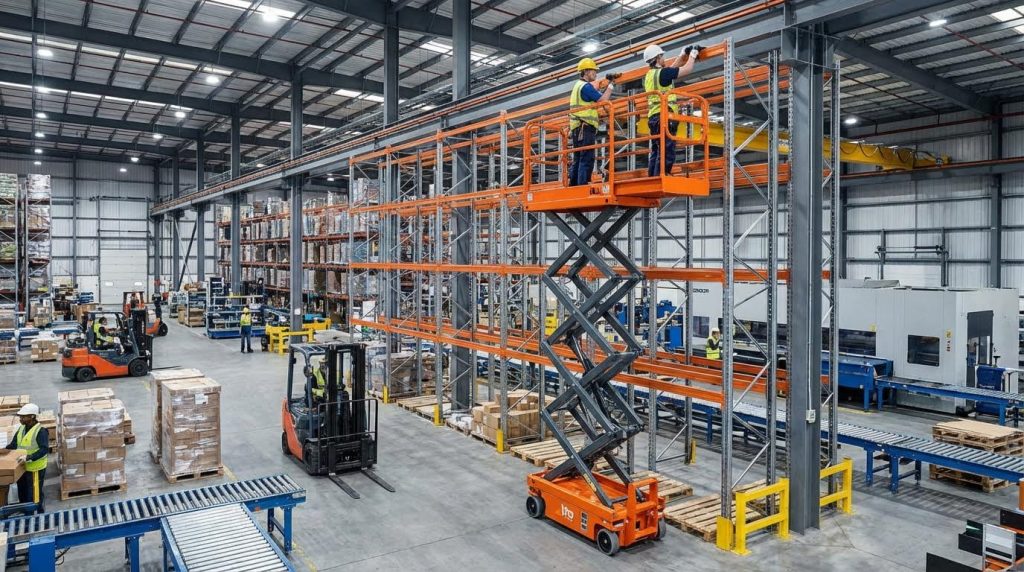
ตู้เก็บกุญแจอิเล็กทรอนิกส์ที่มีระบบป้อนรหัส PIN, บัตร หรือไบโอเมตริกซ์ ช่วยเพิ่มชั้นการตรวจสอบตัวตน ทำให้คุณรู้ได้อย่างแน่ชัดว่าใครเป็นคนนำกุญแจลิฟต์กรรไกรดอกไหนไป และเมื่อไหร่ นี่เป็นหนึ่งในวิธีที่ดีที่สุดในการป้องกันการขโมยกุญแจลิฟต์กรรไกรอย่างสามารถตรวจสอบย้อนกลับได้
เอกสารต้นฉบับอธิบายว่า ระบบจัดการกุญแจอิเล็กทรอนิกส์ใช้รหัส PIN บัตร หรือไบโอเมตริกในการควบคุมการนำกุญแจออก พร้อมทั้งสร้างการติดตามแบบเรียลไทม์และบันทึกการตรวจสอบอย่างละเอียดระบบเหล่านี้สามารถส่งการแจ้งเตือนสำหรับกุญแจที่เลยกำหนดหรือการเข้าถึงนอกเวลาทำการ ซึ่งจะช่วยตรวจจับการโจรกรรมได้ตั้งแต่เนิ่นๆ และสนับสนุนการสืบสวนเหตุการณ์
- การเข้าถึงโดยใช้รหัส PIN: พนักงานแต่ละคนจะต้องป้อนรหัสเฉพาะของตนเอง – เชื่อมโยงการลบกุญแจแต่ละครั้งเข้ากับบุคคลเฉพาะราย
- การเข้าถึงด้วยบัตรหรือ RFID: ใช้บัตรประจำตัวประชาชนที่มีอยู่แล้ว – ผสานรวมเข้ากับระบบควบคุมการเข้าถึงเว็บไซต์และบันทึกข้อมูลด้านทรัพยากรบุคคลของคุณ
- ตัวเลือกไบโอเมตริก: ลายนิ้วมือหรือลายนิ้วมือที่คล้ายคลึงกัน – ป้องกันการแบ่งปันข้อมูลประจำตัวระหว่างพนักงาน
- บันทึกการลงชื่อออกและกลับเข้างานทางอิเล็กทรอนิกส์: บันทึกที่มีการประทับเวลาอัตโนมัติ – ขจัดปัญหาสมุดบันทึกแบบเขียนด้วยมือที่อ่านยาก
- การแจ้งเตือนเมื่อเลยกำหนดและนอกเวลาทำการ: การแจ้งเตือนทาง SMS/อีเมล – แจ้งเตือนเมื่อกุญแจไม่ถูกส่งกลับมา หรือมีการเข้าถึงกุญแจในเวลาที่ไม่ปกติ
| คุณสมบัติทางอิเล็กทรอนิกส์ | ฟังก์ชัน | ผลกระทบต่อการดำเนินงาน / เหมาะสำหรับ… |
|---|---|---|
| รหัส PIN เฉพาะสำหรับผู้ใช้แต่ละคน | ปลดล็อกตู้และปล่อยกุญแจที่กำหนดไว้ | เหมาะสำหรับเว็บไซต์ที่ต้องการตรวจสอบความรับผิดชอบส่วนบุคคลอย่างชัดเจนโดยไม่ต้องออกป้ายรับรองใหม่ |
| เครื่องอ่านบัตร/RFID | ยืนยันตัวตนผ่านบัตรเข้าใช้งานที่มีอยู่แล้ว | เหมาะอย่างยิ่งสำหรับอาคารที่ควบคุมการเข้าออกด้วยบัตรอยู่แล้ว |
| รายงานการตรวจสอบเส้นทาง | ผู้ส่งออกที่มีกุญแจสำคัญอะไรบ้างและเมื่อใด | ให้การสนับสนุนด้านการสืบสวนสอบสวนและการประกันภัยหรือการป้องกันทางกฎหมายหลังเกิดเหตุการณ์ |
| การแจ้งเตือนสำคัญที่เลยกำหนด | ไม่มีการส่งคืนกุญแจธงเมื่อสิ้นสุดกะ | ป้องกันไม่ให้กุญแจ "ถูกทิ้งไว้" ในกระเป๋าเครื่องมือหรือในรถยนต์ |
| ระบบเตือนภัยการเข้าถึงนอกเวลาทำการ | แจ้งเตือนเมื่อมีการใช้งานนอกเหนือจากตารางเวลาที่กำหนดไว้ | ระบบเตือนภัยล่วงหน้าสำหรับการพยายามโจรกรรมในช่วงกลางคืนหรือวันหยุดสุดสัปดาห์ |
คำแนะนำเกี่ยวกับการจัดการกุญแจอิเล็กทรอนิกส์เน้นย้ำถึงประโยชน์หลักๆ ได้แก่ การลดการสูญหายของกุญแจ การตรวจสอบที่ง่ายขึ้น และรายงานการตรวจสอบอัตโนมัติ เนื่องจากตู้เก็บกุญแจทราบอย่างแน่ชัดว่ากุญแจแต่ละดอกควรอยู่ในช่องใด จึงสามารถป้องกันผู้ใช้จากการหยิบกุญแจผิดดอกหรือหยิบกุญแจมากกว่าจำนวนที่ได้รับอนุญาตได้
เมื่อใดจึงควรใช้ระบบควบคุมกุญแจอิเล็กทรอนิกส์
ตู้เก็บกุญแจอิเล็กทรอนิกส์เหมาะสมที่สุดเมื่อคุณมีลิฟต์หลายตัว หลายกะการทำงาน หรือหลายสถานที่ หากมีการใช้กุญแจร่วมกันระหว่างผู้ปฏิบัติงาน 10-50 คน และมีเหตุการณ์การขโมยหรือการใช้ในทางที่ผิดเกิดขึ้นเพียงไม่กี่ครั้งต่อปี ต้นทุนของตู้เก็บกุญแจมักจะต่ำกว่าต้นทุนของการหยุดทำงาน ความเสียหาย หรือการบาดเจ็บจากการใช้งานโดยไม่ได้รับอนุญาต
💡 หมายเหตุจากวิศวกรภาคสนาม:ประโยชน์ที่สำคัญที่สุดของระบบกุญแจอิเล็กทรอนิกส์ไม่ใช่แค่การป้องกันการขโมย แต่เป็นการเปลี่ยนแปลงพฤติกรรม เมื่อผู้ปฏิบัติงานทราบว่าการนำกุญแจออกทุกครั้งจะถูกบันทึกไว้ในชื่อของตน การ "นำไปใช้ทำธุระด่วน" โดยไม่ได้รับอนุญาตก็จะลดลงอย่างมาก
เซ็นเซอร์ ระบบแจ้งเตือน และอุปกรณ์ป้องกันการโจรกรรมระดับเครื่องจักร
เซ็นเซอร์ สัญญาณเตือน และอุปกรณ์ป้องกันการโจรกรรมระดับเครื่องจักรจะตรวจสอบลิฟต์กรรไกรโดยตรง ตรวจจับการเคลื่อนไหวหรือการดัดแปลงแก้ไข แม้ว่าจะมีคนขโมยกุญแจหรือหลีกเลี่ยงระบบควบคุมการจัดเก็บได้ก็ตาม สิ่งนี้ทำให้ลิฟต์กลายเป็นจุดเตือนภัยในตัว
เซ็นเซอร์ระยะไกลที่ตรวจจับการเคลื่อนไหวหรือการสั่นสะเทือนสามารถส่งการแจ้งเตือนแบบเข้ารหัสผ่านเครือข่ายโทรศัพท์มือถือ GSM เมื่อลิฟต์ถูกรบกวน โดยทั่วไปแล้ว อุปกรณ์จะมีพื้นที่ครอบคลุมอินฟราเรดแบบพาสซีฟประมาณ 4.5 ม. × 4.5 ม. (15 ฟุต × 15 ฟุต) ตัวเรือนขนาดกะทัดรัดประมาณ 40 มม. × 95 มม. × 85 มม. (1.5 นิ้ว × 3.7 นิ้ว × 3.3 นิ้ว) และแบตเตอรี่ลิเธียมไอออนแบบชาร์จได้ซึ่งใช้งานได้นานถึงหนึ่งปี โดยมีการแจ้งเตือนประมาณ 10 ครั้งต่อเดือน แพ็กเกจข้อมูลมักอยู่ที่ประมาณ 4.99 ดอลลาร์สหรัฐต่อเดือน หรือ 49 ดอลลาร์สหรัฐต่อปีต่ออุปกรณ์อุปกรณ์เหล่านี้และโซลูชันที่คล้ายกันได้รับการออกแบบมาเพื่อตรวจจับการเคลื่อนไหวที่ไม่ได้รับอนุญาตของลิฟต์กรรไกรและอุปกรณ์เคลื่อนที่อื่นๆ
- เซ็นเซอร์ตรวจจับการเคลื่อนไหว/การสั่นสะเทือน: ตรวจจับการเคลื่อนไหวของลิฟต์หรือตัวถัง – ตั้งค่าการแจ้งเตือนหากมีการเคลื่อนย้ายเครื่องจักรในช่วงเวลาที่ไม่ใช่เวลาทำการ
- การเชื่อมต่อ GSM / เซลลูลาร์: ส่งการแจ้งเตือนทาง SMS, แอป หรืออีเมล – ใช้งานได้แม้ในบริเวณที่ไม่มี Wi-Fi
- ตัวเรือนป้องกันการงัดแงะ: แสดงว่าเซ็นเซอร์ถูกถอดออกหรือเปิดออกหรือไม่ – ช่วยป้องกันไม่ให้ขโมยดึงอุปกรณ์ออกไปได้ง่ายๆ
- การตั้งเวลาแจ้งเตือน: ควรเปิดใช้งานระบบรักษาความปลอดภัยเฉพาะนอกเวลาทำงานเท่านั้น – ช่วยลดสัญญาณเตือนที่ไม่จำเป็นระหว่างการทำงานปกติ
- การบูรณาการกับการจัดการกุญแจสำคัญ: ตรวจสอบความถูกต้องของสัญญาณเตือนจากเซ็นเซอร์กับบันทึกการใช้งานแป้นพิมพ์ – แสดงผลทันทีว่าการเคลื่อนไหวนั้นเชื่อมโยงกับการถอดกุญแจที่ได้รับอนุญาตหรือไม่
| อุปกรณ์ / ข้อมูลจำเพาะ | ค่าทั่วไป | ผลกระทบในการดำเนินงาน |
|---|---|---|
| ขอบเขตการตรวจจับ | ≈4.5 ม. × 4.5 ม. (15 ฟุต × 15 ฟุต) | ครอบคลุมพื้นที่ลิฟต์และบริเวณโดยรอบในช่องจอดรถ |
| ขนาดหน่วย | ≈40 × 95 × 85 มม. | มีขนาดกะทัดรัดพอที่จะติดตั้งใต้ตัวถังหรือภายในแผงกันกระแทกได้ |
| น้ำหนัก | ≈120 กรัม (4.3 ออนซ์) | ผลกระทบต่อความจุหรือเสถียรภาพที่กำหนดไว้มีน้อยมาก |
| แบตเตอรี่ | นานสูงสุด 12 เดือน โดยมีการแจ้งเตือนประมาณ 10 ครั้งต่อเดือน | เหมาะสำหรับรอบการบำรุงรักษาประจำปี |
| แผนข้อมูล | ประมาณ 4.99 ดอลลาร์สหรัฐต่อเดือน หรือ 49 ดอลลาร์สหรัฐต่อปี | ต้นทุนการดำเนินงานที่คาดการณ์ได้สำหรับการตรวจสอบอย่างต่อเนื่อง |
คำแนะนำจากแหล่งข้อมูลในอุตสาหกรรมระบุว่า การกำหนดตารางเวลาการแจ้งเตือนในช่วงนอกเวลาทำการมีความสำคัญอย่างยิ่งในการลดการแจ้งเตือนที่ผิดพลาดและช่วยให้เจ้าหน้าที่ตอบสนองต่อเหตุการณ์โจรกรรมที่เกิดขึ้นจริงได้ทันท่วงที เซ็นเซอร์และระบบแจ้งเตือนระยะไกลยังสามารถใช้ซีลป้องกันการงัดแงะและตัวเลือกการติดตั้งที่ยืดหยุ่นเพื่อให้ยังคงมีประสิทธิภาพแม้ว่าลิฟต์จะจอดอยู่ในช่องจอดที่แคบหรือกลางแจ้งก็ตาม
การยับยั้งในระดับเครื่องจักรเทียบกับการควบคุมด้วยกุญแจเพียงอย่างเดียว
การควบคุมด้วยกุญแจเพียงอย่างเดียวเป็นการสันนิษฐานว่าขโมยไม่สามารถข้ามสวิตช์กุญแจได้ แต่ในความเป็นจริง ขโมยที่ตั้งใจจริงอาจต่อสายไฟตรงไปยังระบบควบคุม หรือใช้รอกดึงลิฟต์ขึ้นรถบรรทุกได้ เซ็นเซอร์ระดับเครื่องจักรมีไว้สำหรับการตรวจจับและกู้คืนในระยะเริ่มต้น แม้ว่าลิฟต์จะเคลื่อนที่โดยไม่มีการลงชื่อรับกุญแจ คุณก็จะรู้ภายในไม่กี่นาทีและสามารถตอบสนองได้ก่อนที่ลิฟต์จะออกจากพื้นที่
💡 หมายเหตุจากวิศวกรภาคสนาม:สำหรับพื้นที่กลางแจ้งหรือสถานที่ก่อสร้าง ผมมักแนะนำให้ใช้เซ็นเซอร์ตรวจจับความเคลื่อนไหว GSM ร่วมกับการจัดเก็บกุญแจอย่างเข้มงวด กุญแจช่วยป้องกันการขับรถเล่นโดยไม่ได้รับอนุญาต ส่วนเซ็นเซอร์และการแจ้งเตือนจะช่วยป้องกันโจรอาชีพที่มีรถพ่วงและใช้เวลาเพียง 10 นาทีในความมืด
การนำโปรแกรมรักษาความปลอดภัยหลายชั้นมาใช้
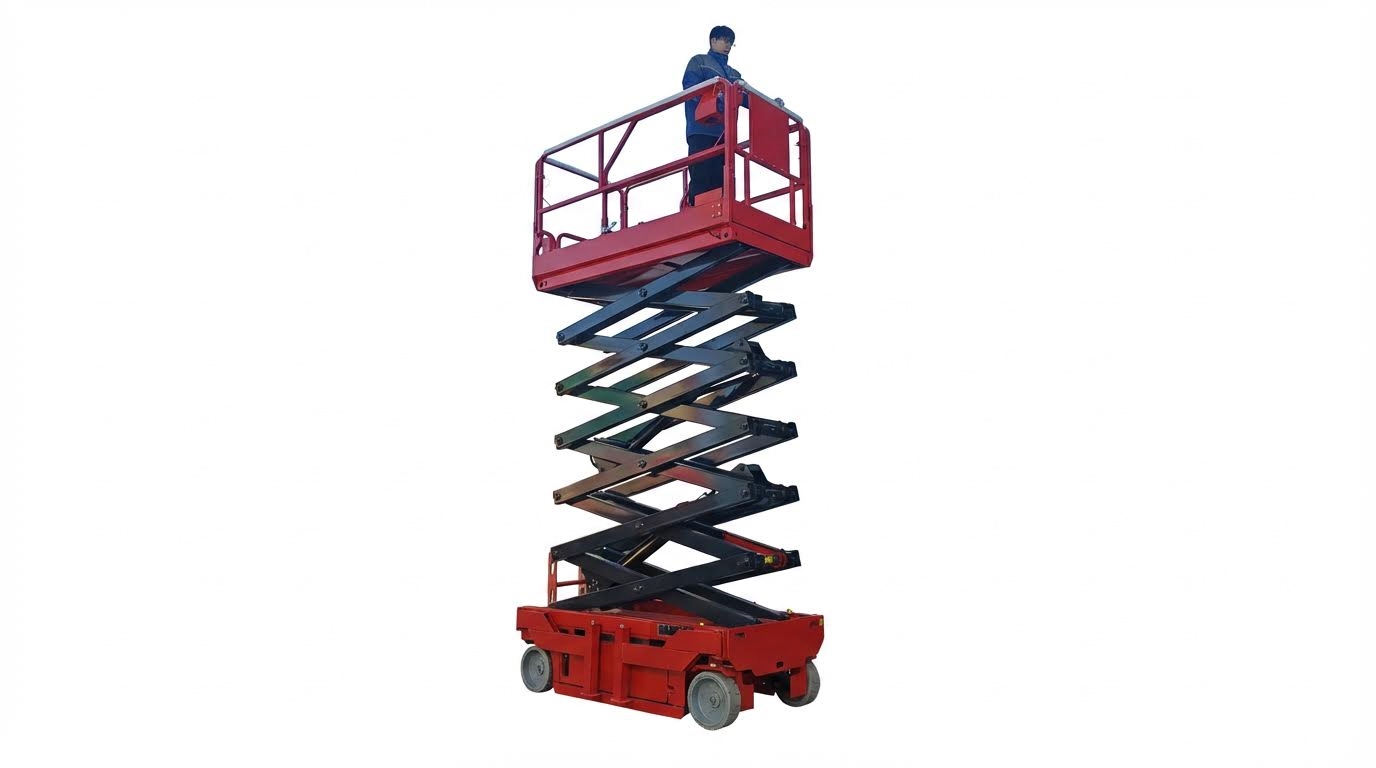
โปรแกรมรักษาความปลอดภัยแบบหลายชั้นผสานรวมบุคลากร ขั้นตอน และฮาร์ดแวร์เข้าด้วยกันเพื่อควบคุมกุญแจและป้องกันการโจรกรรมหรือการใช้ลิฟต์ในทางที่ผิด โดยเปลี่ยน "วิธีการป้องกันไม่ให้คนขโมย กุญแจ ลิฟต์แบบกรรไกร " ให้กลายเป็นกิจวัตรประจำวันที่ตรวจสอบได้ แทนที่จะเป็นกฎที่ทำเพียงครั้งเดียว
- การออกแบบหลายชั้น: ผสานรวมนโยบาย การฝึกอบรม การจัดเก็บทางกายภาพ และอุปกรณ์อิเล็กทรอนิกส์เข้าด้วยกัน – ความเสียหายเพียงครั้งเดียวไม่ได้หมายความว่าลิฟต์จะเสียหายทั้งหมด
- ผู้คน + เทคโนโลยี: ให้ผู้ปฏิบัติงาน หัวหน้างาน และฝ่ายซ่อมบำรุงทำงานร่วมกับบันทึกข้อมูล ตู้เก็บข้อมูล และเซ็นเซอร์ต่างๆ – ปรับปรุงความรับผิดชอบ
- วินัยประจำวัน: รวมการตรวจสอบต่างๆ ไว้ในการตรวจสอบก่อนใช้งานและการส่งมอบงานระหว่างกะ – ปิดช่องโหว่ที่พวกโจรใช้ประโยชน์เพื่อความสะดวก
- บันทึกการตรวจสอบ: ใช้บันทึกและรายงานอิเล็กทรอนิกส์ – สนับสนุนการสืบสวนและการต่อสู้คดีความรับผิด
💡 หมายเหตุจากวิศวกรภาคสนาม:ควรจัดการเรื่องความปลอดภัยของกุญแจเหมือนกับการล็อก/ติดป้ายเตือน: มีกฎเป็นลายลักษณ์อักษร มีอุปกรณ์ที่มองเห็นได้ และมีการลงชื่ออนุมัติ เมื่อเป็นส่วนหนึ่งของกิจวัตรประจำวันในทุกกะการทำงาน กุญแจก็จะไม่ “หายไป” โดยไม่มีใครสังเกตเห็นอีกต่อไป
การบูรณาการการฝึกอบรม ขั้นตอนการปฏิบัติงาน และการตรวจสอบประจำวัน
การบูรณาการการฝึกอบรม ขั้นตอน และการตรวจสอบประจำวัน จะทำให้การรักษาความปลอดภัยที่สำคัญกลายเป็นนิสัยปกติของผู้ปฏิบัติงาน ไม่ใช่งานเสริมที่ผู้คนมักละเลยเมื่อยุ่ง นี่เป็นวิธีที่ได้ผลที่สุดในการป้องกันไม่ให้ใครขโมย กุญแจสำหรับแท่น ยกแบบกรรไกรในสถานที่ปฏิบัติงานจริง
- กำหนดผู้ที่มีสิทธิ์กดแป้นพิมพ์: จำกัดการเข้าถึงกุญแจเฉพาะผู้ปฏิบัติงานและผู้ควบคุมงานที่ได้รับการฝึกอบรมเท่านั้น – ลดโอกาสการนำไปใช้ในทางที่ผิด
- อธิบาย "เหตุผล" ในระหว่างการฝึกอบรม: เชื่อมโยงการควบคุมที่สำคัญเข้ากับความเสี่ยงจากการพลิคว่ำ การตก และการชน – ผู้คนจะปกป้องสิ่งที่ตนเองเข้าใจ
- สอนขั้นตอนการทำงานหลักทั้งหมด: แสดงวิธีการลงชื่อออก การใช้งาน และการคืนกุญแจ – ขจัดข้ออ้างที่ว่า “ฉันไม่รู้”
- ห้ามการแชร์คีย์: ระบุให้ชัดเจนว่าการให้ยืมกุญแจเป็นการกระทำที่ผิดกฎหมาย – มอบความรับผิดชอบให้แก่บุคคลที่ระบุชื่อไว้
- รวมการตรวจสอบกุญแจประจำวันด้วย: เพิ่มการตรวจสอบการมีอยู่และการจัดเก็บที่สำคัญลงในการตรวจสอบก่อนใช้งาน – ตรวจจับกุญแจที่หายไปก่อนเริ่มกะทำงาน
- การตรวจสอบแบบสุ่มโดยหัวหน้างาน: หัวหน้างานจะตรวจสอบตู้เก็บของ บันทึก และเครื่องจักรเป็นระยะๆ โดยสุ่ม ช่วยป้องกันการขโมยเล็กๆ น้อยๆ และพฤติกรรมที่ไม่ระมัดระวัง
ตัวอย่าง: รายการตรวจสอบการควบคุมกุญแจประจำวัน
• ยืนยันว่าได้นำกุญแจออกจากลิฟต์และเก็บไว้ในตู้เมื่อสิ้นสุดกะแล้ว • ตรวจสอบว่าสมุดบันทึกการลงเวลาออกงานหรือบันทึกอิเล็กทรอนิกส์ตรงกับกุญแจที่ใช้งานอยู่ • รายงานกุญแจที่สูญหายหรือไม่ได้รับการจัดสรรทันที
โปรแกรมควบคุมกุญแจที่เป็นลายลักษณ์อักษรควรระบุว่าใครบ้างที่สามารถเข้าถึงกุญแจได้ วิธีการออกกุญแจ และวิธีการติดตามกุญแจโดยใช้บันทึกการลงชื่อออกหรือระบบอิเล็กทรอนิกส์ พร้อมทั้งมีการตรวจสอบอย่างสม่ำเสมอเพื่อรักษาความรับผิดชอบ แหล่งข้อมูลหนึ่งเน้นย้ำถึงการจำกัดการเข้าถึงกุญแจเฉพาะบุคลากรที่ได้รับการฝึกอบรม และการเก็บกุญแจไว้ในตู้ล็อกเมื่อไม่ได้ใช้งานอีกแหล่งข้อมูลหนึ่งเน้นย้ำว่าการควบคุมกุญแจที่เป็นลายลักษณ์อักษร การจัดเก็บที่ปลอดภัย และการตรวจสอบตามกำหนดเวลาจะช่วยป้องกันการเข้าถึงโดยไม่ได้รับอนุญาตและการโจรกรรมได้ โดยเน้นที่ตู้ล็อกหรือระบบอิเล็กทรอนิกส์ที่ควบคุมได้ รวมถึงการตรวจสอบการปฏิบัติตามข้อกำหนด
- ขั้นตอนที่ 1: เขียนนโยบายคีย์แบบง่ายๆ – กำหนดว่าใครบ้างที่มีสิทธิ์ขอรหัส สถานที่จัดเก็บรหัส และกำหนดเวลาส่งคืน
- ขั้นตอนที่ 2: จัดทำกระบวนการลงชื่อออก/ลงชื่อเข้า – สมุดบันทึกแบบกระดาษหรือระบบอิเล็กทรอนิกส์จะเชื่อมโยงกุญแจแต่ละดอกเข้ากับบุคคลและเวลาที่ระบุชื่อไว้
- ขั้นตอนที่ 3: ฝึกอบรมผู้ปฏิบัติงานและหัวหน้างานทุกคน – สาธิตขั้นตอนและอธิบายว่าการข้ามขั้นตอนดังกล่าวเป็นการละเมิดความปลอดภัย
- ขั้นตอนที่ 4: ผนวกการตรวจสอบเข้ากับการตรวจสอบก่อนใช้งาน – พนักงานควบคุมลิฟต์ยืนยันว่าพวกเขามีกุญแจที่ได้รับอนุญาต และไม่มีกุญแจสำรองอยู่ในลิฟต์
- ขั้นตอนที่ 5: เพิ่มฟังก์ชันการกระทบยอดคีย์เมื่อสิ้นสุดกะการทำงาน – หัวหน้างานจะตรวจสอบว่ากุญแจทั้งหมดถูกส่งคืนหรือครบถ้วนก่อนออกจากสถานที่
- ขั้นตอนที่ 6: กำหนดตารางการตรวจสอบรายเดือน – เปรียบเทียบข้อมูลสินค้าคงคลัง บันทึก และการมอบหมายงานยกของ เพื่อตรวจจับกุญแจที่หายไปได้ตั้งแต่เนิ่นๆ
เนื้อหาการฝึกอบรมควรครอบคลุมถึงความปลอดภัยทั่วไปของลิฟต์กรรไกร เช่น ราวกันตก อุปกรณ์ป้องกันส่วนบุคคล (PPE) และการระบุอันตราย เพื่อให้ผู้ปฏิบัติงานเข้าใจว่าการควบคุมที่สำคัญเป็นส่วนหนึ่งของระบบความปลอดภัยเดียวกันเอกสารอ้างอิงฉบับหนึ่งระบุว่าการฝึกอบรมผู้ปฏิบัติงานควรกล่าวถึงอันตราย อุปกรณ์ป้องกันส่วนบุคคล ขั้นตอนฉุกเฉิน และข้อจำกัดของอุปกรณ์ในขณะที่อีกฉบับเน้นที่ราวกันตก การวางตำแหน่งที่มั่นคง และการควบคุมการจราจรอย่างปลอดภัยรอบๆ ลิฟต์บริบทด้านความปลอดภัยที่กว้างขึ้นนี้ทำให้ผู้ปฏิบัติงานให้ความสำคัญกับกฎสำคัญมากขึ้น
การบำรุงรักษา การตรวจสอบ และบันทึกการตรวจสอบ
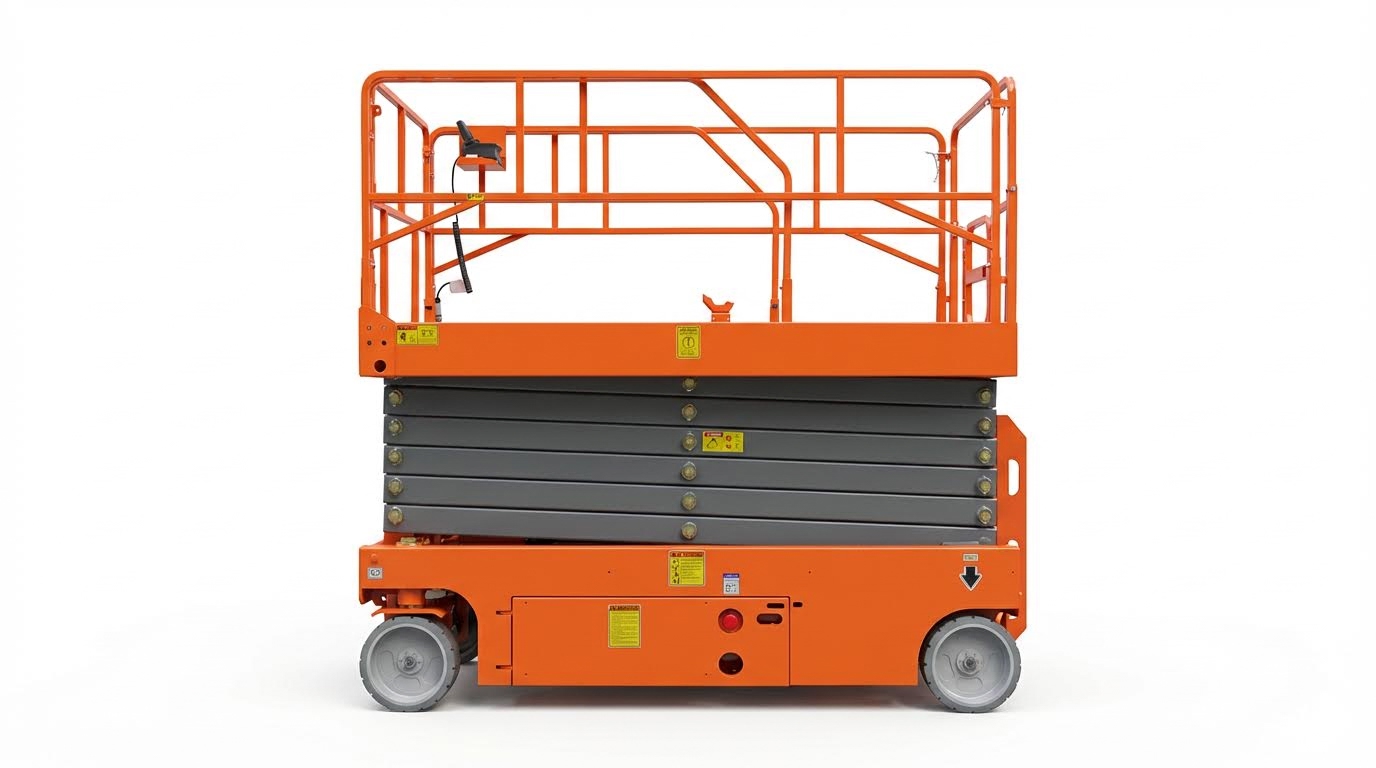
การบำรุงรักษา การตรวจสอบ และบันทึกการตรวจสอบ ช่วยให้ฮาร์ดแวร์ด้านความปลอดภัยทำงานได้อย่างราบรื่น และพิสูจน์ได้ว่าคุณควบคุมการเข้าถึงได้หากเกิดเหตุการณ์ใดๆ ขึ้น สิ่งเหล่านี้เชื่อมโยงระหว่างอุปกรณ์ทางกายภาพ ซอฟต์แวร์ และนโยบายที่เป็นลายลักษณ์อักษรอย่างครบถ้วน
- ตรวจสอบกลอนประตูและสวิตช์กุญแจ: ตรวจสอบกระบอกสูบและสวิตช์ระหว่างการบำรุงรักษาตามปกติ – ป้องกันปัญหาการล็อกค้างที่ผู้ใช้งานสามารถหลีกเลี่ยงได้
- ตรวจสอบเซ็นเซอร์และซีล: ตรวจสอบว่าเซ็นเซอร์ตรวจจับความเคลื่อนไหวและซีลป้องกันการแกะยังอยู่ในสภาพสมบูรณ์ – รับประกันว่าระบบป้องกันระดับเครื่องจักรยังคงทำงานได้
- บำรุงรักษาระบบอิเล็กทรอนิกส์: ตรวจสอบบันทึกการใช้งาน PIN/บัตรประจำตัว และการแจ้งเตือน – ตรวจจับรูปแบบการเข้าถึงที่ผิดปกติได้ตั้งแต่เนิ่นๆ
- ดำเนินการตรวจสอบหลักอย่างสม่ำเสมอ: เปรียบเทียบกุญแจจริงกับบันทึกสินค้าคงคลัง – ตรวจจับกุญแจที่หายไปก่อนที่โจรจะนำไปใช้
- เอกสารทุกอย่าง: แบบฟอร์มตรวจสอบร้านค้าและรายงานการเข้าถึง – สนับสนุนการสืบสวนและการปฏิบัติตามมาตรฐานความปลอดภัย
ทีมบำรุงรักษาควรบูรณาการการตรวจสอบความปลอดภัยที่สำคัญเข้ากับขั้นตอนการตรวจสอบลิฟต์กรรไกรที่มีอยู่เดิมแหล่งข้อมูลหนึ่งแนะนำให้ตรวจสอบความสมบูรณ์ของสวิตช์กุญแจ กระบอกล็อค และเซ็นเซอร์ที่ติดตั้งระหว่างการตรวจสอบตามปกติ อีกแหล่งข้อมูล หนึ่งเน้นย้ำว่าการบำรุงรักษาและการตรวจสอบอย่างสม่ำเสมอมีความสำคัญอย่างยิ่งสำหรับระบบความปลอดภัย เช่น ราวกั้น ปุ่มหยุดฉุกเฉิน และเซ็นเซอร์ความเสถียร และควรทดสอบการควบคุมและส่วนประกอบต่างๆ ก่อนใช้งานทุกครั้งหลักการเดียวกันนี้ใช้ได้กับสวิตช์กุญแจและอุปกรณ์รักษาความปลอดภัยด้วย
| องค์ประกอบด้านความปลอดภัย | ใครเป็นคนตรวจสอบ | เมื่อ | ผลกระทบในการดำเนินงาน |
|---|---|---|---|
| การตรวจสอบสินค้าคงคลังที่สำคัญเทียบกับบันทึก | หัวหน้างาน / ฝ่ายบริหาร | รายสัปดาห์หรือรายเดือน | ตรวจพบกุญแจที่หายไปก่อนที่จะถูกนำไปใช้ในการโจรกรรม |
| กระบอกล็อคและสวิตช์กุญแจ | ซ่อมบำรุง | ช่วงเวลาการบำรุงรักษาตามแผน | ป้องกันไม่ให้ผู้ใช้งานเลี่ยงผ่านตัวล็อกที่ชำรุดหรือติดขัด |
| บันทึกระบบกุญแจอิเล็กทรอนิกส์ | ความปลอดภัย / สุขภาพและความปลอดภัยในการทำงาน | รีวิวประจำสัปดาห์ | อนุญาตให้เข้าถึงข้อมูลนอกเวลาทำการหรือโดยผู้ใช้ที่ไม่ได้รับอนุญาต |
| เซ็นเซอร์ตรวจจับการเคลื่อนไหว/การสั่นสะเทือน | ซ่อมบำรุง | ระหว่างการตรวจสอบลิฟต์ | ช่วยให้สัญญาณเตือนดังขึ้นหากลิฟต์ที่จอดอยู่ถูกเคลื่อนย้าย |
| ซีลป้องกันการงัดแงะ | ผู้ประกอบการ | ตรวจสอบก่อนใช้งานทุกวัน | แสดงว่ามีผู้พยายามเข้าถึงส่วนควบคุมหรือแผงควบคุมหรือไม่ |
ระบบจัดการกุญแจอิเล็กทรอนิกส์และเซ็นเซอร์ระยะไกลยังสร้างบันทึกการตรวจสอบได้อีก ด้วย ตู้เก็บกุญแจอิเล็กทรอนิกส์สามารถกำหนดให้ใช้รหัส PIN บัตร หรือการตรวจสอบด้วยไบโอเมตริก และให้การติดตามแบบเรียลไทม์และรายงานการตรวจสอบ รวมถึงการแจ้งเตือนเมื่อกุญแจเลยกำหนดหรือมีการเข้าถึงนอกเวลาทำการเซ็นเซอร์ตรวจจับการเคลื่อนไหวและการสั่นสะเทือนที่มีการเชื่อมต่อ GSM สามารถส่งการแจ้งเตือนแบบเข้ารหัสได้หากลิฟต์ถูกรบกวน โดยแผนข้อมูลทั่วไปมีราคาประมาณ 4.99 ดอลลาร์สหรัฐฯ ต่อเดือน หรือ 49 ดอลลาร์สหรัฐฯ ต่อปีต่อหน่วยอุปกรณ์เหล่านี้ช่วยเสริมการควบคุมกุญแจโดยการตรวจจับการเคลื่อนไหวที่ไม่ได้รับอนุญาต แม้ว่าจะมีใครบางคนสามารถได้รับหรือคัดลอกกุญแจได้ก็ตาม
บันทึกการตรวจสอบช่วยได้อย่างไรหลังเกิดเหตุการณ์
หลังจากเกิดเหตุลักทรัพย์หรือเกือบจะลักทรัพย์ บันทึกการเข้าออก บันทึกการเซ็นรับกุญแจ และเอกสารการตรวจสอบจะแสดงให้เห็นว่าใครมีกุญแจดอกไหน ลิฟต์เคลื่อนที่เมื่อใด และว่าตัวล็อกและเซ็นเซอร์ทำงานหรือไม่ หลักฐานเหล่านี้ช่วยจำกัดขอบเขตการสืบสวนและสนับสนุนข้อแก้ตัวของคุณว่าคุณได้ดำเนินการตามขั้นตอนที่เหมาะสมเพื่อควบคุมการเข้าออกแล้ว
💡 หมายเหตุจากวิศวกรภาคสนาม:เมื่อคุณเพิ่มการตรวจสอบด้านความปลอดภัยเข้าไปในการบำรุงรักษาและการตรวจสอบความปลอดภัยที่มีอยู่แล้ว การตรวจสอบเหล่านั้นก็จะได้รับการดำเนินการจริง การตรวจสอบด้านความปลอดภัยแบบแยกส่วนมักจะค่อยๆ หายไปหลังจากไม่กี่เดือน แต่ภารกิจที่บูรณาการเข้าด้วยกันจะไม่เป็นเช่นนั้น
ข้อคิดสุดท้ายเกี่ยวกับการรักษาความปลอดภัยของลิฟต์กรรไกรและกุญแจ
ระบบรักษาความปลอดภัยของลิฟต์กรรไกรที่มีประสิทธิภาพไม่ได้ขึ้นอยู่กับอุปกรณ์หรือกฎเพียงอย่างเดียว แต่มาจากการทำงานร่วมกันของหลายชั้น นโยบายสำคัญที่เป็นลายลักษณ์อักษรจะระบุว่าใครบ้างที่สามารถใช้กุญแจได้ และทุกการเคลื่อนไหวจะต้องถูกบันทึกอย่างไร ซึ่งจะสร้างความรับผิดชอบที่ชัดเจนและให้การสนับสนุนคุณหากเกิดเหตุการณ์ที่เกี่ยวข้องกับประกันภัยหรือศาล
การจัดเก็บทางกายภาพ ตู้เก็บอุปกรณ์อิเล็กทรอนิกส์ และเซ็นเซอร์ระดับเครื่องจักร จะเปลี่ยนนโยบายให้กลายเป็นกำแพงที่แข็งแกร่ง ตู้ล็อกและห้องที่จำกัดการเข้าถึงช่วยป้องกันการขโมยแบบไม่ตั้งใจ ระบบควบคุมด้วยรหัส PIN หรือบัตรประจำตัวจะเชื่อมโยงกุญแจแต่ละดอกกับบุคคลและเวลาที่กำหนด เซ็นเซอร์ตรวจจับความเคลื่อนไหวและการแจ้งเตือนผ่านระบบ GSM จะช่วยปกป้องลิฟต์ที่จอดอยู่ แม้ว่าขโมยจะได้รับกุญแจหรือสามารถหลีกเลี่ยงสวิตช์ได้ก็ตาม
การฝึกอบรม การตรวจสอบประจำวัน และการบำรุงรักษา ช่วยให้ระบบควบคุมเหล่านี้ใช้งานได้อย่างต่อเนื่อง ผู้ปฏิบัติงานเรียนรู้ว่าเหตุใดกฎสำคัญจึงมีความสำคัญต่อความเสี่ยงจากการพลิคว่ำและการชนกัน หัวหน้างานตรวจสอบกุญแจเมื่อเปลี่ยนกะ ทีมบำรุงรักษาทดสอบตัวล็อก สวิตช์ และเซ็นเซอร์ระหว่างการบริการตามปกติ
แนวทางปฏิบัติที่ดีที่สุดนั้นง่ายมาก: ให้ถือว่ากุญแจของลิฟต์กรรไกรเป็นเหมือนกุญแจสตาร์ทรถยนต์ที่มีความเสี่ยงสูง เขียนนโยบายที่สั้นและบังคับใช้ได้จริง รวบรวมและล็อกกุญแจทั้งหมดไว้ในที่เดียว เพิ่มระบบติดตามอิเล็กทรอนิกส์และเซ็นเซอร์เมื่อจำนวนลิฟต์เพิ่มขึ้น เมื่อคุณซื้อหรือเช่าลิฟต์จาก Atomoving ให้สร้างระบบเหล่านี้ตั้งแต่เริ่มต้น เพื่อให้ความปลอดภัย การรักษาความปลอดภัย และประสิทธิภาพการทำงานสอดคล้องกัน
คำถามที่พบบ่อย (FAQs)
ฉันจะป้องกันการใช้งานกุญแจลิฟต์กรรไกรโดยไม่ได้รับอนุญาตได้อย่างไร?
เพื่อป้องกันการโจรกรรมหรือการนำกุญแจลิฟต์กรรไกรไปใช้ในทางที่ผิด โปรดพิจารณาใช้มาตรการต่อไปนี้:
- ติดตั้งกล่องเก็บกุญแจที่มีระบบจำกัดการเข้าถึงในสถานที่ที่ปลอดภัย
- ใช้รีโมทกุญแจแบบตั้งโปรแกรมได้หรือระบบ RFID แทนกุญแจแบบดั้งเดิมเพื่อการควบคุมที่ดีกว่า
- จัดทำระบบลงชื่อออกเพื่อติดตามว่าใครบ้างที่สามารถเข้าถึงกุญแจได้ตลอดเวลา
- จัดให้มีการฝึกอบรมและสร้างความตระหนักรู้ที่เหมาะสม เพื่อให้พนักงานเข้าใจถึงความสำคัญของการรักษาความปลอดภัยกุญแจสำคัญ
สำหรับกลยุทธ์เพิ่มเติมเกี่ยวกับการรักษาความปลอดภัยของอุปกรณ์ โปรดดูแนวทางปฏิบัติที่ดีที่สุดของอุตสาหกรรมใน แนวทางปฏิบัติ ของOSHA
มีวิธีการขั้นสูงใดบ้างในการรักษาความปลอดภัยลิฟต์กรรไกรจากการใช้งานโดยไม่ได้รับอนุญาต?
นอกเหนือจากการจัดการกุญแจแบบดั้งเดิมแล้ว คุณยังสามารถนำเทคโนโลยีขั้นสูงมาใช้ได้ เช่น:
- ระบบจุดระเบิดที่ป้องกันด้วยรหัสผ่าน ซึ่งต้องใช้รหัสที่ได้รับอนุญาตในการสตาร์ทเครื่องยนต์
- ระบบตรวจสอบตัวตนด้วยไบโอเมตริกซ์ เพื่อให้มั่นใจได้ว่าเฉพาะผู้ปฏิบัติงานที่ได้รับการฝึกอบรมเท่านั้นที่สามารถเปิดใช้งานอุปกรณ์ได้
- อุปกรณ์ติดตาม GPS สำหรับตรวจสอบตำแหน่งและการใช้งานของลิฟต์กรรไกรแบบเรียลไทม์
โซลูชันเหล่านี้ไม่เพียงแต่ช่วยเพิ่มความปลอดภัย แต่ยังช่วยปรับปรุงความรับผิดชอบในการดำเนินงานอีกด้วย เรียนรู้เพิ่มเติมเกี่ยวกับการรักษาความปลอดภัยของเครื่องจักรหนักผ่านแหล่งข้อมูลต่างๆ เช่นมาตรฐานISO