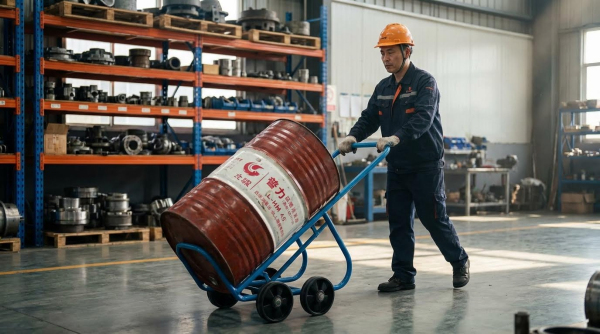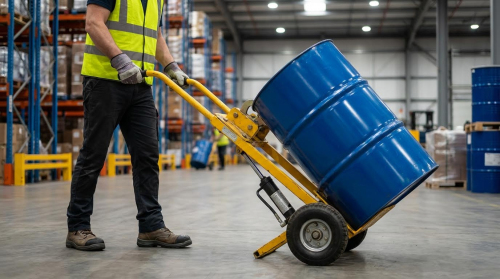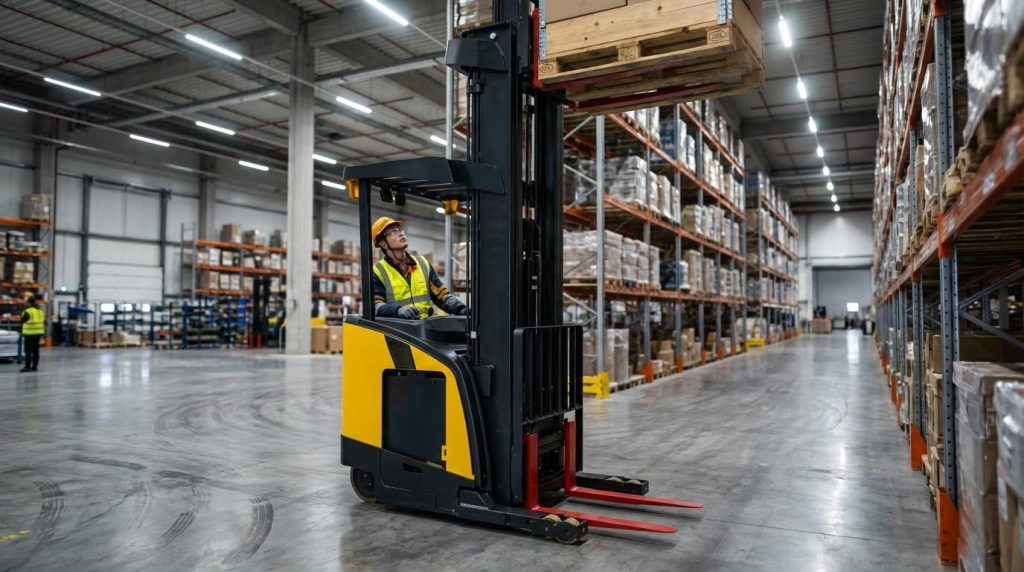
การยกพาเลทที่มีความยาวพิเศษอย่างปลอดภัยและมีประสิทธิภาพเริ่มต้นด้วยการทำความเข้าใจจุดศูนย์กลางน้ำหนัก การสอดงา และอุปกรณ์ที่เหมาะสมสำหรับงาน คู่มือนี้จะอธิบายวิธีการยกพาเลทที่มีความยาวพิเศษโดยใช้การตั้งค่างา อุปกรณ์เสริม และ การเชื่อมต่อกับสายพานลำเลียงที่ถูกต้อง เพื่อให้เป็นไปตามความสามารถในการรับน้ำหนักที่กำหนดและป้องกันการพลิกคว่ำหรือความเสียหายของพาเลท
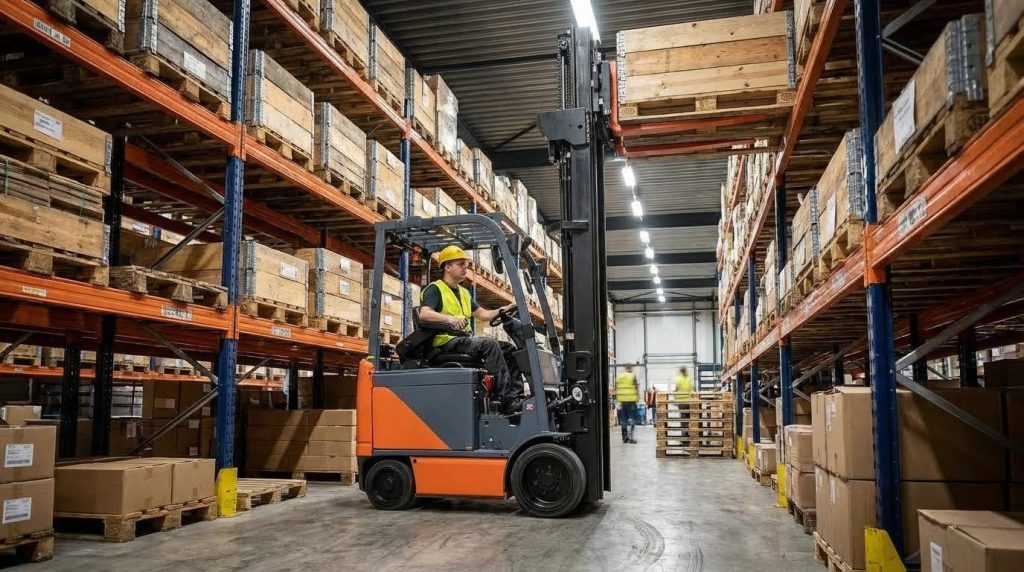
หลักการพื้นฐานของการยกพาเลทขนาดยาวพิเศษ
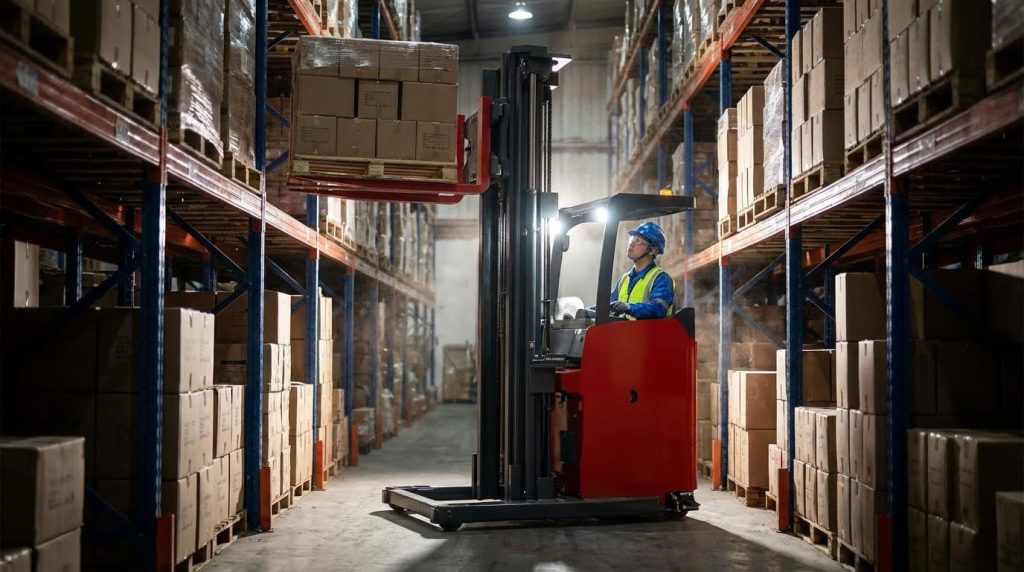
หลักการพื้นฐานสำหรับการยกพาเลทที่มีความยาวพิเศษนั้นมุ่งเน้นไปที่การกำหนดว่าเมื่อใดที่พาเลทจะถือว่า "ยาวพิเศษ" และการเปลี่ยนแปลงนั้นส่งผลต่อจุดศูนย์ถ่วง ความจุของรถบรรทุก และขอบเขตการทำงานที่ปลอดภัยอย่างไร การเข้าใจพื้นฐานเหล่านี้เป็นขั้นตอนแรกในการตัดสินใจว่าจะยกพาเลทที่มีความยาวพิเศษอย่างปลอดภัยและมีประสิทธิภาพได้อย่างไร
การกำหนดความหมายของพาเลท "ยาวพิเศษ" และกรณีการใช้งานทั่วไป
พาเลท "ยาวพิเศษ" คือพาเลทที่มีความยาวเกินกว่าที่รถยกจะเข้าถึงจุดศูนย์กลางการรับน้ำหนักหรือรูปทรงทางเดินปกติได้ โดยทั่วไปจะมีความยาวประมาณ 1,600–1,800 มม. ในทางปฏิบัติแล้ว พาเลทแบบนี้มักหมายถึงพาเลทที่มีลักษณะคล้ายกับสินค้าที่มีความยาวมาก (เช่น คาน บรรจุภัณฑ์ หรือมัดสินค้า) มากกว่าพาเลทมาตรฐานขนาด 1,000–1,200 มม.
จากมุมมองด้านวิศวกรรมและความปลอดภัย สิ่งสำคัญไม่ใช่ฉลาก แต่เป็นความยาวของพาเลท ระยะยื่น และการยึดของงาที่ทำให้จุดศูนย์ถ่วงเคลื่อนห่างจากเสา การเปลี่ยนแปลงนี้ส่งผลโดยตรงต่อความเสี่ยงในการพลิคว่ำและแรงเค้นเชิงโครงสร้างทั้งในพาเลทและงา
| หมวดหมู่ความยาวพาเลท | ช่วงความยาวโดยทั่วไป (มม.) | การใช้งานทั่วไป | ผลกระทบในการดำเนินงาน |
|---|---|---|---|
| Standard | 1,000 1,200- | คลังสินค้าทั่วไป, สินค้าอุปโภคบริโภค, ค้าปลีก | ภายในจุดศูนย์กลางรับน้ำหนักที่กำหนดของรถยกแบบถ่วงดุลและรถยกแบบยืดได้ส่วนใหญ่ |
| นาน | 1,600 1,800- | ประตู เฟอร์นิเจอร์ กล่องยาว | โดยทั่วไปจุดศูนย์ถ่วงจะอยู่ที่หรือเกินระยะมาตรฐาน 600 มม. จำเป็นต้องตรวจสอบกับแผ่นป้ายแสดงความสามารถในการรับน้ำหนัก |
| ยาวพิเศษ | 2,000-3,600 + | ไม้แปรรูป เหล็กรูปทรงต่างๆ ท่อพลาสติก แผ่นสำเร็จรูป | มีลักษณะเหมือนสินค้าชิ้นยาว อาจต้องใช้รถบรรทุกแบบหลายทิศทางหรือรถยกที่มีงาติดตั้งอยู่บนรถตัก |
พาเลทที่มีความยาวพิเศษนั้นพบได้ทั่วไปในวัสดุก่อสร้าง โลหะ พลาสติก และเฟอร์นิเจอร์ ซึ่งรูปทรงของผลิตภัณฑ์เป็นตัวกำหนดความยาวของพาเลท พาเลทเหล่านี้มักจะยาวเกินความยาวของงาของรถยก ดังนั้นผู้ปฏิบัติงานจึงต้องอาศัยกฎเกี่ยวกับความลึกในการสอดพาเลทและการคำนวณจุดศูนย์กลางของน้ำหนักอย่างระมัดระวัง แทนที่จะใช้ "ความรู้สึก"
- วัสดุก่อสร้าง: แผ่นยิปซัม, ชุดไม้สำเร็จรูป, แผ่นหลังคา – รับแรงดัดสูง ไวต่อแรงกระทำเฉพาะจุด
- โลหะและพลาสติก: มัดท่อ, ชุดขึ้นรูปโลหะ, เหล็กเส้น – มวลมากและคานงัดยาวทำให้มีความเสี่ยงที่จะพลิกคว่ำสูงขึ้น
- ชิ้นส่วนประกอบที่ผลิตขึ้น: โครง, แท่นวาง, ฐานเครื่องจักร – จุดศูนย์ถ่วงที่ไม่สม่ำเสมอทำให้ต้องขับขี่อย่างระมัดระวัง
- เฟอร์นิเจอร์และงานไม้: ประตู วงกบ เคาน์เตอร์ – ยาวแต่ค่อนข้างเบา งอและเสียหายได้ง่าย
พาเลทยาวพิเศษส่งผลต่อการวางแผนเส้นทางและการจัดเก็บอย่างไร
พาเลทที่มีความยาวพิเศษมักไม่สามารถหมุนได้ภายในทางเดินมาตรฐานที่มีความกว้าง 2.5–3.0 เมตร โรงงานจึงต้องขยายทางเดิน ใช้รถยกแบบหลายทิศทาง หรือปรับเปลี่ยนทิศทางการจัดเก็บ (จัดเก็บพาเลทตามแนวยาวของทางเดิน) นอกจากนี้ยังต้องตรวจสอบระยะห่างระหว่างช่องวางสินค้าและการโก่งตัวของคานเมื่อคานมีความยาวเกิน 2,700–3,000 มิลลิเมตร
💡 หมายเหตุจากวิศวกรภาคสนาม:เมื่อคุณเริ่มใช้พาเลทยาวพิเศษ ให้เดินสำรวจเส้นทางทั้งหมดโดยใช้ตลับเมตร ตรวจสอบจุดเลี้ยว จุดปรับระดับท่าเทียบสินค้า ความกว้างของประตู และความลาดชัน ปัญหาที่พบมักจะอยู่ที่ทางเข้าประตูหรือทางลาด ไม่ใช่ตรงกลางทางเดินที่โล่ง
หลักการพื้นฐานของศูนย์จ่ายไฟและการตีความแผ่นป้ายแสดงความจุ
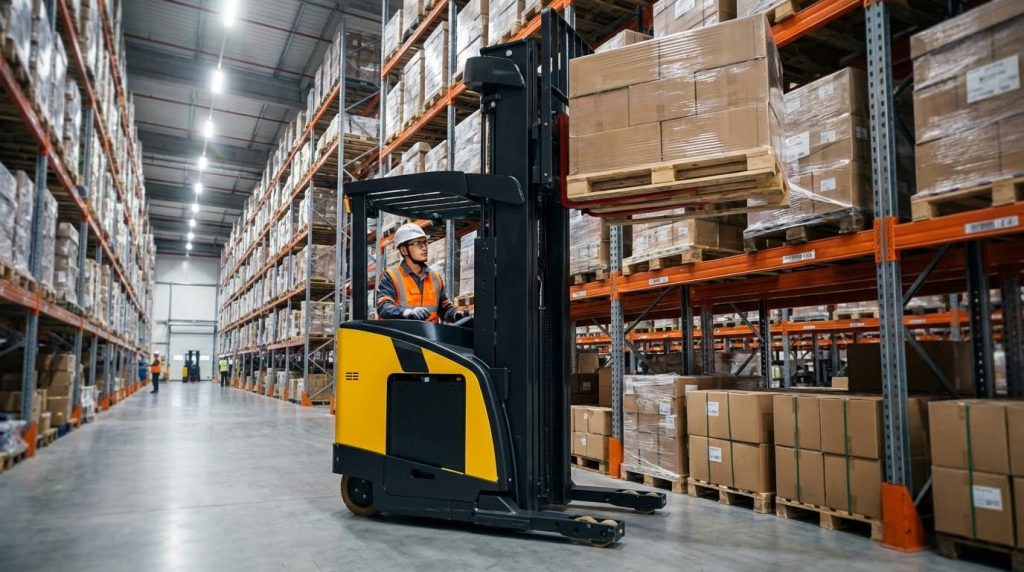
หลักการพื้นฐานของการหาจุดศูนย์ถ่วงสำหรับพาเลทยาวพิเศษนั้นเกี่ยวข้องกับการคำนวณจุดศูนย์ถ่วงที่มีประสิทธิภาพและเปรียบเทียบกับแผ่นระบุความสามารถในการรับน้ำหนักของรถยกก่อนที่จะตัดสินใจว่าจะยกพาเลทยาวพิเศษอย่างไร หากจุดศูนย์ถ่วงที่มีประสิทธิภาพสูงกว่าค่าที่ระบุไว้บนแผ่นระบุ คุณต้องลดน้ำหนักของสินค้า เพิ่มระยะการยื่นของงา หรือเปลี่ยนอุปกรณ์
จุดศูนย์กลางของน้ำหนักบรรทุกคือระยะทางในแนวนอนจากหน้าของงาฟอร์คลิฟท์ไปยังจุดศูนย์กลางมวลรวมของพาเลทและสินค้า สำหรับน้ำหนักบรรทุกที่กระจายอย่างสม่ำเสมอ จุดศูนย์กลางตามทฤษฎีจะอยู่ที่ครึ่งหนึ่งของความยาวพาเลท L/2 โดยวัดจากปลายพาเลท เมื่องาฟอร์คลิฟท์เข้าจากปลายด้านหนึ่งไปจนถึงความลึก D ระยะทางจากหน้าของงาฟอร์คลิฟท์ไปยังจุดศูนย์กลางของน้ำหนักบรรทุกจะกลายเป็น (L/2 − D) บวกกับค่าเบี่ยงเบนเพิ่มเติมจากส่วนที่ยื่นออกมาหรือการรับน้ำหนักที่ไม่สมมาตรความสัมพันธ์นี้เป็นหัวใจสำคัญของการยกพาเลทยาวอย่างปลอดภัย
| พารามิเตอร์ | สัญลักษณ์ | ความหมาย | ผลกระทบในการดำเนินงาน |
|---|---|---|---|
| ความยาวพาเลท | L | ความยาวโดยรวมของพาเลท (มิลลิเมตร) | กำหนดจุดศูนย์กลางที่ระยะ L/2 จากปลายพาเลท |
| ความลึกในการเสียบส้อม | D | ระยะห่างระหว่างงาของรถยกกับปลายพาเลท | แรง D ที่มากขึ้นจะดึงจุดศูนย์ถ่วงกลับไปทางเสากระโดง |
| ศูนย์โหลดที่มีประสิทธิภาพ | เลฟ | ระยะห่างจากหน้าส้อมถึงจุดศูนย์ถ่วง | เปรียบเทียบค่า Leff กับค่าพิกัดความจุของแผ่นโลหะ |
| จุดรับน้ำหนักที่กำหนด (แผ่น) | แอลซีเรทติ้ง | เช่น 600 มม. ในรถบรรทุกหลายรุ่น | รถบรรทุกสามารถยกน้ำหนักได้ตามพิกัดที่กำหนดเท่านั้น ณ ระยะห่างนี้หรือต่ำกว่า |
วิศวกรและหัวหน้างานควรจัดทำเป็นกฎง่ายๆ สำหรับผู้ปฏิบัติงาน ตัวอย่างเช่น สำหรับพาเลทแบบยาวพิเศษและขนาดความยาวของงาที่กำหนด ให้คำนวณความลึกในการสอดขั้นต่ำที่ทำให้ Leff อยู่ที่หรือต่ำกว่าจุดศูนย์กลางน้ำหนักบรรทุกที่กำหนดของรถยก จากนั้นจึงนำค่าดังกล่าวไปใส่ไว้ในคำแนะนำการทำงานมาตรฐานคำแนะนำระบุว่าควรคำนวณใหม่ทุกครั้งที่ขนาดของพาเลท ระยะยื่น หรือความยาวของงาเปลี่ยนแปลง
- อ่านป้ายบอกความจุ: ตรวจสอบความสามารถในการรับกระแสไฟฟ้าตามพิกัด ณ จุดศูนย์กลางโหลดที่ระบุ ซึ่งโดยทั่วไปจะอยู่ที่ 500–600 มม. ป้องกันการสันนิษฐานว่าความจุ "ตามชื่อเรียก" ของรถบรรทุกนั้นใช้ได้กับสินค้าที่มีความยาวมาก
- คำนวณค่า Leff ใหม่: ใช้สูตร Leff = (L/2 − D) บวกกับส่วนที่ยื่นออกมา – ระบุระยะห่างที่แท้จริงของน้ำหนักบรรทุกจากเสากระโดงเรือ
- เปรียบเทียบ Leff กับ LCrated: ถ้า Leff > LCrated ให้ลดอัตรา – บังคับให้ต้องตัดสินใจ: บรรทุกของเบาลง ใช้ส้อมยกที่ลึกกว่า หรือใช้รถยกแบบอื่น
- พิจารณาความไม่สมมาตร: การบรรทุกที่ไม่สมดุลหรือเคลื่อนที่ไปมา จะทำให้จุดศูนย์ถ่วงเคลื่อนที่ – การตั้งสมมติฐานแบบอนุรักษ์นิยมช่วยลดโอกาสที่จะเกิดเหตุการณ์ทิปที่ไม่คาดคิด
ตัวอย่าง: พาเลทยาวพิเศษ เทียบกับจุดศูนย์กลางรับน้ำหนัก 600 มม.
สมมติว่าพาเลทมีขนาด 2,400 มม. (L) โดยที่งาของรถยกเสียบเข้าไปลึก 1,200 มม. (D) จุดศูนย์กลางโดยประมาณจะอยู่ที่ L/2 = 1,200 มม. จากปลายพาเลท จากด้านหน้าของงา รถยกจะมีค่า Leff = (1,200 − 1,200) = 0 มม. โดยไม่คำนึงถึงส่วนที่ยื่นออกมา ในความเป็นจริง ส่วนที่ยื่นออกมาหรือการบรรจุที่ไม่สม่ำเสมอจะทำให้ค่า Leff เลื่อนไปข้างหน้า หากพาเลทเดียวกันนี้เสียบเข้าไปเพียง 1,000 มม. ค่า Leff จะกลายเป็น (1,200 − 1,000) = 200 มม. หากเพิ่มส่วนที่ยื่นออกมาของผลิตภัณฑ์อีก 200–300 มม. ค่า Leff จะอยู่ในช่วง 400–500 มม. ซึ่งคุณต้องนำไปเปรียบเทียบกับค่าพิกัดของแผ่นป้ายรถยก
💡 หมายเหตุจากวิศวกรภาคสนาม:เมื่อคุณเห็นผู้ปฏิบัติงาน "ปรับมุม" เสาเพื่อทดสอบพาเลทยาว มักหมายความว่าไม่มีใครแปลแผ่นป้ายระบุความจุเป็นกฎที่ชัดเจน ให้ติดตัวเลขสำคัญ (ความยาวพาเลทสูงสุด ระยะสอดงาขั้นต่ำ น้ำหนักบรรทุกสูงสุด) ไว้บนสติ๊กเกอร์ขนาดใหญ่ที่แผงหน้าปัดรถและใกล้กับจุดหยิบสินค้า
การกำหนดตำแหน่งของส้อม ความลึกในการสอด และการจัดแนว
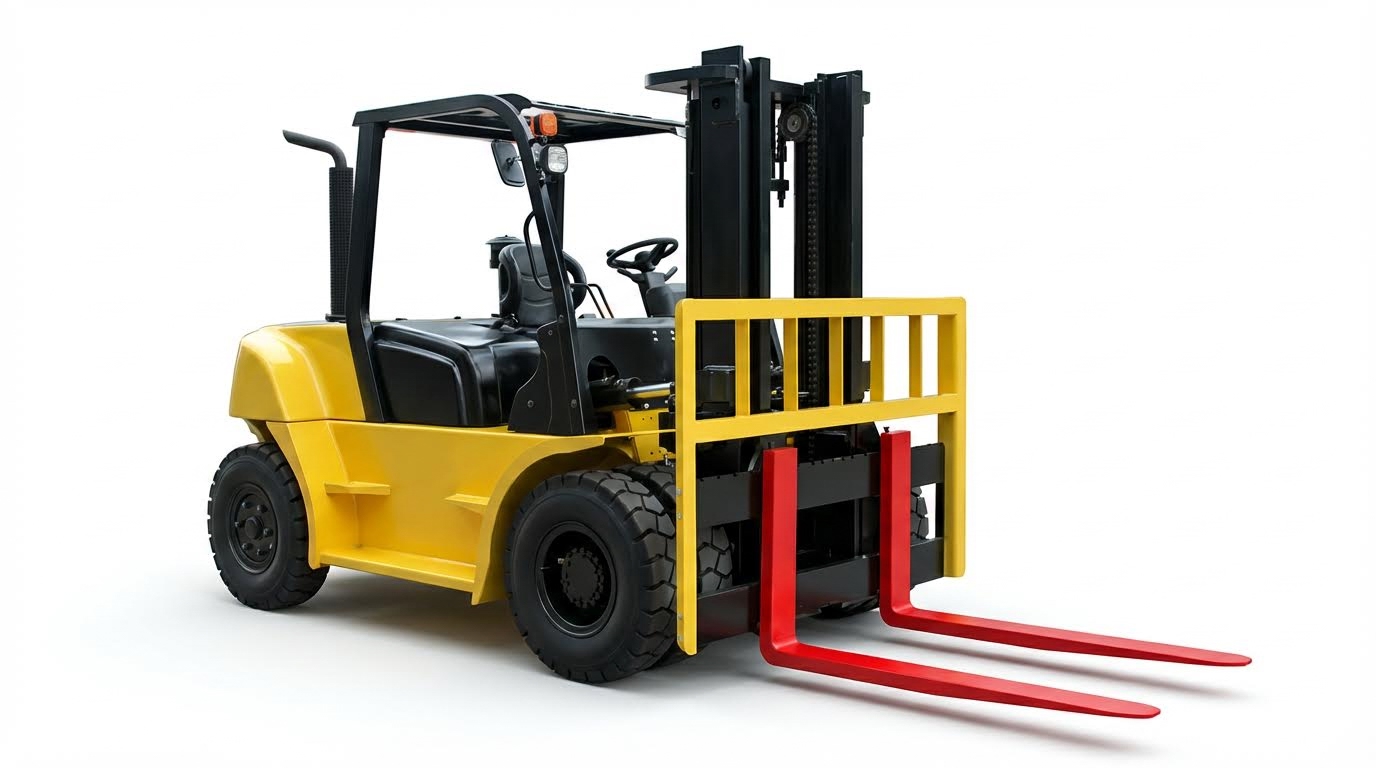
ส่วนนี้จะอธิบายวิธีการยกพาเลทที่มีความยาวพิเศษอย่างปลอดภัย โดยการตั้งค่าตำแหน่งของงา ความลึกในการสอด และการจัดแนว เพื่อให้จุดศูนย์กลางของน้ำหนักบรรทุกอยู่ภายในขีดความสามารถรับน้ำหนักของรถยก
การคำนวณจุดศูนย์ถ่วงน้ำหนักที่มีประสิทธิภาพสำหรับพาเลทยาว
การคำนวณจุดศูนย์ถ่วงที่มีประสิทธิภาพสำหรับพาเลทที่มีความยาวพิเศษ หมายถึงการคำนวณระยะทางที่แท้จริงจากหน้าส้อมถึงจุดศูนย์ถ่วงรวมก่อนที่จะนำไปเปรียบเทียบกับแผ่นป้ายระบุความจุ
สำหรับพาเลทที่มีความยาวพิเศษ จุดศูนย์กลางน้ำหนักบรรทุกที่มีประสิทธิภาพคือระยะทางแนวนอนจากหน้าส้อมไปยังจุดศูนย์กลางมวลรวมของพาเลทและสินค้า สำหรับน้ำหนักบรรทุกที่กระจายอย่างสม่ำเสมอ จุดศูนย์กลางน้ำหนักบรรทุกที่กำหนดจะอยู่ที่ระยะ L/2 จากปลายพาเลท โดยที่ L คือความยาวของพาเลท หากส้อมเข้าจากด้านใกล้ที่ระยะ D ระยะทางจากหน้าส้อมไปยังจุดศูนย์กลางน้ำหนักบรรทุกจะกลายเป็น (L/2 − D) บวกกับค่าเบี่ยงเบนจากส่วนที่ยื่นออกมาหรือความไม่สมมาตรแนวทางการจัดการน้ำหนักบรรทุกของ OSHA อธิบายวิธีการคำนวณนี้ไว้เมื่อใดก็ตามที่คุณเปลี่ยนความยาวของพาเลท ส่วนที่ยื่นออกมา หรือความยาวของส้อม คุณต้องคำนวณค่านี้ใหม่และเปรียบเทียบกับจุดศูนย์กลางน้ำหนักบรรทุกที่กำหนดไว้ของรถยกบนแผ่นป้ายแสดงความจุ
- กำหนดความยาวของพาเลท (L): วัดความยาวโดยรวมของพาเลทเป็นมิลลิเมตร – ค่าพื้นฐานสำหรับรูปทรงเรขาคณิตของจุดศูนย์กลางแรง
- วัดระยะการเสียบส้อม (D): วัดระยะที่งาของรถยกเข้าไปใต้พาเลท – ควบคุมระยะห่างระหว่างจุดศูนย์ถ่วงกับหน้าตะเกียบ
- คำนวณ L/2 − D: ลบส่วนที่แทรกออกจากครึ่งความยาว – ให้จุดศูนย์กลางแรงกระทำพื้นฐานที่มีประสิทธิภาพสำหรับแรงกระทำแบบสม่ำเสมอ
- เพิ่มค่าชดเชยส่วนที่ยื่นออกมา/ความไม่สมมาตร: รวมถึงส่วนที่ยื่นออกมาของผลิตภัณฑ์หรือการวางซ้อนที่ไม่เป็นระเบียบด้วย – บันทึกตำแหน่งจุดศูนย์ถ่วงที่แท้จริง
- เปรียบเทียบกับแผ่นแสดงความจุ: ตรวจสอบกับจุดศูนย์กลางรับน้ำหนักและมวลที่กำหนดไว้ – ตรวจสอบว่ารถบรรทุกสามารถยกพาเลทที่มีความยาวพิเศษนั้นได้อย่างถูกกฎหมายและปลอดภัยหรือไม่
ตัวอย่างการใช้งาน: การเปลี่ยนความยาวของพาเลท
สมมติว่ารถยกมีพิกัดรับน้ำหนัก 2,000 กก. ที่จุดศูนย์กลางรับน้ำหนัก 600 มม. หากใช้พาเลทมาตรฐานขนาด 1,200 มม. และเสียบงาเข้าไปจนสุดด้วยความยาว 1,150 มม. จะได้ค่า D ≈ 1,150 มม. และ L/2 = 600 มม. จุดศูนย์กลางรับน้ำหนักที่แท้จริงมีขนาดเล็กและอยู่ในพิกัดที่กำหนด แต่ถ้าเปลี่ยนไปใช้พาเลทขนาด 2,400 มม. และเสียบงาเข้าไปเพียง 1,200 มม. ค่า L/2 จะกลายเป็น 1,200 มม. และค่า D จะกลายเป็น 1,200 มม. ดังนั้นจุดศูนย์กลางรับน้ำหนักที่ระบุไว้จะอยู่ใกล้กับหน้างา การยื่นออกมาหรือการจัดเรียงที่ไม่สม่ำเสมออาจทำให้จุดศูนย์กลางรับน้ำหนักที่แท้จริงเกิน 600 มม. ได้ง่าย ทำให้คุณต้องลดน้ำหนักบรรทุกหรือเลือกใช้อุปกรณ์ที่ออกแบบมาสำหรับบรรทุกของยาว
💡 หมายเหตุจากวิศวกรภาคสนาม:เมื่อผู้ปฏิบัติงานถามวิธีการยกพาเลทที่มีความยาวพิเศษ “แค่ครั้งเดียว” ผมมักจะขอให้ร่างค่า L/2 − D ลงบนกระดาษก่อนเสมอ การที่ได้เห็นว่าการเปลี่ยนแปลงจุดศูนย์ถ่วงเพียง 200-300 มม. สามารถลดความสามารถในการรับน้ำหนักลงได้ครึ่งหนึ่ง มักจะช่วยหยุดการยกของที่ไม่ปลอดภัยก่อนที่จะเริ่มต้นขึ้น
การประยุกต์ใช้กฎการแทรกส้อม 80% ในทางปฏิบัติ
การนำกฎการสอดงา 80% มาใช้ในทางปฏิบัติ หมายถึงการสอดงาลงไปที่ระดับความลึกอย่างน้อย 80% ของพาเลท เพื่อให้จุดศูนย์กลางของน้ำหนักบรรทุกอยู่ด้านหลัง และปลายงาไม่รับน้ำหนักมากเกินไป
คำแนะนำจากผู้เชี่ยวชาญในอุตสาหกรรมระบุว่า ควรเสียบงาของรถยกให้ลึกที่สุดเท่าที่จะเป็นไปได้ หรืออย่างน้อย 80% ของความลึกของพาเลท สำหรับพาเลทขนาด 1,165 มม. นั่นหมายถึงการเสียบงาลงไปประมาณ 900–1,165 มม. OSHA ระบุว่า การเสียบงาไม่ลึกพอจะทำให้จุดศูนย์กลางของน้ำหนักเลื่อนไปข้างหน้า ทำให้ปลายงารับน้ำหนักมากเกินไป และเพิ่มความเสี่ยงต่อการพลิคว่ำคำแนะนำเดียวกันนี้ยังอธิบายว่า การเสียบงาตื้นเกินไปจะทำให้แรงกดสัมผัสกระจุกตัวอยู่ที่แผ่นไม้ด้านหน้าและคานรับน้ำหนัก ทำให้เพิ่มโอกาสที่จะเกิดรอยแตกหรือทะลุได้
| ความลึกของพาเลท (มม.) | การสอดใส่ขั้นต่ำ 80% (มม.) | ระยะการสอดใส่โดยทั่วไป (มม.) | ผลกระทบต่อการดำเนินงาน |
|---|---|---|---|
| 1,000 | 800 | 950 1,000- | เหมาะสำหรับงามาตรฐานทั่วไป ช่วยให้จุดศูนย์ถ่วงอยู่ใกล้กับตัวรถ |
| 1,165 | 900 1,000- | 1,100 1,165- | พาเลทแบบ "ออสเตรเลีย" ทั่วไป: หากสอดเข้าไปในพาเลทลึกต่ำกว่า 900 มม. ความเสี่ยงต่อการบรรทุกเอียงและการเสียหายของพื้นพาเลทจะเพิ่มขึ้นอย่างมาก |
| 2,400 (ยาวพิเศษ) | 1,920 | 2,200 2,400- | โดยทั่วไปแล้วจำเป็นต้องใช้ส้อมยาวหรือส้อมที่ยืดได้ การเสียบส้อมตื้นๆ จะทำให้พาเลทยาวๆ รู้สึก "โยกเยก" และไม่มั่นคง |
- กำหนดเป้าหมายที่ความลึกเต็มที่ก่อน: ควรเสียบส้อมเข้าไปจนสุดจนกระทั่งส้นส้อมอยู่ใกล้กับขอบด้านไกลเสมอ – เพิ่มขอบเขตความเสถียรให้สูงสุด
- ไม่ต่ำกว่า 80% เด็ดขาด: ให้ถือว่าความลึกของพาเลท 80% เป็นอย่างน้อยที่สุด – ช่วยป้องกันไม่ให้จุดศูนย์ถ่วงที่มีประสิทธิภาพกระโดดไปข้างหน้า
- ใช้เครื่องหมายที่ปลายส้อม: ทาสีเครื่องหมาย 80% และ 100% บนส้อม – ช่วยให้ผู้ปฏิบัติงานตรวจสอบด้วยสายตาได้อย่างรวดเร็วก่อนยกสิ่งของ
- กำหนดมาตรฐานตามกลุ่มพาเลท: กำหนดระยะการสอดขั้นต่ำสำหรับพาเลทแต่ละประเภทและความยาวของงา – ช่วยลดการคาดเดาบนพื้น
- ตรวจสอบอีกครั้งหลังจากป้อนข้อมูลไม่ครบ: หากมีสิ่งกีดขวางทำให้เข้าไม่ได้ ให้คำนวณจุดศูนย์กลางน้ำหนักใหม่และลดน้ำหนักบรรทุก – ป้องกันการพลิคว่ำโดยไม่คาดคิด
ผลการศึกษาแสดงให้เห็นว่า เครื่องมือช่วยในการมองเห็น เช่น เครื่องหมายบอกตำแหน่งส้อมที่ทาสีไว้ และเส้นบนพื้น ช่วยให้ผู้ปฏิบัติงานประเมินความลึกในการสอดพาเลทได้รวดเร็วและแม่นยำยิ่งขึ้น ประหยัดเวลาได้ 4-7 วินาทีต่อการสัมผัสพาเลทหนึ่งครั้ง และเพิ่มความสม่ำเสมอรายงานระบุว่า สามารถประหยัดเวลาได้ 1.1-1.9 ชั่วโมงต่อรถบรรทุกต่อกะการทำงานขณะเดียวกันก็ลดความเสียหายของพาเลทลงด้วย
💡 หมายเหตุจากวิศวกรภาคสนาม:ในห้องเย็นและลานที่มีฝุ่นมาก ผมกำหนดให้ใช้เครื่องหมายที่ปลายส้อมยกที่มีสีหนาและตัดกันสูงสำหรับจุด 80% ผู้ปฏิบัติงานมักทำงานโดยที่แว่นตาป้องกันฝ้าขึ้นหรือในที่แสงน้อย หากพวกเขาไม่สามารถมองเห็นเครื่องหมายได้อย่างชัดเจนในระยะ 5-6 เมตร พวกเขาจะประเมินความตื้นของแท่นยกต่ำเกินไป และแท่นยกยาวๆ จะเริ่ม "โยก" ขณะเบรก
การกางงา, การรองรับคาน และลักษณะความเสียหายของพาเลท
การจัดวางและกำหนดตำแหน่งของงาให้ถูกต้องใต้คานหรือแผ่นไม้รองรับ จะช่วยป้องกันการแตกร้าวของพื้น การฉีกขาดของคาน และการสูญเสียน้ำหนักอย่างกะทันหันเมื่อยกพาเลทที่มีความยาวพิเศษ
เมื่อตัดสินใจว่าจะยกพาเลทที่มีความยาวพิเศษอย่างไร ควรวางงาของรถยกไว้ใต้โครงสร้างหลัก เช่น คานหรือบล็อก ไม่ใช่ใต้พื้นพาเลทตรงไหนก็ได้คำแนะนำของ OSHA เน้นย้ำว่าการเว้นระยะห่างที่ถูกต้องใต้ส่วนประกอบเหล่านี้จะช่วยลดการโก่งตัวและการบิดตัวของพื้นพาเลท สำหรับพาเลทที่มีคานเป็นรอยบาก งาของรถยกต้องอยู่ภายในบริเวณรอยบากเพื่อหลีกเลี่ยงการฉีกขาดของคาน การทำงานตามมาตรฐานควรระบุการตั้งค่าระยะห่างของงาสำหรับพาเลทแต่ละแบบ และโดยหลักการแล้ว ควรมีเครื่องหมายอ้างอิงบนตัวรถยกเพื่อให้ผู้ปฏิบัติงานสามารถตั้งค่าระยะห่างได้อย่างรวดเร็วและแม่นยำ
| ปัญหาการตั้งค่า Fork | ลักษณะความล้มเหลวทั่วไป | อาการในโลกแห่งความเป็นจริง | เหมาะที่สุดสำหรับ / กลยุทธ์การป้องกัน |
|---|---|---|---|
| ส้อมอยู่ใกล้กันเกินไป | พื้นดาดฟ้าส่วนกลางทรุดตัวและแตกร้าว | พาเลทมีรูปทรงคล้ายกล้วย ทำให้สินค้าเอียงไปด้านข้าง | เพิ่มระยะห่างเพื่อให้พอดีกับคานหรือบล็อกด้านนอก |
| ส้อมด้านนอกคาน | แผ่นไม้พื้นระเบียงด้านบนแตกร้าวใกล้ขอบ | แผ่นไม้จะหักเมื่อยกขึ้น และด้านใดด้านหนึ่งจะตกลงมาอย่างกระทันหัน | เลื่อนง่ามเข้าด้านในเพื่อให้ตรงกับเส้นกึ่งกลางของคานรับน้ำหนัก |
| งาของรถยกไม่อยู่ในบริเวณที่มีรอยบาก (สำหรับพาเลทแบบสองทาง) | การแยกเว็บสตริงเกอร์ | ได้ยินเสียงแตก; พาเลทเอียงหรือล้มลงขณะเอียง | ฝึกอบรมผู้ปฏิบัติงานให้ตรวจสอบด้วยสายตาว่าส้อมอยู่ในร่องของช่องหน้าต่างหรือไม่ |
| ความสูงของส้อมไม่เท่ากันหรือบิดเบี้ยว | บล็อกหรือนักวิ่งถูกบดขยี้ด้านใดด้านหนึ่ง | อาจทำให้หินกระแทกพื้นขณะเบรกหรือเข้าโค้ง | ตรวจสอบงาและตัวรถยก; นำงาที่งอออกจากใช้งาน |
- ตั้งระยะห่างให้ตรงกับคานรับน้ำหนัก: จัดวางใบส้อมให้ตรงกับแนวคานหลักหรือแถวบล็อก – กระจายแรงกดผ่านส่วนที่แข็งที่สุดของพาเลท
- เคารพการออกแบบทางเข้า: ควรวางส้อมไว้ในบริเวณที่มีรอยบากบนพาเลทแบบสองทาง – ช่วยหลีกเลี่ยงการฉีกขาดของเส้นใยบางๆ
- ใช้ตัวกำหนดตำแหน่งแบบไฮดรอลิกในจุดที่จำเป็น: สำหรับพาเลทที่มีความกว้างแตกต่างกัน ระบบปรับตำแหน่งงาไฮดรอลิกช่วยให้ผู้ปฏิบัติงานสามารถปรับระยะห่างของงาได้จากห้องควบคุม รักษาโครงสร้างให้แข็งแรงโดยไม่ต้องถอดประกอบซ้ำๆ
- สังเกตอาการโยกเยกและเสียงเอี๊ยดอ๊าด: หากเกิดการโยกหรือเสียงแตกดังขณะเอียงเสาหรือขณะเคลื่อนที่บนพื้นไม่เรียบ – เป็นสัญญาณเตือนล่วงหน้าถึงความเสียหายของพื้นระเบียงหรือโครงสร้างรองรับ
- การตั้งค่าเอกสาร: ทำเครื่องหมายระยะห่างของส้อมที่แนะนำบนเสาตั้งชั้นวางหรือเอกสาร SOP – เปลี่ยนการจัดวางตำแหน่งที่ถูกต้องให้กลายเป็นนิสัยที่ทำซ้ำได้
ลักษณะความเสียหายทั่วไปที่เกิดขึ้นเมื่อผู้ปฏิบัติงานละเลยกฎการสอดงา 80% และการวางตำแหน่งงาที่ไม่ถูกต้อง ได้แก่ ปลายงาแทงทะลุแผ่นไม้ด้านบน แผ่นไม้ด้านล่างแตก และคานหรือบล็อกยุบตัวเนื่องจากการรับน้ำหนักที่ไม่สมดุล ความเสียหายเหล่านี้มักเกิดขึ้นพร้อมกับการโยกหรือเอียงของสินค้า โดยเฉพาะอย่างยิ่งในระหว่างการเอียงเสาหรือเมื่อเคลื่อนที่บนพื้นไม่เรียบดังนั้น OSHA จึงแนะนำให้วิศวกรกำหนดความลึกในการสอดงาขั้นต่ำและกฎการวางตำแหน่งงาในคู่มือการทำงานมาตรฐานสำหรับพาเลทและงาแต่ละแบบ
💡 หมายเหตุจากวิศวกรภาคสนาม:สำหรับพาเลทขนาดใหญ่และหนัก ผมจะถือว่าเสียง "แตก" ที่ได้ยินระหว่างการยกเป็นการยกที่ไม่สำเร็จ วางสินค้าลง ปรับตำแหน่งงาให้ชิดกับคานรองรับมากขึ้น และตรวจสอบพาเลท การนำพาเลทที่แตกกลับมาใช้ใหม่ภายใต้น้ำหนัก 2,000 กิโลกรัม เป็นวิธีที่ทำให้ข้อบกพร่องเล็กน้อยกลายเป็นความเสียหายร้ายแรงและอาจก่อให้เกิดการบาดเจ็บได้
การเลือกอุปกรณ์เสริมและอุปกรณ์สำหรับงานขนส่งที่มีความยาวมาก
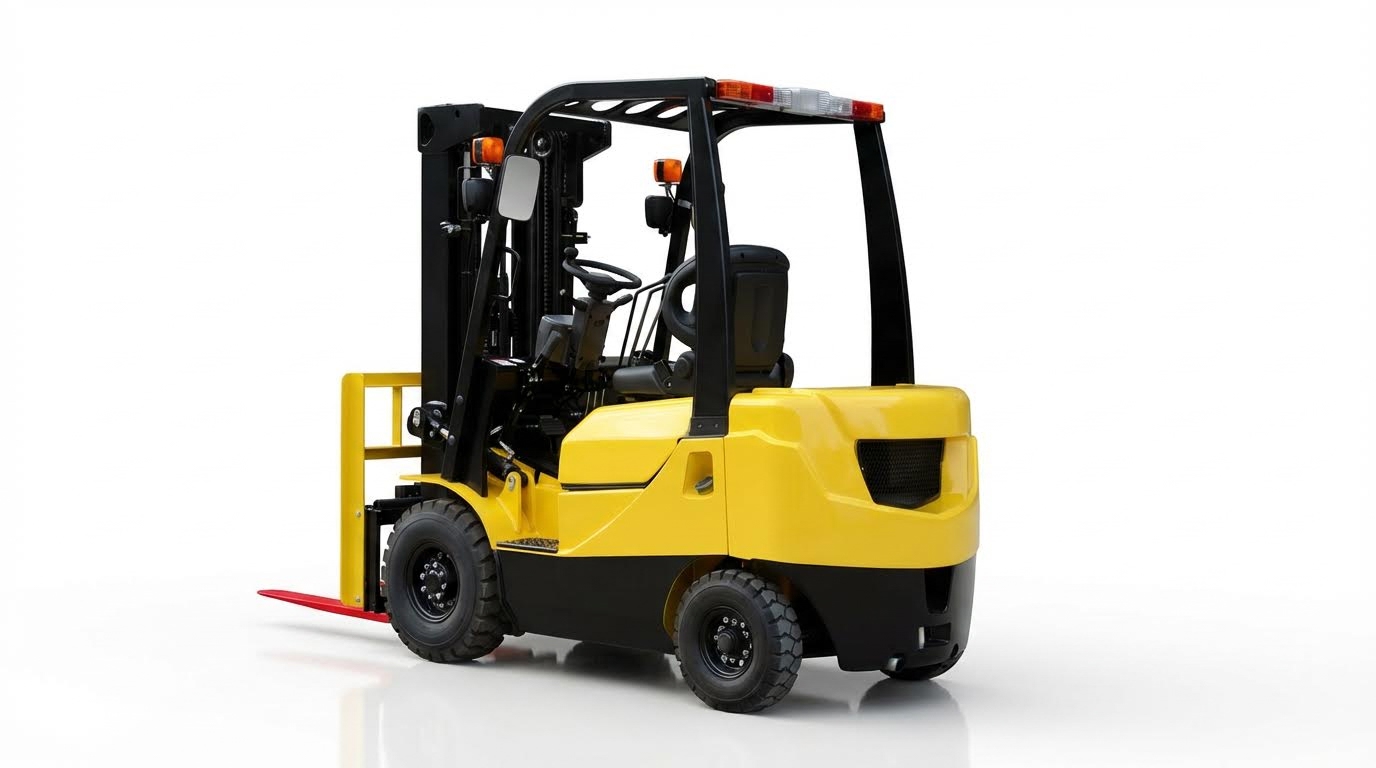
การเลือกอุปกรณ์เสริมและเครื่องมือสำหรับงานยกของยาว หมายถึงการเลือกให้เหมาะสมระหว่างงารถยกและสายพานลำเลียง เพื่อให้จุดศูนย์กลางการรับน้ำหนัก ความเสถียร และระยะห่างอยู่ในขอบเขตที่ปลอดภัย เมื่อคุณตัดสินใจว่าจะยกพาเลทสินค้าที่มีความยาวพิเศษอย่างไร
- เป้าหมาย: รักษาระบบรวมของรถบรรทุก-อุปกรณ์ต่อพ่วง-น้ำหนักบรรทุกให้อยู่ภายในขีดจำกัดความจุที่กำหนดไว้ – ป้องกันการพลิคว่ำไปข้างหน้าและความเสียหายของโครงสร้าง
- วิธีการ: ใช้อุปกรณ์เสริมที่ช่วยควบคุมการกาง การเอื้อม และทิศทางการเคลื่อนที่ของงา – ทำให้การโหลดระยะยาวเป็นไปอย่างคาดการณ์ได้
- บูรณาการ: ออกแบบส่วนต่อประสานระหว่างสายพานลำเลียงและรถขนส่งอัตโนมัติ (AGV) – ช่วยขจัดปัญหาการเกี่ยว การตกหล่น และความเสียหายจากการกระแทก
💡 หมายเหตุจากวิศวกรภาคสนาม:ให้ถือว่าอุปกรณ์เสริมทุกชิ้นเป็น “ความยาวบูม” ที่เพิ่มเข้ามา แม้แต่ส่วนที่ยื่นออกมาด้านหน้าเพียงไม่กี่ร้อยมิลลิเมตรก็สามารถลดความสามารถในการรับน้ำหนักลงอย่างมาก ดังนั้นควรตรวจสอบแผ่นป้ายแสดงความสามารถในการรับน้ำหนักที่อัปเดตแล้วก่อนยกพาเลทที่มีความยาวเสมอ
ระบบปรับตำแหน่งงาไฮดรอลิกและงายืดได้
ระบบปรับตำแหน่งงาไฮดรอลิกและงาที่ยืดได้ช่วยควบคุมระยะห่างและความลึกในการเกี่ยวของงา ทำให้พาเลทที่มีความยาวพิเศษอยู่ในขอบเขตจุดศูนย์ถ่วงที่ปลอดภัย พร้อมทั้งลดความเสียหายของพาเลทและเวลาในการขนย้ายให้น้อยที่สุด
- บทบาทสำคัญ: ปรับระยะห่างและความยาวของงาให้เหมาะสมกับพาเลทแต่ละอัน – ลดการแตกร้าวของพื้นระเบียงและการรับน้ำหนักเกินของคานรับน้ำหนัก
- เมื่อจำเป็น: การวางพาเลทที่มีความกว้างต่างกัน บรรจุภัณฑ์ที่ไม่สมมาตร ชั้นวางสินค้าแบบลึก หรือการวางซ้อนสองชั้น – ช่วยให้รถบรรทุกคันเดียวสามารถขนส่งสินค้าได้หลาย SKU อย่างปลอดภัย
| ประเภทไฟล์แนบ | ฟังก์ชั่นหลัก | คุณสมบัติทั่วไป / ผลกระทบ | ผลกระทบต่อการดำเนินงานสำหรับพาเลทยาว |
|---|---|---|---|
| ตัวปรับตำแหน่งงาไฮดรอลิก | ปรับระยะห่างของงาจากห้องโดยสาร | ใช้ส้อมเสียบไว้ใต้คาน/บล็อกเพื่อจำกัดการโก่งตัวของพื้นดาดฟ้า คำแนะนำของ OSHA | ปรับเปลี่ยนความกว้างของงาได้อย่างรวดเร็วระหว่างพาเลทประเภทต่างๆ ช่วยเพิ่มเสถียรภาพเมื่อเลือกวิธีการยกพาเลทที่มีความยาวพิเศษและมีความกว้างแตกต่างกัน |
| ส้อมแบบยืดหดได้ (แบบเทเลสโคปิก) | เพิ่มความยาวของส้อมที่มีประสิทธิภาพ | สามารถยืดได้สูงสุดถึงประมาณ 150% ของความยาวงาฐาน ต้องคำนวณจุดศูนย์ถ่วงใหม่ เอกสารแนบอ้างอิง | สามารถหยิบสินค้าผ่านพาเลทยาวๆ เข้าไปในชั้นวางลึกๆ หรือจัดการกับสินค้าที่จัดเก็บแบบสองชั้นได้โดยยังคงรักษามาตรฐานการใส่สินค้าเข้าชั้นวางที่ 80% |
- อุปกรณ์ปรับตำแหน่งงาไฮดรอลิก: อนุญาตให้ปรับระยะห่างระหว่างงาของรถยกภายในห้องโดยสาร เพื่อให้งาแต่ละอันอยู่ใต้แนวโครงสร้าง เช่น คานหรือบล็อก ซึ่งจะช่วยรักษาสมดุลของจุดศูนย์กลางการรับน้ำหนักให้อยู่ภายในพิกัดรับน้ำหนักของรถยก และลดแรงบิดบนพื้นพาเลท คำแนะนำภาคสนาม.
- ส้อมแบบยืดได้: ควรเพิ่มระยะการยื่นเพื่อให้งาของรถยกสามารถตรงกับความลึกของพาเลทได้ วิศวกรต้องคำนวณจุดศูนย์กลางน้ำหนักบรรทุกที่มีประสิทธิภาพใหม่ (L/2 − D บวกกับส่วนที่ยื่นออกมา) และใช้ความสามารถในการรับน้ำหนักที่ลดลงก่อนทำการยก หมายเหตุทางวิศวกรรม.
- อัตราการสอดใส่ 80% เมื่อใช้ร่วมกับอุปกรณ์เสริม: แม้ว่าจะใช้รถยกแบบยืดหดได้ ก็ยังควรตั้งเป้าให้รถยกเข้าไปจับที่ความลึกอย่างน้อย 80% ของพาเลท (เช่น ประมาณ 900 มม. บนพาเลทขนาด 1,165 มม.) เพื่อหลีกเลี่ยงการรับน้ำหนักเกินของปลายงาและป้องกันการแตกร้าวของพื้นพาเลท กฎ 80%.
- ความจุและส่วนที่ยื่นออกมา: อุปกรณ์ปรับตำแหน่งงาหรือกลไกแบบยืดหดได้ทุกชนิดจะเพิ่มมวลและเลื่อนน้ำหนักบรรทุกไปข้างหน้ามากขึ้น ดังนั้นคุณต้องตรวจสอบความจุของเสาและตัวรถยก และใช้แผ่นป้ายความจุที่อัปเดตแล้วก่อนที่จะเลือกวิธีการยกพาเลทที่มีความยาวพิเศษด้วยรถยกคันนั้น ผลกระทบต่อกำลังการผลิต.
วิธีเลือกใช้ระหว่างส้อมแบบตายตัวและส้อมแบบยืดหดได้
ใช้รถยกแบบงาคงที่ยาวเมื่อความลึกของพาเลทและชั้นวางสินค้าสม่ำเสมอ และรถยกเข้าจากด้านเดียวกันเสมอ เลือกใช้รถยกแบบงายืดได้เมื่อต้องเข้าถึงชั้นวางสินค้าที่ลึก ข้ามสายพานลำเลียง หรือจัดการกับพาเลทที่มีความลึกต่างกันโดยไม่ต้องเปลี่ยนรถยก ตรวจสอบให้แน่ใจเสมอว่าความยาวของงาที่ยืดออกแล้วยังคงสามารถยึดพาเลทได้ไม่ต่ำกว่า 80% และรักษาจุดศูนย์กลางการรับน้ำหนักให้อยู่ภายในขีดจำกัดที่กำหนด
รถบรรทุกแบบเคลื่อนที่ได้หลายทิศทางและงายกแบบติดตั้งบนรถตัก
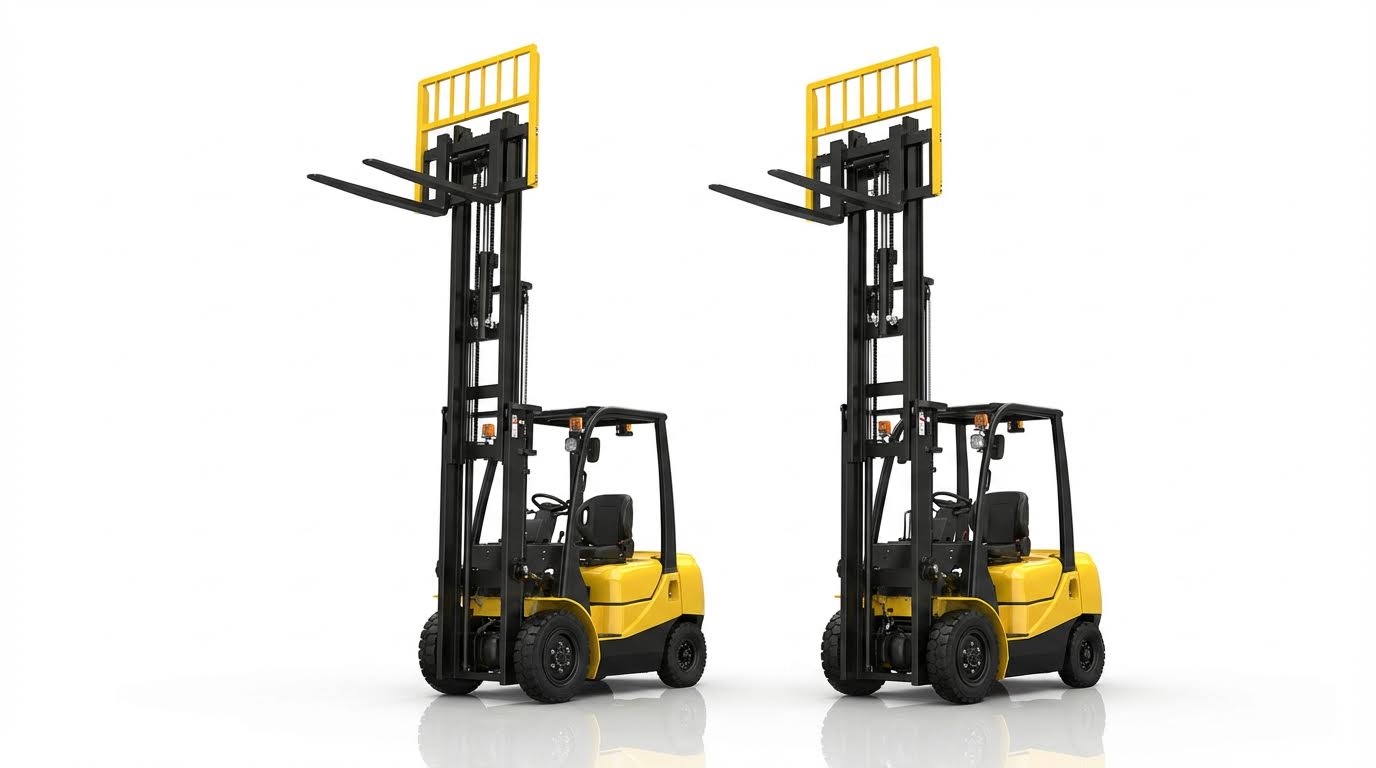
รถยกแบบหลายทิศทางและงาสำหรับยกพาเลทที่ติดตั้งบนตัวตัก ช่วยให้คุณเคลื่อนย้ายพาเลทที่มีความยาวเป็นพิเศษในพื้นที่แคบหรือพื้นที่กลางแจ้งที่ขรุขระ ซึ่งรถยกแบบถ่วงดุลทั่วไปมีปัญหาเรื่องรัศมีวงเลี้ยวและสภาพพื้นดิน
- รถบรรทุกหลายทิศทาง: แก้ปัญหาเรื่องความกว้างของทางเดินและการเลี้ยวโดยการเคลื่อนย้ายสินค้าไปด้านข้างหรือในแนวทแยง
- งาที่ติดตั้งบนรถตัก: จัดการกับวัตถุที่มีความยาว หนัก หรือมีรูปทรงไม่สม่ำเสมอในพื้นที่กลางแจ้งที่มีรถตักล้อเลื่อนหรือรถยกแบบยืดได้ใช้งานอยู่แล้ว
| ประเภทอุปกรณ์ | ความสามารถโดยทั่วไป | ดีที่สุดสำหรับ… | ผลกระทบในการดำเนินงาน |
|---|---|---|---|
| รถยกแบบหลายทิศทาง | รับน้ำหนักได้ประมาณ 1,800–25,000 กิโลกรัม; ยกสูงได้มากกว่า 4 เมตร ช่วงประสิทธิภาพ | พาเลทยาว ไม้ เหล็ก หรือแผ่นวัสดุต่างๆ วางอยู่ในทางเดินแคบๆ | ช่วยให้สามารถเคลื่อนที่ไปตามแนวยาวของด้านข้างรถบรรทุก ลดความกว้างของทางเดินเมื่อเทียบกับรถบรรทุกแบบเดิม เมื่อวางแผนวิธีการยกพาเลทที่มีความยาวเป็นพิเศษเข้าไปในชั้นวางสินค้า |
| งาสำหรับยกพาเลทที่ติดตั้งบนรถตัก | ความยาวของซี่คราดประมาณ 1,200–2,400 มม. ความกว้างของแท่นคราด >1,800 มม. ระบบนำทางงาของรถตัก | ลานกลางแจ้ง, มัดท่อ, คานสำเร็จรูป, พาเลทยาวบนพื้นไม่เรียบ | โครงรถที่กว้างช่วยให้ทรงตัวด้านข้างได้ดีขึ้น แต่คุณต้องตรวจสอบแผนภูมิความเสถียรของรถตักที่ความสูงและระยะการยืดของแขนแต่ละระดับด้วย |
- รถบรรทุกแบบหลายทิศทางช่วยได้อย่างไร: รถยกประเภทนี้สามารถเคลื่อนที่ได้ทั้งแนวยาว แนวขวาง และแนวทแยง ทำให้สินค้าสามารถคงอยู่ในแนวยาวตามตัวถังขณะที่รถเคลื่อนที่ไปด้านข้าง ซึ่งช่วยลดความกว้างของทางเดินที่จำเป็นสำหรับพาเลทยาวได้อย่างมาก เมื่อเทียบกับรถยกแบบถ่วงดุลมาตรฐาน การเพิ่มประสิทธิภาพทางเดิน.
- การแบ่งเขตเพื่อความปลอดภัย: เนื่องจากสินค้าที่มีความยาวมากจะแกว่งไปมาในทางเดินขณะเคลื่อนที่ในแนวราบ สถานที่ก่อสร้างจึงควรจัดทำเขตห้ามคนเดินเท้าและจำกัดความเร็วในบริเวณที่มีการจราจรผสมเมื่อใช้รถบรรทุกแบบหลายทิศทาง แนวปฏิบัติด้านความปลอดภัย.
- รูปทรงของงาที่ติดตั้งบนตัวยก: ซี่เหล็กดัดที่ไม่แกว่งไปมาช่วยให้การจัดเรียงสินค้าบนพาเลทมีรูปทรงที่แน่นอน ในขณะที่ซี่เหล็กดัดแบบแกว่งได้ (ซึ่งเป็นอุปกรณ์เสริม) เหมาะสำหรับสินค้าที่มีรูปทรงไม่สม่ำเสมอซึ่งต้องวางราบกับพื้นไม่เรียบ ประเภทของซี่ฟัน.
- การตรวจสอบเสถียรภาพสำหรับรถตัก: วิศวกรต้องตรวจสอบความสามารถในการรับน้ำหนักของรถยกสำหรับการใช้งานที่ความสูงและระยะการเอื้อมของบูมที่ต้องการ เนื่องจากพาเลทยาวมักจะยื่นออกมามากกว่าถังยก และอาจเกินขีดจำกัดความเสถียรได้อย่างรวดเร็วหากผู้ปฏิบัติงานเอื้อมมือมากเกินไป ความเสถียรของโหลดเดอร์.
เมื่อใดจึงควรเปลี่ยนจากรถยกแบบมาตรฐานไปใช้รถยกแบบหลายทิศทาง
ควรพิจารณาใช้รถยกแบบหลายทิศทางเมื่อพาเลทหรือบรรจุภัณฑ์ที่ยาวที่สุดของคุณมีความยาวใกล้เคียงหรือมากกว่าความกว้างของทางเดิน หรือเมื่อผู้ปฏิบัติงานต้องเลี้ยวหลายจุดบ่อยครั้ง หากการเลี้ยวขณะบรรทุกของยาวทำให้คุณต้องเผชิญกับพื้นที่ว่างต่ำกว่า 300-400 มม. ที่ปลายทางเดินเป็นประจำ รถยกแบบหลายทิศทางมักจะให้ทางออกที่ปลอดภัยและมีประสิทธิภาพมากกว่า
💡 หมายเหตุจากวิศวกรภาคสนาม:ในคลังสินค้าที่มีพื้นที่จำกัด ผมมักเห็นผู้ปฏิบัติงาน "โกง" โดยการยกพาเลทยาวๆ ให้สูงขึ้นเพื่อหลบชั้นวางสินค้าในระหว่างการเลี้ยวที่แคบ รถยกแบบเคลื่อนที่ได้หลายทิศทางจะช่วยขจัดพฤติกรรมนั้นได้ โดยปล่อยให้สินค้าเคลื่อนที่ไปด้านข้างในระดับความสูงที่ต่ำและมั่นคง
การบูรณาการกับสายพานลำเลียง รถขนส่งอัตโนมัติ (AGV) และระบบอัตโนมัติ
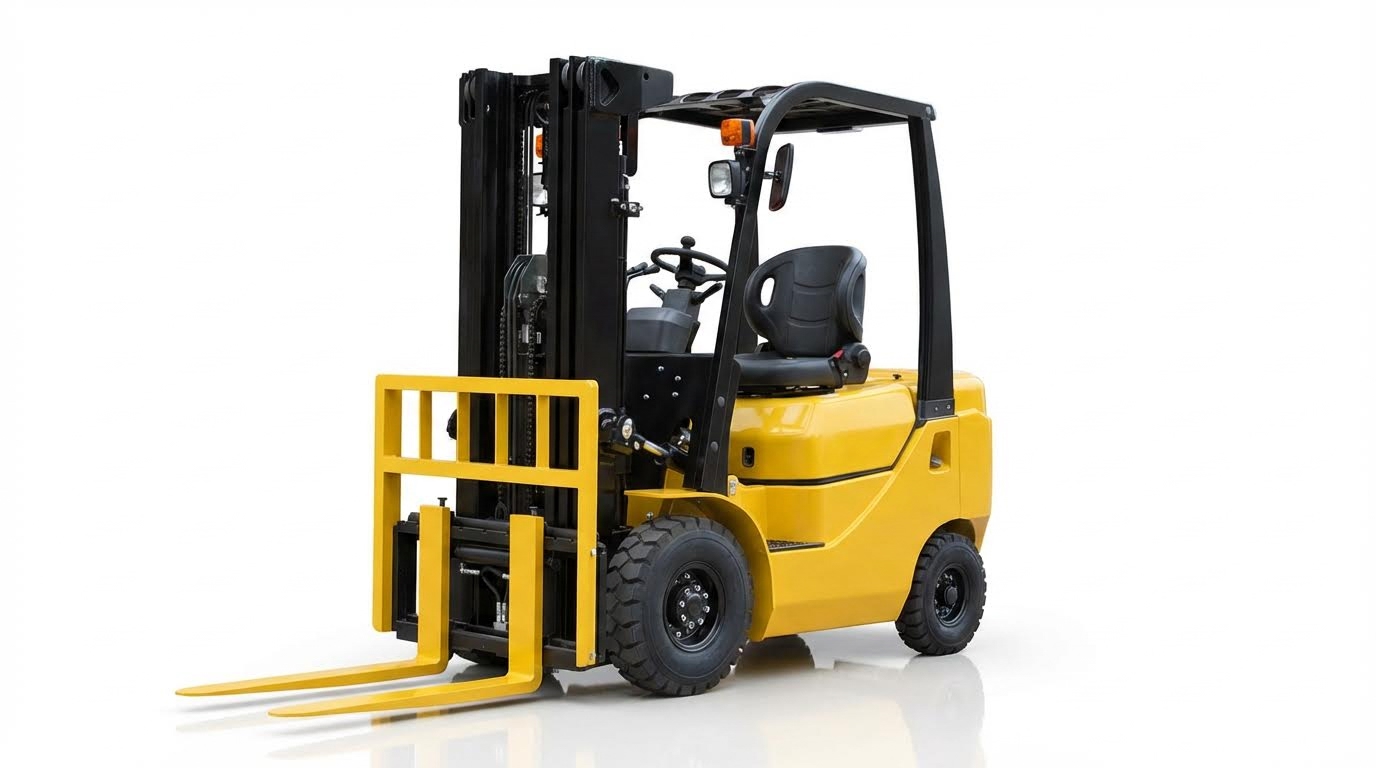
การผสานรวมรถยกและอุปกรณ์ยกของยาวเข้ากับสายพานลำเลียง รถขนส่งอัตโนมัติ (AGV) และระบบอัตโนมัติอื่นๆ จำเป็นต้องมีการจับคู่ความสูง ความกว้าง และตรรกะการควบคุม เพื่อให้พาเลทที่มีความยาวพิเศษสามารถเคลื่อนย้ายได้อย่างราบรื่นโดยไม่ติดขัด พลิกคว่ำ หรือเกิดการรบกวนจากมนุษย์อย่างไม่ปลอดภัย
- เริ่มจากเรขาคณิตก่อน: ปรับความกว้าง ความสูง และสภาพทางเข้าของสายพานลำเลียงให้เหมาะสมกับรูปทรงของพาเลทและงาของรถยก
- ส่วนควบคุมที่สอง: ใช้การควบคุมโซนและเซ็นเซอร์เพื่อแยกและรักษาเสถียรภาพของสินค้าที่มีความยาว
| ด้านการออกแบบ | แนวทางปฏิบัติทางวิศวกรรมทั่วไป | ผลกระทบต่อการดำเนินงานสำหรับพาเลทยาว |
|---|---|---|
| ความกว้างของสายพานลำเลียง | ความกว้างของพาเลท + ประมาณ 100–150 มม. สำหรับพาเลทที่มีความยาว 1,200 มม. ที่ลำเลียงตามแนวยาว ความกว้างของสายพานลำเลียงโดยทั่วไปจะอยู่ที่ประมาณ 1,350 มม. แนวทางการกำหนดความกว้าง | ช่วยรักษาระยะเผื่อการติดตามและระยะห่างด้านข้าง เพื่อป้องกันไม่ให้พาเลทที่มีความยาวพิเศษเสียดสีหรือปีนข้ามโครงด้านข้าง |
| สนามลูกกลิ้ง | ควรมีลูกกลิ้งอย่างน้อยสามตัวใต้รางเลื่อนพาเลทแต่ละอัน โดยมีระยะห่างประมาณ 75–100 มม. สำหรับพาเลทแบบมีคานรองรับ และสูงสุด 100–150 มม. สำหรับพาเลทแบบมีพื้นเต็ม ระยะห่างการรองรับ | ช่วยป้องกันการหย่อนตัวมากเกินไปของพาเลทระหว่างลูกกลิ้ง และลดความเสี่ยงที่พื้นจะแตกร้าวเมื่อวางพาดเป็นช่วงยาว |
| ความสูงขาเข้า/ขาออก | ปรับความสูงของรถยก รถลำเลียงอัตโนมัติ หรือโต๊ะยกให้มีความคลาดเคลื่อนไม่เกิน ±10 มม. ใช้แผ่นทางเข้าแบบเรียว และช่องว่างแนวตั้ง 3–5 มม. การออกแบบส่วนต่อประสาน | ช่วยลดแรงกระแทก ณ จุดขนถ่าย และป้องกันการติดขัดของพาเลทเมื่อวางพาเลทที่มีความยาวพิเศษ |
| ความยาวของโซน (ความดันศูนย์) | ความยาวของพื้นที่จัดเก็บจะยาวกว่าพาเลทที่ยาวที่สุดเล็กน้อย โดยทั่วไปแล้วจะยาวเท่ากับความยาวของพาเลท บวกเพิ่ม 200–300 มม. การกำหนดขนาดโซน | ช่วยแยกพาเลทยาวๆ ไม่ให้สัมผัสกัน แม้จะมีส่วนที่ยื่นออกมาหรือบรรจุภัณฑ์แบบยืดหยุ่นก็ตาม |
- ความแข็งแรงของสายพานลำเลียงแบบลูกกลิ้ง: พาเลทที่มีความยาวพิเศษจะทำให้เกิดโมเมนต์ดัดและแรงกระทำแบบไดนามิกสูงขึ้น ดังนั้นระยะห่างระหว่างจุดรองรับจะต้องอยู่ภายในขีดจำกัดการโก่งตัวที่อนุญาตของพาเลท ซึ่งโดยทั่วไปจะต่ำกว่า L/200 เพื่อหลีกเลี่ยงการยุบตัวหรือแตกร้าวอย่างถาวร เกณฑ์การเบี่ยงเบน.
- พื้นที่สำหรับรถบรรทุกเข้าใกล้: ทางเข้าของรถยกไปยังสายพานลำเลียงควรมีพื้นที่ว่าง 1,500–3,000 มม. เพื่อให้ผู้ปฏิบัติงานสามารถจัดตำแหน่งรถยกและวางพาเลทยาวได้โดยไม่เอียง ซึ่งเป็นสิ่งสำคัญอย่างยิ่งเมื่อคุณตัดสินใจว่าจะยกพาเลทที่มีความยาวพิเศษขึ้นสู่ระบบอัตโนมัติอย่างปลอดภัยได้อย่างไร ข้อกำหนดเกี่ยวกับผ้ากันเปื้อน.
- การสะสมแรงดันเป็นศูนย์: การแบ่งสายพานลำเลียงออกเป็นโซนควบคุมอิสระช่วยป้องกันการสัมผัสกันระหว่างพาเลท เซ็นเซอร์จะหยุดโซนต้นทางก่อนการชน เพื่อป้องกันไม่ให้สินค้าที่มีความยืดหยุ่นหรือยื่นยาวเกิดการยืดหดหรือเลื่อนไปมา การควบคุมโซน.
- อุปกรณ์เพื่อความปลอดภัย: สายดึงหยุดฉุกเฉิน, แผ่นป้องกันแบบตายตัวรอบๆ ไดรฟ์ และ
ข้อควรพิจารณาสุดท้ายสำหรับการขนย้ายสินค้าขนาดใหญ่อย่างปลอดภัยและเป็นไปตามข้อกำหนด
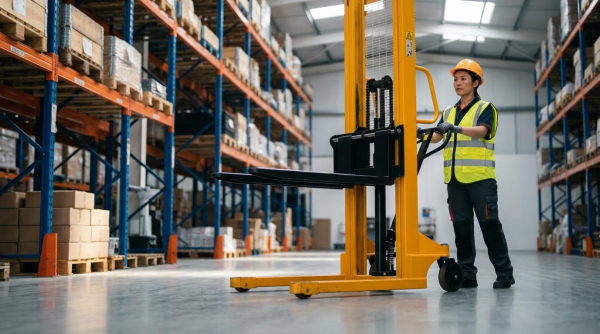
การยกพาเลทยาวพิเศษอย่างปลอดภัยและถูกต้องตามกฎหมายนั้นขึ้นอยู่กับสามสิ่ง ได้แก่ การเคารพขีดจำกัดของจุดศูนย์ถ่วง การกำหนดมาตรฐานการใช้งานรถยก และการเลือกใช้อุปกรณ์ให้เหมาะสมกับเส้นทางและลักษณะการขนส่ง ส่วนนี้จะเปลี่ยนทฤษฎี “วิธีการยกพาเลทยาวพิเศษ” ให้เป็นกฎเกณฑ์ที่ใช้ได้จริงในชีวิตประจำวัน
แปลงกฎการออกแบบให้เป็นขั้นตอนการทำงานมาตรฐาน
การกำหนดขั้นตอนการทำงานที่เป็นลายลักษณ์อักษรและภาพประกอบ เป็นวิธีที่เร็วที่สุดในการทำให้การยกของหนักระยะไกลอย่างปลอดภัยสามารถทำซ้ำได้ในทุกกะและทุกสถานที่
- กำหนดกลุ่มพาเลท: จัดกลุ่มพาเลทตามความยาว ความกว้าง และประเภททางเข้า – ช่วยให้คุณกำหนดกฎการกระจายและการแทรกของฟอร์กได้ล่วงหน้า
- แก้ไขระยะการเสียบส้อมขั้นต่ำ: บันทึกค่า “ความลึก ≥80%” ในหน่วยมิลลิเมตรสำหรับพาเลทแต่ละประเภท – ช่วยลดการคาดเดาที่รถบรรทุก
- ระบุรายการอุปกรณ์ที่ได้รับอนุมัติ: ตรวจสอบว่ารถบรรทุก อุปกรณ์เสริม และเส้นทางใดบ้างที่อนุญาตสำหรับพาเลทแต่ละประเภท – ป้องกันการใช้งานเครื่องจักรที่ประสิทธิภาพต่ำเกินกำลัง
- รวมการตรวจสอบศูนย์จ่ายไฟด้วย: เพิ่มตัวอย่าง L/2 − D ง่ายๆ ในทุก SOP – เตือนผู้ปฏิบัติงานถึงอันตรายของการลงจอดในน้ำตื้น
- ระบุมุมเอียงของเสาและระดับความสูงในการเคลื่อนที่: ควรบรรทุกของในระดับต่ำ (ประมาณ 100–200 มม.) และดึงเสาไปด้านหลังเล็กน้อยขณะเคลื่อนย้าย – ช่วยเพิ่มความเสถียรในการรับน้ำหนักบรรทุกระยะยาว
ตัวอย่างรายการงานมาตรฐานที่จะรวมถึง
แสดงภาพเปรียบเทียบการสอดงาของรถยกที่ "ถูกต้อง" กับ "ไม่ถูกต้อง" แผนภาพแสดงระยะห่างที่อนุญาตสำหรับงาแต่ละประเภทบนพาเลท และตารางแสดงน้ำหนักบรรทุกสูงสุดเทียบกับความยาวของพาเลทสำหรับรถยกทั่วไปของคุณ
💡 หมายเหตุจากวิศวกรภาคสนาม:เมื่อเราจัดทำขั้นตอนการปฏิบัติงานมาตรฐาน (SOP) สำหรับพาเลทยาวอย่างเป็นทางการ สิ่งที่ได้ผลดีที่สุดคือการห้ามยกแบบ "เอียงอย่างเดียว" สำหรับการเคลื่อนย้ายระยะสั้น การพลิกคว่ำของพาเลทขนาด 3-4 เมตรส่วนใหญ่เกิดขึ้นในระยะทางไม่เกิน 10 เมตร ซึ่งผู้ปฏิบัติงานคิดว่าการใส่พาเลทเข้าไปจนสุดนั้น "ไม่คุ้มค่า" จึงควรเขียนกฎนี้ลงในเอกสาร
ใช้สื่อภาพและเซ็นเซอร์เพื่อนำทางผู้ปฏิบัติงาน
การใช้สัญญาณภาพและการรับรู้พื้นฐานช่วยลดข้อผิดพลาดในการตัดสินใจได้อย่างมาก เมื่อต้องตัดสินใจว่าจะยกพาเลทสินค้าที่มีความยาวเป็นพิเศษในทางเดินที่แออัดอย่างไร
- เครื่องหมายที่ปลายส้อม: ทาสีเส้นแสดงการแทรก 80% และ 100% บนซี่หวี – ผู้ปฏิบัติงานสามารถมองเห็นได้ทันทีว่าดำน้ำลึกพอหรือไม่
- เครื่องหมายอ้างอิงรถขนส่ง: ทำเครื่องหมายระยะห่างระหว่างส้อมทั่วไปบนตัวรถ – ช่วยให้จัดแนวส้อมใต้คานหรือบล็อกได้อย่างสม่ำเสมอ
- สายพื้นและสายชั้นวาง: ใช้เส้นสีเพื่อกำหนดจุดหยุดและจุดกึ่งกลางของพาเลท – ช่วยลดวิธีการเข้าถึงชั้นวางและสายพานลำเลียงที่ไม่สมดุล
- เซ็นเซอร์วัดน้ำหนัก: ในช่องทางที่มีความเสี่ยงสูง ให้ใช้เซ็นเซอร์วัดน้ำหนักและมุมเอียงเพื่อส่งสัญญาณเตือนเมื่อเกินขีดจำกัดความจุหรือขอบเขตที่กำหนด เพิ่มตัวกั้นเมื่อพาเลทหรือสินค้าที่บรรทุกมีการเปลี่ยนแปลง
- การตรวจจับระยะใกล้: เซ็นเซอร์ที่จุดป้อนสายพานลำเลียงหรือขอบท่าเทียบเรือสามารถชะลอความเร็วของรถบรรทุกได้โดยอัตโนมัติ – ช่วยลดแรงกระแทกบนพาเลทที่มีความยาวพิเศษ
ผลการศึกษาพบว่า การใช้สื่อภาพช่วยประหยัดเวลาได้ 4-7 วินาทีต่อการสัมผัสพาเลทหนึ่งครั้ง ทำให้ประหยัดเวลาได้ 1.1-1.9 ชั่วโมงต่อรถบรรทุกต่อกะ พร้อมทั้งปรับปรุงความแม่นยำและความปลอดภัยในการจัดวางสินค้าการปรับปรุงด้านเวลาและความแม่นยำจากการใช้สื่อภาพ
ปรับการฝึกอบรม การออกใบอนุญาต และการกำกับดูแลให้สอดคล้องกับความเสี่ยงระยะยาว
การฝึกอบรมและการกำกับดูแลต้องครอบคลุมถึงพฤติกรรมการยกของหนักโดยเฉพาะ การฝึกอบรมการใช้รถยกแบบทั่วไปไม่เพียงพอสำหรับการยกพาเลทที่มีความยาวพิเศษ
- การฝึกอบรมตามสถานการณ์: รวมถึงแบบฝึกหัดที่ใช้พาเลทขนาด 3–4 เมตร การวางน้ำหนักแบบไม่สมดุล และการสอดใส่เพียงบางส่วน – ผู้ปฏิบัติงานสามารถรับรู้ถึงการเปลี่ยนแปลงของเสถียรภาพได้
- โมดูลเฉพาะสำหรับไฟล์แนบ: ฝึกอบรมการใช้งานอุปกรณ์กำหนดตำแหน่งไฮดรอลิก งาปรับระดับได้ และรถยกแบบหลายทิศทาง – แต่ละการเปลี่ยนแปลงจะส่งผลต่อจุดศูนย์กลางการรับน้ำหนักและการจัดการ
- ส่วนต่อประสานระหว่างสายพานลำเลียงและรถขนส่งอัตโนมัติ (AGV): สอนวิธีการเข้าหาเป้าหมายด้วยความเร็วที่ถูกต้อง การจัดตำแหน่งให้เหมาะสม และการตรวจสอบการส่งมอบเป้าหมาย – ช่วยป้องกันการติดขัดและความเสียหายของพาเลทระหว่างการขนย้าย
- รอบการทบทวนความรู้: จัดอบรมทบทวนสั้นๆ หลังเกิดเหตุการณ์เกือบเกิดอุบัติเหตุ หรือหลังใช้พาเลทชนิดใหม่ – ช่วยให้ทักษะ "วิธีการยกพาเลทยาวพิเศษ" ทันสมัยอยู่เสมอ
- การตรวจสอบโดยหัวหน้างาน: หัวหน้างานควรตรวจสอบความลึกของการสอดงา การเอียงของเสา และความสูงในการเคลื่อนที่แบบสุ่ม – เสริมสร้างมาตรฐานในการทำงานภาคสนาม
หัวข้อสำคัญที่ควรเพิ่มเข้าไปในการฝึกแบบยกน้ำหนักระยะยาวของคุณ
อธิบายแนวคิดศูนย์กลางรับน้ำหนัก (L/2 − D) ด้วยภาพร่างอย่างง่าย แสดงพาเลทที่แตกหักจริงจากการใส่ที่ไม่ลึกพอ และแนะนำผู้ปฏิบัติงานเกี่ยวกับการอ่านแผ่นป้ายความจุที่ศูนย์กลางรับน้ำหนักที่ไม่เป็นมาตรฐาน
💡 หมายเหตุจากวิศวกรภาคสนาม:ในห้องเย็นและลานกลางแจ้ง ผมยืนยันว่าควรมีการฝึกอบรมระยะสั้นตามฤดูกาล พื้นที่ลื่นและพาเลทยาวส่งผลต่อระยะหยุดและลักษณะการแกว่งตัว ผู้ปฏิบัติงานต้องเรียนรู้ความเร็วที่ปลอดภัยและมุมการบังคับเลี้ยวใหม่เมื่อสภาพแวดล้อมเปลี่ยนแปลง
ออกแบบส่วนต่อประสานและเส้นทาง ไม่ใช่แค่ลิฟต์
การขนย้ายสินค้าขนาดใหญ่และยาวอย่างปลอดภัยนั้นขึ้นอยู่กับการออกแบบเส้นทางและจุดเชื่อมต่อโดยรวม: ทางเดิน ประตู ท่าเทียบเรือ และสายพานลำเลียงทั้งหมดต้องเหมาะสมกับพาเลทและรถยก
- ตรวจสอบระยะห่างของทางเดินและประตู: ตรวจสอบให้แน่ใจว่ารถบรรทุกขนาดใหญ่สามารถเลี้ยวและผ่านได้โดยมีระยะห่างด้านข้างอย่างน้อย 100–150 มม. ป้องกันการกระแทกด้านข้างและความเสียหายที่ขอบพาเลท
- เลือกความกว้างและความสูงของสายพานลำเลียงให้เหมาะสม: สายพานลำเลียงแบบลูกกลิ้งควรมีขนาดกว้างกว่าพาเลท 100–150 มม. และปรับความสูงให้ตรงกันได้ภายใน ±10 มม. ช่วยหลีกเลี่ยงการติดขัดและการถ่ายโอนที่มีแรงกระแทกสูง
- จัดเตรียมพื้นที่สำหรับจอดเครื่องบิน: รักษาระยะห่างที่ชัดเจนระหว่างสายพานลำเลียงและท่าเทียบเรือไว้ที่ 1,500–3,000 มม. – ช่วยให้สามารถวางพาเลทยาวๆ ได้อย่างเป็นระเบียบ
- ควบคุมโซนสายพานลำเลียง: ใช้ระบบสะสมแรงดันเป็นศูนย์ โดยกำหนดโซนให้ยาวกว่าพาเลทประมาณ 200–300 มม. ป้องกันไม่ให้พาเลทยาววางขวางระหว่างโซนต่างๆ
- จุดอ่อนของการ์ด: ติดตั้งอุปกรณ์ป้องกันนิ้วมือขนาด 100–150 มม. และปุ่มหยุดฉุกเฉินแบบดึงเชือกตลอดแนวสายพานลำเลียง – ช่วยปกป้องบุคลากรที่อยู่รอบ ๆ การเคลื่อนย้ายสิ่งของยาว ๆ
สายพานลำเลียงแบบลูกกลิ้งสำหรับพาเลทที่มีความยาวพิเศษ ควรมีลูกกลิ้งอย่างน้อยสามลูกอยู่ใต้รางพาเลทแต่ละราง โดยระยะห่างระหว่างลูกกลิ้งโดยทั่วไปอยู่ที่ 75–100 มม. สำหรับพาเลทแบบมีคานเสริม และสูงสุด 100–150 มม. สำหรับพาเลทแบบมีฐานเต็มคำแนะนำเกี่ยวกับการเลือกขนาดสายพานลำเลียงและการเชื่อมต่อ
💡 หมายเหตุจากวิศวกรภาคสนาม:การแตกหักของพาเลทที่ "ไม่ทราบสาเหตุ" ส่วนใหญ่ที่ผมตรวจสอบนั้น ไม่ได้เกิดขึ้นที่ชั้นวางสินค้า แต่เกิดขึ้นที่จุดเชื่อมต่อที่ไม่ดี เช่น พาเลทยาวพาดข้ามช่องว่าง หรือชนกับขั้นบันได แก้ไขปัญหาจุดเชื่อมต่อเหล่านี้ และอัตราความเสียหายของชั้นวางสินค้าก็จะลดลงตามไปด้วย
โปรดเคารพขีดจำกัดของศูนย์รับโหลดและกำลังการผลิตทุกครั้ง
สำหรับพาเลทที่มีความยาวพิเศษ การเคารพจุดศูนย์กลางน้ำหนักและขีดจำกัดของแผ่นป้ายรับน้ำหนักเป็นสิ่งที่ไม่สามารถต่อรองได้ การเปลี่ยนแปลงเล็กน้อยในความลึกในการเสียบหรือส่วนที่ยื่นออกมาอาจทำให้คุณเกินขอบเขตที่ปลอดภัยได้
- คำนวณใหม่เมื่อความยาวเปลี่ยนแปลง: การเปลี่ยนแปลงใดๆ ในความยาวของพาเลท L หรือการสอดงา D จำเป็นต้องตรวจสอบจุดศูนย์กลางการรับน้ำหนักที่มีประสิทธิภาพใหม่ – ป้องกันการโอเวอร์โหลดโดยไม่รู้ตัว
- คำนึงถึงส่วนที่ยื่นออกมาและความไม่สมมาตร: ให้ถือว่าส่วนที่ยื่นออกมาและสิ่งของที่มีความสูงและวางเยื้องศูนย์เป็นระยะห่างเพิ่มเติมจากหน้าส้อม – พวกมันทำให้จุดศูนย์กลางแรงโน้มถ่วงรวมเคลื่อนไปข้างหน้า
- ลดเรทติ้งสำหรับไฟล์แนบ: ระบบปรับตำแหน่งไฮดรอลิกและงาที่ยืดได้ทำให้ส่วนหน้ายื่นออกมามากขึ้น – ควรใช้แผ่นระบุความจุที่เหมาะสมกับอุปกรณ์เสริมเสมอ
- ห้ามยกเว้นกรณี "แวะซื้อของแป๊บเดียว" ใช้กฎเดียวกันสำหรับทางแยกสั้นๆ เช่นเดียวกับทางแยกยาวๆ – อุบัติเหตุส่วนใหญ่มักเกิดขึ้นจากการเคลื่อนไหวที่ "รวดเร็ว"
- เลือกใช้รถบรรทุกประเภทที่ถูกต้อง: สำหรับพาเลทที่มีความยาวหรือน้ำหนักมากเป็นพิเศษ ให้ระบุรถยกแบบหลายทิศทางหรือรถยกแบบมีงาที่ติดตั้งบนตัวโหลด พร้อมแผนภูมิที่เหมาะสม – รถยกแบบถ่วงดุลไม่ใช่ทางออกที่ใช้ได้กับทุกสถานการณ์
จุดศูนย์ถ่วงที่มีประสิทธิภาพสำหรับพาเลทที่ยาวเป็นพิเศษจะเท่ากับระยะห่างจากหน้าส้อมถึงจุดศูนย์ถ่วงรวม ซึ่งมักแสดงเป็น (L/2 − D) บวกกับระยะห่างจากส่วนที่ยื่นออกมาหรือความไม่สมมาตร หากระยะนี้เกินค่าที่กำหนดไว้ของรถยก ผู้ปฏิบัติงานต้องลดน้ำหนักบรรทุก ขยายระยะการยื่นของส้อม หรือเลือกอุปกรณ์ที่ออกแบบมาสำหรับบรรทุกของยาวคำแนะนำของ OSHA เกี่ยวกับจุดศูนย์ถ่วงและความสามารถในการรับน้ำหนัก
💡 หมายเหตุจากวิศวกรภาคสนาม:ผมแนะนำให้ถือว่าแผ่นป้ายแสดงความสามารถในการรับน้ำหนักเป็นขีดจำกัดที่แน่นอน และการคำนวณทางวิศวกรรมเป็นส่วนเผื่อความปลอดภัย หากการคำนวณอย่างรวดเร็วของคุณบอกว่าคุณ "ใกล้เคียง" ให้สันนิษฐานว่าคุณเกินขีดจำกัดแล้ว และเปลี่ยนวิธีการ เช่น ใช้งาที่ลึกกว่า รถยกคันอื่น หรือแบ่งบรรทุก
นำทุกอย่างมารวมกัน: รายการตรวจสอบแบบง่ายๆ สำหรับพาเลทยาว
รายการตรวจสอบสั้นๆ บนรถบรรทุกจะช่วยให้ผู้ปฏิบัติงานสามารถนำสิ่งเหล่านี้ไปใช้ได้ทุกครั้งที่ตัดสินใจว่าจะยกพาเลทที่มีความยาวพิเศษอย่างไร
- ขั้นตอนที่ 1: ตรวจสอบประเภทและความยาวของพาเลท – เลือก SOP และระยะห่างของส้อมที่ถูกต้อง
- ขั้นตอนที่ 2: ตรวจสอบความจุของรถบรรทุกและอุปกรณ์ต่อพ่วง – ตรวจสอบให้แน่ใจว่าได้กำหนดกำลังการผลิตตามที่กำหนด ณ จุดรับโหลดที่คาดการณ์ไว้
- ขั้นตอนที่ 3: ตั้งค่าระยะห่างของส้อมและวางแผนการเสียบ – เป้าหมายคือความลึกของพาเลทอย่างน้อย 80% ใต้คานหรือบล็อก
- ขั้นตอนที่ 4: เข้าใกล้กรอบสี่เหลี่ยมและสอดเข้าไปให้ตรงกับเครื่องหมาย – ช่วยรักษาสมดุลของจุดศูนย์ถ่วงให้อยู่ภายในรูปสามเหลี่ยมที่มั่นคง
- ขั้นตอนที่ 5: ยกขึ้นเล็กน้อย เอียงไปด้านหลัง และเคลื่อนที่ช้าๆ โดยให้บรรทุกของเบา – ช่วยลดความเสี่ยงจากการพลิคว่ำและการโยกเยก
- ขั้นตอนที่ 6: วางอย่างเบามือและรองรับให้มั่นคงบนชั้นวางหรือสายพานลำเลียง – หลีกเลี่ยงความเสียหายจากการกระแทกและการเกิดสะพานเชื่อม
💡 หมายเหตุจากวิศวกรภาคสนาม:เมื่อคุณติดเช็คลิสต์นี้ไว้บนรถบรรทุก (ในรูปแบบการ์ดเคลือบพลาสติกหรือข้อความแจ้งเตือนบนหน้าจอ) และเสริมด้วยเครื่องหมายบนพื้นและขั้นตอนการปฏิบัติงานมาตรฐาน (SOP) ที่ชัดเจน การขนย้ายพาเลทยาวจะไม่ใช่เรื่องลึกลับอีกต่อไป และกลายเป็นเพียงกระบวนการที่มีการควบคุมอีกกระบวนการหนึ่ง
ข้อควรพิจารณาสุดท้ายสำหรับการขนย้ายสินค้าขนาดใหญ่อย่างปลอดภัยและเป็นไปตามข้อกำหนด
การขนย้ายพาเลทยาวอย่างปลอดภัยนั้นขึ้นอยู่กับการพิจารณาถึงรูปทรงเรขาคณิต ความจุ และการออกแบบเส้นทางเป็นระบบที่เชื่อมโยงกัน ความยาวของพาเลท การสอดงา และส่วนที่ยื่นออกมาจะเป็นตัวกำหนดจุดศูนย์กลางการรับน้ำหนักที่มีประสิทธิภาพ ระยะทางนั้นจะเป็นตัวตัดสินว่ารถยก อุปกรณ์เสริม หรือรูปแบบสายพานลำเลียงนั้นปลอดภัยหรือไม่ หรือเกินขอบเขตความเสถียรไปแล้ว เมื่อทีมงานละเลยความเชื่อมโยงนี้ ความเสี่ยงต่อการพลิคว่ำและการเสียหายของพาเลทก็จะเพิ่มขึ้นอย่างรวดเร็ว
ฝ่ายปฏิบัติการควรบัญญัติกฎสำคัญให้เป็นส่วนหนึ่งของขั้นตอนการทำงานมาตรฐาน กำหนดกลุ่มพาเลท ระยะการสอดงาขั้นต่ำในหน่วยมิลลิเมตร และชุดอุปกรณ์ยกที่ได้รับการอนุมัติ ใช้เครื่องหมายบนงา การอ้างอิงตำแหน่งรถยก และเส้นบนพื้น เพื่อให้ผู้ปฏิบัติงานเห็นการสอดและการกระจายที่ถูกต้อง ไม่ใช่การคาดเดา สนับสนุนสิ่งนี้ด้วยการฝึกอบรมที่อธิบายแนวคิด L/2 − D ด้วยภาพร่างง่ายๆ และแสดงตัวอย่างความล้มเหลวที่เกิดขึ้นจริง
วิศวกรต้องออกแบบทางเดิน ประตู ท่าเทียบสินค้า และสายพานลำเลียงโดยคำนึงถึงพาเลทที่ยาวที่สุด ไม่ใช่พาเลทโดยเฉลี่ย ความกว้างของสายพานลำเลียง ระยะห่างของลูกกลิ้ง และความยาวของโซนที่ถูกต้องจะช่วยป้องกันการติดขัดและความเสียหายจากการกระแทก รถยกแบบหลายทิศทางหรือส้อมที่ติดตั้งบนรถตักควรจัดการกับพาเลทที่ยาวมากหรือหนักมาก ซึ่งรถยกแบบถ่วงดุลมาตรฐานอาจทำได้ไม่ดี
หลักปฏิบัติที่ดีที่สุดนั้นชัดเจน: ให้ถือว่าแผ่นระบุความจุเป็นขีดจำกัดที่แน่นอน คำนวณจุดศูนย์กลางการรับน้ำหนักใหม่ทุกครั้งที่รูปทรงเปลี่ยนแปลง และห้ามอนุญาตให้มีข้อยกเว้นแบบ "ฉับพลัน" เด็ดขาด เมื่ออุปกรณ์ ขั้นตอน และการฝึกอบรมของ Atomoving ปฏิบัติตามกฎเหล่านี้ การขนย้ายพาเลทยาวก็จะมีความเสถียร คาดการณ์ได้ และเป็นไปตามข้อกำหนด
คำถามที่พบบ่อย (FAQs)
ฉันสามารถใช้อุปกรณ์อะไรในการยกพาเลทที่มีความยาวพิเศษได้บ้าง?
ในการยกพาเลทที่มีความยาวพิเศษ คุณสามารถใช้อุปกรณ์ขนถ่ายวัสดุเฉพาะทางที่ออกแบบมาสำหรับสินค้าขนาดใหญ่ได้ ตัวเลือกต่างๆ ได้แก่:
- รถยกสูง: เหมาะสำหรับทางเดินแคบและการวางซ้อนสูง สามารถยกพาเลทที่ยาวกว่าได้หากปรับงาให้เหมาะสม
- ลิฟต์สำหรับคนเดินเท้า: เหมาะสำหรับการยกและขนย้ายพาเลทยาวในคลังสินค้าที่มีพื้นที่จำกัด
- รถไฟลากจูง: เหมาะสำหรับการเคลื่อนย้ายพาเลทหลายอันหรือพาเลทขนาดใหญ่ในระยะทางไกลภายในโรงงาน
เพื่อการใช้งานอย่างปลอดภัย โปรดตรวจสอบให้แน่ใจว่าความสามารถในการรับน้ำหนักของอุปกรณ์ตรงกับน้ำหนักของพาเลทของคุณคู่มือทางเลือกอื่นนอกเหนือจากรถยก
ฉันจะเคลื่อนย้ายพาเลทที่มีความยาวพิเศษได้อย่างปลอดภัยโดยไม่ต้องใช้รถยกได้อย่างไร?
การเคลื่อนย้ายพาเลทที่มีความยาวพิเศษด้วยมือเปล่า จำเป็นต้องใช้เทคนิคที่ถูกต้องและการทำงานเป็นทีม โปรดทำตามขั้นตอนเหล่านี้:
- ใช้ รถเข็น 4 ล้อ or รถบรรทุกมือ เพื่อรองรับน้ำหนักของพาเลทและรักษาสมดุล
- ควรมีคนอย่างน้อยสองคนขึ้นไปช่วยกันแบ่งเบาภาระอย่างทั่วถึง
- รักษาหลังให้ตรงและยกด้วยขาเพื่อป้องกันการบาดเจ็บ
หลีกเลี่ยงการบิดหลังขณะทำการยก และถือพาเลทให้ชิดตัวเพื่อความมั่นคง สำหรับวิธีการระดับมืออาชีพ ควรพิจารณาเช่าอุปกรณ์ที่เหมาะสมจากผู้ให้บริการที่เชื่อถือได้ เช่น Atomoving