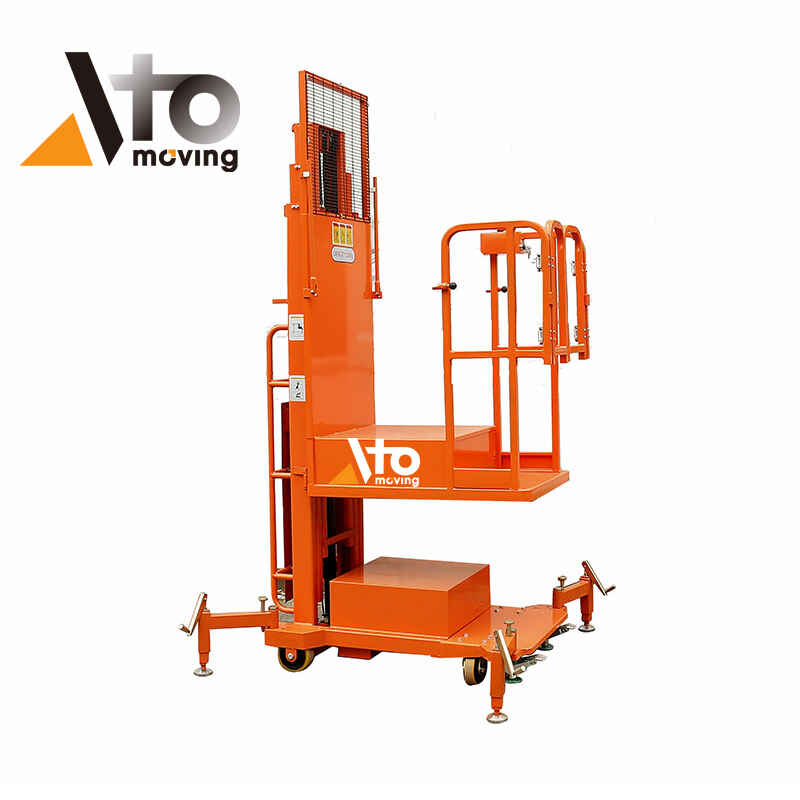
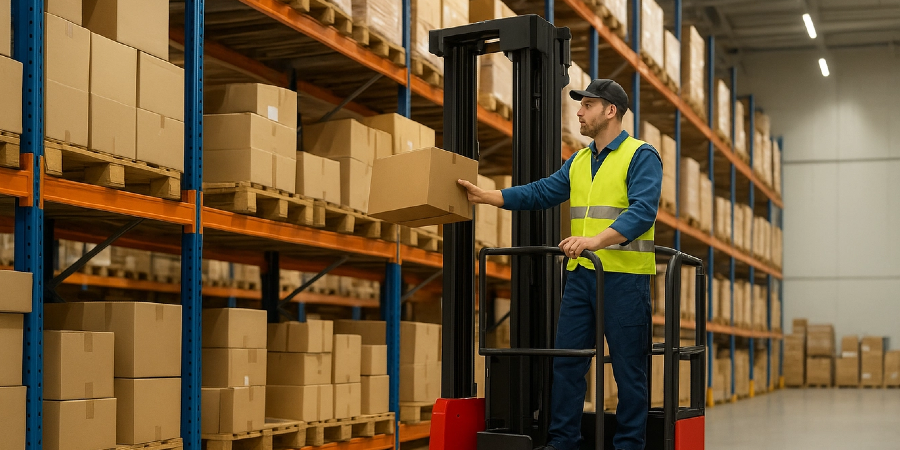
เทคโนโลยีการหยิบสินค้าได้เปลี่ยนจากระบบสแกน RF แบบดั้งเดิมไปสู่ระบบที่ขับเคลื่อนด้วยข้อมูล ระบบหุ่นยนต์ และระบบส่งสินค้าถึงมือผู้รับ ซึ่งช่วยลดข้อผิดพลาด เวลาในการเดินทาง และต้นทุนแรงงาน คู่มือนี้จะอธิบายว่าโซลูชันสมัยใหม่ส่งผลต่อความแม่นยำ ประสิทธิภาพ ความปลอดภัย และผลตอบแทนจากการลงทุนในระยะยาวอย่างไร เพื่อให้คุณสามารถออกแบบการดำเนินงานหยิบสินค้าที่พร้อมสำหรับอนาคตได้
วิวัฒนาการจากการสแกนด้วยคลื่นวิทยุสู่การเก็บข้อมูลอัจฉริยะ
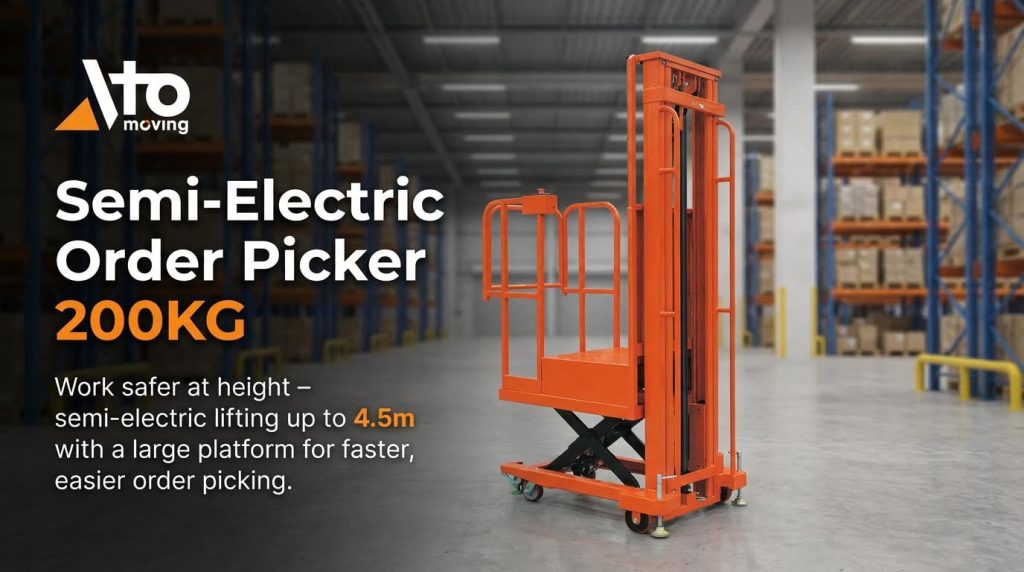
วิวัฒนาการของเทคโนโลยีการหยิบสินค้าได้เปลี่ยนจากการสแกนบาร์โค้ด RF แบบธรรมดาไปสู่การเก็บข้อมูลอัจฉริยะที่เชื่อมโยงคน ผลิตภัณฑ์ และระบบต่างๆ เข้าด้วยกันแบบเรียลไทม์ เป้าหมายคือความแม่นยำที่สูงขึ้น การหยิบสินค้าที่รวดเร็วขึ้น และการดำเนินงานที่ปลอดภัยและต้นทุนต่ำลง
ในส่วนนี้ เราจะกล่าวถึง RF, ระบบสั่งงานด้วยเสียง, ระบบเลือกสินค้าด้วยแสง และ RFID จากนั้นจะแสดงให้เห็นว่าเทคโนโลยีเหล่านี้เชื่อมโยงกับ WMS และ IoT อย่างไร เพื่อการหยิบสินค้าที่พร้อมสำหรับอนาคต
พื้นฐานการสแกนด้วยคลื่นวิทยุ การสั่งงานด้วยเสียง และการแตะเพื่อเปิดใช้งาน
การสแกนด้วยคลื่นวิทยุ (RF), การสั่งงานด้วยเสียง และระบบไฟส่องเลือกสินค้า เป็นเทคโนโลยีพื้นฐานสำหรับการหยิบสินค้าที่ช่วยแนะนำพนักงานหยิบสินค้า ยืนยันการกระทำแต่ละครั้ง และลดเวลาในการเดินและค้นหาสินค้า
แต่ละวิธีจะเปลี่ยนแปลงวิธีการไหลเวียนของข้อมูลระหว่างระบบจัดการคลังสินค้า (WMS) และผู้ปฏิบัติงาน ซึ่งส่งผลโดยตรงต่อเวลาในการเดินทาง อัตราข้อผิดพลาด และความต้องการในการฝึกอบรม
- การสแกนบาร์โค้ดด้วยคลื่นวิทยุ: อุปกรณ์พกพาพร้อมเครื่องสแกน 1 มิติ/2 มิติ – ตรวจสอบตำแหน่งและรายการสินค้าทุกครั้งที่หยิบ เพื่อลดความผิดพลาดในการหยิบสินค้า
- การดีดกีตาร์ด้วยเสียง: ชุดหูฟังและไมโครโฟนใช้สำหรับให้คำแนะนำด้วยเสียง – ช่วยให้มือและสายตาว่าง ปรับปรุงหลักสรีรศาสตร์และความปลอดภัยในทางเดินที่แออัด
- เลือกเพื่อจุดไฟ: ไฟและจอแสดงผลบนแผงชั้นวาง – แสดงรหัสสินค้า (SKU) และจำนวนสินค้าอย่างแม่นยำ เหมาะสำหรับสินค้าขนาดเล็กที่มีการหมุนเวียนสูง
- อุปกรณ์รับสัญญาณ RF บนรถบรรทุก: อุปกรณ์ที่ติดตั้งบน รถบรรทุกพาเลท หรือพนักงานคัดแยกสินค้า – เหมาะสำหรับการหยิบสินค้าเป็นกล่องหรือพาเลทในระยะทางไกล
- เวิร์กโฟลว์แบบไฮบริด: คลื่นวิทยุ (RF) บวกเสียงหรือแสง – ช่วยให้สามารถปรับแต่งวิธีการให้เหมาะสมกับความเร็วของ SKU มูลค่า และความไวต่อข้อผิดพลาดได้
ควรใช้ RF, เสียง หรือไฟส่องเลือกเมื่อใด
ใช้ RF ในกรณีที่ต้องการการกำหนดเส้นทางที่ยืดหยุ่นและข้อมูลบนหน้าจอที่ครบถ้วน ใช้ระบบสั่งงานด้วยเสียงในบริเวณที่มีอุณหภูมิต่ำหรือแสงน้อยซึ่งหน้าจออาจเกิดฝ้าหรือแสงสะท้อน ใช้ระบบเลือกสินค้าด้วยแสง (pick-to-light) ในบริเวณที่มีกล่องสินค้าหรือชั้นวางสินค้าหนาแน่นและมีสินค้าหมุนเวียนเร็ว ซึ่งทุกวินาทีและความผิดพลาดในการหยิบสินค้าแต่ละครั้งมีความสำคัญ
💡 หมายเหตุจากวิศวกรภาคสนาม:ในทางเดินแคบๆ ขนาด 2.5–3.0 เมตร อุปกรณ์ส่งเสียงหรืออุปกรณ์ RF ขนาดกะทัดรัดจะช่วยลด “การชนกันของอุปกรณ์” กับชั้นวาง อุปกรณ์สแกนแบบปืนขนาดใหญ่มักจะถูกกระแทก ทำให้เกิดการวางตำแหน่งผิดพลาดและต้องเสียค่าซ่อมแซมราคาแพง
ความแม่นยำและการมองเห็นแบบเรียลไทม์ที่ใช้เทคโนโลยี RFID
เทคโนโลยี RFID เปลี่ยนเทคโนโลยีการหยิบสินค้าจากขั้นตอนการตรวจสอบทีละจุดไปเป็นการมองเห็นสินค้า สถานที่ และทรัพย์สินทั่วทั้งคลังสินค้าแบบเรียลไทม์อย่างต่อเนื่อง
แทนที่จะสแกนบาร์โค้ดทุกอัน เครื่องอ่านจะตรวจจับสินค้าที่มีแท็กโดยอัตโนมัติ ซึ่งจะเปลี่ยนหลักการทางฟิสิกส์ที่ส่งผลต่อระยะเวลาในการนับ หยิบ และตรวจสอบสินค้า
- การระบุตัวตนขาเข้าแบบเรียลไทม์: เครื่องอ่านแบบติดตั้งถาวรที่ท่ารับสินค้าจะระบุสินค้าที่ติดแท็กและอัปเดตสินค้าคงคลังได้ทันที – ช่วยลดการสแกนบาร์โค้ดด้วยตนเองและลดข้อผิดพลาดในการรับสินค้า การรับสัญญาณ RFID แบบเรียลไทม์
- คำแนะนำการจัดเก็บอย่างชาญฉลาด: ระบบ RFID ร่วมกับข้อมูลการจัดวาง ช่วยระบุตำแหน่งว่างและเสนอช่องสำหรับจัดเก็บสินค้า – ช่วยลดเวลาในการค้นหาและเพิ่มความหนาแน่นในการจัดเก็บในชั้นวางสินค้าแบบมิลลิเมตร การเพิ่มประสิทธิภาพการจัดเก็บข้อมูล RFID
- ยืนยันการเลือกสินค้า: เครื่องอ่าน RFID แบบพกพาหรือแบบติดตั้งบนยานพาหนะจะตรวจสอบว่าสินค้าที่หยิบมาตรงกับรายการสั่งซื้อหรือไม่ ช่วยลดการหยิบสินค้าผิดพลาดโดยไม่จำเป็นต้องมองเห็นบาร์โค้ดโดยตรง ความแม่นยำในการหยิบสินค้าด้วยระบบ RFID
- การนับสินค้าคงคลังอย่างรวดเร็ว: พนักงานเดินตรวจตราตามทางเดิน ขณะที่เครื่องอ่านแท็กจับภาพแท็กหลายร้อยรายการพร้อมกัน – การตรวจสอบที่เคยใช้เวลาสามวันสามารถเสร็จสิ้นได้ภายในไม่กี่ชั่วโมง ช่วยลดช่วงเวลาที่ระบบหยุดทำงานลง การนับสินค้าคงคลังด้วยระบบ RFID
- การตรวจสอบประตูขนส่งสินค้า: ระบบ RFID ที่ท่าเทียบเรือขาออกจะตรวจสอบปริมาณและรหัสสินค้า (SKU) โดยอัตโนมัติ – ตรวจจับข้อผิดพลาดในการบรรทุกก่อนที่รถบรรทุกจะออกเดินทาง ช่วยหลีกเลี่ยงการส่งคืนสินค้าที่เสียค่าใช้จ่ายสูง การตรวจสอบการจัดส่งด้วย RFID
- การติดตามทรัพย์สิน: ป้ายกำกับบนพาเลท รถยก เครื่องมือ และตู้คอนเทนเนอร์ – ช่วยเพิ่มประสิทธิภาพการใช้งานและลดการสูญเสียอุปกรณ์ขนถ่ายสินค้าที่มีมูลค่าสูง การติดตามทรัพย์สินด้วยเทคโนโลยี RFID
- การเพิ่มประสิทธิภาพเส้นทาง: การระบุตำแหน่งของสินค้าและพนักงานแบบเรียลไทม์จะป้อนข้อมูลให้กับอัลกอริทึมที่ช่วยลดระยะทางการเดิน – มีประสิทธิภาพเป็นพิเศษในสถานที่ขนาดใหญ่ที่มีพื้นที่มากกว่า 20,000 ตารางเมตร การเพิ่มประสิทธิภาพเส้นทาง RFID
- ความอ่อนไหวต่อสิ่งแวดล้อม: อุณหภูมิ ความชื้น และรูปทรงของชั้นวางหนังสือ มีผลต่อประสิทธิภาพการอ่าน – จำเป็นต้องมีการปรับเทียบและบำรุงรักษาอย่างสม่ำเสมอเพื่อรักษาความแม่นยำให้คงที่ ความต้องการในการสอบเทียบ RFID
| ฟังก์ชัน | วิธีการแบบดั้งเดิม | ด้วย RFID | ผลกระทบในการดำเนินงาน |
|---|---|---|---|
| การรับ | สแกนบาร์โค้ดด้วยตนเองทีละพาเลท/กล่อง | การระบุตัวตนอัตโนมัติผ่านเครื่องอ่านแท่นวาง | ประสิทธิภาพการขนถ่ายสินค้าที่ท่าเทียบเรือสูงขึ้น และข้อผิดพลาดในการรับสินค้าลดลง |
| นับรอบ | การสแกนทีละชิ้นหรือทีละช่อง | การนับจำนวนผู้เดินผ่านสามารถบันทึกแท็กได้หลายร้อยรายการ | ตรวจสอบเสร็จภายในไม่กี่ชั่วโมง แทนที่จะเป็นหลายวัน ลดเวลาปิดระบบ |
| เช็คเลือกสินค้า | สแกนบาร์โค้ดทีละบรรทัด | เครื่องอ่านตรวจสอบความถูกต้องของรายการที่ติดแท็กในโซน | ยืนยันเร็วขึ้น เลือกผิดน้อยลง |
| การตรวจสอบการจัดส่ง | การตรวจสอบการโหลดด้วยตนเอง | ระบบตรวจสอบจะยืนยันรายการที่มีแท็กทั้งหมดเมื่อออกจากระบบ | ป้องกันการส่งของผิดพลาดก่อนที่รถบรรทุกจะออกเดินทาง |
💡 หมายเหตุจากวิศวกรภาคสนาม:ในห้องเย็นที่มีอุณหภูมิต่ำกว่า 0°C ไอน้ำและการใช้ชั้นวางโลหะอาจทำให้เสาอากาศ RFID บางตัวทำงานได้ไม่เต็มประสิทธิภาพ ควรวางแผนพื้นที่ทดสอบและจัดสรรงบประมาณสำหรับเครื่องอ่านเพิ่มเติมหรือวัสดุป้องกันแทนที่จะคิดว่าระยะการอ่านตามที่ระบุไว้ในเอกสารจะคงที่เสมอไป
การผสานรวม RF และ RFID เข้ากับ WMS และ IoT
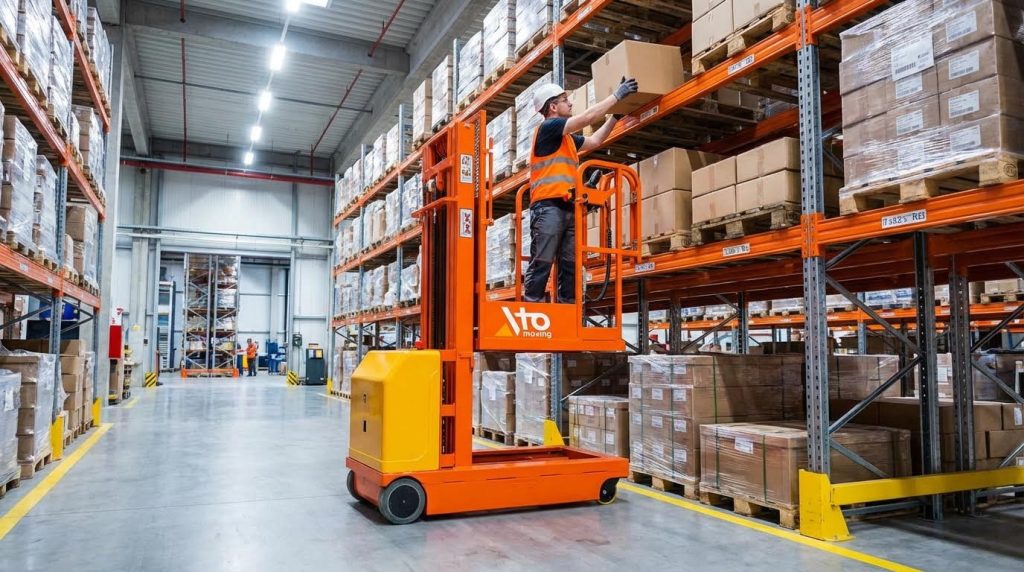
การผสานรวมเทคโนโลยี RF และ RFID เข้ากับ WMS และ IoT จะเปลี่ยนอุปกรณ์แต่ละชิ้นให้กลายเป็นชุดเทคโนโลยีการหยิบสินค้าที่ประสานงานกัน ซึ่งรองรับการตัดสินใจแบบเรียลไทม์ การตรวจสอบย้อนกลับ และระบบอัตโนมัติ
คุณค่าที่แท้จริงไม่ได้มาจากตัวแท็กหรือเครื่องสแกนเองมากนัก แต่มาจากวิธีการที่ข้อมูลจากแท็กหรือเครื่องสแกนเหล่านั้นไหลเวียนไปยังขั้นตอนการวางแผน การดำเนินการ และการวิเคราะห์
- การผสานรวมระบบ WMS: เหตุการณ์ RF และ RFID จะอัปเดตข้อมูลสินค้าคงคลัง งาน และข้อยกเว้นแบบเรียลไทม์ – ช่วยให้ผู้หยิบสินค้าเห็นสินค้าคงคลังและตำแหน่งจัดเก็บสินค้าปัจจุบันอยู่เสมอ
- การเชื่อมต่อไอโอที: เครื่องอ่าน เซ็นเซอร์ และรถยก ส่งข้อมูลไปยังแพลตฟอร์มคลาวด์ – ช่วยให้สามารถปรับเส้นทางได้อย่างมีประสิทธิภาพและจัดการปัญหาการจราจรติดขัดได้
- การติดตามบล็อคเชน: เหตุการณ์ RFID สามารถบันทึกลงในบล็อกเชนได้ – ช่วยเพิ่มประสิทธิภาพในการป้องกันการปลอมแปลงและประวัติผลิตภัณฑ์แบบครบวงจร RFID, IoT และบล็อกเชน
- การควบคุมอุปกรณ์อัตโนมัติ: การอ่านแท็กแบบเรียลไทม์สามารถสั่งการให้สายพานลำเลียง เครื่องคัดแยก หรือหุ่นยนต์เคลื่อนที่อัตโนมัติ (AMR) ทำงานได้ – ผสานการทำงานระหว่างการหยิบสินค้าโดยมนุษย์และหุ่นยนต์เข้ากับโครงสร้างพื้นฐานข้อมูลเดียวกัน
- การจัดการข้อยกเว้น: การอ่านข้อมูลผิดพลาด ความล้มเหลวในการติดแท็ก หรือความขัดแย้งด้านตำแหน่งที่ตั้ง จะทำให้ระบบ WMS แจ้งเตือน – ผู้ควบคุมดูแลจะลงมือแก้ไขก่อนที่ความผิดพลาดจะส่งผลกระทบต่อลูกค้า
- มุมมองด้านต้นทุนและผลตอบแทนจากการลงทุน: แท็ก ตัวอ่าน มิดเดิลแวร์ และการบูรณาการ ล้วนเพิ่มต้นทุนเริ่มต้น – ผลตอบแทนมาจากการลดต้นทุนแรงงาน ลดข้อผิดพลาด และใช้พื้นที่ได้อย่างมีประสิทธิภาพมากขึ้น ต้นทุนการนำเทคโนโลยี RFID มาใช้
คำถามสำคัญเกี่ยวกับการบูรณาการที่คุณควรสอบถามทีมวิศวกรรมของคุณ
เหตุการณ์ RF และ RFID จะเชื่อมโยงกับธุรกรรม WMS อย่างไร? ความล่าช้าที่ยอมรับได้ระหว่างการอ่านและการอัปเดตสินค้าคงคลังคือเท่าใด (วินาทีหรือนาที)? โซนใดบ้างที่จำเป็นต้องใช้ RFID และที่ใดที่การสแกน RF เพียงพอ? คุณจะทดสอบความแม่นยำในการอ่านรอบๆ ชั้นวางโลหะและประตูท่าเทียบสินค้าก่อนการใช้งานจริงได้อย่างไร?
💡 หมายเหตุจากวิศวกรภาคสนาม:จงมอง RF และ RFID เป็นโครงสร้างพื้นฐาน เช่นเดียวกับไฟฟ้าหรือ Wi-Fi หากคุณกำหนดสเปคความครอบคลุมของเครือข่ายหรือความหนาแน่นของเครื่องอ่านต่ำเกินไปเพื่อประหยัดเงินเพียงไม่กี่พันยูโร คุณมักจะสูญเสียมากกว่านั้นในภายหลังจากการเลือกสินค้าผิดพลาด สินค้าที่ไม่มีอยู่จริง และการเรียกช่างมาตรวจสอบ
ระบบขนส่งสินค้าแบบ Goods-to-Person และการหยิบสินค้าด้วยหุ่นยนต์
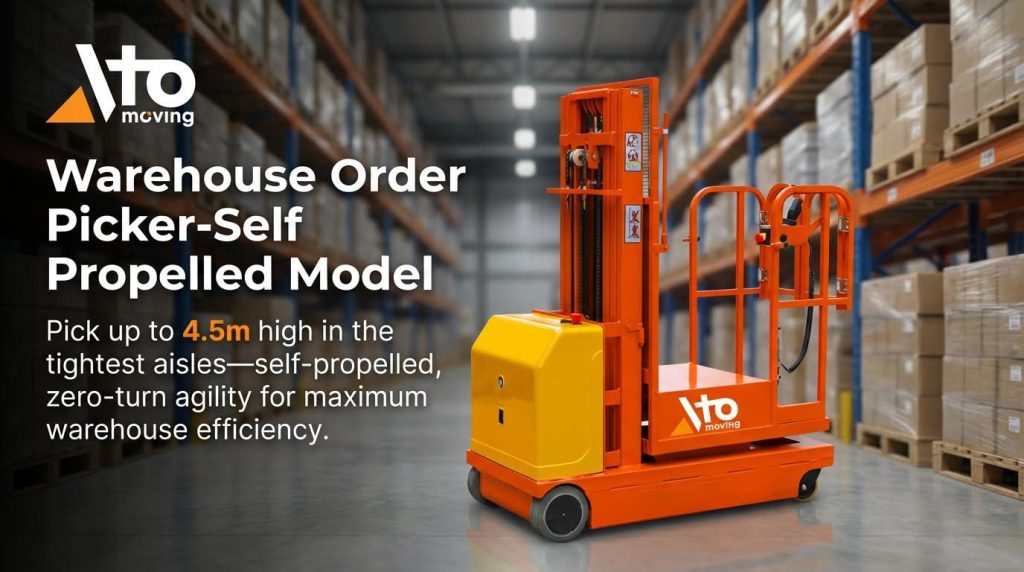
ระบบขนส่งสินค้าแบบ Goods-to-Person และหุ่นยนต์ช่วยหยิบสินค้า ช่วยลดบทบาทของคนในทางเดิน และนำระบบอัตโนมัติมาเป็นหัวใจสำคัญของเทคโนโลยีการหยิบสินค้า ส่งผลให้ประสิทธิภาพ ความแม่นยำ และความปลอดภัยเพิ่มขึ้น พร้อมทั้งลดเวลาในการเดินทางและพื้นที่ในการทำงาน
ในส่วนนี้ เราจะเชื่อมโยงประเภทระบบ G2P แพลตฟอร์มหุ่นยนต์ และวิธีการนำทาง เข้ากับตัวชี้วัดทางวิศวกรรมที่สำคัญ เช่น จำนวนการหยิบต่อชั่วโมง เวลาการทำงาน และภาระงานบำรุงรักษา เพื่อให้คุณสามารถระบุระดับการทำงานอัตโนมัติที่เหมาะสมสำหรับโรงงานของคุณได้
ประเภทของระบบ G2P และเกณฑ์มาตรฐานปริมาณงาน
ระบบ Goods-to-person (G2P) นำกล่อง ถาด หรือพาเลทมายังสถานีหยิบสินค้าที่กำหนดไว้ ซึ่งช่วยเพิ่มอัตราการหยิบสินค้าได้อย่างมาก และลดเวลาเดินที่เสียเปล่าในเทคโนโลยีการหยิบสินค้า
การออกแบบ G2P ที่แตกต่างกัน (รถรับส่ง, ระบบหมุนเวียน, ระบบ AMR, AS/RS ขนาดเล็ก) ล้วนมีเป้าหมายเดียวกันคือ การรักษาผู้ปฏิบัติงานให้อยู่ในโซนการทำงานที่เหมาะสมตามหลักสรีรศาสตร์ ในขณะที่ระบบอัตโนมัติจัดการการขนส่งในแนวนอนและแนวตั้ง
| วิธีการหยิบ | อัตราการหยิบสินค้าโดยทั่วไป (จำนวนบรรทัด/ชั่วโมง) | อัตราความถูกต้อง | ผลกระทบต่อผลิตภาพแรงงาน | ผลกระทบในการดำเนินงาน |
|---|---|---|---|---|
| เดินและหยิบด้วยมือ | 50 100- | ≈95–98% รายงานสำหรับระบบแบบแมนนวล | baseline | ระยะทางเดินไกลจำกัดปริมาณงานในคลังสินค้าขนาดใหญ่ |
| สถานี G2P มาตรฐาน | 200-400 + | ถึง% 99.9 พร้อมระบบนำทางอัตโนมัติ | รับออเดอร์เพิ่มขึ้น 2-3 เท่าต่อชั่วโมงการทำงาน | รองรับคำมั่นสัญญาการจัดส่งที่รวดเร็วและปริมาณการสั่งซื้อสูงสุด |
| เซลล์หยิบถังอัตโนมัติ | 400-800 + | อัตราความผิดพลาด <0.5% สำหรับระบบขั้นสูง | ทดแทนพนักงานคัดแยกด้วยมือ 2-4 คนต่อช่อง | เหมาะสำหรับชุดสินค้าที่มีปริมาณมากและมีความคงที่ |
โซลูชัน G2P ที่ออกแบบมาอย่างดีมักช่วยลดเวลาการเดินลงได้ 40–70% ซึ่งหมายถึงประสิทธิภาพการทำงานที่เพิ่มขึ้น 200–300% เนื่องจากผู้ปฏิบัติงานสามารถมุ่งเน้นไปที่การหยิบสินค้าแทนการเดินทางกรณีศึกษาที่บันทึกไว้แสดงให้เห็นว่าสามารถประมวลผลคำสั่งซื้อได้มากขึ้น 2–3 เท่าต่อชั่วโมงหลังจากติดตั้ง G2P แล้ว
- การจัดเก็บแนวตั้งความหนาแน่นสูง: ระบบ G2P และ AS/RS ใช้ประโยชน์จากความสูง ซึ่งมักช่วยลดพื้นที่ที่ต้องการลงได้ 20–40% ช่วยให้มีพื้นที่ว่างสำหรับกิจกรรมที่สร้างมูลค่าเพิ่ม หรือชะลอการขยายอาคาร
- สถานีหยิบสินค้าที่ออกแบบตามหลักสรีรศาสตร์: กระเป๋าโท้ทมีความสูงระดับเอวถึงไหล่ – ช่วยลดการก้มและการเอื้อม ทำให้ลดความเหนื่อยล้าและลดความเสี่ยงต่อการบาดเจ็บ
- งานที่มีมาตรฐาน: แต่ละสถานีจะดำเนินการตามลำดับที่ทำซ้ำได้ – ช่วยลดความซับซ้อนในการฝึกอบรมและทำให้เวลาการผลิตคงที่
G2P รองรับโปรไฟล์คลังสินค้าแบบต่างๆ ได้อย่างไร
สำหรับอีคอมเมิร์ซที่มีสินค้าหลากหลาย (SKU) จำนวนมาก ระบบขนส่งสินค้าแบบ G2P ที่ใช้ Shuttle หรือ AMR สามารถจัดการสินค้าจำนวนน้อยหลายรายการต่อคำสั่งซื้อได้ ส่วนสำหรับธุรกิจแบบ B2B หรือชิ้นส่วนอะไหล่ เครนยกของขนาดเล็กหรือโมดูลยกแนวตั้งเหมาะสำหรับสินค้าที่มีน้ำหนักมากและขนส่งช้ากว่า โดยต้องการพื้นที่จัดเก็บที่มีความหนาแน่นสูง การผสมผสานที่เหมาะสมขึ้นอยู่กับจำนวนรายการต่อคำสั่งซื้อ จำนวน SKU และความต้องการในช่วงเวลาที่มีความต้องการสูงสุด
💡 หมายเหตุจากวิศวกรภาคสนาม:เมื่อคุณจำลองปริมาณงาน G2P ให้ลดอัตราการหยิบสินค้าจากแคตตาล็อกลง 10–20% เสมอ เพื่อรองรับผลกระทบในโลกแห่งความเป็นจริง เช่น ความเสียหายของกล่อง ข้อผิดพลาดในการจัดวาง SKU และการหยุดชะงักเล็กน้อยของผู้ปฏิบัติงาน วิธีนี้จะทำให้กำลังการผลิตที่ออกแบบไว้มีความสมจริง แทนที่จะมองโลกในแง่ดีเกินไป
หุ่นยนต์, ยานพาหนะเคลื่อนที่อัตโนมัติ (AMR), ยานพาหนะอัตโนมัติที่ควบคุมด้วยระบบอัตโนมัติ (AGV) และระบบนำทาง SLAM
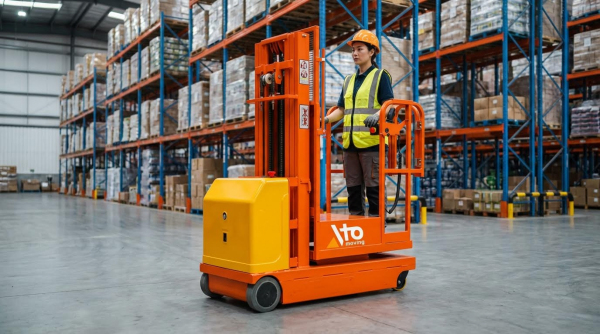
ระบบหุ่นยนต์ ยานพาหนะเคลื่อนที่อัตโนมัติ (AMR) และยานพาหนะนำทางอัตโนมัติ (AGV) เพิ่มความยืดหยุ่นในการเคลื่อนไหวที่กำหนดโดยซอฟต์แวร์ให้กับเทคโนโลยีการหยิบสินค้า โดยใช้เซ็นเซอร์และระบบนำทาง SLAM เพื่อเคลื่อนย้ายสินค้าอย่างปลอดภัยโดยไม่ต้องใช้สายพานลำเลียงหรือรางแบบตายตัว
แพลตฟอร์มเหล่านี้จะนำชั้นวาง/ลังสินค้าไปให้ผู้คน (ระบบหุ่นยนต์ G2P) หรือทำการหยิบสินค้าด้วยหุ่นยนต์อย่างเต็มรูปแบบโดยใช้แขนและระบบวิชั่น โดยมีซอฟต์แวร์ควบคุมการเคลื่อนที่เพื่อเพิ่มประสิทธิภาพในทุกเมตรของการเดินทาง
| ประเภทหุ่นยนต์ | การนำทาง / คำแนะนำ | บทบาทหลักในการคัดเลือก | ชี้วัดที่สำคัญ | ดีที่สุดสำหรับ… |
|---|---|---|---|---|
| เอจีวี | เส้นทางที่กำหนดไว้ (เทป, แผ่นสะท้อนแสง) | เคลื่อนย้ายพาเลท/ชั้นวางสินค้าตามเส้นทางที่กำหนดไว้ล่วงหน้า | มีความแม่นยำสูง แต่มีความยืดหยุ่นในการกำหนดเส้นทางจำกัด | กระบวนการทำงานที่เรียบง่ายและคงที่ (เช่น การขนย้ายพาเลทระหว่างโซน) |
| AMR | เซ็นเซอร์ในตัว + SLAM | การขนส่งรถเข็น/ตะกร้าแบบไดนามิกและ G2P | ลดระยะทางการเดินทางลง 30-40% ด้วยระบบกำหนดเส้นทาง AI ในระบบการจัดการยานพาหนะ | พื้นที่รกร้างที่มีรูปแบบเปลี่ยนแปลงและมีปริมาณการใช้งานสูงสุดตามฤดูกาล |
| รถบรรทุกหยิบสินค้าอัตโนมัติ | SLAM ที่ใช้เลเซอร์ | ระบบอัตโนมัติสำหรับการหยิบสินค้าในระดับต่ำหรือระดับที่ต้องมีคนควบคุม | ความแม่นยำในการกำหนดตำแหน่ง ≈±10 มม. เทียบกับนิ้วสำหรับมนุษย์ | ชั้นวางสินค้าแบบช่องสูงหรือช่องแคบ ซึ่งความแม่นยำสูงเป็นสิ่งสำคัญ |
| เซลล์หยิบจับแขนหุ่นยนต์ | เซลล์คงที่; ควบคุมด้วยภาพ | การหยิบชิ้นส่วนจากตะกร้าหรือถัง | สามารถหยิบสินค้าได้ 400-800 ชิ้นขึ้นไปต่อชั่วโมง ด้วยอัตราความผิดพลาดต่ำกว่า 0.5% ในระบบมาตรฐาน | สินค้าที่มีปริมาณการผลิตสูง ซ้ำซาก และมีบรรจุภัณฑ์ที่คงที่ |
- ระบบนำทาง SLAM: หุ่นยนต์สร้างแผนที่แบบเรียลไทม์จากข้อมูลเลเซอร์หรือกล้อง – ช่วยหลีกเลี่ยงการใช้แผ่นสะท้อนแสงราคาแพง และช่วยให้สามารถปรับเปลี่ยนรูปแบบการจัดวางได้อย่างค่อยเป็นค่อยไป
- การจัดการยานพาหนะด้วย AI: อัลกอริทึมจะจัดสรรภารกิจและปรับสมดุลคิว – ช่วยลดการเดินทางโดยไม่มีสินค้าลง 30-40% และช่วยลดภาระสูงสุดในช่วงเวลาที่มีปริมาณรถหนาแน่น
- การหลบหลีกสิ่งกีดขวาง: ระบบตรวจจับหลายโซนช่วยชะลอ เปลี่ยนเส้นทาง หรือหยุดหุ่นยนต์ – ช่วยลดความเสี่ยงจากการชนกับคนและอุปกรณ์
ระบบหยิบสินค้าอัตโนมัติสามารถทำงานได้ 20-22 ชั่วโมงต่อวัน ซึ่งมากกว่าเวลาทำงานที่มีประสิทธิภาพจริง ๆ เพียง 6-7 ชั่วโมงที่พนักงานปฏิบัติงานทั่วไปทำได้ในแต่ละกะ และยังคงรักษาความแม่นยำในการวางตำแหน่งระดับมิลลิเมตรได้ จากการใช้งานจริงที่ได้รับการบันทึกไว้ยังแสดงให้เห็นว่าอุบัติเหตุจากการจัดการวัสดุลดลง 70-90% เมื่อระบบอัตโนมัติเข้ามารับช่วงการทำงานที่ต้องเคลื่อนที่ซ้ำ ๆ
ภาพรวมต้นทุนและผลตอบแทนจากการลงทุน (ROI) สำหรับการหยิบสินค้าด้วยหุ่นยนต์
การติดตั้งหุ่นยนต์หยิบสินค้าในคลังสินค้ามักมีค่าใช้จ่ายตั้งแต่หลักแสนไปจนถึงหลายล้านดอลลาร์สหรัฐ ขึ้นอยู่กับจำนวนหุ่นยนต์และขอบเขตการบูรณาการ การดำเนินงานที่มีปริมาณมากมักจะคืนทุนภายใน 18-36 เดือน ในขณะที่ไซต์ขายตรงถึงผู้บริโภคมักจะคุ้มทุนภายใน 2-4 ปี เนื่องจากการประหยัดแรงงานและการลดข้อผิดพลาดการวิเคราะห์ ROI อิสระเน้นย้ำถึงการรวมค่าบำรุงรักษาและค่าซอฟต์แวร์ไว้ในต้นทุนรวมในการเป็นเจ้าของ
💡 หมายเหตุจากวิศวกรภาคสนาม:สำหรับหุ่นยนต์เคลื่อนที่อัตโนมัติ (AMR) ที่ใช้ระบบ SLAM ควรหลีกเลี่ยงเสาตั้งตู้ที่มีการสะท้อนแสงสูงและพื้นผิวกระจกขนาดใหญ่ที่อยู่ใกล้เส้นทางหลัก เพราะจะสร้าง "เงา" ของเลเซอร์ที่ทำให้การระบุตำแหน่งสับสน การใช้แผ่นกันแสงหรือเสากั้นแบบเรียบง่ายมักช่วยให้การนำทางมีเสถียรภาพมากขึ้น
วิศวกรรมความปลอดภัย การใช้งานต่อเนื่อง และการบำรุงรักษา
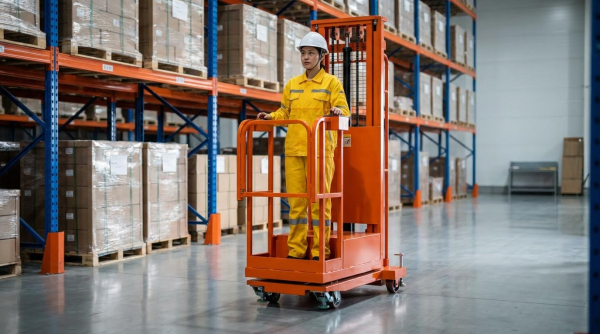
ความปลอดภัย เวลาในการใช้งาน และความสามารถในการบำรุงรักษา เป็นปัจจัยกำหนดว่าเทคโนโลยีการหยิบสินค้าขั้นสูงจะให้ผลตอบแทนจากการลงทุนตามที่สัญญาไว้ได้จริงหรือไม่ในช่วงอายุการใช้งาน 5-10 ปี ดังนั้นจึงต้องออกแบบปัจจัยเหล่านี้ตั้งแต่ขั้นตอนแนวคิด
ระบบหยิบสินค้าอัตโนมัติและระบบ G2P ที่ทันสมัย ผสานรวมความน่าเชื่อถือทางกลไก ความยืดหยุ่นของซอฟต์แวร์ และการตรวจจับความปลอดภัยหลายชั้น เพื่อรองรับการทำงานตลอด 24 ชั่วโมง 7 วันต่อสัปดาห์ พร้อมช่วงเวลาหยุดทำงานที่คาดการณ์ได้
| Dimension | คู่มือการใช้งาน | ระบบอัตโนมัติ / หุ่นยนต์ | การนำความรู้ด้านวิศวกรรมไปใช้ |
|---|---|---|---|
| เหตุการณ์ด้านความปลอดภัย | อัตราการเกิดอุบัติเหตุที่สูงขึ้นจากความเหนื่อยล้า สมาธิสั้น และการจัดวางท่าทางที่ไม่เหมาะสม | ลดอัตราการเกิดอุบัติเหตุได้ 70-90% หลังจากการนำระบบอัตโนมัติมาใช้ ในโครงการที่มีเอกสารประกอบ | ระบบตรวจจับและควบคุมความเร็วแบบแบ่งโซนช่วยลดข้อผิดพลาดจากมนุษย์ |
| ระยะเวลาใช้งานต่อวัน | ผู้ปฏิบัติงานแต่ละคนสามารถทำงานได้อย่างมีประสิทธิภาพประมาณ 6-7 ชั่วโมง | ใช้งาน 20-22 ชั่วโมงต่อวัน โดยมีช่วงพักชาร์จตามแผน สำหรับระบบอัตโนมัติ | รองรับการทำงานกะกลางคืนและช่วงเวลาที่มีปริมาณงานสูงโดยไม่ต้องเพิ่มจำนวนพนักงาน |
| แบบจำลองการบำรุงรักษา | เป็นการตอบสนองตามสถานการณ์ ขึ้นอยู่กับรายงานของผู้ปฏิบัติงาน | การตรวจสอบเชิงป้องกันรายไตรมาสถึงรายปีสำหรับระบบจัดเก็บและเรียกคืนสินค้าอัตโนมัติ (AS/RS) และหุ่นยนต์ รวมถึงการอัปเดตซอฟต์แวร์อย่างต่อเนื่อง | จัดสรรงบประมาณสำหรับทั้งบริการซ่อมบำรุงทางกลและวงจรชีวิตของซอฟต์แวร์ |
- เขตปลอดภัยแบบหลายชั้น: เซ็นเซอร์ระยะไกลจะทำให้หุ่นยนต์เคลื่อนที่ช้าลง เซ็นเซอร์ระยะกลางจะลดความเร็ว และเซ็นเซอร์ระยะใกล้จะสั่งการให้หยุดฉุกเฉิน ช่วยปกป้องคนเดินเท้าโดยไม่ลดประสิทธิภาพการสัญจร
- กลยุทธ์ด้านอะไหล่: จัดเก็บชิ้นส่วนสำคัญ (เซ็นเซอร์ สายพาน ล้อ แบตเตอรี่) ไว้ในสถานที่ปฏิบัติงาน – ป้องกันการหยุดชะงักหลายวันในขณะที่รอการจัดส่งสินค้า
- ตัวชี้วัดประสิทธิภาพ (KPIs): จำนวนการหยิบสินค้าต่อชั่วโมงการทำงาน จำนวนการสั่งซื้อต่อชั่วโมงของแต่ละสถานี และจำนวนถาดต่อชั่วโมง – ให้สัญญาณเตือนล่วงหน้าเมื่อปัญหาทางกลไกหรือซอฟต์แวร์เริ่มบั่นทอนประสิทธิภาพการทำงาน
รูปแบบการบำรุงรักษาทั่วไปสำหรับ G2P และหุ่นยนต์
เครนและรถขนส่ง AS/RS มักต้องการการบำรุงรักษาทางกลไกทุกไตรมาสหรือครึ่งปี โดยเน้นที่ระบบขับเคลื่อน ราง และการตรวจสอบความปลอดภัย ในขณะที่หุ่นยนต์เคลื่อนที่อัตโนมัติ (AMR) ต้องการการบำรุงรักษาทางกลไกน้อยกว่า แต่ขึ้นอยู่กับสภาพของแบตเตอรี่และการอัปเดตซอฟต์แวร์บ่อยครั้ง วิศวกรได้รวมงานเหล่านี้ไว้ในการคำนวณต้นทุนรวมในการเป็นเจ้าของเพื่อหลีกเลี่ยงการประเมินค่าใช้จ่ายตลอดอายุการใช้งานต่ำเกินไปคำแนะนำจากอุตสาหกรรมแนะนำให้บันทึกทั้งเวลาหยุดทำงานตามกำหนดและนอกกำหนดเมื่อทำการสร้างแบบจำลองผลตอบแทนจากการลงทุน (ROI)
💡 หมายเหตุจากวิศวกรภาคสนาม:ในไซต์ G2P ที่มีปริมาณงานสูง คอขวดมักจะเปลี่ยนจากหุ่นยนต์ไปที่สถานีหยิบสินค้าของมนุษย์ ออกแบบให้มีกำลังการผลิตสำรองอย่างน้อย 10-15% ในสถานีและระบบบรรจุ เพื่อที่ว่าหากผู้ปฏิบัติงานคนใดคนหนึ่งขาดงานหรือรางลำเลียงติดขัด จะไม่ทำให้คุณต้องหยุดการทำงานของหุ่นยนต์ทั้งหมด
ตัวอย่างเช่นรถยกพาเลทแบบใช้มือสามารถช่วยเพิ่มประสิทธิภาพในการทำงานด้วยมือได้อย่างมาก นอกจากนี้ การใช้รถเข็นสำหรับถังยังช่วยเพิ่มความปลอดภัยและประสิทธิภาพในการขนย้ายวัสดุได้ อีกด้วย
การออกแบบและการเลือกโซลูชันการหยิบที่เหมาะสม
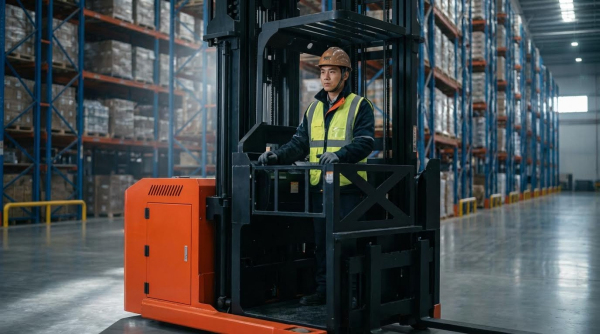
การออกแบบโซลูชันเทคโนโลยีการหยิบสินค้าที่เหมาะสม หมายถึงการจับคู่รูปแบบการจัดเก็บ ความหนาแน่นของพื้นที่จัดเก็บ และระดับการทำงานอัตโนมัติให้เข้ากับโปรไฟล์ SKU รูปแบบการสั่งซื้อ และความเป็นจริงด้านแรงงาน พร้อมทั้งพิสูจน์ต้นทุนรวมในการเป็นเจ้าของ ผลตอบแทนจากการลงทุน และความสามารถในการขยายขนาดในระยะยาว
เป้าหมายไม่ใช่ "ระบบอัตโนมัติสูงสุด" แต่เป็นการเลือกใช้วิศวกรรมที่เหมาะสมที่สุด: เส้นทางการเดินทางที่สั้นที่สุด จำนวนการหยิบสินค้าต่อชั่วโมงการทำงานสูงสุด และระบบที่ปลอดภัย บำรุงรักษาได้ และยังคงคุ้มค่าในเชิงการเงินในอีก 5-10 ปีข้างหน้า
การจัดวางพื้นที่ ความหนาแน่นในการจัดเก็บ และการสร้างแบบจำลองเวลาในการเดินทาง
การจัดวางพื้นที่ ความหนาแน่นในการจัดเก็บ และการจำลองเวลาในการเดินทาง จะกำหนดว่าผู้ปฏิบัติงานหรือหุ่นยนต์สามารถเคลื่อนที่ผ่านคลังสินค้าได้เร็วแค่ไหน และคุณจะได้รับประโยชน์สูงสุดจากพื้นที่ทุกตารางเมตรทั้งบนพื้นและแนวตั้ง
เทคโนโลยีการหยิบสินค้าที่ทันสมัยผสานการออกแบบผังคลังสินค้าเข้ากับข้อมูลจากระบบจัดการคลังสินค้า (WMS) และ RFID เพื่อลดระยะทางเดินรถเปล่า เพิ่มอัตราการหยิบสินค้า และรองรับขั้นตอนการทำงานอัตโนมัติในอนาคต
| ปัจจัยการออกแบบ | ตัวเลือก/ช่วงราคาทั่วไป | เมตริกหลัก | ผลกระทบในการดำเนินงาน |
|---|---|---|---|
| เลือกความยาวเส้นทางต่อคำสั่งซื้อ | 50–400 เมตร ขึ้นอยู่กับรูปแบบการจัดวางและการผลิตเป็นชุด | ระยะเวลาเดินทางต่อคำสั่งซื้อ | เส้นทางที่สั้นลงจะช่วยเพิ่มจำนวนการขุดต่อชั่วโมงและลดความเหนื่อยล้าโดยตรง |
| การใช้ประโยชน์จากความสูงในการจัดเก็บ | สูงสุด 10–15 เมตร ด้วยระบบไฮเบย์หรือระบบ G2P | เส้น/ตร.ม. | ความหนาแน่นที่สูงขึ้นช่วยลดพื้นที่และค่าเช่า แต่จำเป็นต้องมีการจัดวางพื้นที่และอุปกรณ์ที่ดีกว่า |
| เปรียบเทียบการแชร์การเดินทางแบบใช้คู่มือกับแบบ G2P | การเดินทางของพนักงานลดลง 40–70% ในระบบ G2P ตามมาตรฐาน G2P | จำนวนการหยิบต่อชั่วโมงการทำงาน | การลดการเดินทางเป็นปัจจัยสำคัญที่สุดที่ช่วยเพิ่มประสิทธิภาพการทำงาน |
| ความสามารถในการเลือกอัตราการเลือก | แบบแมนนวล: 50–100 ครั้ง/ชั่วโมง; G2P: 200–400 ครั้งขึ้นไป/ชั่วโมง รายงานในกรณีศึกษา | จำนวนครั้ง/ชั่วโมง ต่อสถานี | กำหนดจำนวนสถานีที่คุณต้องการเพื่อให้สอดคล้องกับปริมาณการสั่งซื้อและช่วงเวลาที่มีความต้องการสูงสุด |
| กลยุทธ์การรวมคำสั่งซื้อ | การหยิบสินค้าตามโซน การหยิบสินค้าเป็นชุด หรือการจัดการคำสั่งซื้อเดียว | จำนวนครั้งที่สัมผัสต่อคำสั่งซื้อ | การแบ่งโซนและการจัดกลุ่มที่ดีช่วยลดการเดิน แต่เพิ่มความซับซ้อนในการคัดแยก |
| การเพิ่มประสิทธิภาพการกำหนดเส้นทาง | เส้นทางคงที่เทียบกับเส้นทางไดนามิกโดยใช้ข้อมูลตำแหน่งแบบเรียลไทม์ จากระบบที่เปิดใช้งาน RFID | วินาทีต่อบรรทัด | การกำหนดเส้นทางแบบไดนามิกช่วยลดการย้อนกลับ โดยเฉพาะในคลังสินค้าขนาดใหญ่ |
ระบบระบุตำแหน่งและตรวจสอบสินค้าคงคลังแบบ RFID ช่วยให้วิศวกรจัดวางผังคลังสินค้าสามารถวางสินค้าที่ขายดีไว้ใกล้กับจุดหยิบและบรรจุ และสินค้าที่ขายช้าไว้ในตำแหน่งที่สูงขึ้นหรือลึกกว่าได้ โดยที่ระบบยังคงค้นหาสินค้าเหล่านั้นได้ทันที การระบุตำแหน่งแบบเรียลไทม์ยังช่วยให้สามารถปรับเส้นทางได้อย่างมีประสิทธิภาพมากขึ้น เพื่อให้พนักงานหยิบสินค้าหรือหุ่นยนต์ AMR เลือกเส้นทางที่สั้นที่สุดเมื่อความต้องการเปลี่ยนแปลงระหว่างกะการทำงาน ระบบจัดการคลังสินค้า (WMS) ที่ใช้ RFID สามารถปรับเส้นทางและยืนยันรายการสินค้าที่ถูกต้องระหว่างการหยิบสินค้าซึ่งช่วยให้คุณออกแบบโซนที่มีความหนาแน่นมากขึ้นโดยไม่ต้องสร้างเขาวงกต
- การจัดวางตามความเร็ว: วางเครื่องยก A-mover ไว้ในโซนทองคำ (ความสูงในการยกประมาณ 800–1,600 มม.) – ช่วยเพิ่มความเร็วในการทำงานตามหลักสรีรศาสตร์และลดการบาดเจ็บจากการก้มหรือเอื้อมมือ
- การเดินทางในแนวตั้งเทียบกับการเดินทางในแนวนอน: เน้นการเคลื่อนไหวในแนวดิ่งในการยก การส่งบอล หรือการส่งบอลจาก G2P – การหยิบสินค้าในแนวตั้งด้วยมือที่ความสูงเกิน 2,000 มม. ทำให้ผู้ปฏิบัติงานทำงานช้าลงและเพิ่มความเสี่ยง
- ทางเดินเฉพาะสำหรับสินค้าแต่ละประเภท กับ ทางเดินร่วม: แยกทางเดินสำหรับหยิบสินค้าด่วนออกจากทางเดินสำหรับเติมสินค้า – ช่วยลดปัญหาการจราจรติดขัดและการหยุดโดยไม่คาดคิดรอบๆ หุ่นยนต์ AMR หรือรถยก
- ระบบจัดเก็บข้อมูลแบบไดนามิกโดยใช้ RFID: ให้ระบบแนะนำตำแหน่งว่างที่เหมาะสมที่สุดสำหรับสินค้าขาเข้า โดยอิงตามข้อมูลแท็กและเค้าโครง - ช่วยลดระยะทางการเดินทางเมื่อลักษณะภูมิประเทศเปลี่ยนแปลงไป
- การจำลองเวลาเดินทาง: ดูตัวอย่างทัวร์เลือกซื้อสินค้าตามปริมาณการสั่งซื้อที่แตกต่างกัน – ป้องกันการเลือกขนาดสถานีหยิบสินค้าและกลุ่มรถ AMR ที่เล็กเกินไปเมื่อปริมาณงานเพิ่มขึ้น
วิธีเปรียบเทียบประสิทธิภาพเลย์เอาต์ปัจจุบันของคุณอย่างรวดเร็ว
เดินตามเส้นทางจัดเรียงสินค้าหลายแถวทั่วไปโดยใช้ล้อวัดระยะหรือแอปวัดระยะทาง บันทึกระยะทางรวม (เมตร) และเวลา นำจำนวนแถวมาหารด้วยนาทีเพื่อหาจำนวนการหยิบสินค้าต่อนาที จากนั้นจำลองการลดระยะทางการเดินทาง 40-70% (ช่วง G2P) เพื่อประเมินผลกำไรที่อาจได้รับหากคุณเปลี่ยนรูปแบบการจัดวางหรือนำเทคโนโลยีการหยิบสินค้าแบบส่งถึงคนมาใช้
💡 หมายเหตุจากวิศวกรภาคสนาม:เมื่อคุณเพิ่มความหนาแน่นในการจัดเก็บและลดความกว้างของทางเดินเพื่อเพิ่มพื้นที่ใช้สอย โปรดตรวจสอบรัศมีวงเลี้ยวและความกว้างของทางเดินอีกครั้งสำหรับทั้งรถยกแบบใช้คนขับและรถ AMR เสมอ ความกว้างที่ชัดเจนน้อยกว่าประมาณ 3,000 มม. ในทางแยกหลักจะเริ่มสร้าง "การจราจรติดขัด" ในช่วงเวลาเร่งด่วน ซึ่งจะส่งผลเสียต่ออัตราการหยิบสินค้าตามทฤษฎีที่คุณออกแบบไว้ในกระดาษ
ต้นทุนรวมในการเป็นเจ้าของ (TCO), ผลตอบแทนจากการลงทุน (ROI) และความสามารถในการขยายขนาดสำหรับโครงการระบบอัตโนมัติ
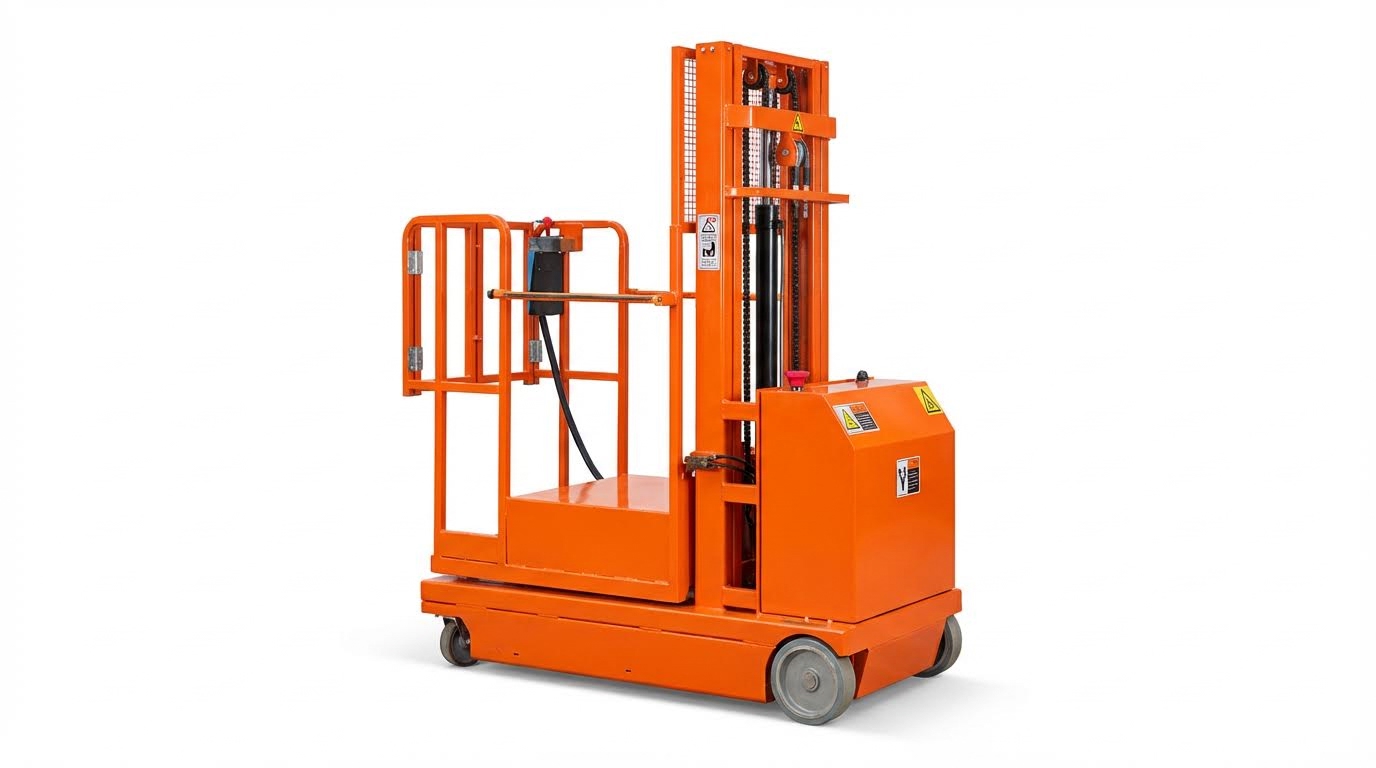
การวิเคราะห์ต้นทุนรวมในการเป็นเจ้าของ (TCO), ผลตอบแทนจากการลงทุน (ROI) และความสามารถในการขยายขนาด ช่วยให้มั่นใจได้ว่าเทคโนโลยีการหยิบสินค้าที่คุณเลือกไม่เพียงแต่จะช่วยเพิ่มประสิทธิภาพในปัจจุบัน แต่ยังคืนทุนและสามารถขยายหรือปรับเปลี่ยนได้ตามการเปลี่ยนแปลงของธุรกิจและประเภทสินค้า (SKU) ของคุณด้วย
การตัดสินใจทางวิศวกรรมที่ถูกต้องนั้นต้องสร้างสมดุลระหว่างต้นทุนอุปกรณ์ ซอฟต์แวร์ การบำรุงรักษา และการประหยัดแรงงาน กับการปรับปรุงประสิทธิภาพและความแม่นยำที่สมจริง ไม่ใช่ตัวเลขสูงสุดที่ระบุไว้ในโบรชัวร์
| องค์ประกอบด้านต้นทุน/ผลประโยชน์ | สิ่งที่รวมอยู่ | ช่วงทั่วไป / เกณฑ์มาตรฐาน | ดีที่สุดสำหรับ… |
|---|---|---|---|
| ค่าใช้จ่ายในการลงทุนเริ่มต้นสำหรับอุปกรณ์ | ชั้นวางสินค้า, สายพานลำเลียง, รถขนส่ง, รถ AMR/AGV, หุ่นยนต์, ประตู RFID, เครื่องอ่าน, แท็ก | ระบบหุ่นยนต์มีราคาตั้งแต่หลักแสนไปจนถึงหลักล้านยูโร ขึ้นอยู่กับขนาด | สถานที่ที่มีปริมาณงานสูง ซึ่งช่วยประหยัดแรงงานและลดพื้นที่ได้อย่างมาก |
| ซอฟต์แวร์และการบูรณาการ | ระบบ WMS, WES, การบูรณาการ RF/RFID, อินเทอร์เฟซไปยัง ERP, แพลตฟอร์ม IoT | โดยทั่วไปคิดเป็น 10–25% ของงบประมาณโครงการทั้งหมด | การดำเนินงานที่ต้องการการมองเห็นแบบเรียลไทม์และตรรกะการกำหนดเส้นทางขั้นสูง |
| การบำรุงรักษาและการบริการ | อะไหล่, ช่างเทคนิคเข้าตรวจ, การสนับสนุนซอฟต์แวร์, การสอบเทียบ | ระบบจัดเก็บและเรียกคืนสินค้าอัตโนมัติ (AS/RS): ตรวจสอบทุกไตรมาสหรือครึ่งปี; หุ่นยนต์: ใช้ซอฟต์แวร์มากขึ้น ใช้กลไกน้อยลง ตามข้อมูลการบำรุงรักษา G2P | ระบบที่ต้องทำงานเกือบตลอด 24 ชั่วโมง 7 วันต่อสัปดาห์ โดยมีเวลาหยุดทำงานตามแผน |
| การเพิ่มผลผลิตแรงงาน | จำนวนการหยิบสินค้าต่อชั่วโมงการทำงานสูงขึ้น จำนวนคนต่อกะลดลง | G2P และหุ่นยนต์สามารถเพิ่มผลผลิตได้ 200–300% เทียบกับแบบแมนนวล | พื้นที่ที่มีต้นทุนแรงงานสูงหรือขาดแคลนแรงงานเรื้อรัง |
| การปรับปรุงความแม่นยำ | ลดจำนวนสินค้าที่เลือกผิดพลาด สินค้าคืน และการจัดส่งซ้ำ | ระบบ G2P อัตโนมัติและระบบหุ่นยนต์มีความแม่นยำสูงถึง 99.9% เมื่อเทียบกับงานที่ใช้แรงงานคน 95–98% | การดำเนินงานที่มีค่าปรับสูงสำหรับข้อผิดพลาด หรือมีข้อตกลงระดับบริการ (SLA) ที่เข้มงวด |
| เวลาทำงานของระบบ | ความพร้อมของอุปกรณ์ตลอด 24 ชั่วโมง | ระบบอัตโนมัติที่ออกแบบมาอย่างดีสามารถทำงานได้ตลอด 24 ชั่วโมง 7 วันต่อสัปดาห์ พร้อมการตรวจสอบเชิงป้องกันประจำปี ในบางกรณี | ศูนย์กลางอีคอมเมิร์ซขนาดใหญ่ หรือศูนย์กลางโลจิสติกส์ภายนอก (3PL) ที่มีปริมาณการซื้อขายสูงในช่วงฤดูกาลที่มีความต้องการสูง |
| ระยะเวลาคืนทุน | ได้เวลากู้คืนเงินลงทุนผ่านเงินออมและส่วนต่างกำไรเพิ่มเติมแล้ว | โดยทั่วไปแล้ว ระยะเวลาในการคัดแยกสินค้าอัตโนมัติและการใช้หุ่นยนต์จะอยู่ที่ 18-36 เดือน ในกรณีศึกษาหลายกรณีสำหรับโครงการ G2P บางโครงการ อาจใช้เวลา 2-5 ปี ขึ้นอยู่กับขอบเขต | เว็บไซต์ที่มีปริมาณคำสั่งซื้อคงที่หรือเพิ่มขึ้น และมีสัญญาในระยะยาว |
โครงสร้างพื้นฐาน RFID เพิ่มต้นทุนอีกส่วนหนึ่ง (แท็ก เครื่องอ่าน การสอบเทียบ) แต่ช่วยลดเวลาและข้อผิดพลาดในการนับสินค้าตลอดทั้งระบบเทคโนโลยีการหยิบสินค้าการนับสินค้าด้วย RFID ที่เคยใช้เวลาสามวัน ตอนนี้สามารถเสร็จสิ้นได้ภายในไม่กี่ชั่วโมงและการตรวจสอบการจัดส่งที่ด่านขนส่งสินค้าช่วยป้องกันกระบวนการเรียกร้องค่าเสียหายที่มีค่าใช้จ่ายสูง
- รวมต้นทุนตลอดวงจรชีวิตของผลิตภัณฑ์: เพิ่มค่าใช้จ่ายด้านพลังงาน การบำรุงรักษา การสมัครใช้งานซอฟต์แวร์ และการสอบเทียบ RFID เป็นระยะ สำหรับต้นทุนรวมในการเป็นเจ้าของของคุณ - ป้องกันค่าใช้จ่ายในการดำเนินงานที่ไม่คาดคิด ซึ่งจะส่งผลเสียต่อผลตอบแทนจากการลงทุน
- จำลองสถานการณ์ปริมาณหลายระดับ: คำนวณ ROI ที่ปริมาณปัจจุบัน เพิ่มขึ้น 30% และเพิ่มขึ้น 60% – ช่วยให้ระบบยังคงทำงานได้แม้ธุรกิจเติบโตหรือเข้าสู่ช่วงฤดูกาลที่มีความต้องการสูง
- ตรวจสอบความเป็นโมดูล: ควรเลือกใช้หุ่นยนต์เคลื่อนที่อัตโนมัติ (AMR), โมดูล G2P และแร็คที่สามารถต่อขยายได้ทีละ 5-10 เมตร ช่วยให้คุณเพิ่มกำลังการผลิตได้โดยไม่ต้องปิดอาคาร
- ตรวจสอบความถูกต้องของผลลัพธ์ด้านความแม่นยำ: เปรียบเทียบอัตราข้อผิดพลาดพื้นฐานของคุณกับเกณฑ์มาตรฐาน 99.9% สำหรับ G2P และหุ่นยนต์ เพื่อกำหนดมูลค่าที่แน่นอนให้กับผลตอบแทนที่ลดลง - บ่อยครั้งเพียงแค่เหตุผลนี้ก็เพียงพอที่จะสนับสนุนโครงการส่วนใหญ่แล้ว
- กลยุทธ์การบำรุงรักษาการทดสอบความเครียด: ตรวจสอบสต็อกอะไหล่ ความพร้อมของช่างเทคนิค และช่วงเวลาหยุดซ่อมบำรุงตามแผน – เวลาการทำงานจริง ไม่ใช่เวลาการทำงานตามทฤษฎี คือปัจจัยสำคัญที่ขับเคลื่อนรายได้และการปฏิบัติตามข้อตกลงระดับบริการ (SLA)
รายการตรวจสอบ ROI อย่างง่ายสำหรับโครงการคัดแยกสินค้า
1) บันทึกจำนวนการหยิบสินค้าต่อชั่วโมงการทำงาน อัตราความผิดพลาด และพื้นที่ใช้งาน (ตร.ม.) ในปัจจุบัน 2) ใช้เกณฑ์มาตรฐานที่เผยแพร่แล้วสำหรับเทคโนโลยีเป้าหมาย (เช่น 200–400+ การหยิบสินค้าต่อชั่วโมงสำหรับ G2P ความแม่นยำ 99.9%) 3) ประเมินผลประหยัดจากการลดแรงงาน การส่งคืนสินค้าน้อยลง และพื้นที่ใช้งานที่เล็ลง 4) เพิ่มค่าบำรุงรักษาและซอฟต์แวร์ที่สมจริง 5) คำนวณระยะเวลาคืนทุนเป็นเดือน และตรวจสอบว่าอยู่ในช่วงเวลาเชิงกลยุทธ์ของคุณ (โดยทั่วไปต่ำกว่า 36 เดือน)
💡 หมายเหตุจากวิศวกรภาคสนาม:ระบบที่ปรับขนาดได้ดีที่สุดที่ผมเคยเห็นเริ่มต้นด้วยระบบอัตโนมัติแบบ "เบา" (การสแกน RF บวก RFID ที่ท่าเทียบสินค้าและทางเดินสำคัญ) และสงวนพื้นที่ทางกายภาพ พลังงาน และความจุเครือข่ายไว้สำหรับ G2P หรือหุ่นยนต์ในภายหลัง การสร้างระบบที่เกินความจำเป็นตั้งแต่วันแรกจะทำให้คุณติดอยู่กับแนวคิดเดียว การออกแบบเส้นทางการอัปเกรดที่ชัดเจนจะช่วยให้เทคโนโลยีการหยิบสินค้าของคุณเติบโตไปพร้อมกับธุรกิจของคุณแทนที่จะต้องต่อสู้กับมัน
ข้อคิดส่งท้ายเกี่ยวกับระบบคัดแยกสินค้าที่พร้อมสำหรับอนาคต
เทคโนโลยีการหยิบสินค้าในปัจจุบันครอบคลุมครบวงจร ตั้งแต่การเก็บข้อมูลด้วยคลื่นวิทยุ (RF) และ RFID ไปจนถึงระบบส่งสินค้าถึงมือผู้รับ (G2P) และกองทัพหุ่นยนต์ การออกแบบที่ประสบความสำเร็จจะมองสิ่งเหล่านี้เป็นระบบวิศวกรรมเดียว ไม่ใช่ชุดอุปกรณ์ต่างๆ RF เสียง แสง และ RFID ช่วยปกป้องความถูกต้องของสินค้าคงคลังและชี้นำทุกการเคลื่อนไหว จากนั้นระบบ G2P และหุ่นยนต์จะแปลงข้อมูลที่สะอาดเหล่านั้นให้เป็นอัตราการหยิบสินค้าที่สูงขึ้น การเดินทางที่น้อยลง และความเสี่ยงที่ต่ำลง
ทีมวิศวกรรมต้องสร้างสมดุลระหว่างสามปัจจัยหลัก ได้แก่ รูปแบบและการใช้เวลาในการเดินทาง ระดับของระบบอัตโนมัติ และต้นทุนตลอดอายุการใช้งาน เส้นทางที่สั้นลง พื้นที่ที่เหมาะสมตามหลักสรีรศาสตร์ และการจัดวางอย่างชาญฉลาด จะช่วยให้ได้ผลลัพธ์ที่ดีขึ้นอย่างรวดเร็วแม้ก่อนที่หุ่นยนต์จะเข้ามาใช้งาน ระบบ G2P, AMR และเซลล์หุ่นยนต์จะช่วยเพิ่มกำลังการผลิตและเวลาการทำงาน แต่จะคุ้มทุนก็ต่อเมื่อคุณวางแผนงบประมาณสำหรับซอฟต์แวร์ การบำรุงรักษา และอะไหล่ตั้งแต่วันแรก
เส้นทางที่ปลอดภัยที่สุดคือการทยอยนำมาใช้ เริ่มต้นด้วยระบบ RF ที่แข็งแกร่ง ระบบ RFID ที่ตรงเป้าหมาย และการจัดวางพื้นที่ที่สงวนพื้นที่ พลังงาน และเครือข่ายไว้สำหรับการทำงานอัตโนมัติในภายหลัง เพิ่มระบบ G2P และหุ่นยนต์เมื่อปริมาณงาน ต้นทุนแรงงาน และค่าปรับจากความผิดพลาดมีความเหมาะสม วิธีนี้ช่วยให้การดำเนินงานของคุณเปลี่ยนจากรถยกและเครื่องมือแบบใช้แรงงานคนจาก Atomoving ไปสู่ระบบอัตโนมัติขั้นสูงได้อย่างราบรื่น ในขณะที่ยังคงควบคุมความปลอดภัย เวลาทำงาน และผลตอบแทนจากการลงทุนได้อย่างเข้มงวด
คำถามที่พบบ่อย (FAQs)
การหยิบสินค้าตามคำสั่งซื้อในงานคลังสินค้าคืออะไร?
การหยิบสินค้าตามคำสั่งซื้อ คือกระบวนการเลือกสินค้าจากที่จัดเก็บในคลังสินค้าเพื่อจัดส่งให้ตรงตามคำสั่งซื้อของลูกค้า เป้าหมายคือการประกอบสินค้าที่ลูกค้าต้องการอย่างถูกต้องแม่นยำ พร้อมทั้งเพิ่มประสิทธิภาพเพื่อให้สามารถตอบสนองความต้องการภายในกรอบเวลาที่กำหนด กระบวนการนี้ถือเป็นหัวใจสำคัญของการดำเนินงานคลังสินค้าคู่มือการดำเนินงานคลังสินค้า
เทคโนโลยีใดที่นิยมใช้ในคลังสินค้าเพื่อเพิ่มประสิทธิภาพในการหยิบสินค้า?
เทคโนโลยีการหยิบสินค้าด้วยเสียงเป็นวิธีการที่ไม่ต้องใช้กระดาษและไม่ต้องใช้มือ โดยใช้คำสั่งเสียงเพื่อสั่งการให้พนักงานหยิบสินค้าจากตำแหน่งที่กำหนดในคลังสินค้า ซึ่งช่วยเพิ่มความแม่นยำและเร่งกระบวนการหยิบสินค้า อีกเทคโนโลยีหนึ่งที่ใช้กันทั่วไปคือ ระบบบริหารจัดการคลังสินค้า (WMS) ซึ่งช่วยเพิ่มประสิทธิภาพ ความแม่นยำ และผลผลิตโดยรวมประโยชน์ของการหยิบสินค้าด้วยเสียง | เคล็ดลับเพิ่มประสิทธิภาพคลังสินค้า
เทคโนโลยีขั้นสูงสามารถช่วยเพิ่มประสิทธิภาพการทำงานของคลังสินค้าได้อย่างไร?
เทคโนโลยีขั้นสูง เช่น ระบบอัตโนมัติ หุ่นยนต์ และเครื่องมือวางแผนห่วงโซ่อุปทาน สามารถเพิ่มประสิทธิภาพของคลังสินค้าได้อย่างมาก เทคโนโลยีเหล่านี้ช่วยเพิ่มความโปร่งใส ความแม่นยำ ความเร็ว และผลผลิตโดยรวม ช่วยให้คลังสินค้าสามารถตอบสนองความต้องการของลูกค้าได้อย่างมีประสิทธิภาพมากขึ้นกลยุทธ์เพิ่มประสิทธิภาพคลังสินค้า