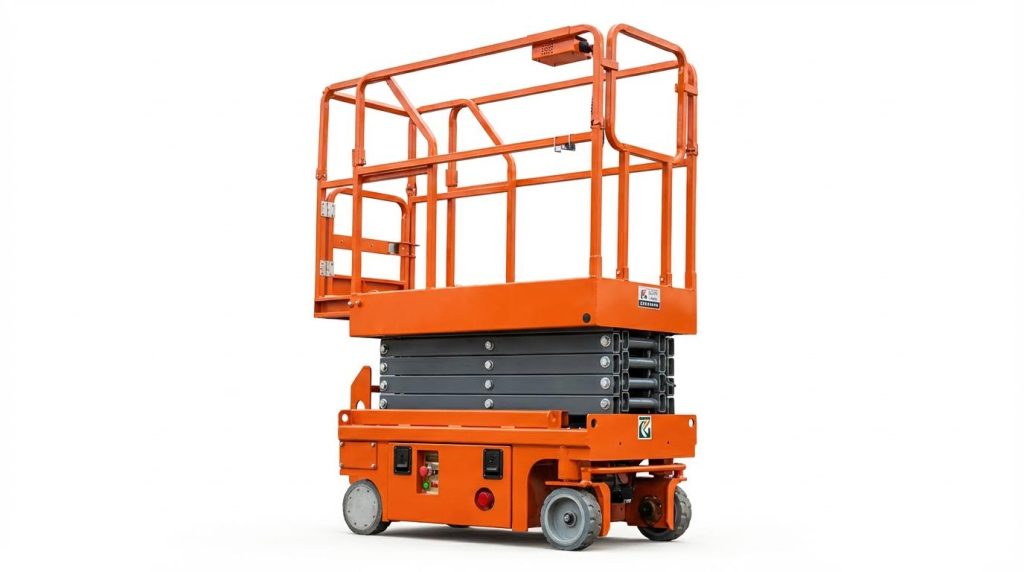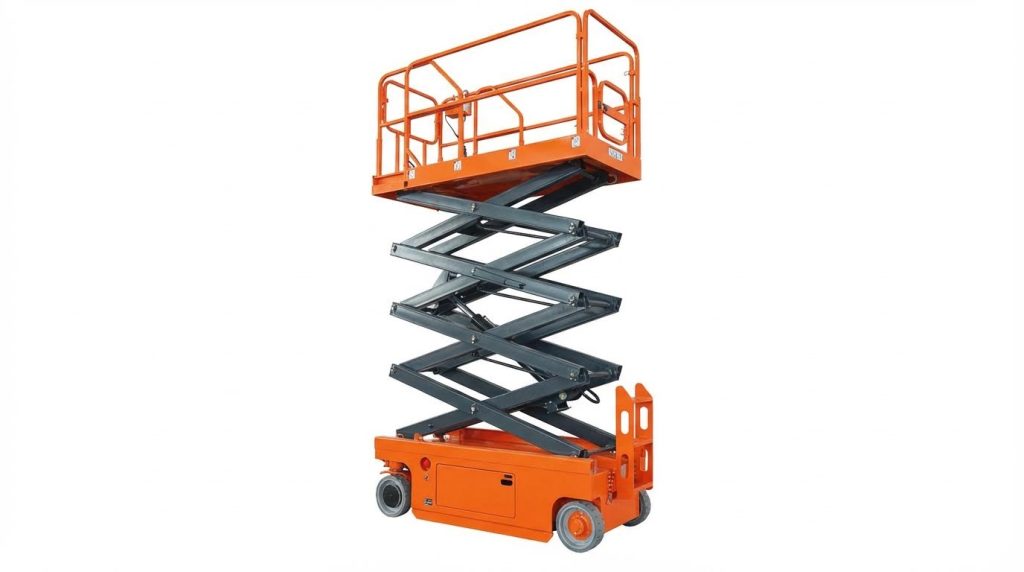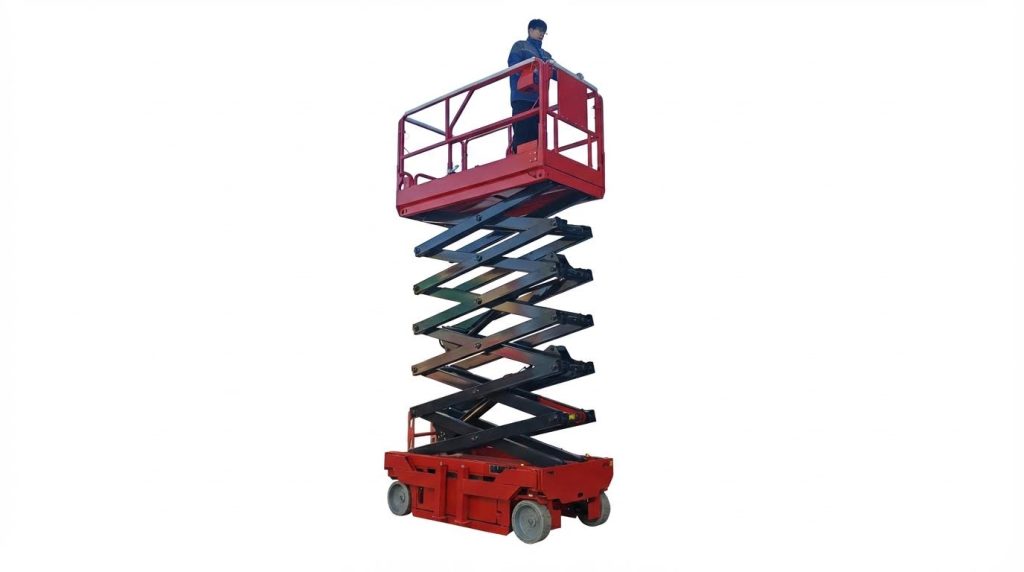
Scissor lift operator certification typically lasts a maximum of three years, but employers often need earlier refreshers after incidents, unsafe behavior, or equipment changes. This guide explains how long a scissor platform certification lasts, what OSHA expects in training, and how to manage renewals without gaps in compliance or safety.
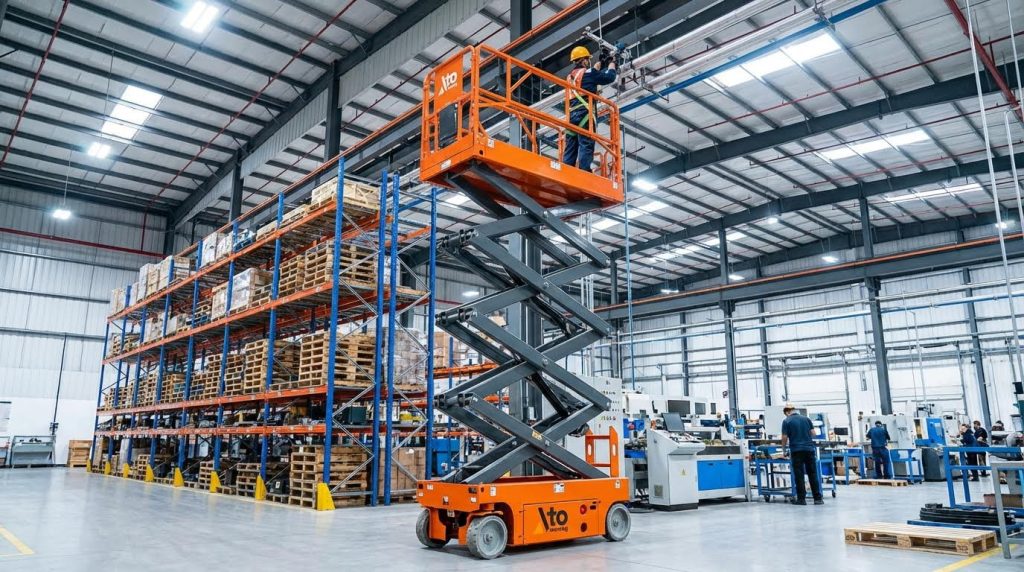
Certification Validity, OSHA Rules, And Scope
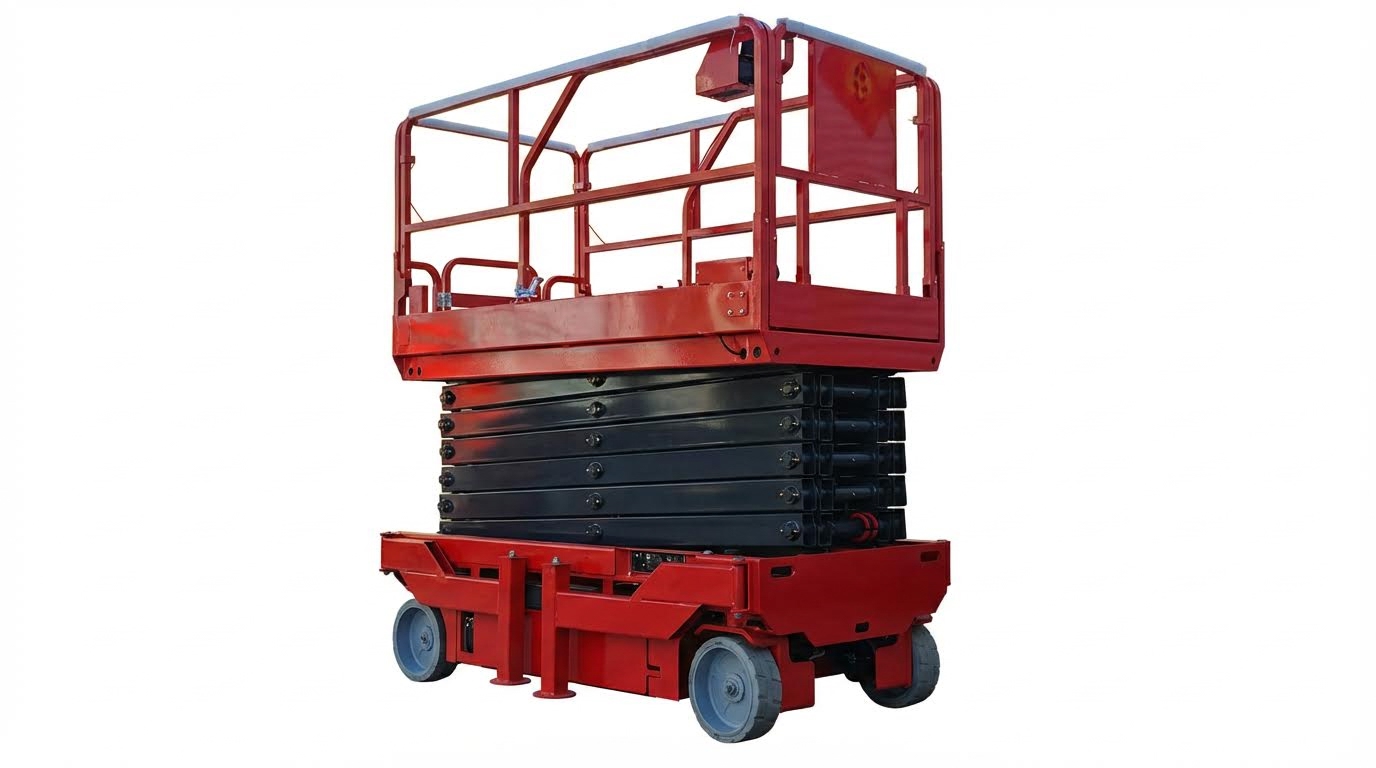
Scissor lift certification typically lasts a maximum of three years, but OSHA rules, ANSI guidance, and site policies can shorten this interval after incidents, unsafe operation, or equipment changes. This section explains how long scissor lift certification remains valid, what OSHA and ANSI require, and where employers often go beyond the minimum.
How Long Scissor Lift Certification Remains Valid
The direct answer to “how long does a scissor lift certification last” is: most programs set a three‑year maximum validity, with mandatory earlier retraining when safety performance or equipment changes demand it. That three‑year clock is a ceiling, not a guarantee.
| Aspect | Typical Requirement / Practice | Operational Impact |
|---|---|---|
| Standard validity period | Up to 3 years from issue date for most OSHA‑aligned programs (training guidance) | Plan renewals on a 36‑month cycle; integrate with other safety training calendars. |
| Refresher frequency | Refresher training and evaluation at least every 3 years, or sooner after incidents or changes (OSHA‑aligned practice) | Budget time every 2–3 years per operator for theory plus hands‑on check. |
| Early retraining triggers | Accidents, near misses, observed unsafe operation, or significant equipment / process changes (refresher rules) | Expect unplanned retraining after any serious event; treat it as corrective action. |
| Digital certificate duration | Digital certificates commonly issued with up to 3‑year validity, assuming incident‑free operation (program practice) | Use LMS or wallet apps to flag expiries 60–90 days ahead for scheduling. |
| Evaluation interval in practice | Many programs evaluate every 2–3 years or after incidents / equipment changes (training guidance) | Shorter intervals reduce skill fade, especially for low‑use operators. |
| Non‑compliance penalties | Penalties can exceed USD 10,000 per violation for operating without valid certification (penalty ranges) | Invalid or expired cards become a direct financial and legal exposure in audits and incidents. |
- Three‑year limit: Treat 3 years as the maximum answer to “how long does a scissor lift certification last” – beyond that, OSHA‑aligned programs expect retraining and re‑evaluation.
- Performance‑based validity: Incidents or unsafe behavior effectively shorten the validity period – an operator can be “out of date” after one bad event.
- Equipment‑specific skills: New lift models, controls, or power sources trigger focused retraining – prevents “old habits” from causing errors on new machines.
- Record‑driven compliance: Issue date, expiry date, and evaluation notes define whether a card is valid – if it is not documented, it does not exist in an audit.
How to decide between 2‑year and 3‑year cycles
Sites with frequent scissor lift use and strong supervision often run a 3‑year cycle with targeted refreshers after incidents. Sites where operators use lifts rarely, or where tasks are high‑risk (overhead utilities, congested plants), often choose a 2‑year cycle to combat skill fade and keep hazard awareness fresh.
💡 Field Engineer’s Note: In real projects, I treat three years as the legal ceiling but two years as the “safe” cycle for busy construction or shutdown work. Operators forget fine control and emergency procedures quickly if they only touch a lift a few days per year, and that gap usually shows up first when they have to react under pressure.
OSHA And ANSI Requirements For Operator Training
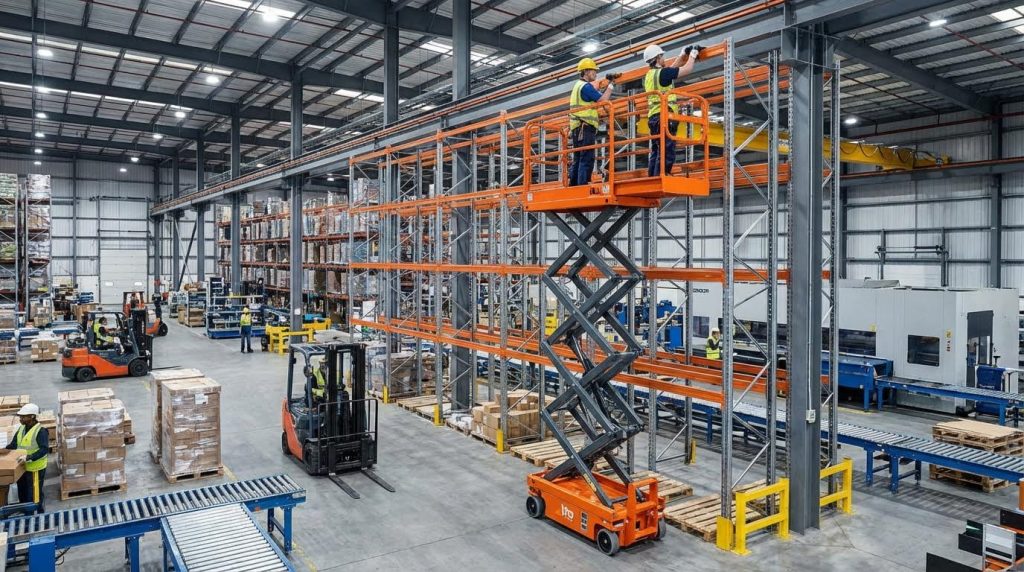
OSHA and ANSI require that scissor lift operators receive formal instruction, practical training, and evaluation by a qualified person on safe operation, load limits, hazard recognition, and emergency procedures. The goal is to prove competence, not just attend a class.
| Training Element | What Must Be Covered | Operational Impact |
|---|---|---|
| Regulatory basis | OSHA standards plus applicable ANSI aerial platform guidance for safe scissor lift use (OSHA requirements) | Ensures training content aligns with federal rules and industry best practice. |
| Core topics | Safe operation, load limits, fall protection, hazard recognition, emergency procedures (training scope) | Operators learn why lifts tip, how falls occur, and how to respond when systems fail. |
| Qualified trainer | Training and evaluation must be conducted by a “qualified person” with knowledge and experience (OSHA requirement) | Prevents “paper only” certifications; evaluator must judge real‑world competence. |
| Pre‑use inspection training | Hydraulic leaks, controls, guardrails, safety decals, emergency lowering systems (inspection content) | Operators catch defects before elevation, reducing mid‑air failures and unplanned downtime. |
| Load management | Rated capacity, center of gravity, effect of slope and wind on stability (load and stability topics) | Helps operators avoid overloading, side‑loading, and driving elevated on poor ground. |
| Fall protection | Guardrail use, entry/exit procedures, when personal fall protection is required (fall protection content) | Reduces falls from platform edges and unsafe climbing or leaning behavior. |
| Hazard recognition | Overhead power lines, unstable ground, tip‑over and collision risks (hazard topics) | Improves job planning and positioning to avoid electrocution and crushing zones. |
| Emergency procedures | Malfunction response, emergency lowering, fire and medical emergency actions (emergency content) | Ensures operators and ground staff can bring the platform down safely and quickly. |
| Training format | Combination of theory (often online) plus hands‑on evaluation under OSHA‑compliant processes (digital tools) | Online modules speed classroom time, but practical driving and emergency drills remain mandatory. |
| Evaluation interval | Evaluations typically every 2–3 years, or after incidents, unsafe practices, or equipment changes (evaluation guidance) | Links the validity of certification directly to current, demonstrated skills. |
- Formal + practical: OSHA and ANSI expect both classroom/theory and practical, hands‑on operation – a slide deck alone is not compliant training.
- Site‑specific content: Training must reflect actual lift types, surfaces, and hazards on your site – urban streets, factories, and refineries all present different risks.
- Inspection discipline: Operators must learn daily pre‑start checks and lockout/tagout for defects – this is where many real‑world incidents could have been prevented.
- Emergency readiness: Programs must drill emergency lowering and rescue planning – this turns a mechanical fault into a controlled event, not a crisis.
How OSHA training rules tie into certification validity
OSHA focuses on whether operators are trained, evaluated, and competent; the 3‑year period is a common industry interpretation for how long training stays reliable. If an operator’s behavior or conditions show that competence has slipped, OSHA expects retraining and re‑evaluation immediately, even if the formal “expiry date” is still in the future.
💡 Field Engineer’s Note: When I audit sites, I do not just check if cards are “in date”; I check whether the training content actually matches the lifts and hazards in use. A three‑year‑old certificate from a warehouse environment does not automatically qualify someone for tight, sloped, outdoor work near live utilities, even if the paper looks fine.
Technical Content Of Initial And Refresher Training
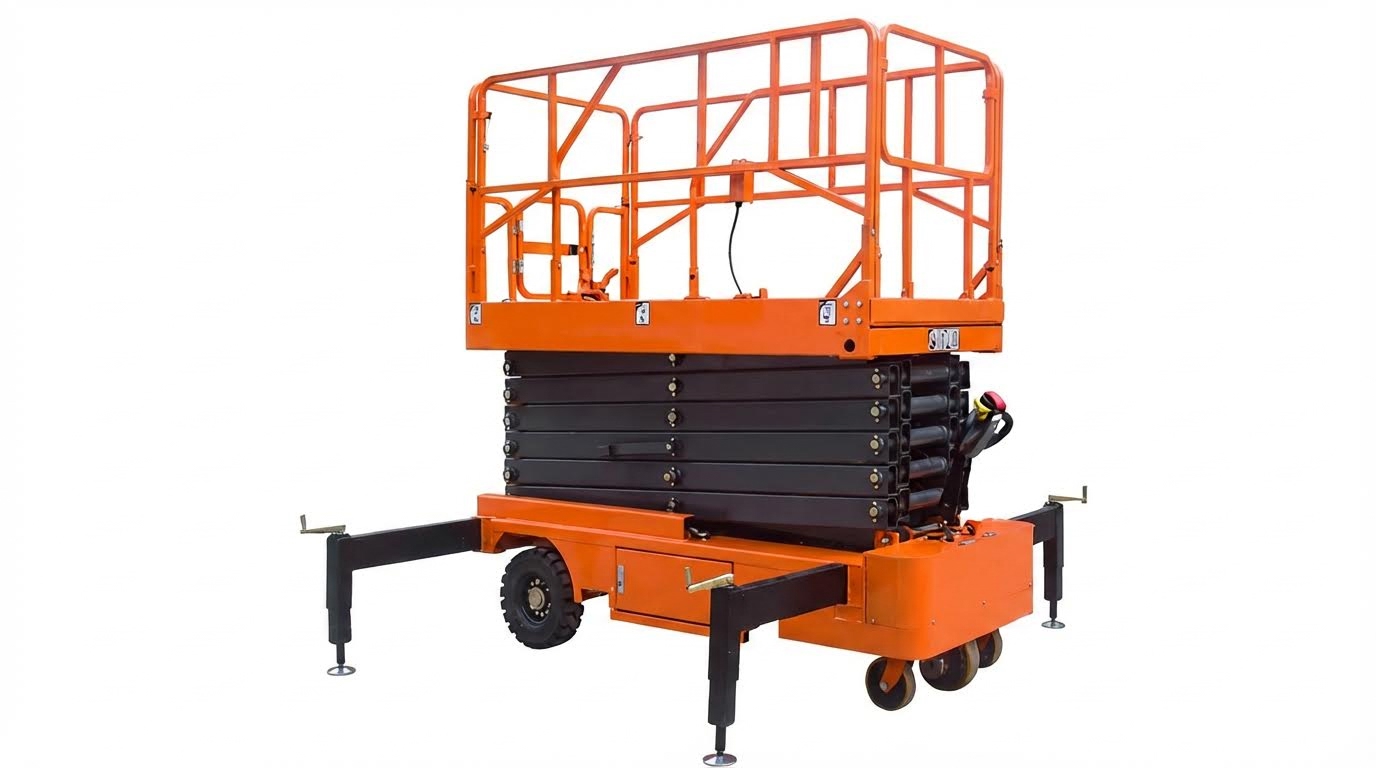
Initial and refresher scissor lift training cover the same core safety topics, with refreshers updating skills and closing bad habits that develop during the 3‑year certification window. This technical content is what keeps “paper” certification aligned with real-world risk.
When people ask how long does a scissor platform certification last, the better question is what operators actually learn and retain across those three years. Robust content on load limits, fall protection, inspections, and emergency systems is what makes that validity period defensible in an OSHA or insurer audit. Training scope is defined by OSHA for safe operation, load limits, fall protection, hazard recognition, and emergency procedures.
Load Limits, Stability, And Ground Conditions
This part of training teaches operators how the lift actually behaves under load, on slopes, and in wind, so they do not turn the platform into a tipping lever. Both initial and refresher courses drill load charts, center-of-gravity control, and real-world ground assessments.
OSHA‑aligned programs explain that exceeding rated capacity, side‑loading, or driving elevated on uneven surfaces are leading failure modes. Training covers load capacity, center-of-gravity, and the impact of slope or wind on stability. Operators also learn why the lift must sit on firm, level ground and why debris, holes, and drop‑offs are red flags. OSHA guidance limits use to stable surfaces and restricts outdoor operation to wind speeds below about 13 m/s (28 mph).
| Topic | What Operators Learn | Operational Impact |
|---|---|---|
| Rated platform capacity | Read capacity plate and manuals; never exceed manufacturer rating. | Prevents overload and structural failure when loading tools and materials. |
| Load distribution | Spread loads evenly; avoid point loads on deck extensions. | Reduces risk of one-side tipping, especially with heavy equipment. |
| Center of gravity | Keep heavy items low and near the mast/centerline. | Improves stability when the platform is fully raised. |
| Side-loading and pushing | Do not push against walls or structures from the platform. | Prevents sideways overturn from horizontal forces. |
| Ground conditions | Visually check for voids, trenches, soft soil, or covers. | Avoids wheel sinkage and sudden tilt during elevation. |
| Slopes and uneven surfaces | Stay within manufacturer slope limits; avoid operating elevated on slopes. | Reduces tip-over events when traveling or positioning. |
| Wind and weather | Respect maximum wind rating and avoid gusty conditions. | Prevents dynamic sway and overturn in outdoor work. |
- Rated Capacity: Understand the maximum kg allowed – Operators stop guessing and start reading the plate.
- Deck Extensions: Follow reduced capacity on extensions – Prevents overloading the weakest part of the platform.
- Travel Elevated: Move only if the manufacturer allows it – Reduces dynamic instability during movement.
- Obstruction Clearance: Plan routes free of holes and ramps – Prevents sudden jolts that can throw workers.
- Outdoor Limits: Respect wind and soft ground risks – Keeps indoor-rated machines out of unsuitable terrain.
💡 Field Engineer’s Note: In real sites, the “ground” often includes trench backfills, inspection covers, or compacted gravel. Train operators to treat anything that was recently dug, filled, or covered as suspect until a supervisor confirms bearing capacity.
Fall Protection, Guardrails, And Hazard Recognition
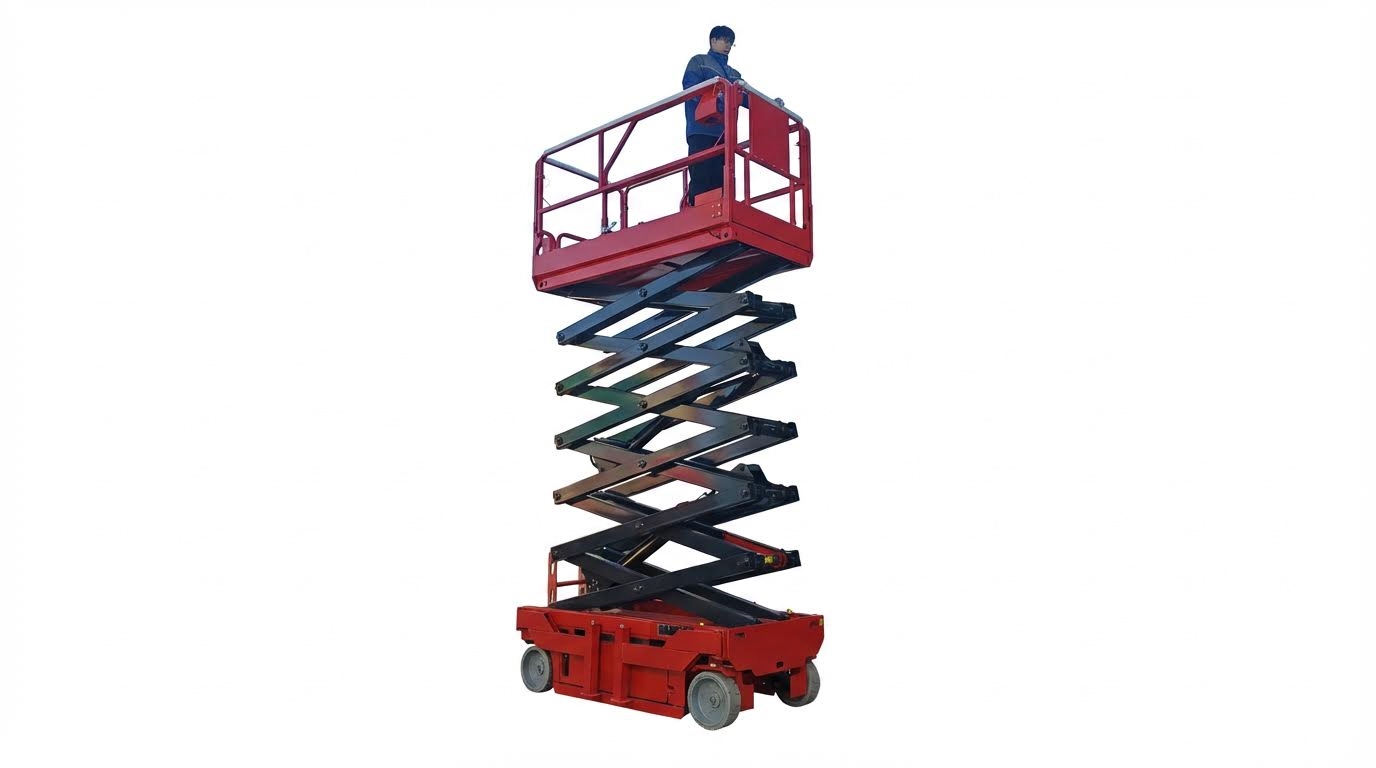
This part of training explains that the guardrail system is the primary fall protection and that most serious accidents come from poor positioning near power lines, structures, or traffic. Operators learn how to use the platform as a controlled workspace, not a makeshift ladder.
OSHA material specifies that scissor platform lift must have guardrails and that workers must stand on the platform floor, not on mid‑rails or objects, to gain height. Training teaches checking guardrail systems, staying on the work platform, and avoiding leaning away from the lift. Programs also cover hazard recognition for overhead power lines, unstable ground, and crushing zones around the chassis and platform. Operators learn to maintain safe distances from electrical lines and avoid collisions.
| Hazard Area | Key Training Content | Best For… |
|---|---|---|
| Guardrails | Check for missing rails, damaged toeboards, and secure gates. | Preventing falls from 6–12 m working heights. |
| Entry/exit | Use designated gate; no climbing over rails. | Reducing slips and missteps when entering the basket. |
| Standing position | Stand on floor only; no ladders or boxes on deck. | Maintaining designed fall protection envelope. |
| Overhead power lines | Maintain at least 3 m (10 ft) clearance from energized lines. | Preventing arc flash or electrocution during elevation. |
| Crush zones | Identify pinch points between platform and overhead structures. | Reducing head/upper-body crushing incidents. |
| Traffic and mobile plant | Segregate lifts from forklifts and trucks where possible. | Preventing collision with moving equipment. |
- Guardrail Integrity: Inspect before use – Turns the platform into a compliant collective fall protection system.
- Safe Approach To Work: Position the lift, do not stretch – Reduces temptation to climb or lean beyond rails.
- Electrical Clearance: Maintain 3 m minimum from power sources – Accounts for arcing distance, not just physical contact.
- Crushing Awareness: Look up and around when elevating – Prevents trapping between platform and ceilings or beams.
- Site Hazard Scans: Walk the route before raising – Identifies overhead and side hazards early.
💡 Field Engineer’s Note: In tight indoor work (low ceilings, pipework, ducting), I require operators to raise at “creep speed” with one hand ready on the emergency stop. This simple rule has prevented multiple crush incidents over the years.
Pre-Use Inspections, Emergency Systems, And PPE
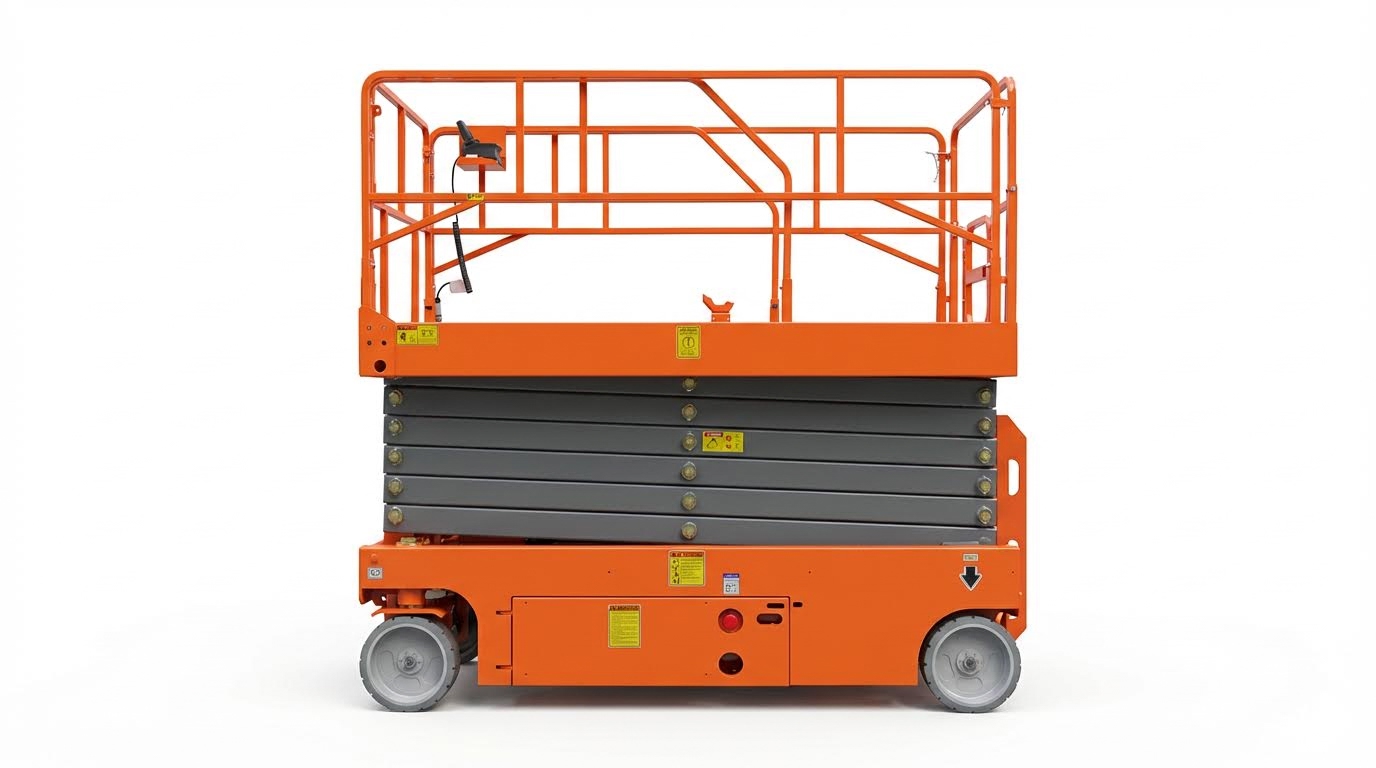
This part of training turns operators into the first line of defense against mechanical failure by teaching structured inspections, emergency responses, and correct PPE selection. It is also what OSHA auditors look for when they ask how long does a aerial platform certification last and whether ongoing checks bridge that gap.
Operators are trained to conduct documented pre‑start inspections at the beginning of each shift. Checklists cover structural components, hydraulics, controls, guardrails, and safety decals. Pre-use inspections include hydraulic leak checks, controls, guardrails, and decals. Daily inspections and lockout/tagout for defective units are mandatory. Training also covers emergency lowering procedures and rescue planning so operators and ground staff can respond quickly to malfunctions or medical events. Programs emphasize emergency lowering techniques and written rescue methods.
| Element | What To Check / Learn | Operational Impact |
|---|---|---|
| Pre-use inspection | Structure, tires/wheels, guardrails, decals, fluid leaks, power source. | Catches defects before a 6–12 m elevation makes them critical. |
| Function test | Lift, lower, drive, steering, brakes, tilt alarms, emergency stop. | Verifies controls and safety devices before loading personnel. |
| Emergency lowering | Location and operation of ground/emergency controls. | Allows ground staff to bring platform down in a failure. |
| Power/fail conditions | Response to power loss, hydraulic faults, or alarms. | Reduces panic and unsafe improvisation during faults. |
| PPE basics | Helmet, safety footwear, hi‑vis, eye protection as standard. | Protects against dropped tools and site hazards. |
| Fall PPE (if required) | When and how to use harness and lanyard per risk assessment. | Adds protection in higher-risk tasks or transfers. |
- Structured Checklists: Use a documented form every shift – Creates a traceable inspection history for audits and incidents.
- Defect Response: Tag out and report, do not “nurse” faulty lifts – Stops minor defects turning into catastrophic failures.
- Emergency Roles: Clarify who operates ground controls in a rescue – Removes confusion when seconds matter.
- Rescue Planning: Establish written methods for stuck platforms – Aligns with OSHA expectations for prompt retrieval.
- PPE Discipline: Match PPE to task and environment – Controls impact, visibility, and eye hazards around the lift.
💡 Field Engineer’s Note: I train operators to treat any unexplained noise, smell, or movement change as a stop signal. If the lift suddenly sounds or feels different, lower, park, and re‑inspect before continuing work.
How this content supports the 3‑year certification period
Because scissor lift certification typically remains valid for up to three years, regulators expect daily inspections, emergency drills, and PPE discipline to control risk between formal refresher courses. Strong technical content in these areas is the bridge between the initial test and safe operation years later.
Renewal Timing, Recordkeeping, And Digital Compliance
Scissor lift certifications typically last three years, but smart renewal timing, tight recordkeeping, and digital tools are what actually keep you compliant and audit‑ready day to day.
Triggers For Early Retraining And Incident Response
Early retraining triggers exist because asking only “how long does a scissor platform certification last” misses the bigger risk: behavior, incidents, and equipment changes can invalidate a “current” card overnight.
- Accidents or near misses: Any incident involving a lift should trigger immediate retraining and re‑evaluation – it proves gaps in skill, procedures, or supervision. Refresher training triggers
- Observed unsafe operation: Speeding, bypassing guardrails, or ignoring ground conditions requires pulling the operator from service for retraining – you correct behavior before it becomes an incident. Unsafe behavior retraining
- Equipment changes: New lift models, controls, or drive systems require task‑specific retraining – operators must prove competence on the actual machine they use. Equipment change trigger
- Regulatory or site rule changes: New OSHA guidance or stricter site procedures justify refresher sessions – you align field practice with the latest rules. Updated training requirements
- Skill fade over time: Even within the three‑year window, low‑use operators benefit from shorter internal renewal cycles (e.g., every 2 years) – you keep muscle memory fresh for emergency maneuvers. Recurrent training intervals
| Trigger | Action Required | Typical Timing | Operational Impact |
|---|---|---|---|
| Three‑year expiry | Standard refresher training and evaluation | Before end of year 3 | Keeps certification valid and audit‑proof while answering “how long does a aerial platform certification last” in policy terms |
| Recordable accident | Immediate retraining and re‑evaluation | Within days of incident | Restores confidence in operator competence and incident controls |
| Near miss / unsafe act | Targeted refresher on failed topics | As soon as behavior is identified | Prevents repeat events and supports just‑culture investigations |
| New lift model or major modification | Task‑specific familiarization and test | Before first use of new equipment | Reduces control‑confusion and misuse of new features |
| Major rule update | Focused toolbox talk or mini‑course | Within defined change‑management window | Aligns field practice with new legal requirements |
💡 Field Engineer’s Note: Treat “three years” as a hard maximum, not a target. In high‑risk work (outdoors, congested plants), a 24‑month internal renewal cycle plus incident‑based retraining keeps real‑world risk at a manageable level.
How long does a scissor lift certification last in practice?
Under OSHA‑aligned programs, scissor lift certification is typically valid for up to three years, but any serious incident, unsafe behavior, or major equipment change should reset that clock with fresh training and evaluation. Three‑year validity and retraining triggers
Documentation, Audit Readiness, And TCO Impact
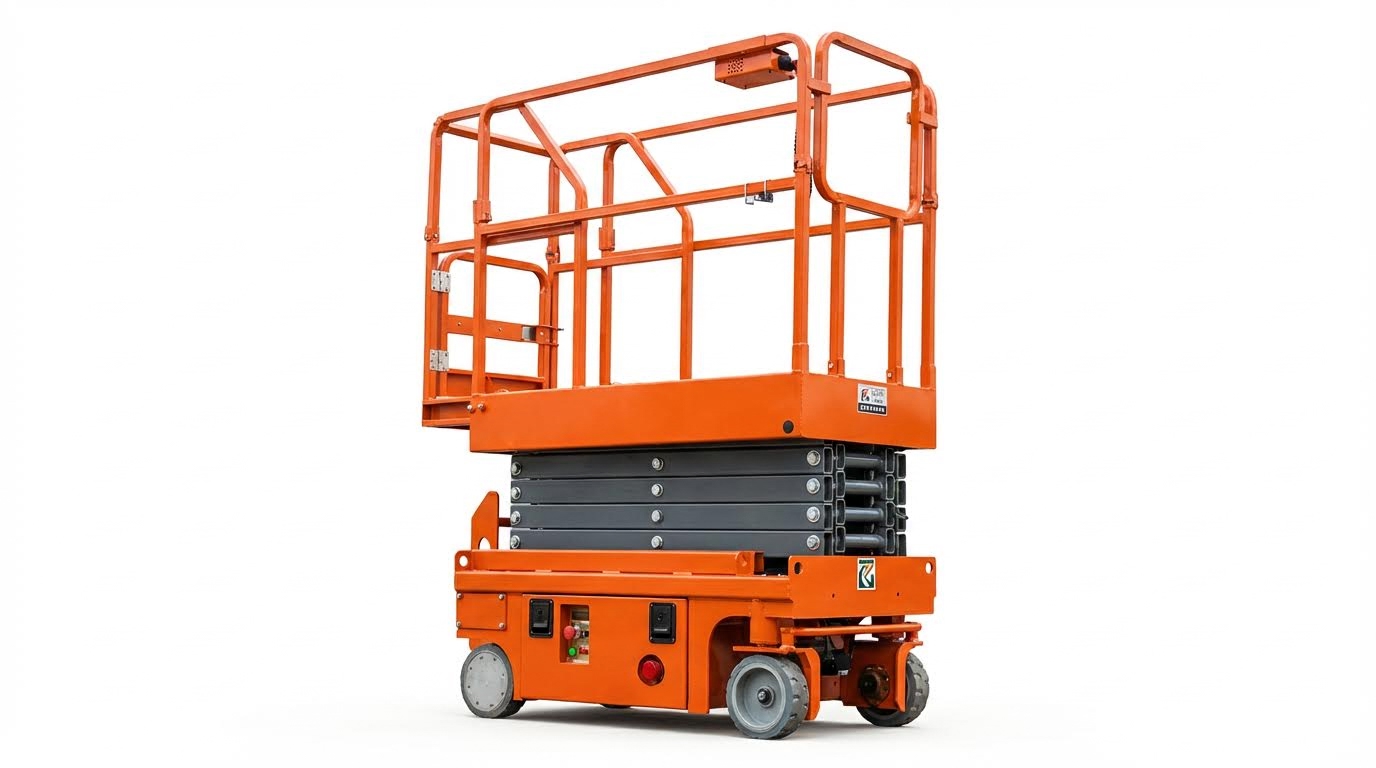
Documentation and digital compliance matter because regulators care less about what you “usually do” and more about what you can prove about scissor platform lift certification renewal and monitoring.
OSHA‑compliant programs require employers to keep accurate records of operator training, evaluation dates, and equipment types used during training. These records support both routine inspections and post‑incident investigations. Recordkeeping requirements Employer responsibilities
- Core records to maintain: Training dates, expiry dates, instructor identity, lift type/model, and evaluation results – this forms your legal defense file. Documentation and recordkeeping
- Digital certificates: Many providers now issue e‑certificates valid up to three years, stored centrally – no more chasing paper cards across multiple sites. Digital tools for training and compliance
- Automated expiry alerts: Systems that email or text supervisors 60–90 days before expiry allow smooth scheduling – you avoid last‑minute shutdowns and non‑compliance. Automated alerts for renewals
- Linking to inspections: Daily pre‑use inspection checklists should log the operator ID and certification status – this ties “fit to operate” with documented competence. Pre‑use inspection protocols Daily inspection requirements
- Penalty exposure: Poor records or expired cards can lead to penalties above USD 10,000 per violation – digital proof of training is often cheaper than one fine. Penalties for non‑compliance
| Compliance Element | What To Capture | Recommended Tooling | Operational Impact / TCO Effect |
|---|---|---|---|
| Operator master list | Name, role, site, certification status, expiry date | Central LMS or HSE database | Prevents uncertified use and supports manpower planning across multiple sites |
| Training event record | Date, instructor, course content, lift type, evaluation outcome | Digital training records with e‑signatures | Simplifies audits and incident investigations; avoids repeat training disputes |
| Digital certificates | Unique ID, QR code, validity period (typically 3 years) | Mobile wallet / worker app | Supervisors can verify on the spot, reducing admin time and downtime |
| Expiry alerts | 60–90 day reminders to supervisor and HSE | Automated email/SMS workflows | Spreads renewals over the year, avoiding mass outages and overtime spikes |
| Inspection linkage | Operator ID + checklist + defect log | Digital inspection app | Connects human error trends with equipment issues to refine training focus |
How digital tools reduce total cost of ownership (TCO)
Digital training platforms combine online theory modules with mandatory hands‑on evaluations by a qualified person, then issue time‑limited digital certificates up to three years. This reduces classroom time, centralizes records, and lowers the risk of fines, unplanned downtime, and legal exposure. Online modules and digital certificates
💡 Field Engineer’s Note: When you cost out “how long does a manual pallet jack certification last,” include the admin time to chase paper cards. A simple digital registry with auto‑alerts usually pays for itself the first time you avoid a shutdown or fine over an expired operator.
Final Thoughts On Managing Lift Certification Cycles
Scissor lift certification is not just a three‑year date on a card. It is a living system that must track how operators, machines, and job risks change over time. Load control, ground assessment, fall protection, and emergency response training all work together to keep a tall, narrow platform stable and predictable in real conditions.
OSHA‑aligned programs expect employers to prove that operators stay competent, not just once but across the full certification period. That proof comes from structured refresher cycles, incident‑driven retraining, and disciplined pre‑use inspections. Digital records and alerts then close the loop by showing exactly who is trained, on which equipment, and until when.
The most reliable approach is simple. Treat three years as the legal maximum, not the goal. Use a two‑year internal renewal cycle wherever work is high‑risk or usage is low. Tie every Atomoving scissor platform or aerial platform to trained, current operators through checklists and a central registry. When behavior, incidents, or equipment change, reset the clock with focused retraining. This mindset turns certification from a paperwork chore into an active control that prevents falls, tip‑overs, and costly shutdowns.
Frequently Asked Questions
How long does a scissor lift certification last?
A scissor lift certification typically remains valid for three to five years, depending on the issuing organization and local regulations. OSHA requires operators to renew their certification every three years, or sooner if an incident occurs that necessitates refresher training. OSHA Scissor Lift Certification Guide. In some cases, certifications may last up to five years, after which operators must complete a refresher course. UK Scissor Lift License Info.
What are the renewal requirements for scissor lift certification?
To renew a scissor lift certification, operators must undergo refresher training that covers updated safety procedures and equipment operation standards. Some organizations offer free lifetime renewal training, while others require operators to pay for recertification courses. Free Renewal Training Details. Always check with your certifying body for specific renewal policies.