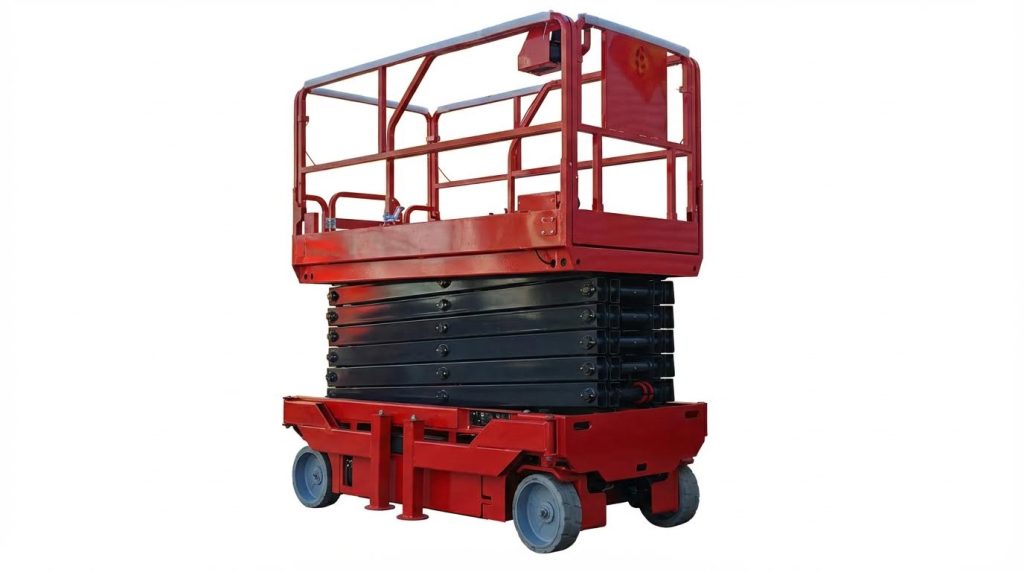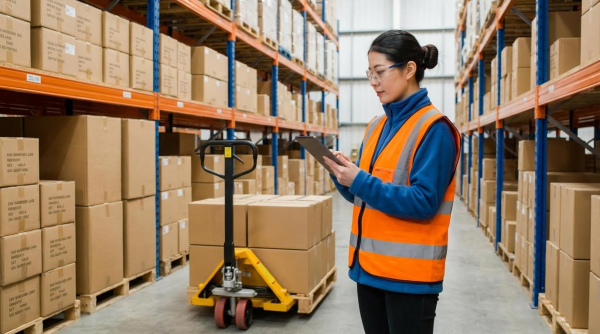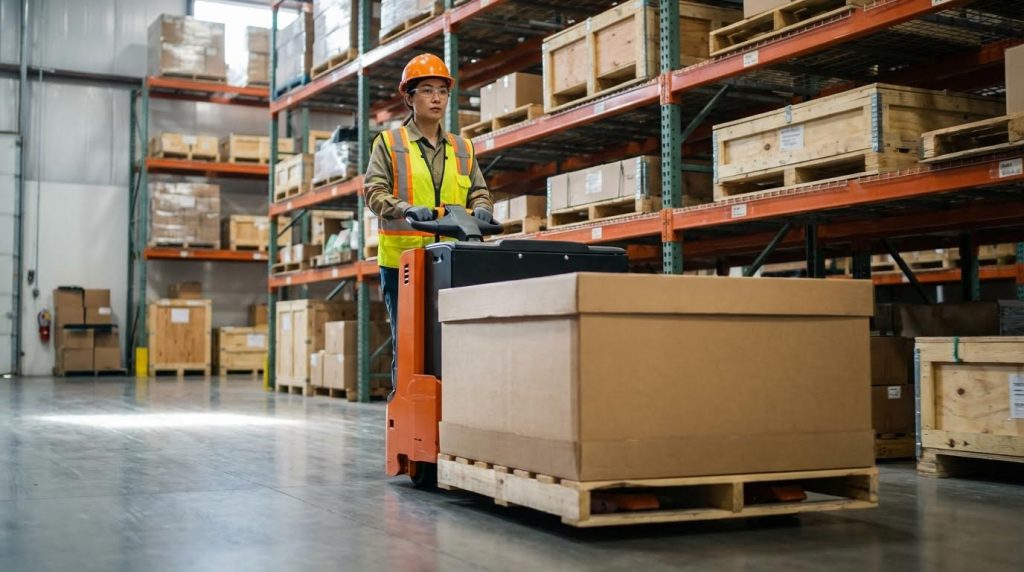
Knowing how to move heavy pallet jack safely starts with understanding limits, friction, and simple mechanical aids. This guide walks through practical, low-cost methods and when to upgrade to structured handling systems so you cut risk while keeping pallets moving.
Core Principles For Moving Heavy Pallets Safely

Core principles for moving heavy pallets safely define when manual effort is acceptable and when you must switch to mechanical aids if you are exploring how to move heavy pallet without pallet jack. They focus on human limits, load geometry, and floor conditions before you touch the pallet.
Before any move, treat the task as a mini risk assessment: check weight versus people, load stability and center of gravity (CoG), and the full floor route from origin to destination.
Manual handling limits and risk thresholds
Manual handling limits and risk thresholds set the absolute boundary for how much of a pallet move can be done by people alone. Ignore these limits and you trade short‑term speed for long‑term injuries and lost productivity.
| Factor | Typical Value / Guideline | Operational Impact |
|---|---|---|
| Safe lift per person | ≈23 kg (50 lb) per lift guideline | Above this, use team lifts or mechanical aids; do not “muscle through”. |
| Typical palletized load | ≈225–900 kg including pallet range | Far beyond direct lifting; only small fractions can be man‑handled. |
| Dragging light pallets | Often needs 2–3 people above ≈200 kg, depending on friction observation | Signals that “simple rope drag” is rarely safe for full, heavy pallets. |
| Typical wooden pallet mass | ≈18–32 kg empty range | Empty pallets can be handled manually; loaded pallets usually cannot. |
| Plastic pallet mass | ≈9–14 kg empty range | Lighter to reposition by hand, but loaded weight still dominates risk. |
- Respect per-person limits: Keep individual lifts at or below ≈23 kg – Prevents back and shoulder injuries during partial unloading or repositioning.
- Break down loads where possible: Remove cartons or layers until remaining mass is manageable – Turns a “no-go” pallet into several safe manual tasks.
- Use team lifts correctly: Coordinate count, direction, and commands – Reduces asymmetric loading where one worker silently takes most of the weight.
- Avoid twisting under load: Turn with your feet, not the spine – Cuts disc and ligament strain when handling boxes off the pallet.
- Limit dragging distance: Keep manual drags to short, straight runs – Stops fatigue spikes that lead to trips, slips and loss of control.
How to decide if a pallet move is “manual only” or needs equipment
Combine three checks: 1) Total mass versus number of people and 23 kg per-person guideline. 2) Route length and obstacles. 3) Frequency per shift. If any of these are high, introduce rollers, skates, carts, or tugs instead of pure manpower.
💡 Field Engineer’s Note: If it takes more than two workers leaning hard just to budge a pallet, you are already beyond sensible manual limits. At that point, add rollers, skates, or a DIY cart before someone strains a back or a pallet board fails suddenly.
Load weight, CoG and floor condition checks
Load weight, center of gravity, and floor condition checks are the engineering backbone of any plan for how to move heavy pallet without pallet jack. You are not just fighting weight; you are managing stability and friction along the whole route.
| Check | What To Look At | Operational Impact |
|---|---|---|
| Load weight | Estimate from documentation or product density; typical palletized loads 225–900 kg range | Drives choice of rollers, pipes, or platform design and number of helpers. |
| Center of gravity (CoG) | Is the stack higher on one side, or are heavy items off-center? guidance | Off-center CoG increases tipping risk when using levers, pipes, or skates. |
| Pallet condition | Cracked deck boards, loose blocks, rotten wood | Weak pallets can fail when pried or rolled, dropping 500–1,000 kg abruptly. |
| Floor smoothness | Cracks, spalls, expansion joints, thresholds, drains notes | Dictates roller diameter, caster size, and whether dragging is realistic. |
| Floor slope | Sloped docks, ramps, or subtle gradients | On slopes, a 500–1,000 kg pallet can “run away” on pipes or skates. |
| Route width | Aisle width versus pallet footprint (typically ≈1,000 x 1,200 mm) | Determines if turning is possible on DIY platforms or carts. |
- Verify pallet integrity first: Inspect stringers and deck boards before inserting levers or pipes – Prevents collapse when you lift one edge by several millimetres.
- Estimate CoG location: Visualise where most mass sits and keep lever or roller contact near that zone – Reduces tipping as you raise or roll one side.
- Plan the exact path: Walk the route, mark cracks, thresholds and tight turns – Avoids getting a 900 kg pallet “stuck” mid‑route on a defect.
- Match method to floor: Use rollers and skates only on reasonably smooth, level concrete – Maintains low rolling resistance and predictable steering.
- Control slopes aggressively: On any gradient, add chocks, spotters, and a positive braking plan – Prevents uncontrolled motion on pipes or temporary skates.
Simple way to approximate center of gravity on a pallet
Stand back and look at the stack. Imagine a box around the visible load and mark the geometric center. Then mentally shift that point towards any side that has denser or taller items. Keep levers, jacks, or roller lines as close as possible to this adjusted center and directly under strong pallet members, not under thin deck boards.
💡 Field Engineer’s Note: Many “mystery” pallet tip-overs came from ignoring tiny floor details. A 5 mm lip at a doorway can stop a pipe dead, while the 800 kg pallet on top keeps moving. Always trial-roll an empty pallet or a lighter load along the planned path before you commit the heavy one.
Engineering Methods To Move Pallets Without A Jack
This section explains how to move heavy pallets without a manual pallet jack by turning static friction into rolling motion using levers, pipes, rollers, and improvised carts. The goal is safe, controlled movement on real warehouse floors, not brute force.
If you are searching for how to move heavy pallet without pallet jack, these engineering methods focus on simple physics, low-cost tools, and clear safety limits so you avoid back injuries, crushed toes, and damaged product.
Lever, pry-bar and roller crowbar techniques
Lever tools let you lift and “walk” a pallet a few millimeters at a time so you can get it onto rollers, skates, or DIY carts with minimal manual strain.
- Basic pry-bar lift: Use a steel bar and wood block as a fulcrum – creates a mechanical advantage so one person can raise one pallet edge safely.
- Hand and foot clearance: Keep fingers, boots, and shins away from the pallet edge – prevents crush and pinch injuries if the bar slips.
- Pallet inspection: Check deck boards and stringers for cracks before prying – avoids sudden failures under concentrated lever loads.
- Lift height: Raise just enough (often 10–30 mm) to insert pipes or dollies – limits instability and reduces risk of the pallet rolling off supports.
- Team coordination: If two people lever opposite corners, use clear commands – keeps the load level and reduces twisting of weak pallets.
A roller crowbar adds a small wheel near the toe so you can both lift and roll the pallet over short distances on smooth floors. Typical palletized loads often range between 500–2,000 kg, so you must respect both bar strength and floor condition when using this method. Roller crowbars work best on flat, hard concrete with no steps, cracks, or drains that could block the wheel.
| Tool / Technique | Typical Use | Key Limits | Operational Impact |
|---|---|---|---|
| Simple pry-bar + wood block | Lift one edge 10–30 mm to insert rollers or skates lever method | Depends on bar strength and operator; keep within manual handling limits of ~23 kg per person for pure lifting manual limit | Enables controlled micro-lifts to convert dragging tasks into rolling tasks. |
| Roller crowbar | Lift and roll one pallet side a short distance on smooth concrete roller crowbar | Best with pallet masses around 1,500–3,000 kg on level floors; avoid slopes and rough surfaces | Good for repositioning pallets to access pipes, carts, or to clear doorways. |
| Sequential “walking” with lever | Lift one corner, block it, then move around the pallet in sequence | Time-consuming; requires stable blocking and good CoG awareness CoG | Useful for rotating or inching pallets where rolling tools cannot fit. |
💡 Field Engineer’s Note: On rough or cracked concrete, roller crowbars can “dig in” and stop abruptly, transferring shock back into the handle. Always walk the route first and, if needed, bridge bad joints with 6–10 mm steel plates before you start.
How to choose lever length and fulcrum height
Longer levers (1.5–2.0 m) reduce operator force but increase arc travel, so you need clear space behind the bar. A fulcrum height of roughly 80–120 mm usually gives enough lift for 50–80 mm diameter pipes while keeping the pallet stable.
Pipes, rollers and temporary pallet skates
Pipes and roller skates turn sliding friction into rolling friction so you can move heavy pallets with much lower pull forces over defined paths.
This is one of the most effective answers to how to move heavy pallet without pallet jack when you have a reasonably smooth, level floor and can plan a straight or gently curved route in advance.
- Pipe rollers under pallet: Place 3–4 steel pipes under the pallet deck – keeps at least three contact points to avoid tipping and point loading.
- Roller spacing: Keep spacing shorter than one-third of pallet length – reduces bending of deck boards under concentrated loads.
- Controlled pulling: Use tow straps or ropes to pull from a low, central point – keeps forces aligned with travel and reduces yaw.
- Temporary pallet skates: Fit short roller sections under pallet feet – ideal for short transfers where a full conveyor is not economical.
- Route preparation: Mark roller paths and clear debris – prevents sudden stops that could shift the center of gravity or topple stacked goods.
Roller-based systems dramatically reduce friction compared with dragging, so they are safer for heavier pallets, provided you maintain control of speed and direction. Engineers must match pipe diameter and wall thickness to pallet mass and floor hardness to avoid pipe denting or deck board cracking. Keeping at least three rollers under the pallet at all times is essential for stability and to spread contact pressure across several boards.
| Method | Typical Load Range | Floor Requirement | Best For… |
|---|---|---|---|
| Loose steel pipe rollers | Common pallet loads 500–2,000 kg pallet mass | Smooth, level concrete; no significant slopes or steps floor condition | Short, straight moves between workstations when you can recover and reposition pipes easily. |
| Temporary pallet skates / short roller sections | Similar 500–2,000 kg range, depending on skate rating temporary rollers | Flat, clean floors; avoid side loads and sharp turns | Moving a pallet 5–20 m where installing fixed conveyors is not justified. |
| Fixed pallet roller tracks | High-frequency pallet flows, often 500–2,000+ kg each fixed tracks | Anchored, aligned lanes; engineered stops and guards | Repeated transfers between production, staging, and shipping along the same path. |
💡 Field Engineer’s Note: When using loose pipes, many teams forget about “runaway” risk on even slight slopes. Anything steeper than about 1–2% gradient can let a 1,000 kg pallet roll on its own, so always chock the downstream pipe and assign one person to braking and guidance.
How to set up a basic pipe-roller move
1) Map the route and sweep the floor. 2) Use a lever to lift the pallet and place the first three pipes at roughly equal spacing. 3) Pull the pallet forward until the rear pipe emerges, then carry it to the front and repeat. 4) Keep operators clear of the pallet sides to avoid foot and ankle strikes.
DIY rolling platforms, carts and low-cost tugs
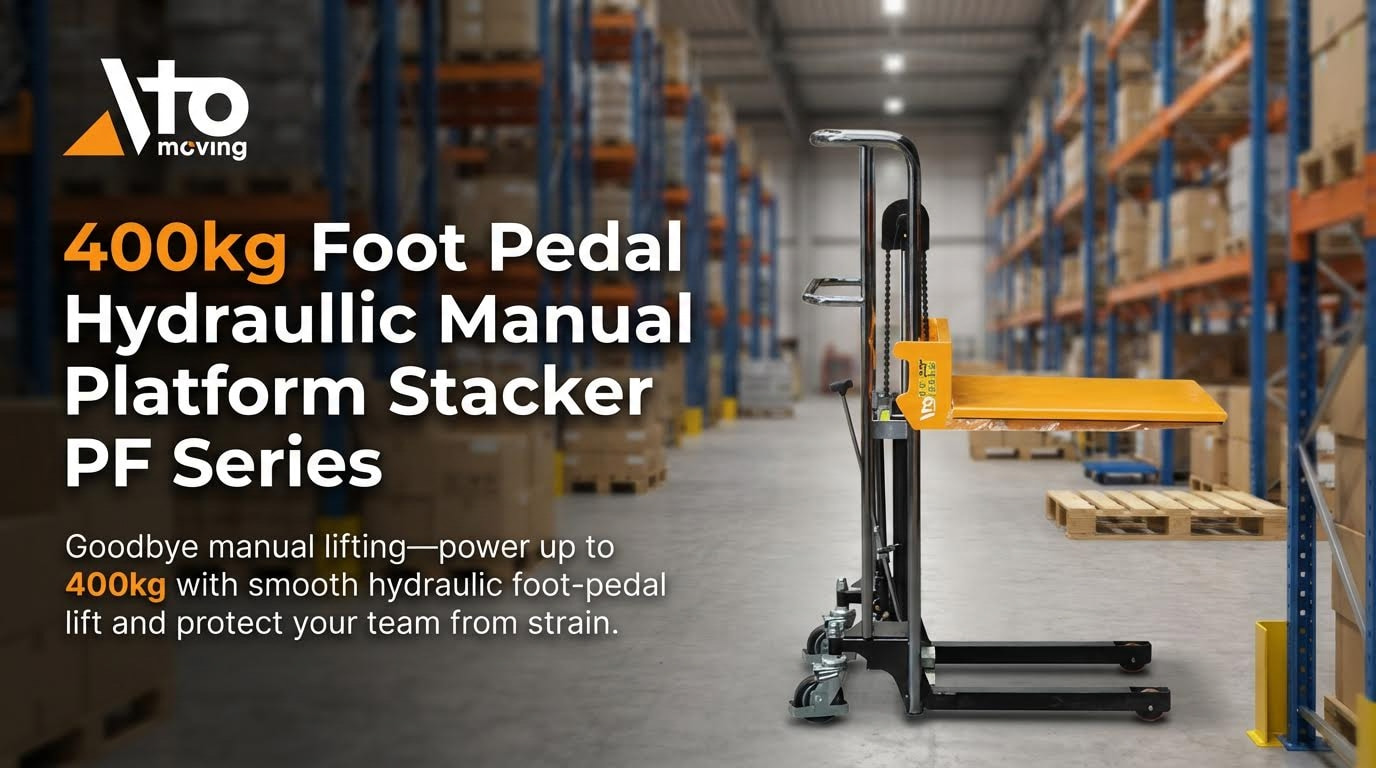
DIY rolling platforms and simple carts let you turn a bare pallet into a wheeled load so you can push or tug it like a low-height trolley instead of dragging it across the floor.
This approach is particularly useful for one-off jobs, tight budgets, or older buildings where you cannot easily introduce pallet jacks but still need a practical method for how to move heavy pallet without pallet jack over longer distances.
- DIY caster platforms: Build a thick plywood or steel plate base with bolted casters – creates a temporary low-deck cart that accepts standard pallets.
- Structural stiffness: Check that the platform does not sag under expected pallet weight – prevents casters from splaying or binding.
- Caster selection: Match wheel diameter and bearing type to floor joints and debris – larger wheels roll easier over cracks and expansion joints.
- Towable pallet carts: Use flat or recessed deck carts pulled by an operator or tug – ideal for repeat routes in aisles where trains can pass safely.
- Low-cost tugs: Add compact powered tugs to standardized carts – removes high pull/push forces for heavier trains.
A DIY caster platform usually uses a thick board or plate with casters at the corners and sometimes mid-span for heavy loads. Workers use a lever to get the pallet onto the platform, then push it like a very low cart. This introduces extra lifting and fabrication effort, but it can be a cost-effective solution if you correctly size the deck and casters for pallet masses in the 500–2,000 kg range and verify that floor conditions do not exceed caster load ratings. Towable pallet carts and low-cost tugs extend this idea into more structured systems for frequent routes.
| Solution | Typical Capacity Range | Key Design Points | Operational Impact |
|---|---|---|---|
| DIY caster platform | Match to pallet loads, often 500–1,500 kg, based on caster ratings DIY platforms | Board or plate stiffness, bolt quality, caster type and spacing | Good for occasional moves or project work where buying dedicated carts is not justified. |
| Manual platform trucks | Some models exceed 1,100 kg (2,500 lb) capacity platform trucks | Deck size vs pallet footprint, handle height, wheel material | Useful when you can transfer goods from pallet to truck or when pallets are smaller than the deck. |
| Towable pallet carts | Often 500–2,000 kg per cart, depending on design pallet carts | Hitch design, wheel size, aisle width, turning radius | Replaces many forklift trips with tugger-style trains on fixed routes. |
| Low-cost manual / powered tugs | Check drawbar load rating vs total train mass manual tugs | Battery capacity, braking performance, operator training | Allows one operator to move multiple loaded carts with controlled acceleration and stopping distances. |
💡 Field Engineer’s Note: With DIY platforms and carts, the hidden constraint is often floor flatness. Small hard casters can “fall” into 5–10 mm joints and stop dead, throwing the operator forward. In older buildings, choose larger-diameter, softer wheels and test the worst section of the route before committing to a design.
When to move from DIY carts to formal tugger systems
If you are moving more than a handful of pallets per shift over 30–80 m routes, it is usually time to standardize on towable pallet carts with defined hitch points and, eventually, low-cost tugs. This improves safety, predictability, and total cost of ownership compared with ad‑hoc DIY platforms.
When To Upgrade To Structured Handling Systems
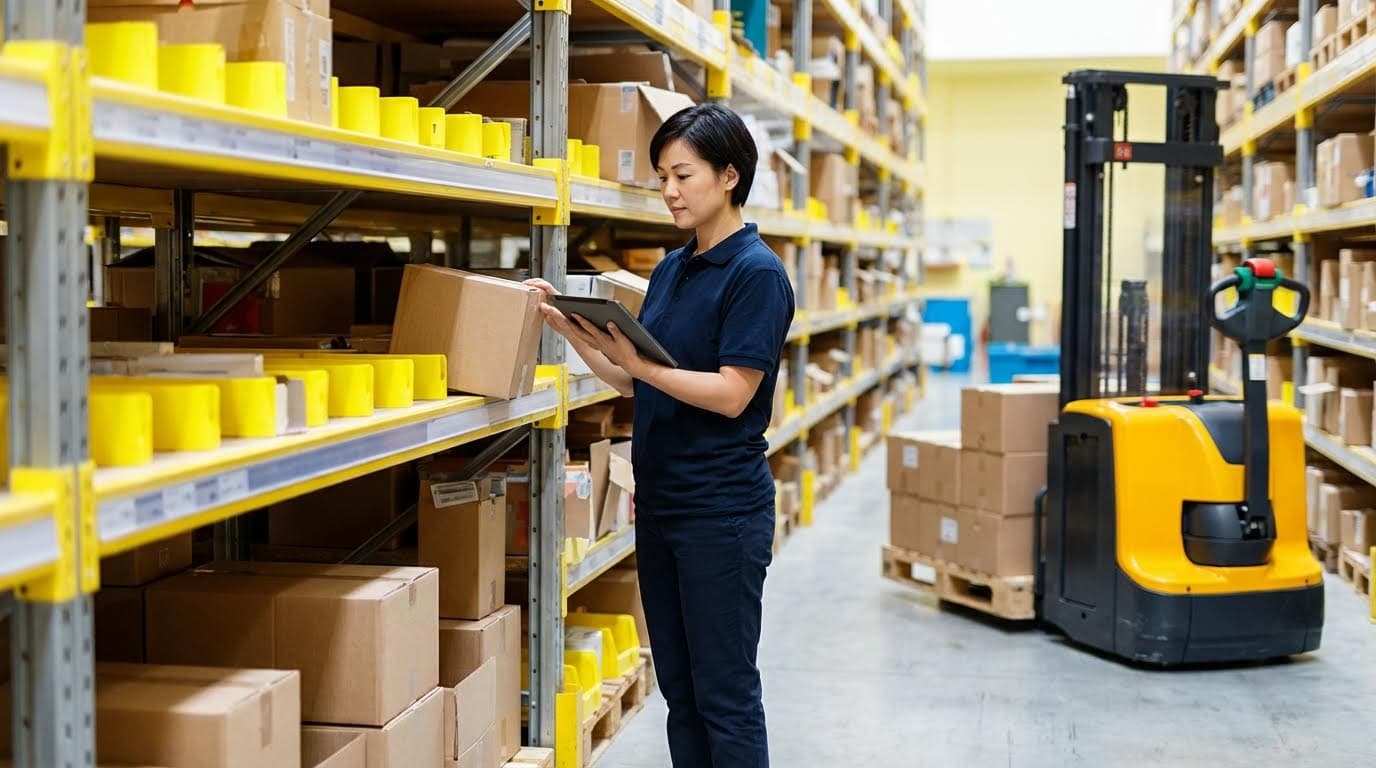
Upgrade to structured handling systems when manual tricks for how to move heavy pallet without manual pallet jack start to hit limits on weight, distance, repeatability, or safety risk. At that point, engineered carts, tugs, and conveyors cut strain and standardize flow.
- Trigger 1 – Repetition: You move the same routes dozens of times per shift – labor cost and fatigue rise sharply.
- Trigger 2 – Load Mass: Palletized loads sit in the 500–2,000 kg range – well beyond sustainable manual pulling or dragging.
- Trigger 3 – Distance: Routes exceed 20–30 m one way – small friction differences turn into large effort and time losses.
- Trigger 4 – Injury History: Near-misses, strains, or back injuries appear – you need engineered controls, not more toolbox talks.
- Trigger 5 – Flow Constraints: Production or shipping queues form around pallet movements – material handling is now a throughput bottleneck.
How this fits with “no pallet jack” operations
Structured systems like pallet carts, tugs, and conveyors still answer how to move heavy pallet without manual pallet jack. They shift you from improvised methods to standardized, low-strain, higher-throughput solutions.
💡 Field Engineer’s Note: Once average pallet weights exceed about 500–700 kg over mixed floor conditions, I treat ad‑hoc rollers and DIY dollies as temporary only and start planning standardized carts or conveyors with documented routes and limits.
Towable pallet carts and tugger-style trains
Towable pallet carts and tugger-style trains provide a structured, low-forklift method to move heavy pallets safely over repeat routes. They standardize wheel size, braking, and hitching so one operator can move multiple pallets efficiently.
Towable pallet carts are flat or recessed-deck frames that accept one or more pallets and run on industrial wheels, either pushed by an operator or towed in a train. They are ideal for medium to long internal distances on defined routes where trains can pass safely. Source data on towable pallet carts and tugs
| Factor | Typical Engineering Range / Practice | Operational Impact |
|---|---|---|
| Typical pallet load on carts | 500–2,000 kg per palletized load Typical pallet weight range | Defines wheel capacity, frame stiffness, and tug drawbar load. |
| Cart wheel diameter | Large wheels sized to floor quality and load mass Design guidance | Bigger wheels bridge cracks and joints, lowering rolling resistance on rough concrete. |
| Train length | Several carts linked by tongues or hitches Tugger-style operation | One tug can move multiple pallets; turning radius and aisle width must be checked. |
| Tow vehicle / tug | Low-cost manual or powered tugs providing tractive force Tug data | Replaces manual pulling; keeps pull forces within ergonomic limits. |
| Drawbar load rating | Matched to total train weight (sum of pallets + carts) Drawbar guidance | Prevents overloading tug; critical for slopes and emergency stops. |
| Brakes / chocks | Wheel brakes or chocks on carts in sloped areas Safety guidance | Mitigates runaway risk during loading, coupling, and parking. |
| Route type | Medium to long, repeat internal routes in aisles wide enough for trains Use case | Best where pallets flow regularly between production, staging, and shipping. |
- Standardized interface: Use consistent tongues or hitches on all carts – any tug can connect to any cart, simplifying dispatching.
- Defined tow speeds: Set speed limits by route and load – keeps stopping distances and cornering forces predictable.
- Floor assessment: Map slopes, joints, and narrow spots – prevents stalls, jackknifing, or side-swipe incidents.
- Ergonomic wins: Operators walk or ride behind a tug instead of pulling ropes – dramatically reduces spinal and shoulder load.
- Scalability: Start with one tug and a few carts – add more cars to increase hourly pallet throughput without forklifts.
When do carts and tugs beat improvised methods?
Once you routinely move pallets over fixed routes and distances beyond 20–30 m, towable carts and tugs deliver more predictable control and lower strain than pipes, crowbars, or dragging, while still avoiding traditional manual pallet jacks and forklifts.
💡 Field Engineer’s Note: For mixed-floor sites, I specify wheels that comfortably roll over the worst joints and drains on the route, then cap train weight so one tug can restart a stopped train on the steepest in-plant slope without wheel spin.
Gravity, powered rollers and conveyor solutions

Gravity and powered roller conveyors become the best answer for how to move heavy pallet without manual pallet jack when pallet flow is frequent, directional, and along fixed paths. They convert intermittent manual moves into continuous, low-touch transport.
Temporary pallet rollers or skates sit at the lightest end of this spectrum. Short roller sections or skates go under pallet feet for a one-off or low-frequency move, provided alignment is controlled and side loads are avoided. Temporary roller method Fixed pallet roller tracks and full conveyor systems represent the structured, permanent end, where pallets run in guided lanes with defined entry and exit points. Fixed tracks and conveyors
| Solution Type | Key Characteristics | Best For… |
|---|---|---|
| Temporary pallet rollers / skates | Short roller sections under pallet feet; require careful alignment and low side loads Temporary rollers | Short, occasional transfers where permanent conveyors are not justified. |
| Fixed pallet roller tracks | Anchored tracks with integrated rollers along defined lanes; need guards, stops, and speed control on slopes Fixed tracks | High-traffic, repeat paths between production, staging, and docks. |
| Gravity roller conveyors | Slight slope so pallets roll under their own weight; used for order picking and staging Gravity roller use | Short to medium runs where controlled downhill flow is acceptable. |
| Chain-driven live roller conveyors | Powered rollers for heavy pallets; continuous, automated paths from production to storage or shipping Live roller conveyors | High-throughput, level or slightly inclined runs with frequent pallet moves. |
| Drag chain conveyors | Robust chains dragging pallets; suited to harsh environments Drag chain data | Dirty, hot, or abrasive areas where rollers would clog or wear quickly. |
| Turntable and vertical conveyors | Turntables change direction; vertical conveyors move pallets between floor levels Direction and level changes | Complex layouts needing 90° turns or multi-level pallet transfer without forklifts. |
- Route fixation: Conveyors make sense when pallet paths are stable for years – they are infrastructure, not temporary tools.
- Throughput goals: If flow is limited by how fast people can drag or push, powered conveyors unlock higher pallets/hour – ideal for production lines and docks.
- Safety controls: Guarding, walkways, and emergency stops must be designed in from day one – conveyors concentrate energy along a narrow path.
- Floor and level changes: Use gravity rollers only where slope can be tightly controlled – steep or uncontrolled gradients demand brakes, speed governors, or powered sections.
- Total cost lens: Evaluate labor saved, injuries avoided, and throughput gains against capital and installation – many conveyor systems pay back in a few years through reduced handling effort.
How conveyors change your “no pallet jack” strategy
Instead of asking how to move heavy pallet without manual pallet jack each time a load appears, conveyors predefine the answer: pallets follow a fixed, guarded route with minimal human push effort, while operators focus on loading, unloading, and supervision.
💡 Field Engineer’s Note: Before installing gravity lanes, I always run a loaded pallet down a test slope with physical end stops and spotters, then tune angle, braking, and stop design. Uncontrolled gravity is where most serious conveyor incidents start.
Final Thoughts On Pallet Movement Without Jacks
Safe pallet movement without a pallet jack depends on three linked pillars: human limits, load behavior, and engineered aids. You first cap manual effort using clear weight limits, short drag distances, and strict rules on team lifts and body posture. This protects workers from chronic strain and forces early use of mechanical advantage instead of brute force.
You then treat every move as a stability problem, not just a weight problem. Center of gravity, pallet condition, floor slope, and route defects decide whether levers, pipes, carts, or rollers stay predictable or turn risky. Operators inspect, test, and prepare the path before they ever put a bar or roller under a deck board.
Finally, you scale from improvised tools to structured systems as flows grow. Crowbars, loose pipes, and DIY platforms suit rare, short moves. Towable carts, tugs, and conveyors suit repeat routes and higher pallet counts. The practical best practice is simple: start with a risk check, choose the lightest method that keeps forces low and motion controlled, and standardize successful setups into documented procedures and fixtures. Atomoving can then help you align those methods with suitable equipment so your “no pallet jack” strategy remains safe, ergonomic, and efficient over time.
Frequently Asked Questions
How to Move a Heavy Pallet Without a Pallet Jack?
Moving heavy pallets without a pallet jack can be done safely with the right techniques. One effective method is to use a heavy-duty rope. Securely fasten the rope to the pallet and pull it to the desired location. Be careful not to drag the pallet too quickly to avoid damage or injury. Pallet Moving Tips.
- Use a heavy-duty rope to pull the pallet.
- Avoid dragging the pallet too quickly to prevent damage.
What Are Some Safe Techniques for Lifting Heavy Objects?
When lifting heavy objects, it’s important to use proper body mechanics to avoid injury. Keep your back straight and let your legs do the work. Avoid twisting your back and carry items close to your chest for better stability. These tips help distribute the weight evenly and reduce strain on your body. Safe Lifting Techniques.
- Keep your back straight and use your legs to lift.
- Avoid twisting your back while carrying heavy items.
- Carry items close to your chest for stability.