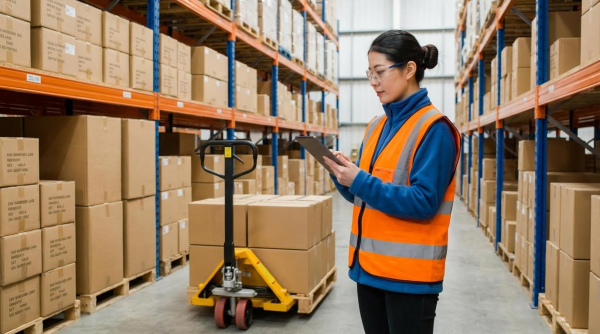
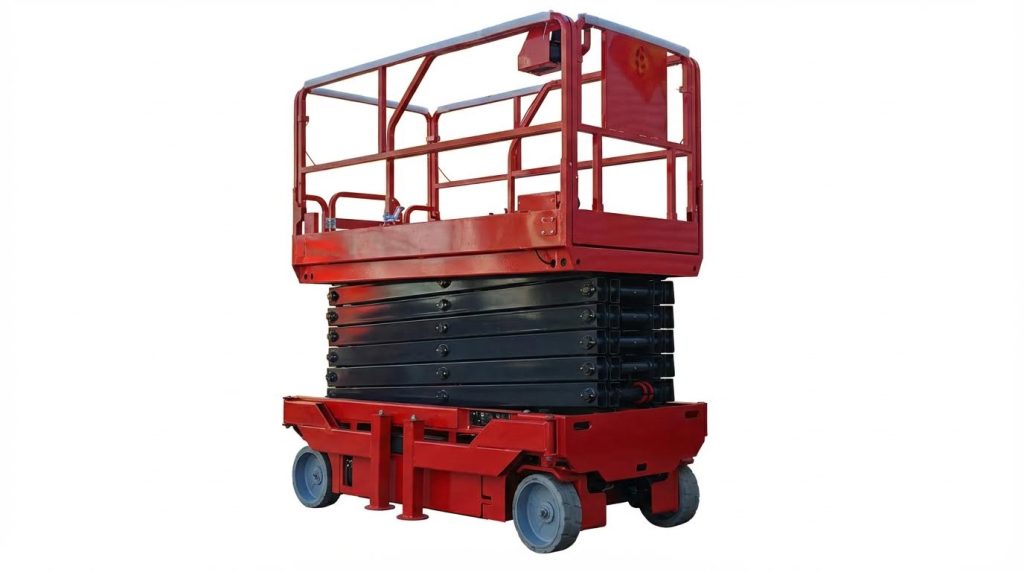
If you are looking for how to move pallets without a pallet jack, you have more safe options than you might think. This guide walks through manual, mechanical, and automated methods that keep loads moving while protecting people and floors. You will see where simple levers, rollers, drum carts, and conveyors each make sense, plus how to choose the right setup for your load, distance, and budget. By the end, you can redesign pallet flow without adding a single new hydraulic pallet truck.
Core Methods To Move Pallets Without A Jack
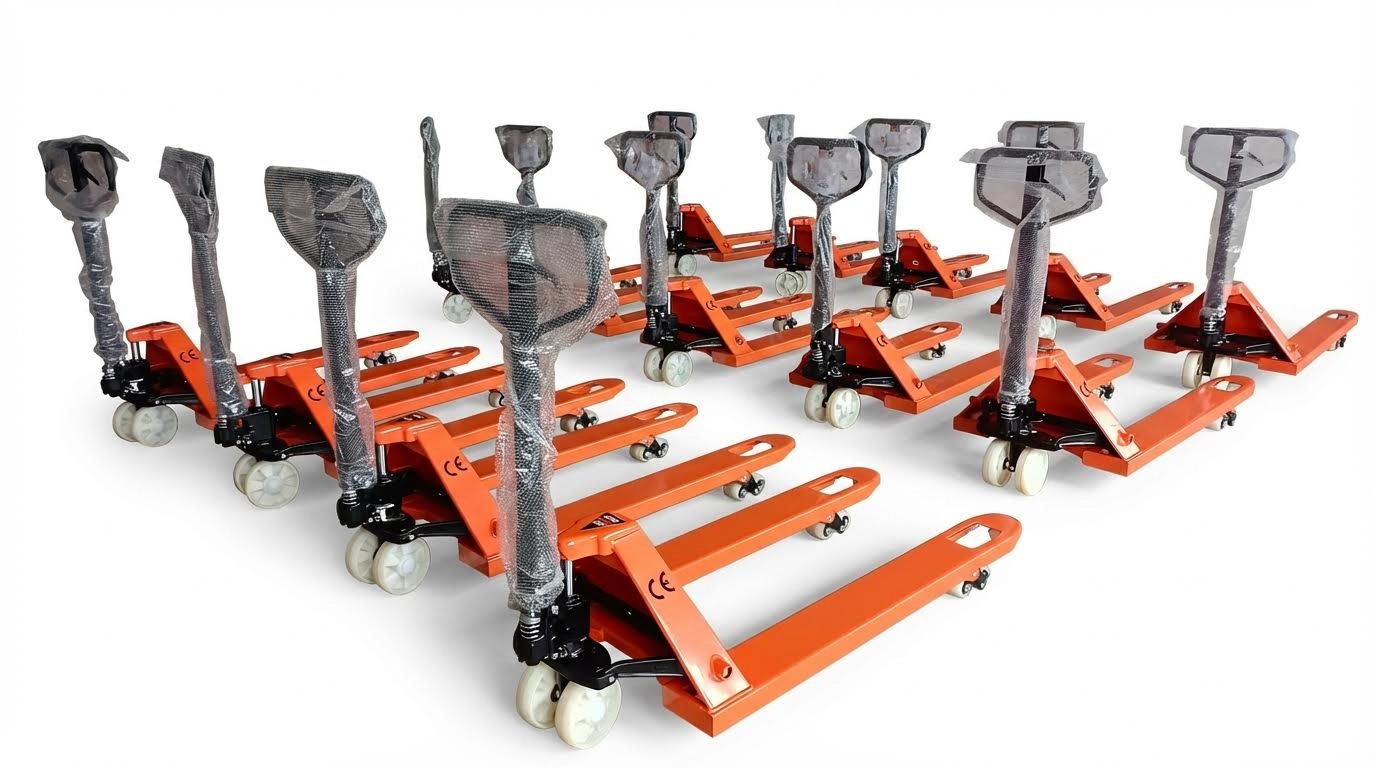
Core methods for how to move pallets without a manual pallet jack rely on controlled manual effort, basic levers, and low-friction rolling paths to shift loads safely over short distances. The right method depends on load weight, floor quality, and move frequency.
Manual and team-based pallet handling
Manual and team-based pallet handling uses human strength with good ergonomics and coordination to reposition lighter pallets without wheeled equipment. This works best for short moves, occasional tasks, and loads in the low hundreds of kilograms.
- Neutral spine posture: Bend at the knees, not the waist – Reduces lower back compression when lifting or tilting a pallet edge.
- Load close to body: Keep the pallet edge or boards near your torso – Shortens the lever arm on your spine, cutting strain.
- No twisting under load: Turn with your feet, not your back – Prevents shear forces on spinal discs during direction changes.
- Planned team lifts: Use 2–4 people for units up to roughly 200 kg – Shares load evenly and keeps individual effort within safe limits.
- Clear voice commands: Agree on “lift,” “walk,” “stop,” “set down” – Prevents sudden moves that cause dropped loads or trips.
- Appoint a leader: One person calls moves and scans for obstacles – Improves route control in tight aisles or busy areas.
When is pure manual handling acceptable?
Manual handling is most defensible when pallet weights stay below about 150–200 kg, travel distances are under 5–10 m, and move frequency is low (a few times per shift). Above these ranges, mechanical aids sharply reduce cumulative injury risk.
💡 Field Engineer’s Note: If operators routinely “just drag it a few meters,” track how often it happens per shift. Once you see more than 10–15 manual pallet moves per day, musculoskeletal injuries usually spike within a year, even when each move looks “short and easy.”
Lever, pry-bar, and sled-style movement
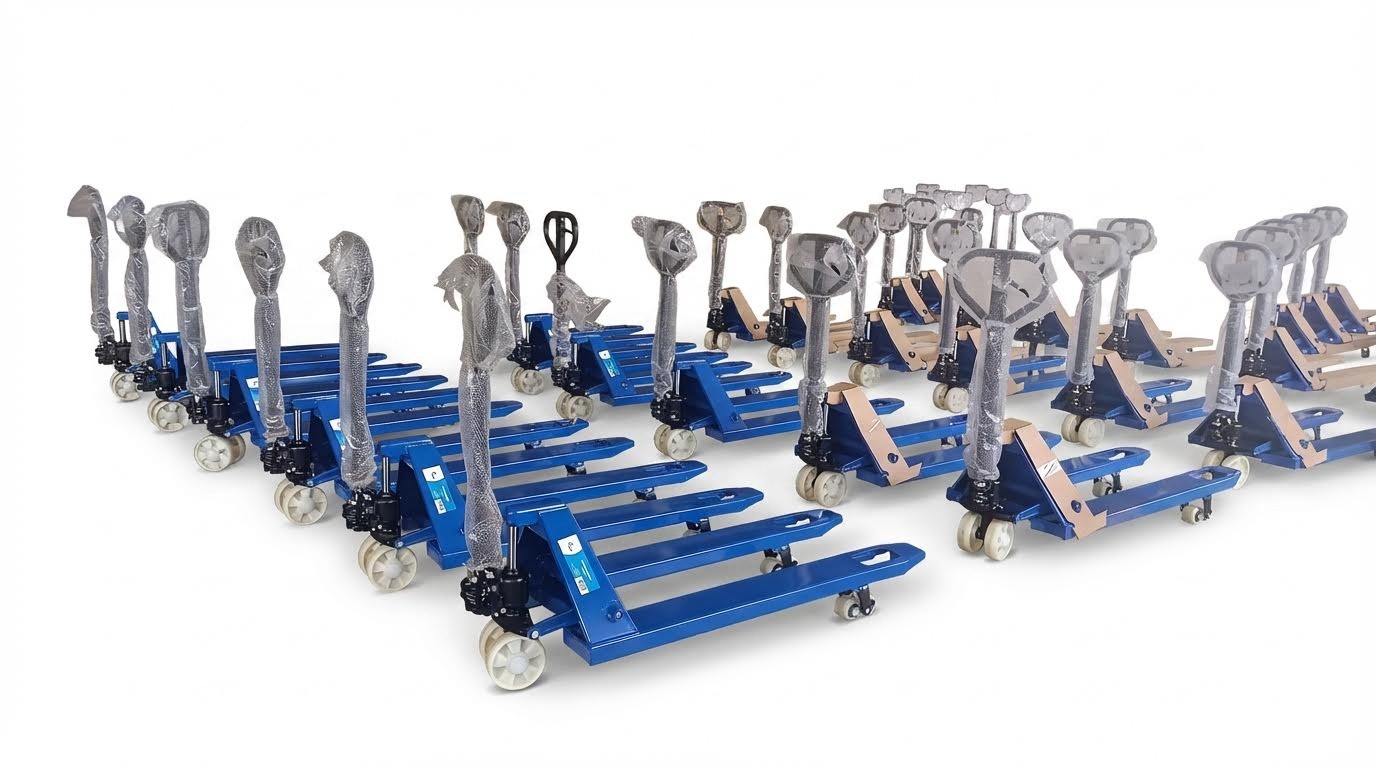
Lever, pry-bar, and sled-style movement uses simple mechanics to lift, tilt, or slide pallets so they can be repositioned with far less human force than direct lifting. These methods are ideal for short, controlled repositioning when you lack a low profile pallet jack.
- Levering an edge: Place a metal bar under one pallet stringer with a wood block as a fulcrum – Lets one person raise 20–40 mm to insert supports or rollers.
- Inspect first: Check for cracked deck boards or broken stringers – Prevents sudden pallet failure when you apply concentrated bar force.
- Protect contact points: Use a wood pad between bar and pallet – Spreads load and reduces crushing of soft or wet timber.
- Hands and feet clear: Keep extremities out of the lever arc – Avoids pinch and crush injuries if the bar slips off the fulcrum.
- Short-distance “sled” moves: Slide a smooth steel or UHMW plate under the pallet – Turns friction from “wood on concrete” into “steel/plastic on concrete,” cutting drag dramatically.
- Best floors for sleds: Use on smooth, flat concrete or epoxy-coated floors – Minimizes snagging and allows steady pulling force.
- Controlled pulling: Use straps or ropes anchored low to the load – Keeps pull direction horizontal and reduces tipping risk.
How far can you safely drag a pallet on a sled?
Sled-style moves are best kept under about 10 m per move. Beyond that, friction heat, floor wear, and operator fatigue rise fast. For repetitive routes longer than 10–15 m, switch to carts, rollers, or conveyors instead of pure dragging.
💡 Field Engineer’s Note: In cold rooms and freezers, steel sled plates often freeze-bond to damp floors after a short stop. A thin UHMW or HDPE layer between plate and floor, or brief “rocking” before pulling again, usually breaks the bond and prevents jerky starts.
Pipe rollers and simple roller paths
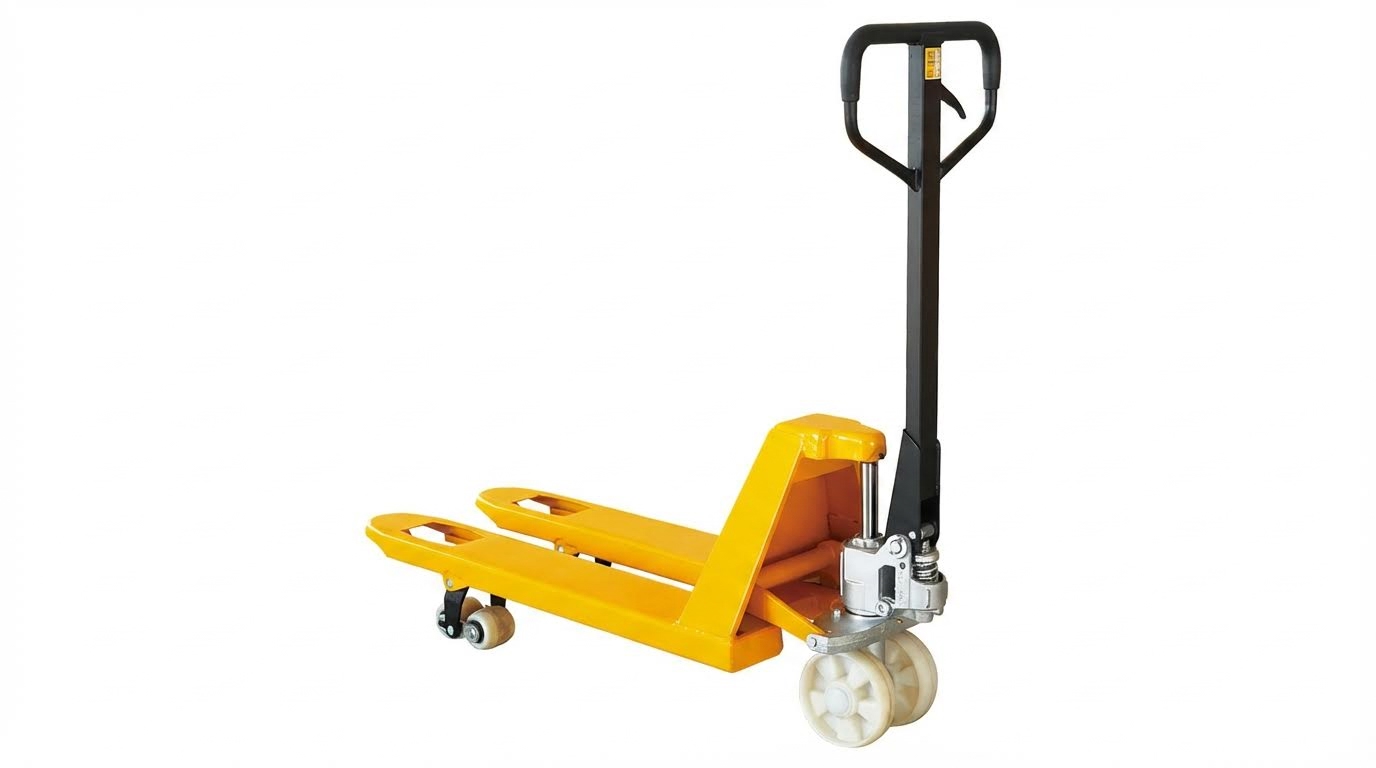
Pipe rollers and simple roller paths place cylindrical supports under a pallet so it rolls instead of drags, dramatically lowering the force needed to start and keep the load moving. This is one of the most efficient low-tech answers to how to move pallets without a hydraulic pallet truck.
- Basic pipe roller setup: Tilt the pallet, then insert 3–5 steel pipes under the deck – Converts sliding friction into rolling friction, slashing required push force.
- Spacing and diameter: Match pipe spacing to deck board gaps – Prevents the pallet from “dropping” between rollers and keeps motion smooth.
- Leapfrogging rollers: As the pallet advances, move rear pipes to the front – Allows several meters of travel with only a few rollers.
- Floor quality: Use on clean, smooth concrete – Debris or cracks can stop a loaded pallet abruptly and risk toppling.
- Simple roller paths: Lay pipes or loose rollers in a defined lane – Creates a temporary track between workstations without permanent anchors.
- Speed control on slopes: Keep gradients very low and have a spotter – Prevents runaway pallets when gravity assists motion.
How do pipe rollers compare to fixed roller tracks?
Loose pipe rollers are flexible and low-cost for occasional moves over 2–10 m, especially in maintenance or machine-service areas. Fixed tracks or gravity lanes are better once you repeat the same path dozens of times per shift, because they control alignment, guard edges, and reduce handling steps.
💡 Field Engineer’s Note: When operators push on the top of a tall pallet load on rollers, they easily create a tipping moment. Train them to push from mid-height or lower and to keep the center of gravity roughly within the middle third of the roller footprint, especially for stacked, unstable goods.
Engineered Alternatives: Carts, Tracks, And Conveyors
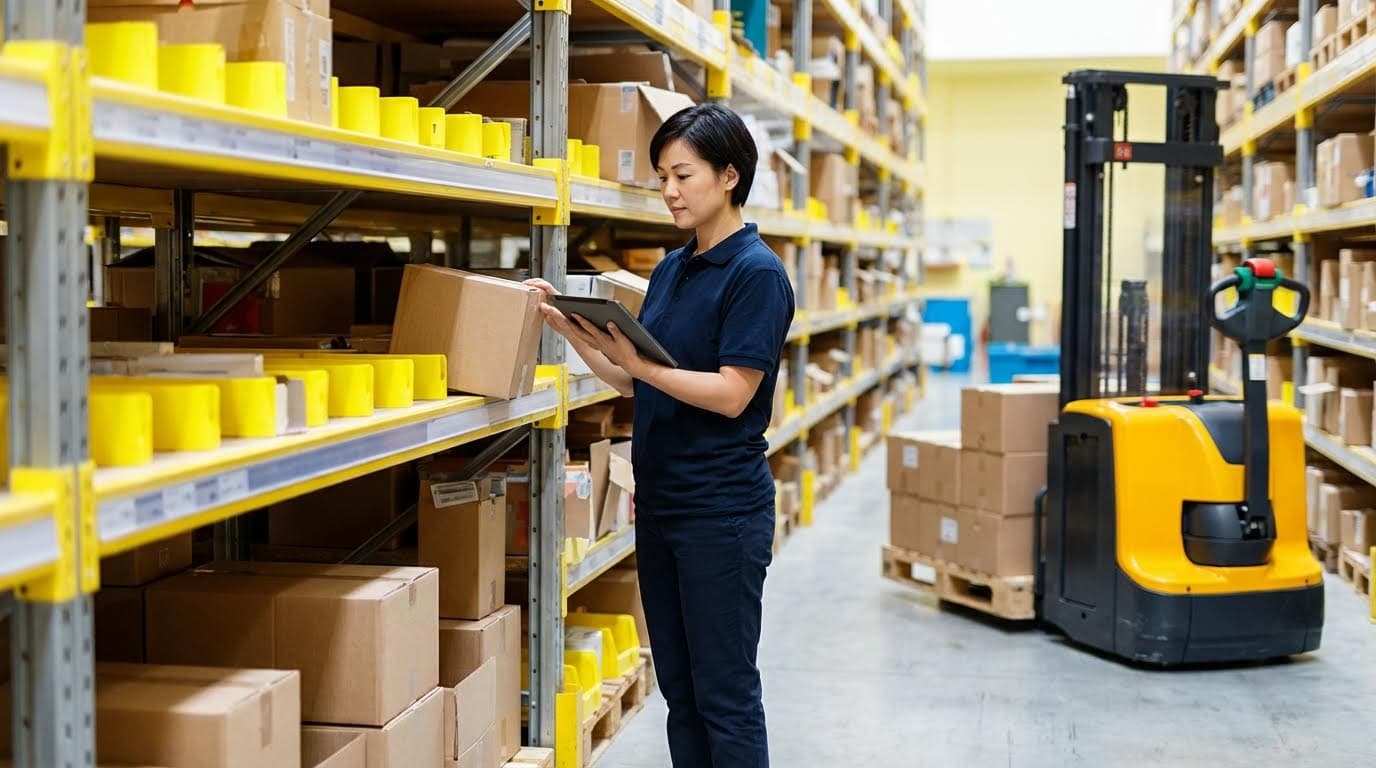
Engineered systems like towable carts, roller tracks, and conveyors are the most efficient answers to how to move pallets without a manual pallet jack over repeat routes and higher volumes. They trade low upfront cost for big gains in safety, throughput, and labor savings.
This section walks through three main engineered options plus the safety and maintenance practices that keep them reliable in real plants and warehouses.
Towable pallet carts and tugger trains
Towable pallet carts and tugger trains move pallets using a towing vehicle instead of a pallet jack, making them ideal for medium to long internal distances with repeat routes. They are a common bridge between purely manual handling and full conveyor automation.
| Feature | Typical Range / Option | Operational Impact |
|---|---|---|
| Load per cart | 500–1,500 kg (single pallet) | Safely replaces one manual pallet move per trip. |
| Train length | 3–6 carts | Moves 3–6 pallets per tugger pass, cutting trips. |
| Deck style | Flat or recessed pallet pockets | Recessed decks self-locate pallets and reduce shift. |
| Guides/rails | Corner guides, side rails | Keeps pallets centered on rough floors and in turns. |
| Wheel size | Large diameter for rough floors, smaller for smooth | Reduces rolling resistance and vibration on poor floors. |
| Braking | Parking brakes, chocks for slopes | Prevents roll-away during loading/unloading. |
| Typical tow speed | Walking speed to ~6–8 km/h | Balances productivity with pedestrian safety. |
- Route-based efficiency: Carts shine on fixed milk-runs between receiving, production, and shipping – you cut empty travel and bunch moves into trains.
- Ergonomic loading height: Decks can match dock or line height – less bending and twisting for operators.
- Floor-friendly: Multiple wheels spread load – better than concentrated pallet jack point loads on weak slabs.
- Flexible layouts: Routes can change without construction – ideal for growing or reconfigured plants.
When towable carts beat pallet jacks
Choose carts when you move the same SKU flows dozens of times per shift over 30–200 m distances. One tugger with 4 carts can replace several pallet jacks and reduce aisle congestion.
💡 Field Engineer’s Note: On mixed-slope sites, always test a fully loaded train on the steepest ramp before go-live. Many operations underestimate drawbar force and braking distance once you hook 4–5 loaded carts behind a small tug.
Fixed pallet roller tracks and gravity lanes

Fixed pallet roller tracks and gravity lanes create defined paths where pallets roll on steel rollers instead of being pushed by pallet jacks, making them ideal for high-traffic transfers between set points.
| Design Aspect | Typical Value / Option | Operational Impact |
|---|---|---|
| Application | Production to staging, staging to shipping | Removes repetitive pallet jack travel on fixed routes. |
| Track type | In-floor or surface-mounted roller lanes | In-floor preserves clear floor; surface lanes are easier to retrofit. |
| Roller spacing | Matched to pallet deck boards | Prevents pallet boards from dropping between rollers. |
| Lane slope (gravity) | Shallow gradient to limit speed | Controls pallet acceleration and avoids runaway loads. |
| End control | End-stops, buffer stops | Stops pallets rolling off the end of the lane. |
| Guarding | Side guards, entry/exit guards | Keeps pallets on track and protects pedestrians. |
- High-frequency moves: Ideal when the same 50–500 pallets/day follow the same path – the more cycles, the faster the payback.
- Low energy use: Gravity lanes need no drives – minimal operating cost if slopes are engineered correctly.
- Predictable traffic patterns: Fixed lanes keep pallet movement in known corridors – easier to segregate from foot traffic.
- Low maintenance: Simple roller modules with periodic cleaning and bearing checks – less complex than powered systems.
Safety is critical with gravity lanes. Slopes must be limited so a 500–1,000 kg pallet does not reach unsafe speeds. End-stops and buffer zones absorb impact, and walkways must be clearly separated to avoid people stepping into rolling lanes.
How to match rollers to pallets
Measure pallet stringer spacing and deck board width. Choose roller diameter and pitch so at least three rollers sit under the pallet at all times, and deck boards never span a gap large enough to flex or drop.
💡 Field Engineer’s Note: In cold or dusty areas, keep a strict cleaning schedule. Debris on rollers quietly increases push forces until teams start “kicking” pallets to get them moving, which is a red flag for both safety and ergonomics.
Powered pallet conveyors and vertical transfer

Powered pallet conveyors and vertical transfer systems automate pallet movement along horizontal and vertical paths, offering the fastest, safest way to move heavy pallets without pallet jacks in high-throughput facilities.
Common pallet conveyor types include chain-driven live roller, drag chain, gravity roller, motorized transfers, and integrated vertical lifts. These systems significantly reduce manual handling and forklift traffic while improving flow.
| Conveyor Type | Best For | Operational Impact | Reference |
|---|---|---|---|
| Chain-driven live roller (CDLR) | Straight runs of heavy pallets | Reliable powered movement along fixed lines, reducing manual labor and forklifts. | Pallet handling conveyors overview |
| Gravity roller | Short, slightly sloped transfer | Low-cost movement using gravity where layout allows slope. | Gravity conveyor use |
| Drag chain conveyor | Harsh or dirty environments | Pulls pallets across rails; tolerates debris but needs wear protection. | Plain text summary from raw material |
| Turntable conveyor | 90°/180° direction changes | Rotates pallets in tight footprints without forklifts. | Plain text summary from raw material |
| Vertical conveyor / lift | Multi-level pallet transfer | Moves pallets between floors, replacing forklifts on ramps or lifts. | Vertical integration considerations |
- Throughput gains: Automated paths can cut a 1,000 kg pallet move from 10–15 minutes manually to about 2 minutes – huge for packaging-to-dispatch flows.
- Labor optimization: Conveyors take over repetitive shuttling – staff can shift to picking, quality, or value-add tasks. Labor optimization benefits
- Safety improvement: Fixed conveyors reduce forklift traffic and manual pushing – fewer impact and strain incidents. Safety improvements with conveyors
- Real-time tracking: Integration with barcode/RFID and WMS gives live pallet location data – better inventory accuracy and planning. Inventory tracking integration
Key design factors before you install conveyors
Check weight capacity, pallet orientation (2-way vs 4-way), available floor and vertical space, required speed/accumulation logic, and safety needs such as guardrails and emergency stops. Weekly inspections, lubrication, debris cleaning, and annual control checks support long-term performance. Key conveyor design and maintenance points
💡 Field Engineer’s Note: On heavy CDLR lines, leave space and structure for future accumulation zones and sensors even if you do not automate on day one. Retrofitting accumulation later is far more disruptive than overbuilding the frame and controls upfront.
Safety, compliance, and predictive maintenance

Safety, compliance, and predictive maintenance keep non-jack pallet systems reliable, legally compliant, and safe for operators as volumes grow. Engineered equipment moves a lot of mass; controls and inspections must keep up.
- Physical safeguards: Use guardrails, mesh, and end-stops on roller lanes and conveyors – prevents pallets or components entering walkways.
- Emergency stops: Place e-stops within about 3 m of operator stations and access points – operators must stop motion quickly during jams.
- Traffic separation: Mark pedestrian aisles, crossings, and “no walk” zones around tow routes and conveyor lines – reduces collision risk.
- Training and procedures: Train staff on loading rules, max pallet height, tow speeds, and lockout/tagout – most incidents come from bypassed procedures, not equipment failure.
Predictive maintenance adds sensors and data to prevent breakdowns before they stop your flow. Vibration or temperature sensors on conveyor drives and rollers, plus run-hour counters on tuggers, feed into maintenance plans so you schedule work during planned downtime.
- Condition monitoring: Drives, chains, and bearings with abnormal vibration or heat trigger inspections – you catch wear before it becomes a failure.
- Inspection routines: Weekly checks for loose anchors, damaged rollers, and debris on tracks – simple tasks that dramatically extend life.
- Data integration: Tying conveyors into WMS/ERP gives both flow data and maintenance windows – operations and maintenance can coordinate changes.
💡 Field Engineer’s Note: When you first switch from pallet jacks to engineered systems, incident types change. You see fewer back strains but more “pinch” and “jam” events unless you update training and signage to match the new equipment.
How To Choose The Right Non-Jack Solution

Choosing how to move pallets without a manual pallet jack starts with hard numbers: load weight, distance, frequency, floor quality, and true lifetime cost, not just purchase price.
Use the steps below as a quick engineering filter before you spend money or change processes.
Load, distance, and frequency assessment
Load, distance, and move frequency determine whether manual methods, carts, or conveyors are realistic ways to move pallets without a manual pallet jack.
- Clarify unit load weight: Up to about 200 kg – Team lifts, levers, and tow straps remain feasible for short moves.
- Flag medium loads (200–500 kg): – Pipe rollers, simple roller paths, or towable pallet carts become safer and more efficient.
- Identify heavy loads (>500 kg): – Fixed floor tracks, pallet roller lanes, or conveyors should replace brute-force methods.
- Measure typical travel distance: – <10 m suits levers/rollers; longer runs favor towable carts, tugger trains, or conveyors.
- Count moves per shift: – <10 moves supports manual aids; higher volumes justify semi- or fully automated systems.
| Scenario | Typical Specs | Recommended Non-Jack Method | Operational Impact |
|---|---|---|---|
| Light, occasional moves | <200 kg, <10 m, <10 moves/shift | Team lift, lever, sled drag | Zero capital; higher ergonomic risk if technique is poor |
| Medium loads, mixed distances | 200–500 kg, 10–30 m, 10–50 moves/shift | Pipe rollers, towable pallet carts | Reduces strain; keeps flexibility for changing routes |
| Heavy, frequent transfers | >500 kg, >20 m, >50 moves/shift | Fixed roller tracks, conveyors | High throughput; lowest labor per pallet |
How to measure realistic pallet weights
Do not rely on “paper weight.” Weigh at least 10 typical pallets on a floor scale, include packaging, and use the heaviest result plus 10–15% as your design basis.
💡 Field Engineer’s Note: When loads creep past 500–700 kg, the limiting factor is usually floor friction and operator stamina, not courage. If two people need more than one strong push to get a pallet moving, you are past the safe limit for purely manual movement.
Floor conditions and route complexity
Floor flatness, damage, slopes, and turns decide whether rollers, sleds, carts, or conveyors are the safest way to move pallets without a manual pallet jack.
- Inspect floor roughness and damage: – Cracked or uneven concrete suits sled-style dragging and robust carts, not loose pipe rollers.
- Check for slopes and ramps: – Even 2–3% gradients can cause uncontrolled rolling on gravity lanes if not guarded.
- Map route complexity: – Many turns favor towable carts or turntables; straight, repeat paths fit fixed roller or conveyor lines.
- Note environment (wet, cold, dirty): – Wet or cold areas need corrosion-resistant rollers or conveyors and slip-resistant walking surfaces.
- Identify pinch points and crossings: – Where routes cross walkways, you need guards, signage, and speed control.
| Floor / Route Condition | Better Non-Jack Options | Avoid | Operational Impact |
|---|---|---|---|
| Rough / cracked concrete | Sled plates, heavy-duty carts | Loose small-diameter pipe rollers | Prevents pallet rocking and roller jamming |
| Smooth, level concrete | Pipe rollers, gravity lanes, towable carts | Dragging heavy pallets directly | Lowest rolling resistance and effort |
| Wet or cold (<0°C) | Stainless or coated conveyors/rollers | Unprotected carbon-steel rollers | Reduces corrosion and seizure risk |
| Many 90° turns | Towable carts, turntable conveyors | Long straight gravity lanes | Maintains control in tight aisles |
| Level changes between floors | Vertical conveyors, lifts | Manual pushing up long ramps | Improves safety and consistency |
How to survey a pallet route in 10 minutes
Walk the full path with a tape measure and spirit level. Mark slopes, tight corners, door clearances, and floor damage on a simple sketch. This drawing becomes the base for any non-jack solution layout.
💡 Field Engineer’s Note: Gravity lanes that “look almost flat” often hide a 3–4% slope, which is enough for a 1,000 kg pallet to run away. Always measure slope over at least 3–5 m before approving a free-rolling design.
Total cost of ownership and ROI modeling
Total cost of ownership compares manual aids, carts, and conveyors by combining equipment, labor, maintenance, and injury risk over several years, not just day-one price.
- Capture labor per move: – Time one full pallet trip and multiply by hourly wage and moves per shift.
- Include maintenance and parts: – Rollers, wheels, bearings, and controls add recurring cost over 5–10 years.
- Account for infrastructure work: – Floor repair, anchors, guards, power, and controls belong in year-one cost.
- Quantify safety and injury savings: – Reduced strain and fewer incidents can outweigh small equipment price differences.
- Estimate payback period: – Divide total project cost by annual savings from labor and throughput gains.
| Solution Type | Typical Use Case | Cost Profile | Best For… |
|---|---|---|---|
| Manual aids (levers, sleds, pipe rollers) | Low volume, short distances | Low capital, high labor per pallet | Small shops testing how to move pallets without a manual pallet jack with minimal spend |
| Towable pallet carts / tugger routes | Medium distances, repeat routes | Moderate capital, moderate labor, flexible layout | Plants growing volume but not ready for fixed conveyors |
| Fixed roller tracks / gravity lanes | High-traffic, fixed paths | Medium capital, low labor, some floor work | Between production and shipping on stable product flows |
| Powered pallet conveyors & vertical transfer | High volume, multi-level, continuous flow | Higher capital, very low labor, higher maintenance | Facilities targeting fast throughput and minimal manual handling |
Simple ROI example for a pallet conveyor
If a conveyor cuts handling time from 10 minutes to 2 minutes per pallet and you move 200 pallets per day, you save over 26 labor hours per day. Multiply by wage and overhead to estimate annual savings and compare against system cost.
💡 Field Engineer’s Note: When you compare “cheap” manual methods to conveyors, normalize everything to cost per pallet over 5 years. High-labor solutions look inexpensive on day one but often turn out to be the most expensive per pallet moved.
Final Thoughts On Non-Jack Pallet Handling Strategies
Non-jack pallet handling works well when you match the method to weight, distance, floor, and volume. Manual lifts, levers, sleds, and pipe rollers suit lighter loads, short moves, and flexible layouts. They keep capital low but demand tight control of ergonomics and technique to avoid strain injuries.
Carts, fixed tracks, and conveyors shift the limit from human strength to engineered capacity. Towable carts and tugger trains handle medium distances and changing routes while cutting trips and floor damage. Fixed roller lanes and powered conveyors excel on repeat paths with heavy, frequent loads, where they lock in safe geometry, controlled speeds, and predictable traffic.
Across all options, safety hardware, clear walkways, and training must evolve with the equipment. Predictive maintenance and simple inspections keep rollers, wheels, and drives reliable and reduce surprise downtime.
The best approach is to treat pallet movement as an engineered system, not a set of ad-hoc workarounds. Measure real loads, map routes, and model total cost over years, not months. Then select the lightest method that meets safety and throughput targets. With that discipline, you can cut pallet jack use sharply while improving both operator safety and overall flow, especially when you pair smart layouts with Atomoving solutions.
Frequently Asked Questions
What are the alternatives to a pallet jack for moving pallets?
If you don’t have a pallet jack, there are several alternatives you can use to move pallets. Options include low-lift pallet trucks, electric pallet movers, and manual stackers. Conveyor systems or tugger trains with trailers are also effective in certain warehouse setups. For lighter loads, hand carts or dollies may work. Forklift Alternatives Guide.
How do you manually move a pallet without equipment?
Moving pallets manually is possible but requires caution and teamwork. Use a sturdy hand truck or dolly if available. For heavier pallets, recruit two or more people to lift and carry the load safely. Always ensure proper lifting techniques to avoid injury. If the pallet is too heavy, consider breaking the load into smaller, manageable sections. Manual Pallet Moving Tips.