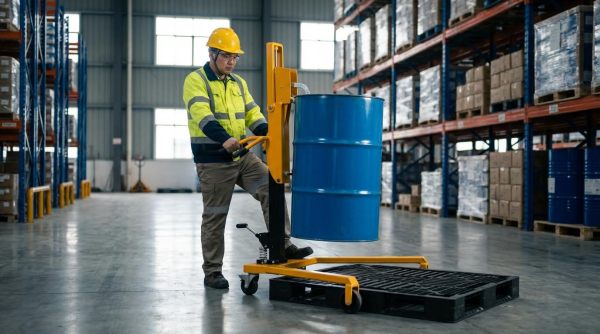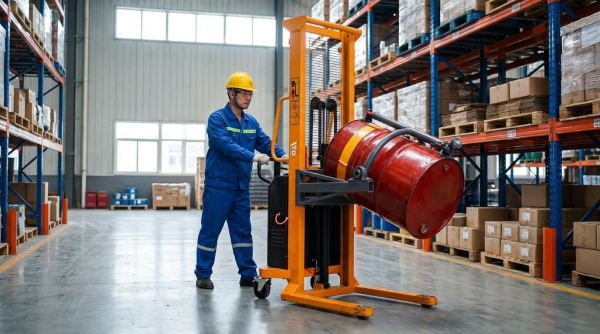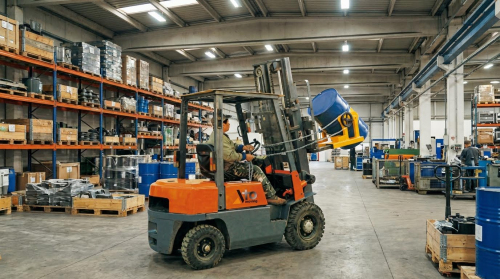
Industrial drums concentrated dense mass and hazardous contents, so poor handling historically caused serious injuries and spills. This article compared forklifts, attachments, hand trucks, and mobile drum handlers to match equipment to drum weight, size, contents, and workflow. It examined when forklifts and purpose-designed attachments offered superior capacity, integration with racking and automation, and controlled lifting or pouring. It also detailed where hand trucks and mobile handlers delivered better maneuverability, ergonomics, and hazard control, then closed with practical selection guidelines for safe, compliant drum handling.
Key Factors In Choosing Forklifts Or Hand Trucks
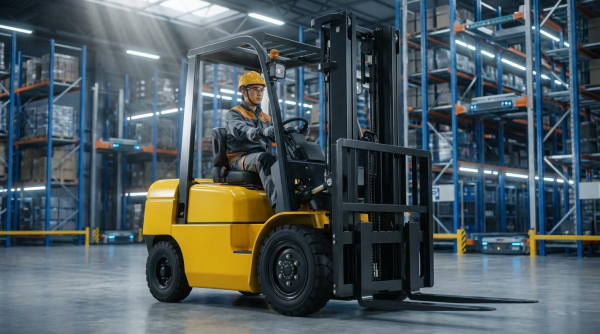
Choosing between forklifts and hand trucks for drum handling required a structured assessment of load, task, and environment. Engineers evaluated drum mass, handling frequency, travel distance, and surface quality before standardizing equipment. Safety and regulatory constraints then narrowed options further, especially for hazardous or flammable contents. The following factors provided a practical decision framework for most industrial facilities.
Drum Weight, Size, And Contents Assessment
Weight was the primary discriminator between forklifts and hand trucks. A typical 210 litre (55 gallon) drum weighed 180–360 kilograms depending on contents, which often exceeded safe manual handling thresholds for a single operator. Facilities first defined the maximum filled weight, not just the tare weight, and included worst-case density fluids. They also catalogued drum construction (steel, plastic, fibre) and features such as top rims, chimes, or ‘L’ rings, because many handlers and forklift attachments relied on these features for secure gripping. Contents drove further choices: hazardous chemicals, flammable liquids, or high-value products justified powered or attachment-based solutions with positive mechanical restraint instead of free-rolling or tipping by hand.
Travel Distance, Floor Conditions, And Gradients
Travel path characteristics strongly influenced equipment selection. Forklifts suited longer internal routes, external yard moves, and transfers over uneven or damaged concrete, because their larger tyres and suspension maintained drum stability and ground clearance. For short, point-to-point moves on smooth floors, drum hand trucks or mobile drum handlers offered higher manoeuvrability and lower operating cost. Planners mapped routes, identified gradients, thresholds, and expansion joints, then assessed the risk of drums dragging, bouncing, or tipping. Any slope, dock transition, or rough surface increased the case for powered equipment with controlled braking and positive drum retention. Tight turning spaces near process equipment favoured compact, swivel-caster mobile handlers over counterbalance forklifts.
Frequency Of Handling And Throughput Requirements
Handling frequency and throughput targets determined the economic break point between manual and powered systems. High-volume operations that loaded, decanted, or staged dozens of drums per shift benefited from forklifts with dedicated drum attachments or powered mobile handlers, reducing cycle time and operator fatigue. Engineers quantified moves per hour, average lift height, and any tipping or pouring operations, then calculated time per move for each equipment type. For low-frequency tasks, such as occasional drum relocation or maintenance-related moves, robust manual or semi-powered drum trucks provided adequate performance with lower capital cost and minimal maintenance. Where continuous or batch processes required synchronized drum delivery, powered solutions integrated better with scheduling, racking, and automation.
Regulatory, PPE, And Hazardous Material Considerations
Regulatory and safety requirements heavily shaped equipment choice, especially for hazardous materials. Operations handling flammable or explosive contents often specified spark-resistant or stainless steel drum handlers and ensured proper bonding and grounding during movement and dispensing. Safety standards discouraged manual drum movement unless no mechanical aid was available, due to risks of back injuries and crush incidents. Facilities defined PPE based on drum contents, typically including safety footwear, gloves, and eye protection, with aprons or face shields for corrosive or toxic materials. Equipment decisions also considered spill containment, leak inspection access, and storage rules, such as limiting stack height for stability and inspection ease. Aligning drum handling methods with these requirements reduced incident rates and simplified compliance audits.
When Forklifts And Attachments Are The Better Choice
Load Capacity, Drum Types, And Attachment Selection
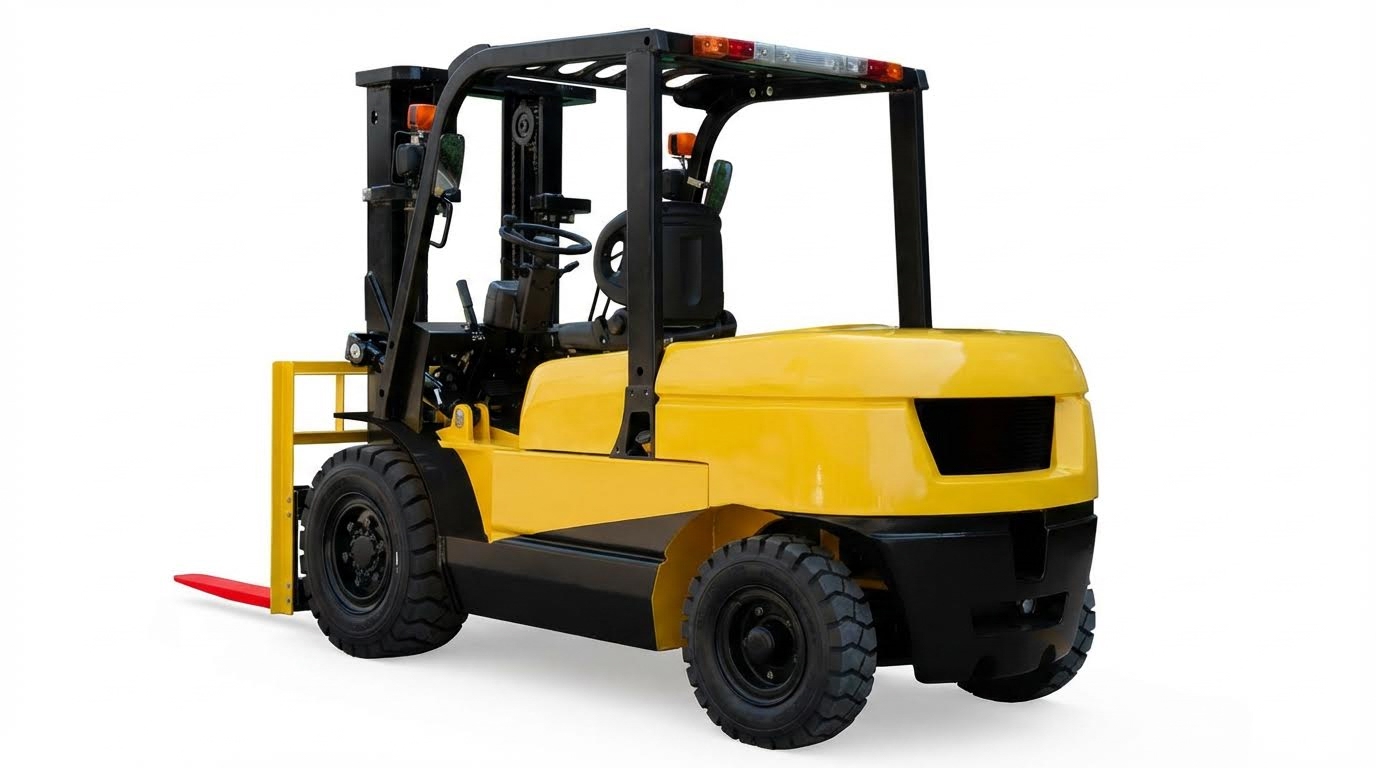
Forklifts were preferable when total drum mass approached the upper manual handling limit. A typical 210 liter drum weighed 180–360 kilograms, depending on contents, which exceeded safe push–pull forces for most operators. Forklift rated capacity had to exceed the combined weight of drum, pallet, and any ancillary tooling with a safety margin, typically 25%. Engineers also verified attachment capacity, which could be lower than the truck’s nominal rating.
Drum type strongly influenced attachment choice. Steel drums with pronounced rolling hoops worked well with rim or waist grippers, while plastic L‑ring and Mauser drums required contoured jaws to avoid local crushing. Fibre drums needed broad, padded contact surfaces to prevent shell damage. Where operations involved mixed inventories, plants favored multi‑purpose clamp heads that adjusted for 30–210 liter drums.
Task definition guided whether to specify simple vertical lifts or more complex tilting and rotating devices. Pouring, dosing, or mixing operations used below‑hook or mast‑mounted rotators with controlled rotation through 120–360 degrees. High‑throughput loading of inbound drums into bulk storage usually relied on dual or quad drum grabs to maximize cycles per hour. In hazardous areas, specifiers chose stainless steel or spark‑resistant constructions and confirmed ATEX or equivalent conformity where required.
Fork Positioning, Mast Tilt, And Ground Clearance Rules
Correct fork positioning reduced drum damage and instability. Forks had to be longer than the drum diameter so the load sat fully within the fork span, not overhanging. Marking typical drum widths on the forks helped operators center clamps or grabs consistently. When handling palletized drums, operators spread forks as wide as practical while still engaging the pallet stringers to reduce tipping risk.
Mast tilt settings controlled drum security during travel. With clamp or rim‑grab attachments, operators applied slight rearward tilt so the gripping head remained biased toward the truck, not away from it. Excessive rear tilt, however, raised the drum’s center of gravity and could reduce overhead clearance. On approach to racking or conveyors, operators progressively leveled the mast to place drums vertically without side loading the structure.
Ground clearance was critical to avoid dragging drums. Guidance typically required fork or attachment elevation of 150–200 millimeters above floor level during travel, higher on uneven yards. Insufficient clearance caused chime wear, shell denting, or loss of containment on rough surfaces. Operators kept speed low, especially with liquid contents, to limit sloshing and dynamic load shifts that increased overturning moments on gradients or transitions.
Operator Training, Inspections, And Maintenance Programs
Forklift drum handling demanded task‑specific operator training beyond basic truck licensing. Training covered selection and engagement of drum grabs, clamp force settings, and correct sequence for lifting, rotating, and depositing drums. Instructors emphasized smooth acceleration, deceleration, and rotation to prevent product surge and clamp slippage. Operators also learned to assess drum condition, rejecting distorted or leaking units before lift.
Attachments and trucks required structured inspection regimes. Pre‑shift checks included visual examination of jaws, pads, and pivot pins, plus verification of hydraulic hoses and quick couplers for leaks. Any cracked welds, bent arms, or worn friction surfaces triggered immediate removal from service. Annual or usage‑based thorough examinations, complying with local lifting regulations, validated structural integrity and rated capacity.
Maintenance plans integrated attachment servicing with the fleet’s preventive maintenance schedule. Lubrication of pivots and periodic torque checks on mounting hardware preserved clamp alignment and gripping performance. Hydraulic circuits for rotators and clamps needed filter changes and contamination control to maintain smooth, controllable motion. Documented service records supported audits, incident investigations, and continuous improvement programs in safety management systems.
Integrating Drums With Racking, Cranes, And Automation
Forklift and attachment selection had to align with the storage and process layout. For high‑bay racking of 210 liter drums, designers checked aisle widths, beam elevations, and clearances for clamp head geometry and tilt angles. Drum rotators interfaced with dispensing racks or decanting stations, allowing operators to position drums horizontally for gravity discharge without manual repositioning. Where drums transferred to conveyors, fork heights and approach angles had to match conveyor datum levels.
Facilities that used overhead cranes or hoists often combined forklift handling with below‑hook drum grabs. Forklifts moved drums from receiving to crane bays, where below‑hook devices lifted them into reactors, mixers, or mezz
When Hand Trucks Or Mobile Drum Handlers Excel
Manual, Semi-Powered, And Powered Drum Trucks
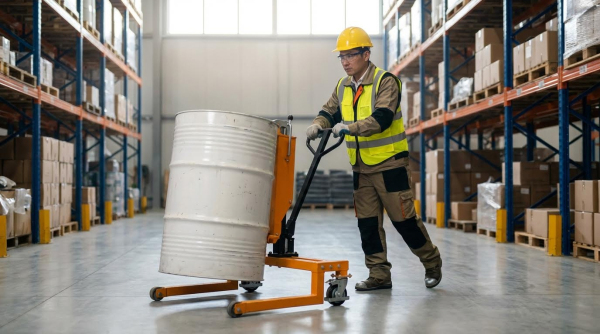
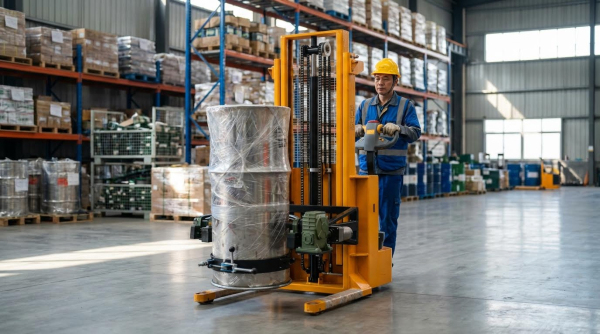
Manual drum trucks suited low-frequency tasks and moderate drum masses, typically up to 210 litre steel or plastic drums. Operators provided all motive and lifting force, so facilities limited use to short distances and good floor conditions. Semi-powered trucks usually combined manual travel with powered lift, reducing peak push forces and strain when upending or stacking drums. Fully powered mobile drum handlers used electric, pneumatic, or plug-in power for both travel and lift, and they handled higher throughputs and heavier drums safely. Facilities in food, pharmaceutical, and chemical sectors often specified stainless steel or spark-resistant powered units for hygiene and ignition control.
Maneuverability In Tight Aisles And Short Runs
Hand trucks and mobile handlers offered superior maneuverability in narrow aisles compared with forklifts. Compact wheelbases and swivel casters allowed tight turning radii around storage racks, process lines, and doorways. These devices excelled on short horizontal runs between nearby workstations, decanting areas, or mixing stations. Smooth-rolling wheels or casters reduced push forces over flat concrete but required assessment of thresholds, drains, and expansion joints. Facilities often selected models with small overall width and good caster articulation to match specific aisle clearances and turning spaces.
Ergonomics, Injury Prevention, And Safety Features
Mobile drum handlers reduced manual lifting of 55-gallon drums, which typically weighed 180–360 kilograms depending on contents. By transferring weight to the device, they lowered risks of back sprains, crushed toes, and finger injuries documented in drum handling incidents. Ergonomic handles, low initial engagement forces, and controlled tipping geometries helped operators keep neutral spine postures. Safety features such as positive locking mechanisms, rim or waist clamps, and anti-slip platforms prevented drum slippage during travel or tilting. Some designs incorporated braking casters, foot guards, and defined operating zones to control movement on slight gradients and during parking.
Handling Hazardous, Flammable, Or Sensitive Contents
Hand trucks and mobile handlers played a critical role where drums contained hazardous, toxic, or flammable materials. Operators could keep greater control and move at lower speeds than typical forklift operations, reducing impact and spill risk. For flammable liquids, facilities used spark-resistant constructions and grounding provisions to limit static discharge during movement and dispensing. Self-closing faucets, non-sparking tools, and flash-arresting vents complemented mobile handling to control ignition and pressure hazards. In clean or corrosive environments, stainless steel mobile handlers maintained hygiene and resisted chemical attack while still providing secure gripping of plastic, steel, or fibre drums.
Summary: Practical Guidelines For Drum Handling Choice
Safe drum handling depended on matching equipment to drum mass, geometry, contents, and task profile. Forklifts with engineered drum attachments offered superior capacity and productivity for high-throughput operations, longer travel distances, and integration with racking or cranes. However, operators had to respect rated capacities for both truck and attachment, verify drum type compatibility, and maintain correct fork length, mast tilt, and ground clearance to prevent dragging and impact damage. Clear aisles, defined storage layouts, and stack limits, typically two drums high and two wide, supported stable storage and easier inspection.
Hand trucks and mobile drum handlers remained the preferred choice for short runs, tight aisles, and lower volumes, especially where precise positioning or frequent manual interaction was required. Selection criteria included load rating, drum size range, and whether the task required moving upright drums, tipping to horizontal, pouring, or mixing. Powered or semi-powered handlers reduced push–pull forces and helped control upending and decanting, while manual units suited lighter drums or infrequent tasks. Stainless steel and spark-resistant constructions were important in food, pharmaceutical, and hazardous or flammable environments.
Across both equipment families, PPE and regulatory compliance framed every decision. Typical controls included safety footwear, gloves, and eye protection, with added chemical protection and grounding when handling flammable liquids. Operators needed training on engagement, lifting, rotating, and setting down drums, plus routine inspection of trucks, attachments, and brakes. Looking ahead, quick-release attachment systems, better ergonomics, and closer integration with automated storage and handling would continue to reduce manual strain and exposure. A balanced strategy used forklifts for bulk moves and mobile handlers for local manipulation, always guided by risk assessment, weight verification, and clear operating procedures.