Operators who search for how to use a pallet lifter need clear, practical rules for setup, angles, and capacity. This article covers the full life cycle of pallet lifter use, from choosing the right attachment and pins to daily inspection, safe lifting geometry, and compliant documentation.
You will see how attachment type, tine length, and working load limit link directly to boom position, center of gravity, and ground conditions. Later sections explain pre-use checks, safe travel height, indoor ventilation limits, and exclusion zones, then close with a concise summary of key safety, capacity, and setup practices that teams can adopt as a standard on site.
Selecting The Right Pallet Lifter For Your Application
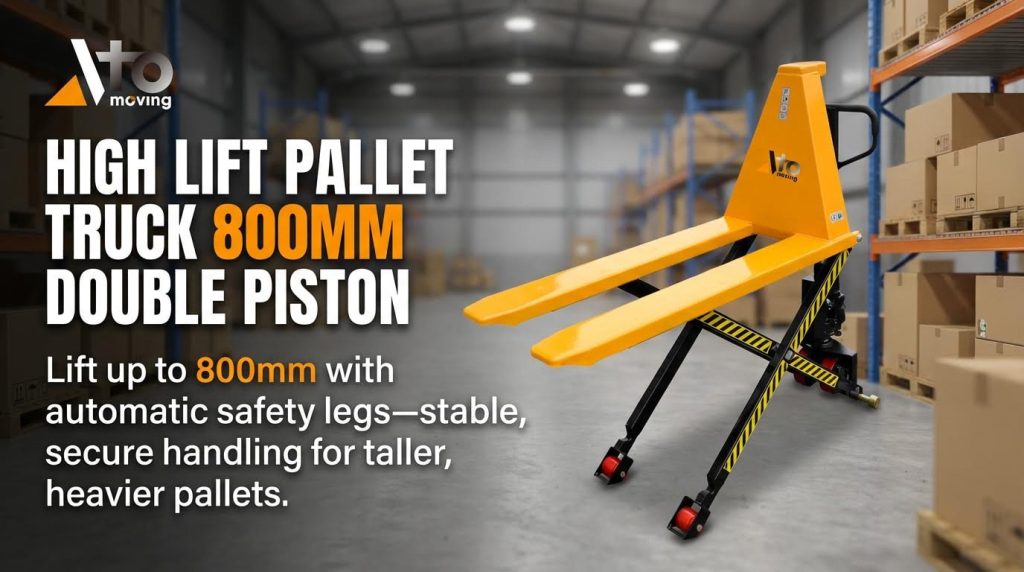
Choosing the right pallet lifter is the first step in learning how to use a pallet lifter safely and efficiently. The attachment must match the host machine, the pallet type, and the site rules. Engineers should treat this as a capacity and interface problem, not just a price decision. The sections below break the choice into attachment style, ratings, geometry, and compliance.
Attachment Types, Interfaces, And Pin Compatibility
Start with the base machine type and its interface. Common options include crane hook pallet lifters, telehandler or loader carriage forks, and boom-mounted lifting forks. Each style has limits on reach, tilt, and visibility that affect how to use a pallet lifter in tight areas.
Interface choice controls safety and downtime. Key checks include:
- Quick coupler type and rated capacity
- Pin diameter options, for example 45 millimetres, 50 millimetres, or 60 millimetres
- Required hydraulic hitch or purely mechanical locking
Always match pin size and width to the boom or hitch drawings. Loose pins cause impact loading and wear. Tight pins make coupling hard and encourage unsafe shortcuts. On mixed fleets, standardise pin sets and keep spare locking clips in the cab or tool store.
Capacity Ratings, WLL, ROC, And Load Charts
Safe use starts with the numbers on the plate, not guesswork. The working load limit, or WLL, is the maximum rated load for the attachment under defined conditions. The host machine has its own rated operating capacity, or ROC, which depends on boom position and load centre.
To decide if a lift is safe, check:
| Item | What to verify |
|---|---|
| Attachment WLL | Must exceed planned pallet mass plus packaging |
| Machine ROC | At actual boom height and reach |
| Load centre | Distance from fork heel to load centre on chart |
| Combined limits | Use the lower of WLL or ROC |
Capacity charts often assume a fixed load centre, such as 400 millimetres or 500 millimetres from the fork face. Longer pallets or offset loads move the centre of gravity forward and reduce safe capacity. Never exceed the lowest rating on any plate, chart, or contract document.
Tine Length, Adjustability, And Pallet Compatibility
Tine geometry controls how to use a pallet lifter without damaging pallets or losing stability. Typical fork lengths range from about 850 millimetres to 1200 millimetres. Longer tines reach deeper pallets but increase leverage on the boom and reduce effective capacity.
When selecting tine length, confirm:
- Pallet length and overhang limits
- Need to handle both Euro and industrial pallets
- Turning space with long tines fitted
Adjustable tines slide on a carriage or rail. This allows one attachment to handle narrow and wide pallets. Mark common spacings on the back frame to speed setup and reduce alignment errors. For rough ground, floating tines help the blades follow surface irregularities and slide under pallets with less risk of gouging.
Check compatibility with closed-bottom pallets or skids. Standard forks need entry gaps. If the site uses box pallets or containers, you may need different forks or lifting beams.
Compliance, Certification, And Documentation
Choosing the right pallet lifter also means proving it is legal and traceable. Construction and industrial sites often require certified lifting attachments with serial numbers and test records. Standards such as ISO 17096:2015 and regional rules like CE or LOLER define marking, design factors, and verification tests.
Before purchase, confirm that:
- The attachment has a clear WLL marking and identification plate
- Test certificates and declarations of conformity are available
- Instructions cover safe use, inspection, and limits
Keep copies of certificates, inspection reports, and risk assessments with the machine file or digital maintenance system. Inspectors and clients often ask for these when they review how to use a pallet lifter on site. A documented trail also supports incident investigations and warranty claims. Finally, align the chosen lifter with internal lifting plans, exclusion zone rules, and operator training programs so equipment, paperwork, and procedures match.
Proper Setup, Installation, And Pre-Use Inspection
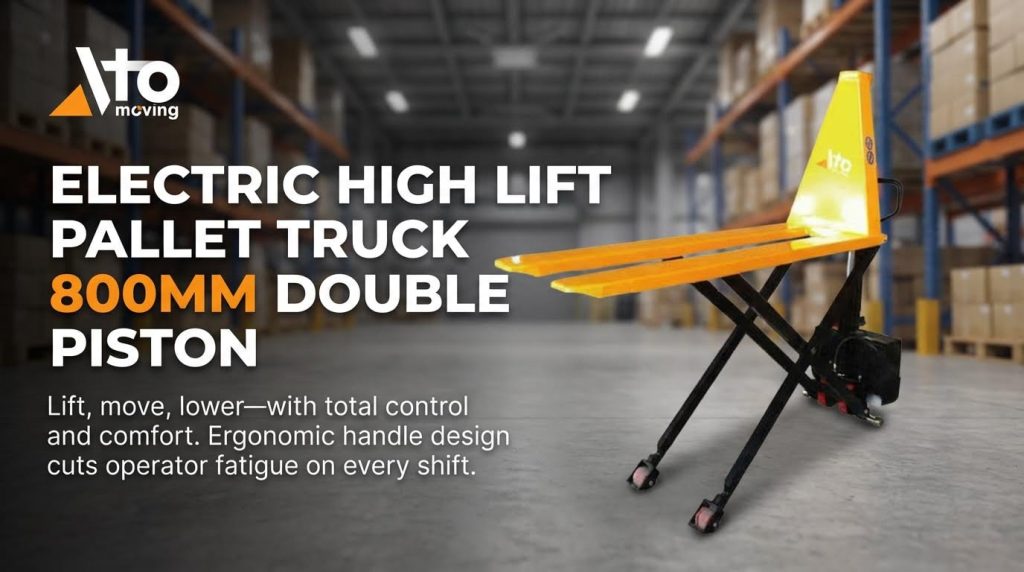
Safe setup is the first step when learning how to use a pallet lifter. A structured installation and inspection routine reduces tip-over risk and attachment loss. This section explains how to verify couplers, mount on level ground, inspect structure, and manage documents and training before lifting any load.
Verifying Quick Couplers, Pins, And Locking Devices
Always park the carrier machine on firm, level ground before attaching the pallet lifter. Lower the boom, relieve hydraulic pressure, and ensure the quick coupler is clean and free from debris. Select the correct pin set for the hitch size and design, for example 45 millimetre, 50 millimetre, or 60 millimetre pins.
Insert pins fully through the mounting ears and secure them with the specified retaining clips or locking bars. Try to rock the lifter frame by hand and check for any play at the coupler interface. The attachment must not move relative to the quick hitch when you apply force. Never travel or lift if any pin, clip, or hydraulic latch is missing, damaged, or not fully engaged.
On hydraulic quick couplers, cycle the lock function and confirm the indicator shows the locked position. Treat the coupler as a lifting component and include it in regular inspections for wear, cracks, and oil leaks.
Mounting On Level Ground And Alignment Checks
Mounting on level ground keeps the pallet lifter square to the boom and reduces side loads. Position the carrier so the quick hitch or boom head aligns horizontally with the lifter’s top bar or pick-up points. Approach straight on, at low speed, with the boom centred.
Engage the hitch, then lift the pallet lifter a few centimetres clear of the ground. Check visually that both hooks or pin bosses seat fully and evenly. Look from the front and side to confirm the frame is vertical and not twisted. If the lifter tilts to one side with no load, lower it, release the hitch, and correct the alignment.
Use this short checklist after every mounting:
- Frame sits level left to right.
- Top bar or hooks fully seated.
- No gap between hitch plate and frame plates.
- Tilt and crowd functions move smoothly without binding.
Only start lifting pallets after these alignment checks pass.
Pre-Operation Inspection Of Tines, Frame, And Welds
A quick walk‑around inspection is essential before each shift. Focus on parts that carry the load: tines, frame, and welds. Check each tine for straightness, surface cracks, deep gouges, or severe wear at the heel and tip. Bent or thinned tines reduce capacity and can fail without warning.
Inspect the frame, carriage, and backrest for distortion or impact damage. Pay close attention to weld toes and joints around pin bosses, tine hangers, and tilt brackets. Use a clean rag to wipe suspect areas and look for hairline cracks or rust lines along welds.
Confirm that tine locking mechanisms, such as pins, clamps, or locking levers, move freely and hold the tines firmly on the bar. Loose tines can slide during travel and shift the centre of gravity. If you find any crack, broken weld, or severe wear, tag the pallet lifter out of service and arrange qualified repair before use.
Documentation, Labels, And Operator Training Needs
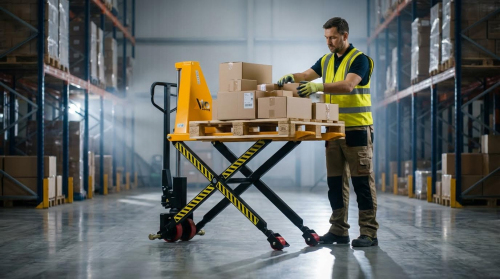
Safe use of a manual pallet jack depends on clear information and trained operators. Check that the identification plate is readable and shows at least working load limit, attachment mass, model, and serial number. Capacity charts must be available in the cab or on the frame, especially when the carrier has different rated capacities with and without the lifter.
All safety labels should be present and legible, including warnings about not lifting people, keeping bystanders clear, and staying within the rated load. Keep the instruction manual or digital copy accessible on site. It should describe installation, inspection, maintenance, and limits such as compatible pallet types and maximum fork spread.
Operators must receive task‑specific training that covers attachment mounting, visual checks, reading load charts, and recognising unstable conditions. Training should also cover indoor hazards, such as exhaust gases from combustion engines and the need for good ventilation. Supervisors should record training dates, attachment serial numbers, and inspection intervals to support audits and contract compliance.
Safe Lifting Angles, Load Positioning, And Stability
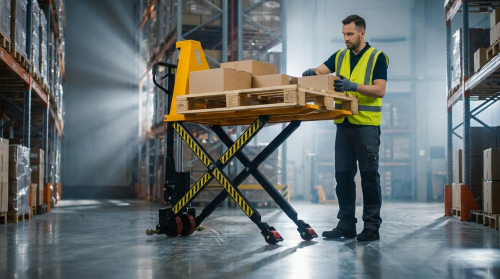
Safe angles and stable loads decide how to use a pallet lifter without incidents. Bad boom position or poor visibility can turn a routine lift into a tip‑over risk. This section links angle control, ground conditions, and indoor hazards to real capacity limits and load charts. It helps engineers and supervisors turn generic safety rules into clear site procedures.
Center Of Gravity, Load Offset, And Boom Position
The center of gravity controls how close a lift is to the tipping limit. Capacity charts assume a fixed horizontal distance from the fork heel to the load center, often 400 millimetres or 500 millimetres. If the pallet overhangs or the load is top‑heavy, the center of gravity shifts forward and effective capacity drops. Rated Operating Capacity is usually set at about 60% of tipping load to keep a safety margin.
Operators should keep the boom as low and retracted as the task allows. A raised or extended boom moves the center of gravity outward and reduces stability fast. Offset loads, such as one heavy pallet on one tine, create torsion on the carriage and boom. Site rules should ban single‑fork lifting and require re‑centering the pallet before travel.
Verticality, Tilt Angles, And Side-Load Avoidance
Vertical forks keep the load path close to the machine’s design line. Small back tilt helps keep the pallet against the backrest and reduces the chance of sliding. Excessive forward tilt at height pushes the center of gravity away from the machine and can exceed the charted capacity.
Side loading is a major cause of structural damage. Boom arms and carriages are designed for vertical loads with limited side forces. Turning with a raised pallet, dragging a stuck pallet sideways, or pushing loads with the tines all create side loads. To avoid this, operators should lower the load, straighten the machine, then steer or reposition.
Where the attachment allows controlled tilt, site procedures should define safe tilt ranges for loading, stacking, and unstacking. Any tilt used to “shake” or free a jammed pallet should be banned. Supervisors should check that angle markings, if fitted, remain readable.
Ground Conditions, Travel Height, And Visibility
Stable lifting starts with firm, level ground. Uneven surfaces, loose gravel, mud, or ice increase the chance of one wheel dropping and shifting the center of gravity. Floating tines can help follow rough ground during entry, but they do not fix poor terrain. Operators should avoid lifting near edges, trenches, or soft backfilled areas.
Travel height should stay just high enough to clear obstacles. A low load lowers the center of gravity and reduces tip‑over risk on slopes or ruts. High travel with raised forks increases leverage and makes sudden stops or turns dangerous. Clear rules should set a maximum travel height outside the stacking zone.
Good visibility is key when learning how to use a manual pallet jack safely. Operators must see the fork tips, pallet entry points, pedestrians, and other machines. Where the load blocks the view, they should travel in reverse if safe, or use a spotter. Site layouts should keep travel paths clear of branches, shelves, and parked equipment.
Indoor Use, Ventilation, And Hazard Exclusion Zones
Indoor lifting adds air quality and clearance risks. Combustion engines can create dangerous levels of carbon monoxide and carbon dioxide in small or poorly ventilated spaces. These machines should not work in confined indoor areas without engineered ventilation and gas monitoring. Electric carriers reduce exhaust hazards but still need space and clear aisles.
Exclusion zones protect people from falling loads and swing paths. ISO guidance on lifting attachments supports marked no‑go areas under and around suspended loads. Site rules should define the radius, usually at least the maximum pallet length plus a buffer. Only trained personnel should enter the zone, and never under a raised pallet.
Indoor routes must avoid low beams, sprinkler pipework, and door headers. Stacking plans should protect fire exits and keep aisles open for evacuation. When planning how to use a hydraulic pallet truck indoors, supervisors should combine ventilation checks, marked zones, and clear traffic routes into one written procedure.
Summary: Key Safety, Capacity, And Setup Practices
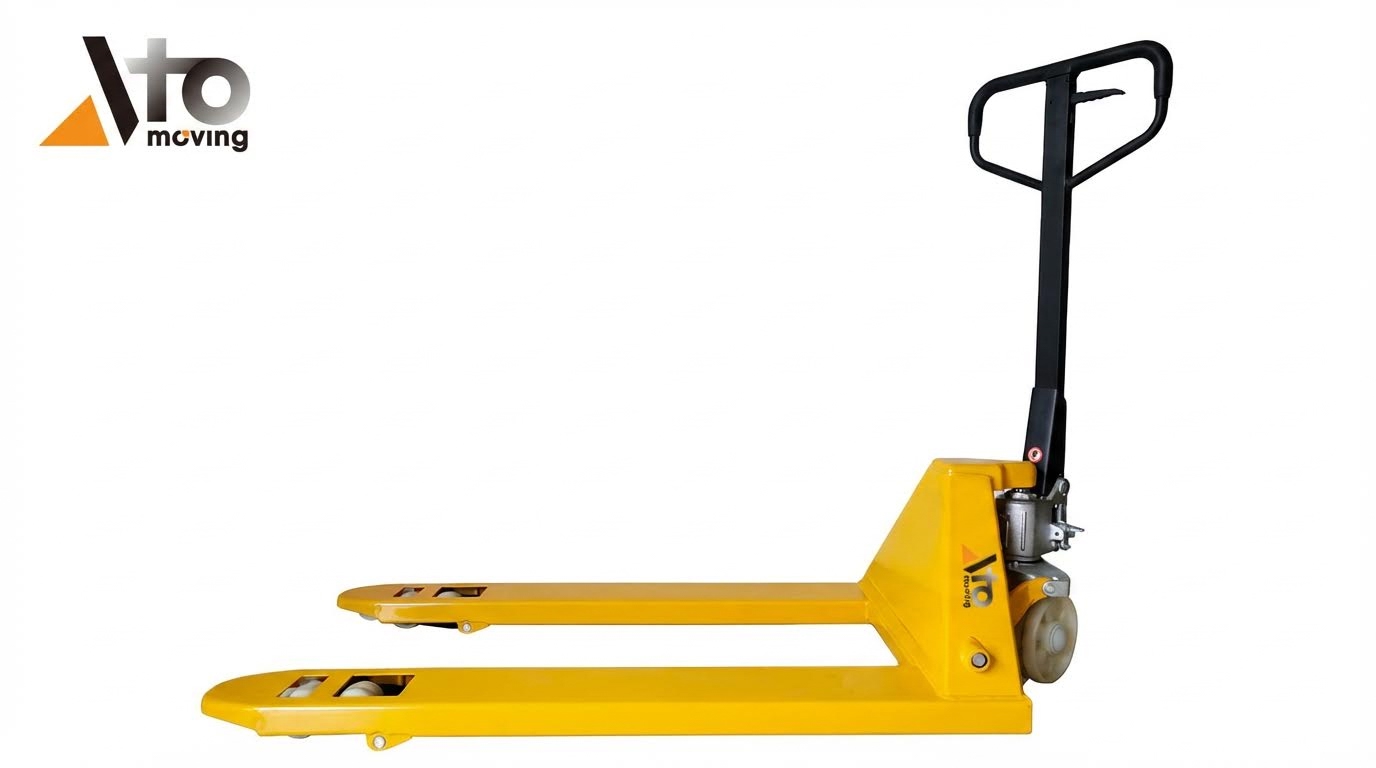
Operators who ask how to use a pallet lifter safely must link setup, capacity, and angles into one routine. The goal is simple. Keep the attachment correctly mounted, stay inside rated limits, and control the load path from ground to stack.
Safe use starts with setup. Mount the pallet lifter only on level ground. Lock pins or quick couplers fully before lifting. Perform a short pre-use check of tines, frame, welds, and safety labels. Remove ground obstacles and keep people out of the lifting zone.
Capacity control is the next pillar. Follow the attachment working load limit and the host machine rated operating capacity. Use the correct load chart for boom position and load centre distance. Remember that longer tines and larger load offsets cut available capacity and stability.
Stability depends on angles and travel habits. Keep the mast or boom as vertical as the job allows. Avoid side loading, twisting pallets, or dragging tines. Travel with the pallet low, on firm ground, and with clear visibility. Use better ventilation or alternative power indoors to avoid exhaust hazards.
Future practice will combine on-board sensors, digital load charts, and site rules. Still, disciplined inspections, documented training, and clear exclusion zones will remain the core of safe manual pallet jack operation.