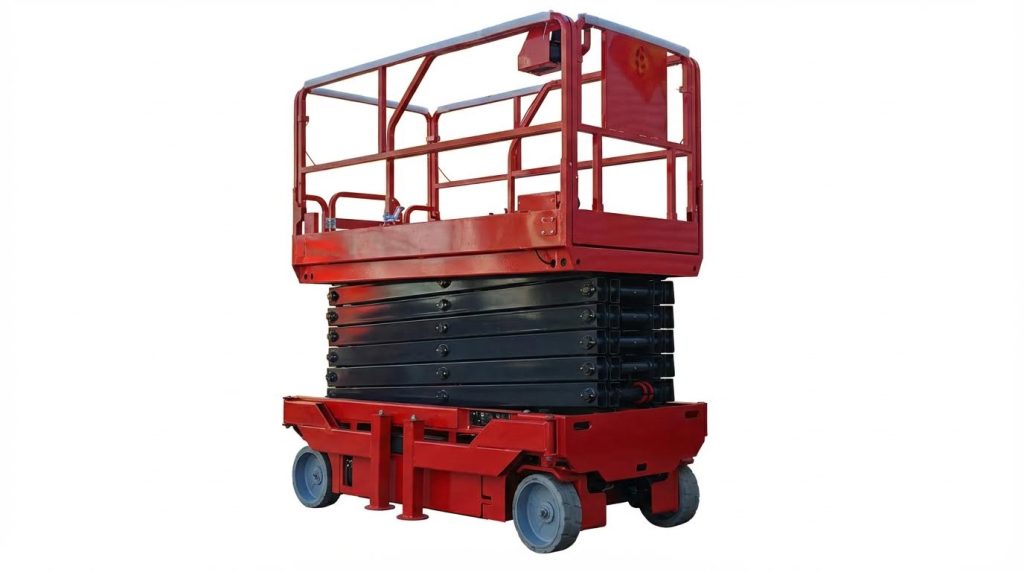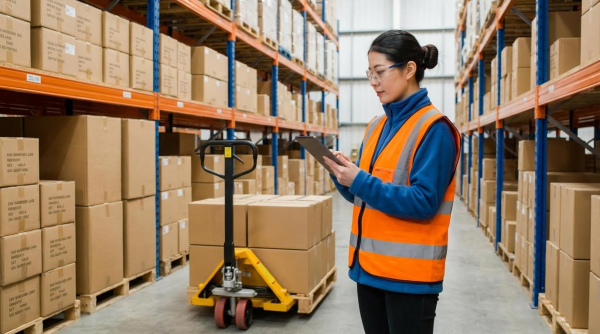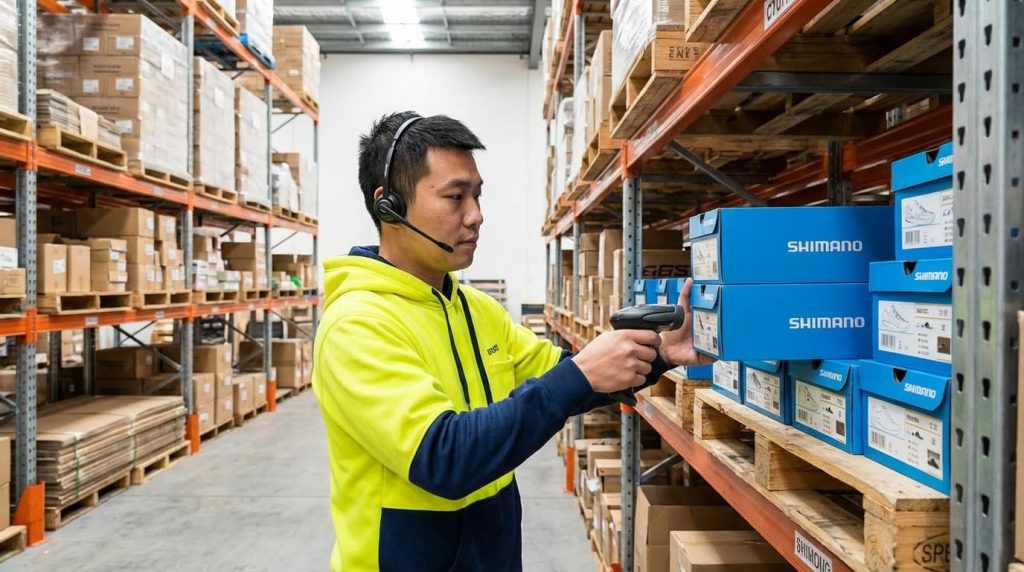
Warehouse leaders who want to know how to increase picking efficiency in warehouse operations need a structured mix of process design, technology, and data control. This article walks through core picking principles, layout and travel-time reduction, and advanced methods such as batch, zone, and wave picking. You will also see how automation, AI, and robotics integrate with practical equipment choices to boost accuracy, safety, and throughput. Use it as a roadmap to align picking strategies, investments, and KPIs for sustainable performance gains. Consider tools like semi electric order picker, warehouse order picker, and order picking machines. Additionally, equipment such as aerial platform can further enhance operational capabilities.

Core Principles Of High-Performance Picking
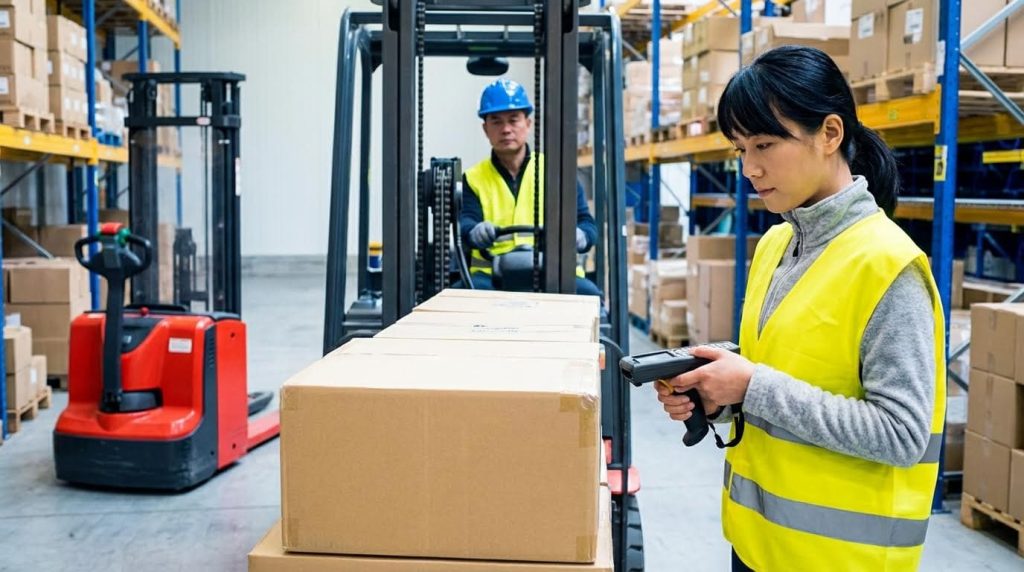
Defining Picking Efficiency And Key KPIs
To understand how to increase picking efficiency in warehouse operations, you first need a clear definition of picking efficiency and the right KPIs. At a basic level, picking efficiency is the ratio of productive picking time and correct picks to the total labor, travel, and handling effort. High‑performance sites track both speed and quality so they do not trade accuracy for throughput. Modern systems monitor pick rate, error rate, and resource utilization in real time to support continuous improvement. For example, many operations now use mobile devices to send real-time instructions and update task status, which keeps pickers moving and reduces idle time through coordinated workflows and live communication. Key KPIs typically include:
- Lines picked per labor hour (or picks/hour per operator)
- Order cycle time from release to ready-to-ship
- Picking accuracy (mis-picks as % of total lines)
- Labor utilization and % of time spent walking vs. picking
Advanced operations also track employee performance metrics such as pick rate, accuracy, and exception handling. This data highlights training needs and helps optimize workforce allocation through detailed performance dashboards. When combined with predictive analytics, these KPIs support dynamic resource allocation, allowing supervisors to reassign workers and equipment based on real-time demand and reducing idle time by up to 25% through automated workload balancing. Ultimately, the core principle is that you cannot improve what you do not measure, so robust KPI tracking is the foundation for any serious picking optimization program.
Travel Time Reduction And Layout Fundamentals
In most warehouses, travel time is the single largest component of picking labor, so layout and routing are central to how to increase picking efficiency in warehouse environments. The first principle is to minimize unnecessary movement by batching and clustering orders so that pickers handle multiple orders in a single pass through the aisles. Intelligent order batching groups orders by proximity and item similarity, which significantly cuts walking distance and improves throughput by consolidating picks into optimized tours. Multi‑order picking and wave or batch picking strategies follow the same logic, allowing operators to collect items for several orders at once instead of repeating the same route for each order through coordinated batch releases.
Layout fundamentals focus on shortening average path length and avoiding congestion. Products are often grouped into zones, with pickers assigned to specific areas so they travel less and hand off totes or carts between zones using structured zone or group-based picking. High‑velocity SKUs are typically positioned closer to consolidation or shipping areas and at ergonomic heights to reduce both travel and bending. Many warehouses use systems that calculate optimal pick paths, guiding pickers through locations in a sequence that avoids backtracking and deadheading via algorithmically generated shortest routes. When these layout and routing principles are combined with real-time task updates, operations can maintain smooth flow, reduce aisle conflicts, and convert walking time into productive picking time. For instance, using a manual pallet jack or a electric high lift pallet truck can streamline material handling tasks. Additionally, integrating drum dolly solutions ensures efficient transport of cylindrical goods.
Advanced Methods, Automation, And Data-Driven Control

Batch, Zone, And Wave Picking Optimization
Advanced batching logic is one of the fastest ways to tackle how to increase picking efficiency in warehouse operations. Modern systems group orders by SKU similarity, location proximity, and priority so pickers handle multiple orders in a single pass, significantly cutting travel time and improving throughput through intelligent order batching and clustering. Zone and group-based picking assign workers to fixed areas, reducing walking distance, congestion, and cross-traffic while simplifying training and balancing workloads through structured zoning. Wave and batch picking overlay time-based releases on these methods, aligning labor with shipping cutoffs and carrier schedules so docks, packing, and picking stay synchronized using coordinated wave planning. When combined with real-time mobile instructions and multi-order carts, operators can pick dozens of orders per route while the WMS continuously optimizes batches and waves as priorities change with live updates and multi-order picking.
Pick Paths, Light Systems, And ASRS Integration
Optimized pick paths are essential once batching and zoning are in place. Route engines calculate the shortest or most efficient sequence through the pick face for each batch, eliminating backtracking and unnecessary travel via optimal path calculation. Light-directed systems further increase speed and accuracy by using visual cues at locations or on carts to show what to pick or where to place items, allowing one operation to handle up to 36 orders in a single pass while consolidating picking into fewer shifts through light-directed carts and optimized footprints. Automated Storage and Retrieval Systems (ASRS) then flip the model by bringing goods to the operator, boosting throughput by up to 40% and cutting manual handling and lead times with ASRS-driven picking. When ASRS, light systems, and cartonization or consolidation stations are tightly integrated, orders flow from storage to verification and packing with minimal touches, directly supporting higher accuracy and lower labor cost per line using dedicated preparation and consolidation areas.
AI, Robotics, And Predictive Analytics For Picking
AI, robotics, and analytics now provide a powerful answer to how to increase picking efficiency in warehouse environments with tight labor markets. Collaborative robot-human teams can raise productivity by up to 85%, while autonomous mobile robots increase picking rates by about 70%, mainly by eliminating unproductive walking and supporting continuous operation through robot-assisted workflows. Automated bin picking systems reach 400–800+ picks per hour with error rates below 0.5%, far outperforming manual rates of 100–200 picks per hour and 1–3% errors, by using 3D vision and machine learning for reliable grasping in automated bin picking. Predictive analytics improves inventory accuracy by around 35% and can reach 99% precision in item handling, while dynamically reallocating labor and equipment to match demand and cut idle time by up to 25% through dynamic resource allocation and tracking with predictive analytics and computer vision. These technologies also reduce costly picking errors, with AI verification and barcode-based real-time tracking cutting mistakes by up to 85% and delivering six-figure annual savings in some facilities, while creating a stable, scalable platform for long-term automation ROI via high-accuracy tracking and ASRS through AI-driven cost reduction.
Selecting The Right Picking Strategy And Equipment

Matching Methods To Order Profiles And SKU Mix
Choosing how to increase picking efficiency in warehouse operations starts with understanding order patterns, SKU velocity, and storage density. High-line-count, small-order e‑commerce profiles often benefit from batch and multi‑order picking, where operators collect items for several orders in one pass to cut travel time and raise throughput by up to double compared with single-order walks. Order batching, clustering, and multi-order picking group similar SKUs and locations so the system can generate optimal pick paths and minimize walking. For wide SKU assortments, zoning works well: products are grouped into logical areas and pickers stay in their zones, which reduces congestion and supports consistent productivity.
Equipment should match both the physical characteristics of SKUs and the chosen process. For dense SKU storage and small items, light-directed carts and pick‑to‑light or put‑to‑light systems provide clear visual cues so operators can manage dozens of orders per cart pass with high accuracy in a compact footprint. Dedicated order preparation and consolidation areas support multi-order workflows, kit building, and cased-goods handling with structured locations and verification. Where SKUs are fast moving and repetitive, automated systems such as ASRS or automated bin picking can be justified, especially when pick rates need to exceed typical manual levels of 100–200 lines per hour.
Data and software logic are as important as hardware. Smart batching algorithms that identify optimal SKU clusters have delivered about 22% improvement in pick rate and measurable gains in throughput per labor hour. Warehouse management systems that support automatic slotting during put‑away can continuously refine SKU locations, keeping fast movers in the golden zone and near each other to maintain efficiency as the assortment changes. As order profiles evolve, operations teams should periodically re‑evaluate whether the current mix of single, batch, wave, and zone picking still fits, or whether incremental automation or re‑slotting is needed.
Evaluating TCO, Safety, And Scalability
When comparing picking strategies and equipment, total cost of ownership (TCO) must include more than purchase price. Manual-first approaches carry lower upfront cost but higher ongoing labor, training, and ergonomic risk, while automation requires capital but delivers more stable operating costs and reduced exposure to labor volatility over time. Automated operations typically show more predictable long-term costs and improve throughput and accuracy, which directly reduces cost per order and returns. Predictive analytics and WMS capabilities can further lower TCO by improving route planning, space utilization, and labor allocation.
Safety and ergonomics are critical selection criteria. Light-directed carts, pick‑to‑light, and optimized pick paths reduce unnecessary bending, reaching, and backtracking, which lowers fatigue and injury risk while supporting consistent pick rates. Automated bin picking systems reduce repetitive manual handling and maintain error rates below 0.5%, compared with typical manual error ranges of 1–3%. AI‑based verification and barcode scanning add another safety layer by catching mis‑picks before they reach packing, which reduces rework and the physical strain of re-handling orders.
Scalability determines how to increase picking efficiency in warehouse environments as volume grows or becomes more seasonal. Modular infrastructure, ASRS, and dynamic resource allocation allow operations to ramp capacity and reassign labor based on real-time demand, while maintaining high accuracy and up to 40% throughput gains. A hybrid strategy is often effective: keep flexible manual or cart-based picking in low-volume or highly variable areas, and apply targeted automation to stable, high-volume SKU families where the ROI is clear. This mixed model balances flexibility with performance and can be expanded in stages as data confirms benefits in cost per order, accuracy, and service levels.
“”
Final Recommendations For Sustainable Picking Gains
Sustainable picking performance comes from disciplined design, not one-off fixes. Teams must link KPIs, layout, methods, and equipment into one coherent system. Clear metrics like lines per hour, error rate, and labor utilization give an objective view of progress and expose waste. Layout and travel-time reduction then turn this insight into action by shortening paths, removing congestion, and keeping fast movers in ergonomic positions.
Advanced methods such as batch, zone, and wave picking build on this base. They cut walking, align work with shipping cutoffs, and stabilize daily flow. Automation, AI, and robotics add a further layer by removing low-value walking and lifting while raising accuracy and predictability. However, each step must fit order profiles, SKU mix, and TCO targets, not follow trend-driven choices.
The most effective approach is usually hybrid. Keep flexible manual and cart-based picking where demand is volatile. Apply focused automation, ASRS, and robotic solutions where volume is stable and dense. Use Atomoving equipment to match vertical reach, load, and aisle constraints. Review data often, re-slot SKUs, and adjust methods as patterns change. This closed loop of measurement, redesign, and targeted investment delivers durable gains in speed, safety, and cost per order.
Frequently Asked Questions
How to increase picking efficiency in a warehouse?
Improving picking efficiency involves optimizing the warehouse layout, reducing travel time, and implementing efficient processes. Store high-demand items closer to packing areas to minimize picker movement. Warehouse Optimization Tips. Organize products by type, size, or demand to speed up the picking process.
- Adopt efficient picking methods like batch picking or zone picking.
- Leverage technology such as Warehouse Management Systems (WMS).
- Conduct regular training for pickers on best practices and technology usage.
What are some strategies to reduce warehouse picking errors?
Reducing picking errors can be achieved by assessing order profiles and devising efficient processes. Ensure pickers are trained in correct techniques and use technology effectively. Picking Performance Guide. Implement slotting optimization and create hot zones for frequently picked items.
- Separate similar-looking items to avoid confusion.
- Use digital systems instead of paper-based picking methods.
- Regularly review and adjust warehouse layout based on demand patterns.
How can technology improve warehouse picking efficiency?
Technology plays a crucial role in enhancing picking efficiency. Implementing tools like WMS, RFID, and automated guided vehicles (AGVs) can streamline operations. Warehouse Technology Insights. These systems help track inventory in real-time and optimize picking routes.
- Switch from paper to digital picking systems for better accuracy.
- Use slotting software to ensure optimal product placement.
- Track performance KPIs to continuously refine processes.