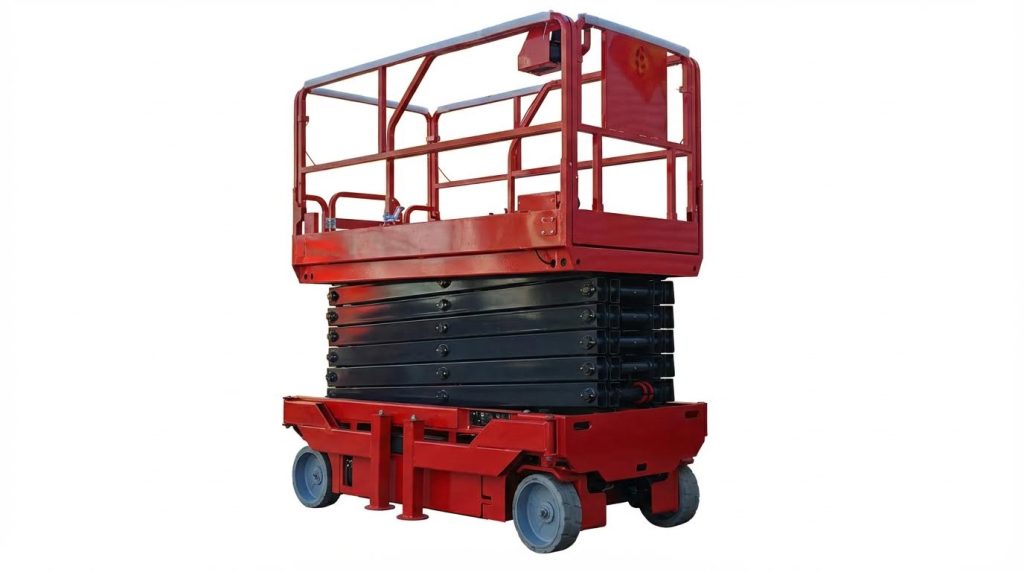
Warehouse battery management covers far more than swapping a pack on a warehouse order picker. It includes planning the full battery lifecycle, assigning the right people and service model, and using modern monitoring technology to protect uptime and safety. This guide explains who should handle batteries, how different management models work, and what best practices keep fleets productive. It also helps you decide whether in-house staff, outside providers, or a hybrid approach is the best answer when you ask what company switch out batteries in semi electric order picker at warehouse and how that choice affects cost, risk, and performance.
What Warehouse Battery Management Really Includes
From Simple Swaps To Full Battery Lifecycle
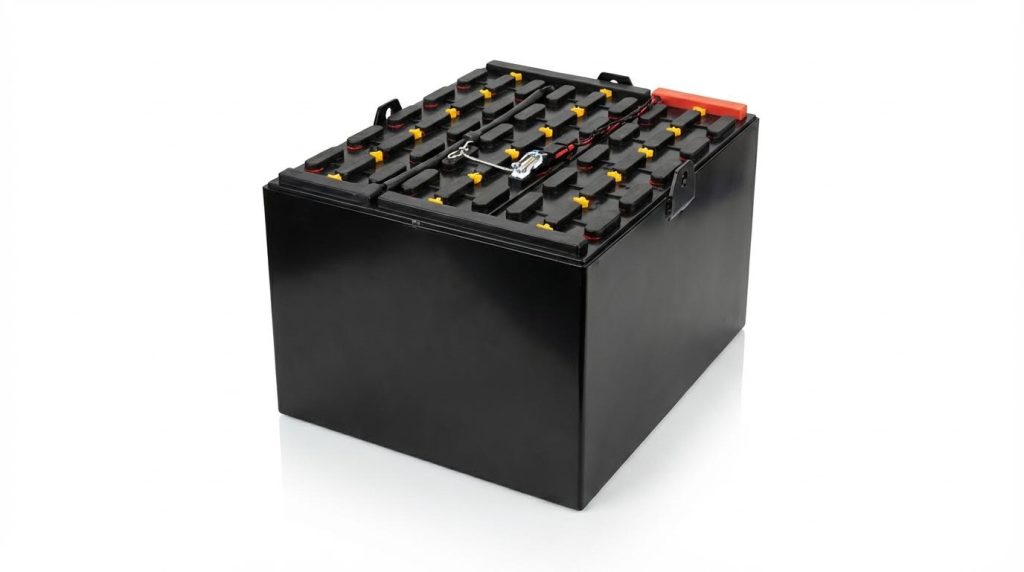
Warehouse battery management covers far more than asking what company switch out batteries in picker at warehouse. It spans the full lifecycle of each traction or picker battery, from initial commissioning to end-of-life removal and recycling. Day to day, this includes safe change-out procedures, correct charging, and handling, but also long-term control of temperature, depth of discharge, and storage conditions to protect capacity and safety. Well-run operations define clear ownership for each step so batteries deliver reliable runtime and predictable total cost.
- Daily use and swap operations: In multi-shift sites, batteries are rotated so each unit is discharged and recharged within recommended limits, avoiding over-discharging that permanently damages performance and shortens service life. Over-discharging also increases heat and reduces the number of usable charge cycles. Safe swap procedures include parking, brake application, and correct use of manual pallet jack in designated areas.
- Charging strategy and downtime periods: Batteries should be fully charged at the end of each working day or shift, not only when they appear low, and chargers should indicate a complete charge with a green light before batteries return to service. For lead-acid units, regular full charges and “refresh” charges every few months during storage help prevent sulphation and unnecessary breakdowns. During long downtime, auxiliary loads must be disconnected and mains power maintained to chargers to avoid slow, damaging discharge.
- Environmental and storage control: Optimal charging temperature is around 25°C (77°F); charging much above or below this range increases charge time and shortens service life. Charging areas should be purpose-designed, with correct positioning, brakes applied, PPE, and pre-charge inspections to manage hydrogen gas and acid risks. Long-term storage calls for fully charged batteries kept in cool, dry areas with periodic maintenance charges to preserve capacity.
- Protection, monitoring, and BMS functions: Modern battery management systems (especially on lithium or advanced lead-acid packs) monitor voltage, current, and temperature to keep operation within safe limits and prevent damage from overcharge or deep discharge. Continuous temperature monitoring allows the system to reduce current or disconnect the pack if overheating occurs, lowering fire and failure risks. These systems also log data and can trigger automated maintenance alerts, supporting data-driven lifecycle decisions.
Why lifecycle thinking matters
Looking beyond day-to-day swaps to the full lifecycle helps warehouses size battery fleets correctly, plan replacements, and decide which tasks should be handled in-house versus by a specialist service provider. That strategic view is essential when you evaluate what company switch out batteries in picker at warehouse and how they fit into your long-term cost and safety goals.
Core Tasks: Charging, Watering, Inspection, Records
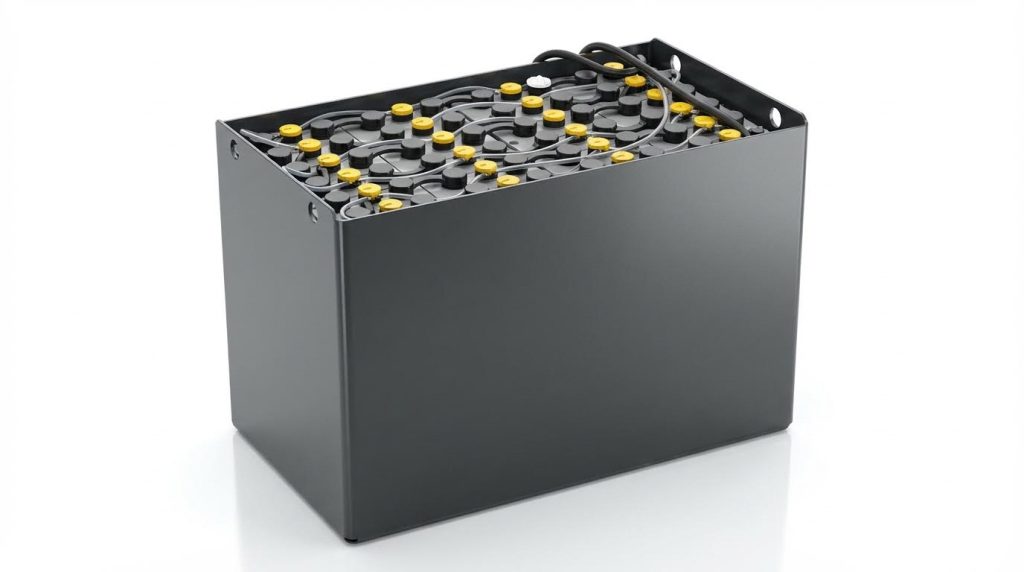
Core warehouse battery management tasks fall into four buckets: charging, watering, inspection, and record-keeping. Together, they determine safety, uptime, and how many years you get from each pack. Clear procedures and responsibilities for each task are as important as choosing what company switch out batteries in picker at warehouse, because poor daily practice can destroy even premium batteries long before their design life.
- Charging routines and controls: Operators should start full charge cycles at the correct state of charge and avoid “opportunity charging” that repeatedly interrupts cycles unless the charger and battery are designed for it. Overcharging increases hydrogen generation and overheating risk, while leaving batteries discharged for long periods promotes sulphation and premature failure. Good practice also includes disconnecting DC plugs when trucks sit idle but are not on charge, to avoid parasitic loads.
- Watering and electrolyte management (for flooded lead-acid): After a full charge, electrolyte levels must be topped with deionized or distilled water to the correct mark, never before charging when the electrolyte is expanded. Electrolyte levels and specific gravity should be checked at least every few months, including after refresh charges, to avoid sulphation and capacity loss. Automated filling systems and electrolyte monitors reduce human error but still require periodic verification.
- Routine safety and condition inspections: The battery tray, cells, connectors, and electrolyte monitor should stay dry and clean; moisture often signals acid spills, which are both a corrosion and hazardous materials risk. Dirt mixed with electrolyte can cause voltage leaks or arcing, so regular cleaning and visual checks for swelling, melted plastic, or heat damage are essential. Cables, harnesses, vent caps, and filling systems must be intact and correctly fitted; damaged components require immediate removal from service and technician inspection.
- Records, data, and compliance documentation: Accurate logs of charge cycles, refresh charges, water additions, inspections, and faults support predictive maintenance and warranty claims. Where BMS and remote monitoring are installed, they capture voltage, temperature, and current histories that help identify misuse patterns and refine operating rules. Documented procedures and training records also support compliance with safety standards and internal audits, and they help compare in-house performance against outsourced or hybrid service models over time.
Turning tasks into a repeatable program
To move from ad-hoc work to a robust program, many warehouses standardize checklists for charging and inspections, define who signs off each step, and integrate BMS data into maintenance software. That structure makes it easier to decide which tasks stay on-site and which are better handled by external specialists focused on what company switch out batteries in picker at warehouse and provide lifecycle support.
Who Should Handle Batteries: In‑House, Outsourced, Or Hybrid?
Role Of Operators, Technicians, And Safety Officers
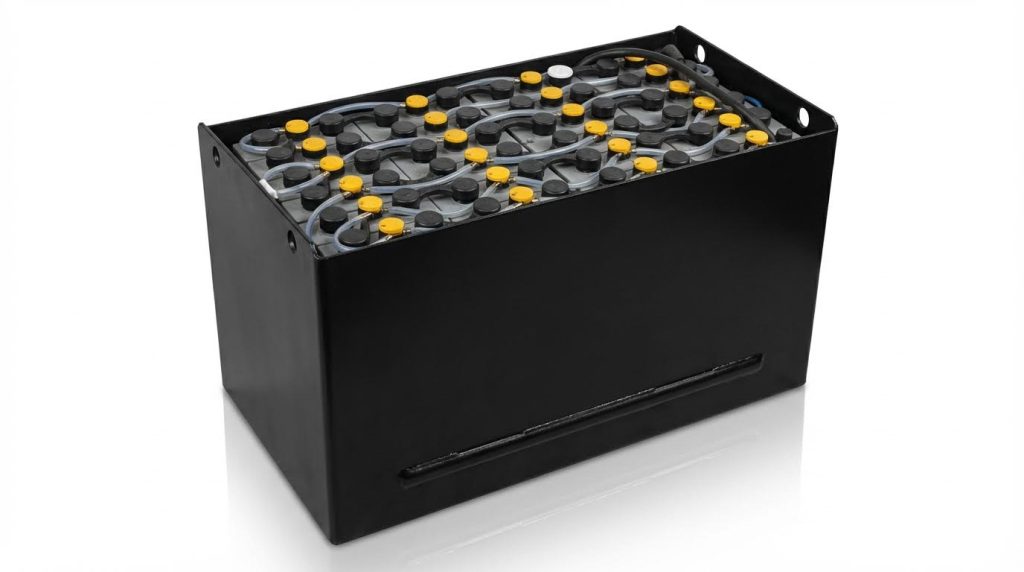
In a modern warehouse, battery work splits into three clear roles: operators, battery technicians, and safety officers. Operators should only handle routine, low‑risk tasks: swapping packs, plugging in chargers, and doing quick visual checks for damage, leaks, or hot connectors before and after a shift. Technicians handle higher‑risk, technical work such as charger setup, troubleshooting, cable and connector replacement, and detailed inspections of trays, cells, and electrolyte levels, especially on lead‑acid batteries that need regular watering and refresh charges to prevent sulphation and premature failure. Battery assemblies, cables, connectors, vent caps, and electrolyte monitors all require periodic inspection for damage, leaks, and heat marks, which is usually beyond an operator’s scope and better suited to trained technicians.
Safety officers or EHS managers define and audit the rules for all three groups. They specify PPE for charging areas, ensure chargers sit in designated zones with proper ventilation and spill control, and confirm procedures for lockout, emergency response, and hazardous materials handling are followed. They also own compliance with electrical and battery standards, and they decide which tasks operators may perform alone versus which require a technician or third‑party specialist. When companies ask what company switch out batteries in picker at warehouse, the safety officer should ensure any internal team or external provider follows the same written procedures, training standards, and incident reporting rules.
Cost, Risk, And Uptime: In‑House Vs Outsourced Service
Choosing who manages warehouse batteries is a cost, risk, and uptime decision. In‑house battery maintenance concentrates costs in salaries, tools, chargers, test equipment, and training. Typical maintenance programs show substantial direct spend on staff, equipment, supplies, and training, plus indirect overhead, downtime, and compliance costs, which together can push total annual maintenance budgets into the hundreds of thousands of dollars for a medium‑size facility. Analyses of in‑house maintenance show that organizations often underestimate real internal costs, including overhead and downtime, by 30–45%, which applies directly to battery rooms and charger bays.
Outsourcing battery service converts many of these fixed costs into variable contract fees. Service contracts typically bundle labor, specialized tools, and some parts, while the warehouse pays an hourly or periodic rate and avoids large capital outlays. External maintenance often carries higher hourly labor rates and parts markups, but it can reduce overhead, shift some liability, and provide immediate access to certified technicians and advanced diagnostics. For operations that depend on warehouse order picker and narrow‑aisle trucks, outsourcing can improve uptime because specialists respond quickly to battery faults, charger alarms, and heat issues, instead of waiting for an internal generalist. When operations teams search what company switch out batteries in picker at warehouse, they are usually trying to balance these higher unit costs against the value of higher uptime and reduced risk.
Risk allocation is also different between models. In‑house teams carry full responsibility for safety practices, incident investigation, and regulatory compliance. Outsourced providers often carry insurance and contractual guarantees that transfer part of this risk and can reduce the financial impact of incidents or non‑compliance. Well‑structured contracts can shift a measurable share of liability and compliance workload to the vendor, which is important where large lead‑acid fleets or high‑energy lithium systems are in use.
When A Hybrid Battery Service Model Makes Sense
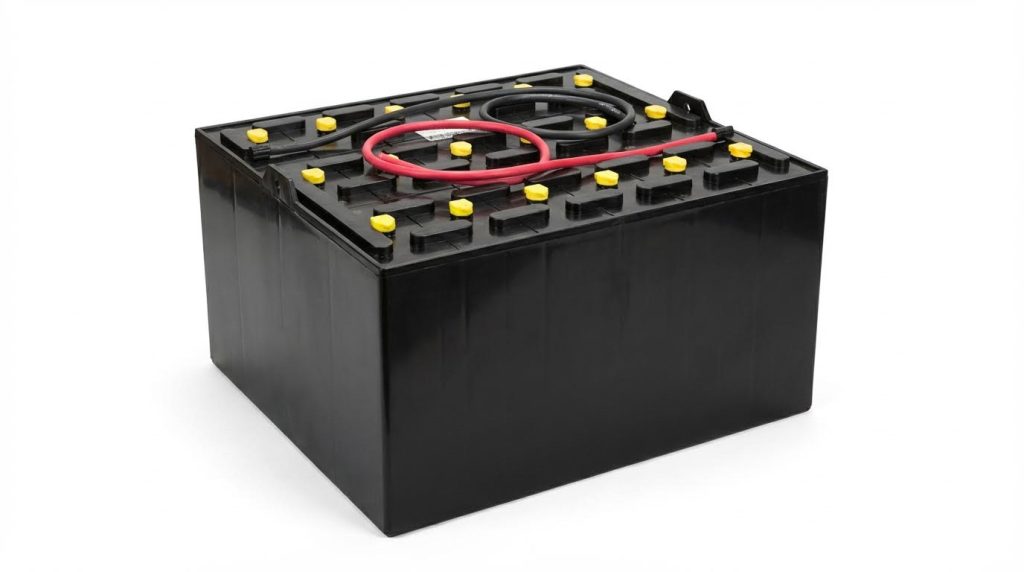
Many warehouses adopt a hybrid battery management model to get the best of both in‑house control and outsourced expertise. In this approach, operators and a small internal maintenance team handle standard, repeatable work such as daily swaps, visual checks, cleaning, topping up water after full charging cycles, and basic charger monitoring. High‑risk or specialized tasks—such as troubleshooting recurring charger faults, investigating overheating, replacing damaged cables or connectors, or deep recovery charging of sulphated batteries—go to an external specialist. Hybrid maintenance strategies in other industrial settings have delivered 20–30% savings compared with pure in‑house or fully outsourced models, and similar logic applies to battery rooms.
This split is especially useful in high‑volume picker operations. Internal staff can quickly swap batteries to keep pick modules running, while external technicians handle periodic inspections, capacity testing, and major repairs during planned windows. The hybrid model also scales: as the fleet grows or shifts from lead‑acid to lithium, the warehouse can adjust which tasks stay internal and which move to the vendor. For teams wondering what company switch out batteries in picker at warehouse, a practical answer is often “both”: train your own operators for safe, routine swaps, and contract a specialist for complex maintenance, diagnostics, and compliance support. This combination keeps uptime high, controls long‑term cost, and manages safety risk more effectively than a single pure model in many facilities.
Technology Shaping Modern Battery Management

Lead‑Acid Vs Li‑Ion: Impact On Staffing And Process
Lead‑acid batteries demand labor-intensive routines such as watering, equalize charging, terminal cleaning, and dedicated charging room procedures. These tasks require trained in-house or outsourced technicians plus clear roles for operators, especially in busy facilities asking what company switch out batteries in picker at warehouse to keep uptime high. In contrast, lithium-ion batteries remove watering and most daily manual checks, but add a need for staff who understand embedded electronics, software, and charging rules. As warehouses transition from lead‑acid to lithium, processes shift from hands-on maintenance to monitoring, diagnostics, and exception handling through software tools.
- Lead‑acid staffing impact: More technicians for watering, gravity checks, cleaning, and cable/connector inspection, plus clear shift routines for swaps.
- Li‑ion staffing impact: Fewer routine tasks per truck, but higher skill requirements for troubleshooting BMS alarms, communication issues, and charger integration.
- Process changes: Lead‑acid favors centralized battery rooms and swap programs, while lithium often supports opportunity and fast charging at the point of use.
- Safety and training: Lead‑acid training focuses on acid, ventilation, and hydrogen; lithium training focuses on electrical safety, BMS limits, and thermal management.
For operations deciding whether to keep battery swaps in‑house or use a service partner, the chemistry choice strongly influences headcount, skill profiles, and the complexity of written procedures.
Battery Management Systems And Remote Monitoring
Modern battery management systems (BMS) monitor critical parameters like pack or cell voltage to keep operation within safe limits and avoid damage from overcharge or deep discharge battery voltage monitoring. They also track temperature continuously and can reduce current or disconnect the battery if overheating occurs, protecting both the battery and the truck operator from thermal hazards temperature management and protection mechanisms. Current flow during charge and discharge is measured to avoid excessive currents that shorten life or trip protection devices current data management. In lithium packs, the BMS also balances cells, either dissipating excess energy as heat (passive) or shifting energy between cells (active) to keep the pack uniform and extend usable life cell balancing methods.
Remote monitoring lets managers see state of charge, temperatures, alarms, and usage patterns from any location remote monitoring capabilities. Communication options such as CAN-bus, Bluetooth, and cloud or IoT links support integration with fleet software and allow remote diagnostics and firmware updates communication interfaces. Automated alerts flag low state of charge, abnormal temperatures, or fault codes before they cause breakdowns, which directly supports uptime for order pickers and reduces emergency swap calls to any company that might switch out batteries in picker at warehouse environments warehouse order picker. Many industrial BMS platforms are designed to meet standards such as IEC 62619, UL 1973, and EN 1175, which simplifies safety and regulatory compliance for operators and facility managers safety standards compliance.
Key BMS functions at a glance
| Function | Main Purpose |
|---|---|
| Voltage & current monitoring | Protect cells from overcharge/over-discharge and excessive current |
| Temperature control | Prevent overheating and extend service life |
| Cell balancing | Keep cells equalized to maximize capacity and life |
| Remote data & alerts | Enable proactive maintenance and fast troubleshooting |
Data‑Driven Maintenance, Safety, And Compliance
Connected chargers and BMS platforms generate detailed data on charge duration, depth of discharge, temperature, and idle time. This data helps maintenance teams enforce correct charging behavior, such as fully charging instead of opportunity plugging only when batteries are low, and ensuring chargers show a complete-charge indication before trucks return to service battery charging protocol. Systems can flag over-discharge events that risk permanent capacity loss, or overcharge events that increase hydrogen generation and heat, so supervisors can correct operator habits and update training avoiding overcharging and over-discharging. Trend analysis also reveals batteries that spend long periods in a discharged state, which accelerates sulfation and leads to shorter run times and higher failure risk minimizing discharge duration.
From a safety standpoint, digital checklists and inspection logs ensure that trays, cables, connectors, and vent caps are inspected on schedule for damage, leaks, or contamination, reducing the risk of arcing and hazardous spills battery assembly inspection and connector integrity. Temperature and location data also confirm that batteries are charged in designated, properly ventilated areas with the right PPE and procedures in place charging area requirements and temperature control. For operations that rely on external partners to handle swaps and service, shared dashboards and reports provide proof of compliance with internal policies and external regulations, while clarifying who is responsible for each task in the battery lifecycle. This data-driven approach supports better decisions about whether in-house teams or outside providers should manage critical activities like swapping batteries in order picking machines, scheduling refresh charges, or planning replacements.
“”
Choosing The Right Battery Management Strategy
Effective warehouse battery management links daily tasks, clear roles, and the right technology into one coherent system. Charging rules, watering routines, and regular inspections protect capacity and cut failure risk. Defined responsibilities for operators, technicians, and safety officers then turn those rules into safe, repeatable practice on every shift.
The choice between in-house, outsourced, and hybrid models decides who carries cost, risk, and uptime responsibility. In-house teams give tighter control but demand steady investment in skills, tools, and compliance. Outsourced service shifts cost and liability to a specialist but locks performance into contract quality and response times. Hybrid models often deliver the best balance by keeping routine swaps and checks on-site while sending complex diagnostics and high-risk work to experts.
Battery chemistry and technology should guide this decision. Lead-acid fleets need more manual care and favor structured service programs. Lithium fleets rely more on BMS data, remote monitoring, and software-driven rules. The most robust strategy treats batteries as critical assets, not consumables: standardize procedures, use data to enforce behavior, and align your service model with safety goals and uptime targets. For most warehouses, that means a disciplined hybrid approach supported by connected equipment from Atomoving and a clear, data-backed maintenance plan.
Frequently Asked Questions
Who can change batteries in electric powered forklifts?
Only trained personnel are allowed to charge and change batteries in electric forklifts, as required by OSHA. This ensures safety and proper handling of equipment. Forklift Electrification FAQ.
What kills a lead acid battery?
Operating in extremely hot or cold temperatures can harm the health of your battery. Additionally, improper maintenance, such as having too much or too little water in the electrolyte solution, is one of the biggest causes of damage to lead-acid batteries. Lead-Acid Battery Care.