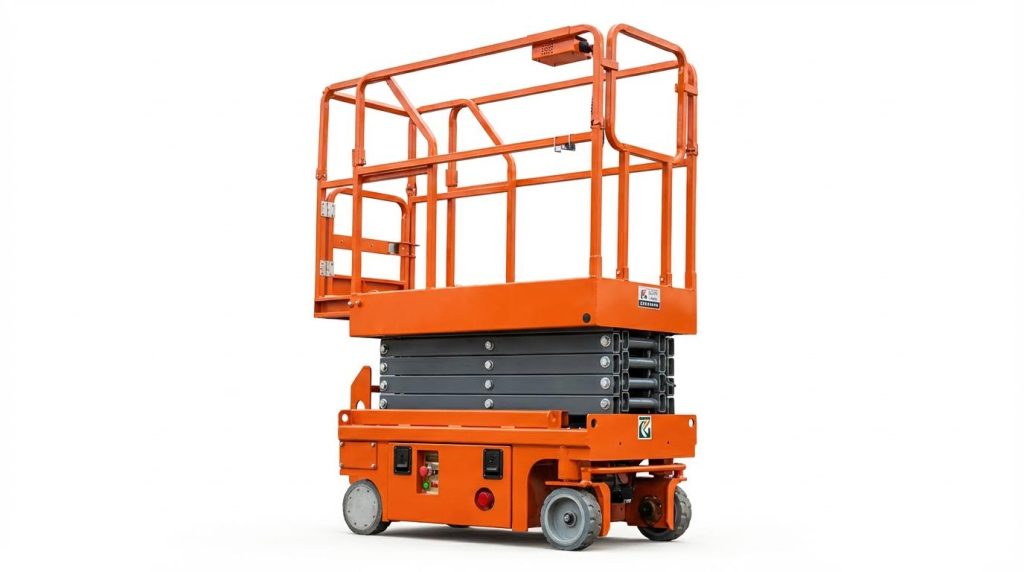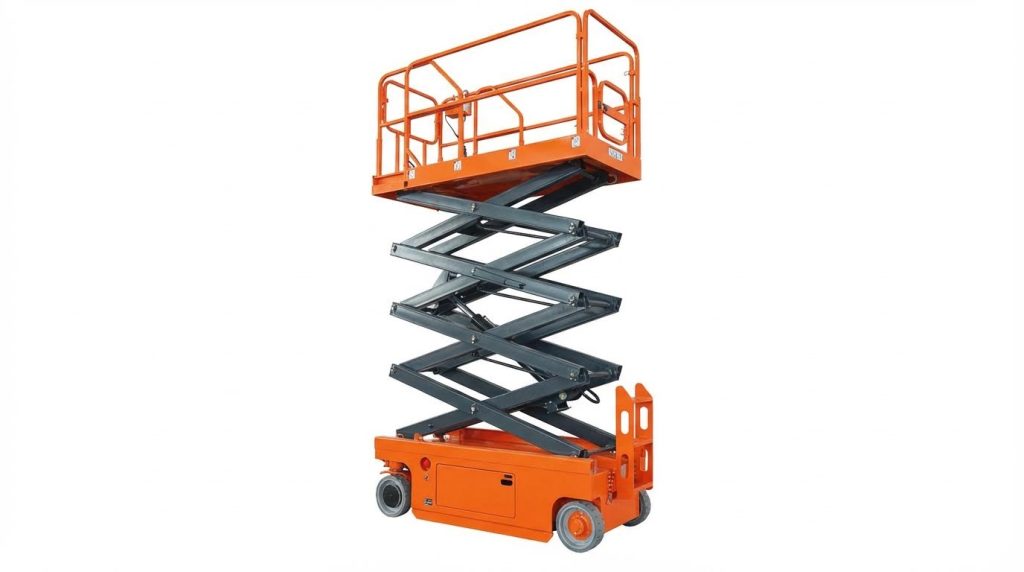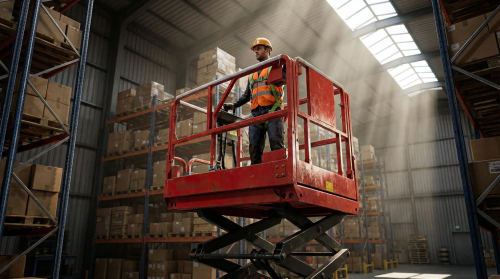
OSHA does not treat scissor lifts as aerial lifts; it classifies them as mobile scaffolds, but ANSI includes them within the wider aerial/elevating work platform family. This article explains how that split affects training, fall protection, and how you answer “is a scissor lift considered an aerial lift” in real-world safety programs.
How OSHA and ANSI Classify Scissor and Aerial Lifts
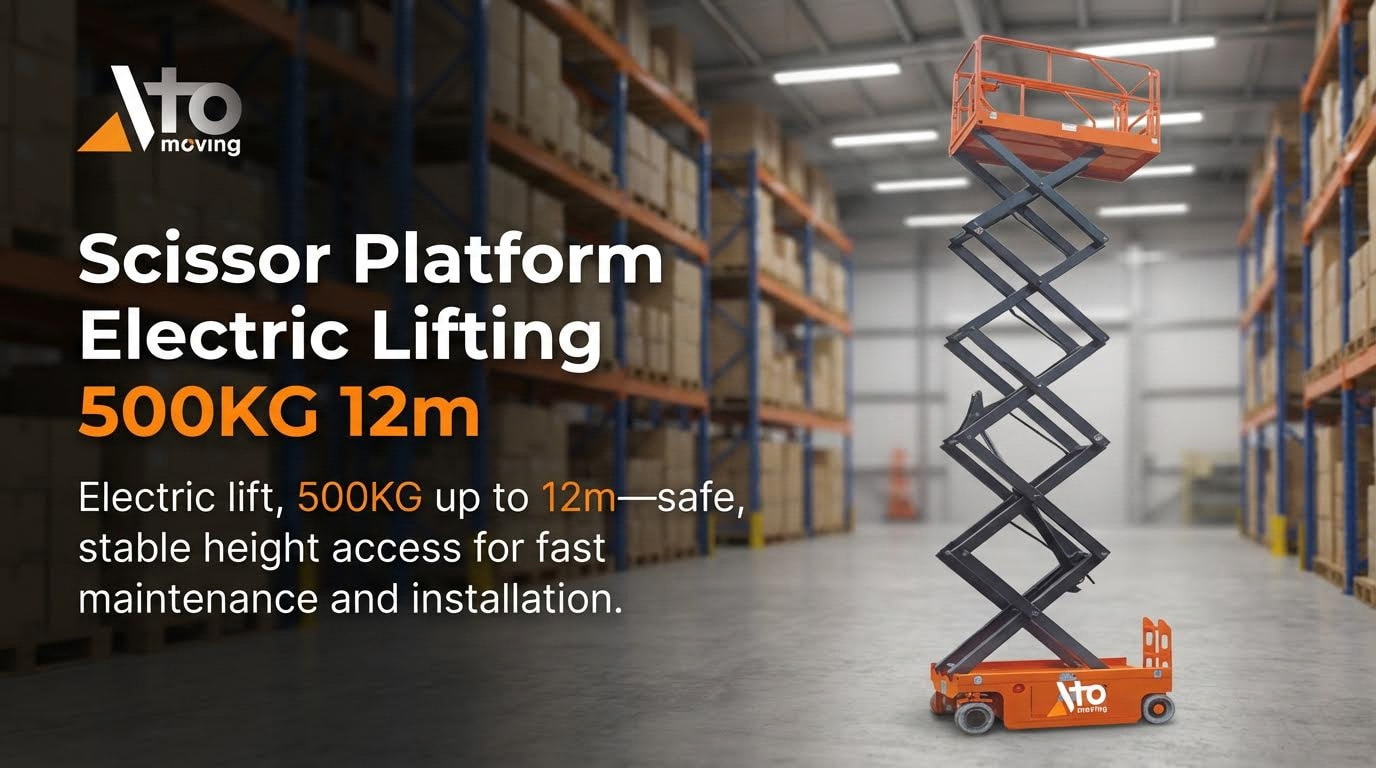
OSHA generally treats scissor lifts as mobile scaffolds, while ANSI treats them as elevating work platforms within the aerial platform family. This split explains why “is a scissor lift considered an aerial lift” has two different answers.
| Question | OSHA View | ANSI A92 View | Operational Impact |
|---|---|---|---|
| Is a scissor lift considered an aerial lift? | No – it is a mobile supported scaffold, not an aerial lift under OSHA construction rules | Yes – it is an “elevating work platform” within the aerial platform family per ANSI A92.3 and A92.6 | Affects which safety standard, training content, and inspection checklist you must apply. |
| Main standard applied | Scaffold standards (e.g. 29 CFR 1926.451, 1926.452(w)) for scissor lifts | ANSI A92.3 (manually propelled) and A92.6 (self‑propelled) elevating work platforms for design and stability | Determines design, stability, and use requirements your safety program should reference. |
| Typical fall protection | Guardrails meeting scaffold rules; additional PFAS only if guardrails are not adequate for scissor lifts | Guardrails as primary protection on elevating work platforms; body harness and lanyard are typical on boom-type aerial lifts under ANSI A92 family | Explains why boom lifts always require harness tie‑off, while scissor lifts usually rely on guardrails. |
💡 Field Engineer’s Note: When clients ask “is a scissor lift considered an aerial lift,” I answer: “Legally under OSHA it’s a scaffold; mechanically under ANSI it’s an aerial work platform.” Then we build procedures to satisfy both.
OSHA definition: scaffold vs. aerial lift
OSHA classifies scissor lifts as mobile supported scaffolds, not aerial lifts, so they fall under scaffold rules rather than the aerial lift section.
- Scissor lift as scaffold: OSHA defines scissor lifts as mobile supported scaffold platforms that move workers vertically and between locations – they use a scissor mechanism but are still treated as scaffolds. Source
- Applicable OSHA sections: For construction, OSHA applies 1926.451 (general scaffold requirements) and 1926.452(w) (mobile scaffolds), plus 1926.454 for training – your written program, inspections, and training must follow scaffold language. Source
- General industry and shipyards: In plants and shipyards, OSHA points to 1910.27, 1910.28(b)(12), 1910.29(b), and 1915.71 for scaffold and fall protection duties – classification still stays in the scaffold family. Source
- Not an aerial lift under OSHA: OSHA’s aerial lift rules live in a different section; OSHA explicitly treats scissor lifts under scaffold provisions instead of aerial lift provisions. Source
Why OSHA’s wording matters for your procedures
Because OSHA calls a scissor lift a mobile scaffold, your JSA, operator training, and inspection forms should reference scaffold sections and scaffold-style controls: guardrail integrity, platform loading, and site surface conditions. If you simply copy “aerial lift” procedures from boom lifts, you may miss scaffold-specific requirements such as mobile scaffold movement limits and certain guardrail criteria.
ANSI A92 scope for elevating work platforms
ANSI A92 classifies scissor lifts as elevating work platforms within the aerial work platform family, setting design and stability rules that manufacturers and users follow.
- Elevating work platform family: ANSI A92 uses the broader term “elevating aerial platforms” or “elevating work platforms” for powered platforms that raise workers, which includes scissor lifts, boom lifts, and vertical masts – grouped as aerial work platforms mechanically. Source
- Manual vs self‑propelled scissor lifts: ANSI A92.3-2006 covers manually propelled elevating aerial platforms, while ANSI A92.6-2006 covers self‑propelled elevating work platforms – this is where scissor lift design, stability, and performance criteria sit. Source
- Design and safety systems: Under ANSI A92, elevating work platforms typically include guardrails, entry gates, emergency controls, and platform controls to position workers safely at height – these common features are why scissor lifts are treated as part of the aerial work platform family. Source
💡 Field Engineer’s Note: For procurement and engineering specs, I lean on ANSI A92 because it tells me how the scissor lift should be built and behave. For day‑to‑day compliance and citations, OSHA’s scaffold classification is what the inspector will use.
How ANSI A92 affects daily operations
Even though operators rarely read ANSI standards, many limits on slope, wind, and movement that appear in the operator’s manual come directly from A92 stability criteria. Respecting those manufacturer limits keeps you aligned with both ANSI and OSHA’s requirement to follow manufacturer instructions.
Scissor lifts within the aerial work platform family
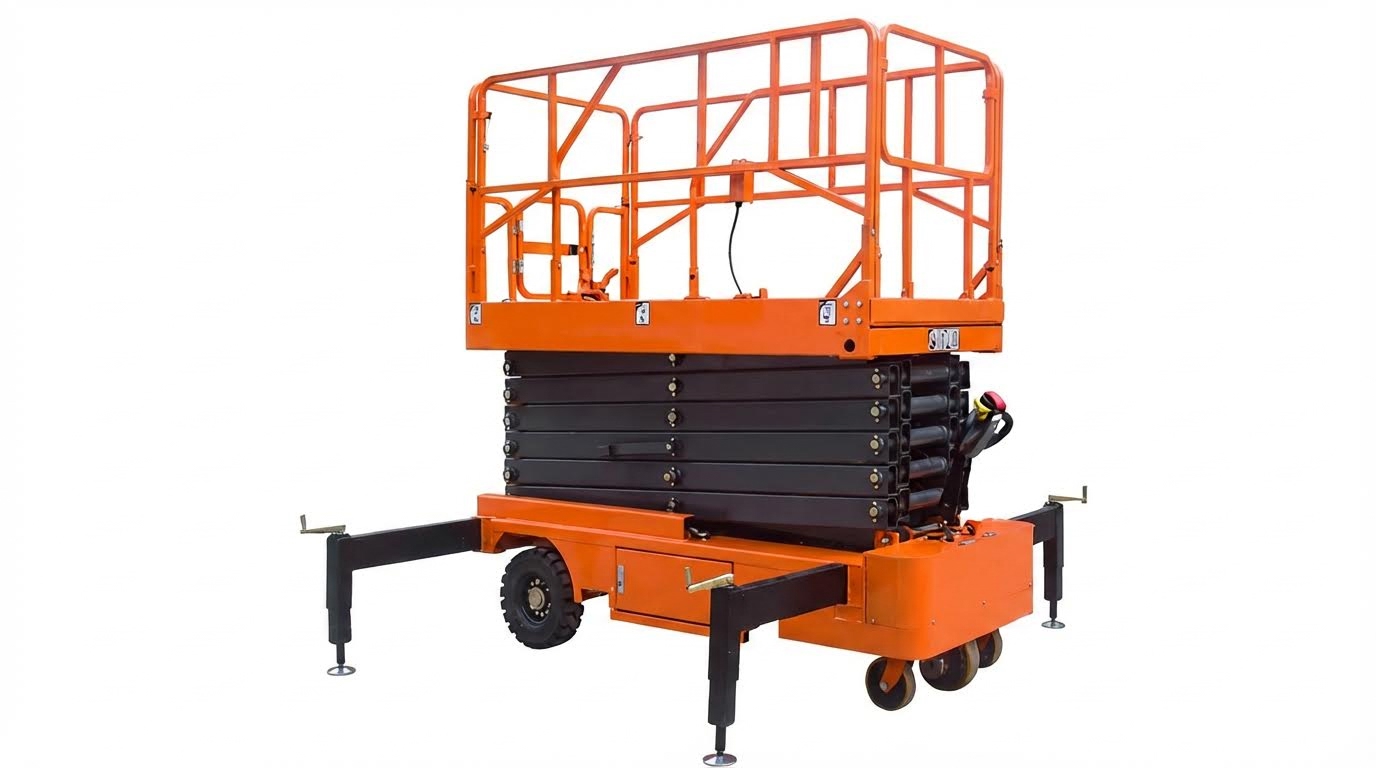
In practical engineering terms, scissor lifts sit inside the broader aerial work platform family as vertical-only machines, even though OSHA calls them scaffolds for enforcement.
- Vertical-only access: Scissor lifts use a crisscrossing pantograph mechanism that drives the platform straight up and down when hydraulic or pneumatic pressure extends the legs – they provide height, not horizontal reach. Source
- Part of AWP choices: Alongside boom lifts, order pickers, and vertical masts, scissor lifts are one of several aerial work platform types used to give temporary access at height – you choose them when the job is mainly vertical and within the platform footprint. Source
- Different from boom-type aerial lifts: Boom lifts (articulating or telescopic) provide horizontal outreach around obstacles, and operators must wear body harnesses with lanyards tied to the boom or basket – this is why fall protection rules differ from scissor lifts, even within the aerial platform family. Source
Answering “is a scissor lift considered an aerial lift” in policy documents
For written programs, a clear way to handle the ambiguity is: “For OSHA compliance purposes, our scissor lifts are managed under scaffold standards. For equipment selection and engineering, they are treated as vertical aerial work platforms under ANSI A92.” That single sentence keeps auditors, operators, and engineers aligned.
“”
Choosing The Right Lift For Your Facility
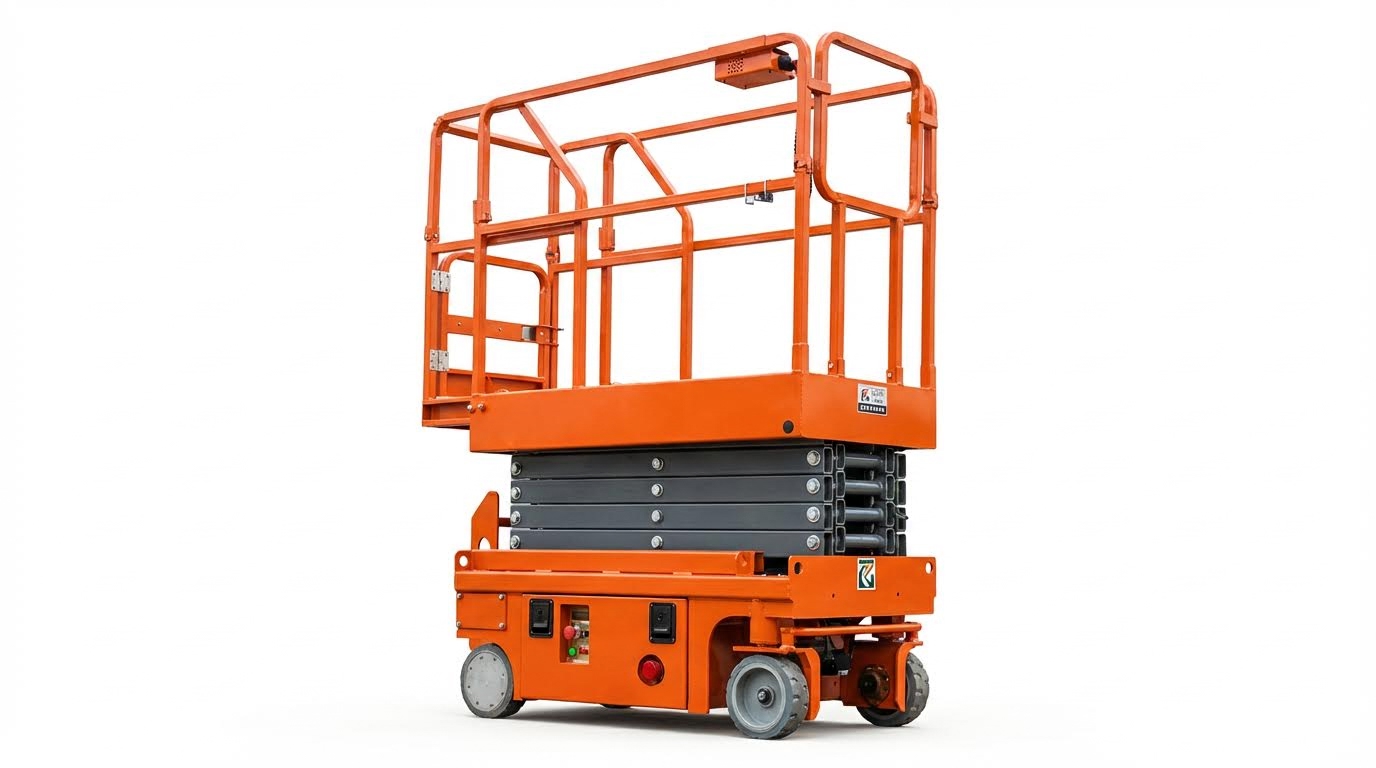
The right lift choice depends on height, horizontal reach, floor conditions, power source, and regulatory classification, not just price. When asking “is a scissor lift considered an aerial lift,” you must align OSHA/ANSI rules with your actual tasks and environment.
- Clarify the job: Height, reach, and tools – Prevents overspecifying or buying the wrong machine.
- Check regulations: OSHA scaffold vs. aerial lift rules – Ensures training and fall protection match the equipment.
- Match the surface: Indoor slab vs. outdoor rough ground – Reduces tip-over and tire damage risk.
- Plan power: Electric vs. combustion – Balances emissions, noise, and duty cycle.
- Think access: Aisle width, doors, overhead obstructions – Avoids “can’t reach” situations after purchase.
💡 Field Engineer’s Note: Before standardising on one lift type, walk your site with a tape measure. Measure real aisle widths, door heights, and slab slopes; many “problems” show up before you spend any money.
When to use scissor lifts vs. boom-type aerial lifts
Use scissor platform for straight-up work on firm, mostly level floors, and boom-type aerial lifts when you must reach over obstacles or need long horizontal outreach.
| Task / Scenario | Best Lift Type | Why It Fits | Operational Impact |
|---|---|---|---|
| Ceiling work directly above (lighting, sprinklers, HVAC) in a warehouse | Scissor lift (mobile scaffold under OSHA) | Purely vertical access with wide, stable platform and guardrails as primary fall protection per OSHA scaffold rules | Faster up/down cycles and more room for tools; good for repetitive maintenance runs. |
| Facade repairs where you must reach over landscaping, canopies, or parked equipment | Boom-type aerial lift | Articulating or telescopic boom provides horizontal outreach beyond 5–20 m, unlike vertical-only scissor lifts noted for boom lifts | Can park clear of obstacles and still reach the work area, reducing ground disruption. |
| Indoor racking, signage, or MEP work in tight aisles | Narrow electric scissor lift | Compact footprint and non-marking tyres, with vertical lift adequate for tasks directly beside the machine described for indoor electric units | Allows turning and working in 1.2–1.8 m aisles, depending on model, without fume issues. |
| Building exterior painting where the wall is set back behind a sloped embankment | Boom-type aerial lift | Can set outriggers or base on stable ground and reach over the slope, which a vertical scissor cannot do safely | Reduces need for temporary scaffolds and ground works; improves reach flexibility. |
| Frequent up-and-down work with multiple technicians and materials | Wide-platform scissor lift | Platform supports several workers and materials within rated capacity; guardrails provide compliant fall protection as OSHA notes | Improves productivity on repetitive tasks like duct installation or cable tray work. |
| Work under overhead conveyors or pipe racks with many obstructions | Articulating boom lift | Jointed boom can “snake” around beams and conveyors, unlike a scissor lift’s straight vertical path described for articulating booms | Reduces time lost repositioning the base machine; safer positioning around overhead steel. |
From a classification standpoint, if you are asking “is a scissor lift considered an aerial lift,” OSHA treats it as a mobile supported scaffold, while boom lifts sit under aerial lift rules; this changes fall protection and training requirements per OSHA interpretation.
- Choose a scissor lift when: Work is overhead, vertical, and on firm, level surfaces – Maximises platform space and simplicity.
- Choose a boom lift when: You need to reach over obstacles or need large horizontal offset – Reduces repositioning and access risks.
- Check compliance: Apply scaffold rules to scissor lifts and aerial-lift rules to booms – Avoids citations and mismatched PPE.
How to decide in borderline cases
If you can park the machine directly under or beside the work for the full job, a scissor lift usually suffices. If you must keep backing up or cannot get close because of machinery, traffic, or landscaping, move to a boom-type aerial lift.
Indoor vs. outdoor, electric vs. rough-terrain units
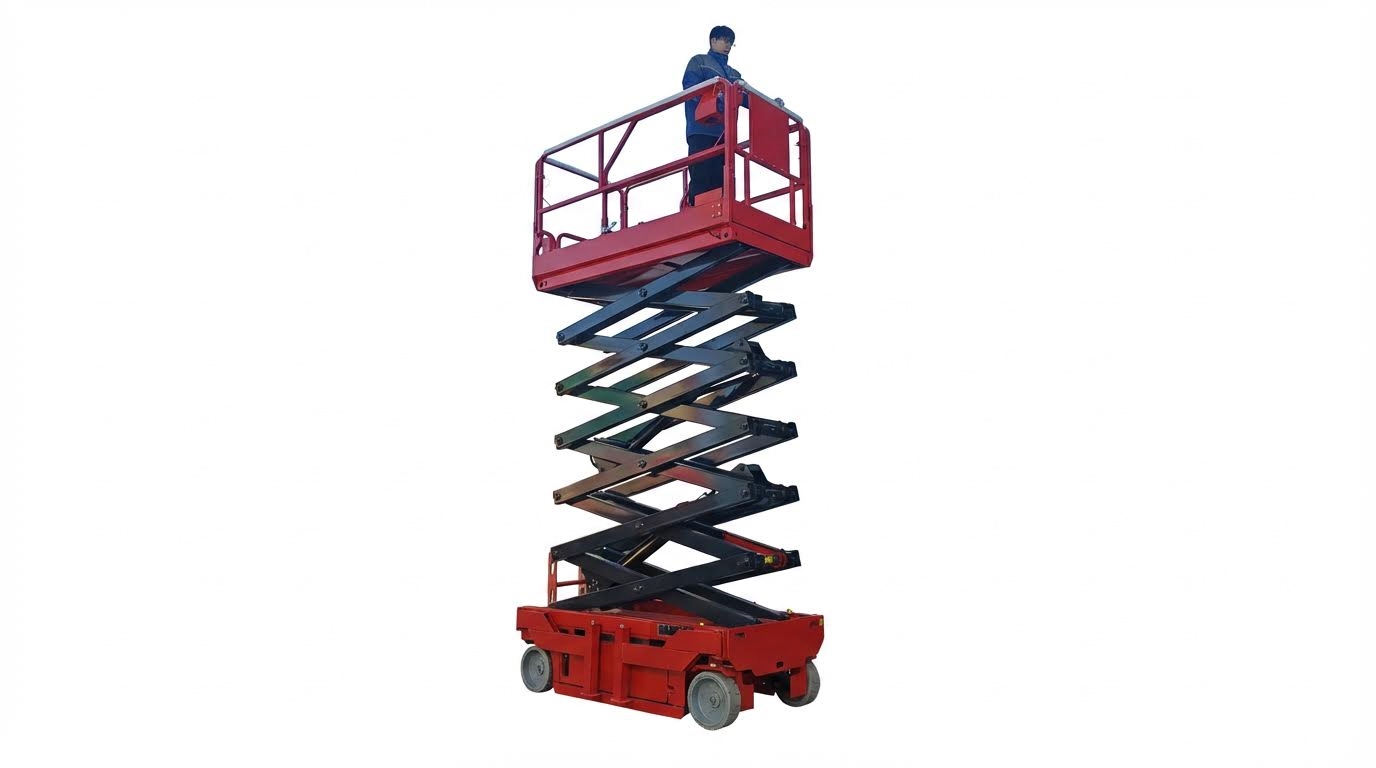
Use electric scissor lifts indoors on smooth slabs, and rough-terrain or combustion-powered units outdoors on uneven or soft ground where traction and clearance matter.
| Environment / Condition | Recommended Lift Type | Key Features | Operational Impact |
|---|---|---|---|
| Finished indoor floors (concrete, epoxy, tiles) | Electric scissor or vertical mast lift | Non-marking tyres, low noise, zero local emissions as described for electric scissor lifts | Protects floor finishes, supports long indoor shifts, and keeps air quality suitable for staff. |
| Outdoor construction sites with uneven or soft ground | Rough-terrain scissor or boom lift | Larger tyres, higher ground clearance, often diesel or dual-fuel power noted for rough-terrain units | Improves traction and stability on gravel or mud; but introduces noise and exhaust emissions. |
| Indoor facilities with occasional outdoor work on paved yards | Electric boom or hybrid unit | Electric drive with enough outdoor rating and wind tolerance for limited external tasks | Reduces fleet size by covering both indoor and light outdoor jobs with one platform type. |
| High-wind outdoor work areas | Outdoor-rated boom or scissor lift with wind rating | Design limits for maximum safe wind speed; typical scissor lifts limit outdoor use to winds below about 45 km/h (28 mph) per OSHA guidance | Reduces sway and tip-over risk; may require job shutdown when winds exceed rating. |
| Noise-sensitive areas (hospitals, schools, offices) | Electric scissor or mast lift | Quiet operation and no exhaust fumes for electric platforms | Allows work during operating hours without disturbing occupants or triggering ventilation issues. |
- Indoor use: Prioritise electric power and non-marking tyres – Protects floors and indoor air quality.
- Outdoor rough ground: Use rough-terrain units with higher ground clearance – Maintains stability on ruts and gravel.
- Wind exposure: Respect outdoor wind-speed limits – Prevents sway and tip-over incidents.
- Duty cycle: Long, continuous shifts may favour combustion or high-capacity battery packs – Reduces downtime for charging or refuelling.
💡 Field Engineer’s Note: For mixed indoor–outdoor sites, many facilities overbuy rough-terrain units and then fight tyre marks and fumes indoors. Often, one indoor electric plus a shared outdoor rough-terrain unit is safer and cheaper over the life of the project.
How classification affects your indoor/outdoor choice
Even though many people ask “is a scissor lift considered an aerial lift,” OSHA classifies it as a mobile scaffold. That means indoor and outdoor scissor lift use must follow scaffold rules for fall protection, load limits, and movement restrictions, while boom-type aerial lifts trigger separate aerial-lift fall arrest and training requirements as OSHA clarified.
Final Thoughts On Classification And Safe Use
Scissor lifts sit at the intersection of scaffold and aerial work platform rules. OSHA enforces them as mobile scaffolds, while ANSI treats them as elevating work platforms. This split matters because it drives how you design procedures, train operators, and select fall protection. If you ignore the scaffold side, you risk citations and unstable use. If you ignore the aerial-platform side, you risk buying units that do not match your geometry, loads, or surfaces.
Engineering teams should treat scissor lifts as vertical aerial work platforms when sizing height, footprint, and stability. Safety teams should anchor written programs to OSHA scaffold sections and the manufacturer manual. Operations should choose between scissor and boom lifts based on reach path, floor conditions, wind, and duty cycle, not habit or price.
The most robust approach is simple: classify scissor lifts as scaffolds for OSHA compliance, and as vertical aerial work platforms for design and selection. Then lock in three controls on every job: respect rated load and wind limits, keep platforms on suitable ground, and match fall protection to the lift type. That combined strategy keeps your facility aligned with OSHA, ANSI, and Atomoving equipment capabilities while keeping people off the incident list.
Frequently Asked Questions
Is a scissor lift considered an aerial lift?
A scissor lift is not typically classified as an aerial lift. According to OSHA, scissor lifts are considered a type of mobile scaffold OSHA Scissor Lift Guidelines. Aerial lifts, on the other hand, include extensible boom platforms, aerial ladders, and articulating boom platforms, which offer more flexibility in movement.
What are the main differences between scissor lifts and aerial lifts?
Scissor lifts primarily move vertically and are ideal for tasks that require lifting multiple workers or heavy materials. In contrast, aerial lifts such as boom lifts can extend both vertically and horizontally, providing greater outreach. Here are some key differences:
- Vertical Movement: Scissor lifts only move up and down.
- Outreach Capability: Aerial lifts can reach outwards, making them suitable for tasks requiring access around obstacles.
- Platform Size: Scissor lifts generally have larger platforms, accommodating more workers and equipment.
What safety precautions should be taken when using scissor lifts?
When operating a scissor lift, it’s crucial to follow these safety guidelines:
- Always use the guardrail system to prevent falls.
- Ensure the lift is on a firm, level surface to avoid tipping over.
- Be aware of overhead hazards like power lines and ceilings Scissor Lift Safety Guide.
How high can a scissor lift go?
The maximum height of a standard scissor lift typically ranges from 19 to 60 feet. For instance, the Skyjack SJIII 3226 offers a working height of up to 32 feet, while specialized models like the Dingli 3730HRT can reach heights of 37 meters (approximately 121 feet) Skyjack Specifications. Always check the manufacturer’s specifications for exact figures.