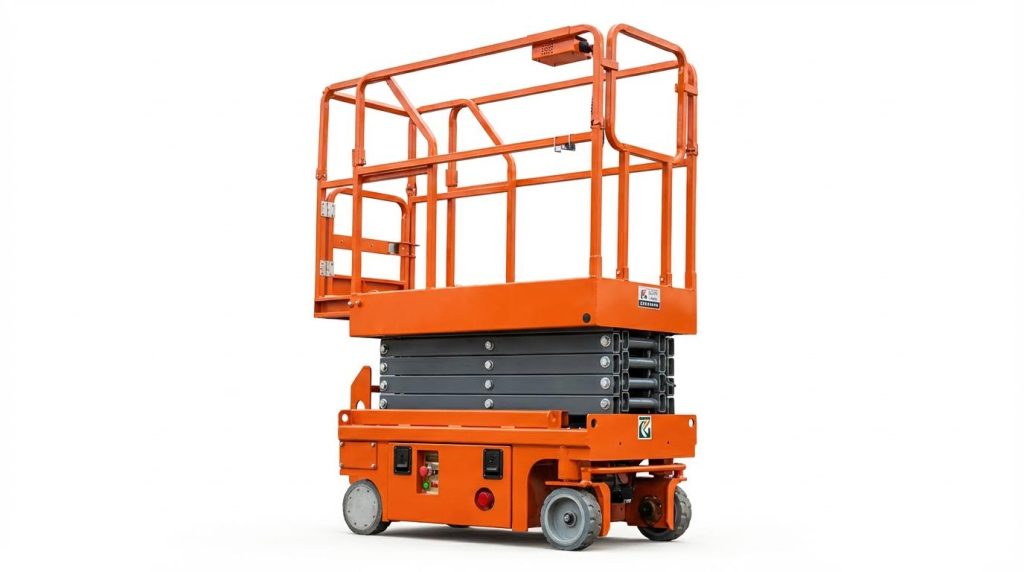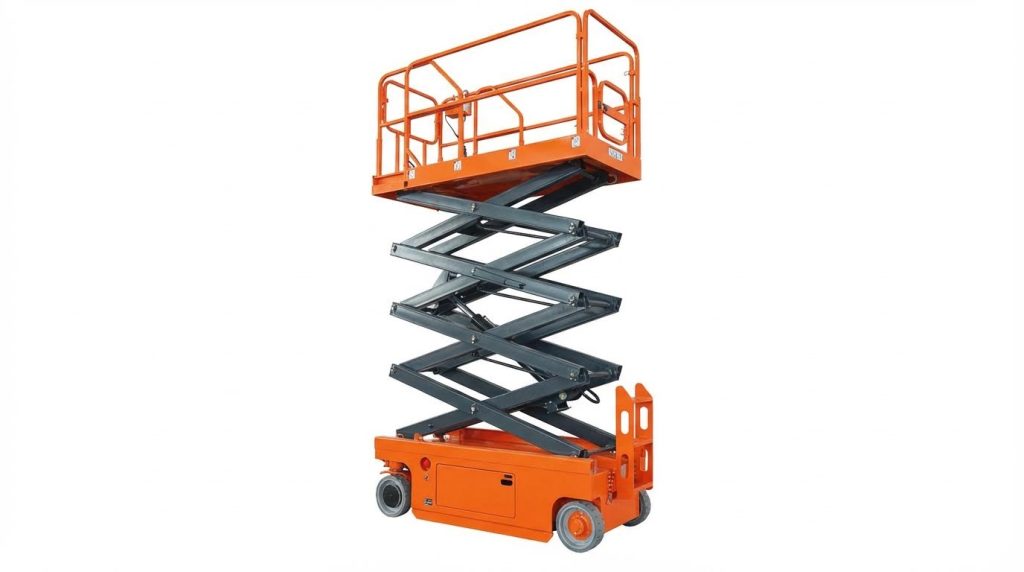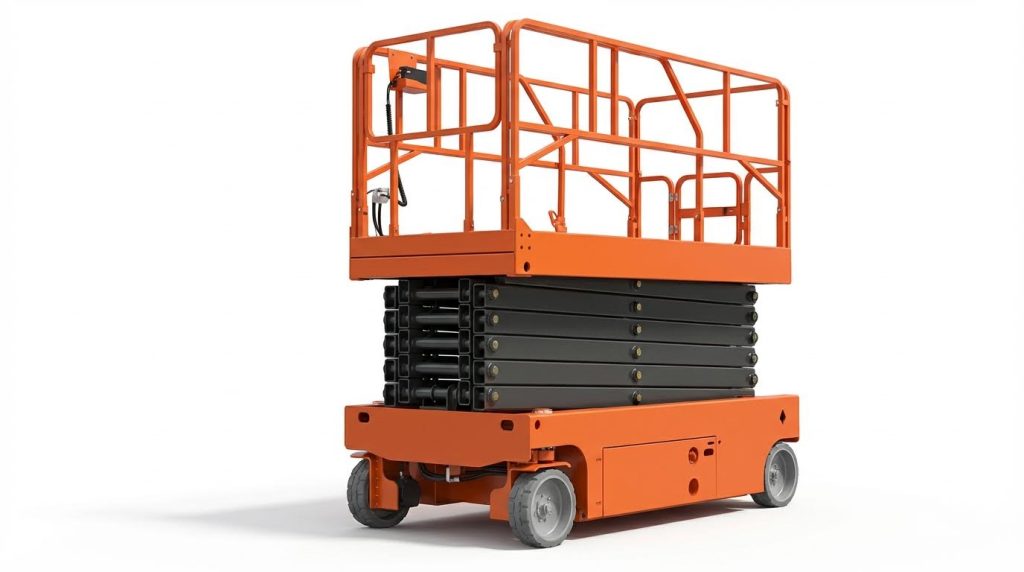
Scissor lifts must be inspected daily, at set periodic intervals, and annually to stay safe, legal, and reliable. This guide explains exactly how often scissor platform lifts need to be inspected, what each level of inspection includes, and how a structured program cuts failures and total cost of ownership while keeping operators compliant and protected.
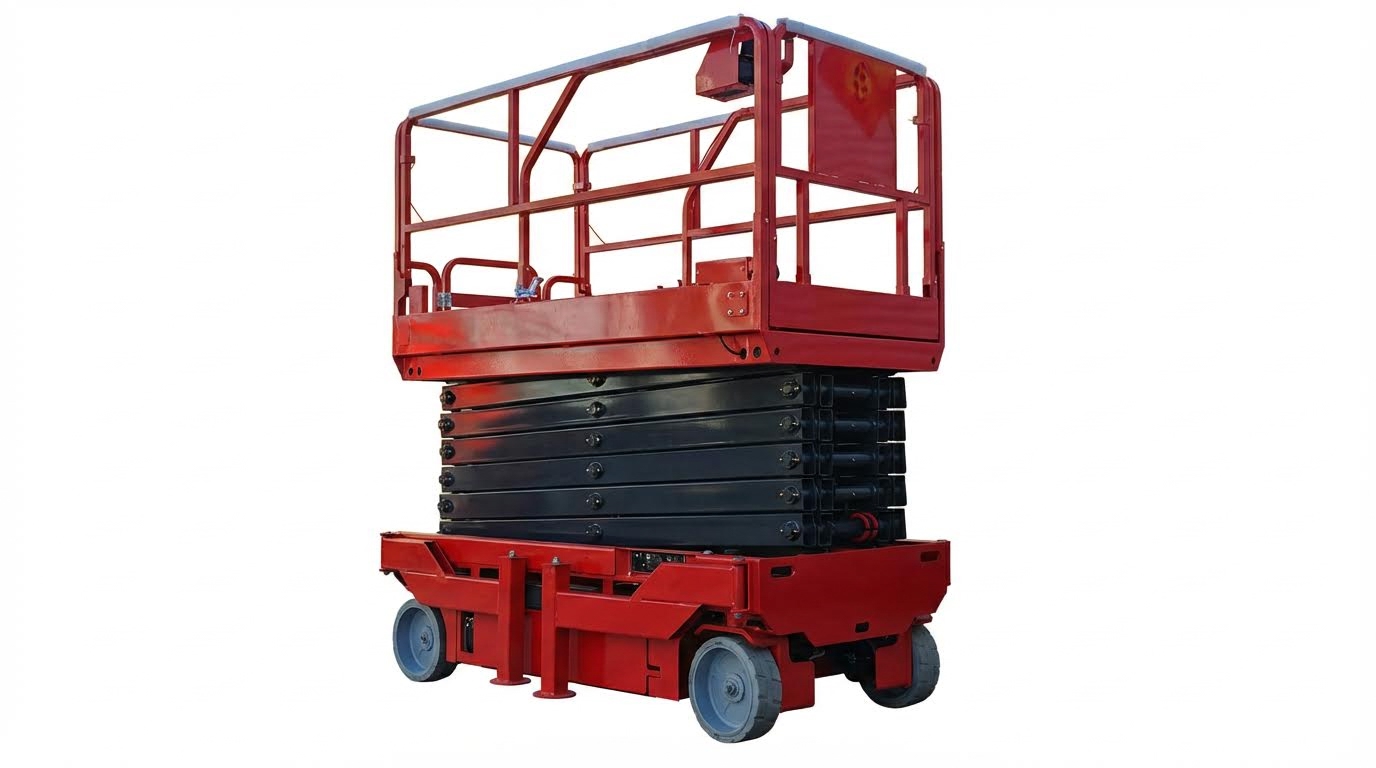
How Often Scissor Lifts Must Be Inspected
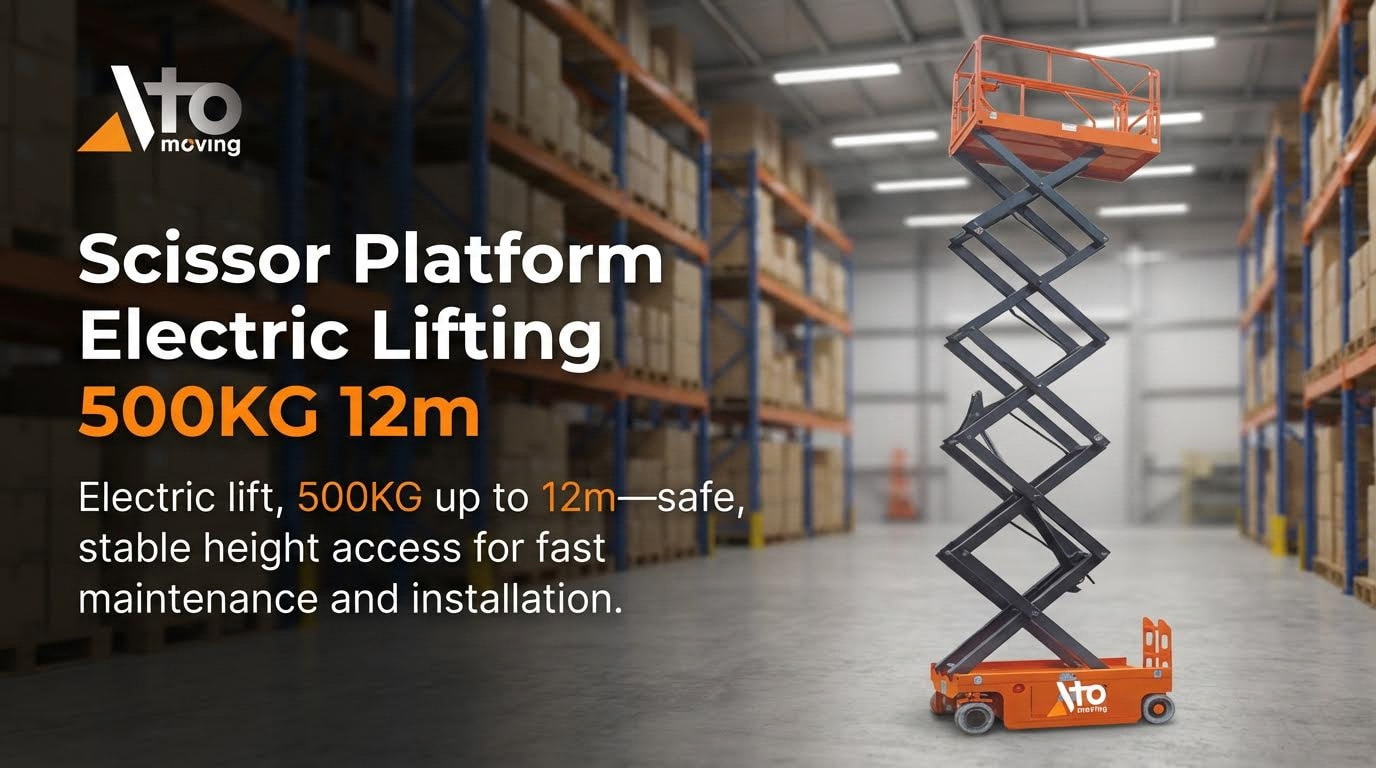
Scissor lifts must be inspected daily, at periodic intervals (weekly to quarterly), and annually, with the exact frequency driven by OSHA, ANSI A92, manufacturer instructions, and actual operating hours. This section explains how often scissor lifts need inspection and why.
Regulatory drivers (OSHA, ANSI A92)
Regulatory and industry standards answer “how often do scissor lifts need to be inspected” by splitting checks into daily operator inspections, frequent/periodic inspections, and annual inspections by qualified technicians. Each layer targets different failure modes.
- Daily (Pre‑start): Required before each shift – Catches obvious defects before anyone goes up in the air.
- Frequent / Periodic: Typically every 1–3 months or by operating hours – Finds developing wear in hydraulics, structure, and electrics.
- Annual: Once every 12–13 months – Verifies the machine still meets its original design and capacity.
- Competent vs. Qualified: Operators do daily checks; qualified technicians handle periodic and annual inspections – Matches skill level to risk level.
Industry guidance groups inspections into daily pre-start, frequent inspections every three months or 150 hours, and annual inspections by qualified technicians, with extra inspections after long out-of-service periods or when buying used equipment. Frequent inspection intervals and competent person definitions are laid out here. Annual inspections must occur within 13 months of the previous one and confirm the lift still meets its original design specification and rated capacity. Annual inspection standards and documentation expectations are detailed in this guide.
| Inspection Type | Who Performs It | Typical Regulatory / Industry Trigger | Operational Impact |
|---|---|---|---|
| Daily pre‑start | Trained operator (competent person) | Before each shift / day of use | Prevents starting work with obvious hazards (leaks, damage, faulty controls). |
| Frequent / periodic | Qualified technician | Every 3 months or 150 hours; after >3 months idle; when purchased used per industry guidance | Catches wear in pads, chains, hydraulics before they become failures. |
| Annual | Certified / qualified technician | Within 13 months of last annual inspection per maintenance guide | Confirms structural integrity and rated capacity for continued safe use. |
💡 Field Engineer’s Note: For fleets in harsh environments (outdoors, dusty, or on rough concrete), I treat the “every three months or 150 hours” frequent inspection guidance as a hard maximum, not a suggestion. High vibration and grit can double wear rates on scissor wear pads and pins long before the calendar says it is time.
How OSHA and ANSI concepts map to your internal schedule
OSHA focuses on ensuring a competent person inspects and removes unsafe equipment from service, while ANSI A92 and manufacturer manuals translate that into concrete intervals such as daily, frequent (hours‑based), and annual inspections. In practice, you build your site procedure by taking the strictest interval from OSHA, ANSI, and the machine manual.
Daily vs. periodic vs. annual inspections
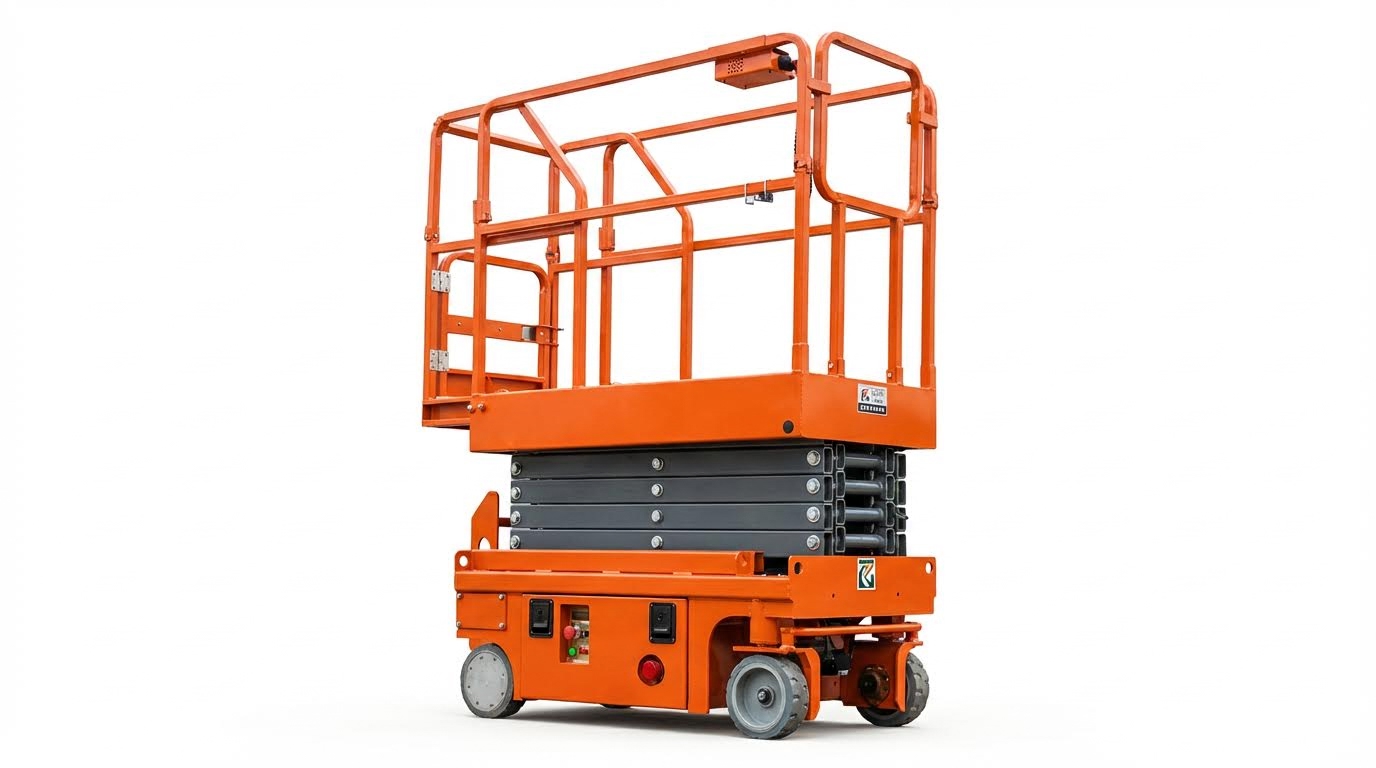
Scissor lifts need daily operator inspections, periodic (weekly to quarterly) technical inspections based on hours and environment, and a comprehensive annual inspection, all working together to control different levels of risk.
| Layer | Typical Interval | Key Focus Areas | Best For… |
|---|---|---|---|
| Daily inspection | Every shift / day of use | Visual damage, leaks, tire condition, guardrails, decals, battery connections, basic function tests as outlined here | Stopping immediate hazards before anyone leaves the ground. |
| Weekly / monthly checks | Weekly and monthly | Hydraulic levels, hose condition, lubrication, wear pads, chains, cables, brakes, drive motors, safety systems tests per maintenance guide | Managing wear and keeping systems within spec. |
| Frequent / quarterly | Every 3 months or 150 hours; also quarterly service blocks | Deeper hydraulic, structural, and electrical checks, fluid changes around 1,000 hours or annually, battery equalization, weld checks per service interval guidance | Preventing mid‑life failures and unplanned downtime. |
| Annual inspection | Every 12–13 months | Full functional test, structural review, hydraulic pressure tests, electrical checks, safety calibration, possible load testing per annual inspection scope | Verifying the lift still safely carries its rated load at full height. |
Daily inspections answer the immediate safety question: “Is this lift safe to use today?” Operators visually inspect tires, hydraulic systems, guardrails, scissor arms, decals, and battery connections and then perform function tests on emergency stop, lift/drive controls, pothole protection, tilt alarm, horn, and lights. Detailed daily inspection requirements are summarized here. Periodic inspections occur weekly, monthly, and at three‑month or hour‑based intervals to catch wear that daily walk‑arounds cannot see, such as wear pad thickness, hose aging, brake holding capacity, and drive motor condition. Industry guidance defines frequent inspections at every three months or 150 hours, and after long idle periods or when buying used.
Annual inspections are the top layer. Qualified technicians perform comprehensive checks on all functions, safety devices, and structural elements, including hydraulic pressure testing, electrical system verification, calibration of safety systems, and load testing where needed. Annual standards also require documentation of findings, non‑conformances, and certification labels with inspection and due dates. When someone asks “how often do scissor lifts need to be inspected,” the compliant answer is: daily by operators, periodically based on hours and environment, and at least annually by a qualified technician.
- Daily: Operator, pre‑shift – Stops obvious hazards.
- Weekly / monthly: In‑house maintenance or service provider – Keeps systems within wear limits.
- 3‑monthly / 150‑hour frequent: Qualified technician – Deeper checks and adjustments.
- Annual: Certified technician – Confirms long‑term structural and safety integrity.
💡 Field Engineer’s Note: If your lifts run multiple shifts, treat “daily” as “per shift,” not per calendar day. A unit running 16–20 hours reaches 150 operating hours very fast; in that case, hour‑based triggers will drive your frequent inspections more than the calendar.
How to adjust intervals for heavy or light use
For heavy‑duty fleets (construction sites, rental yards), use the hour‑based guidance aggressively and shorten intervals if you see recurring issues in wear pads, hoses, or batteries. For low‑use indoor units, you may hit the calendar triggers (three‑month and annual) before the hour triggers, but you should still perform the inspections on time to catch age‑related degradation like corrosion and seal hardening.
Daily And Periodic Scissor Lift Inspection Tasks
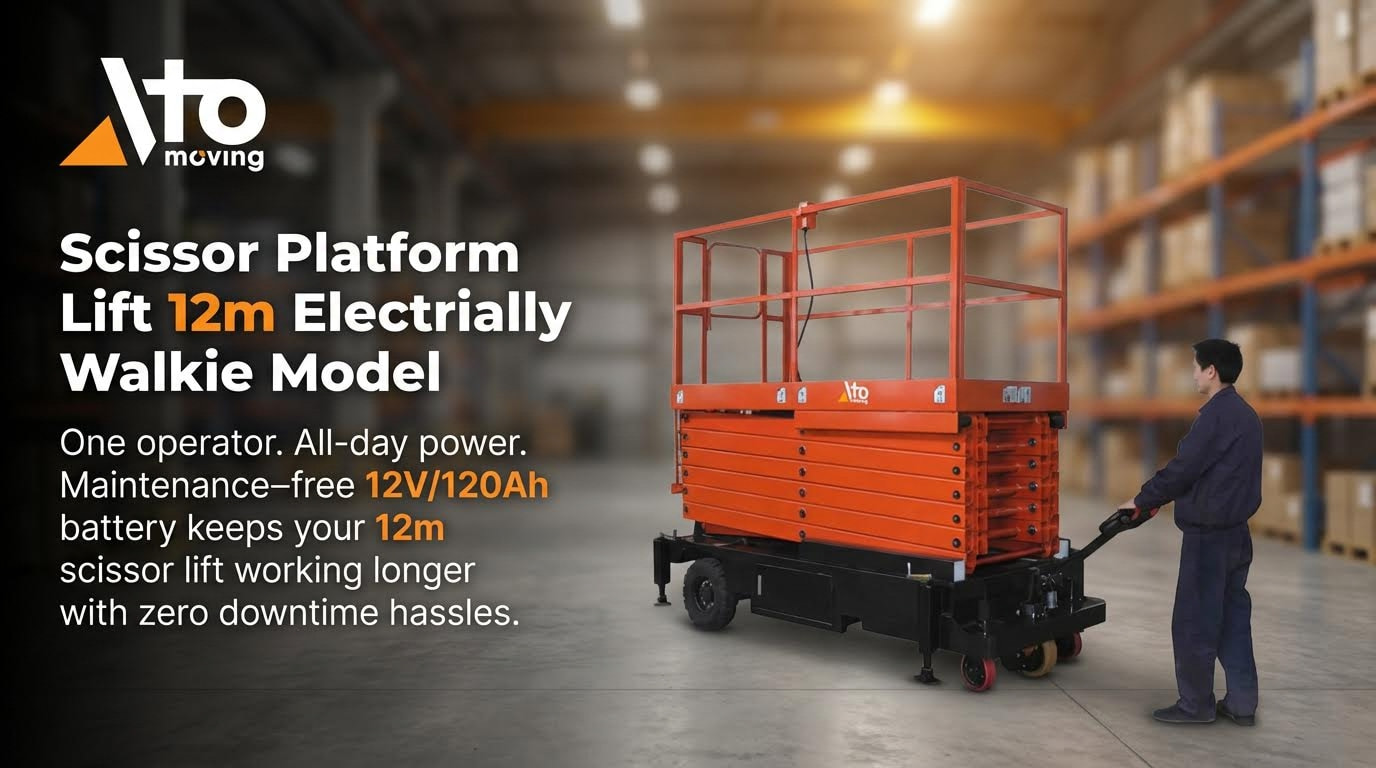
Daily and periodic inspection tasks break down how often scissor platform lifts need to be inspected into pre‑start checks, weekly/monthly component reviews, and deeper quarterly evaluations that prevent failures and keep you compliant.
Pre‑start visual checks and function tests
Pre‑start checks are quick visual and functional inspections that operators must complete before every shift the lift is used.
These checks are the frontline answer to how often do scissor platform lift lifts need to be inspected: every single working day, before the platform leaves the ground. Operators focus on obvious damage, leaks, and control issues that could cause immediate incidents. Typical items come straight from industry guidance. Daily inspection requirements specify both visual and functional tasks.
| Daily Pre‑Start Check Item | What To Look For | Operational Impact |
|---|---|---|
| Tires and wheels | Damage, cuts, missing lugs, low pressure (pneumatic) | Prevents instability and loss of traction on 2–3% slopes |
| Hydraulic system (visible parts) | Leaks, damaged hoses, low reservoir level | Reduces risk of sudden platform drop due to pressure loss |
| Platform guardrails and gates | Secure pins, no bends, gates latching fully | Maintains fall protection at full platform height (8–14 m typical) |
| Scissor arms and pins | Cracks, missing pins, loose hardware | Prevents structural failure when extended under load |
| Safety decals and labels | Legible, present, not painted over | Ensures operators can follow limits and emergency procedures |
| Battery and cables (electric units) | Corrosion, loose connections, damaged insulation | Prevents no‑start, arcing, or unexpected shutdown at height |
| Work area | Holes, slopes, overhead power lines, weak floors | Stops tip‑overs and electrocution before you even move |
Function tests must follow visual checks before lifting any person. According to industry guidance, operators should verify the emergency stop, lift/drive functions from platform and ground controls, pothole protection, tilt alarms, horn, and warning lights. Function test recommendations show that these tests confirm the machine will respond correctly in an emergency.
- Emergency stop: Press to confirm all functions stop – Prevents runaway movement if a control sticks.
- Lift and lower (platform controls): Run full stroke unloaded – Reveals hydraulic or electrical faults before lifting people.
- Drive and steering: Test at low speed – Confirms you can position safely in tight 1.5–2.5 m aisles.
- Ground controls: Operate lift from ground box – Ensures rescue capability if platform controls fail.
- Pothole protection: Extend and retract – Maintains ground clearance and stability on rough floors.
- Tilt alarm: Raise slightly on a known small slope – Confirms alarm triggers before unsafe angles.
- Horn and beacons: Activate – Warns pedestrians in busy warehouses and yards.
💡 Field Engineer’s Note: On cold mornings, cycle the lift and drive functions several times at low height. Hydraulic oil is thicker below about 0°C, and this quick warm‑up reduces sluggish valve response that can surprise operators at full height.
How daily checks tie into inspection frequency rules
Daily pre‑start inspections are considered “frequent” operator checks and sit on top of your periodic and annual inspections. They do not replace qualified technician inspections, but they drastically cut the chance of starting a shift with a known defect.
Weekly and monthly component inspections
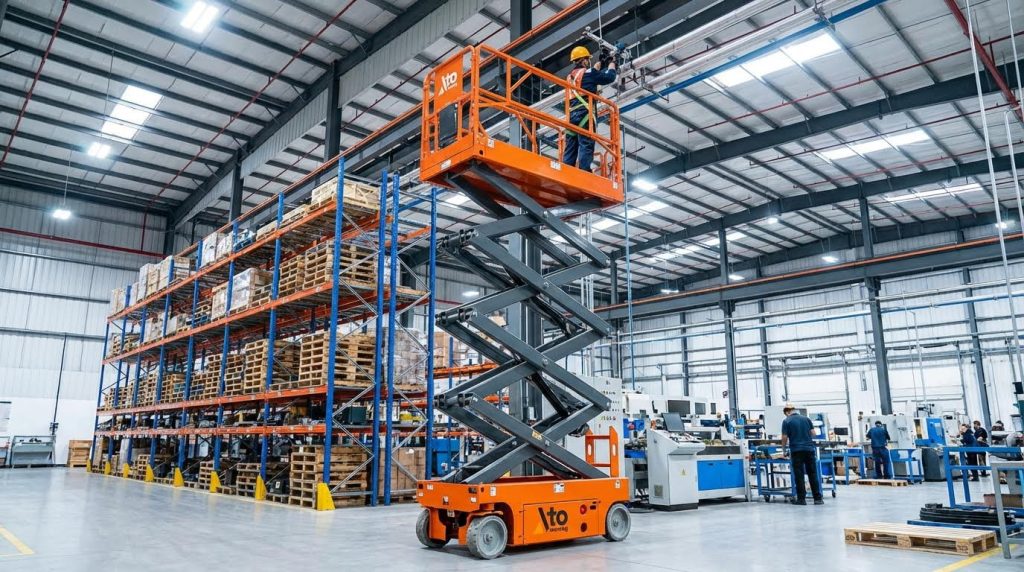
Weekly and monthly inspections are planned periodic checks that go deeper into components than daily operator walk‑arounds.
These tasks answer how often do aerial platform lifts need to be inspected at the component level: at least weekly for fluids, lubrication, and obvious wear points, and monthly by a qualified person for more technical items. Guidance shows weekly maintenance focusing on hydraulics, lubrication, and electrical checks, while monthly inspections measure wear, test brakes, and verify safety systems. Weekly and monthly maintenance requirements set a clear structure.
| Interval | Key Tasks | Best For… |
|---|---|---|
| Weekly | Hydraulic level checks, hose inspection, lubrication, basic electrical checks | Catching leaks and dry joints before they damage cylinders and pins |
| Monthly | Wear pad measurement, brake tests, chain/cable inspection, safety system testing | Detecting developing structural and drive issues before they reach failure |
Typical weekly tasks include hydraulic, lubrication, and electrical checks.
- Hydraulic fluid level: Check with platform fully lowered – Maintains full stroke without aeration or cavitation.
- Hoses and fittings: Look for cracks, abrasion, oil residue – Prevents burst hoses at 12–16 MPa system pressure.
- Cylinder seals: Inspect for oil rings at rod ends – Early sign of seal wear before drift becomes severe.
- Grease points: Lubricate pivots, rollers, steering, and drive bearings – Reduces bushing wear and keeps scissor arms tracking square.
- Battery water level and terminals: Top up with distilled water and clean – Maintains capacity and avoids voltage drop under load.
- Charger and cables: Check connections and strain relief – Prevents overheating and nuisance trips on 230 V supplies.
Monthly tasks by a qualified person go further into wear and safety-critical systems. Monthly inspections should measure scissor arm wear pads, inspect hydraulic cylinders, examine chains/cables, test brakes, and verify all safety systems. Monthly maintenance requirements stress that these checks need technical competence.
- Scissor wear pads: Measure thickness and surface condition – Controls side play and platform “wobble” at 8–12 m height.
- Hydraulic cylinders: Look for rod scoring and leaks – Prevents loss of lifting capacity and unsafe drift.
- Chains and cables: Inspect for corrosion, kinks, and lubrication – Maintains synchronized lifting where fitted.
- Brake holding capacity: Test on a safe slope – Ensures the lift holds on 2–3% gradients typical of loading docks.
- Drive motor components: Check brushes, commutator, mounting bolts – Reduces risk of sudden loss of drive when elevated.
- Safety systems: Test pothole guards, tilt sensors, overload protection, emergency descent, and emergency stops – Verifies that all protective layers still function together.
💡 Field Engineer’s Note: In dusty or concrete-cutting environments, shorten your “weekly” interval to every 2–3 days for lubrication and filter checks. Abrasive dust turns ungreased pivots into grinding paste and can destroy wear pads in a few hundred hours.
Who should perform weekly vs. monthly inspections?
Operators can handle simple weekly checks if trained, but monthly inspections should be done by a “qualified person” familiar with the specific lift type and its service manual. This matches typical definitions of competent and qualified personnel in safety regulations.
Quarterly structural and system evaluations
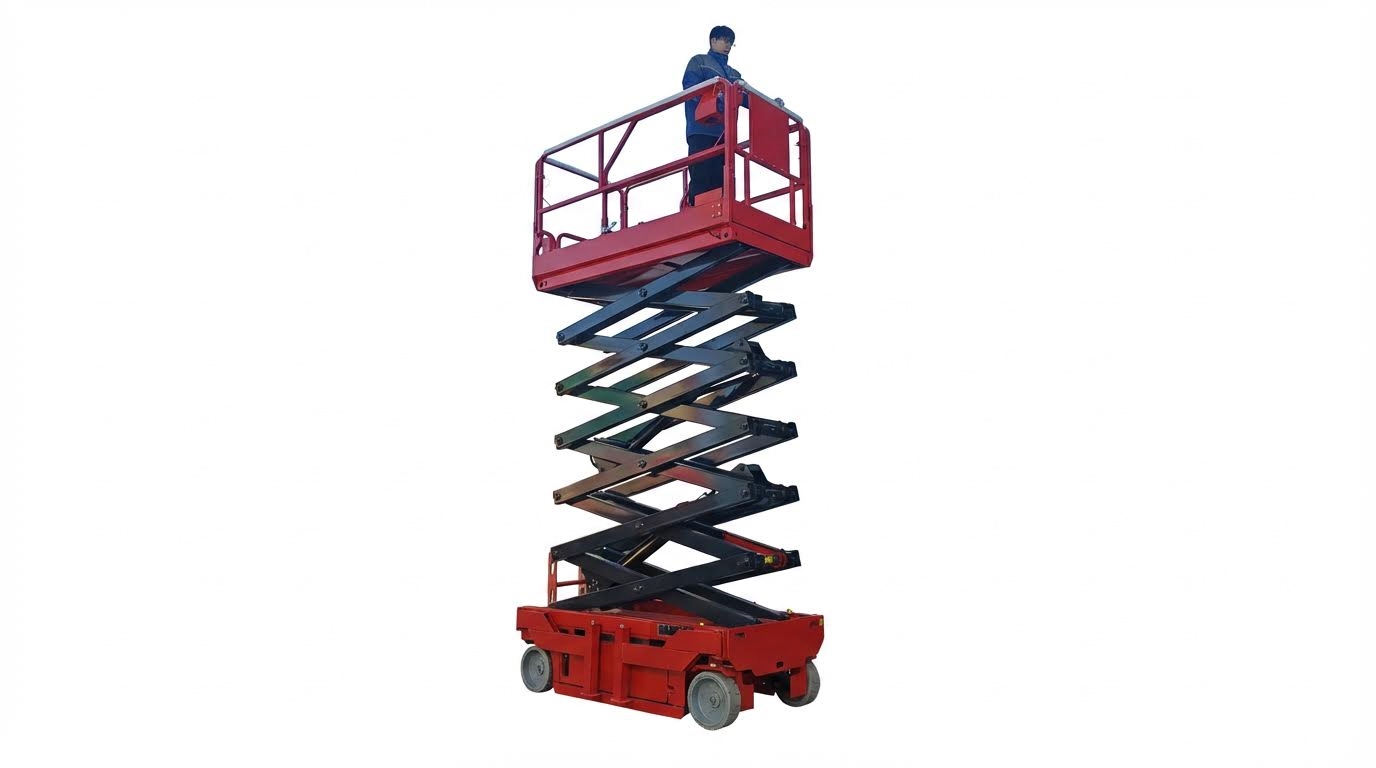
Quarterly evaluations are heavier periodic inspections that focus on structural integrity, hydraulic health, batteries, and overall system condition.
These checks typically occur every three months or around 150–250 operating hours and are a key part of how often do aerial platform lifts need to be inspected beyond daily routines. Industry guidance describes quarterly service intervals that include hydraulic fluid changes (based on hours), battery equalization, and structural integrity checks. Quarterly service intervals and frequent inspection intervals both support this 3‑month rhythm.
| Quarterly Focus Area | Key Checks | Operational Impact |
|---|---|---|
| Hydraulic system | Fluid change by hours, filter replacement, contamination checks | Maintains smooth lifting and avoids pump/cylinder damage |
| Structural integrity | Welds, platform floor, fasteners, impact/overload signs | Prevents catastrophic failure at full rated height and load |
| Batteries (electric units) | Equalization charge, specific gravity, terminal cleaning | Restores capacity and extends battery life by hundreds of hours |
| Overall systems | Deeper review of prior defects, leak trends, unusual noises | Feeds into annual inspection planning and parts ordering |
Hydraulic system tasks at quarterly intervals often align with operating hours. Guidance notes that hydraulic fluid should be changed every 1,000 operating hours or annually, with filters replaced at each change, and that oil temperature must stay roughly between 0°C and 40°C for reliable operation. Hydraulic maintenance recommendations and hydraulic diagnostic guidance highlight the importance of clean, correct‑viscosity oil.
- Fluid change (by hours): Replace oil and filters at the recommended hour mark – Removes metal particles that would wear pumps and valves.
- Contamination check: Inspect drained oil for water, sludge, or metal – Early warning of cylinder, pump, or seal damage.
- Breather and return filters: Inspect/replace in dusty sites – Prevents abrasive dust entering the tank and valves.
Structural integrity checks are another core quarterly task. Guidance describes quarterly inspections focusing on weld integrity, platform floor condition, fastener tightness, and signs of overload or impact damage. Structural integrity checks aim to catch cracks and deformation before they propagate.
- Welds on scissor arms and chassis: Look for cracks, rust trails, or repairs – Prevents progressive cracking that can fail under 230–450 kg rated loads.
- Platform floor plate: Check for corrosion, buckling, loose fixings – Keeps the working surface flat and slip‑resistant.
- Fasteners: Verify torque marks and tightness – Stops joints from loosening under repeated lifting cycles.
- Impact/overload evidence: Bent rails, gouges, deformed arms – Triggers deeper investigation before returning to service.
Battery and electrical checks at quarterly intervals focus on longevity and reliable power delivery. Guidance recommends equalization charging, cleaning and greasing terminals, and checking specific gravity of each cell. Battery maintenance protocols show that these steps significantly extend battery life.
- Equalization charge: Run a controlled long charge cycle – Balances cells and recovers capacity in lead‑acid batteries.
- Specific gravity checks: Measure each cell – Identifies weak cells before they cause sudden downtime.
- Terminal cleaning and dielectric grease: Remove corrosion and protect – Reduces voltage drop and heat under full current draw.
💡 Field Engineer’s Note: Use quarterly inspections to review your defect log. If you see repeated leaks or cracked welds in the same area, you may have a loading or route issue, not just a maintenance issue—reroute travel paths or adjust how loads are handled.
How quarterly inspections relate to annual inspections
Quarterly structural and system evaluations feed into the annual inspection by documenting trends. When annual certified technicians review the machine, they rely on these periodic records to decide whether to recommend component rebuilds, derating, or
Annual Inspections, Documentation, And TCO Impact
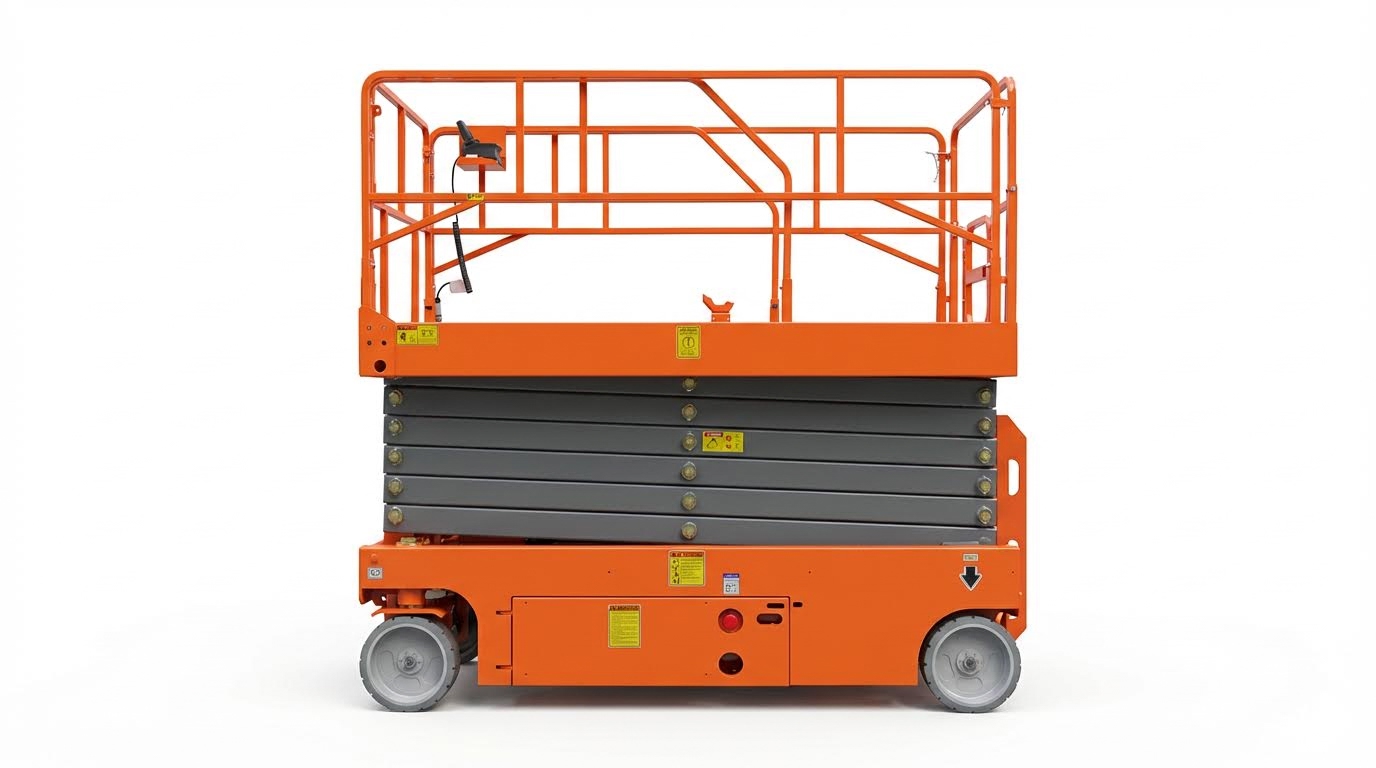
Annual inspections verify that scissor lifts still meet their original design and safety performance, and good documentation turns that inspection data into lower total cost of ownership (TCO). This is where “ how often do scissor lifts need to be inspected” stops being theory and becomes budget impact.
Scope of the annual professional inspection
The annual professional inspection is a full structural, hydraulic, electrical, and safety audit performed by a qualified technician within 12–13 months of the previous one. It proves the machine can still safely lift its rated load to its full working height.
- Full functional test: Technicians verify every control and motion from ground and platform positions – confirms no hidden faults before an operator discovers them at height.
- Safety device verification: Emergency stop, tilt sensors, pothole protection, overload protection, emergency descent, horns, and lights are all tested – reduces risk of uncontrolled movement or entrapment.
- Structural integrity check: Non-destructive testing of welds, inspection of scissor arms, platform floor, and chassis for cracks, deformation, or corrosion – prevents catastrophic structural failure. Annual professional inspection scope
- Hydraulic system testing: Pressure tests, hose and cylinder seal checks, and verification of correct fluid condition – avoids burst hoses, creeping platforms, and loss of lifting force. hydraulic pallet truck
- Electrical system evaluation: Wiring, connectors, limit switches, control boxes, and battery/charger performance are checked under load – reduces nuisance shutdowns and fire risk. Electrical system fault handling
- Load and brake testing: Rated capacity and brake holding power are verified – ensures the lift can safely hold people, tools, and materials at working height. Load and brake tests
- Wear-part measurement: Technicians measure wear pads, pins, bushings, chains, and cables – catches progressive wear before it becomes a sudden failure. Periodic wear checks
- Compliance labeling: After passing, the technician applies a label with inspection date and next due date – gives supervisors a quick visual compliance check at the machine. Annual inspection labeling
How the annual inspection fits into “ how often do scissor lifts need to be inspected”
Daily pre-start checks happen before each shift, periodic inspections run monthly to every 3–6 months, and annual inspections occur once every 12–13 months by a qualified person. Together they satisfy typical OSHA/ANSI-style expectations for safe use. Inspection frequency guidelines
💡 Field Engineer’s Note: In real fleets, many “annual” inspections quietly slip to 18 months or more when machines are idle. That’s a mistake. Corrosion, seal hardening, and rod pitting continue even parked, so hold the 12–13 month interval whether the lift ran 20 hours or 2,000.
Record keeping and digital maintenance systems
Robust, searchable maintenance records turn inspection work into legal protection and lower downtime. Without structured documentation, you cannot prove compliance or see patterns that drive failures and cost.
- Daily inspection logs: Operators record pre-start findings and corrective actions – creates a traceable history of issues caught before incidents. Daily and routine records
- Weekly/monthly maintenance records: Logs for lubrication, hydraulic checks, wear pad measurements, and safety system tests – prove that periodic inspections really happened, not just planned. Weekly and monthly tasks
- Annual inspection certificates: Each lift keeps a file with inspector credentials, date, findings, and next due date – vital evidence during audits or after an incident. Annual professional inspection documentation
- Repair and modification history: All component replacements, structural repairs, and hydraulic or electrical changes are logged – helps engineers judge when a lift is no longer economical or safe to repair. Repair history tracking
- Fluid change and battery records: Dates and hours for hydraulic oil, filters, and battery maintenance – support warranty claims and show that OEM intervals were respected. Fluid and battery maintenance
- Digital CMMS or app-based systems: Cloud tools push reminders for “daily, 250 h, annual” tasks and store checklists per unit – cuts missed inspections and centralizes data for multi-site fleets. Digital record keeping
Minimum data to capture for each scissor lift
At a minimum, each lift should have: model and serial number, year of manufacture, location, daily/periodic inspection logs, annual certificates, repair and modification records, fluid and battery service dates, and current status (in service, out of service, awaiting repair).
💡 Field Engineer’s Note: When an incident occurs, investigators often ask for 12–24 months of records. If your “system” is a paper checklist on the platform that blew away last winter, you will struggle to prove that your inspection frequency and scope met OSHA/ANSI expectations.
Cost of neglect vs. preventive maintenance
Preventive inspections and maintenance usually cost a fraction of one major failure or accident. Over the life of a scissor lift, staying on a strict daily/periodic/annual schedule is a TCO win, not an expense.
| Cost Item | Typical Cost Range (Annual or Event) | Inspection / Maintenance Link | Operational Impact |
|---|---|---|---|
| Planned preventive maintenance (including annual inspection) | $1,300–$3,300 per year | Covers routine checks, fluids, wear parts, and inspections Preventive maintenance cost | Predictable budget, higher availability, easier compliance. |
| Hydraulic pump replacement | $3,000–$8,000 per event | Often follows contaminated or degraded oil and missed pressure issues | Machine down for days; can equal several years of PM budget. |
| Cylinder rebuilds | $1,500–$4,000 per cylinder | Neglected seal leaks, corrosion, and rod damage | Platform drift, unsafe lifting, and extended downtime. |
| Drive motor replacement | $2,000–$5,000 per motor | Water ingress, overheating, and uncorrected electrical faults | Loss of mobility, rental replacement costs, project delays. |
| Battery pack replacement | $2,000–$6,000 per pack | Poor charging practice and weak battery maintenance | Short run-time, frequent charging breaks, lost productivity. |
| Structural repairs | $5,000–$20,000+ per repair | Ignoring cracks, overload evidence, and corrosion | May require specialist welding and NDT; sometimes not economical to repair. |
Across real fleets, preventive work typically runs 10–20% of the cost of major reactive repairs, which aligns with published ranges. Cost of neglected maintenance
- Budget stability: Small, predictable annual spend beats sporadic, high-value failures – easier to justify in CAPEX/OPEX planning.
- Availability and rental avoidance: Fewer breakdowns mean fewer emergency rentals or project delays – direct productivity gain.
- Residual value: Documented inspections and clean structural history improve resale price – raises return at end of life.
- Incident and liability avoidance: Proper inspection frequency and records reduce the chance and impact of accidents – protects people and the business.
💡 Field Engineer’s Note: When managers ask “ how often do scissor lifts need to be inspected,” I answer with a cost chart, not a rule quote. Once they see that one hydraulic failure can equal five years of inspections, the annual and periodic schedule stops being a debate.
“”
Final Thoughts On Building A Compliant Inspection Program
A compliant scissor lift inspection program does more than tick OSHA or ANSI boxes. It builds a safety net that starts with operators and ends with certified technicians. Daily pre-start checks catch obvious hazards before anyone leaves the ground. Weekly, monthly, and quarterly inspections then track wear, hydraulics, structure, and batteries so problems never reach the point of sudden failure.
Annual inspections close the loop. Technicians prove the lift still matches its original design strength and capacity. They also turn a year of small findings into clear decisions on rebuild, derate, or retire. Strong records bind all of this together. Digital logs, CMMS tools, and clear labels let supervisors see status in seconds and defend decisions during audits or investigations.
Operations and engineering teams should treat the strictest interval from OSHA, ANSI, and the manual as the minimum, then tighten it for harsh sites or high hours. Budget for inspections as a fixed annual cost, not an optional extra. In practice, this approach cuts lifecycle cost, improves uptime, and protects people. If you standardize these layers across your fleet and embed them in your Atomoving procedures, you will stay safe, legal, and financially ahead.
Frequently Asked Questions
How often do scissor lifts need to be inspected?
Scissor lifts used to lift people should be thoroughly inspected every 6 months, according to general guidelines. For all other lifting equipment, inspections are required every 12 months. Lifting Equipment Inspection Rules.
Does OSHA require annual inspections on scissor lifts?
OSHA requires heavy equipment like scissor lifts to undergo regular maintenance at least once every 12 months, not exceeding 13 months without service. Additionally, more frequent checks every 90 days or 150 operational hours (whichever comes first) are recommended based on usage. Preventive Maintenance Guidelines.