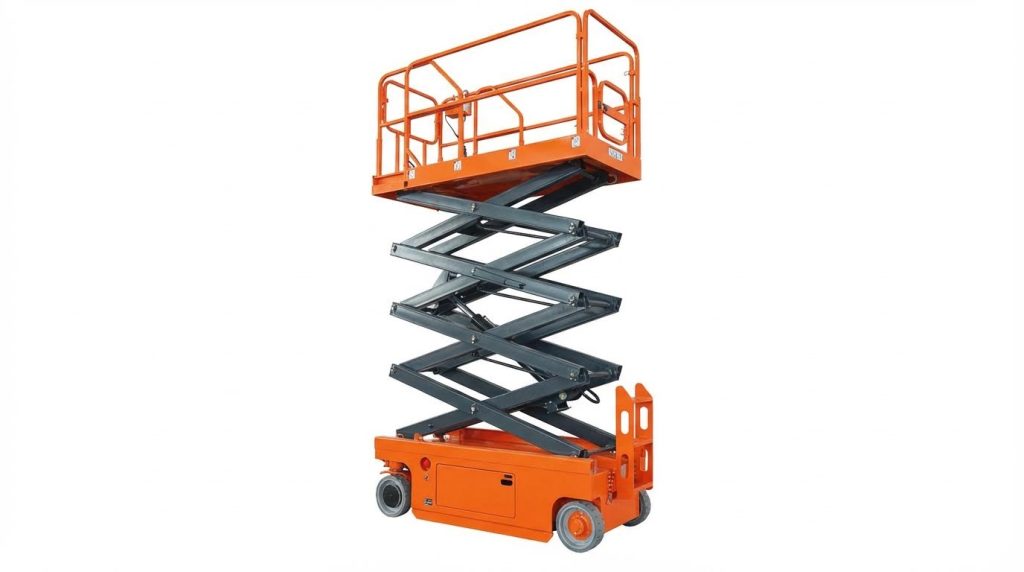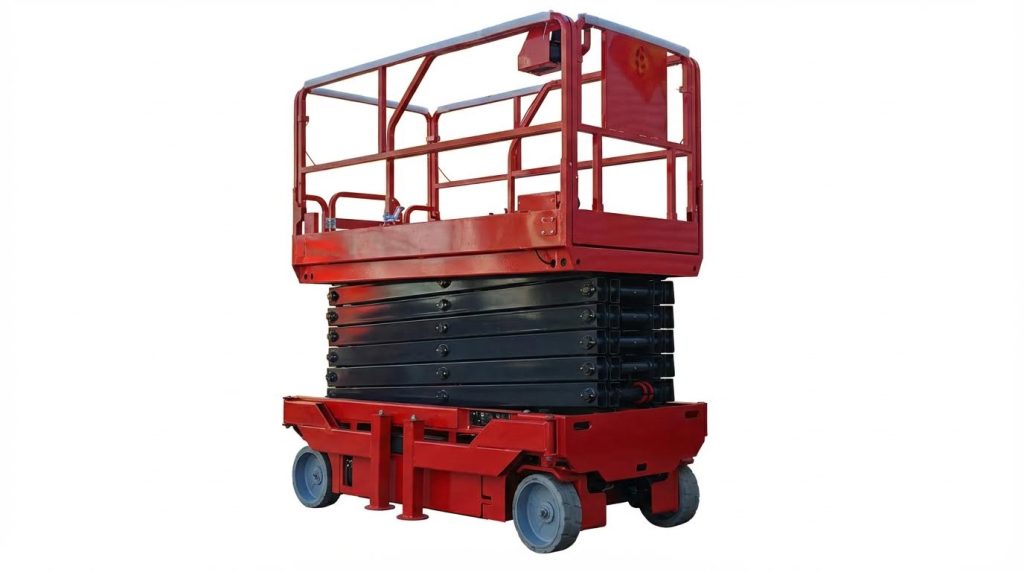
This guide explains which publications must be kept on the aerial platform, what must stay in the yard or office, and how long to retain each record. You will see how proper documentation directly reduces falls, tip‑overs, and costly downtime across mixed MEWP fleets.
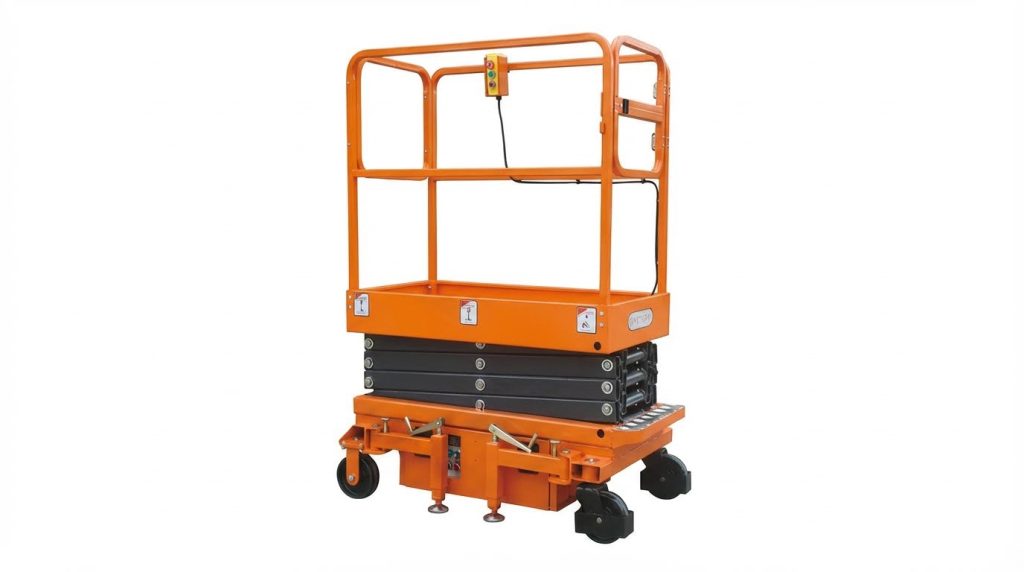
Core Publications That Must Stay On The Platform
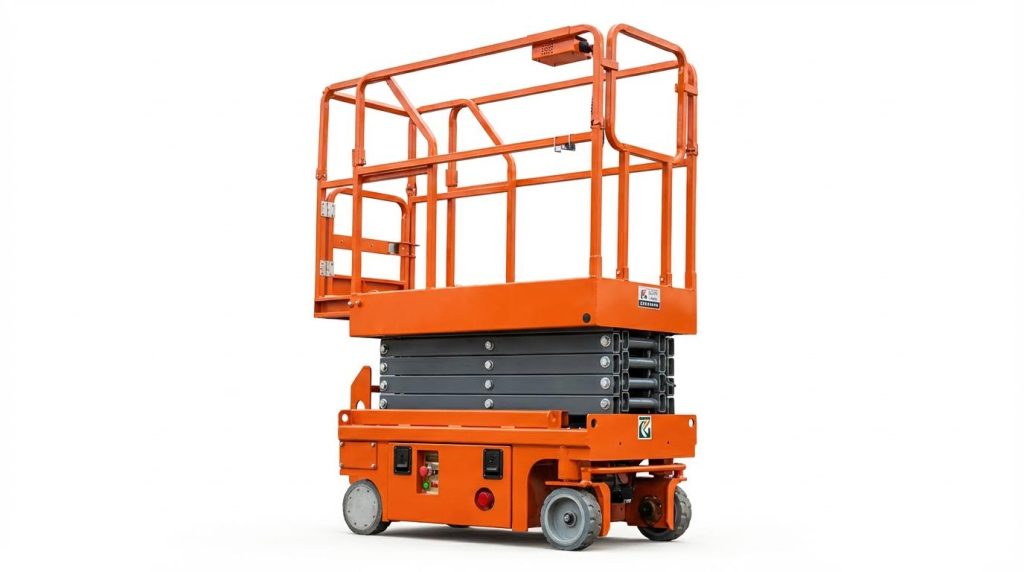
Core publications that must stay on the platform are the operator’s manual, safety decals, maintenance and emergency information, and current inspection/logbook records so operators can prove compliance and solve problems without leaving the aerial platform.
If you are asking which publications must be kept on the aerial platform, think in three groups: how to run it (operator info), how to fix it (maintenance/emergency), and how you prove it is safe today (inspection/logbook).
Operator’s manual and safety decals
The operator’s manual and all safety decals must stay with the aerial platform at all times because they are the primary, manufacturer-approved instructions and hazard warnings for safe operation.
- Manufacturer’s operating manual: Must be “readily available on the equipment” for all elevating aerial work platforms – gives the exact procedures, limits, and warnings for that model. Regulatory guidance
- Safety decals and placards: Load charts, maximum occupants, platform height, and hazard pictograms – give instant, language‑light reminders where the operator stands.
- Control labels: Clear, durable labels for ground and platform controls – reduce wrong‑lever mistakes, especially for new or infrequent operators.
- Emergency lowering/stop labels: Marking of emergency stop, descent, and auxiliary power points – helps ground staff act fast in a rescue.
What the operator’s manual on the platform typically covers
The on‑platform manual normally includes: operating limits (wind, slope), set‑up rules, pre‑use inspection steps, safe traveling and elevating methods, fall‑protection requirements, and model‑specific emergency procedures. Keeping this manual on the machine also supports familiarization requirements, which expect operators to know the location of manuals and the function of controls before use. Training guidance
💡 Field Engineer’s Note: In cold storage or outdoor winter work, decals can crack and fade fast. Budget to replace unreadable safety labels every 1–2 years; inspectors often flag missing or illegible decals as a reason to ground the machine.
Maintenance, parts, and emergency procedures
Maintenance, parts, and emergency procedure information must be kept on or immediately with the platform so technicians and supervisors can make safe decisions without guessing or bypassing manufacturer limits.
- Maintenance and inspection instructions: Manufacturer’s recommended daily, frequent, and annual checks – aligns your checklists with the actual design of the machine. Example standard
- Defect and tag‑out procedure: Simple written rule set for reporting defects and locking the platform out of service – prevents a “just use it once more” culture when faults are found. Defect handling
- Emergency response procedures: Steps for power failure, tilt alarm, entrapment, and rescue – gives both ground and platform personnel a clear script under stress.
- Critical settings and limits: Hydraulic pressures, allowable gradients, maximum wind speed, and leveling tolerances – helps maintenance avoid “turning it up” beyond design to solve a performance complaint.
- Parts and consumables list: Fuses, hydraulic oil spec, tire type, and filter references – reduces wrong‑part substitutions that can affect stability or braking performance.
Why keep maintenance information with the machine, not just in the office?
Technicians often adjust or troubleshoot a platform in the field. Having the maintenance instructions and emergency procedures with the unit reduces the chance of unsafe “trial and error,” especially for stability systems, tilt alarms, and emergency lowering circuits that are safety‑critical. It also keeps field work aligned with the same inspection scope used in your periodic and annual reports. Inspection checklist reference
💡 Field Engineer’s Note: I see many sites laminate a one‑page “emergency lowering quick guide” and cable‑tie it near the ground controls. In a real power‑loss event, nobody has time to dig through a thick manual; that one page often makes the difference.
On‑platform inspection and logbook documentation
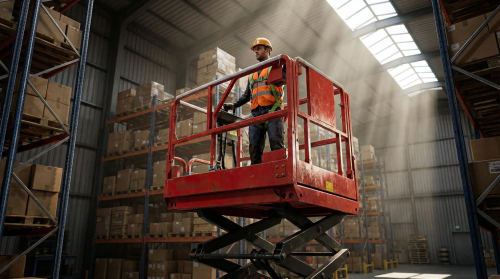
On‑platform inspection and logbook documentation must ride with the scissor platform so anyone can prove the last checks, identify open defects, and confirm the unit is safe before elevating.
- Daily/pre‑use inspection checklist: Simple form capturing date, operator, and pass/fail for key items – meets the requirement for daily inspection and test‑operation before use. Daily inspection rule Checklist example
- On‑platform inspection logbook: Bound or digital record tied to the specific machine ID – shows a continuous history of pre‑use checks, defects, and sign‑offs.
- Recent periodic/annual inspection summary: At least the latest “pass” certificate or report location – lets supervisors confirm that more in‑depth inspections are up to date without leaving the work area. Retention practices
- Defect and repair entries: Space to record faults, tag‑out dates, and repair completion – prevents the same fault being repeatedly “discovered” but never fully corrected.
- Operator identification: Name or ID of the person completing each check – supports accountability and training follow‑up if inspections are poor.
Where to physically keep inspection and logbook documents
Most fleets use a weather‑resistant document tube or box mounted on the platform or chassis. The key is that the current day’s checklist and logbook entries stay with the machine at the work site, matching guidance that inspection records conducted while the unit is at the work site must be maintained there. Work‑site record rule
💡 Field Engineer’s Note: For mixed fleets, I recommend a standard A5 or half‑letter pad clipped in a sealed box on every unit. If operators cannot find the form in under 10 seconds, daily inspections quietly stop happening.
Inspection, Training, And Recordkeeping Requirements
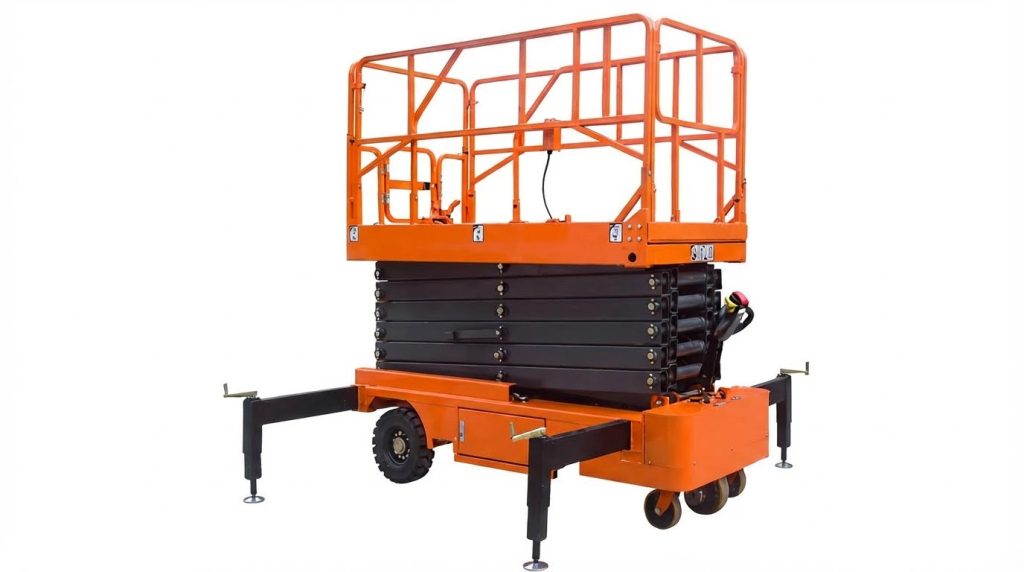
Inspection, training, and recordkeeping requirements for aerial platform define what must be checked, who may operate, and how long documents must be kept to prove compliance and answer which publications must be kept on the aerial platform and at the site.
Daily and frequent inspection checklists
Daily and frequent inspection checklists ensure every scissor platform is structurally sound, mechanically safe, and compliant before use, and they generate records that must stay available at the work site.
Standards require a visual inspection and test operation of elevating work platforms every day before use, following the manufacturer’s instructions. Daily inspection and test operation requirement documents must be tied to the specific machine ID and date, with the inspector’s name or signature. OSHA and ANSI require pre-use inspections before each shift to confirm safe operating condition, and records must be kept at least until the next inspection is completed. Pre-use inspection and record basics
| Inspection Type | Typical Frequency | Core Checklist Focus | Minimum Record Retention | Operational Impact |
|---|---|---|---|---|
| Pre-use / Daily | Before first use each shift | Visual, function tests, safety devices | Until next inspection; often 30–90 days on file | Catches critical faults before lifting people |
| Frequent (short-interval) | Weekly to monthly | Deeper structural and system checks | At least 1–2 years or until superseded | Builds history of recurring issues and repairs |
| Annual / Thorough | Every 12 months | Full structural, mechanical, control systems | At least 4 years | Supports audits, resale, and liability defense |
Daily and frequent checklists should, at minimum, cover structural components, powertrain and hydraulics, controls and safety devices, and platform/fall protection condition. Structural checks focus on the base, chassis, boom sections, pins, pivot points, welds, and fasteners for cracks, deformation, or missing parts. Structural inspection content Power and hydraulic checks include engine or power source function, battery charge, fuel leaks, hydraulic oil level and cleanliness, hose and cylinder condition, tires, and drive/steer/brake performance. Power and hydraulic checks Controls and safety devices must be tested from both ground and platform stations, including emergency stops, emergency lowering, tilt alarms, motion alarms, limit switches, and load management systems. Controls and safety device testing
- Platform and fall protection: Inspect floor, guardrails, gates, and lanyard anchorage – Prevents slips and fall-arrest failure at height.
- Personal fall protection: Check harnesses and lanyards for cuts, fraying, or deformation – Reduces risk of catastrophic equipment failure during a fall.
- Area and setup: Confirm stable ground, no overhead obstructions, and correct distance from power lines – Mitigates tip-over and electrocution hazards.
Pre-operation surveys must identify loose ground, ditches, drop-offs, overhead obstructions, and elevated energy sources, and the machine must be set up on a stable surface with cribbing or pads as needed. Setup and area survey requirements For electrical hazards, equipment must be at least 3.0 m (10 ft) from lines up to 50 kV, with an additional 100 mm (4 in) for every extra 10 kV, and work within 6.1 m (20 ft) horizontally requires coordination with electrical utilities. High-voltage clearance rules
What must be done when defects are found?
Defective equipment discovered during daily or frequent inspections must be reported to supervision, tagged out-of-service, and not used until repairs are completed and documented. Defect reporting and tagging
💡 Field Engineer’s Note: In cold storage or outdoor winter work, hydraulic oil thickens and batteries lose capacity; daily function tests should include full elevation and rotation travel, because marginal hoses or pumps often fail only under cold, high-pressure operation.
Periodic and annual inspection reports
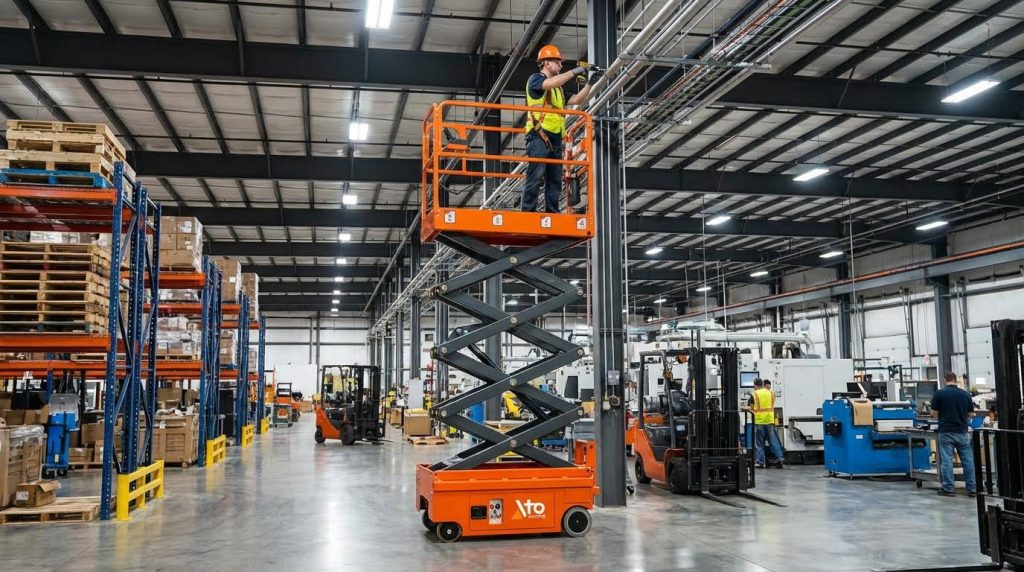
Periodic and annual inspection reports give a deeper, documented health check of each scissor platform lift and must be retained for years to prove long-term compliance and safe structural condition.
Periodic inspections, typically weekly to quarterly, go beyond daily checks and review structural, mechanical, hydraulic, and electrical systems in more detail, often by a competent person. These inspections are required by OSHA and ANSI to ensure that wear, fatigue, and hidden damage are caught before they cause failure. Periodic inspection expectations Annual or thorough inspections are the most complete evaluations, typically carried out every 12 months, and must be documented and kept for at least four years under common ANSI-based practices. Annual inspection and retention guidance
| Report Type | Who Usually Performs It | Key Content Required | Typical Retention | Best For… |
|---|---|---|---|---|
| Periodic Inspection Report | Competent in-house tech or service provider | Date, equipment ID, scope, findings, corrective actions | 1–2 years or until superseded | Tracking wear trends and repeated defects |
| Annual / Thorough Inspection Report | Qualified person or service specialist | Full structural, mechanical, hydraulic, control and safety review | ≥4 years | Audits, incident investigations, resale documentation |
Inspection documentation must clearly identify the machine (model, serial number, location), the date, the person performing the inspection, and the pass/fail status of each major system. Basic documentation fields For compliance, records of inspections performed while the unit is at the work site must stay at that work site, not in a remote office, so supervisors and inspectors can immediately verify status. On-site inspection record requirement
- Core data elements: Always capture date, machine ID, inspector name/signature, and detailed findings – Enables traceability when issues arise later.
- Defect tracking: Link inspection findings to repair work orders – Shows regulators you closed the loop, not just found problems.
- Version control: Mark each new periodic or annual report as “superseding” the previous – Prevents confusion about which inspection is current.
How long should you keep different inspection records?
Industry guidance recommends keeping pre-use/daily inspections at least until the next inspection or for 30–90 days, periodic inspections for 1–2 years, and annual inspections for at least four years. Suggested retention periods This aligns with ANSI expectations and common audit look-back windows. Annual inspection retention
💡 Field Engineer’s Note: When fleets move between sites, keep a digital master of annual and periodic reports; inspectors on a new site often reject a machine if they cannot see its last thorough inspection within minutes, even if the paper copy is buried in a truck.
Operator training, familiarization, and retraining records

Operator training, familiarization, and retraining records prove that each semi electric order picker operator is competent on both general MEWP safety and the specific model they use, and they must be retained for the full employment period.
Before anyone operates an aerial work platform, they must receive documented training that covers both general principles and equipment-specific familiarization. General and model-specific training requirement Familiarization must include the location of manuals on the platform, the purpose and function of all controls, features and limitations, and the machine’s operating characteristics. Familiarization content This directly links to which publications must be kept on the aerial platform, because operators must be shown and tested on where the operator’s manual and safety information are stored on the machine.
| Record Type | Minimum Contents | Recommended Retention | Operational Impact |
|---|---|---|---|
| General Operator Training | Trainee name, subject, provider, date, signatures | Entire employment period | Proves baseline MEWP competence for any model |
| Model-Specific Familiarization | Model/serial, topics covered, date, trainer | ≥4 years | Shows the operator knows that specific platform |
| Retraining / Refresher | Trigger reason, evaluation, course details, date | Entire employment period | Demonstrates corrective action after incidents or tech changes |
Training records must capture the operator’s name, the training subject, the provider, the completion date, and often the trainer or employer signature. Training record content Best practice is to keep these records for as long as the employee works for you, while familiarization records should be retained at least four years to satisfy ANSI A92.24-2018-style expectations. Familiarization retention guidance
- When retraining is required: On training expiry, poor performance, long non-use, new technology, or after incidents/near misses – Closes skill gaps before they cause another event.
- Retraining documentation: Record the trigger (e
Practical Compliance For Facility And Fleet Managers
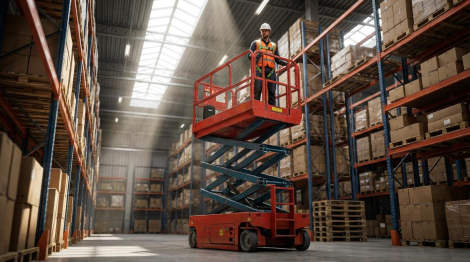
Practical compliance means you standardize which publications must be kept on the aerial platform and around it, then lock in simple, repeatable controls for inspections, training, and record retention across every site and shift.
Standardizing document sets across mixed fleets
Standardizing document sets means you define one “minimum library” of manuals, checklists, and records that applies to every aerial work platform (AWP/MEWP), regardless of brand or model.
From a compliance and safety standpoint, the answer to which publications must be kept on the aerial platform is simple: every unit needs its current operator’s manual on the machine, plus inspection and training records available at the work site. Regulations require the manufacturer’s operating manual to be readily available on the equipment itself, and inspection records to be maintained at the work site where the unit operates. Source for on‑equipment manual and on‑site records
Document Type Where It Must Be Minimum Content Typical Retention Operational Impact Operator’s manual Physically on each platform (in the platform or base storage box) Operating instructions, limitations, safety warnings Life of the machine (update when model/bulletins change) Ensures operators can follow manufacturer rules on the spot. Daily / pre‑use inspection checklist At the work site (paper or digital), linked to unit ID Date, unit ID, inspector, pass/fail items, comments Until next inspection; often 30–90 days on site Shows each shift checked the unit before use. Frequent / periodic inspection reports Maintenance office or central system Detailed structural, mechanical, hydraulic, and control checks At least 1–2 years or until superseded Provides history for defects, repairs, and audits. Annual / thorough inspection report Central compliance or maintenance records Full inspection per ANSI/OSHA, including load and safety devices Minimum four years Critical proof of compliance and asset integrity. Operator training records HR/safety files; accessible to supervisors Operator name, course, provider, date, evaluator signature Duration of employment; familiarization ≥4 years Proves only trained, current operators use the MEWPs. Familiarization records (model‑specific) Site safety or digital training system Model, serial, date, instructor, topics covered At least four years Links the person to the exact machine type they used. To make this work on a mixed fleet (different brands, ages, power sources), you standardize the categories, not the exact forms. Each unit must at minimum carry its own operator’s manual and safety information, while all inspections and training records stay organized by unit ID and operator name in a central system. This aligns with requirements that manuals be on the machine and that inspection records be kept and retrievable at the work site and beyond. Reference for manuals and inspections Reference for training records
- Create a fleet‑wide document matrix: Map each AWP/MEWP model to the same document types – simplifies audits and internal training.
- Standardize unit identification: Use a single ID format on chassis, checklists, and reports – prevents mix‑ups between similar units.
- Bundle “on‑platform” documents: Store the operator’s manual and safety decals info together – ensures operators see the same critical instructions every time.
- Bundle “off‑platform” records: Keep inspections, training, and repairs in one system – gives management a full history per unit.
- Define minimum retention rules: Match or exceed 4‑year retention for annual inspections and long‑term training records – protects you during investigations or claims.
How to standardize across old and new machines
For older platforms that lack storage boxes or have missing manuals, retrofit a weather‑resistant document box on the base or platform and load a current, legible operator’s manual. Where the OEM manual is unavailable, obtain an official replacement or approved equivalent before the unit returns to service.
💡 Field Engineer’s Note: On large sites, I’ve seen near‑misses simply because operators swapped to a different boom model without realizing the outreach and tilt alarm limits were different. A standardized, site‑wide rule that “no manual on the machine = no use” eliminates most of these errors before the platform ever leaves the ground.
Digital versus paper documentation on MEWPs
Digital versus paper for MEWP documentation is not an either/or decision; the safest, most compliant setups use paper where it must be on the machine and digital systems for inspections, tracking, and retention.
Regulators focus on availability and traceability, not the medium. The manufacturer’s operating manual must be readily available on the equipment, which in practice means a physical copy on or in the machine. Requirement for operating manual on equipment Inspection records must be maintained and retained for defined periods, but they can be paper forms or digital records, as long as they clearly show the date, inspector signature or identity, and unit identification. Reference for inspection documentation Reference for retention periods
Use Case Paper Preferred Digital Preferred Operational Impact Manual on the platform Yes – printed OEM manual in document box Digital copy as backup only Ensures compliance and access even with dead batteries or no signal. Daily / pre‑use inspections Simple checklists near dispatch area Mobile forms with photos and e‑signatures Digital improves traceability; paper works in harsh or low‑tech areas. Periodic and annual inspections Signed master report filed centrally Central database with scanned or native digital reports Digital simplifies 4‑year retention and audits across sites. Operator training and familiarization Certificates in personnel files LMS or training database Digital makes it easy to check if an operator is current before dispatch. Field audits and spot checks Clipboard forms for quick notes Audit apps with time/location stamps Digital gives stronger evidence of due diligence. - Keep the manual physical, mirror it digitally: Always store a hard copy on the platform, and keep a scanned PDF in your system – covers both field use and backup.
- Digitize inspections where possible: Use mobile checklists that capture timestamps, signatures, and photos – creates a robust audit trail with less paper handling.
- Use paper as a fail‑safe: Maintain basic paper forms for sites with poor connectivity or shared tablets – prevents “no inspection because the app is down.”
- Centralize retention rules in digital form: Configure your system to keep daily checks until replaced, periodic for 1–2 years, and annual for ≥4 years – aligns with common OSHA/ANSI practices automatically.
- Control access and edits: Lock completed digital records from modification – preserves legal defensibility after incidents.
Examples of digital inspection tools
Some inspection platforms offer mobile templates, photo capture, and digital signatures, then generate PDF reports for storage. These systems create a strong audit trail and can support small teams or large fleets on a subscription or freemium basis. Reference for digital inspection solutions
💡 Field Engineer’s Note: I advise sites to assume that accident investigators will ask for at least the last 4 years of annual inspections and full training histories. If those are scattered in boxes or personal laptops, you lose days. A simple digital index tied to each unit ID and operator name often makes the difference between a clean audit and a prolonged shutdown.
Final Thoughts On Documentation Compliance
Documentation on aerial work platforms is not paperwork for its own sake. It is the practical control system that keeps geometry, loads, and people inside safe limits every shift. Manuals, decals, and emergency instructions on the machine tell operators exactly how far they can reach, how high they can lift, and how to recover when things go wrong. Inspection checklists and logbooks prove the structure, hydraulics, and safety devices can still deliver that performance today, not just when the platform left the factory.
Training and familiarization records then tie a named person to a specific machine and its controls. That link closes the loop between design intent, field condition, and human behavior. Standardized document sets and clear retention rules let fleet managers show control over mixed assets and reduce downtime when auditors or investigators arrive.
The best practice is simple. Keep a current manual and safety information on every unit. Run and record daily, periodic, and annual inspections to defined scopes and timeframes. Maintain training records for the full employment period. Whether you use paper, digital tools, or Atomoving platforms, design your system so anyone can prove, in minutes, that the platform, the paperwork, and the operator are all fit for safe work at height.
Frequently Asked Questions
What publications must be kept on an aerial platform?
While none of the provided references directly address the specific publications required on an aerial platform, industry standards such as OSHA and ANSI guidelines mandate certain documents for safety and compliance. These typically include:
- Operator’s Manual: Contains instructions for safe operation, maintenance, and troubleshooting.
- Safety Guidelines: Outlines best practices to prevent accidents during operation.
- Maintenance Records: Documents inspections, repairs, and servicing history.
For exact requirements, consult OSHA Standards or ANSI Guidelines.
What is an aerial platform?
An aerial platform, also known as an aerial lift, boom lift, or scissor lift, is a mechanical device used to provide temporary access for people or equipment to elevated areas. It typically consists of three main components: a mobile base, an extendable structure, and a work platform. These platforms are widely used in construction, maintenance, and warehousing due to their mobility and versatility. For more details, refer to Aerial Work Platforms Overview.