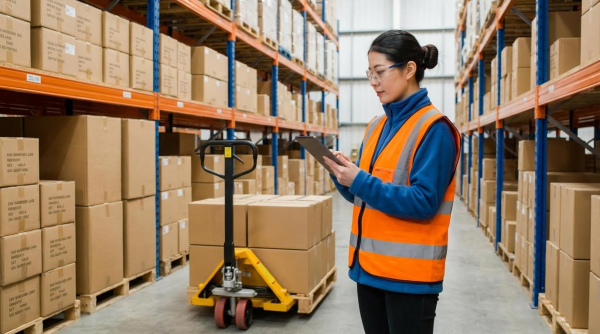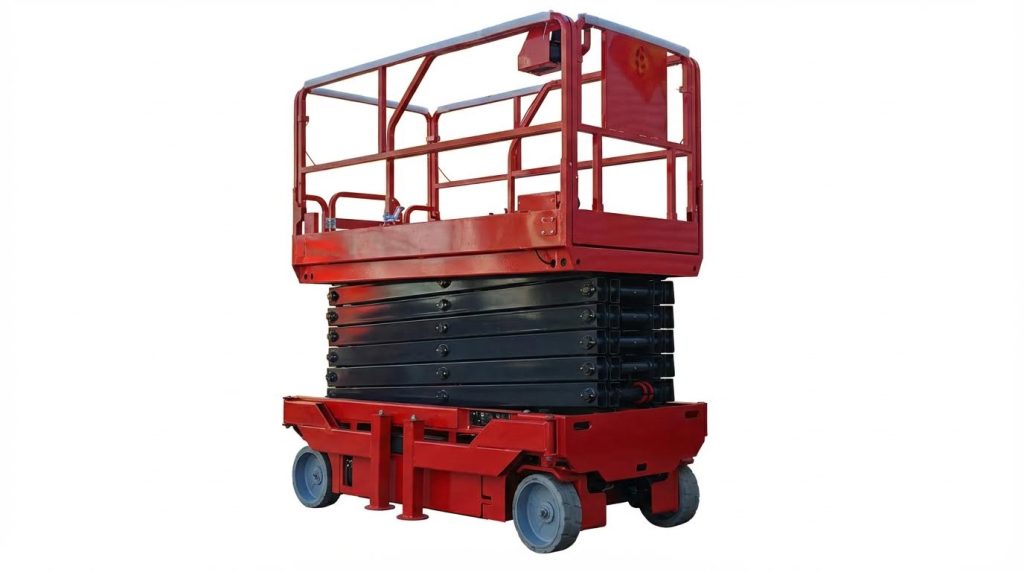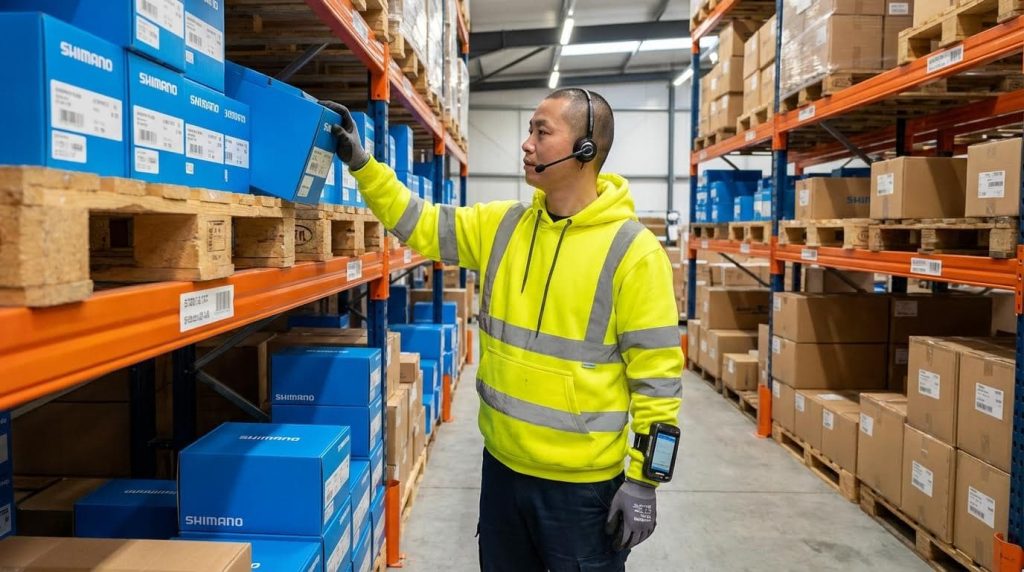
Wave picking is a warehouse order fulfillment method that releases groups of orders in timed “waves” to synchronize picking, packing, labor, and carrier cutoffs. This guide explains how to design the process, select equipment, and decide when a wave picker warehouse is the right fit. You will see how wave picking compares to batch, zone, and waveless methods, and how to engineer layouts, flows, and safety so the system works in the real world—not just in the WMS. By the end, you will know where wave picking adds the most throughput and where it becomes a bottleneck.
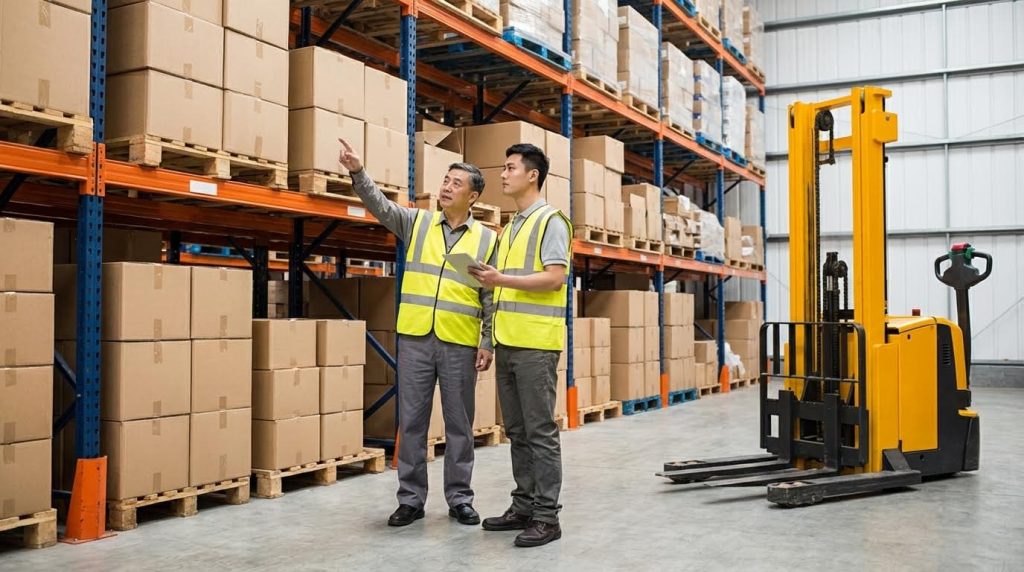
Core Principles Of Wave Picking In Modern Warehouses

Core principles of wave picking focus on releasing groups of orders at planned times so picking, packing, labor, and carrier schedules stay synchronized. A well-designed warehouse order picker uses rules in the WMS to control timing, priorities, and material flow. Reference
- Time-based control: Orders are released in waves tied to carrier cutoffs and shift plans – keeps docks and pack stations steadily loaded, not flooded.
- Rule-driven grouping: Waves use rules like route, order type, or SKU family – reduces walking and congestion in aisles.
- End-to-end alignment: Picking, replenishment, packing, and loading are all scheduled around the same waves – improves on-time shipping and labor utilization.
- WMS dependence: A capable WMS builds, releases, and tracks waves – manual spreadsheets cannot react fast enough at scale.
💡 Field Engineer’s Note: In sites above about 150–200 orders per hour, I rarely see stable flow without some form of wave or pseudo-wave control; otherwise docks and pack benches swing from idle to chaos.
How Wave Picking Differs From Other Pick Methods
Wave picking differs from batch, zone, and waveless picking because it adds a strong time-and-rule layer on top of how pick work is grouped and released, not just how people walk the aisles. Understanding this difference is key before redesigning a order picking machines warehouse.
| Method | Core Idea | How Work Is Released | Typical Equipment | Operational Impact / Best For… |
|---|---|---|---|---|
| Wave picking | Release groups of orders as “waves” at planned times. | Scheduled by rules (carrier cutoff, route, order type, SKU family, zones). | Multi-tier carts, totes by wave, staging by wave, scanners, sometimes conveyors. | Best for tight carrier cutoffs and medium–high volumes needing predictable dock flow. Reference |
| Batch picking | One picker collects items for many orders per trip. | Released as batches based on SKU/location overlap. | Multi-compartment carts, dividers, sort station. | Cuts walking distance by about 40–60% vs single-order picks; best in smaller or dense SKU areas. Reference |
| Zone picking | Warehouse split into zones; pickers stay in their zone. | Orders/totes move between zones; release may be continuous or in waves. | Zone signage, transfer carts, conveyors or AMRs. | Reduces walking in large buildings but adds handoffs and balancing challenges. Reference |
| Waveless / continuous | Orders drop to the floor as soon as they are ready. | Real-time, priority-based; no fixed waves. | Strong WMS/OMS logic, RF or voice, often automation. | Best for same-day e‑commerce with constant order flow but less predictable dock utilization. |
- Time-boxing vs. free flow: Wave picking time-boxes work; batch/zone can be run either in waves or continuously – this changes how steady your docks and pack benches feel.
- Synchronization vs. flexibility: Waves synchronize many resources but react slower to last-minute orders – continuous methods flex better for rush orders.
- Planning complexity: Wave picking demands stronger WMS rules and better data – errors in master data quickly create bottlenecks.
Where wave picking usually beats pure batch or zone picking
Wave picking tends to outperform pure batch or pure zone in operations with strict carrier cutoffs, multi-step value-added services, or shared docks between many routes. The wave gives you one planning “handle” that controls all downstream stations.
Wave Planning Rules In The WMS
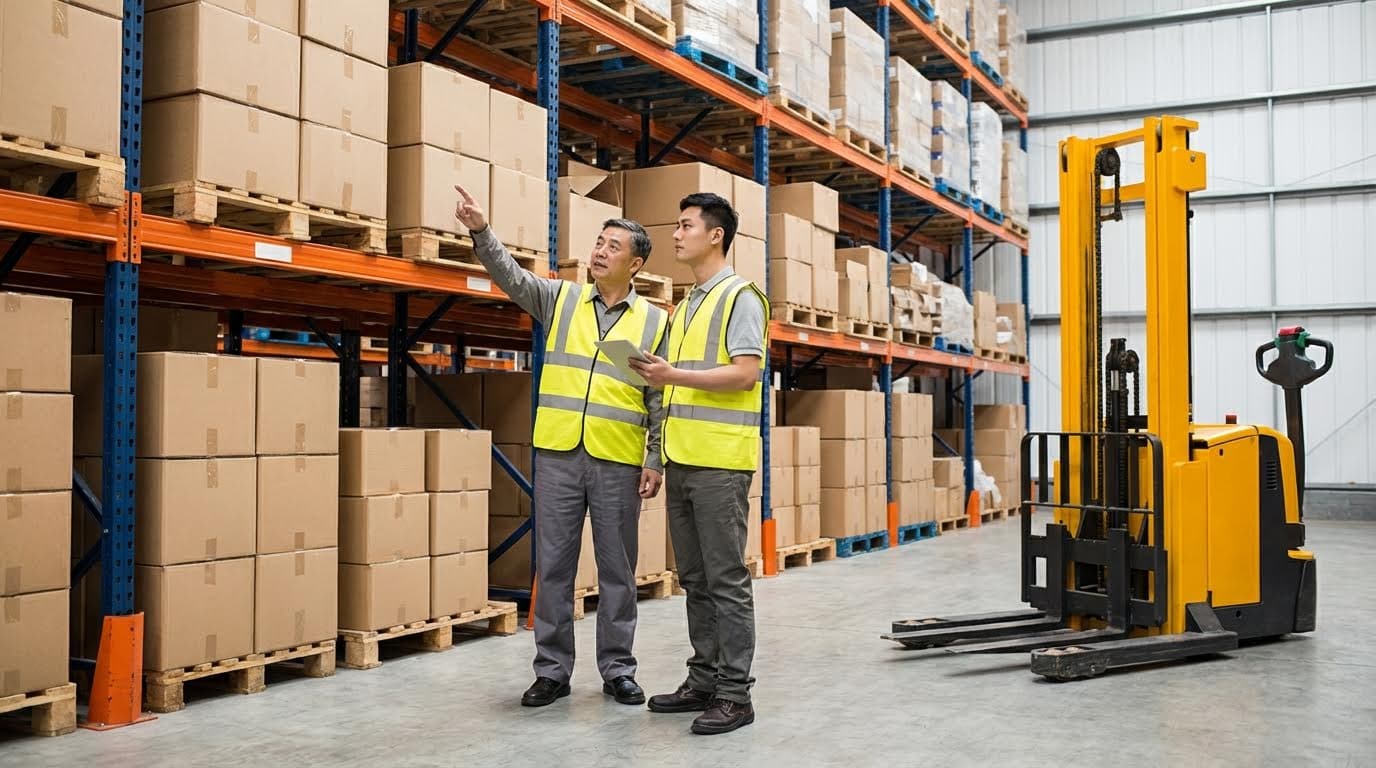
Wave planning rules in the WMS define which orders join each wave and when the wave releases, controlling the heartbeat of a semi electric order picker warehouse. Good rules cut travel distance, prevent congestion, and protect carrier cutoffs. Reference
- Carrier and cutoff rules: Group by departure time and service level – ensures waves finish 30–60 minutes before truck arrival for calm docks. Reference
- Order-type rules: Separate B2B pallets, B2C parcels, and special projects – avoids mixing slow, complex picks with fast, small orders.
- SKU and zone rules: Group by similar SKUs or by warehouse zone – reduces walking and keeps pickers in tight travel loops.
- Volume and size rules: Cap lines or cubes per wave – prevents pack benches and docks from being overloaded.
- Replenishment integration: Trigger and confirm replenishment before release – avoids mid-wave stockouts and re-walks.
| Typical WMS Wave Rule | What It Controls | Operational Impact In A Wave Picker Warehouse |
|---|---|---|
| Carrier cutoff time | Latest finish time for picking and packing. | Aligns waves with truck times; reduces missed pickups and overtime at docks. Reference |
| Max orders / lines per wave | Wave size and workload. | Too large creates congestion; right-sized waves keep aisles and benches flowing smoothly. |
| Order priority / SLA | Sequence of waves. | High-priority orders get early waves or dedicated rush waves without disrupting the whole plan. Reference |
| Zone or area | Which parts of the building are active. | Lets you stagger waves by zone to avoid cross-traffic and congestion in narrow aisles. |
| SKU family / temperature class | Product compatibility. | Keeps hazardous, chilled, or fragile SKUs in controlled flows and simplifies QA checks. |
- Step 1: Define templates – morning B2B wave, mid-day express, end-of-day parcel, etc., based on historical data.
- Step 2: Set size limits – lines, cartons, or pallets per wave tuned to your pack and dock capacity.
- Step 3: Link replenishment – ensure the WMS checks and tops up fast-movers before releasing the wave.
- Step 4: Schedule release times – align to carrier cutoffs and labor shifts, not just “every hour.”
- Step 5: Review and refine – adjust rules weekly using real throughput and congestion data.
💡 Field Engineer’s Note: When tuning waves, I start from the dock and work backwards: calculate how many cartons or pallets each door can load per 15 minutes, then size and time waves so finished orders arrive in that rhythm instead of all at once.
Handling rush and late-arriving orders in a wave environment
Most warehouses layer “break-wave” or mini rush waves on top of the main schedule. The WMS flags late or high-priority orders and either injects them into the nearest open wave or creates a small dedicated wave that feeds a specific pack lane, keeping SLAs without collapsing the whole plan. Reference
Engineering Wave Picking Processes And Equipment

Engineering a wave picker warehouse means aligning layout, equipment, and WMS rules so each wave flows smoothly from pick to dock without congestion or idle labor.
In this section we translate the theory of waves into concrete decisions on aisles, rack locations, carts, conveyors, and automation so your waves hit carrier cutoffs reliably and safely.
Facility Layout And Material Flow Design
Facility layout for wave picking is about creating a clear, repeatable path for each wave from release, through picking, to consolidation and docks with minimal backtracking.
Because waves are tied to carrier cutoffs and labor plans, the physical layout must let you move dozens or hundreds of totes in parallel without blocking aisles or packing stations. Orders are queued and released in waves, then completed totes move to staging by wave for packing and shipping as described in standard wave process design.
| Design Element | Typical Engineering Choice | Operational Impact In A Wave Picker Warehouse |
|---|---|---|
| Aisle width | 2,000–3,000 mm main aisles; 1,800–2,400 mm pick aisles | Allows two pick carts to pass and turn without blocking, reducing wave congestion risk. |
| Pick path pattern | Serpentine or U-shaped paths by zone | Minimizes deadheading so pickers complete waves on time even at peak volume. |
| Forward pick vs reserve | Dedicated forward pick area close to consolidation | Shorter pick paths for high-velocity SKUs; supports tight carrier cutoff waves. |
| Wave staging area | Clearly marked lanes by carrier, route, or time slot | Completed totes stay organized by wave, simplifying packing and dock scheduling. |
| Dock positioning | Docks near consolidation and outbound staging | Reduces push distance and queuing when multiple waves close to the same cutoff. |
- Separate inbound and outbound flows: Keep receiving and put-away away from pick aisles – prevents forklifts from blocking wave pickers.
- Dedicated consolidation zone: Place sort/packing near main pick exits – limits tote travel after picking.
- Logical zoning: Group SKUs by velocity and affinity – lets WMS build waves with compact routes.
- Clear visual management: Floor lines and signs for waves and carriers – reduces misrouted totes and dock errors.
How to size staging for waves
Estimate the maximum number of concurrent waves, then multiply by average totes per wave. Add 20–30% buffer. Mark each lane at least 800–1,000 mm wide so operators can scan and maneuver safely.
💡 Field Engineer’s Note: When you move from single-order picking to wave picking, the real choke point often shifts from aisles to consolidation. If your sorter or packing tables cannot process a full wave within the planned window, waves stack up, and you lose the on-time shipping advantage that wave picking is meant to deliver.
Picking Equipment, Carts, And Conveyors

Picking equipment for a wave picker warehouse must support multi-order, multi-tote handling so each wave can be picked with minimal travel and clean separation of orders.
Typical wave picking uses multi-tier carts with labeled tote positions, staging areas organized by waves, and sometimes conveyors to move totes between picking, sorting, and packing as outlined in equipment requirements for wave picking. Batch picking logic is often layered inside waves, with one picker collecting for multiple orders in a single trip using a cart with multiple totes to cut walking time by 40–60%.
| Equipment Type | Key Specs / Features | Best Use In Wave Picking |
|---|---|---|
| Multi-tier pick carts | 3–5 levels; 8–24 tote positions; ~600–800 kg capacity | Batch orders within a wave to reduce walking while keeping each order in a dedicated tote slot. |
| Order totes / bins | 40–80 L plastic totes, barcoded | One tote per order or per batch cell; simplifies tracking through wave staging and packing. |
| Gravity or powered conveyors | 400–800 mm belt/roller width; 0.5–1.0 m/s speed | Move totes from pick end points to consolidation, preventing pickers from acting as material handlers. |
| Put walls / sort stations | Dozens to hundreds of cubbies, light or label guided | Support post-pick sort when batch picking inside waves; align with carrier or route-based waves. |
| Handheld scanners / wearables | 1D/2D, Wi-Fi connected | Drive WMS-directed picking, confirm item and location, and tie each pick to the correct tote position. |
- Cart layout: Number tote positions in a fixed pattern – WMS can tell picker “Slot C3” instead of “blue tote,” cutting mistakes.
- Ergonomics: Keep heavy SKUs between 700–1,200 mm height – reduces strain during high-intensity waves.
- Conveyor interfaces: Design clear infeed/outfeed points – prevents carts blocking conveyor access during peak waves.
- Noise and safety: Use guardrails and emergency stops on powered conveyors – protects staff when waves run at full speed.
Choosing cart size for your waves
Start from average lines per order and orders per wave per picker. If a picker should handle 20 orders per wave and each order averages 3 lines, you need at least 20 tote positions and enough shelf area for bulky SKUs. Keep cart width under 800–900 mm for tight aisles.
💡 Field Engineer’s Note: Many sites over-invest in conveyors before they optimize carts. In a medium-size wave picker warehouse, upgrading to lighter, better-rolling carts with smarter tote layouts often delivers more real throughput than adding another 30 m of conveyor.
Automation, WMS Integration, And Safety
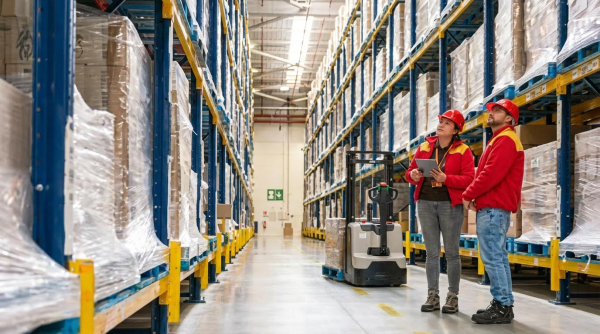
Automation and WMS integration make wave picking viable at scale by planning waves, directing pickers, and coordinating replenishment, while safety design keeps higher traffic and equipment density under control.
Wave planning in the WMS groups orders into waves using rules such as carrier departure times, shipping methods, order types, SKU characteristics, and warehouse zones as described in standard wave planning practice. When a wave is released, the WMS can trigger replenishment alerts, cart preparation, and picking tasks, guiding pickers to minimize travel and avoid congestion during execution. Technologies such as RF scanners and pick-to-light systems reduce errors and simplify execution and are considered best practice.
| System / Feature | Role In Wave Picking | Operational Impact |
|---|---|---|
| WMS wave planning engine | Builds waves by carrier cutoff, zone, SKU, or priority | Ensures waves finish 30–60 minutes before carrier arrival and keep docks flowing smoothly. |
| RF / mobile terminals | Provide task lists, confirm picks, capture exceptions | Reduces mis-picks and guides pickers along optimized paths within each wave. |
| Pick-to-light / put-to-light | Light indicators at locations or put walls | Speeds up batch or consolidation steps, especially when many small orders share SKUs. |
| Automated material handling (AMRs, conveyors) | Move totes between zones and consolidation | Removes non-value walking and keeps pickers focused on picking during waves. |
| Replenishment alerts | Triggered before or at wave release | Prevents mid-wave stockouts that would otherwise stall completion of the entire wave. |
- Safety zoning: Separate pedestrian pick aisles from forklift travel paths – reduces collision risk when waves increase traffic.
- Speed limits and signage: Define maximum speeds for tuggers and AMRs – keeps control in narrow aisles during peak waves.
- Error handling: Use clear WMS workflows for shorts and damages – avoids stopping a whole wave over a few exceptions.
- Monitoring: Track wave completion times and bottlenecks – lets you tune wave size and rules over time.
Handling rush and late orders safely
Because wave picking is less flexible for real-time order changes, many sites create small “hot waves” for rush orders or use break-wave picking when needed to handle urgent demand. Design separate lanes and clear procedures so these do not cut across main wave flows and create unsafe crossings.
💡 Field Engineer’s Note: The most reliable wave picker warehouse operations treated their WMS as the “traffic controller.” Any time supervisors bypassed the system with ad-hoc paper lists, congestion and safety incidents spiked. If the WMS cannot support a scenario cleanly, fix the configuration before peak season, not during it.
When Wave Picking Works Best And How To Select It

Wave picking works best in a wave picker warehouse that has predictable peaks, tight carrier cutoffs, and a strong WMS for planning and visibility. This section shows when to use it and how it compares to other methods.
Operational Profiles Suited To Wave Picking
Wave picking fits warehouses that must synchronize picking with packing, staging, and carrier dock schedules while keeping labor highly utilized and predictable.
In a warehouse order picker warehouse, orders release in planned “waves” tied to carrier departures, order priorities, or SKU groupings. This allows picking to stay synchronized with packing, replenishment, and dock activities, instead of reacting to every order in real time. Waves are typically built around shipping deadlines, carrier schedules, order types, or SKU characteristics so that completed waves flow cleanly to consolidation and loading. Source
| Operational Profile | Key Characteristics | Why Wave Picking Fits | Operational Impact |
|---|---|---|---|
| Tight carrier cutoff environment | Multiple carrier pickups; strict departure times | Waves align with carrier schedules and ship deadlines | Reduces missed trucks and dock chaos |
| Predictable order volume peaks | Morning, midday, end-of-day spikes | Pre-scheduled waves smooth work across the shift | Steady flow to packing and shipping |
| Mixed B2B / B2C with SLAs | Different service levels and order sizes | Separate waves by customer type or SLA priority | High on-time performance for each segment |
| 3PL operations | Many clients, multiple carriers, strict SLAs | Templates per client / carrier coordinate labor and docks | Predictable cost per order and better SLA compliance |
| High SKU count, medium–large facility | Complex travel paths, many storage zones | Waves group SKUs or zones to cut travel | Lower walking distance per picker per wave |
| Stable same-day but not instant service | Cutoff-based same-day shipping, not “immediate” | Orders queue into the next wave instead of real-time | Higher throughput with less WMS noise |
Wave picking is particularly strong when your downstream processes (sorting, packing, loading) need a controlled, batched flow. Completed waves move to consolidation and packing, where items are sorted and packed with quality checks, then aligned with carrier pickups for reliable dock management. Source
- Predictable demand pattern: Ideal when order peaks repeat daily or weekly – you can pre-build wave templates and staffing plans.
- High need for prioritization: Orders differ by urgency or service level – waves ensure urgent work is picked first.
- Coordinated material flow: Packing and docks must not starve or overload – waves meter volume into each stage.
- Capable WMS: System supports wave rules, templates, and monitoring – less manual intervention, fewer planning errors.
- Moderate tolerance for latency: Orders can wait minutes to hours for next wave – you gain efficiency at the cost of real-time responsiveness.
Signs your operation is a good candidate for wave picking
Look for these indicators: repeated dock congestion near carrier times, idle packers between peaks, and pickers rushing at the end of shifts. If you see these, structured waves can stabilize flow and improve throughput.
💡 Field Engineer’s Note: In facilities over about 8,000–10,000 m², I often see docks jammed 60 minutes before carrier cutoff while pick aisles are still half-empty. Well-sized waves released 90–120 minutes before departure usually smooth this, but only if staging space by wave is clearly marked and physically large enough.
Comparing Wave, Batch, Zone, And Waveless Picking
Wave picking, batch picking, zone picking, and waveless picking each optimize different constraints: time sensitivity, travel distance, layout complexity, and responsiveness.
Wave picking releases orders in timed groups, often tied to carrier cutoffs and labor plans. It queues orders, releases them in waves, assigns pick tasks (often batched), and moves completed totes to staging areas by wave. This can increase throughput by roughly 20–35% when well-planned, but delays from one picker can impact the whole wave. Source
| Method | Core Mechanic | Best-Fit Operations | Main Advantages | Main Risks / Limits |
|---|---|---|---|---|
| Wave picking | Timed waves of grouped orders released by rules | Carrier-cutoff driven, 3PL, mixed B2B/B2C, structured docks | Excellent labor planning, strong on-time shipping, good coordination with packing and docks | Less flexible for rush orders; poor wave sizing can cause bottlenecks |
| Batch picking | One picker collects items for multiple orders in one trip | High SKU overlap, smaller footprint, many small orders | 40–60% walking reduction vs. single-order picking; high picker productivity | Requires accurate sorting; risk of order mixing at consolidation |
| Zone picking | Warehouse split into zones; each picker stays in one zone | Large sites, distinct storage areas, long travel distances | Shorter travel per picker; specialization by product type or environment | More handoffs; bottlenecks if zones are unbalanced |
| Waveless picking | Continuous, real-time release of tasks | Fast e-commerce, high volatility, instant SLA expectations | Very responsive to new orders and changes | Harder to plan labor; docks and packing can see unstable flow |
Batch picking groups orders so one picker collects multiple orders in a single trip using multi-tier carts or divided totes. This often cuts walking time by 40–60% versus single-order picking, but requires disciplined sorting to prevent order mix-ups. Source Zone picking divides the warehouse into zones; each picker works a fixed area while totes move between zones manually or via conveyor. This reduces walking but increases handoffs and the need for balanced labor per zone. Source
Hybrid methods you will see in real warehouses
Real-world operations rarely run a single pure method. Common hybrids include wave + batch (batch picking within each wave to reduce travel), and wave + zone (each zone picks its share of the wave, followed by consolidation). These hybrids are especially common in large, high-SKU environments where both travel distance and dock timing matter. Source
- Choose wave picking when: You have strict carrier cutoffs, predictable peaks, and a capable WMS – you want control and coordination more than instant responsiveness.
- Choose batch picking when: Many orders share the same SKUs and the building is compact – you want to slash walking distance with minimal system complexity.
- Choose zone picking when: The facility is large with distinct areas or special conditions – you want to localize expertise and reduce long travel paths.
- Choose waveless when: You run rapid e-commerce with constant order flow – you must react to new orders immediately, even if docks are less stable.
💡 Field Engineer’s Note: In a typical semi electric order picker warehouse over 6,000–8,000 m², the best results often come from wave + batch: WMS builds waves around carrier times, then pickers batch within each wave using 8–16-tote carts. This keeps docks predictable while keeping picker travel efficient, but only if consolidation space and processes are engineered up front.

Final Thoughts On Implementing Wave Picking Effectively
Wave picking only delivers its promise when layout, equipment, and WMS rules work as one system. The layout must give each wave a clean path from release to dock, with aisles, staging, and consolidation sized to the real tote and carton counts you expect at peak. Poorly planned staging or cramped consolidation will turn even well-timed waves into queues and missed cutoffs.
Equipment choices then shape how safely and efficiently people move within those paths. Multi-tier carts, clear tote positions, ergonomic pick heights, and guarded conveyors all reduce strain and error while waves run at full speed. Automation and the WMS sit on top as the traffic controller. They decide which orders join each wave, trigger replenishment, direct pickers, and protect carrier times.
The best results come when engineering and operations teams design from the dock backwards, validate wave sizes in trials, and refine rules weekly using data. Treat manual workarounds as design defects. Fix them in the system and the layout. For a new or upgraded wave picker warehouse, partner with a provider like Atomoving that understands both equipment geometry and WMS logic, and insist on an integrated design, not isolated hardware choices.
Frequently Asked Questions
What is wave picking in a warehouse?
Wave picking is a warehouse order-picking strategy where tasks are grouped into waves based on specific criteria, such as delivery deadlines or product categories. This method improves efficiency by organizing work into manageable time slots, reducing congestion, and optimizing equipment usage. For example, all orders needed for morning deliveries might be picked in one wave. Warehouse Picking Guide.
Is working as a warehouse picker a physically demanding job?
Yes, working as a warehouse picker can be physically demanding. It involves constant movement around the warehouse, lifting, and carrying items. Pickers often operate material handling equipment like forklifts or pallet jacks to move goods efficiently. Tasks may also include bending, reaching, and standing for long periods. Proper training and safety measures are essential to reduce strain and prevent injuries. Order Picker Duties.