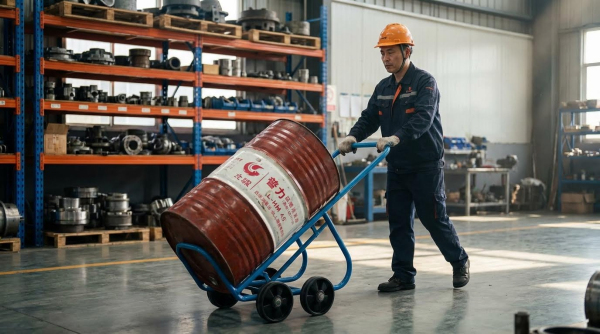
Knowing how to charge an electric forklift correctly protects operators, batteries, and your bottom line. This guide explains practical charging methods, safety requirements, and battery care so you can run longer shifts with fewer failures and incidents.
We will compare lead-acid and lithium-ion charging, lay out compliant charging-area setups, and show how to optimize schedules and infrastructure. Use it as a field-ready reference to maximize battery life while meeting safety and regulatory expectations.
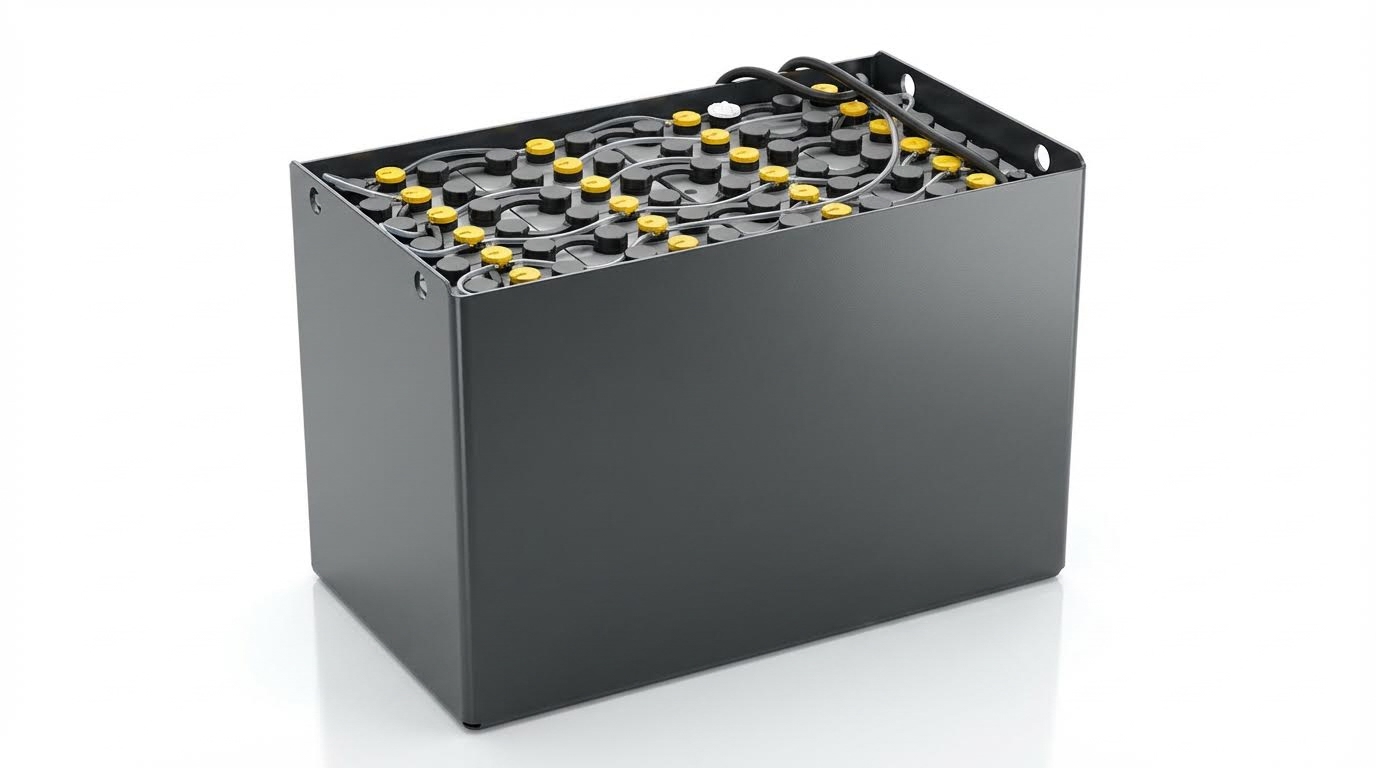
Core Principles Of Charging Electric Forklift Batteries
Core charging principles explain how to charge an electric forklift in a way that protects battery life, keeps operators safe, and matches your duty cycle and battery chemistry. Get these wrong, and you pay in shortened life, downtime, and incidents.
- Match method to chemistry: Lead-acid and lithium-ion need different charging patterns – prevents sulfation or lithium plating.
- Control temperature: Keep batteries near 20–25°C during charge – avoids gassing, water loss, and thermal stress.
- Respect SOC/DOD limits: Plan around state of charge and depth of discharge – maximizes cycle life and runtime.
- Use correct C-rate: Set current relative to battery capacity – balances turnaround time with long-term health.
💡 Field Engineer’s Note: When you standardize charging rules by chemistry (separate SOPs for lead-acid vs. lithium) you cut “mystery failures” dramatically; most premature battery deaths trace back to mixed-up practices between the two.
Lead-Acid Vs. Lithium-Ion Charging Basics
Lead-acid and lithium-ion forklift batteries charge very differently, so any guide on how to charge an electric forklift must start by separating the rules for each chemistry.
| Factor | Lead-Acid Forklift Batteries | Lithium-Ion (Li-ion / LiFePO4) Forklift Batteries | Operational Impact |
|---|---|---|---|
| Typical full charge time | About 8–10 hours for full charge due to gassing and absorption phases source | Around 1–2 hours to reach 80–100% SOC at standard C-rates source | Lead-acid suits single-shift with overnight charge; lithium supports multi-shift with short breaks. |
| Preferred charging style | Long, uninterrupted full charges; partial charges reduce service life via sulfation source | Handles partial and opportunity charging well, no memory effect source | Lead-acid: plan fixed charge windows; lithium: top up whenever the truck is idle. |
| Recommended temperature during charge | Best around 25°C to limit gassing and water loss source | Ideal 15–30°C; many systems specify 0–45°C absolute limits source | Cold rooms and hot docks need temperature control or BMS-managed heaters/cooling. |
| Depth of discharge (DOD) behavior | Tolerates deeper discharges but suffers if left partially discharged (sulfation risk) source | Designed to work well with partial state of charge and frequent top-ups source | Lead-acid: stop use around 80% DOD; lithium: manage DOD via BMS settings and work pattern. |
| Typical cycle life (good practice) | About 2,000 charge/discharge cycles or work shifts under proper maintenance source | Often 3,000+ cycles at standard C-rates; up to ~4,500 with optimized opportunity charging source | Lithium can outlast the truck in light/medium duty; lead-acid needs stricter routines. |
| Hydrogen gas during charging | Generates flammable hydrogen; requires ventilation and open battery covers during charge source | Minimal gassing; primary risks are electrical and thermal, managed by BMS | Lead-acid charging areas must be treated as potential explosion zones; lithium less so but still needs electrical safety. |
| Control system | Relies on external charger profile and operator discipline | Uses integrated Battery Management System (BMS) to monitor cells and enforce limits source | Lead-acid: train operators heavily; lithium: configure BMS and charger correctly from day one. |
- For lead-acid: Plan one full charge per day, minimize interruptions – avoids sulfation and preserves the ~2,000-cycle life.
- For lithium-ion: Use certified chargers and respect BMS limits – you can safely opportunity charge without memory effect.
- For both types: Keep charge temperatures around 20–25°C – this is the sweet spot for chemistry and service life.
How this changes your daily charging routine
If you run mixed fleets, mark trucks and chargers by chemistry and post separate SOPs. Lead-acid trucks go on long overnight charges; lithium trucks can hit chargers during breaks to keep SOC between roughly 30–80% for best life.
SOC, DOD, C-Rate, And Cycle Life Relationships
State of charge (SOC), depth of discharge (DOD), and C-rate define how hard you work the battery each shift, and they directly control cycle life, heat, and how to charge an electric forklift for lowest total cost.
| Concept | Plain-Language Meaning | Typical Values In Forklift Use | Best-For Scenario |
|---|---|---|---|
| State of Charge (SOC) | How full the battery is, as a percentage of total capacity. | Operate mostly between about 30–80% SOC on opportunity-charged fleets; 20–100% on standard profiles. | Planning when to plug in during breaks and shift changes. |
| Depth of Discharge (DOD) | How much of the battery you use before recharging (100% minus lowest SOC). | Lead-acid often limited to around 80% DOD; lithium can be run similarly but benefits from shallower DOD for more cycles. | Setting truck “return to charger” rules and low-battery alarms. |
| C-Rate | Charge or discharge current divided by battery capacity (1C = full charge in 1 hour). | Standard charging near 0.3–0.5C; fast charging up to about 1C–1.5C on certified systems source | Sizing chargers and electrical infrastructure for your turnaround time. |
| Cycle Life | How many charge/discharge cycles the battery delivers before capacity drops below useful level. | Lead-acid around 2,000 cycles with proper maintenance source; lithium often 3,000–4,500 cycles depending on profile source | Budgeting replacements and comparing chemistries on total cost of ownership. |
Charging profile has a measurable impact on cycle life. Standard lithium charging at about 0.5C typically gives more than 3,000 cycles, while fast charging at roughly 1C can cut that to around 2,200 cycles because of higher temperatures and reaction rates source. Lower-power opportunity charging around 0.3C increases charge time but can push life to roughly 4,500 cycles for optimized lithium packs source.
- Keep DOD moderate: Avoid routinely draining below about 20–30% SOC – this alone can add hundreds of cycles.
- Limit fast charging: Reserve high C-rates for exceptions, not daily routine – prevents heat-driven aging.
- Minimize time discharged: Do not leave batteries sitting empty – lead-acid sulfates; lithium ages faster when stored low.
💡 Field Engineer’s Note: When I audit fleets with “mysterious” early battery failures, I usually find trucks coming back to the charger at 5–10% SOC and living on fast charge. Raise the return point to ~30% SOC and cap fast charge hours, and failure rates drop sharply.
Quick rules of thumb for supervisors
1) Set a policy that operators must plug in around 30–40% SOC, not when the truck crawls. 2) Use standard 0.3–0.5C charging as the default; treat 1C fast charging as emergency use only. 3) Log cycles and DOD in your maintenance system so you can retire batteries near end-of-life before they fail in service.
Safe And Compliant Forklift Charging Operations
Safe and compliant forklift charging operations mean you control hydrogen, acid, and electricity risks every time you think about how to charge an electric forklift. This section focuses on layout, PPE, spill response, and fire/electrical protection that keep operators and equipment safe.
Charging Area Layout And Ventilation Requirements
A compliant charging area is a clearly designated zone with proper ventilation, fire protection, water, and emergency equipment sized to your fleet and room volume. Getting this right turns “how to charge an electric forklift” into a repeatable, low-risk routine.
| Requirement | Typical Specification / Practice | Operational Impact |
|---|---|---|
| Designated charging zone | Marked area with restricted access and posted rules | Separates people traffic from battery handling; reduces collision and exposure risk. |
| No smoking & warning signs | “No Smoking”, “Battery Charging Area”, hazard pictograms | Reinforces hydrogen explosion and acid-splash risks around operators and visitors. |
| Ventilation for hydrogen | Ventilation sized to prevent gas accumulation in ceiling pockets per OSHA guidance | Prevents reaching flammable limits; allows safe overnight charging of multiple trucks. |
| Fire protection | Dry chemical, CO2, or foam extinguisher in reach of charging stations as required | Allows first response to electrical or battery fires without leaving the area. |
| Water supply | Ample water plus eyewash with 15‑minute continuous flow; drench shower for large rooms per OSHA | Enables immediate flushing of eyes/skin after acid splash; critical for injury severity. |
| Neutralizing materials | Soda ash or baking soda staged near chargers per OSHA | Lets staff neutralize small spills immediately and keep the area in service. |
| Emergency communication | Phone, radio, or alarm within a few meters of chargers | Shortens response time for medical or fire emergencies. |
| Protection for chargers | Guard rails or bollards around cabinets and cables as OSHA notes | Prevents impact damage that can expose live parts or disable your charging bay. |
- Dedicated space: Keep the charging zone away from flammable storage and heavy pedestrian flow – reduces ignition sources and congestion during battery swaps.
- Clear floor markings: Mark forklift approach lanes and “no stand” zones – prevents people standing in crush or splash paths.
- Adequate headroom: Allow vertical clearance for mast and hoist gear – avoids contact with overhead services when lifting 800–1,500 kg batteries.
How to verify your ventilation is adequate
Consult your safety team to calculate hydrogen generation for your total amp‑hours charged, then size mechanical exhaust so gas concentration stays well under 4% by volume (hydrogen’s lower flammable limit). Focus extraction near the ceiling where hydrogen accumulates.
💡 Field Engineer’s Note: In small battery rooms under about 3 m ceiling height, I often see fans mounted low on the wall. That does almost nothing for hydrogen, which rises. Place extraction near the highest point and ensure make‑up air inlets so you do not pull fumes into adjacent offices.
PPE, Acid Handling, And Spill Response
Proper PPE, acid-handling technique, and a rehearsed spill plan turn high-risk battery work into a controlled task. This is the “hands-on” layer of how to charge an electric forklift without injuring people or damaging floors and racks.
| Item | Specification / Practice | Operational Impact |
|---|---|---|
| Eye & face protection | Chemical splash goggles plus face shield for charging/maintenance per safety guidance | Protects against acid spray when connecting cables or removing caps. |
| Gloves | Acid-resistant neoprene or rubber gloves per OSHA | Prevents skin burns when touching wet tops or spill residues. |
| Body protection | Acid-resistant apron and clothing; safety footwear to ASTM F2413-2018 recommended | Limits burns from splashes and protects toes from dropped cells or tools. |
| Eyewash & shower | 15‑minute eyewash; drench shower for larger facilities per OSHA | Allows full decontamination after eye or body exposure to sulfuric acid. |
| Neutralizer stock | Soda ash or baking soda; about 0.45 kg per 3.8 L of water for spills per OSHA guidance | Lets staff neutralize small puddles before they attack concrete or rebar. |
| Absorbents & diking | Clay absorbent and materials for earth/clay dikes on larger spills per OSHA | Contains flow away from drains and structural foundations. |
- Acid handling rule: Always add acid to water, never water to acid – reduces violent heat release and splatter risk.
- No jewelry or loose tools: Remove metal rings and keep tools off battery tops – prevents short circuits across terminals.
- Trained personnel only: Restrict charging and watering tasks to trained operators – cuts down on mixing errors and unsafe improvisation.
- Step 1: Inspect PPE and put it on – you should be protected before you open cells or touch cables.
- Step 2: Check electrolyte level and specific gravity with a hydrometer before charging as OSHA recommends – confirms the battery is ready and not already overfilled.
- Step 3: Position the truck, apply brakes, and secure the battery – prevents movement while connecting or lifting 1,000+ kg packs.
- Step 4: Turn off and unplug the charger before connecting clamps per OSHA procedure – avoids arcing at the terminals.
- Step 5: Attach positive (+) clamp first, then negative (‑) – reduces short-circuit paths if a tool slips.
- Step 6: After charging, top up with distilled/de‑ionized water if low as OSHA notes – maintains plate coverage and service life.
Spill and exposure response quick guide
For eye or skin contact, flush with clean water for at least 15 minutes and seek medical attention immediately as safety guidance states. For floor spills, apply soda ash until fizzing stops and pH is near 6–8, then absorb and dispose under local environmental rules per OSHA.
💡 Field Engineer’s Note: The most common “near miss” I see is operators topping up cells before charging. As the electrolyte expands, it overflows, eats paint, and creates conductive paths across the battery top. Train crews to water only after a full charge and cooldown.
Hydrogen Gas, Fire Protection, And Electrical Safety
Hydrogen management, fire protection, and basic electrical discipline are what stop a normal charging shift from turning into an explosion or arc-flash incident. These controls are non‑negotiable when planning how to charge an electric forklift fleet indoors.
| Risk Area | Key Control | Operational Impact |
|---|---|---|
| Hydrogen gas | No smoking, no open flames, no sparks or electric arcs near chargers per OSHA | Prevents ignition of gas released at end of charge. |
| Battery venting | Keep battery covers open during charge for better venting as OSHA advises | Reduces local hydrogen buildup and heat at cell tops. |
| Fire response | Dry chemical, CO2, or foam extinguisher within arm’s reach of stations per OSHA | Allows immediate attack on small electrical or battery fires. |
| Overheating during charge | Reduce charge rate or stop if the battery overheats or vents electrolyte per OSHA procedure | Prevents thermal runaway and case deformation. |
| Electrical connection safety | Unplug and switch off chargers before connecting or disconnecting clamps; observe 25 A max for sealed vents per OSHA | Reduces arcing, connector damage, and internal battery stress. |
| Station power safety | Use ground-fault protection and emergency shutoffs near bays per engineering guidance | Prevents electrocution in wet areas and speeds power isolation in an incident. |
- Tool control: Use non‑sparking tools around exposed cells – cuts ignition risk if you slip across terminals.
- Cable care: Inspect charger leads for cuts, crushed insulation, and loose lugs – avoids hot spots and nuisance trips.
- Charge current limits: Respect manufacturer and OSHA guidance on current, especially for sealed batteries – prevents excessive gassing and case swelling.
Optimizing Charging Methods, Schedules, And Infrastructure

Optimizing charging methods, schedules, and infrastructure means matching charge profile, timing, and hardware to your fleet so you cut energy cost and downtime while protecting battery life and safety.
When you plan how to charge an semi electric order picker forklift fleet, think in three layers: the charge profile (standard, fast, opportunity), how you schedule those charges around shifts and tariffs, and how your fixed infrastructure supports safe, expandable power delivery.
Standard, Fast, And Opportunity Charging Profiles
Standard, fast, and opportunity charging are three different ways to control current and time so your forklifts are ready when needed without destroying cycle life.
Each profile trades off turnaround time, heat generation, and total usable cycles, and the best choice depends on battery chemistry, shift pattern, and how tight your uptime requirements are.
| Charging Method | Typical C-Rate | Approx. Charge Time (0–100% SOC) | Typical Cycle Life Impact | Best For… / Operational Impact |
|---|---|---|---|---|
| Standard charge (Li-ion) | ≈0.5C | ≈2 h for Li-ion packs (source) | Often >3,000 cycles with good temperature control | Single-shift or light multi-shift; stable runtime with moderate infrastructure demand |
| Standard charge (lead-acid) | ≈0.1–0.2C effective | ≈8–10 h due to gassing/absorption phases (source) | Nominal life ≈2,000 cycles if fully charged and cooled correctly (source) | Night charging for day-shift fleets; requires spare batteries or downtime between shifts |
| Fast charging | ≈1.0C (up to ≈1.5C on certified systems) | ≈1–2 h depending on chemistry and limits (source) | Li-ion: often ≈2,200 cycles vs >3,000 on standard charge (source) | High-intensity multi-shift operations; minimizes spare trucks but increases heat and infrastructure size |
| Opportunity charging | ≈0.3C | ≈3.3 h for full cycle; often used for short top-ups (source) | Li-ion: up to ≈4,500 cycles when optimized (source) | Fleets with many short breaks; tops up from ≈30–50% SOC to avoid deep cycles |
-
-
- Standard charge: Uses moderate current and full, uninterrupted cycles – best baseline when you can park trucks for several hours.
- Fast charge: Uses high current to recover energy quickly – good for uptime, but you pay in extra heat and reduced cycle life.
- Opportunity charge: Uses lower current during breaks – ideal when operators can plug in frequently, reducing deep discharges and extending life.
-
How to pick a profile for your shift pattern
If your warehouse runs a single 8-hour shift, standard overnight charging usually works. For 16–24-hour operations, combine opportunity charging with limited fast charging to avoid buying extra forklifts or massive battery pools.
💡 Field Engineer’s Note: When customers ask how to charge an warehouse order picker forklift for three-shift use without buying extra trucks, I usually design an opportunity-charging plan first and add a small fast-charge window only if data logs show SOC dipping below about 20% before shift end.
Temperature Control And Battery Management Systems
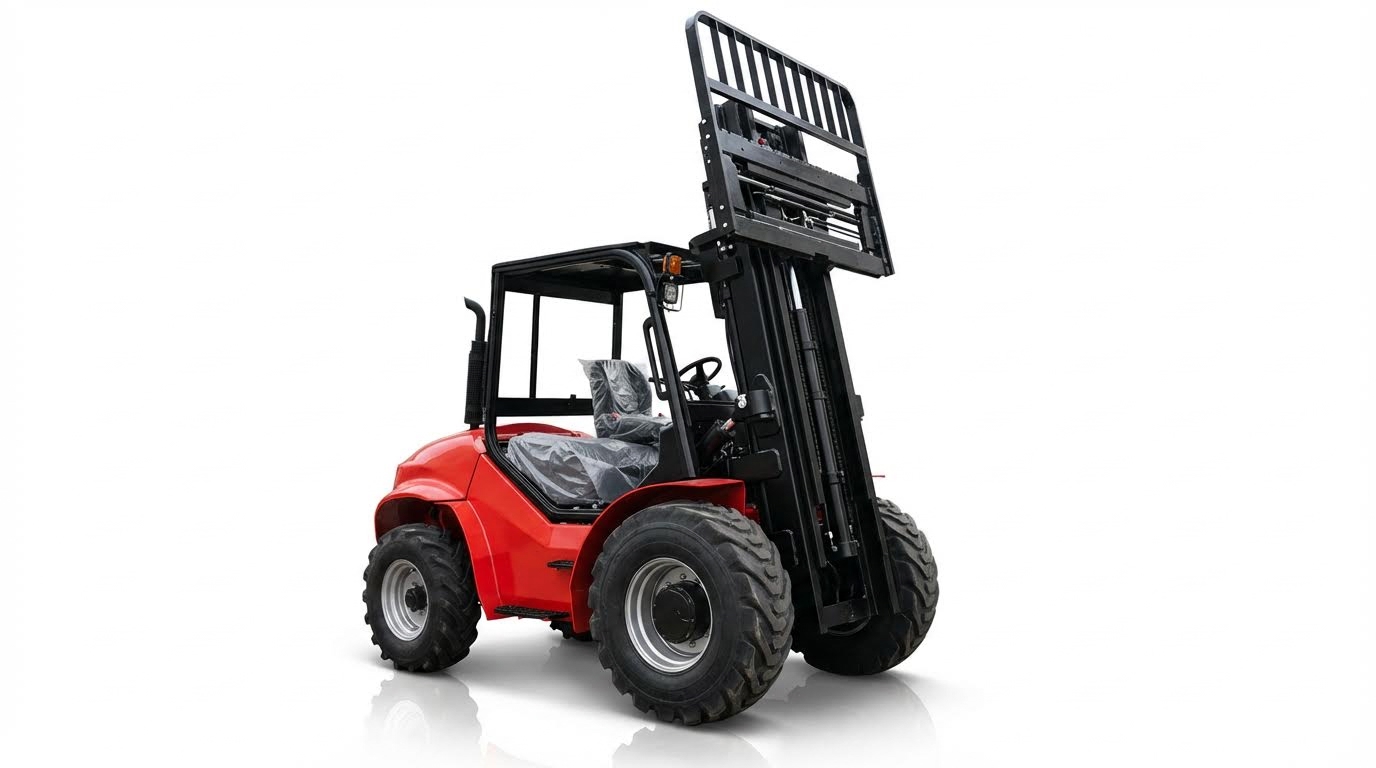
Temperature control and Battery Management Systems (BMS) keep cells within safe limits so your chosen charging profile does not cook the pack or cause lithium plating.
In practice, that means watching pack temperature, enforcing C-rate limits, and letting the BMS manage cell balance, cutoffs, and sometimes active heating or cooling during charging.
| Battery Type | Recommended Charge Temperature | Absolute Limits / Risks | Operational Impact |
|---|---|---|---|
| Lithium-ion (Li-ion / LiFePO4) | Best between ≈15–30°C during charging (source) | Many systems specify ≈0–45°C as charge window; below 0°C risks lithium plating, above 40–45°C accelerates SEI growth and resistance (source) | Cold rooms need pre-warming; hot climates often require forced air or liquid cooling, especially at ≥1C fast charge |
| Lead-acid | Best near ≈25°C (source) | High temperatures increase gassing and water loss; low temperatures slow chemical reactions and extend charge time | Warm rooms shorten charge time but can reduce life; cold docks need longer charge windows and careful water maintenance |
-
-
- BMS monitoring: Tracks cell voltage, temperature, and internal resistance – prevents overcharge, over-discharge, and unbalanced cells.
- Dynamic C-rate control: Adjusts current based on SOC and temperature – keeps pack within safe limits even on fast-charge stations.
- Thermal management: Uses fans, liquid loops, or heaters – critical in cold warehouses and hot climates to avoid plating or accelerated aging.
- Data logging: Records cycles, depth of discharge, and temperature excursions – enables predictive maintenance and informed replacement planning.
-
Role of temperature in everyday charging decisions
If your forklifts leave a +25°C charging room and operate in a −5°C cold store, the pack may return cold. A smart BMS will limit charge current until cells warm up, so you must allow more time or provide pre-heating pads to stay on schedule.
💡 Field Engineer’s Note: In cold warehouses, I often see operators force high-current charges on −5°C lithium packs to “get them ready faster.” Within a few months, capacity drops sharply because of lithium plating. A simple 10–15 minute pre-warm stage saves thousands in early battery replacements.
Energy Cost Control And Future-Ready Infrastructure
Energy cost control and future-ready infrastructure mean you design your charging room to minimize kWh and demand charges today while staying flexible for new battery chemistries and voltages tomorrow.
That involves time-of-use scheduling, smart load balancing, proper electrical protection, and modular hardware so you can scale from a few chargers to a full multi-shift fleet without rebuilding the whole system.
| Design Element | Key Practice / Spec | Operational Impact |
|---|---|---|
| Time-of-use (TOU) scheduling | Program chargers to run mainly during off-peak tariff windows, often 30–50% cheaper per kWh (source) | Cuts operating cost while keeping trucks ready for the next shift; ideal for standard overnight charging. |
| Load balancing / staggering | Smart systems sequence chargers so not all start at once, avoiding high simultaneous draw (source) | Reduces demand charges and may avoid expensive upgrades to transformers or main switchgear. |
| Energy efficiency strategies | Good charging practices can reduce operational costs by ≈15–25% and extend equipment life (source) | Lower total cost of ownership across batteries, chargers, and forklifts. |
| Ground fault protection | Use GFCI breakers that trip at ≈5 mA leakage current in wet environments (source) | Mitigates electrocution risk in washdown and dock areas. |
| Ventilation and safety systems | Provide ventilation for hydrogen, emergency shutoffs within ≈4.5 m of each bay, and regular inspections of cables and cooling systems (source) | Maintains compliance and reduces fire/explosion risk, especially for lead-acid fleets. |
| Voltage-agnostic chargers | Support wide ranges like 24–80 V packs with software-upgradable firmware (source) | Allows mix of pallet trucks, reach trucks, and counterbalance forklifts without separate charger lines. |
| Future-ready features | Plan for solid-state or wireless systems with expandable power distribution and, if needed, liquid cooling loops or reinforced floors for coils (source) | Avoids major civil and electrical rework when upgrading to next-generation batteries. |
-
-
- Integrate charging with operations: Align plug-in times with breaks and shift changes – this is the practical backbone of how to charge an order picking machines forklift without disrupting throughput.
- Use smart controls: Centralize charger control and data – lets you tune profiles, enforce TOU windows, and monitor real-time load.
- Design modularly: Use busways, modular panels, and standardized connectors – so adding 5–10 more forklifts is an electrical add-on, not a rebuild.
-
Example: Converting from lead-acid to lithium
When a site moves from 48 V lead-acid to 80 V lithium, voltage-agnostic chargers and oversized cable trays let you change only connectors and software settings. Without that foresight, you often face new feeders, panels, and sometimes structural work.
💡 Field Engineer’s Note: When I design new charging rooms, I size conduits and panels for at least 150% of the initial fleet load and specify multi-voltage, firmware-upgradable chargers. The extra 10–15% CAPEX up front usually saves a full rebuild within five years as fleets add more electric units.

Final Thoughts On Maximizing Battery Life And Safety
Charging strategy, safety controls, and infrastructure design work together as one system. When they align with battery chemistry and duty cycle, you gain longer runtimes, fewer failures, and lower lifetime cost.
Lead-acid fleets need disciplined, full charges, tight control of temperature, and strong hydrogen management. Lithium fleets need correct BMS settings, protection against cold charging, and well-planned opportunity charging. In both cases, stable C-rates, moderate depth of discharge, and clean, cool charging environments extend cycle life by hundreds or even thousands of shifts.
Safe layouts, correct PPE, and drilled spill and fire procedures turn charging into a routine job instead of a high-risk task. Smart scheduling, load management, and scalable electrical infrastructure then cut energy spend and avoid future rebuilds as your Atomoving or mixed fleet grows.
The best practice is simple. Write clear SOPs by chemistry, engineer your charging area to OSHA and local codes, and use data from chargers and BMS to refine rules. Treat batteries as critical assets, not consumables. When operations, maintenance, and safety teams follow the same charging playbook, you protect people first and unlock the full value of your electric forklifts.
Frequently Asked Questions
How to Charge an Electric Forklift?
Charging an electric forklift involves a few key steps to ensure safety and efficiency. First, locate the charging port, which is typically near the battery compartment or rear end of the forklift. Once located, power down the forklift completely before connecting the charger. Use only the charger provided by the manufacturer to avoid damage. After connecting, check the charging indicator light to confirm the process has started. Avoid overcharging by disconnecting the charger once the battery is fully charged. Always charge in a well-ventilated area to prevent overheating. For more details, see Forklift Charging Guide.
How Long Does It Take to Charge an Electric Forklift?
The charging time for an electric forklift depends on the battery type and capacity. Most modern forklifts use lithium-ion batteries, which typically take around 2.5 to 3 hours to fully charge. Traditional lead-acid batteries may require 8 to 12 hours. To maximize uptime, consider purchasing a spare battery so one can charge while the other is in use. Always refer to the manufacturer’s guidelines for specific charging times and procedures. For additional insights, visit Battery Charging Tips.