End-of-life management for used oil drums is about controlled engineering decisions, not “where to dump used oil drums.” This guide explains compliant options for recycling, reconditioning, and disposal so you cut risk, cost, and regulatory exposure.
We will connect legal definitions of “empty,” technical washing and reconditioning processes, and economic modeling so you can choose safe vendors and methods. Every recommendation focuses on measurable safety, environmental performance, and total cost over the drum’s full life cycle.
Regulatory Basics For Used Oil Drum Disposal
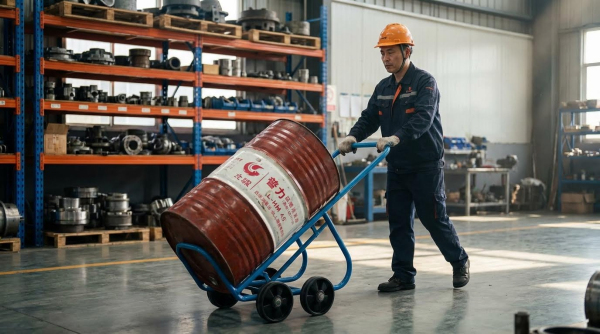
Regulatory basics for used oil drum disposal define when a drum is “empty,” how that status affects hazardous waste rules, and where to dump used oil drums legally through compliant reuse, reconditioning, or recycling channels—not general landfills.
For any operation asking where to dump used oil drums, the first step is understanding that disposal options depend on whether the drum is legally empty under hazardous waste law. Once a drum meets the “empty” definition, it usually exits hazardous waste regulation and can move into scrap, reuse, or reconditioning streams under transport and local codes.
- Key Point: “Where to dump used oil drums” is a regulatory question – the answer changes completely once a drum is legally empty.
- Goal: Move drums from “regulated hazardous container” to “empty container or scrap” – this unlocks cheaper and safer end-of-life options.
💡 Field Engineer’s Note: Before you worry about where to dump used oil drums, walk the yard and tag which drums still hold free liquid. In practice, 10–20% look “empty” but still fail the legal test, and those few are what trigger violations during inspections.
Legal definition of an “empty” oil drum
The legal definition of an “empty” oil drum is set mainly by 40 CFR 261.7, which determines if the drum is still a hazardous waste container or can move into recycling and scrap channels. Getting this definition right directly controls both your disposal cost and your compliance risk.
| Regulatory concept | Typical numeric / process rule | Operational impact |
|---|---|---|
| Non-acute hazardous waste drum “empty” definition | Less than 3% of original contents by weight or less than 25 mm (1 in) residue in the bottom of the drum according to 40 CFR 261.7 | Once below this threshold, the drum is usually exempt from hazardous waste container rules and can go to recyclers or reconditioners. |
| Acute hazardous waste drum “empty” definition | Must be triple-rinsed with an appropriate solvent (often water) to be considered empty per 40 CFR 261.7 | Triple-rinse adds water and solvent management requirements and may create a new hazardous wastewater stream. |
| Emptying methods | Pumping, draining, or washing out until residue is below the legal threshold as described in guidance | Directly affects labor, wastewater volume, and whether you can send drums to scrap metal recyclers instead of hazardous disposal. |
| Reuse of non-empty drums | Drums that are not legally empty can be reused as collection containers for compatible hazardous wastes per regulatory guidance | Delays disposal but keeps drum under hazardous waste rules; helps consolidate waste and cut new container purchases. |
| Recycling eligibility | Legally empty drums in good condition may be recycled or reconditioned rather than disposed as hazardous waste under 40 CFR 261.7 | Enables sending drums to metal scrap, plastic recyclers, or reconditioners, often at lower cost and with reduced regulatory burden. |
- Empty threshold: For typical used oil drums, the 3% by weight or 25 mm residue rule normally applies – once you are under that, your “where to dump used oil drums” options expand sharply.
- Triple-rinse cases: Only drums that held acute hazardous wastes need triple rinsing – used lubricating oil drums usually do not fall in this category, but check your waste codes.
- Visual vs legal empty: A drum can look dry and still fail the 3% rule – especially on viscous oils that cling to the shell and chime area.
How to check if an oil drum is likely “legally empty”
In the field, few sites weigh drums precisely, but you can approximate:
- Step 1: Know the tare weight of a standard 200 L (55-gallon) steel drum (typically around 18–20 kg) from supplier specs.
- Step 2: Weigh the used drum on a floor scale and subtract tare to estimate residue mass.
- Step 3: Compare residue mass to original fill mass; if below about 3%, you are near the regulatory definition of empty.
- Step 4: If in doubt, drain or wash further—regulators expect a good-faith effort to fully empty.
RCRA, DOT, and local code interfaces
RCRA, DOT, and local codes interface to control how you classify, transport, and finally dispose of or recycle used oil drums, and they collectively answer where to dump used oil drums without triggering violations. RCRA governs hazardous waste status, DOT governs how drums move on public roads, and local codes govern site storage, fire safety, and final disposal permits.
| Regime | What it controls for used oil drums | Practical effect on end-of-life options |
|---|---|---|
| RCRA (Resource Conservation and Recovery Act) | Defines when drum contents are hazardous waste and when a drum is “empty” and exempt under 40 CFR 261.7 and 262 | Determines whether you must ship drums as hazardous waste or can send them as recyclable scrap or reusable containers. |
| DOT (U.S. Department of Transportation hazardous materials rules) | Sets packaging, marking, and reconditioning requirements for drums used to ship hazardous materials, including 49 CFR 173.28 and 178 for reconditioned drums as described in the drum reconditioning process | If you send drums back into transport service, they must meet DOT performance standards; if sending as scrap, DOT rules are lighter but still affect any remaining hazardous residues. |
| Local fire, environmental, and building codes | Control onsite storage of used oil drums, secondary containment, stormwater protection, and whether local landfills or scrap yards may accept drums | Local rules often decide the practical answer to “where to dump used oil drums,” because they govern which facilities in your region are allowed to accept them. |
| Technical standards for waste metal container regeneration | Specify requirements for regenerating contaminated metal drums (up to 200 L) and reference emission and hazardous waste identification standards such as GB16297, HJ/T176, and GB5085 series in metal container recycling standards | In some jurisdictions, reconditioning or regeneration plants must meet these technical standards, which affects where you can send drums for compliant processing. |
- RCRA priority: Always resolve the waste code and “empty” status first – this drives whether the drum is a hazardous waste package or a recyclable commodity.
- DOT interface: If a drum will re-enter hazardous material transport, it must be reconditioned and marked to 49 CFR 178 – you cannot simply wash and refill for shipping.
- Local reality: Even if RCRA says a drum is empty, many local landfills or transfer stations still refuse intact drums – they may require crushing, piercing, or certified cleaning.
Typical compliant destinations for used oil drums
Depending on condition and residue, compliant “where to dump used oil drums” options usually include:
- Reconditioning facilities: For structurally sound steel and plastic drums that can be stripped, inspected, and re-certified for reuse under 49 CFR 173.28 and 178.
- Scrap metal recyclers: For legally empty, damaged, or surplus steel drums that can be shredded and melted as ferrous scrap; some standards require prior cleaning and emission control.
- Hazardous waste treatment facilities: For drums that still contain significant residues or that previously held highly hazardous or incompatible materials.
- Onsite reuse: For compatible waste collection (e.g., consolidating used oil of the same type), provided you manage the drum as part of your hazardous waste system.
General municipal landfills are almost never the right place to dump used oil drums unless they have been rendered obviously empty, non-hazardous, and meet local acceptance rules.
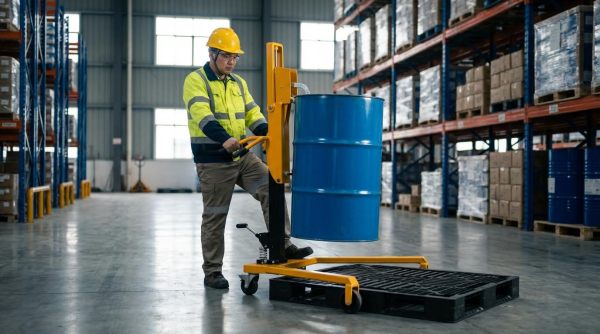
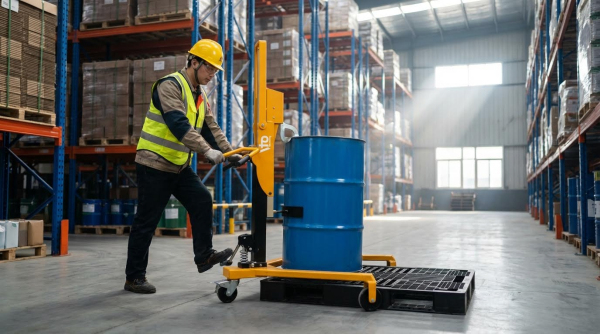
When considering equipment for handling drums, tools like the drum dolly, manual pallet jack, and hydraulic pallet truck can significantly improve efficiency and safety in operations involving used oil drums.
Technical Options: Reuse, Reconditioning, And Recycling

This section explains what to do instead of asking where to dump used oil drums by covering engineered options for reuse, reconditioning, and scrap recycling that keep you compliant and reduce total lifecycle cost.
In practice, your end-of-life strategy depends on drum condition, residue type, and whether you can meet “empty” definitions and transport standards. The three main pathways are: on-site reuse, regulated reconditioning, and conversion to scrap metal with proper wastewater control.
- On-site reuse: Keep compatible materials in structurally sound drums – cuts new drum purchases and transport risk.
- Reconditioning: Restore qualifying drums to regulated specs – extends drum life within 49 CFR performance rules.
- Scrap recycling: Turn failed drums into ferrous scrap – eliminates landfill and recovers material value.
💡 Field Engineer’s Note: Decide your strategy at the dock: once drums are badly dented, corroded, or mix incompatible residues, you lose most reuse and reconditioning options and end up paying more for disposal or complex cleaning.
Drum washing systems and process parameters
Drum washing systems clean used oil drums in enclosed chambers so they qualify as “empty” and ready for reuse, reconditioning, or metal recycling instead of disposal.
Modern drum washers handle both interior and exterior surfaces and support multiple cleaning chemistries. They are the backbone of any compliant alternative to simply looking for where to dump used oil drums, because they remove residues and generate a controllable wastewater stream.
| Feature / Parameter | Typical Spec or Option | Operational Impact |
|---|---|---|
| Drum size range | From small pails (~20 L) up to ~340 L (90-gallon) | One machine can process 200 L (55-gallon) oil drums and smaller containers |
| Chamber type | Fully enclosed wash chamber | Contains aerosols and vapors, improving worker safety and housekeeping |
| Wash media | Heated water and detergent, optional solvent wash | Improves removal of viscous oils and heavy residues |
| Rinse system | Rinse cycles with recirculating rinse tanks | Reduces water use and centralizes wastewater for treatment |
| Heating / steam | Live steam capability and water heating | Enhances cleaning of high-viscosity oils in cold climates |
| Construction | Stainless steel options | Resists corrosion from aggressive detergents and residues |
| Safety options | Explosion-proofing for flammable residues | Allows treatment of drums that held flammable solvents within classified areas |
| Automation | Automatic timers and remote controls | Reduces labor and standardizes cycle times and cleaning quality |
Wastewater management is integral to the wash process. Each drum generates a defined volume of rinse water that carries residual oil or chemicals and must be treated or shipped as a controlled waste stream. One reference indicates about 5 gallons (~19 L) of wastewater treatment per drum, at roughly $0.25 per drum, with a 55-gallon (~208 L) wash solution cleaning about 200 drums before change-out Drum reuse and recycling reference.
- Segregate residues: Wash drums by compatible product family – prevents hazardous reactions in the washer or tank farm.
- Control cycle times: Match wash duration and temperature to oil viscosity – avoids wasted energy but achieves clean “empty” status.
- Plan wastewater handling: Size tanks and treatment for peak drum throughput – prevents bottlenecks and non-compliant discharges.
- Verify “empty” status: Use 40 CFR 261.7 criteria (≤3% by weight or ≤25 mm residue) – moves drums out of hazardous waste rules once cleaned.
How to decide if washing is worth it
Washing is usually economical when you have steady drum volumes, predictable residues, and local outlets for reconditioners or scrap yards that accept cleaned drums. If your flow is sporadic or residues are highly toxic or incompatible, off-site specialist services may be safer and cheaper.
Reconditioning to 49 CFR 173.28 and 178
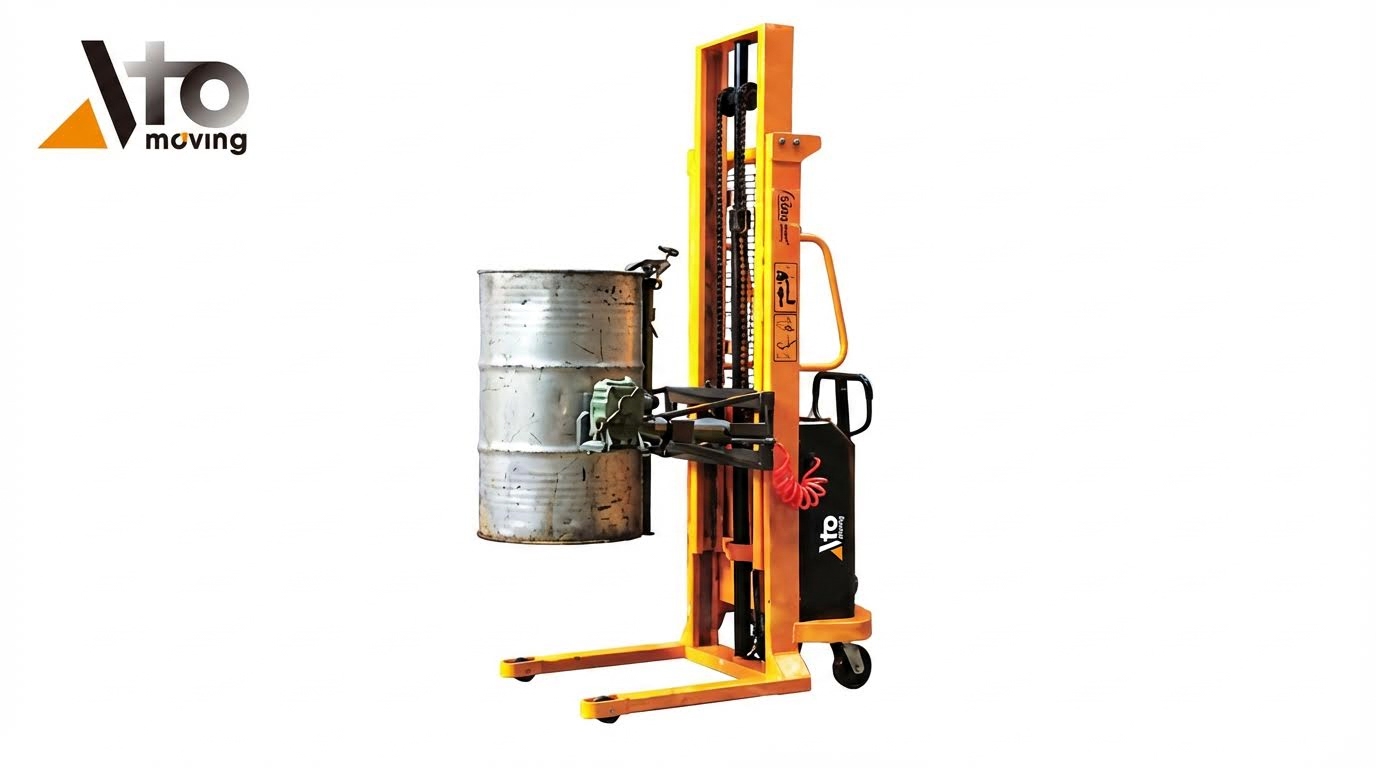
Reconditioning restores qualifying used metal and plastic drums to regulated performance standards in 49 CFR 173.28 and 178 so they can legally re-enter service instead of being scrapped or disposed.
For steel drums, the process strips the drum to bare metal, removes all residues, paint, corrosion, and labels, then reshapes and inspects it. The reconditioner checks for pitting, wall thinning, metal fatigue, and damage to threads or closures before repainting and remarking the drum in line with 49 CFR 178 performance packaging standards Drum reconditioning process reference.
| Reconditioning Step | Key Technical Action | Operational Impact |
|---|---|---|
| Pre-cleaning | Remove all contents and residues before processing | Ensures safe handling and prevents cross-contamination in equipment |
| Stripping | Strip to bare metal; remove paint, rust, labels | Exposes structural defects and prepares surface for repainting |
| Reshaping | Restore original drum geometry | Maintains stacking stability and capacity performance |
| Inspection | Check for pitting, thinning, fatigue, thread damage | Separates re-usable drums from scrap-only units |
| Repair / reject | Repair minor defects or reject drum | Prevents weak drums from returning to service |
| Coating | Repaint and, if needed, reline interior | Protects against corrosion in next service life |
| Marking | Apply markings per 49 CFR 178 | Demonstrates compliance for transport and filling operations |
Plastic drums follow a different path: non-integral components such as closures and fittings are repaired or replaced so that the drum again meets 49 CFR 178 requirements for its UN performance level Plastic drum reconditioning reference.
- Use for same or compatible products: Keep reconditioned drums in similar service – reduces compatibility risks from residual films.
- Verify markings: Confirm UN codes match your fill product and mode – prevents DOT transport violations.
- Audit vendors: Check that reconditioners follow 49 CFR 173.28(c) processes – protects you from liability for substandard drums.
💡 Field Engineer’s Note: In real plants, the most common failure is using reconditioned drums for heavier or more aggressive chemicals than their original UN rating; always match the reconditioned drum’s code to the worst-case fill scenario.
When reconditioning is preferable to buying new
Reconditioning makes sense when you have a steady return loop of compatible drums, local reconditioning capacity, and transport distances under a few hundred kilometers. It is less attractive when drums are badly damaged, heavily corroded, or contaminated with highly toxic or incompatible residues.
Scrap metal recycling and wastewater management
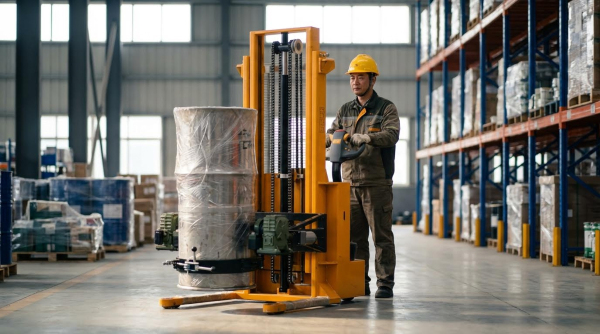
Scrap metal recycling converts non-reusable drums into ferrous scrap while wastewater management controls the contaminated rinses generated during cleaning and preparation.
Metal drums that fail inspection or are surplus can be washed and then recycled as ferrous scrap metal, avoiding landfill and reducing hazardous waste volumes Recycling benefits reference. Recycling or reuse can generate income (for example, on the order of tens of dollars per metric ton of scrap) and reduce your hazardous waste generator status under RCRA 40 CFR 262.
| Pathway | Key Requirement | Best For… |
|---|---|---|
| Ferrous scrap recycling | Drums cleaned to “empty” and free of gross contamination | Damaged or excess steel drums not suitable for reconditioning |
| On-site reuse as waste containers | Residues compatible with collected wastes | Facilities consolidating similar hazardous wastes |
| Wastewater treatment | Treat ~19 L (5 gallons) per drum at about $0.25/drum | Operations with predictable, moderate drum volumes |
| Wash solution management | Replace ~208 L (55 gallons) wash solution after ~200 drums | Batch operations that can schedule solution change-outs |
Rinse waters carry whatever the drum previously contained. They often require segregation of incompatible materials and may need hazardous waste disposal or special treatment, depending on test results and applicable discharge permits Wastewater treatment reference. Some national or regional standards, such as technical specifications for regenerating waste metal packaging up to 200 L, reference emission and hazardous waste identification standards to control air pollutants and waste classification Waste metal container standard.
- Segregate by chemistry: Keep acids, bases, oxidizers, reducers, and sulfides in separate wash campaigns – avoids violent reactions in rinse tanks.
- Test and classify wastewater: Use analytical results to decide if water is hazardous or can go to a permitted treatment system – prevents illegal discharges.
- Document scrap streams: Track weights and destinations – supports RCRA generator calculations and sustainability reporting.
💡 Field Engineer’s Note: Scrap yards increasingly demand written assurance that drums are clean and vented; delivering partially cleaned, sealed drums is a fast way to get blacklisted and forced back toward costly disposal.
Linking recycling to overall drum cost
An economic example showed that diverting about 1,000 drums per year into reuse and recycling, with washing and treatment, cost roughly $14,450 versus $32,185 for disposal, yielding annual savings around $17,735 and a payback under two years on a $30,000 washer investment Economic analysis reference. That type of analysis usually makes recycling the preferred answer over trying to find where to dump used oil drums.
For facilities managing large quantities of drums, investing in specialized equipment like a drum cart or manual pallet jack can significantly improve efficiency. Additionally, tools such as a hydraulic pallet truck or low profile pallet jack ensure smooth material handling operations.
Engineering Decisions: Safety, Economics, And Vendor Choice
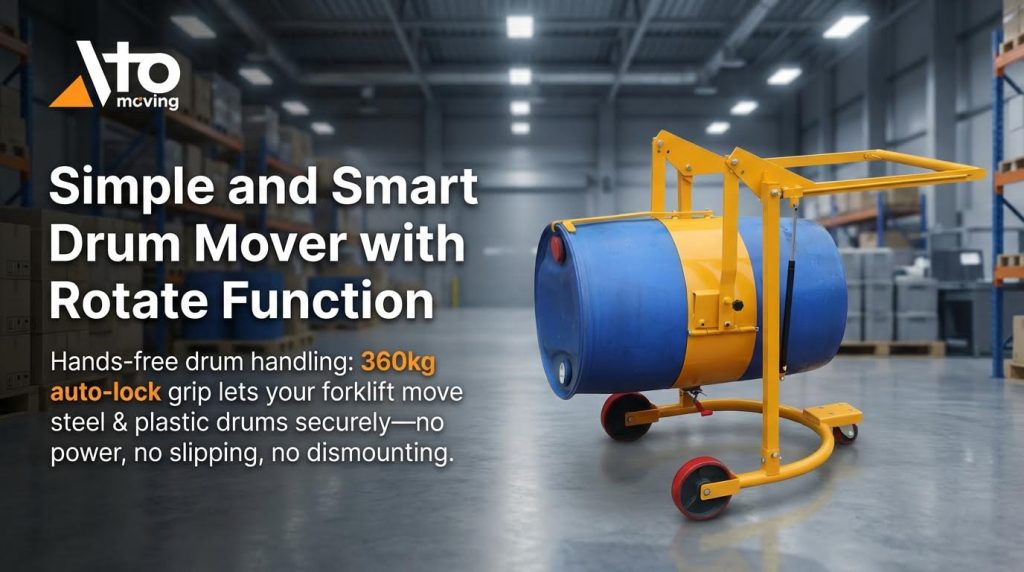
Engineering decisions for used oil drums balance chemical safety, lifecycle cost, and vendor capability, not just “where to dump used oil drums.” The safest and cheapest path is usually compliant reuse or recycling, not disposal.
- Safety First: You must control residual chemical risk before reuse or recycling – this prevents fires, toxic releases, and regulatory violations.
- Economics Matter: Drum diversion (cleaning/reuse) often halves total cost versus disposal – this protects budgets and supports sustainability targets.
- Vendor Capability: The right vendor understands RCRA, DOT, and local codes – this keeps your operation compliant and audit‑ready.
- System View: Include wastewater, labor, and handling when comparing options – this avoids “cheap drum, expensive waste” traps.
💡 Field Engineer’s Note: When you ask a vendor where to dump used oil drums, a good one will correct the question and walk you through how to legally empty, recondition, or recycle them instead. If they jump straight to landfill or incineration without discussing 40 CFR 261.7, reuse options, or wastewater handling, treat that as a red flag.
Chemical compatibility and residual risk control
Chemical compatibility and residual risk control mean matching drum history and residues to any new contents so you avoid dangerous reactions while meeting “legally empty” rules.
Before you decide where to dump used oil drums, you must understand what is still inside them. Residues that do not meet the legal definition of “empty” under 40 CFR 261.7 remain regulated and can still drive fire, toxicity, and corrosion risks. Drums with residues may be reused as collection containers for compatible hazardous wastes, but only if you verify chemical compatibility to avoid heat generation, toxic gas release, violent reactions, or explosions. Common incompatible pairs include acids with bases, oxidizers with reducers, and inorganic sulfides with acids. Technical guidance on drum reuse and compatibility
| Decision Point | Key Engineering Question | Typical Action | Operational Impact |
|---|---|---|---|
| Legal emptiness | Is residue <3% by weight or <25 mm depth? | Classify as “empty” per 40 CFR 261.7 for many non‑acute wastes | Enables recycling instead of hazardous waste disposal |
| Acute vs non‑acute contents | Did the drum hold acute hazardous waste? | Triple‑rinse with suitable solvent before reuse | Higher rinsing cost but unlocks compliant recycling |
| Chemical compatibility | Are old residues compatible with proposed new contents? | Use chemical safety references to screen combinations | Prevents runaway reactions and drum failures |
| Residue segregation | Are incompatible residues stored together? | Segregate drums by residue class before washing | Reduces risk of reaction in wash systems or storage areas |
| Corrosion and fatigue | Has the drum wall thinned or pitted? | Reject from reuse; send to scrap metal recycling | Prevents leaks and collapses in handling and transport |
- Verify “empty” status: Check that residues meet the <3% by weight or <25 mm depth criteria – this often shifts a drum from hazardous waste to recyclable container.
- Respect acute wastes: Triple‑rinse drums that held acute hazardous waste with an appropriate solvent – this is mandatory to reach “empty” status.
- Segregate residues: Store non‑empty drums by chemical family (oils, acids, bases, oxidizers) – this reduces accidental mixing during handling or washing.
- Screen compatibility for reuse: Only refill with the same or compatible products – this turns a liability drum into a safe secondary container.
- Inspect structure: Look for pitting, wall thinning, or deformation – this keeps weak drums out of pressure, stacking, or transport service.
How to integrate compatibility checks into your drum workflow
Build a simple matrix listing your main product families (e.g., mineral oil, synthetic oil, acids, bases, oxidizers). Mark allowed and forbidden pairings using standard chemical compatibility charts. Tie this matrix to barcode or label systems on drums so operators can see, at a glance, whether a drum that previously held one substance can safely receive another. Always default incompatible or unknown combinations to a cleaning/reconditioning route before any reuse.
💡 Field Engineer’s Note: In real plants, the highest drum risks often come from “miscellaneous” or “unknown” labels. Treat any unknown‑content drum as incompatible by default and route it to controlled cleaning and characterization. This costs less than one emergency response to a toxic gas release from mixing residues.
TCO modeling for reuse versus disposal

TCO modeling for reuse versus disposal means comparing all lifecycle costs—labor, equipment, wastewater, and new-drum purchases—so you choose the lowest real cost, not just the lowest line item.
When managers ask where to dump used oil drums, the better engineering question is what total cost you avoid by diverting drums into reuse or recycling instead of disposal. A case study for 1,000 drums per year, each around 4.5 kg (10 lbs), showed that cleaning and recycling (diversion) cost about $14,450 annually versus $32,185 for disposal, yielding savings of roughly $17,735 per year and a payback of under two years on a cleaning system costing $30,000. Diversion costs included labor, detergent, rinse water treatment, and utilities, while disposal costs were driven by new drum purchases, hazardous waste disposal, and solid waste fees. Economic analysis of drum recycling vs disposal
| Cost Component | Reuse/Recycling (Diversion) | Disposal Path | Operational Impact |
|---|---|---|---|
| Capital equipment | Approx. $30,000 for washer/recycler | None dedicated, but higher recurring costs | Paid back in <2 years at 1,000 drums/year |
| Labor | ≈ $10,000/year for operating wash system | Lower direct handling labor | Labor offsets major savings in new drum purchases |
| Detergent and consumables | ≈ $4,000/year for wash chemistry | Minimal | Enables compliant cleaning and reconditioning |
| Rinse water treatment | ≈ $250/year; ≈ 19 L wastewater per drum at $0.25/drum | Not applicable or minimal | Creates a manageable new waste stream |
| Utilities (power, steam) | ≈ $200/year | Minimal | Small share of total cost |
| New drum purchases | Near zero for reconditioned internal reuse | ≈ $30,000/year | Main driver of disposal cost premium |
| Hazardous waste disposal | ≈ $0–2,000/year depending on residues | ≈ $2,000/year | Reduced by diverting drums from waste stream |
| Solid waste disposal | ≈ $0–185/year | ≈ $185/year | Minor but still present in disposal path |
| Total annual cost | ≈ $14,450 | ≈ $32,185 | Reuse/recycling saves ≈ $17,735/year at this scale |
- Quantify your volume: Start by counting drums per year and average mass – this lets you scale the case-study economics to your facility.
- Include avoided purchases: Treat every drum reused internally as a drum you did not buy – this is usually the biggest saving.
- Account for wastewater: Add treatment cost for ≈ 19 L per drum, or your tested value – this prevents underestimating diversion costs.
- Model regulatory benefits: Factor in reduced hazardous waste generator status and related admin work – this can lower RCRA compliance overhead.
- Compare over 3–5 years: Run TCO over multiple years, not just one – this captures equipment life and payback properly.
Simple step-by-step to build your own TCO model
- Step 1: Count annual drum throughput – volume drives both disposal and diversion economics.
- Step 2: Gather current costs for new drums, hazardous and solid waste disposal – this sets your baseline.
- Step 3: Get vendor quotes for washing/reconditioning equipment and operating costs – this defines diversion expenses.
- Step 4: Add wastewater testing and treatment costs per drum – this closes a common blind spot.
- Step 5: Project both scenarios over 3–5 years and calculate payback and net savings – this supports capital approval.
💡 Field Engineer’s Note: In most plants I have worked with, once annual drum volume exceeds a few hundred units, the question is no longer where to dump used oil drums. The math almost always favors some mix of in‑house or third‑party reconditioning and scrap recycling, with disposal reserved for badly damaged or contaminated outliers.
Final Considerations For Compliant Drum Management
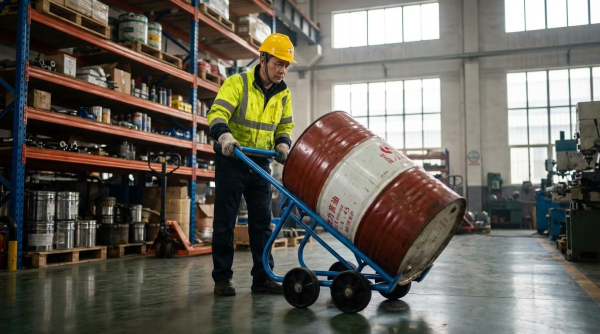
Final drum management decisions must prioritize legal definitions, residue control, and vetted outlets instead of casually deciding where to dump used oil drums. Done correctly, you cut risk, save money, and stay inside RCRA and transport rules.
For anyone asking where to dump used oil drums, the compliant answer is: you do not “dump” them at all. You either manage them to the legal definition of empty, reuse them safely, or send them to qualified reconditioners or scrap recyclers.
- Confirm “legally empty” status: Verify each drum meets 40 CFR 261.7 – less than 3% by weight or under about 25 mm (1 in) residue, or triple-rinsed for acute wastes, before treating it as non-hazardous. Regulatory definition details are summarized here.
- Separate by condition and contamination: Sort intact, lightly contaminated steel drums, badly damaged drums, and plastic drums – this streamlines decisions for reuse, reconditioning, or scrap metal recycling.
- Use qualified reconditioners: Send reusable drums to facilities that strip to bare metal, inspect, and remark to 49 CFR 178 – this keeps packaging performance and transport compliance intact. Typical reconditioning steps are described here.
- Route scrap correctly: For drums that cannot be reused, use permitted scrap metal recyclers – this turns a liability into ferrous scrap value instead of a hazardous solid waste burden.
- Control rinse water as a separate waste stream: Treat drum-wash wastewater as its own regulated stream – each drum can generate several litres of contaminated water that may need special treatment or hazardous disposal. Example cost and volume figures are available here.
- Exploit reuse economics: Compare the full cost of disposal versus diversion – case studies show that cleaning and recycling about 1,000 drums per year can save on the order of tens of thousands of dollars annually, with equipment payback in under two years. One documented example quantifies savings and payback.
- Match residues and future contents: When reusing non-empty drums as collection containers, keep contents chemically compatible – never mix acids with bases, oxidizers with reducers, or inorganic sulfides with acids, to avoid heat, gas, or explosion hazards. Compatibility guidance is outlined here.
- Document outlets and manifests: Keep contracts, certificates of destruction, and shipping documents – this proves you did not “dump” drums but sent them to regulated handlers, which is critical in audits or incident investigations.
- Align with broader environmental goals: Use drum recycling to reduce hazardous waste generator status – this can lower your RCRA compliance load (recordkeeping, reporting, inspections) while supporting waste-prevention policies. Policy and compliance benefits are discussed here.
How to choose a compliant outlet instead of “dumping” drums
When you evaluate where to send used oil drums, ask each vendor:
- Certification and permits: Confirm they are permitted for drum reconditioning, hazardous waste handling, or scrap processing in your jurisdiction.
- Process description: Require a written process for cleaning, inspection, and marking, including how they manage wash water and residues.
- Residue management: Verify that any oils, sludges, or contaminated rinses go to licensed treatment, storage, and disposal facilities.
- Traceability: Ensure you receive documentation tying your drum shipments to their treatment or recycling outcome.
This vetting process replaces the unsafe idea of “where to dump used oil drums” with a defensible, auditable disposal and recycling chain.
💡 Field Engineer’s Note: In practice, the biggest compliance failures I have seen did not come from how plants handled full drums, but from “empty” ones left outside with a few litres of oil in the bottom. Treat every used drum as a managed asset with a defined outlet; once you have a standard path to drum palletizer or drum cart and a simple inspection checklist, those risky orphan drums stop accumulating behind the warehouse.

Final Considerations For Compliant Drum Management
Effective drum management starts with engineering discipline, not disposal shortcuts. Define “legally empty” by 40 CFR 261.7, then route each drum by condition, chemistry, and structural integrity. This single decision point drives whether the drum remains a hazardous package or becomes a recyclable asset.
Washing, reconditioning, and scrap recycling form one integrated system. Washers remove residues and control wastewater. Reconditioners restore geometry and markings so drums safely re-enter service. Scrap outlets convert failed units into ferrous value once residues are neutralized. Together, these steps turn a liability into a documented material flow.
Operations teams should lock in three habits. First, segregate drums by residue family and damage level at receipt. Second, build a simple compatibility matrix and apply it before any reuse. Third, model total cost over several years, including wastewater and avoided drum purchases. The numbers usually favor diversion over disposal.
Finally, choose vendors and handling equipment with the same care you apply to process vessels. Qualified recyclers, audited reconditioners, and purpose-built handling tools from Atomoving support safe movement, cleaning, and routing. When you treat every drum as engineered packaging with a defined end-of-life path, you protect workers, meet RCRA and transport rules, and cut long-term cost.
Frequently Asked Questions
Where can I safely dispose of used oil drums?
Used oil drums should never be dumped outside, in garbage cans, or down drains due to their toxic nature and potential environmental damage. Instead, consider these options:
- Take damaged or unusable drums to your local landfill or a drum disposal service that cleans and prepares barrels for reuse Oil Container Reuse Guide.
- Contact certified oil service companies or hazardous waste haulers who are authorized to handle and recycle such materials.
- Check with local retailers like NAPA Auto Parts, which often accept used motor oil and related products for recycling NAPA Recycling Info.
What are some eco-friendly ways to repurpose used oil drums?
If the drums are in good condition, they can be repurposed instead of discarded. Here are some ideas:
- Donate them to recycling centers or organizations that specialize in reusing industrial containers.
- Convert them into planters, outdoor furniture, or vertical gardens Creative Drum Uses.
- Use them as storage containers after thorough cleaning and proper labeling.
Can I recycle plastic oil drums, and how?
Yes, many plastic oil drums can be recycled. Follow these steps:
- Contact local waste management authorities or recycling centers to learn about specific programs for plastic drum recycling.
- In areas like California, specialized facilities may exist for handling large plastic drums Plastic Drum Recycling CA.
- Ensure drums are clean and free of hazardous residues before sending them for recycling.