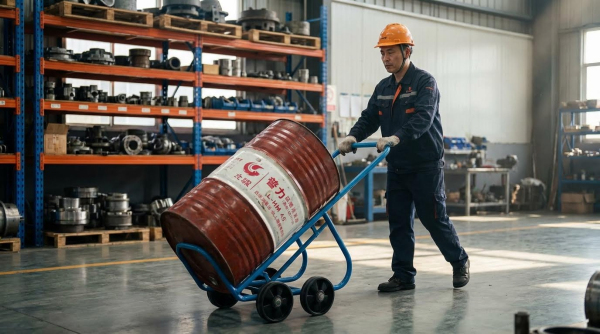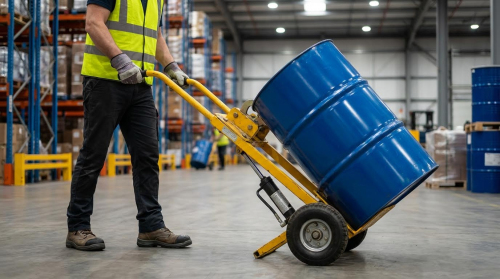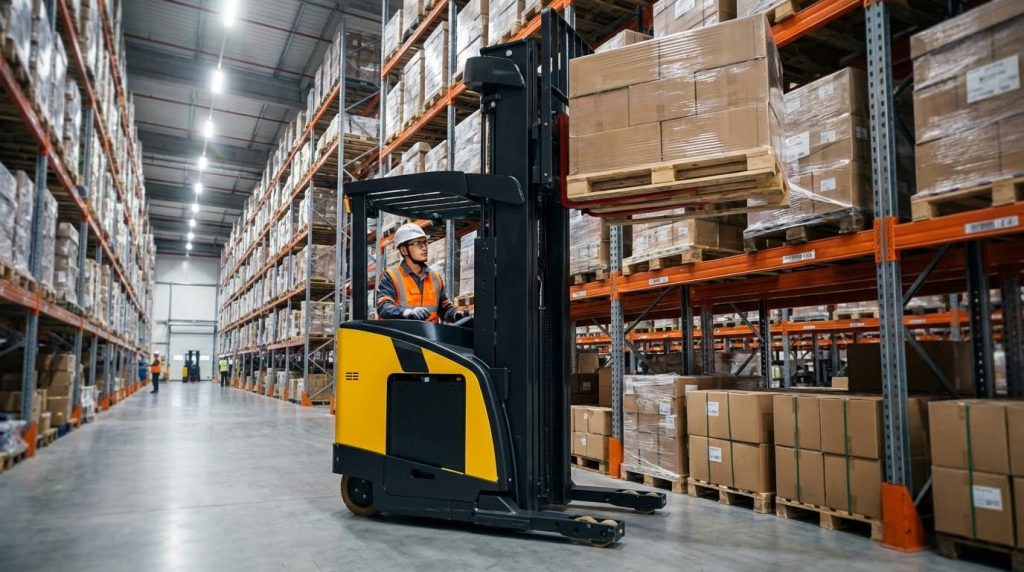
Electric forklifts are worth it for most indoor and multi-shift operations because lower energy, maintenance, and downtime costs usually outweigh the higher purchase price within 1–2 years. This guide breaks down real payback, total cost of ownership, and when electric makes engineering and financial sense.
If you are asking are electric forklifts worth it for your specific facility, the answer depends on hours per year, number of shifts, and your fuel and electricity rates. We will translate real-world numbers on battery life, charging, maintenance, and resale value into clear payback timelines so you can justify your next fleet decision with data, not guesswork.
Understanding Electric Forklift Economics
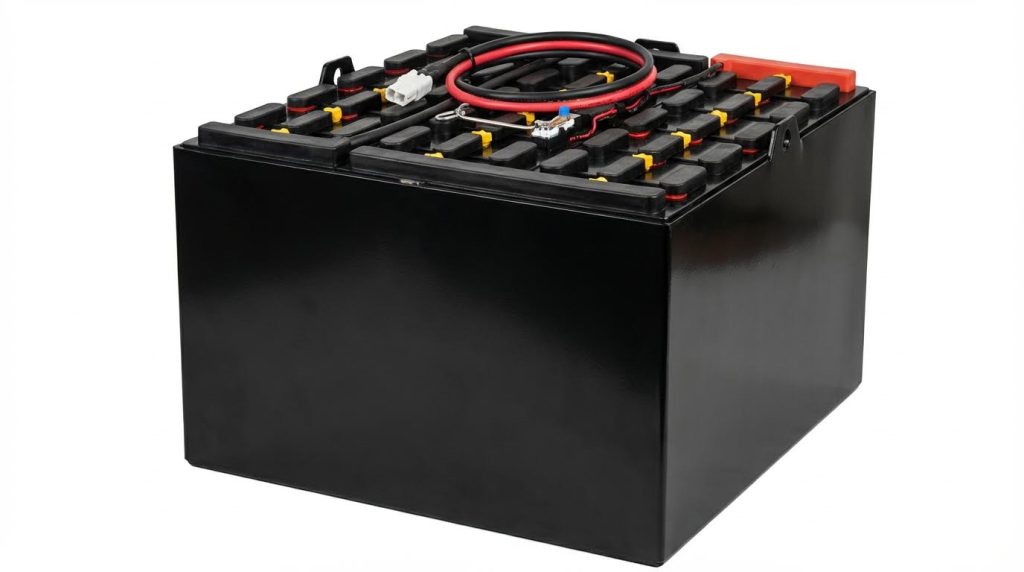
Electric forklift economics come down to higher upfront price but significantly lower energy and maintenance costs, so whether are electric forklifts worth it depends on your hours of use, shifts, and local power/fuel prices.
To keep this section practical, we will focus on three pillars: what you actually pay for in the truck and powertrain, what you spend every year to run it, and how those pieces add up over a 5–10 year life.
Breaking Down Purchase Price And Powertrain
Electric forklifts cost more to buy because you are purchasing both the truck and a high-value power pack, but that same powertrain is what unlocks your long-term savings.
The table below breaks out typical price bands and what part of the machine is really driving that number.
| Item | Typical Cost Range (USD) | What Drives Cost | Operational Impact |
|---|---|---|---|
| Electric forklift (standard capacity) | $20,000–$60,000 Source | Battery type (lead-acid vs lithium-ion), capacity, mast height, options | Higher ticket, but energy and maintenance savings improve lifecycle ROI |
| IC forklift (standard capacity) | $15,000–$40,000 Source | Engine size, fuel type (LPG/diesel), emissions package | Lower entry cost, but higher fuel and maintenance over life |
| Lead-acid battery + charger | $3,000–$8,000+ (battery only) Source | Capacity (Ah), voltage, brand, charger spec | Lower upfront, but needs watering, equalization, and eventual replacement |
| Lithium-ion battery + charger | Often $5,000–$20,000+ share of truck price Source | Energy capacity, integrated BMS, fast/opportunity charging capability | High upfront, but 2–3× life, fast charge, no maintenance; ideal for multi‑shift |
- Truck chassis and mast: Steel structure, hydraulics, and drive axle – Sets basic capacity (e.g., 1,500–5,000 kg) and lift height.
- Electric powertrain: Traction motor, pump motor, controller, and wiring – Delivers smooth torque, regenerative braking, and low noise.
- Battery system: Lead-acid or lithium-ion pack plus charger – Determines runtime, charging pattern, and replacement cycle.
- IC powertrain (for comparison): Engine, transmission, cooling, exhaust – Lower purchase price but more wear items and fluids.
How battery choice reshapes your budget
Lead-acid looks cheaper at the start, but you normally budget one full replacement around year 4–6 in single-shift work. Lithium-ion can run 3,000+ cycles (roughly 8–10 years in many fleets) with no watering and far shorter charging windows, which is why multi-shift users often accept the higher initial bill for a lower cost per operating hour. Reference
💡 Field Engineer’s Note: When you compare quotes, always strip out attachments and options and line-item the battery and charger. That is where 20–40% of an electric truck’s price sits, and it is also where most of your long-term savings (or headaches) start.
Energy, Maintenance, And TCO Fundamentals
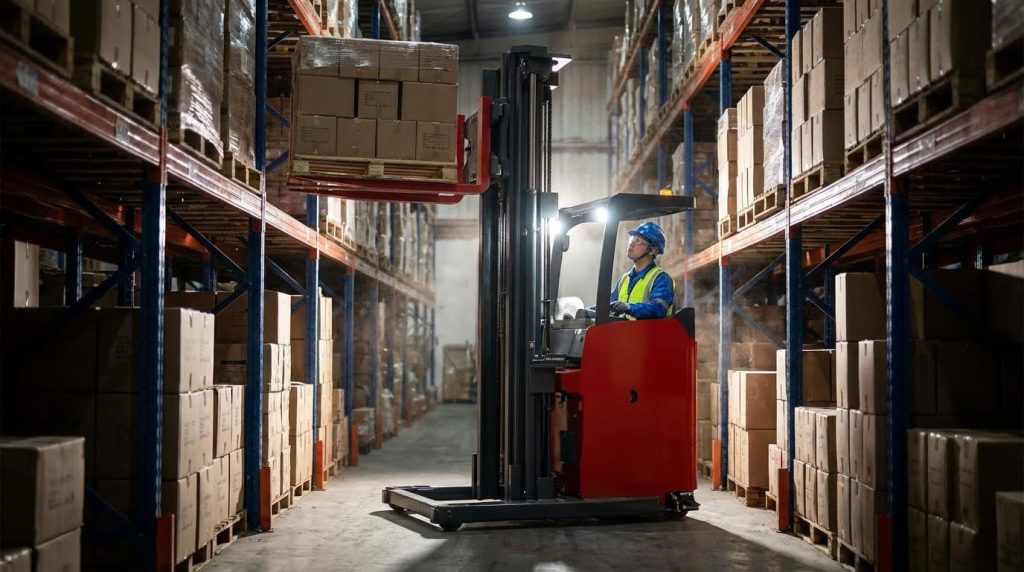
Electric forklifts shift your cost profile from fuel and maintenance to electricity and batteries, which is why their total cost of ownership often beats IC trucks over 5+ years.
The numbers below show why frequent users usually answer “yes” when they ask themselves are electric forklifts worth it.
| Cost Component | Electric Forklift | IC Forklift (LPG/Diesel) | Operational Impact |
|---|---|---|---|
| Annual energy/fuel cost | $500–$2,000 electricity Source | $3,000–$10,000 fuel Source | Electric can save several thousand dollars per truck per year |
| Per-charge / per-day running cost | $3–$5 per charge cycle Source | $18–$25 daily fuel Source | Lower variable cost per operating day with electric |
| Annual maintenance cost | $500–$2,000 Source | $2,000–$5,000 Source | Electric typically runs 25–50% cheaper to maintain |
| Maintenance intensity | 35–50% fewer maintenance hours; 70% fewer moving parts Source | Regular oil, filters, plugs, cooling, exhaust service | Less downtime and fewer emergency calls with electric |
| 5-year TCO (single-shift, 1,500 h/year) | $41,750 (lead-acid), $43,500 (lithium) Source | $59,500 (diesel) Source | Electric saves roughly $16,000–$18,000 over 5 years |
| 5-year TCO (multi-shift, 3,000 h/year) | $53,500 (lead-acid), $49,000 (lithium) Source | $91,000 (diesel) Source | Lithium electric can save >$40,000 vs diesel in heavy use |
- Energy efficiency: Electric trucks often use 15–20% less energy than IC engines for the same work, with regenerative braking recovering 8–12% of energy in stop‑start duty. This directly lowers your kWh or fuel per pallet moved. Reference
- Lifecycle and residual: Electric forklifts typically run 10,000–12,000 hours and retain 35–40% of their value after five years, about 25% better than diesel in many fleets. This improves your resale or trade‑in position. Reference
- Payback period: In multi‑shift operations, fuel and maintenance savings alone often recover the electric premium in 12–24 months. After that, you are effectively “printing” savings every year. Reference
Non-financial factors that still affect economics
Zero tailpipe emissions and low noise matter economically because they reduce ventilation requirements, improve worker comfort, and help you meet food, pharma, and indoor air-quality rules. Electric fleets also position you better for government incentives and carbon reporting, which can translate into tax credits or avoided penalties over the truck’s life. Reference
💡 Field Engineer’s Note: When you model TCO, use your real operating hours, local electricity and fuel tariffs, and expected battery life. Generic averages hide the fact that high‑hour trucks in 2–3 shift work can justify premium lithium‑ion packs very quickly, while low‑hour seasonal units might never earn back the extra capital.
Technical Cost Comparison: Electric Vs IC
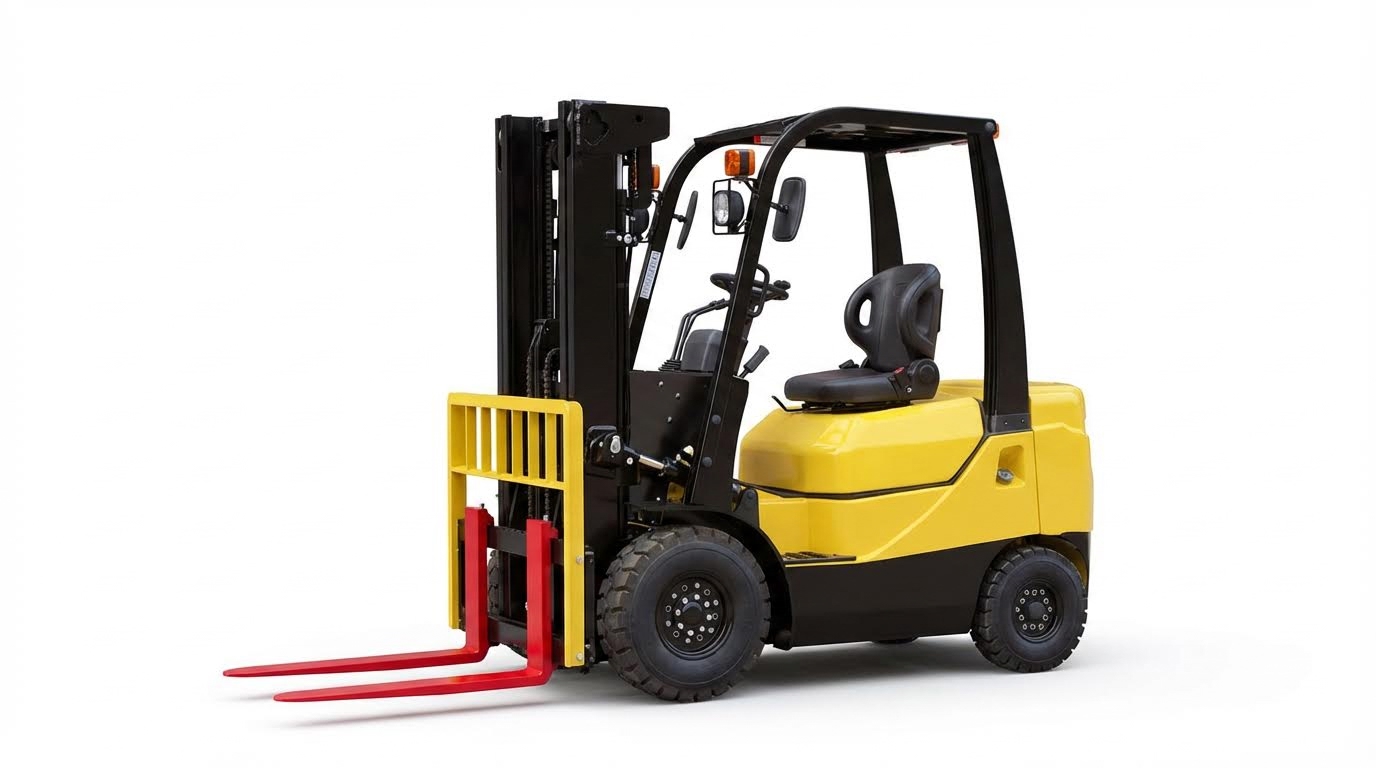
Electric forklifts usually cost more to buy but less to run, so over 5 years they often beat IC on total cost. This is the section where we turn “are electric forklifts worth it” into hard numbers.
| Cost Dimension | Electric Forklift | IC (Diesel/GLP) Forklift | Operational Impact |
|---|---|---|---|
| Initial purchase price | ≈ $20,000–$60,000; battery/charger ≈ $5,000–$20,000+ Price reference | ≈ $15,000–$40,000 for standard capacities Price reference | IC is cheaper on day one; electric recovers this through lower running costs. |
| Energy/fuel cost per year | ≈ $500–$2,000 electricity for charging Energy cost data | ≈ $3,000–$10,000 fuel (diesel/GLP) Energy cost data | Electric typically saves several thousand dollars per truck per year in energy alone. |
| Maintenance cost per year | ≈ $500–$2,000; 35–50% fewer maintenance hours than IC Maintenance comparison | ≈ $2,000–$5,000; frequent oil, filters, engine work IC maintenance data | Electric trims 25–60% off maintenance budgets, especially at high hours. |
| 5‑year TCO (single shift, ≈1,500 h/year) | Lead‑acid ≈ $41,750; Li‑ion ≈ $43,500 5‑year TCO data | Diesel ≈ $59,500 5‑year TCO data | Electric saves ≈ $16,000–$18,000 per truck over 5 years at single shift. |
| 5‑year TCO (multi‑shift, ≈3,000 h/year) | Lead‑acid ≈ $53,500; Li‑ion ≈ $49,000 Multi‑shift TCO | Diesel ≈ $91,000 Multi‑shift TCO | Li‑ion electric can save ≈ $40,000+ per truck versus diesel in heavy use. |
| Typical payback time vs diesel | ≈ 18–24 months at 6+ hours/day use Payback reference | Not applicable (baseline) | After payback, most savings drop straight to your bottom line. |
| Lifespan (operating hours) | ≈ 10,000–12,000 h Electric life data | ≈ 8,000–10,000 h IC life data | Electric often delivers 10–30% more productive life per truck. |
| Residual value at 5 years | ≈ 35–40% of original price; 25% higher than diesel Residual value data | Lower; typically 25% less than electric at same age Residual value data | Higher resale tightens the real cost gap even further in favor of electric. |
- Key takeaway: Over a 5‑year horizon, electric fleets typically cut total cost of ownership by around 40% versus IC, especially in multi‑shift work. This is the core financial answer to “are electric forklifts worth it”.
💡 Field Engineer’s Note: When you compare quotes, normalize everything to “cost per operating hour” (including energy, maintenance, and expected life). A slightly higher‑priced 2,000‑hour/year electric can still beat a “cheap” IC that burns fuel in a 3,000‑hour/year application.
Battery Technologies: Lead-Acid Vs Lithium-Ion
Lead‑acid batteries minimize upfront cost, while lithium‑ion maximizes uptime and long‑term savings. Choosing correctly is critical to making your electric forklifts truly worth it in your operation.
| Factor | Lead‑Acid Electric Forklift | Lithium‑Ion Electric Forklift | Operational Impact |
|---|---|---|---|
| Typical lifespan (cycles) | ≈ 1,500 cycles (≈ 3–5 years single shift) Lead‑acid life | 3,000+ cycles (≈ 6–10 years) Li‑ion life | Li‑ion can last 2–3× longer, reducing replacement events and downtime. |
| Upfront battery cost | Lower; typical replacement ≈ $3,000–$8,000+ Lead‑acid cost | Higher; part of the $5,000–$20,000+ battery/charger package Li‑ion cost | Lead‑acid wins on entry price; Li‑ion wins on life‑cycle cost in heavy use. |
| Charging time | ≈ 8+ hours for full charge; needs cool‑down Lead‑acid charging | ≈ 1–2 hours to full; 80% in ≈ 60 minutes Li‑ion charging | Li‑ion supports breaks and lunch charging, ideal for multi‑shift or 24/7. |
| Opportunity charging | Limited; frequent partial charges shorten life | Designed for safe opportunity charging Opportunity charging | Li‑ion lets you “top up” whenever the truck stops, keeping fleets running. |
| Maintenance needs | Weekly watering, equalization, corrosion checks Lead‑acid maintenance | Essentially maintenance‑free, sealed units Li‑ion maintenance | Li‑ion removes a regular labour task and the risk of battery abuse. |
| Charging infrastructure | Requires ventilated charging room due to hydrogen gas Ventilation requirement | No vented room required; chargers near work area Charging area | Li‑ion can free up floor space and reduce building modification costs. |
| Weight and stability | Very heavy packs (≈ 900–1,800 kg) add counterweight mass Battery technology | Lighter than lead‑acid for same energy | Lead‑acid weight can help stability; Li‑ion helps where floor loading is limited. |
- Best for low‑intensity, cost‑sensitive sites: Lead‑acid – Lowest entry cost; works well for single‑shift warehouses with planned overnight charging.
- Best for multi‑shift and 24/7 operations: Lithium‑ion – Higher purchase price but superior uptime, life, and labour savings.
How battery choice affects “are electric forklifts worth it”
If you under‑spec batteries, operators lose time waiting on charges or swapping packs. If you over‑spec (for example, Li‑ion in a light, 3‑hour/day application), you tie up capital you may not recover. Always size battery technology to your actual operating hours, not just nameplate truck capacity.
Quantifying Energy And Maintenance Savings
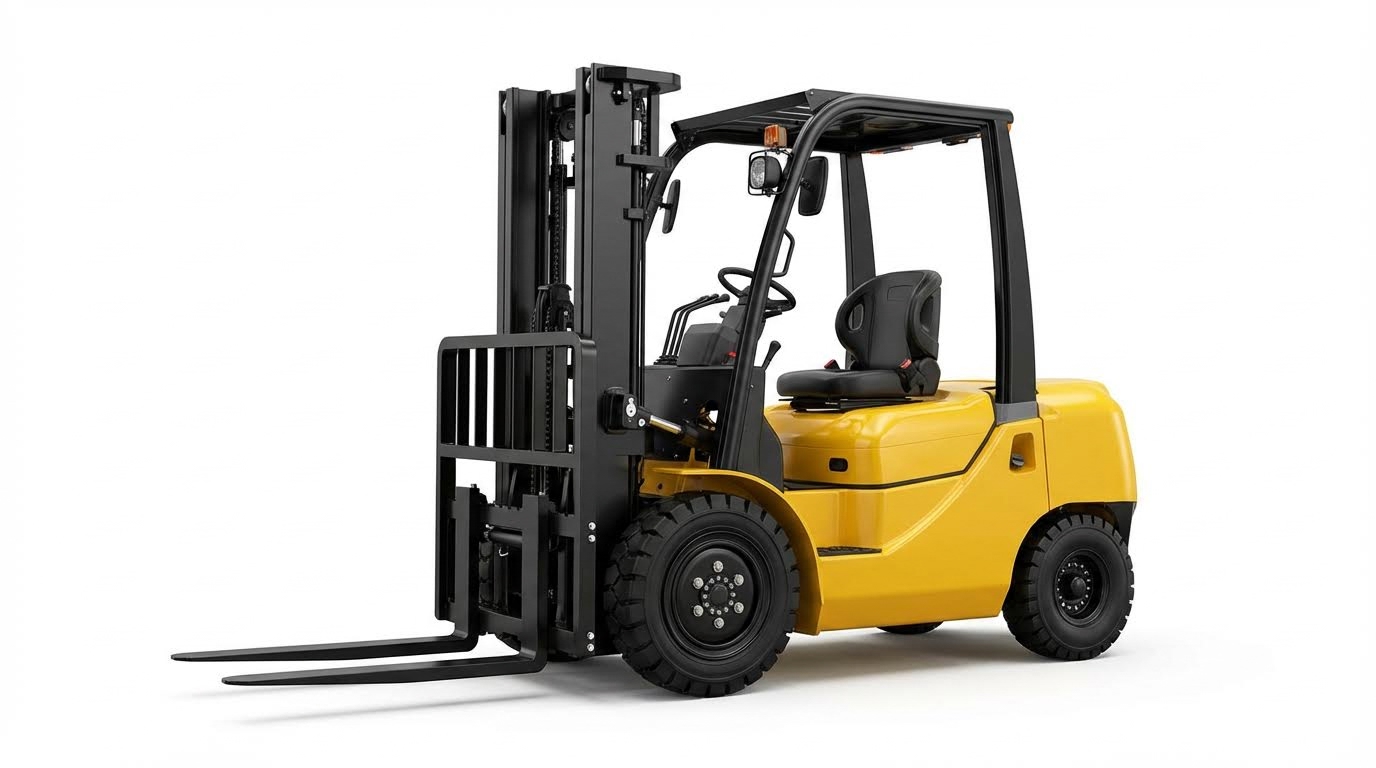
Energy and maintenance savings are where electric forklifts quietly repay their higher sticker price. Once you quantify these per truck, the ROI answer becomes very clear.
Matching Electric Forklifts To Your Operation Electric forklifts pay off when your shift pattern, load profile, and building constraints align with their charging needs, lower running costs, and cleaner, quieter operation, answering the question “are electric forklifts worth it” in real-world terms.The economics are only half the story; the other half is operational fit. In this section we map typical use cases and facility constraints to the right powertrain and battery choice so you avoid expensive mis-specification.Single-Shift, Multi-Shift, And 24/7 Use CasesShift pattern is the fastest way to decide if electric forklifts are worth it for your site, and which battery technology you should choose.The tables below link typical operating hours to battery type, infrastructure, and cost behavior so you can see where electric starts to outperform IC in practice.Energy and maintenance behavior changes sharply as hours increase. Electric fleets typically see 43% lower total cost of ownership over five years, driven by cheaper electricity, 35–60% lower maintenance, and higher resale value compared with IC in multi-shift operations.
- Single-shift indoor warehouses: Lead-acid electric is usually the lowest total cost option – you avoid fuel spend and can charge overnight with one battery.
- Multi-shift or 24/7 DCs: Lithium-ion electric almost always answers “are electric forklifts worth it” with a yes – fast charging and zero daily maintenance unlock high uptime.
- Outdoor, rough, low-hour work: IC can still make sense – fuel infrastructure already exists and charging may be impractical.
How to map your hours to battery choice
Below ≈ 1,500 h/year, a single lead-acid battery often lasts an entire shift and a full 5-year term before replacement. Between 1,500–3,000 h/year, you either add a second lead-acid battery and change-out area, or move to lithium-ion with opportunity charging. Above ≈ 3,000–4,000 h/year, lithium-ion almost always wins on productivity and lifecycle cost, because 3,000+ cycle life aligns with high-hour usage without mid-life replacement.
💡 Field Engineer’s Note: In real fleets, the biggest ROI killer is not “battery life” but idle time waiting for a charged unit. For multi-shift sites, design charging around breaks and driver changes from day one; otherwise trucks end up queuing at chargers and your theoretical savings evaporate.
Facility Constraints, Safety, And Compliance Your building layout, air quality rules, and noise limits often decide faster than spreadsheets whether electric forklifts are worth it for your operation.This is where electric’s zero emissions, low noise, and simpler infrastructure can unlock projects that IC trucks simply cannot do safely or legally.
- Clean and regulated environments: Electric is not just “worth it” but often non-negotiable – zero emissions and low noise keep you inside safety and environmental rules.
- Space-limited facilities: Lithium-ion avoids separate battery rooms – you charge at parking spots and free up floor area for racking.
- High-rack, precision handling: Regenerative braking and smooth AC drive improve low-speed control – less rack damage and safer placement at 8–12 m heights.
Safety and compliance checklist before switching to electric
Confirm local air quality and noise regulations for indoor equipment. Assess whether you need explosion-proof or spark-protected trucks for flammable zones. For lead-acid, allocate a ventilated charging and battery-change area with eye-wash and spill kits. For lithium-ion, confirm charger placement, cable protection, and emergency shut-down procedures. Train operators on daily inspections, including hydraulic leaks, tire damage, and brake tests before starting work, and set up weekly/monthly maintenance routines for chains, mast lubrication, and battery checks as recommended for electric fleets.
💡 Field Engineer’s Note: When we survey older warehouses, the surprise constraint is often floor loading near proposed charging areas. A single lead-acid battery can exceed 900–1,800 kg; concentrate a dozen in one corner and you overload slabs. Spread chargers along travel aisles or move to lighter, sealed lithium-ion packs to avoid costly floor reinforcement.
 Final Assessment: When Electric Forklifts Pay OffAcross the analysis, electric forklifts prove their value when you run steady hours, work indoors, and control charging. Higher purchase price shifts into a predictable energy and battery investment. In return, you cut fuel spend, reduce maintenance hours, and extend useful life. That combination lowers cost per operating hour and improves uptime.Battery choice fine-tunes this result. Lead-acid fits single-shift and budget-driven sites that can spare a ventilated charging area. Lithium-ion suits multi-shift and 24/7 work where opportunity charging and low maintenance protect throughput. When you match battery technology to real hours, payback often arrives within two years and then keeps compounding.Facility rules and safety push the decision further toward electric. Zero exhaust, lower noise, and simpler infrastructure support air-quality compliance, worker comfort, and clean industries. IC trucks still hold a place outdoors on rough ground or where power is unreliable, but they rarely win in high-hour indoor fleets.The best practice for operations and engineering teams is clear. Model cost per hour using your own fuel and power rates, hours, and battery life. Then design charging, floor loading, and safety procedures up front. Do this well, and an Atomoving electric fleet will usually deliver lower lifetime cost and a safer, cleaner workplace.Frequently Asked QuestionsAre electric forklifts worth it?Electric forklifts are often worth the investment due to their lower operating costs, reduced maintenance needs, and eco-friendly operation. They are ideal for indoor use because they produce no emissions. However, their suitability depends on your specific application and load requirements. For more details on choosing the right equipment, check this Stacker vs Forklift Guide.
- Lower long-term operating costs compared to internal combustion forklifts.
- No harmful emissions, making them perfect for indoor environments.
- Quieter operation, which improves workplace comfort.
- Requires less frequent maintenance due to fewer moving parts.
Do electric forklifts need fire extinguishers?OSHA does not specifically require fire extinguishers on electric forklifts. However, if a fire extinguisher is provided, it must comply with maintenance standards like monthly visual inspections and annual checks. For more information, refer to this Forklift Safety FAQ.
| Constraint / Requirement | Electric Forklift Fit | IC Forklift Fit | Operational Impact |
|---|---|---|---|
| Indoor air quality | Zero tailpipe emissions; mandatory in many food, pharma, and cold storage sites with 72% fewer greenhouse gases than diesel | Risk of CO/NOx buildup; often banned indoors | Electric may be the only compliant option for enclosed warehouses and clean rooms |
| Noise limits | ≈ 60–68 dB; 10–40% quieter than IC reducing fatigue and improving communication | Higher dB; more fatigue and communication issues | Critical for night operations near offices or in urban locations |
| Ventilation and charging rooms | Li-ion: no special ventilation; Lead-acid: needs ventilated charging area due to hydrogen gas | Requires fuel storage compliance and exhaust extraction | Li-ion simplifies projects in tight buildings with limited spare space |
| Cold storage (down to -20°C) | Electric with suitable battery heating shows 18% higher uptime and fewer cold-start failures than diesel in frozen environments | Engines suffer cold-start issues and higher defrosting costs | Electric often wins on reliability and reduced defrosting costs in freezers |
| Outdoor, rough terrain | Usable if surfaces are firm and charging is available | Still preferred for very rough yards and remote sites | IC may remain the practical choice where power is unreliable |