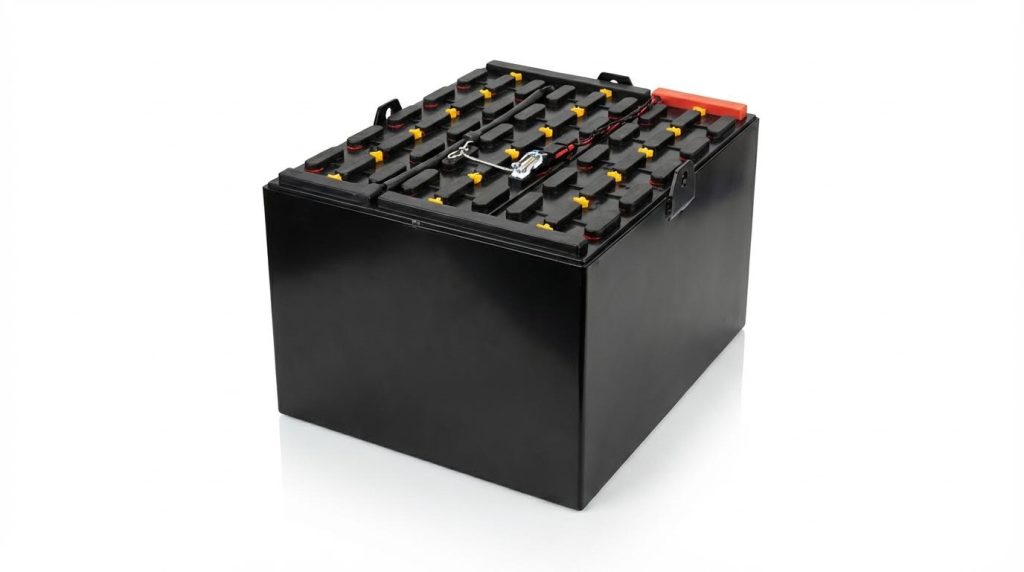
If you are asking who can charge and change batteries in electric powered forklifts, the answer is simple: only trained and authorized personnel. This guide explains the training, safety rules, and facility standards you need to stay compliant and protect your team. You will see how OSHA requirements, battery technology, and practical shop-floor procedures all connect. Use it as a blueprint to design safe charging areas, train operators, and reduce risk around high‑energy battery systems.
Who Is Authorized To Charge And Change Batteries?
The people who can charge and change batteries in electric powered forklifts are only those workers that the employer has formally trained, evaluated, and documented as “authorized” for that task. Everyone else must stay out of the charging/changing process and designated battery area.
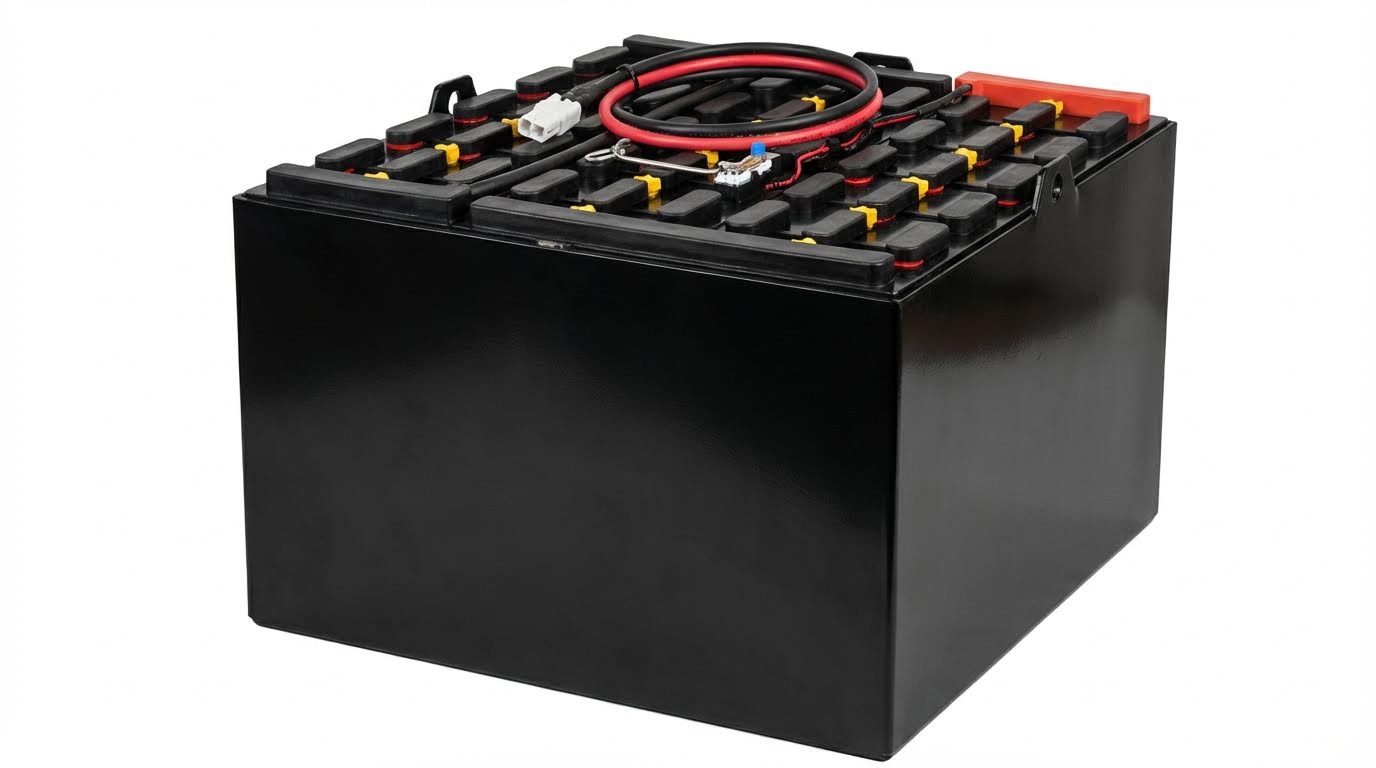
In practice, that means your written program must define who is allowed to touch traction batteries, what training they completed, and how you control access to chargers, battery rooms, and lifting devices. The goal is to prevent acid burns, hydrogen explosions, and crush/electrical injuries from 500–2,000 kg battery packs.
OSHA Requirements For “Trained And Authorized” Personnel
OSHA requires that only trained and authorized personnel handle industrial truck batteries, including charging, changing, and maintenance tasks. This applies directly to the question of who can charge and change batteries in electric powered forklifts.
- Formal training requirement: OSHA standard 1910.178(g)(1) mandates formal training for anyone handling industrial truck batteries – you cannot assign this as a casual task to untrained staff. See OSHA-based summary
- Scope of skills: Training must cover electrical safety, load management, hydrogen ventilation, spill response, and PPE use – not just “how to plug in a charger.” Reference
- Recertification interval: Certification must be renewed at least every three years, or sooner after an incident or major equipment change – this keeps skills current for new chemistries like lithium-ion. Details
- Battery-specific hazards: Training must address acid burns, hydrogen ignition, and heavy battery handling risks; electric forklift batteries often weigh 500–2,000 kg – a dropped pack can crush feet, racks, or the truck frame. Battery weight reference
- Lockout/Tagout (LOTO): Authorized personnel must know LOTO routines for isolating main battery breakers before maintenance – this prevents 48–80 V arcs that can deliver 100 A or more. LOTO guidance
- PPE enforcement: OSHA mandates acid-resistant gloves, ANSI-rated eye protection, and safety footwear when changing or charging batteries – this is especially critical around open lead-acid cells and spill neutralizers. PPE summary
- Penalties for non-compliance: Allowing untrained workers to charge or change batteries can trigger OSHA fines up to USD 15,625 per violation, plus possible criminal liability if injuries occur – this turns a “shortcut” into a serious legal exposure. Penalty reference
💡 Field Engineer’s Note: When auditors walk a site, one of the first things they ask is “Who is authorized to charge and change these batteries?” If your floor staff all give different answers, you already have a compliance problem, even before they inspect the chargers.
What documentation proves someone is “authorized”?
Maintain a simple matrix listing each worker, the date of initial battery training, topics covered (charging, changing, spill response, LOTO), and the date of last refresher. Attach copies of training records or certificates. Keep this accessible near the safety office or battery room.
Core Competencies For Battery Handlers
Authorized personnel must demonstrate specific competencies before they are allowed to charge or change batteries in electric powered forklifts. These competencies cover technical steps, hazard recognition, and emergency actions.
| Competency Area | What The Worker Must Be Able To Do | Operational Impact |
|---|---|---|
| Battery identification | Distinguish lead-acid vs lithium-ion packs and know voltage/class markings. | Prevents using wrong charger or settings, reducing fire and damage risk. |
| Charging procedures | Follow correct sequence: position truck, set brake, connect charger with proper polarity, and respect current limits (e.g. sealed vents <≈25 A). | Extends battery life and avoids overheating or venting during charge. OSHA procedure reference |
| Hydrogen control | Explain why vent caps must function, covers must be open, and ventilation kept clear during lead-acid charging. | Reduces explosion risk from hydrogen accumulation in battery rooms. Hydrogen safety |
| PPE selection and use | Choose and correctly wear goggles, face shield, acid-proof gloves, apron, and safety shoes for each task. | Minimizes eye, skin, and foot injuries from splashes and dropped components. PPE guidance |
| Manual and mechanical handling | Use lifting beams or appropriate equipment; never use chains that can distort cases. Understand weight range (≈500–2,000 kg). | Prevents back injuries and structural damage to batteries and trucks. Weight reference |
| Spill response | Use soda ash/baking soda to neutralize sulfuric acid, confirm pH 6–8, and dispose per local rules. | Turns a high-risk spill into a controlled clean-up, avoiding burns and environmental violations. Spill procedure |
| Emergency eyewash and drench use | Immediately flush eyes/skin for 15 minutes and seek medical help after acid exposure. | Limits severity of chemical burns and supports OSHA compliance for emergency facilities. Eyewash requirements |
| Lithium-specific checks | Recognize BMS or charger alarms, abnormal heat or smoke, and know when to stop charging and evacuate area. | Reduces risk of thermal runaway and fire in high-energy lithium packs. Lithium guidance |
- Daily area inspection: Authorized handlers must check that the charging zone is clear of combustibles, ventilation paths are open, and cables/connectors are intact before starting any charge – this is your last line of defense against small faults becoming incidents. Inspection reference
- Understanding “no smoking / no sparks” rules: Workers must know that smoking, open flames, and unprotected arcs are banned in charging areas due to hydrogen and flammable vapors – this is non-negotiable safety behavior. Area rules
💡 Field Engineer’s Note: A quick competency test I use: ask the handler to walk you through what they would do if a cell starts gassing heavily or a lithium pack shows a fault and feels hot. If they cannot give a clear, step-by-step answer, they are not ready to work alone.
Minimum practical test before authorizing someone
Have the trainee perform a supervised full cycle: pre-use inspection, safe connection, start of charge, mid-charge check, and shutdown, plus a mock spill response using neutralizer. Use a checklist and sign-off once they complete each step correctly.
Roles: Operators, Maintenance, And External Service
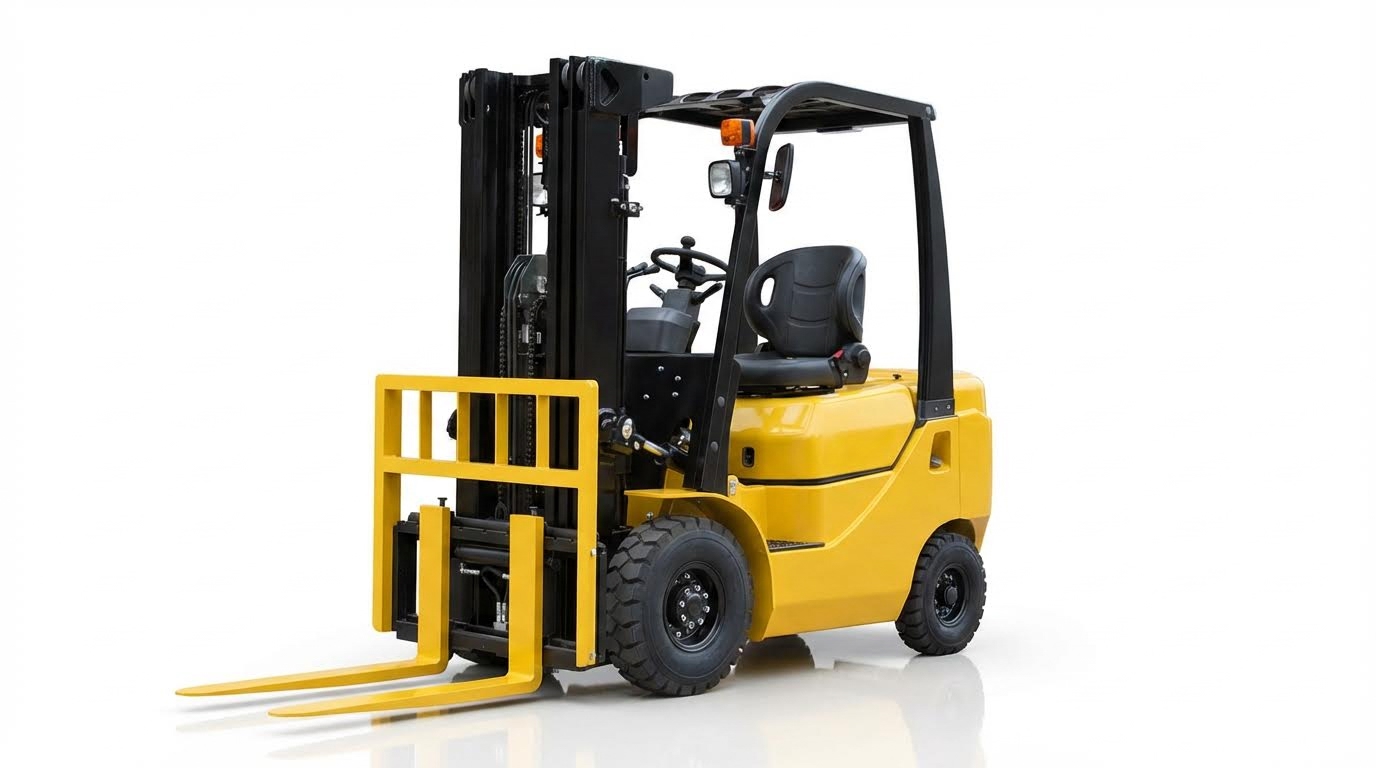
In a compliant facility, who can charge and change batteries in electric powered forklifts depends on their role, training depth, and the battery technology in use. Not every role needs the same level of authorization.
| Role | Typical Authorization Level | What They May Do | Best For… |
|---|---|---|---|
| Forklift operators | Basic battery-handling authorization after OSHA-compliant training. | Perform routine charging, basic visual inspections, and (where design allows) simple battery swaps using fixed equipment. | Single-shift or small fleets where operators manage their own energy between shifts. |
| In-house maintenance / technicians | Advanced authorization with deeper electrical and mechanical training. | Handle complex changes, troubleshoot chargers, perform LOTO, and coordinate spill response or damaged battery isolation. | Medium to large warehouses with multiple chargers and mixed chemistries. |
| External service providers | Specialist authorization, often OEM-certified. | Work on complex lithium-ion packs, BMS programming, module-level repairs, and end-of-life removal/disposal. | Sites running high-voltage lithium systems or lacking internal electrical expertise. Role split reference |
| Supervisors / managers | Program oversight, not hands-on by default. | Approve training, maintain authorization lists, ensure PPE and spill kits are stocked, and enforce area rules. | Any site that must demonstrate OSHA compliance and traceability of authorization. |
- Operators as primary chargers: Many facilities authorize operators to connect and disconnect chargers once trained, because charging is a daily task tied to shift changes – this keeps trucks available without waiting for maintenance staff.
- Maintenance for heavy battery changes: Where batteries are side-extracted or require cranes/rollers, only maintenance or specially trained handlers should perform changes – they understand load paths and equipment limits for 500–2,000 kg packs.
- External specialists for lithium: For large lithium-ion systems, external technicians often handle pack replacement and BMS work – incorrect wiring or missed voltage-balance checks can destroy controllers or trigger thermal events. Lithium requirements
💡 Field Engineer’s Note: A practical rule: if the task involves opening battery cases, bypassing interlocks, or touching anything inside a lithium pack, treat it as “external or senior technician only.” Routine plug-in charging can be operator-level, but anything beyond that needs specialist skills.
How to control who actually performs battery work on the floor
Use simple controls: key-locked charger panels, access badges for battery rooms, and signage stating “Authorized Personnel Only.” Train supervisors to stop and redirect anyone working on batteries without proper PPE or listed authorization.
Technical Safety Standards For Battery Charging Areas
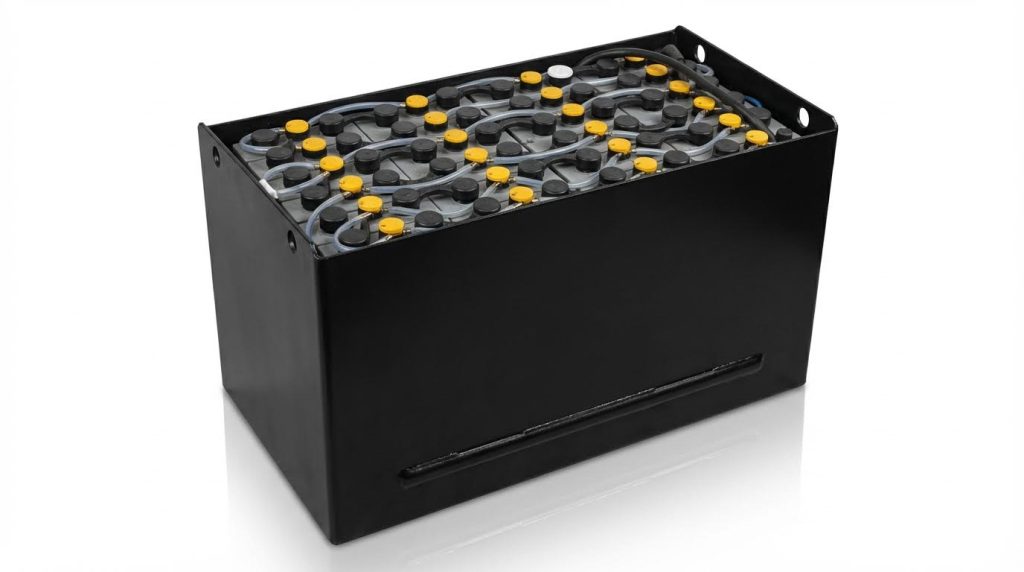
Technical safety standards for forklift battery charging areas define how to design, ventilate, equip, and protect the zone so only trained people who can charge and change batteries in electric powered forklifts can work there safely and legally.
These rules control hydrogen gas, electrical shock, fire, acid exposure, and manual handling risks around 500–2,000 kg batteries, and they sit behind every “trained and authorized” policy in a warehouse or factory.
Layout, Ventilation, And Hydrogen Control
Layout, ventilation, and hydrogen control standards ensure the charging area is physically separated, clearly marked, and ventilated so hydrogen gas from charging lead-acid batteries never reaches explosive levels.
A compliant layout also supports your internal rules on who can charge and change batteries in electric powered forklifts by making the zone obviously restricted and easy to supervise.
| Design Element | Key Requirement / Good Practice | Operational Impact |
|---|---|---|
| Designated charging zone | Dedicated area, separated from traffic and combustibles, with clear floor markings and restricted-access signage. OSHA eTool | Prevents pedestrians and untrained staff entering; reduces impact damage and fire spread. |
| Keep-clear zone | No clutter, pallets, or storage in front of chargers and battery racks. OSHA eTool | Allows safe truck positioning, battery extraction, and emergency access. |
| Ventilation for hydrogen | Adequate airflow so hydrogen from charging lead-acid batteries cannot accumulate; vents and fans must not be blocked. OSHA ventilation guidance | Reduces explosion risk; supports OSHA 1910.178(g)(4) compliance. Hydrogen ventilation safety |
| Open battery covers | Keep battery covers open during charge to vent heat and gas. Charging procedures | Improves cooling and hydrogen dissipation in confined pockets. |
| No smoking / no ignition sources | Prominent “No Smoking” and “No Open Flames” signs; ban hot work and sparking tools in the zone. Battery area requirements | Prevents ignition of hydrogen-air mixtures near venting batteries. |
- Separate the area: Use painted lines and barriers – this makes it obvious where only trained battery handlers may enter.
- Protect airflow paths: Keep fans, louvers, and roof vents clear – blocked vents are a common cause of hydrogen build-up.
- Control traffic: Route pallet trucks and forklifts around, not through, the charging bay – reduces collision and impact damage to chargers.
- Standardize signage: Use consistent “Authorized Personnel Only” wording – ties the physical space back to your policy on who can charge and change batteries in electric powered forklifts.
How to verify your ventilation is adequate
Work with a qualified engineer to calculate hydrogen generation from your installed battery capacity and compare it with the mechanical or natural ventilation rate. Check that air changes per hour remain sufficient even with doors closed and winter barriers in place.
💡 Field Engineer’s Note: In cold climates, plastic strip curtains and closed dock doors can quietly kill your airflow. Every winter, re-check that hydrogen from lead-acid charging still has a clear escape path; otherwise, reduce simultaneous chargers or increase fan capacity.
Electrical Protection, LOTO, And Equipment Ratings
Electrical protection, lockout/tagout (LOTO), and equipment rating standards ensure chargers, cables, and outlets are sized, grounded, and isolated so battery handlers are not exposed to live, high-current circuits.
This is the backbone of any policy defining who can charge and change batteries in electric powered forklifts, because only people trained in these electrical hazards should touch the system.
| Electrical Safety Aspect | Key Requirement / Practice | Operational Impact |
|---|---|---|
| Circuit sizing and grounding | Chargers must be connected to properly sized, grounded circuits with suitable protection devices. Charging station safety | Prevents overheated wiring, nuisance trips, and fire. |
| Cable and connector condition | Inspect for damage, overheating, and loose or contaminated connectors daily. Daily inspection protocols | Reduces arcing, poor contact, and connector failures. |
| LOTO for maintenance | Isolate main battery breakers and follow lockout/tagout routines before any maintenance; remove jewelry to avoid accidental circuits. LOTO procedures | Prevents fatal shocks or burns when working on 24–80 V high-current systems. |
| Connection sequence | Connect positive clamp (+) first, then negative (-); verify polarity before energizing. Charging procedures | Minimizes arcing and protects truck controllers from reverse polarity damage. |
| Current limits for sealed vents | Do not recharge batteries with sealed vents at more than 25 A. Current limit guidance | Prevents overpressure, vent failure, and thermal damage. |
| Lithium battery checks | After installing lithium packs, check voltage balance and follow OEM polarity and BMS instructions. Voltage balance checks | Protects high-value packs and truck electronics from miswiring. |
- Use only rated equipment: Match charger voltage and current to the battery and supply – prevents chronic overheating and premature failure.
- Formalize LOTO: Treat high-capacity batteries like any other energy source – LOTO must be in your written procedure, not just “common sense.”
- Restrict access to panels: Keep distribution boards and charger settings locked – only electricians and certified battery techs should adjust them.
- Train on arc risks: Emphasize that 48–80 V at hundreds of amperes can produce serious burns – this underpins why only trained staff may connect or disconnect.
Daily electrical safety checklist for operators
Before plugging in, operators should verify: the charging area is clear of combustibles, charger vents are unobstructed, cables have no cuts or exposed conductors, connectors are clean and fully engage, and no BMS or charger alarms are active. Daily inspection protocols
💡 Field Engineer’s Note: Most serious electrical incidents I saw did not happen during normal charging; they happened when “helpful” untrained staff tried to wiggle a hot connector or reset a tripped breaker. Good LOTO and strict access rules are worth more than the fanciest charger.
Emergency Gear, Eyewash, And Spill Response
Emergency gear, eyewash, and spill response standards ensure that when something goes wrong—acid splash, smoke, or a spill—trained personnel have the equipment and procedures to control it quickly.
These requirements directly support your decision on who can charge and change batteries in electric powered forklifts, because only people trained to use this emergency gear should work in the charging zone.
| Emergency Provision | Key Requirement / Practice | Operational Impact | |||||||||||||||||||||||
|---|---|---|---|---|---|---|---|---|---|---|---|---|---|---|---|---|---|---|---|---|---|---|---|---|---|
| Eyewash and drench facilities | Quick-drenching or flushing stations must be within the work area, capable of 15 minutes continuous flow; eyewash within about 7.5 m (25 ft). Emergency facilities Eyewash specifications | Allows immediate flushing after acid splash, reducing injury severity. | |||||||||||||||||||||||
| Spill kits and neutralizers | Provide soda ash or baking soda to neutralize sulfuric acid spills; comply with OSHA hazard communication rules. Acid spill handling Spill kit requirements | Enables safe, fast neutralization of leaks from damaged batteries. | |||||||||||||||||||||||
| Fire protection | Provide dry chemical, CO₂, or foam extinguishers in the charging area. Battery area fire protection | Allows first response to electrical or hydrogen-related fires. | |||||||||||||||||||||||
| PPE for emergency handling | Face shield with goggles, acid-proof gloves, acid-resistant apron/clothing, and safety shoes for anyone handling batteries or spills. PPE for battery handling | Reduces burns during normal work and cleanup activities. | |||||||||||||||||||||||
| Emergency procedures | Written steps for acid splash, spills, overheating, and smoke from lithium batteries, including stopping charge, clearing area, and notifying responders. Safe Procedures For Lead-Acid And Lithium Forklift Batteries
Safe procedures for lead-acid and lithium forklift batteries protect people from acid burns, electric shock, fires, and crushed limbs, and they define who can charge and change batteries in electric powered forklifts under OSHA-style rules. This section explains step-by-step methods, what to do differently with lithium packs, and how to use PPE and lifting gear correctly so only trained, authorized staff handle these high‑energy systems safely. Step-By-Step Lead-Acid Charging And ChangingLead-acid forklift battery charging and changing is a controlled sequence that trained personnel must follow to avoid hydrogen explosions, acid burns, and electrical faults. These steps assume a designated charging area with ventilation, eyewash, fire protection, and spill control materials in place. Only trained and authorized workers should perform the tasks. Source
Acid spill and splash response during chargingIf sulfuric acid spills, neutralize with soda ash or baking soda at about 0.45 kg per 3.8 L of water until fizzing stops and pH is 6–8, then absorb and dispose per local rules. For eye or skin contact, flush with water for at least 15 minutes at an eyewash or drench station and seek medical attention. Source
Lithium-Ion Specific Handling And BMS ChecksLithium-ion forklift batteries require stricter control of electrical hazards, BMS status, and thermal behaviour, and often only OEM-trained or specially certified staff should change or service them. Compared with lead-acid, lithium packs run higher voltages, store more energy per kg, and rely heavily on their Battery Management System (BMS) for safety. Incorrect handling can damage controllers or trigger thermal events. Source
PPE, Manual Handling, And Lifting Equipment Use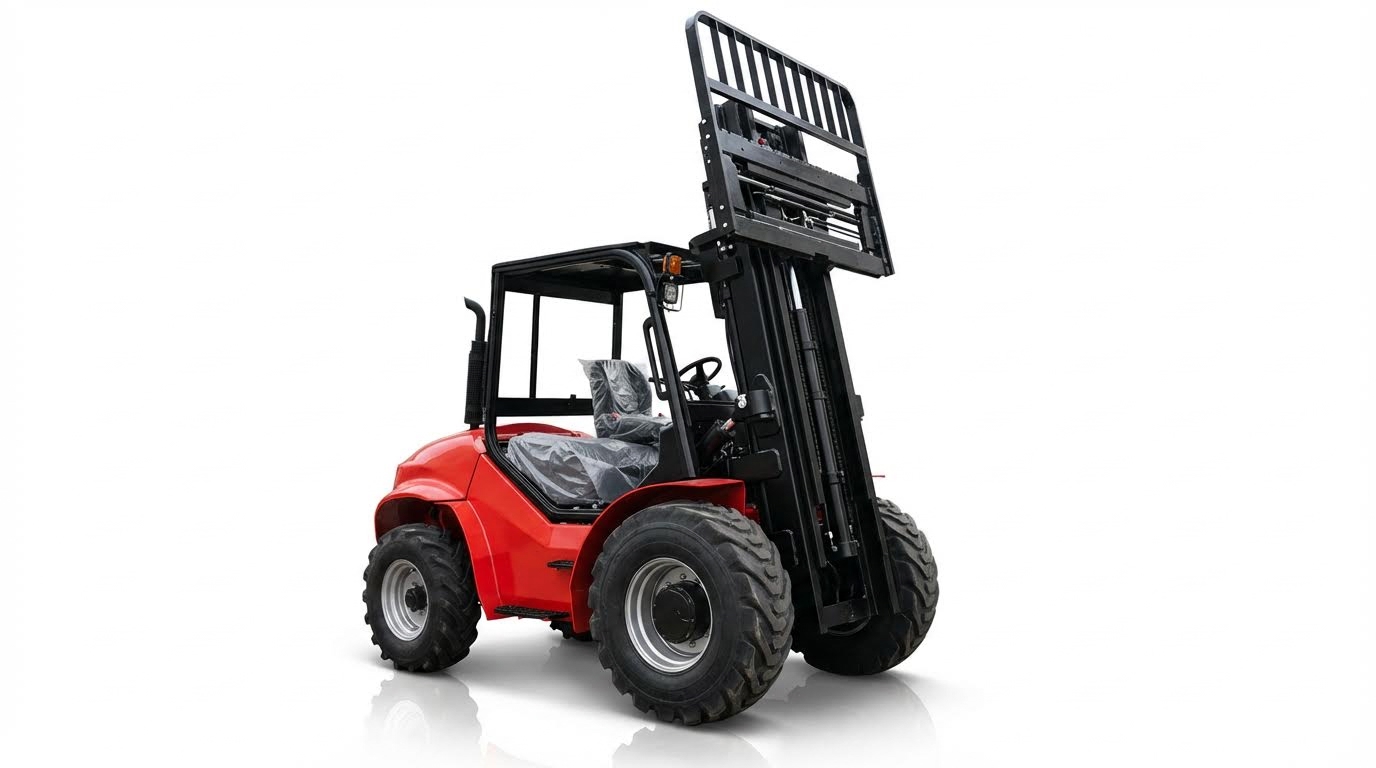 PPE, manual handling technique, and lifting equipment selection are what turn written procedures into real protection when workers move 500–2,000 kg batteries and work around acid and live terminals. These controls also define in practice who can charge and change batteries in electric powered forklifts: only people trained to use the right PPE and mechanical aids should ever touch these packs. Source
|