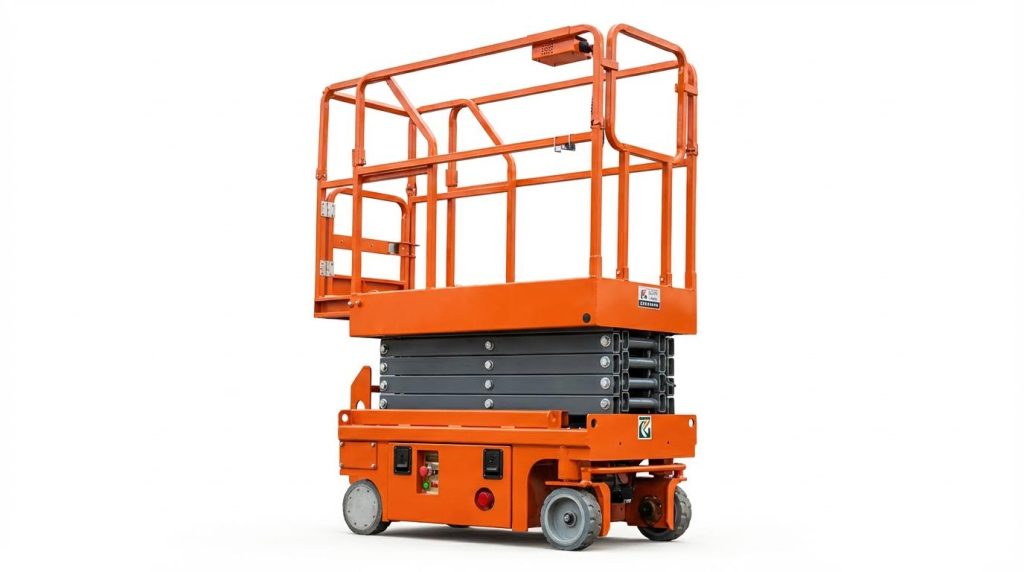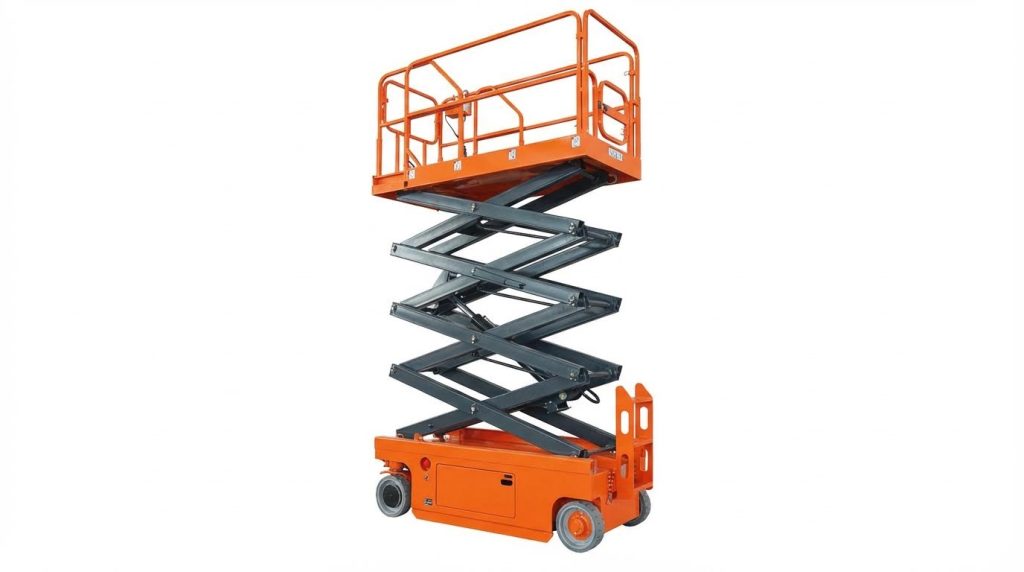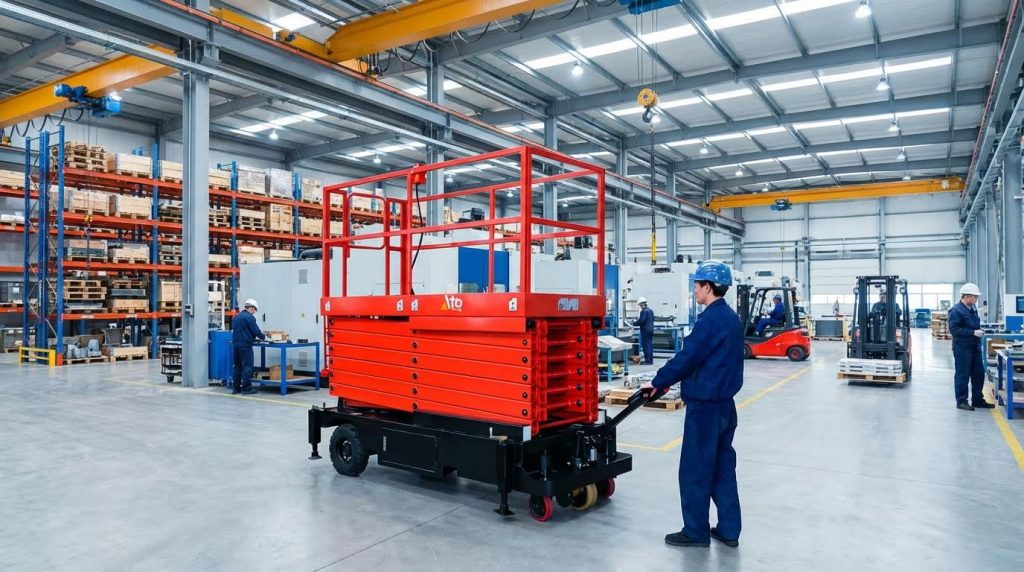
Scissor lift lifespan is mainly driven by operating hours, duty cycle, environment, and how you maintain the machine. This guide answers how long do scissor lifts last in years and hours, then shows practical, engineering-based ways to safely push them toward the top end of their service life range.
Defining Scissor Lift Lifespan And Duty Profiles
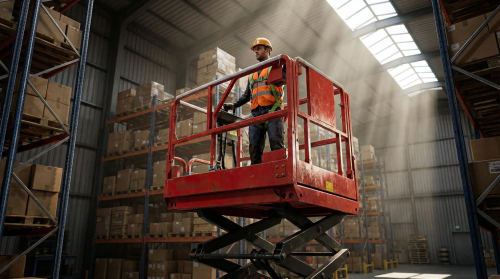
Scissor lift lifespan is best defined in both calendar years and operating hours, then adjusted for duty profile and environment. When people ask how long do scissor lifts last, the realistic range is usually 8–20 years and 2,000–5,000 hours if maintained.
To plan budgets and safety inspections properly, you need to think in three dimensions at once: years in service, total operating hours, and how hard those hours are (duty cycle, environment, and loading). This section breaks those pieces down into simple ranges you can apply to your own fleet.
Typical years and operating hour ranges
Most well-maintained scissor lifts last roughly 10–15 years in normal duty, with total working hours typically landing between about 2,000 and 5,000 before major rebuild or retirement. That is the practical answer behind the question how long do scissor lifts last in real fleets.
| Lifecycle Metric | Typical Range / Threshold | Operational Impact |
|---|---|---|
| Service life (years, normal duty) | About 10–15 years, often up to 15+ years in light use documented in fleet data | Good planning horizon for ownership in warehouses and facilities. |
| Shortened life in heavy daily use | Often reduced to roughly 8–10 years with high-duty operation especially on construction sites | Plan for earlier replacement if machines run multiple shifts outdoors. |
| Total operating hours (overall range) | Roughly 500–5,000 hours over full life, depending on duty intensity across fleets | Helps answer when a unit is “worn out” even if calendar age is low. |
| Typical working-hour band | About 2,000–5,000 working hours for many units before major overhaul or retirement reported by service providers | Use as a “budget” of productive hours when estimating lifecycle cost. |
| Usage classification by hour meter | New: 0–50 h; Light: 500–1,000 h; Moderate: 1,000–2,500 h; Heavy: 2,500–5,000 h based on common resale categories | Useful for evaluating used machines and setting inspection depth. |
| Calendar life in light/occasional use | Often 15+ years for high-quality self‑propelled units used only occasionally according to field experience | Facilities with sporadic work-at-height can keep units much longer. |
| Battery runtime per charge | About 5–8 hours of continuous operation per full charge, often a full day with intermittent use for electric models | Determines whether one battery pack can cover a shift without swap. |
| Battery life (years) | Typically about 3–5 years for traction batteries with proper maintenance separate from chassis life | Plan mid-life battery replacement as a normal operating cost. |
From an engineering and budgeting standpoint, the “headline” answer to how long do scissor lifts last is therefore twofold:
- Calendar life: About 8–10 years in hard outdoor construction duty, 10–15+ years in normal indoor or mixed duty.
- Hour life: Commonly 2,000–5,000 working hours before serious structural, hydraulic, or electrical wear drives a rebuild-or-replace decision.
How to use hour-meter data in replacement planning
Many fleets treat 2,500–3,000 hours as a “yellow zone” where failure risk and repair cost start to climb. Above about 4,000–5,000 hours, machines often move to low-duty applications, are rebuilt, or are retired, even if the structure still passes inspection.
💡 Field Engineer’s Note: Do not compare a 3,000‑hour indoor maintenance lift to a 3,000‑hour outdoor construction lift as equal. The hour meters match, but corrosion, pin wear, and cylinder rod pitting on the outdoor unit can be dramatically worse, which changes its true remaining life.
How usage intensity and duty cycle affect life
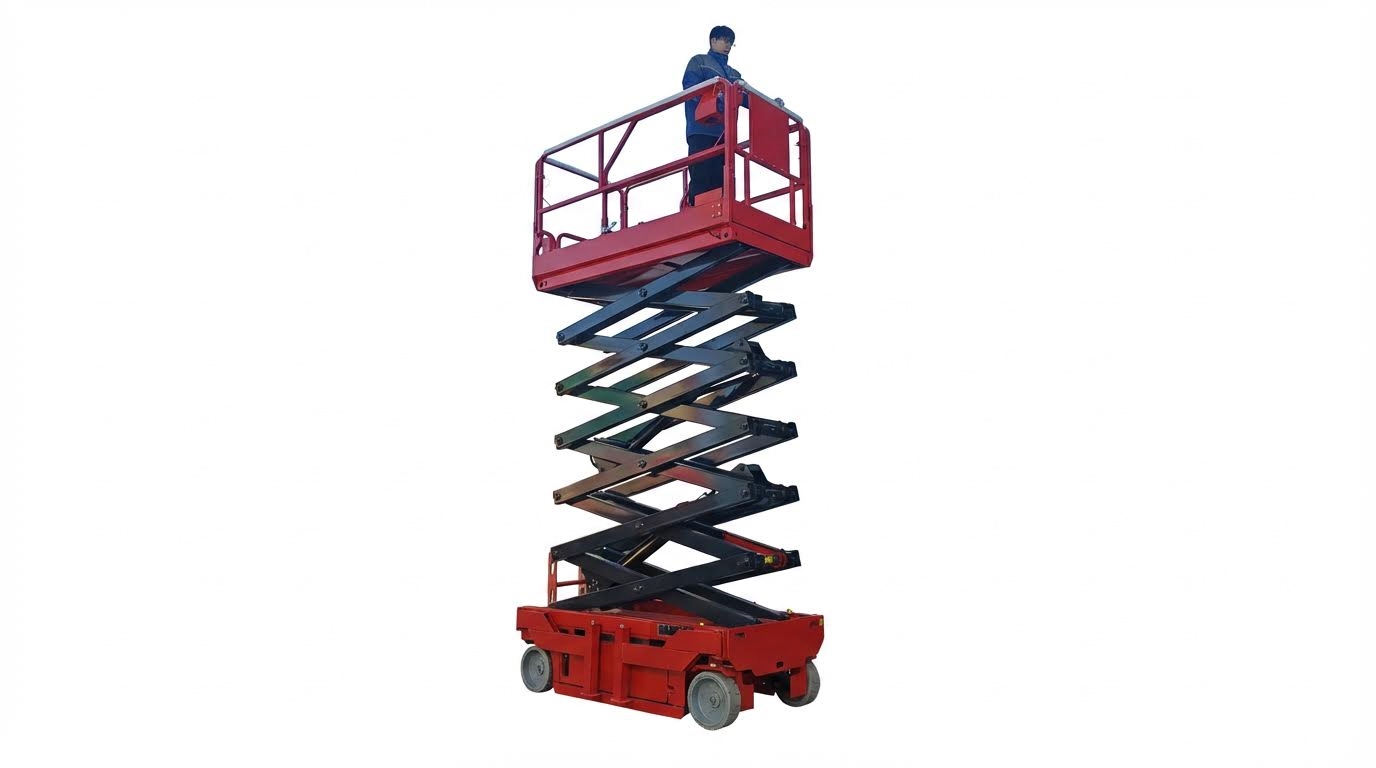
Usage intensity and duty cycle largely determine where in the 8–20 year and 500–5,000 hour bands a specific scissor lift will actually land. Two lifts of the same age can have completely different remaining life depending on how their hours accumulated.
- Daily vs weekly operation: A unit running about 2 hours every day can accumulate roughly 500 hours per year, burning through its hour budget in a decade, while weekly use spreads the same 2,000–3,000 hours over many years. This is why some 15‑year‑old lifts are still sound while others are worn out at 8–10 years. Usage pattern data supports this.
- Indoor vs outdoor duty: Indoor applications typically extend life by roughly 20–30%, while outdoor construction use can shorten service life by about 25–35% due to rain, UV, temperature swings, dust, and rough ground. Same hours, very different corrosion and fatigue profiles. Field studies highlight this gap.
- Duty cycle (lift cycles per hour): Frequent up/down cycling loads the scissor arms, pins, and hydraulic components more than long static periods at height. A maintenance lift parked at height for 30 minutes sees far less fatigue per hour than a pick‑face lift cycling every few minutes.
- Load level vs rated capacity: Regular operation near rated load accelerates fatigue in arms and welds. Chronic overload or shock loading from potholes or uneven ground can dramatically shorten structural life even if total hours are low.
- Shift pattern and charging behavior: For electric lifts, multi‑shift use with partial charges and deep discharges stresses batteries and contactors. Poor charging habits can kill batteries in 2–3 years instead of 5, which does not end chassis life but increases lifecycle cost and downtime.
| Duty Profile | Typical Use Pattern | Likely Life Outcome | Best For… |
|---|---|---|---|
| Light indoor maintenance | Weekly use, low loads, smooth floors, mostly inside | Often reaches upper end of 15+ years and lower hour totals (e.g., 1,000–2,000 h) | Facilities, schools, light industrial plants. |
| High-duty indoor warehouse | Daily use, 1–2 h per day, many lift cycles, clean floors | Hits hour limits sooner (2,000–4,000 h) but with relatively low corrosion; 10–15 year life typical | warehouse order picker, inventory, racking work. |
| Outdoor construction, rough terrain | Daily use, uneven ground, weather exposure, frequent relocation | Environmental limits (corrosion, damage) often reached in about 8–10 years even if hours are moderate | Shorter projects where uptime is critical and resale age is lower. |
| Mixed indoor/outdoor rental | Variable users, mixed environments, irregular maintenance quality | Wide spread: some units stay strong at 10+ years, others need major work earlier depending on handling | Rental fleets balancing utilization vs residual value. |
Translating “how long do scissor lifts last” into your site conditions
If your lift runs about 500 hours per year in harsh outdoor work, expect to reach 3,000 hours in roughly 6 years. In a clean indoor plant at 150–200 hours per year, the same 3,000 hours might not arrive for 15–20 years. Use your own annual hours and environment to scale the generic 2,000–5,000‑hour guidance.
💡 Field Engineer’s Note: When you see a “low‑hour” used lift from a tough outdoor job, inspect the scissor arms, pins, and cylinder rods closely. Sand, concrete dust, and road salt can eat bushings and chrome faster than the hour meter suggests, so structural and hydraulic wear may look more like a high‑hour indoor machine.
Engineering Factors That Drive Service Life
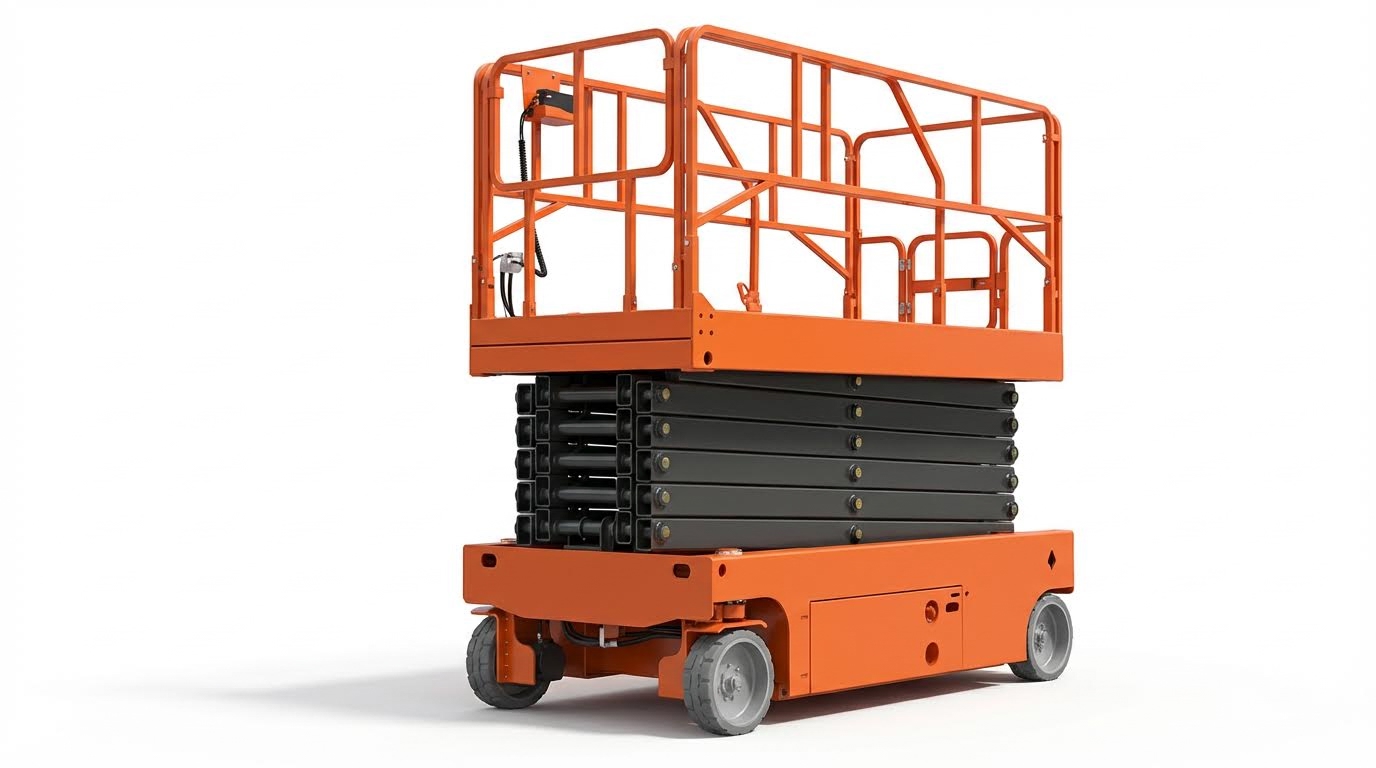
Engineering design, materials, and component choices largely answer the question “how long do scissor lifts last” in real hours and years, before usage and maintenance even enter the picture. These factors set the upper limit; operations only consume it.
Across multiple fleet studies, well-maintained scissor lifts typically deliver about 10–15 years of service life, with total operating hours commonly falling in the 2,000–5,000 hour band in normal duty applications. One industry review reported that high-quality self-propelled units in light or occasional use often remained in service for 15 years or more, while heavy daily use pulled that down to roughly 8–10 years. Another analysis gave a similar 10–15 year range and 500–5,000 hour lifespan depending on usage intensity and environment. These ranges assume the core engineering—structure, hydraulics, and power system—was specified correctly for the duty profile.
| Engineering Factor | Typical Effect on Lifespan | Operational Impact |
|---|---|---|
| Structural design & materials | Can swing life from 8–10 years to 15+ years | Stronger frames tolerate more cycles and rougher use before fatigue or cracking |
| Hydraulic system quality & oil care | Poor oil control can cut hydraulic life by several years | Clean, cool oil keeps pumps and cylinders tight, reducing leaks and downtime |
| Battery technology & care | Traction batteries last about 3–5 years when maintained | Healthy batteries keep full-shift runtime and avoid early machine “retirement” due to poor performance |
| Environment (indoor vs outdoor) | Indoor use may extend life by 20–30%; harsh outdoor use can shorten it by 25–35% | Corrosion and contamination often end a lift’s life before hours do |
💡 Field Engineer’s Note: When benchmarking “how long do scissor lifts last” between sites, separate structural life from battery and hydraulic life. You often retire machines early for corrosion or cracked welds, not because you ran out of hours.
Structural design, fatigue, and corrosion limits
Structural design, fatigue resistance, and corrosion protection decide whether the chassis and scissor stack survive 8 years or 15+ years of real work. Once the structure is compromised, the lift is usually beyond economical repair.
Core structure uses welded high-strength steel sections, pins, and bushings that see thousands of up–down cycles under load. Fatigue cracks start at stress concentrations: sharp corners, thin sections, or poor weld transitions. According to industry guidance, robust structural design with high-strength steels, stiff scissor arms, and high-quality welds significantly delays fatigue cracking over thousands of cycles. Protective coatings such as electrophoresis paint and high-build primers help resist rust and corrosion, which is critical for outdoor or wash-down applications. One technical review noted that indoor operation, away from rain, UV, road salt, and abrasive dust, can extend structural life by roughly 20–30%, while harsh outdoor construction use can shorten it by about 25–35%.
- High-strength steel and section thickness: Thicker, higher-grade steel sections reduce bending and local stress – this slows fatigue crack initiation at weld toes and pin bosses.
- Weld quality and detailing: Smooth weld transitions and proper penetration reduce stress raisers – fewer micro-cracks that can grow under cyclic loading.
- Scissor arm stiffness: Stiffer arms deflect less under load – pins stay aligned, so bushings and welds see lower peak stress.
- Corrosion protection: Electrophoresis or high-zinc coatings seal steel surfaces – rust does not thin critical sections or seize pins.
- Impact and overload resistance: Frames and guard rails designed with margin survive occasional bumps – less permanent deformation that shortens useful life.
Key structural inspection points that govern remaining life
Quarterly structural inspections should include checking all welds for cracks, inspecting the platform floor for corrosion or damage, verifying that all fasteners are tight and present, and looking for overload or impact damage. Annual professional inspections by qualified personnel typically include non-destructive testing of structural welds, hydraulic pressure testing, electrical testing, safety system calibration, and load testing to verify rated capacity. These checks often determine whether a machine is still structurally sound enough to justify major component replacement.
From a lifecycle standpoint, corrosion and fatigue usually dictate the “end of life” decision. Once you see widespread rust thinning structural members, elongation of pin holes, or multiple repaired cracks in the scissor stack, the practical answer to “how long do scissor lifts last” for that unit is “until the next inspection fails it.” At that point, rebuilds rarely make economic sense.
Hydraulic system wear, oil quality, and temperature
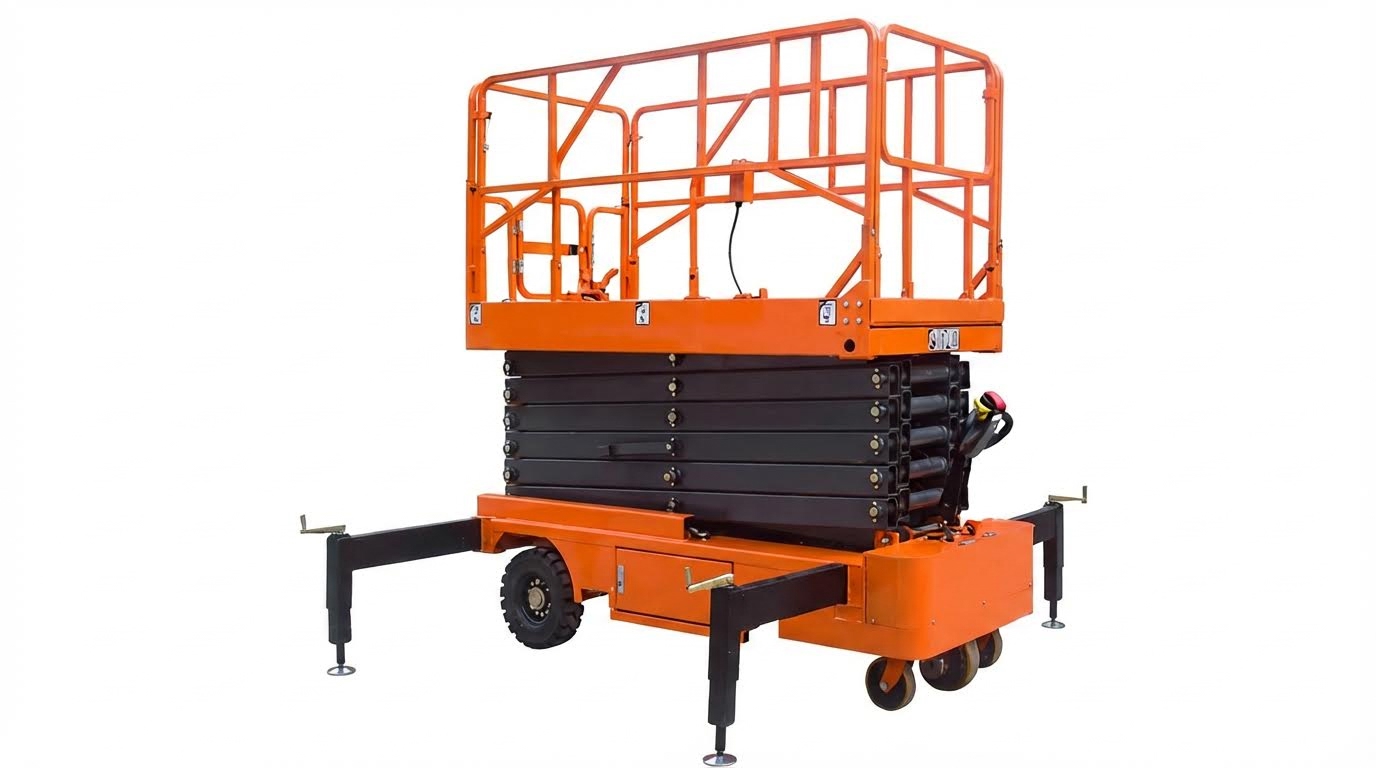
Hydraulic pumps, cylinders, and hoses typically outlast batteries but will fail early if oil is dirty, degraded, or run too hot or cold. Hydraulics rarely set the theoretical lifespan; poor oil management does.
Scissor lifts rely on a compact hydraulic power pack to raise and lower the platform. Over thousands of cycles, pumps lose efficiency, cylinder seals wear, and hoses fatigue. Industry maintenance guides stress that hydraulic fluid should be checked daily for level and leaks, replaced roughly every 1,000 operating hours or annually, and filtered carefully. Filters should be changed with each fluid change, and the system flushed if contamination is detected. Hoses need regular inspection for cracks, abrasions, leaks, and oil residue around cylinder seals. These practices directly slow hydraulic wear.
| Hydraulic Factor | Typical Recommendation | Operational Impact |
|---|---|---|
| Oil change interval | About every 1,000 hours or annually; some guidance suggests an early change at ~200 hours | Removes wear metals and oxidation products that damage pumps and valves |
| Oil temperature window | Maintain roughly 0°C to 40°C | Below 0°C oil is too viscous; above 40°C it thins and loses lubricity, accelerating wear |
| Filter management | Change with each oil change; monitor suction and return filters | Prevents contamination that can score cylinder rods and valve spools |
| Hose and seal condition | Inspect monthly; replace on condition | Prevents burst hoses, internal leaks, and unexpected downtime |
One hydraulic maintenance overview recommended maintaining oil between about 0°C and 40°C to avoid viscosity loss and sluggish response, and performing an initial oil and filter change after roughly 200 operating hours to remove early contamination and oxidation products. It also described using suction strainers, return-line filters, and sometimes pressure-line filters, each checked and replaced on schedule to protect the system. This approach can add several years of reliable hydraulic life.
- Clean oil: Low particle counts prevent abrasive wear inside pumps, valves, and cylinders – machines lift smoothly for more of their design life.
- Correct viscosity: Oil specified for the climate keeps film strength – cold starts and hot summer work do not destroy components.
- Leak control: Prompt hose and seal replacement stops internal bypass – you keep rated lift speed and capacity longer.
- Scheduled inspections: Monthly checks of hoses, cylinders, and fittings catch issues early – avoids catastrophic failures that might trigger a full-machine retirement.
💡 Field Engineer’s Note: If you run lifts in cold storage or outdoors below 0°C, specify oil for low-temperature service and allow warm-up cycles. Thick, cold oil spikes system pressure and can crack fittings or blow hoses long before structural life is used up.
Battery technologies, runtimes, and replacement cycles
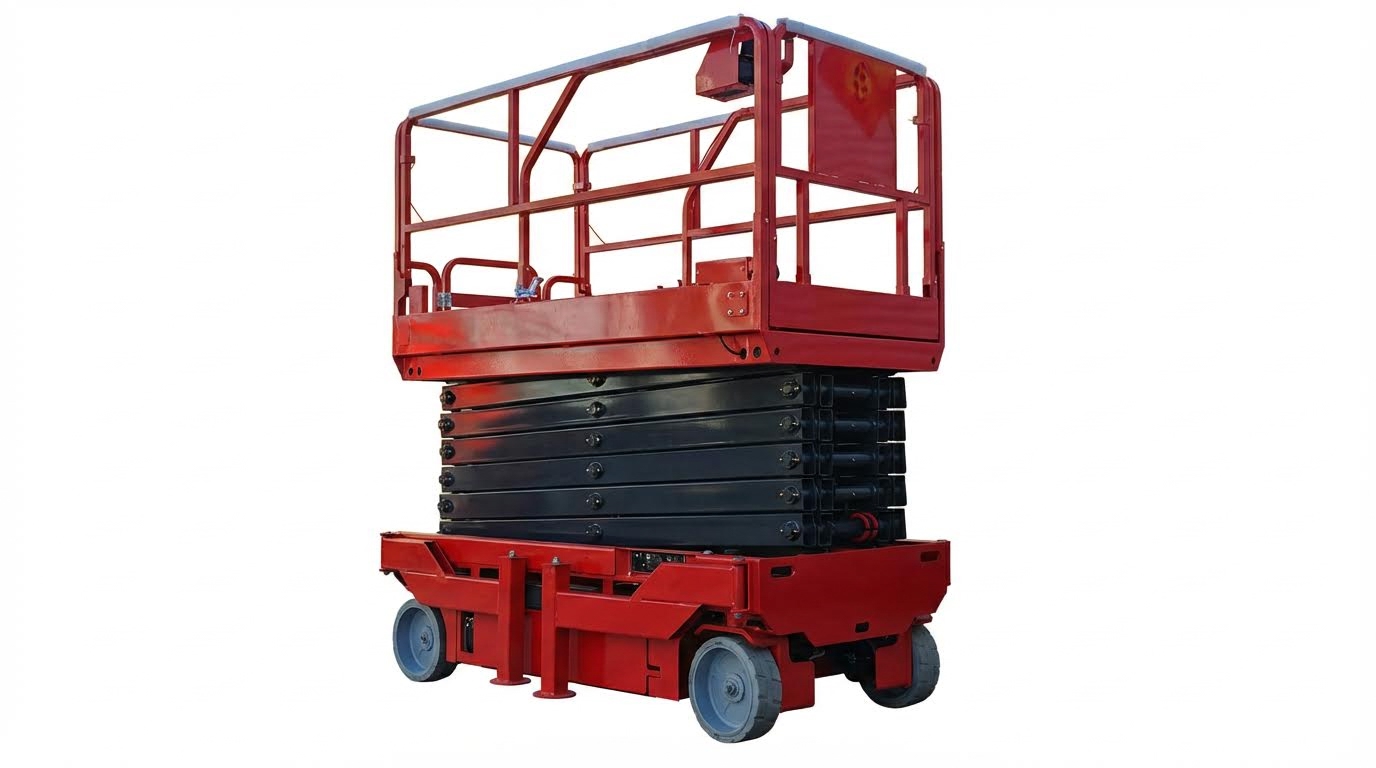
Battery technology and care determine daily runtime and 3–5 year replacement cycles, but not the total chassis life. Poor battery management, however, often makes a lift feel “worn out” years before the structure is done.
Electric scissor lifts commonly use traction battery banks. Industry guidance indicates these batteries typically last about 3–5 years when properly maintained, which includes correct charging practices and regular water checks for flooded lead-acid types. Maintenance recommendations include weekly checks of water levels, cleaning terminals to prevent corrosion, quarterly checks of specific gravity in each cell, and performing equalizing charges quarterly to keep cell voltages balanced. Batteries showing significant capacity loss should be replaced to maintain productivity and safety.
| Battery Aspect | Typical Figure / Practice | Operational Impact |
|---|---|---|
| Per-charge runtime | About 5–8 hours of continuous operation; often a full day with intermittent use | Supports a full shift in most warehouse or maintenance applications |
| Battery lifespan | Roughly 3–5 years with proper care | Determines how often you budget for battery replacement vs new lift |
| Maintenance tasks | Weekly water checks, terminal cleaning, quarterly equalize charge | Prevents sulfation and capacity loss that shorten life |
| Effect on overall lift life | Batteries are consumables; chassis may last 10–15 years | Multiple battery sets will be replaced over one structural life |
One lifespan overview noted that a fully charged scissor lift could operate continuously for about 5–8 hours and, with intermittent use, often run for a full day before recharging. The same source indicated that new scissor lifts typically had a 10–20 year expected lifespan, with optimal performance in the first 7–8 years and predictable maintenance costs within typical warranty periods of 1–5 years. During that structural life, several battery sets will cycle through.
- Correct charging habits: Avoid frequent deep discharges and partial charges – this reduces sulfation and keeps you closer to the 5-year end of the battery life range.
- Water and terminal care: Regular water top-up and terminal cleaning maintain conductivity – voltage stays stable under load, so lifts do not “die” mid-shift.
- Capacity monitoring: Track runtime vs charge over months – plan battery replacement before performance drops enough to tempt early machine replacement.
- Distinguish battery vs machine age: Treat batteries as consumable parts, not a reason to scrap a structurally sound lift – this keeps total cost per operating hour low.
💡 Field Engineer’s Note: When operators complain a 7–8 year old lift “doesn’t last a shift,” check the batteries and charger first. Replacing a tired battery pack is far cheaper than writing off a chassis that still has several thousand safe cycles left.
Maintenance, Environment, And Lifecycle Decisions
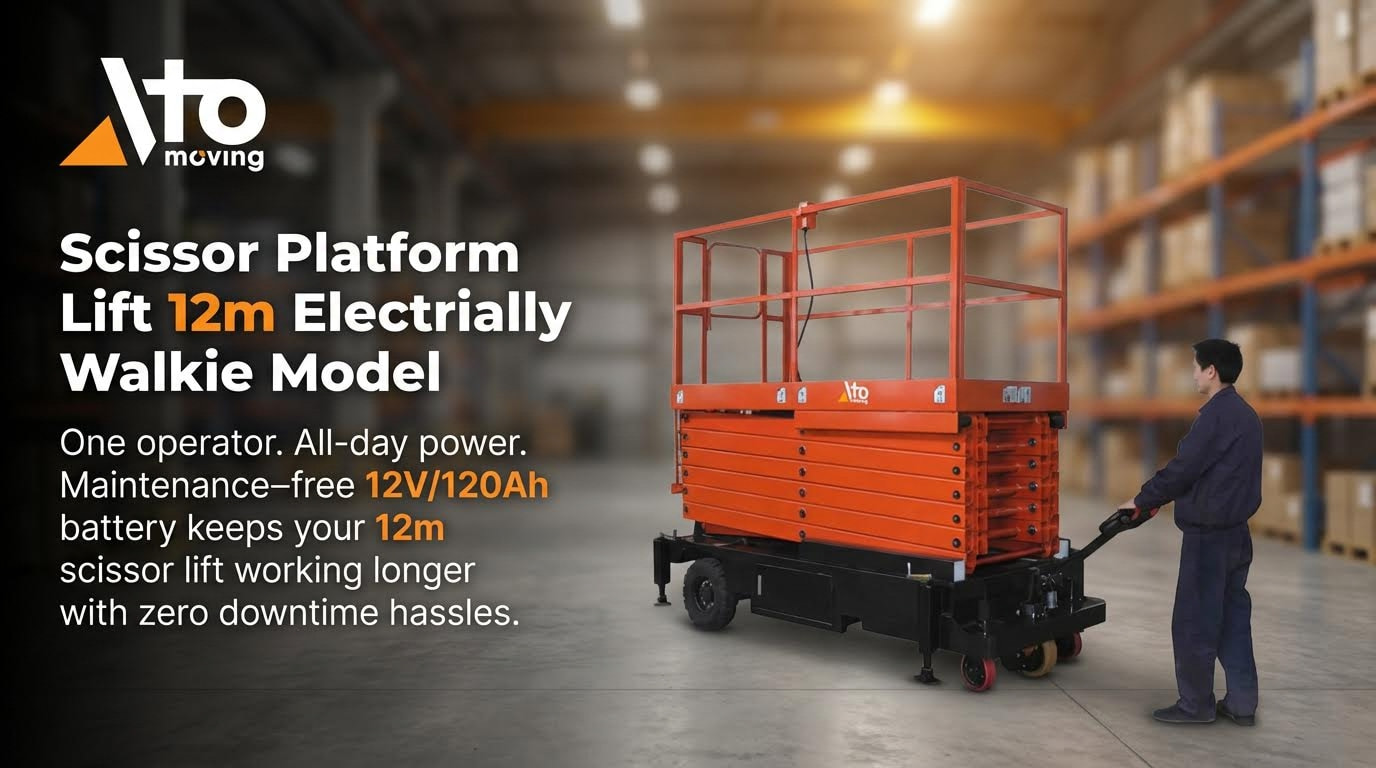
Maintenance quality and operating environment largely decide how long scissor platform lifts last in years and hours, often swinging real service life by several years for the same base machine. Strong regimes and clean indoor use typically push units toward the top of their expected 10–15 year window, while poor maintenance and harsh outdoor conditions pull them to the bottom end or below. This section links practical maintenance routines and environmental choices directly to lifespan, cost per hour, and rebuild-versus-replace timing.
Preventive and predictive maintenance regimes
Preventive and predictive maintenance regimes extend scissor platform lift lifespan by keeping wear predictable, catching failures early, and protecting the structure and hydraulics from irreversible damage. If you want a practical answer to how long do scissor lifts last in real fleets, the first place to look is how disciplined your inspection and service routines are.
| Maintenance Task / Regime | Typical Interval | Main Components Covered | Impact on Lifespan / Hours | Operational Impact |
|---|---|---|---|---|
| Daily pre-use inspection | Every shift / day | Visual structure, tires, leaks, controls, safety devices | Catches early leaks and damage before they escalate | Prevents sudden downtime and unsafe operation on site |
| Scheduled preventive maintenance | Every ~3 months or 150 hours | Hydraulics, drive, steering, safety systems | Key factor in reaching 10–15 years of service | Keeps machine available and compliant for rental or site use |
| Hydraulic oil and filter change | About 1,000 hours or annually | Pump, cylinders, valves, hoses | Slows wear, reduces internal leakage and overheating | Maintains smooth lifting and driving under full load |
| Battery inspection and care | Weekly to quarterly | Traction batteries, charger, cables | Helps batteries reach 3–5 years life | Reduces risk of mid-shift power loss and sulfation |
| Quarterly structural inspection | Every 3 months | Welds, pins, platform, fasteners | Detects fatigue and impact damage before it becomes critical | Supports safe operation near rated capacity |
| Annual professional inspection | Every 12 months | Structure, hydraulics, electrics, safety calibration, load test | Supports 10–15 year structural life in normal duty | Often required for regulatory and insurance compliance |
| Predictive monitoring (telematics, sensors) | Continuous / periodic review | Usage hours, temperatures, alarms, vibration | Pushes units toward upper end of life range | Allows planned downtime instead of in-shift failures |
Across mixed fleets, maintenance practice was often the single biggest factor in determining how long aerial platform lifts last in both hours and calendar years, more than brand or initial price. Well-maintained units commonly achieved around 10–15 years of service, with total operating life between roughly 500 and 5,000 hours depending on duty intensity. Evidence from fleet experience supports this range.
- Hydraulic system care: Regular oil changes and contamination control mitigated pump and cylinder wear, which otherwise would shorten usable life through internal leakage and slow lifting. This directly preserves lifting performance late in life. Structured hydraulic maintenance programs and guidance on change intervals and inspections for leaks and contamination supported this approach. Daily level checks and 1,000-hour fluid changes were common recommendations.
- Battery maintenance: Proper charging, water-level checks, terminal cleaning, and equalizing charges typically allowed traction batteries to last about 3–5 years before replacement. This kept runtime predictable and avoided premature “end-of-life” calls driven only by weak batteries. Detailed maintenance practices and lifespan expectations were documented for electric scissor lifts.
- Structural and safety inspections: Quarterly checks of welds, platforms, and fasteners, plus annual professional inspections with non-destructive testing and load tests, helped keep structurally sound machines in service for 10–15 years or more. This delayed expensive structural repairs or early retirement. Guidance on these inspection routines emphasized their role in long-term safety.
- Cost control via prevention: Typical annual preventive maintenance costs ranged from about $1,300 to $3,300 per year, which helped avoid large repairs such as battery replacements around $2,000 or major structural work exceeding $20,000. This shifted the cost curve toward predictable, low-risk ownership. Documented cost ranges supported this preventive strategy.
- Predictive tools: Newer telematics and basic sensors monitored hour-meter data, temperature, and abnormal patterns, allowing maintenance teams to intervene before failures. This pushed machines toward the upper end of their expected life range in both years and hours. Reports on predictive maintenance tools described these benefits.
Typical preventive maintenance checklist structure
Effective regimes usually combined daily walk-arounds, weekly lubrication and battery checks, monthly hydraulic and drive inspections, quarterly structural checks, and annual professional inspections and load tests. Manufacturers often recommended service around every 3 months or 150 hours, which aligned with these routines.
💡 Field Engineer’s Note: In real jobs, missed battery watering or dirty hydraulic oil tends to kill scissor lifts long before the steel frame does. Protect batteries and hydraulics, and you usually gain several extra years of safe, reliable service without touching the structure.
Indoor vs outdoor use and environmental stresses
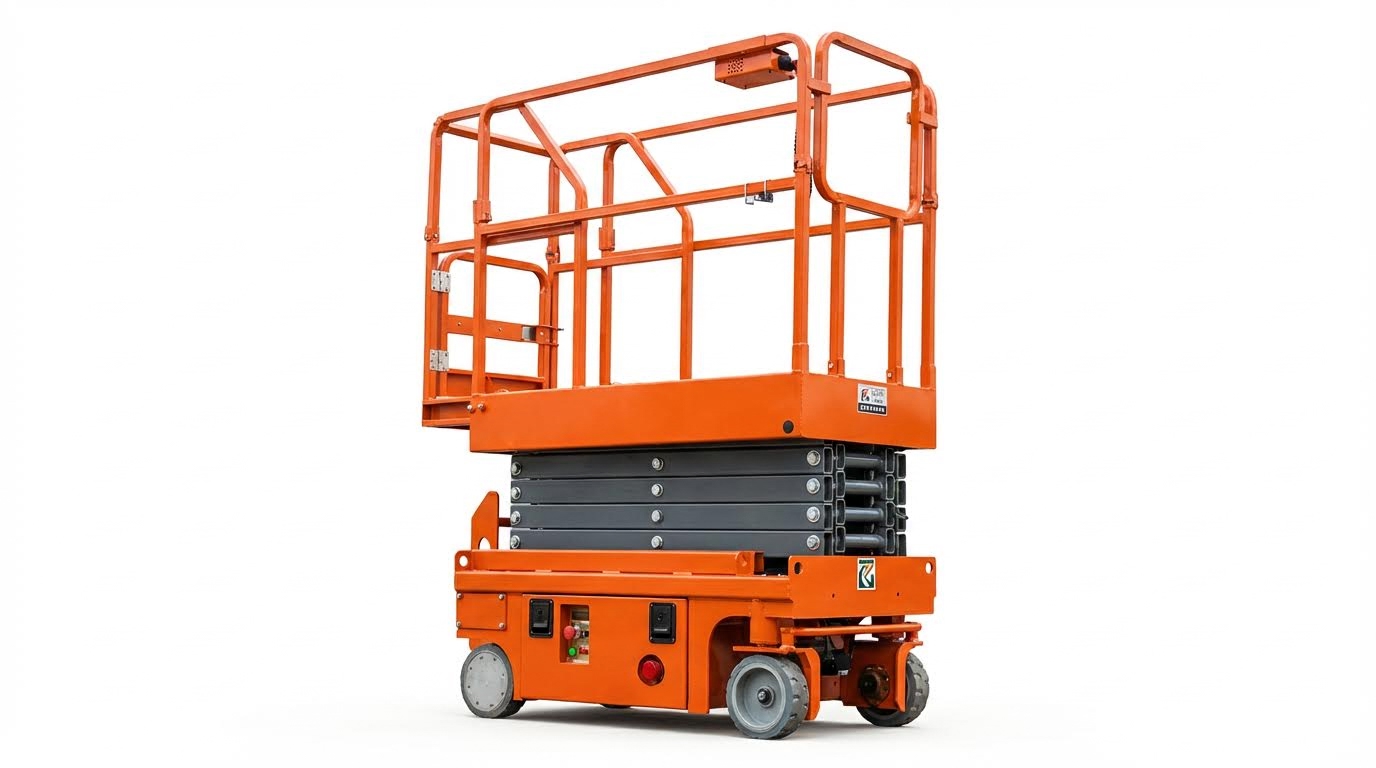
Indoor versus outdoor operating environment can swing how long order picking machines last by roughly 20–35%, mainly through corrosion, contamination, and temperature effects rather than pure hour count. A lightly used outdoor unit in harsh conditions can age faster than a higher-hour indoor warehouse machine.
| Operating Environment | Typical Impact on Overall Life | Key Stress Factors | Effect on Years of Service | Best For… |
|---|---|---|---|---|
| Predominantly indoor (warehouses, factories) | Extends life by ~20–30% | Stable temperature, low moisture, minimal UV and road salt | Supports 10–15 years or more in normal duty | High-hour fleets aiming for maximum calendar life |
| Mixed indoor/outdoor | Neutral to slight reduction | Occasional rain, dust, temperature swings | Often near middle of life range if maintained | General contractors and maintenance fleets |
| Harsh outdoor construction | Shortens life by ~25–35% | Rain, mud, abrasive dust, UV, rough ground | May drop to roughly 8–10 years even with care | Shorter projects where mobility and access matter most |
Indoor applications tended to extend the service life of scissor lifts by roughly 20–30%, because they avoided rain, extreme temperatures, and abrasive debris that attack coatings, pins, and seals. Analyses of indoor versus outdoor use repeatedly cited this benefit.
Conversely, outdoor construction work often shortened average service life by about 25–35%, as weather, dust, and rough ground accelerated wear on structural coatings, hydraulic components, and rolling gear. Field data on environmental impact highlighted this consistent pattern.
- Corrosion and coatings: Exposure to rain, wash-down, and road salt attacked welds, platforms, and pins, especially where paint or coatings were damaged. This often decided end-of-life before hour meters did. Protective coatings and cleaning routines helped mitigate this.
- Dust and debris: Abrasive dust and debris in outdoor or construction environments contaminated hydraulic oil and clogged moving joints. This increased wear on cylinders, seals, and pivot bushings, reducing practical lifespan.
- Temperature extremes: Very low or high temperatures affected hydraulic oil viscosity and battery performance, making lifts sluggish or reducing runtime. Maintaining oil within about 0°C to 40°C helped keep systems efficient and reduced stress. Hydraulic oil management guidance emphasized these temperature limits.
- Storage conditions: Covered, dry storage significantly slowed corrosion and electrical problems, especially for machines that were not used daily. This extended calendar life even when annual operating hours were low.
How environment links to rebuild vs replace decisions
In harsh outdoor service, structural corrosion or fatigue could make further investment hard to justify even when hydraulics and electrics were still repairable. In cleaner indoor use, structures often stayed sound, so rebuilds focusing on hydraulics, electrics, or powertrain made economic sense. Guidance on rebuild versus replacement decisions stressed structural condition and compliance as key triggers for replacement.
💡 Field Engineer’s Note: When estimating how long do scissor lifts last, I routinely add or subtract several years based purely on storage and environment. A 3,000-hour indoor warehouse unit can be in far better shape than a 1,500-hour lift that lived outdoors on a coastal or dusty site.
Final Thoughts On Maximizing Scissor Lift Value
Scissor lift lifespan is not fixed at purchase. Engineering quality sets an upper limit, but maintenance, duty profile, and environment decide where your units land within the 8–20 year and 500–5,000 hour bands. Structural design, good coatings, and robust hydraulics give you a strong base. Clean oil, correct temperature control, and disciplined inspections then protect that base from early fatigue and corrosion.
Battery packs, hoses, and seals act as consumables. Treat them as planned replacements, not reasons to scrap a sound chassis. Use hour-meter data, structural condition, and environment together when you choose to rebuild or replace. Indoor units with clean histories often justify major component renewal. Outdoor units with heavy corrosion or repeated weld repairs usually do not.
For operations and engineering teams, the best practice is clear. Match each lift’s design to its real duty, keep oil and batteries under strict control, and protect machines from avoidable environmental stress. Combine daily checks with quarterly structural inspections and annual professional exams. Fleets that follow this model, as used by Atomoving customers, consistently gain extra safe years and lower cost per operating hour from every scissor lift.
Frequently Asked Questions
How Long Do Scissor Lifts Last?
A well-maintained scissor lift can last approximately 500-750 operational hours. Regular inspections and maintenance are essential to ensure longevity, as components like pivot points, pins, and bushings can wear over time. Scissor Lift Maintenance Guide.
- Perform routine checks on pivot points and bushings.
- Address wear and misalignment early to maintain stability.
What Factors Affect the Lifespan of a Scissor Lift?
The lifespan of a scissor lift depends on factors such as usage frequency, environmental conditions, and adherence to manufacturer maintenance guidelines. Proper training for operators also reduces risks and extends equipment life. OSHA Safety Guidelines.
- Ensure operators are trained to use the equipment safely.
- Conduct regular maintenance to prevent mechanical failures.