People who search “what is warehouse picker job” usually want a clear, practical view of this frontline role. This article explains how pickers drive order accuracy and throughput, what they do each shift, and how their work links to modern warehouse engineering.
You will see how core tasks like picking, packing, and verification connect with WMS, scanners, and digital workflows across the full outline of responsibilities, conditions, skills, and advancement. We also review safety, ergonomics, and human–automation interaction, including cobots and assist devices that change how pickers move and lift.
The later sections map skill requirements to real training paths, from entry screening and onboarding to technical upskilling and promotion into lead, planning, maintenance, HSE, or automation roles. The final summary looks at how the warehouse order picker job has evolved and what that means for layout design, scissor platform lift choices, and future engineering decisions in high-throughput facilities.
Core Responsibilities In Modern Warehousing
Understanding what is warehouse picker job starts with clear core duties. Modern warehouses linked to e‑commerce, retail, and manufacturing all rely on structured picking workflows. The picker role now combines physical handling with digital tools and measurable performance targets. This section explains how daily tasks, systems, and metrics connect to throughput, labor cost, and service level.
Order Picking, Packing, And Verification
A warehouse picker locates and collects items to match each order line. They follow picking lists that may be paper, voice-directed, or device-based. The main goals are speed, accuracy, and low damage rates.
Typical task sequence includes:
- Read the order and confirm SKU, quantity, and storage location.
- Travel to the pick face and retrieve the correct items.
- Visually check product code, batch, and condition.
- Place items in totes, cartons, or on pallets in a stable pattern.
- Move orders to a packing or consolidation area.
At packing, the picker or packer checks counts again. They add void fill, sealing, and labels so cartons can survive transport loads. Verification steps reduce returns, rework, and transport claims.
Use Of WMS, Scanners, And Digital Workflows
Modern answers to what is warehouse picker job always include digital tools. Pickers work inside a warehouse management system (WMS) that issues tasks and captures confirmations. Handheld scanners or wearable devices guide routes and record every pick.
Digital workflows support:
- Real‑time inventory updates after each scan.
- Automatic substitution or exception handling when stock is short.
- Task batching to cut walking distance and dead travel.
- Priority rules for rush orders or carrier cut‑off times.
Engineers use WMS data to map travel paths and congestion points. They adjust storage layouts, slotting, and pick zones to cut cycle time. This closes the loop between on‑floor work and continuous improvement.
Equipment Operation And Material Handling Tasks
Warehouse pickers also handle basic equipment and material flows. They often use pallet jacks, carts, conveyors, and sometimes low‑level order pickers. Safe use protects both workers and goods.
Key material handling tasks include:
- Stacking cartons on pallets within rated load and height limits.
- Securing loads with stretch wrap or straps for stable transport.
- Feeding or unloading conveyor lines without creating jams.
- Supporting replenishment by moving pallets to forward pick faces.
Engineering teams design racking, aisle widths, and pick modules around these tasks. They consider turning radius, reach distance, and typical carton mass. Well‑matched equipment and layout reduce strain and wasted motion.
Where facilities use semi‑automated systems, pickers may interact with shuttles or gravity lanes. They must understand stop zones, lockout points, and safe clearances.
Accuracy, KPIs, And Impact On Fulfillment Quality
A clear view of what is warehouse picker job must cover performance metrics. Pickers sit at the center of cost, service, and quality in the warehouse. Small errors at this step ripple through the entire supply chain.
Common KPIs include:
- Lines picked per hour or per shift.
- Order accuracy rate and error type breakdown.
- Units handled per labor hour.
- Short picks, over picks, and damage incidents.
Supervisors and industrial engineers use these KPIs to balance speed and quality. They compare zones, shifts, and storage strategies. Process changes such as better slotting or clearer labels can lift accuracy without extra labor.
High picker performance supports faster order cycle times and better on‑time shipping. It also stabilizes downstream operations like packing, loading, and transport planning. In engineered warehouses, picker data feeds layout redesign, automation decisions, and staffing models.
Working Conditions, Safety, And Ergonomics
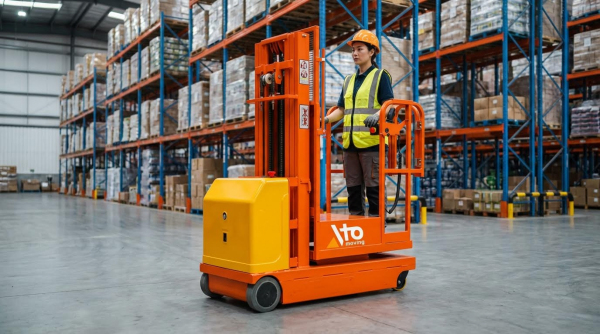
People who ask what is warehouse picker job often focus on duties. Working conditions, safety, and ergonomics matter just as much. These factors decide long‑term health, productivity, and real hiring costs for logistics operators. Engineering teams must design layouts, equipment, and workflows that keep pickers safe while they hit demanding targets.
Physical Demands, Shifts, And Environmental Factors
A warehouse picker walks, lifts, and reaches for most of the shift. Daily walking distance can reach several kilometres in large sites. Typical loads range from light cartons to items above 15 kilograms, depending on product mix and local rules. Repetitive bending, twisting, and overhead reaching create cumulative stress on the spine and shoulders.
Shift patterns usually include early, late, and night shifts. Peak seasons extend hours and compress breaks. Fatigue then becomes a key risk factor for errors and incidents. Environmental conditions also shape the job. Ambient warehouses often expose workers to heat in summer and cold in winter. Refrigerated or frozen storage adds thermal stress and limits exposure time.
Engineers and managers should control these factors by:
- Setting realistic pick rates for walking distance and load weight.
- Defining maximum manual lift limits in line with national guidance.
- Using zoning so heavy or fast‑moving items stay near packing areas.
- Adjusting lighting, airflow, and local heating or cooling near pick faces.
These controls help keep performance stable across shifts while protecting health.
Common Injury Risks And Control Measures
The warehouse picker role carries clear injury patterns. The main risks are musculoskeletal disorders, slips and trips, falls from height, and vehicle impacts. Repetitive lifts and awkward postures drive back, shoulder, and wrist injuries. Poor housekeeping or wet floors cause slips. Pallet edges and loose wrap create trip hazards.
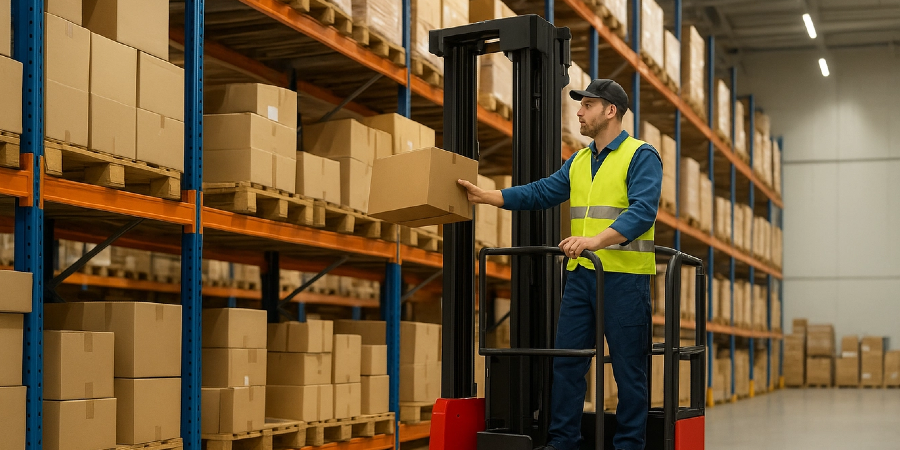
Order picking at height on mezzanines or warehouse order picker trucks adds fall and falling‑object risks. Forklifts and pallet trucks introduce crush and strike hazards, especially in narrow aisles. To control these risks, sites should apply a layered approach:
- Engineering controls: guardrails, fall‑arrest systems, anti‑slip flooring, rack protection, and traffic segregation.
- Administrative controls: clear pick paths, speed limits, one‑way systems, and enforced housekeeping standards.
- Training: safe lifting, correct use of harnesses, and strict vehicle–pedestrian rules.
Routine inspections of racks, floors, and equipment support this system. Data from incident reports and near‑miss logs should feed continuous improvement. When companies answer what is warehouse picker job during hiring, they should explain these risks and controls clearly so candidates understand real conditions.
Ergonomic Aids, Exosuits, And Assist Devices
Ergonomics turns a physically heavy picker job into a more sustainable one. The aim is to keep loads close to the body, reduce bending, and cut reach distance. Storage design plays the first role. High‑volume SKUs should sit between knee and shoulder height. Heavy cases should not occupy top or bottom locations where bending and overhead lifting increase spinal load.
Simple aids already reduce risk:
- Lift tables and pallet positioners keep the working layer near waist height.
- Cart and trolley designs that roll easily lower push and pull forces.
- Roller or gravity lanes bring cartons to the picker instead of the reverse.
Newer solutions include passive and powered exosuits. Passive suits use springs or elastic elements to support the lower back or shoulders. They can reduce muscle effort during frequent lifts but need correct sizing and training. Powered suits add actuators to assist hip or knee extension. These systems suit high‑frequency, moderate‑weight handling but require charging, inspection, and clear rules of use.
Assist devices such as vacuum lifters, small hoists, and height‑adjustable workstations also help. Engineers should compare options using criteria like peak force reduction, cycle time impact, maintenance needs, and worker acceptance. The best systems integrate into the pick flow without adding delays or complex steps.
Automation, Cobots, And Human–Machine Interfaces
Modern sites that define what is warehouse picker job now include automation in the answer. Pickers often work with autonomous mobile robots, conveyors, or shuttle systems. Goods‑to‑person stations bring totes or cartons to fixed pick points. This layout cuts walking distance and can reduce injury risk if station design follows ergonomic rules.
Cobots and robotic arms support tasks such as piece picking, palletizing, or depalletizing. They handle repetitive or heavy motions while humans manage exceptions, quality checks, and non‑standard items. Safe operation depends on clear human–machine interfaces. Visual cues, light curtains, and speed‑and‑separation monitoring keep interaction predictable.
Key design points include:
- Setting pick window height within the ergonomic zone.
- Limiting reach depth of bins and trays.
- Providing clear displays that show robot status and next tasks.
- Defining safe zones and escape routes around moving equipment.
Automation changes risk type rather than removing risk. Mechanical hazards, control system faults, and software errors can still hurt workers. Structured risk assessments, lockout procedures, and regular safety validation remain essential. When implemented well, automation lets pickers shift from pure manual labour to more skilled monitoring, exception handling, and system tuning, improving both safety and career prospects.
Skills, Training, And Advancement Pathways
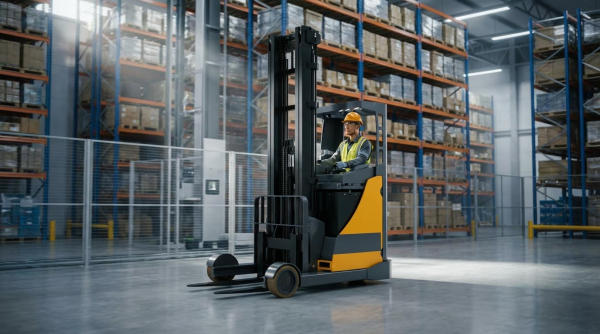
People who ask what is warehouse picker job often want to know if it can grow into a long-term career. Skills, training, and clear advancement paths decide how far a picker can move in logistics, maintenance, or safety roles. Modern warehouses treat picker development as part of overall supply chain engineering and performance planning.
Entry Skills, Testing, And Onboarding Programs
Entry pickers need solid basic skills before any advanced training. Employers usually look for good physical fitness, simple math, and strong focus on detail. New hires often pass practical tests that measure lifting, walking speed, and order accuracy.
Typical selection steps include:
- Timed pick simulations with barcodes or paper lists
- Lift and carry tests with loads between about 10 kg and 25 kg
- Simple numeracy and reading checks for labels and locations
Onboarding programs link safety and process learning from day one. A structured plan often includes three blocks. First comes safety rules, PPE, and manual handling basics. Second covers site layout, pick paths, and stock locations. Third uses shadow shifts with an experienced picker and short supervised runs with real orders.
Supervisors track early error rates and scan speed during the first weeks. They adjust coaching and slotting tasks so new pickers stay productive without overload. This staged approach cuts early mistakes and supports better retention.
Technical Upskilling: WMS, RFID, And Data Use
Once pickers master basics, technical skills drive the next step. Most sites rely on a warehouse management system to release, guide, and confirm picks. Pickers learn to follow RF scanner prompts, confirm quantities, and flag stock problems in real time.
Structured upskilling usually covers:
- WMS navigation, from log-in to exception handling
- Scanner use, barcode logic, and common error codes
- RFID tag reading where sites use smart shelves or pallets
Trainers also teach simple data thinking. Pickers learn how mis-scans affect inventory accuracy, backorders, and customer complaints. They see how their own KPIs, such as lines per hour and pick accuracy, link to WMS reports.
In more advanced programs, selected pickers help test new features such as wave picking rules or pick-to-light hardware. This builds system confidence and prepares them for planner or continuous improvement roles. It also supports smoother technology rollouts with lower disruption.
Paths To Lead, Supervisor, And Planner Roles
For workers who ask what is warehouse picker job in the long term, team roles are the usual next step. Lead pickers handle complex orders, coach new staff, and act as the first contact on the floor. They still pick orders but also balance workloads and help solve local issues.
Supervisor roles add more planning and control work. Typical duties include:
- Shift staffing and task assignment by zone or carrier cut-off
- Monitoring KPIs such as on-time dispatch and short-ships
- Incident reporting and safety walk-throughs
Planner or coordinator paths focus more on data and layout. These staff tune pick paths, slot fast movers, and adjust labor plans to volume. They work closely with engineering or continuous improvement teams to change rack layouts and picking methods.
To reach these roles, pickers usually need strong communication skills and proven accuracy. Many sites add short courses in people management, basic Excel, and problem solving tools. Internal promotion programs often use clear bands tied to skills, not only years of service.
From Picker To Maintenance, HSE, Or Automation
Modern facilities offer paths beyond pure operations. Some pickers move toward technical maintenance, health and safety, or automation support. Their field knowledge of pick paths, traffic, and pain points gives them an advantage when they retrain.
- Maintenance technician, after training in basic mechanics and electrics
- HSE or safety officer, with formal safety courses and audit skills
- Automation or robotics operator, supporting shuttles, conveyors, or order picking machines
Engineering-led warehouses often support these moves with apprenticeships or part-time study. Candidates may start as “champions” for topics such as ergonomics, 5S, or equipment checks. Over time they gain enough technical depth to change roles fully.
This broader mobility changes how managers answer what is warehouse picker job. It becomes an entry point into wider logistics, not a dead-end task. With clear skill ladders and targeted training, sites can reduce turnover and build a stable internal talent pipeline for future engineering and leadership roles.
Summary: Role Evolution And Engineering Implications
People who ask what is warehouse picker job usually focus on tasks and pay. Engineers and managers also need to see how the role fits into larger warehouse systems. The picker now sits at the center of digital workflows, safety design, and automation strategy. This section links day‑to‑day picking work with long‑term engineering choices in layout, equipment, and technology.
Modern pickers worked with WMS, scanners, and structured pick paths. Their accuracy drove key warehouse KPIs such as order fill rate, lines per hour, and error cost. Engineering teams had to match slotting, travel distances, and rack design to realistic human walking speeds and reach limits. Safety data on back strain, falls, and equipment impacts pushed facilities toward better ergonomics and stricter traffic rules.
Designers increasingly treated pickers and machines as a joint system. They combined conveyors, goods‑to‑person modules, and assist devices such as scissor platform and exosuits. Typical goals were lower travel time, fewer lifts above shoulder height, and reduced peak forces on the spine. Automation and cobots took over repeat, high‑frequency moves, while humans handled exceptions, mixed SKUs, and quality checks.
Going forward, the warehouse order picker job will depend more on data use and system awareness. Pickers will interpret alerts from WMS, sensors, and vision systems, not just follow paper lists. Engineering teams will need to validate new layouts and robots against human limits, not only throughput models. Well‑planned training, clear procedures, and simple human–machine interfaces will stay critical, even as technology changes.