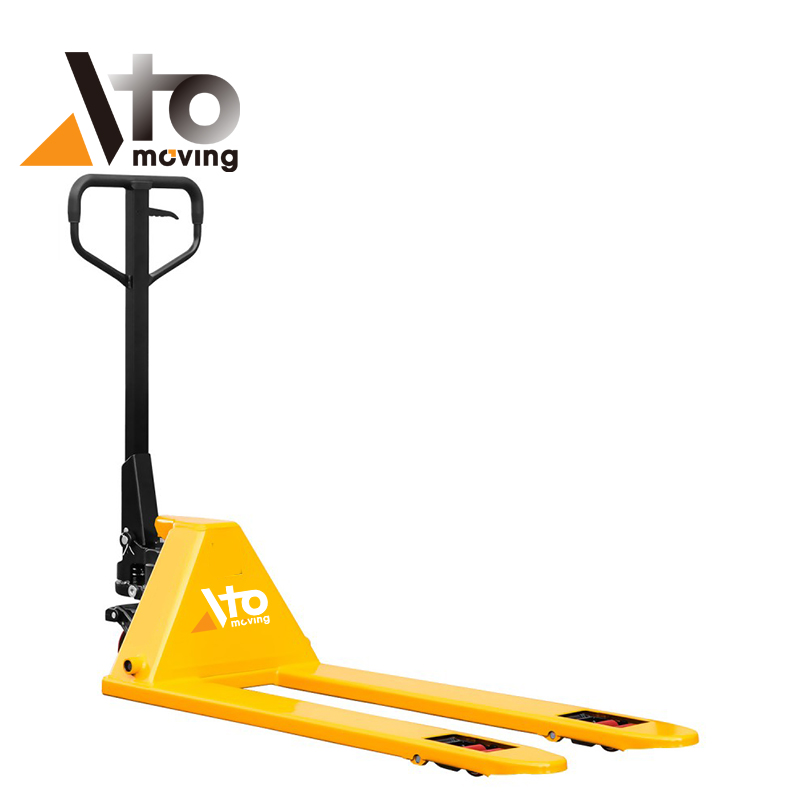
Understanding how much does a pallet truck weigh is critical for safe floor loading, rack design, and day‑to‑day handling effort. This guide breaks down typical weight ranges, the engineering choices that drive them, and how truck mass affects your slabs, mezzanines, and racking. You will see how truck weight, load capacity, and wheel selection interact so you can specify the right pallet truck for both operators and structures.
What A Pallet Truck Weighs And Why It Matters

The answer to “how much does a pallet truck weigh” ranges from about 55 kg for light manual units to over 900 kg for heavy electric models, and that weight directly affects safety, floor loading, and maneuverability. You must treat truck weight as part of your working load, not just a spec on a nameplate.
In this section we break down typical pallet truck weight bands by type and show how empty truck weight combines with load to create total working load on floors, ramps, and racks.
Typical weights by pallet truck type
Different pallet truck designs sit in very distinct weight bands, so you should start by matching truck type and weight to your building, racks, and handling pattern.
| Pallet truck type | Typical truck weight (kg) | Typical capacity (kg) | Key design notes | Operational impact |
|---|---|---|---|---|
| Short-fork manual pallet truck | 55–59 | Up to 2,000–3,000 | Short forks, compact frame | Light to pull, tight turning radius for narrow aisles and vans (short-fork data) |
| Standard low-lift manual pallet truck | 65–90 | 2,000–3,000 | Classical 1,150 mm fork length | Good balance of stability and effort for most warehouses (65–90 kg range) |
| Extended-fork manual pallet truck | 82–123 | Often 2,000–3,000 | Longer forks, more steel | Heavier to push; needs wider aisles and larger turning space (82–123 kg) |
| High-lift / scissor manual pallet truck | 100–150 | ≈1,000 | Scissor mechanism, deeper frame | Heavier truck, lower capacity; better for work positioning than long moves (100–150 kg, ≈1,000 kg) |
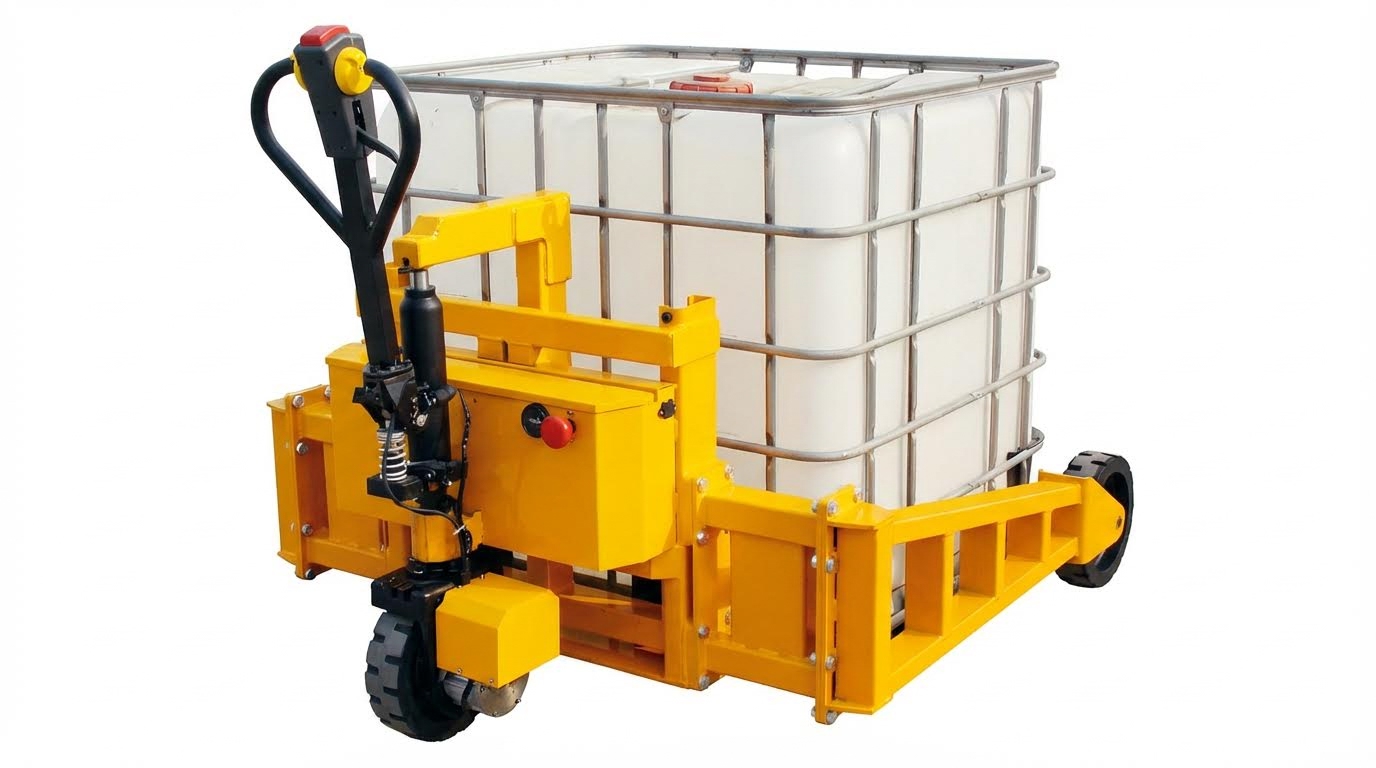
| All-terrain manual pallet truck | 149–248 | ≈1,000–1,500 | Pneumatic wheels, reinforced frame | Very heavy; suited to yards and rough ground, not tight aisles (149–248 kg) |
| General manual pallet truck range | 68–113 | Up to ≈2,500 | Broad “standard” band | Used for most light–medium warehouse work; check exact weight for mezzanines (68–113 kg) |
| Electric pallet truck – light walkie | ≈180–400 | ≈1,500–2,000+ | Compact battery and drive unit | Heavier footprint than manual; better for frequent moves and ramps (from 180 kg) |
| Electric pallet truck – standard | 400–900 | Often 2,000–3,000+ | Larger drive unit and battery | High dead weight; critical for floor load checks and dock levellers (up to 900 kg) |
For SEO clarity, if you ask “how much does a pallet truck weigh” in practical terms: most manual units sit around 70–110 kg, heavy all-terrain versions can approach 250 kg, and electric pallet trucks can easily exceed 400–900 kg once the battery is installed.
- Light trucks (≈55–80 kg): Short-fork and some standard manuals – best for vans, retail backrooms, and mezzanines with tight load limits.
- Medium trucks (≈80–130 kg): Standard and long-fork manuals – general warehouse work with typical concrete slabs.
- Heavy manual trucks (≈150–250 kg): High-lift and all-terrain – use where you really need height or off-road ability, and verify floor ratings.
- Electric trucks (≈180–900+ kg): Battery-powered – ideal for high-frequency moves but critical to include in floor and dock calculations.
💡 Field Engineer’s Note: When I review mezzanine or rack-supported floors, the first red flag is a “mystery” electric pallet truck whose dead weight nobody has checked; always get the actual truck weight from the nameplate before approving use upstairs.
How to quickly estimate if a pallet truck is “light” or “heavy” for your site
If a single operator can easily drag the empty truck sideways by the handle, it is likely under ≈90 kg and usually safe for typical ground-floor slabs. If two people struggle to shift it empty, you are probably in the 150 kg+ class and should confirm floor and platform limits before assigning it to mezzanines, tail-lifts, or lightweight docks.
Truck weight vs load and total working load
The truck’s own mass always adds to the pallet and product weight, so you must work with total working load, not just the pallet payload, when checking floors, racks under pallets, and dock equipment.
| Scenario | Truck weight (kg) | Load on forks (kg) | Total working load (kg) | Why it matters |
|---|---|---|---|---|
| Light manual jack with moderate load | ≈80 | 1,000 | 1,080 | Example of how an 80 kg truck increases actual floor load beyond the pallet weight alone (1,080 kg example) |
| Standard manual jack at typical capacity | 65–90 | 2,000–3,000 | 2,065–3,090 | Total load used for slab design checks, dock plates, and small goods lifts (65–90 kg, 2,000–3,000 kg) |
| High-lift manual truck | 100–150 | ≈1,000 | 1,100–1,150 | Heavier frame plus moderate load can create high point loads on small platforms and lifts (100–150 kg, ≈1,000 kg) |
| All-terrain manual truck | ≈190–220 | ≈1,000–1,500 | ≈1,190–1,720 | Very high total load concentrated on a few large wheels; critical for checking slabs and ramps (190–220 kg, ≈1,000–1,500 kg) |
| Electric pallet truck – mid-range | ≈400–900 | ≈2,000–3,000 | ≈2,400–3,900 | Truck weight plus battery mass can nearly double the live load compared to manual equipment (180–900 kg, heavy loads) |
From an engineering standpoint, “truck weight vs load” means:
- Truck weight: Empty mass of the pallet truck, typically 55–150 kg for manual units and 180–900 kg for electric models (55–150 kg manuals) (180–900 kg electrics).
- Rated load capacity: Maximum safe pallet load on the forks, commonly 2,000–3,000 kg for standard manual trucks (capacity band).
- Total working load: Truck weight + pallet + product; this is the number you compare to floor, dock, lift, and mezzanine ratings.
For compliance with standards such as OSHA and ANSI MH16.1, the total working load, including the pallet truck itself, must stay within the rated capacity of floors, racks, and handling equipment (total load requirement).
Quick method to include truck weight in your floor checks
1) Take your heaviest pallet plus pallet weight (for example, 1,000 kg load + 25 kg pallet = 1,025 kg). 2) Add the truck dead weight from the data plate (for example, 80 kg manual or 500 kg electric). 3) Use this total (1,105 kg or 1,525 kg in the examples) when you check slab ratings, dock plate ratings, or small lift capacities, not just the pallet weight alone.
💡 Field Engineer’s Note: When you see cracked floor toppings at dock doors, it is often because someone sized the concrete for 1,200 kg pallets but then introduced 500–900 kg electric pallet trucks without ever recalculating the combined working load.
Engineering Drivers Of Pallet Truck Weight
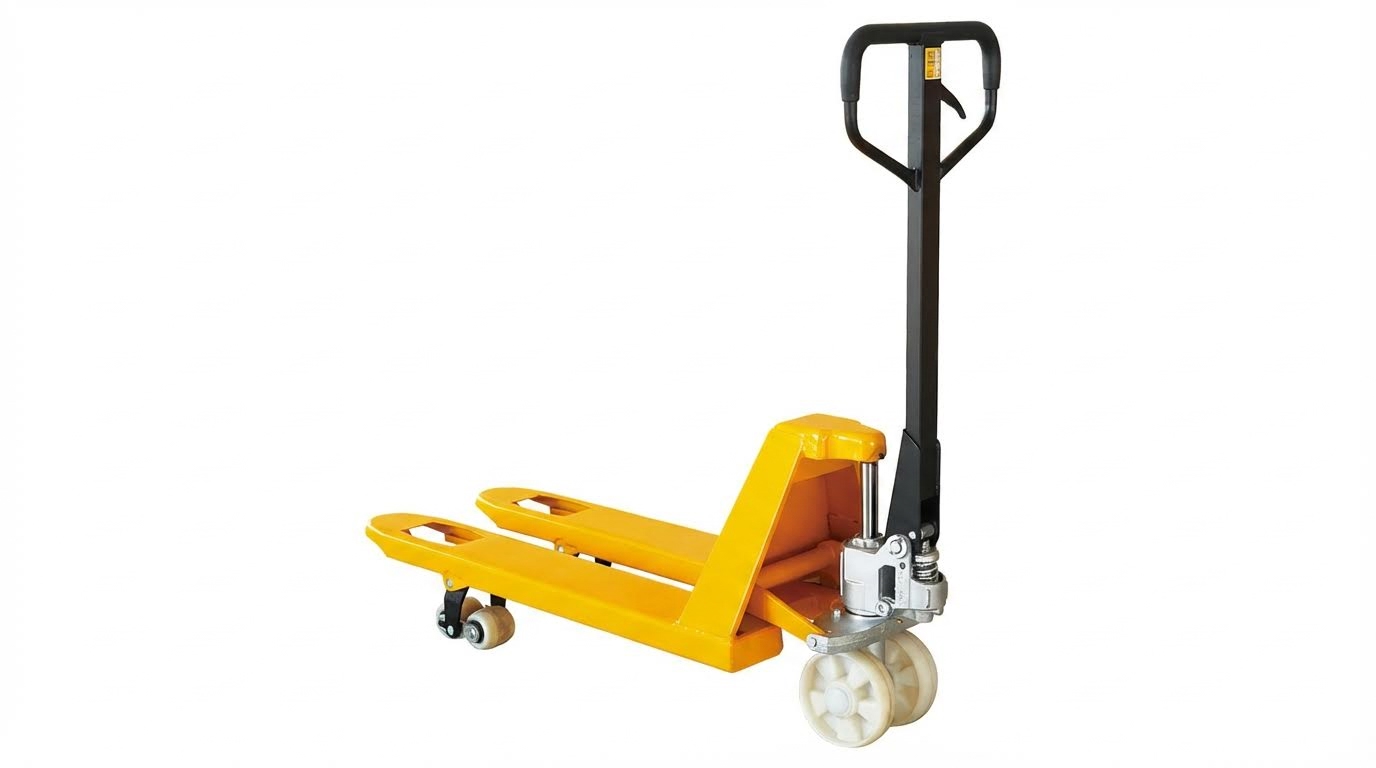
Pallet truck weight is driven mainly by steel frame design, wheel and axle hardware, and (for electrics) the battery system, and these factors explain most real-world answers to “how much does a pallet truck weigh.”
Understanding these engineering levers lets you predict weight ranges, floor impact, and handling effort instead of relying only on catalogue numbers.
Frame materials and fork geometry
The frame material grade and fork geometry are the primary structural reasons why one pallet truck weighs 65 kg and another 150 kg for the same load class. Higher strength steel and smarter fork sections reduce mass without sacrificing capacity.
- Steel grade and thickness: Higher-strength steel allows thinner fork and frame sections – cuts weight while keeping a 2,000–3,000 kg rating.
- Low-strength, thick sections: Lower-strength steels need thicker plates and webs – adds several kilograms and makes the truck harder to pull.
- Bottom stiffeners: Full-length fork stiffeners or ribs add a few kg per fork – reduce fork twist and tip damage under 2,000–3,000 kg loads.
- Fork tip build-up: Thicker fork tips and reinforced entries add mass – survive repeated pallet entry on rough dock floors.
- High-lift / scissor geometry: Deeper, trussed fork structures push frames into the 100–150 kg range – allow lift to bench height but increase floor point loads.
- Fork length and width: Every extra 100 mm of fork length adds about 1–3 kg depending on thickness – long forks for double pallets always weigh more.
| Design choice | Typical weight effect | Capacity context | Operational impact |
|---|---|---|---|
| Standard low-lift frame | ≈65–90 kg truck weight reference | 2,000–3,000 kg | Balanced pull force and durability for normal warehouse pallets. |
| Short-fork manual frame | ≈55–59 kg reference | ≈2,000–2,500 kg | Lighter chassis improves turning in tight aisles and small lifts. |
| Extended-fork frame | ≈82–123 kg reference | Up to ≈3,000 kg | Heavier to manoeuvre; needs wider aisles and stronger floors. |
| High-lift / scissor frame | ≈100–150 kg reference | ≈1,000 kg | Acts as a work-positioner; higher self-weight increases point loading. |
| All‑terrain frame with reinforcements | ≈149–248 kg reference | ≈1,000–1,500 kg | Heavy chassis plus bracing for yards and rough ground. |
💡 Field Engineer’s Note: When you ask “how much does a pallet truck weigh” for mezzanine use, check if the model has full-length fork stiffeners or scissor geometry; those few extra millimetres of steel often add 20–40 kg and can tip a marginal floor over its design point load.
How fork geometry affects turning and entry
Lower fork profiles reduce entry impact into pallets but need better steel. Thicker, higher forks ride stiffer, increase approach angle, and add weight, but they tolerate damaged pallets and dock plates better.
Wheel, axle, and bogie design choices

Wheel diameter, material, and bogie hardware can swing pallet truck weight by tens of kilograms while also changing push force and floor loading. Bigger, softer wheels and reinforced axles always mean more steel and more mass.
- Load wheel size and material: Larger or softer load wheels add several kg per pair – improve ride on rough or expansion-jointed floors.
- Steer wheel diameter: Oversized steer wheels add 2–5 kg – climb dock plates and thresholds with less impact and effort.
- Bogie assemblies: Tandem or bogie wheels with extra brackets add 3–10 kg – spread load over more contact points and lower floor stress.
- All-terrain wheel kits: Large pneumatic or semi‑pneumatic wheels push total truck weights toward 190–220 kg for ≈1,000 kg capacity reference – excellent on gravel but heavy to reposition.
- Bracket and axle reinforcement: Heavier axles and gusseted brackets add steel – survive impacts and side loads from uneven yards.
- Wheel material vs floor: Hard nylon is light; softer polyurethane or rubber is heavier – trades a few kg for quieter, grippier running.
| Wheel / bogie setup | Relative weight impact | Typical truck weight band | Best for… |
|---|---|---|---|
| Single nylon load wheels | Baseline, lightest | Manual trucks ≈65–90 kg reference | Smooth, hard warehouse floors with minimal joints. |
| Tandem polyurethane bogies | +3–10 kg vs single | Often 70–110 kg overall | Rough floors, dock plates, and moderate ramps. |
| Oversized steer wheels | +2–5 kg | Varies by model | Thresholds, rails, and outdoor–indoor transitions. |
| All‑terrain pneumatic wheels | Largest increase | ≈190–220 kg for ≈1,000 kg class reference | Yards, construction sites, and unpaved surfaces. |
💡 Field Engineer’s Note: On marginal concrete or mezzanines, upgrading to tandem bogies often helps more than asking “how much does a pallet truck weigh” in isolation; you keep similar truck mass but double or triple the contact patches, cutting point pressure dramatically.
Choosing wheel material for your floor
Hard nylon wheels are light and roll easily but can chip and mark brittle floors. Polyurethane adds a little weight yet protects coatings, runs quieter, and gives better grip on slightly dusty surfaces.
Battery systems in electric pallet trucks
In electric pallet trucks, the battery system is usually the single largest contributor to truck weight, often adding hundreds of kilograms to the base frame. Battery chemistry, capacity, and enclosure design explain why electric units can weigh 180–900 kg or more.
- Battery mass vs truck class: Standard electric pallet trucks typically weigh 180–900 kg including batteries reference – several times heavier than 68–113 kg manual units.
- Heavy‑duty industrial batteries: High‑capacity packs can push truck weight beyond 1,500 kg reference – suited to intense multi‑shift use but demanding on floors and docks.
- Battery as counterweight: Extra battery mass improves traction and stability – helps on ramps but increases total floor load and transport weight.
- Enclosures and trays: Steel battery trays, covers, and retention hardware add more kg – protect cells from impact and meet safety standards.
- Chemistry choice: Lead‑acid batteries are heavier per kWh than many lithium options – lead‑acid trucks are typically heavier but cheaper upfront.
- Ergonomics and regulations: Higher truck weight reduces operator push effort because the motor does the work – but you must include truck mass in OSHA / ANSI floor and rack load checks.
| Truck type | Typical truck weight (incl. battery) | Main driver of mass | Operational impact |
|---|---|---|---|
| Manual pallet truck | ≈68–113 kg reference | Steel frame and forks | Light enough for mezzanines and vans; human push force limits duty cycle. |
| Standard electric pallet truck | ≈180–900 kg reference | Battery + drive unit | Greatly reduced operator strain; higher floor and dock plate loads. |
| Heavy‑duty electric pallet truck | >≈1,500 kg reference | Large industrial battery | Designed for high‑volume operations; must be checked against slab and rack limits. |
💡 Field Engineer’s Note: On older mezzanines I often recommend smaller‑capacity electric pallet trucks; shaving 200–300 kg of battery mass matters more to structural safety than squeezing an extra hour of runtime between charges.
Battery weight and safety compliance
Total load calculations for floors, docks, and racks must include the pallet truck’s own weight as well as the pallet and product. This is mandatory under common safety standards, which treat the truck as part of the live load rather than “free weight.”
Floor Loads, Rack Safety, And Truck Selection
Floor and rack safety depends on the total working load: pallet truck weight plus load plus pallet. Knowing how much does a pallet truck weigh is essential before checking slab ratings and pallet rack capacities.
- Total working load matters: Always add truck weight to pallet and product – this is what the floor and racks actually see.
- Contact area controls pressure: Wheel size, number of wheels, and fork spread – these decide if floors chip or racks deform.
- Rack beams have limits: Typical levels handle only a few thousand kilograms – overload once, and you can permanently bend steel.
- Truck choice is a safety decision: Matching weight, wheel type, and capacity to your building – prevents hidden structural damage.
💡 Field Engineer’s Note: When a floor is “borderline,” I downsize truck weight and go to multi-wheel bogies before I even think about upgrading the slab. It’s usually cheaper to change trucks than to fix concrete.
Calculating floor and rack loads with truck weight
To calculate floor and rack loads, you add pallet truck weight to the pallet, product, and any accessories, then compare this total to slab and rack ratings with a safety margin.
Most manual pallet trucks weigh about 68–113 kg, while electric pallet trucks typically range from 180–900 kg, with some heavy‑duty units exceeding 1,500 kg. These ranges are the starting point for any structural check. You must then add pallet and product weight to get the real floor or rack demand.
| Item | Typical Weight / Capacity | What To Include In Calculations | Operational Impact |
|---|---|---|---|
| Manual pallet truck | 68–113 kg (150–250 lb) typical range | Empty truck mass | Add to pallet + product for total floor load on slabs and mezzanines. |
| Electric pallet truck | 180–900 kg (400–2,000 lb) standard; up to >1,500 kg heavy‑duty due to battery mass | Truck + battery | Heavier base weight increases point loads, critical on older slabs and mezzanines. |
| Typical pallet + product | 500–1,500 kg (varies by operation) | Gross load on forks | Dominates total working load; must respect truck rating and rack beam capacity. |
| Total working load (example manual) | 80 kg truck + 1,000 kg load = 1,080 kg illustrative calculation | Truck + load | This is what the floor “feels”; use it when checking slab or platform limits. |
| All‑terrain / specialty manual | ≈149–248 kg truck weight with 1,000–1,500 kg loads | Higher empty mass + load | Very high point loads on small platforms and mezzanines; must be checked explicitly. |
| Pallet rack beam capacity | ≈1,360–2,270 kg per level (3,000–5,000 lb) typical range | Per beam level, evenly distributed | Do not exceed, even briefly; overloading can permanently deform beams and uprights. |
When people ask “how much does a pallet truck weigh” from a safety standpoint, the real question is “what is my total working load versus my floor and rack limits.” Regulations such as OSHA and ANSI MH16.1 require you to include truck weight in these calculations, not just the pallet and product.
- Always include truck weight: Manual 68–113 kg, electric 180–900+ kg – ignoring this can push a borderline slab over its limit.
- Use a safety factor: Stay at or below 80–90% of rated floor or rack capacity – to allow for uneven loading and dynamic effects.
- Watch mezzanines and platforms: High‑lift and all‑terrain trucks concentrate loads – verify their use is allowed before moving them upstairs.
- Respect rack beam ratings: Never exceed the posted per‑level capacity – overloading once can bend beams and reduce capacity permanently.
How to sanity‑check a rack level with a pallet truck load
1) Find the posted capacity per level in kg. 2) Add pallet truck weight + pallet + product. 3) Multiply by number of pallets on the level. 4) Confirm total is below rated capacity with at least 10–20% margin.
Matching wheel type and truck weight to floors
Matching wheel type and pallet truck weight to floor conditions minimizes point loads, prevents slab and rack damage, and reduces push forces for operators.
Wheel material and configuration control how the total working load transfers into the floor. Hard wheels such as nylon suit smooth, flat concrete, while softer polyurethane or rubber wheels perform better on uneven or sensitive surfaces. Polyurethane is a common compromise between durability and traction. At the same time, heavier trucks, especially electric models, increase the base load each wheel must carry.
| Floor / Structure Type | Recommended Wheel Type | Suitable Truck Weight Range | Operational Impact |
|---|---|---|---|
| New, smooth concrete slab | Hard nylon or polyurethane steer and load wheels for low rolling resistance | Manual 68–113 kg; compact electric 180–400 kg | Low rolling resistance and acceptable point loads; ideal for high‑throughput warehouses. |
| Older or cracked concrete | Softer polyurethane load wheels, larger diameter steer wheels | Lighter manual trucks preferred; avoid very heavy electric units unless slab is verified | Reduces chipping and spalling around cracks by spreading load and softening impact. |
| Epoxy or resin‑coated floors | Polyurethane or rubber to protect coating | Manual 68–113 kg or light electric; avoid unnecessary heavy‑duty models | Prevents gouging and delamination of coatings, extending floor life. |
| Mezzanines / suspended floors | Polyurethane, multi‑wheel bogies under forks | Only the lightest manual trucks; avoid 900+ kg electric units | Lower point load per wheel; critical where structural capacity is limited. |
| Outdoor yards / rough surfaces | Large pneumatic or soft rubber all‑terrain wheels | Heavier all‑terrain trucks ≈149–248 kg with 1,000–1,500 kg loads | Handles gravel and potholes but produces very high point loads on any small hard surface. |
- For fragile floors: Use lighter manual trucks and soft, larger‑diameter wheels – this spreads load and reduces surface stress.
- For long indoor runs: Harder wheels on smooth concrete – this cuts rolling resistance and operator effort.
- For racks on mezzanines: Combine low truck weight with polyurethane wheels and strict load control – to avoid overstressing beams and joists.
- For outdoor work: Accept higher truck weight with pneumatic wheels – but keep these units off weak slabs and platforms.
How wheel configuration affects point loading
Multi‑wheel bogies under each fork tip split the load across more contact patches. This reduces the kg per wheel and softens the impact when crossing joints or dock plates. Single large wheels concentrate load and can damage thin slabs or mezzanine decks if total working load is high.
💡 Field Engineer’s Note: When a customer upgrades from manual to electric pallet trucks, I always re‑check wheel type and floor ratings. Doubling the truck weight without changing wheels can quietly double wheel contact stress and start chipping slabs within months.
Final Thoughts On Specifying Pallet Truck Weight
Pallet truck weight is not just a catalogue figure. It drives floor pressure, rack demand, and long‑term structural health. Frame geometry, wheel sets, and battery systems all add kilograms, and those kilograms turn directly into higher point loads on slabs, mezzanines, docks, and rack beams.
Operations teams must treat truck weight as part of the live load. Always combine truck mass, pallet, and product to get total working load, then compare that number with rated floor and rack capacities. Use wheel type and configuration to spread this load, especially on older concrete, coated floors, or suspended structures.
As a best practice, keep heavy electric trucks on verified ground‑bearing slabs. Reserve light manual units with soft, multi‑wheel bogies for mezzanines and fragile decks. Standardize a simple calculation sheet so supervisors can check any new truck before it enters service.
When you specify pallet trucks from Atomoving, start with the building, not the brochure. Define slab and rack limits, pick the lightest truck that meets throughput, then tune wheels and battery size to your floors. This approach keeps operators productive, protects your structure, and locks in safe capacity for the life of the site.
Frequently Asked Questions
How much do pallet trucks weigh?
Pallet trucks typically weigh between 50 kg and 70 kg, depending on their load capacity and design. For example, a hand pallet truck with a load capacity of 2,500 kg usually has a tare weight of approximately 54 kg Pallet Truck Specifications. Another model with a higher load capacity of 3,000 kg weighs around 70 kg Manual Pallet Truck Guide.
What factors influence the weight of a pallet truck?
The weight of a pallet truck is influenced by several factors:
- Load Capacity: Higher load capacities often require stronger, heavier materials.
- Material: Steel is commonly used for durability, adding to the weight.
- Design Features: Additional features like reinforced forks or ergonomic handles can increase weight.
These factors ensure stability and safety during operation in warehouses or industrial settings.