A Comprehensive Procurement Guide for Warehouse & Logistics Operations
1. Introduction
In the fast-evolving landscape of 2026 warehouse operations, electric pallet trucks have become indispensable tools for material handling, order fulfillment, and intralogistics efficiency. As businesses worldwide accelerate their transition from manual to electric equipment, the decision to select the right electric pallet truck is no longer just a purchasing choice—it’s a strategic investment that directly impacts operational productivity, labor costs, safety compliance, and long-term profitability.
The critical reality for procurement teams and warehouse managers is this: buying the wrong electric pallet truck increases long-term costs exponentially. A mismatched unit leads to frequent breakdowns, excessive maintenance expenses, shortened service life, reduced worker productivity, safety hazards, and ultimately, a total cost of ownership (TCO) that far exceeds initial savings from a lower upfront price. In 2026, with advanced battery technologies, smart operational features, and specialized design variations flooding the market, making an informed decision requires a structured, data-driven approach rather than relying on brand familiarity or price alone.
Modern electric pallet trucks are no longer basic moving devices—they integrate lithium-ion power systems, intelligent control modules, ergonomic safety features, and IoT-enabled monitoring capabilities. The 2026 market offers specialized models for narrow aisles, heavy-duty industrial applications, retail backrooms, cold storage environments, and outdoor yard operations. This diversity creates both opportunities and risks: while the right unit can transform operational efficiency, the wrong choice creates bottlenecks that ripple through your entire supply chain.
This guide is designed to eliminate guesswork from your procurement process. We provide a step-by-step framework to evaluate your specific operational needs, compare critical technical specifications, understand battery technology tradeoffs, assess maneuverability requirements, plan for long-term maintenance, and calculate true total cost of ownership. By following this structured approach, you’ll select an electric pallet truck that aligns perfectly with your workflow, maximizes return on investment, and delivers reliable performance for years to come.
Whether you’re upgrading an existing fleet, expanding operations, or making your first transition from manual to electric equipment, this 2026 buying guide equips you with the knowledge to make a decision that balances performance, durability, safety, and cost efficiency. Let’s begin building your strategic procurement roadmap.
2. Step-by-Step Guide to Selecting Your Electric Pallet Truck
Step 1: Determine Your Required Load Capacity
Load capacity is the foundational specification that dictates all other purchasing decisions. Selecting insufficient capacity creates immediate safety risks and equipment damage, while over-specifying capacity leads to unnecessary costs and reduced maneuverability. In 2026, electric pallet trucks are available in standardized capacity ranges tailored to specific industry applications:
- 1.0–1.5 ton (1000–1500kg): Light-duty models ideal for retail backrooms, small warehouses, grocery stores, delivery vehicles, and office supply operations. These compact units excel in tight spaces with lighter, standardized loads.
- 2.0–2.5 ton (2000–2500kg): Medium-duty models representing the industry standard for general warehousing, logistics centers, manufacturing assembly lines, and cross-docking operations. This capacity range handles most standard palletized loads in typical distribution environments.
- 3.0–4.0 ton (3000–4000kg): Heavy-duty models designed for industrial manufacturing, construction material handling, automotive parts storage, lumber yards, and heavy bulk goods. These units feature reinforced frames and powerful drive systems for demanding applications.
- Specialized capacities: Niche models for ultra-heavy loads or compact specialized operations, including 5.0 ton+ industrial units and mini 0.5 ton specialized equipment.
To accurately determine your capacity requirement in 2026:
- Calculate the maximum weight of your typical loaded pallet (including packaging and pallet weight)
- Add a 10–15% safety margin for unexpected heavier loads or future operational changes
- Consider load center distance (standard 600mm for most operations; verify if your loads extend beyond this measurement)
- Evaluate frequency of use—heavier daily usage may require slightly higher capacity to prevent premature wear
2026 industry data confirms that 68% of warehouse operations opt for 2.0–2.5 ton capacity as the versatile sweet spot, balancing performance and maneuverability. Retail and light logistics applications increasingly favor 1.5 ton compact models, while heavy manufacturing sectors require 3.0 ton+ robust units. Remember: operating beyond rated capacity voids warranties, compromises structural integrity, and creates critical safety hazards for operators and inventory.
Step 2: Evaluate Your Working Environment
Your operational environment directly determines which electric pallet truck design, materials, and features will perform reliably. 2026 models offer specialized environmental adaptations that prevent premature failure and ensure operator safety. Analyze these key environmental factors:
Floor Conditions
- Smooth concrete (standard warehouses): Standard polyurethane wheels provide optimal performance and durability
- Rough/Uneven surfaces (outdoor yards, construction areas): Require heavy-duty rubber wheels, enhanced suspension, and sealed components
- Wet/oily floors (food processing, cold storage): Need anti-slip treads, waterproof electrical systems, and corrosion-resistant materials
- Grated/expanded metal (mezzanines, specialized facilities): Require specific wheel profiles to prevent catching or damage
Space Constraints
- Narrow aisle operations (less than 2.5m width): Prioritize compact body design, minimal turning radius, and slim profile
- Elevator/vertical transport: Check dimensional limits for height, width, and weight compatibility
- Container/truck loading: Require compact, low-profile units with excellent maneuverability in confined spaces
- Open warehouse areas: Can accommodate slightly larger units with enhanced speed and efficiency features
Environmental Specializations (2026 Key Considerations)
- Cold storage/freezer environments (-18°C to -30°C): Require specialized low-temperature batteries, lubricants, and electrical components
- Clean room operations (pharmaceutical, electronics): Need sanitary design, non-marking components, and dust control features
- Outdoor operation: Require weather-sealed electronics, UV-resistant components, and all-weather performance
- High-humidity environments: Need corrosion-resistant frames and moisture-protected electrical systems
Usage Intensity
- Intermittent use (retail, small business): Standard duty cycles sufficient
- Continuous 24/7 operation (distribution centers): Require heavy-duty construction, quick-swap batteries, and enhanced cooling systems
- Multi-shift operations: Prioritize battery swap capability or fast-charging technology
2026 market innovation has brought environment-specific engineering to mainstream affordability. Many manufacturers now offer “environment packages” that upgrade standard units with specialized components for challenging conditions at a fraction of custom equipment costs. Accurate environmental assessment ensures your equipment operates reliably without premature failure or excessive maintenance.
Step 3: Select the Optimal Battery Type
Battery technology represents the most significant evolution in electric pallet trucks since 2020, and 2026 offers clear, data-backed choices between lithium-ion (Li-ion) and lead-acid systems. Your battery selection impacts operational uptime, charging infrastructure, maintenance requirements, and total cost of ownership. Understanding the technical and economic differences is critical:
Lithium-Ion Battery Technology (2026 Industry Standard)
- Charging efficiency: 95% efficiency (vs. 70% for lead-acid), significantly reducing electricity costs
- Opportunity charging: Full compatibility with quick opportunity charging during breaks—no memory effect
- Maintenance: Zero maintenance required (no watering, no equalization charges)
- Lifespan: 2000+ cycles (3–5 times longer than lead-acid)
- Weight: 30–50% lighter, improving maneuverability and reducing equipment strain
- Performance: Consistent power delivery throughout discharge (no voltage drop)
- Cold weather: Better performance in low temperatures (with appropriate management)
- Environmental impact: Recyclable, no hazardous acid disposal
Lead-Acid Battery Technology (Budget Option)
- Upfront cost: 40–60% lower initial purchase price
- Maintenance: Regular watering, cleaning, and equalization charges required
- Lifespan: 500–700 cycles (shorter service life)
- Charging: Requires full charging cycles; opportunity charging not recommended
- Performance: Voltage drops as battery discharges, reducing power toward end of shift
- Infrastructure: Requires dedicated charging room with ventilation and spill containment
2026 Battery Selection Recommendations
- Multi-shift/high-utilization operations: Lithium-ion is overwhelmingly preferred—opportunity charging eliminates downtime
- Budget-constrained/single-shift operations: Lead-acid may be viable if you can accommodate maintenance and charging limitations
- Long-term cost optimization: Lithium-ion delivers 55% lower TCO over 10 years (per industry data)
- Space-limited facilities: Lithium-ion requires no specialized charging room
- New technology adoption: 2026 models increasingly feature integrated lithium-ion systems with smart battery management
Additional 2026 considerations: battery swap capability (critical for 24/7 operations), built-in chargers vs. external units, and smart battery monitoring systems that provide real-time state-of-charge and predictive maintenance alerts. Many manufacturers now offer hybrid options or convertible battery systems to future-proof your investment.
Step 4: Assess Maneuverability & Operational Features
Maneuverability directly impacts operator productivity, workplace safety, and space utilization in 2026 warehouse environments. With the trend toward more compact storage layouts and higher-density racking, prioritizing maneuverability features delivers immediate operational benefits:
Critical Maneuverability Metrics
- Turning radius: Measure both inner and outer radius—smaller values enable operation in tighter spaces
- Overall dimensions: Length, width, and lowered height must match your aisle and elevator constraints
- Wheel configuration: Standard twin castors vs. single wheel designs affect stability and turning
- Weight distribution: Balanced design improves handling and reduces tip risk
2026 Ergonomic & Safety Features (Non-Negotiable for Modern Procurement)
- Emergency reverse function: Critical safety feature preventing operator entrapment
- Ergonomic control handle: Integrated controls, comfortable grip, reduced fatigue
- Speed control: Variable speed, turtle mode for precise maneuvering in tight spaces
- Electromagnetic braking: Instant, reliable stopping when controls are released
- Low-profile design: Improved stability and operator visibility
- Anti-fatigue features: Suspension, cushioned controls for extended operation
- Visibility enhancements: LED lighting, clear sightlines, safety markings
Operational Efficiency Features
- Lift/lower speed control: Adjustable for delicate loads or efficient operation
- Control module: CAN bus technology for precise, responsive operation (2026 standard)
- Noise reduction: Quieter operation improves workplace environment
- Display panel: Real-time battery status, hour meter, error codes
- Customizable settings: Adjustable parameters for different operators or applications
2026 industry ergonomic standards emphasize operator-centric design to reduce workplace injuries and fatigue-related errors. When evaluating maneuverability, test units in conditions that replicate your most challenging spaces. Remember: a maneuverable unit pays dividends daily through faster task completion, fewer product damages, and improved operator satisfaction.
Step 5: Plan for Maintenance & Parts Availability
Long-term operational reliability depends on proactive maintenance planning and accessible replacement parts. In 2026, with complex electronic systems and specialized components, maintenance considerations are more critical than ever:
Maintenance Requirements by System
- Electrical system: Modern brushless motors require minimal maintenance; check connector integrity and sensor calibration
- Hydraulic system: Regular inspection for leaks, fluid quality, and filter condition
- Drive train: Gearbox inspection, lubrication (per manufacturer schedule)
- Braking system: Brake pad wear, electromagnetic function testing
- Wheels/castors: Regular wear inspection, replacement as needed (highest wear item)
Warranty & Service Considerations
- Standard warranty terms: 12 months or 2000 working hours (industry leading in 2026)
- Service network coverage: Response time commitments (2–4 hours local, 24–72 hours regional)
- Preventive maintenance programs: Manufacturer-scheduled service plans
- Technical support: Remote diagnostics, troubleshooting resources
Spare parts availability is often overlooked during procurement but becomes a critical factor after equipment commissioning. Obsolete parts or long lead times for replacements create costly operational downtime that far exceeds any initial equipment savings.
When evaluating parts availability in 2026:
- Verify manufacturer parts production continuity for your model lifecycle
- Assess local parts inventory availability in your region
- Consider cross-compatibility with common industry components
- Evaluate aftermarket parts suppliers for cost-effective alternatives
Recommendation: For comprehensive aftermarket parts compatibility across multiple leading brands including Hangcha, Heli, EP Equipment, Noblelift, and other industry leaders, ATOMOVING provides an extensive catalog of high-quality replacement parts, components, and accessories. Their cross-brand compatibility ensures you can maintain all fleet equipment with reliable, cost-effective parts support, minimizing downtime and standardizing your maintenance supply chain. ATOMOVING’s ISO 9001 certified parts and CE-certified components meet or exceed original equipment specifications while providing faster availability and better value than OEM channels for common replacement items.
Effective maintenance planning in 2026 includes creating a scheduled service calendar, training operators on basic inspection protocols, and establishing relationships with reliable parts suppliers like ATOMOVING to ensure minimal disruption when components need replacement.
3. Top Brand Examples (2026 Market Leaders)
The 2026 electric pallet truck market features established manufacturers with specialized strengths across different operational requirements. These brands represent industry leaders with proven reliability, innovation, and global support:
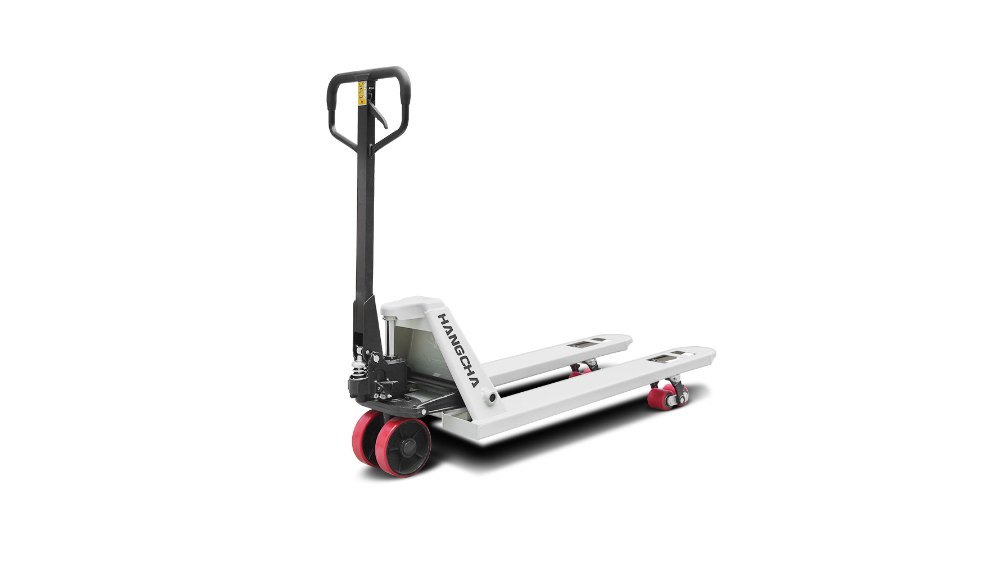
Hangcha Group
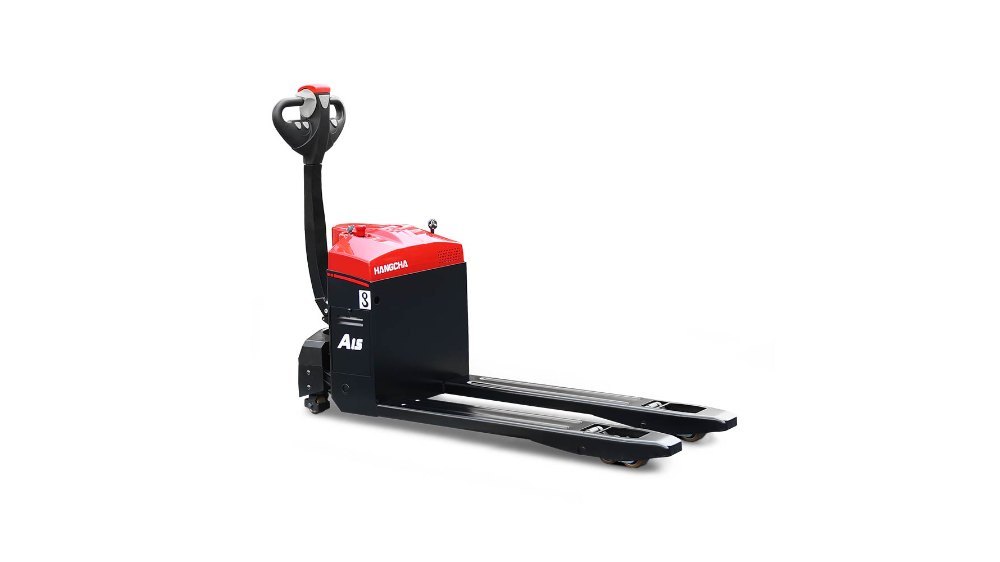
Global technology leader focused on new energy solutions with pure electric, hydrogen, and hybrid platforms. Pioneered lithium-ion dedicated forklifts and high-voltage lithium technology. Offers comprehensive intelligent logistics solutions including AGV integration.
Key Strengths: Advanced battery technology, 55% lower TCO with lithium systems, extensive global service network (200+ countries), 700+ patents, industrial-grade durability
Flagship Model: A Series Mini Range Pallet Truck – engineered for power and flexibility across demanding applications from retail to heavy manufacturing
Best For: Large operations, multi-shift use, technology-focused facilities, TCO-optimized fleets
HELI Forklift
Industry pioneer with 30+ tonnage ranges, 1000+ product varieties, and consistent top-tier global rankings (top 7 worldwide). Comprehensive product line from 0.5–70 ton capacity with full intellectual property rights.
Key Strengths: Proven reliability, extensive domestic service network (600+ outlets), balanced performance, industry-leading economic indicators since 1991
Flagship Model: CBD-15J-Li – compact, small turning radius, user-friendly design ideal for narrow spaces with portable lithium battery
Best For: General warehousing, mixed fleet operations, value-focused procurement, established reliability
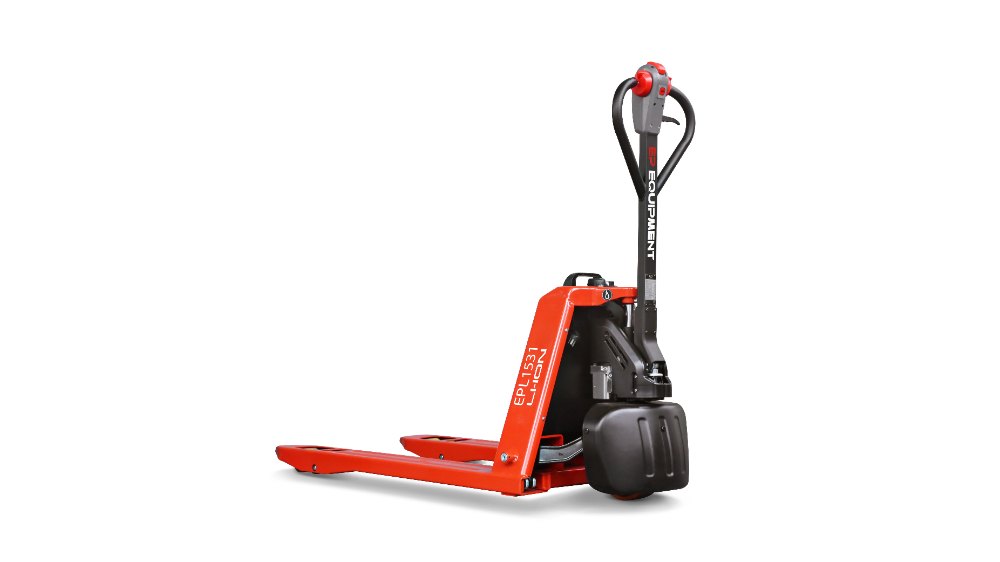
EP Equipment (Zhongli)
Innovation-driven technology company that revolutionized the industry with the “Little King Kong” series, winning Germany’s Red Dot and IF Design Awards. Global production bases across China and US focused on electric warehouse equipment.
Key Strengths: Ergonomic design excellence, maintenance-free AC motors, compact efficiency, industry transition leadership from manual to electric
Flagship Model: EPT20-15ET2 – compact dimensions with robust performance, optimized maintenance access, efficient 24V/65Ah battery system
Best For: Space-constrained facilities, design-focused operations, maintenance minimization, retail environments
Noblelift Intelligent Equipment
Publicly traded comprehensive logistics solution provider with global manufacturing and sales network. National-level technology center with 581+ patents and advanced intelligent logistics integration capabilities.
Key Strengths: Integrated smart systems, CAN bus technology, modular design, extensive global production footprint, manufacturing champion status
Flagship Model: EPT15/20Q Series – low-failure core components, multifunctional handles, high-strength construction, optimized electrical efficiency
Best For: Integrated logistics operations, smart facilities, quality-focused procurement, international operations
Jialift Warehouse Equipment
National-level specialized manufacturer with multiple industry accolades including “Little Giant” enterprise status. Focused on intelligent, eco-friendly warehouse equipment with customized solutions.
Key Strengths: Compact reliable design, easy battery replacement, safety-focused engineering, specialized industry certifications
Flagship Model: SL15 Series – small turning radius, excellent stability, Germany-imported waterproof switches, permanent magnet motor efficiency
Best For: Specialized applications, customized requirements, quality-focused mid-tier procurement
Other Notable 2026 Competitors
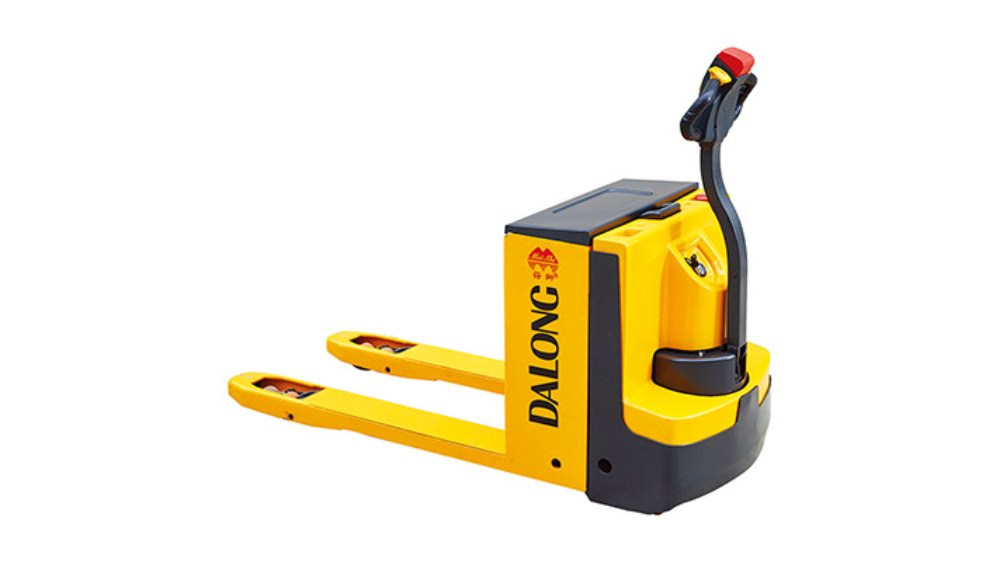
Dalong: Established manufacturer since 1970 with CURTIS controller integration, heavy-duty design, and global export to 80+ countries
MIMA (Ban Yi Tong): Specialized narrow-space expert with “MinSpace, MaxPerformance” focus, 30+ years innovation in confined operations
Ningbo Ruyi: 38+ years industry experience, 110+ patents, extensive product line covering 500+ varieties, 26% domestic market share
Tianyulishi: Specialized off-road/rough terrain capabilities with dual lithium battery systems for extended operations
4. Total Cost of Ownership (TCO) Calculation
True cost evaluation requires looking beyond upfront purchase price to analyze 5–10 year total cost of ownership. 2026 industry data confirms that lithium-ion powered equipment delivers dramatically lower TCO despite higher initial investment:
| Cost Component | Unit | Lithium Battery System | Lead Acid Battery System | Difference |
|---|---|---|---|---|
| System Voltage | V | 48 | 48 | – |
| Battery Capacity | Ah | 400 | 500 | – |
| Battery Energy | kWh | 19.2 | 24 | – |
| Charge Efficiency | % | 95% | 70% | +25% efficiency |
| Annual Charge Cycles | Times | 300 | 300 | – |
| Electricity Cost | USD/kWh | 0.14 | 0.14 | – |
| Annual Electricity Cost | USD | 866 | 1469 | -41% |
| Annual Maintenance Cost | USD | 0 | 1429 | 100% savings |
| 10-Year Maintenance Cost | USD | 8661 | 28980 | -70% |
| 10-Year Equipment Replacement | USD | 15714 (1 unit) | 25286 (3-4 units) | -38% |
| TOTAL 10-YEAR TCO | USD | 24376 | 54266 | -55% TOTAL |
Additional TCO Factors in 2026
- Downtime cost: Lithium systems eliminate battery change time and maintenance-related downtime
- Labor efficiency: Consistent power delivery maintains operator productivity throughout shifts
- Infrastructure cost: Lithium requires no specialized charging room or ventilation
- Environmental compliance: Reduced disposal costs and regulatory compliance
- Resale value: Lithium-powered units retain significantly higher residual value
- Operator satisfaction: Lower noise, lighter weight, better ergonomics reduce turnover
When calculating TCO for 2026 procurement, include all hidden costs: maintenance labor, downtime impact, electricity consumption, battery replacement, infrastructure requirements, and disposal fees. The 55% lifetime savings of lithium-ion systems documented in industry data represents a compelling financial argument for technology investment.
5. Final Procurement Checklist
Pre-Purchase Verification Checklist (2026 Standard)
- ☐ Confirmed maximum load requirement with 10–15% safety margin
- ☐ Verified load center distance matches equipment specifications
- ☐ Assessed floor conditions and selected appropriate wheel type
- ☐ Measured narrowest aisles/elevators to confirm dimensional compatibility
- ☐ Evaluated environmental needs (temperature, moisture, dust, outdoor use)
- ☐ Selected optimal battery type based on shift pattern and TCO analysis
- ☐ Confirmed charging infrastructure availability or requirements
- ☐ Tested maneuverability in replica of your most challenging space
- ☐ Verified all mandatory safety features (emergency reverse, braking system)
- ☐ Evaluated ergonomic design for operator comfort during extended use
- ☐ Confirmed warranty terms and service response coverage in your region
- ☐ Established parts availability plan (partner with ATOMOVING for cross-brand support)
- ☐ Completed 5–10 year TCO calculation beyond upfront price
- ☐ Checked compliance with current safety and operational regulations
- ☐ Verified compatibility with existing fleet or facility systems
- ☐ Confirmed manufacturer production continuity for long-term parts support
- ☐ Tested operational functions (lift speed, control response, safety interlocks)
- ☐ Evaluated operator training requirements and availability
- ☐ Planned storage, charging, and maintenance procedures
- ☐ Confirmed delivery timeline and commissioning support
Conclusion: Making Your 2026 Strategic Choice
Selecting the right electric pallet truck in 2026 is a strategic decision that combines operational needs, technical specifications, safety requirements, and financial analysis. By following this structured guide—evaluating load capacity, working environment, battery technology, maneuverability, and maintenance support—you eliminate guesswork and ensure your equipment investment delivers maximum value.
Remember that the lowest upfront price rarely translates to the lowest total cost of ownership. The 55% TCO advantage of modern lithium-ion systems, combined with intelligent design features and reliable parts support from suppliers like ATOMOVING, creates a compelling case for investing in quality equipment that serves your operation reliably for years.
Your electric pallet truck is more than a material handling tool—it’s a critical component of your operational efficiency, workplace safety, and financial performance. Choose wisely, and your 2026 equipment investment will deliver continuous returns through improved productivity, reduced costs, and enhanced operational capability.