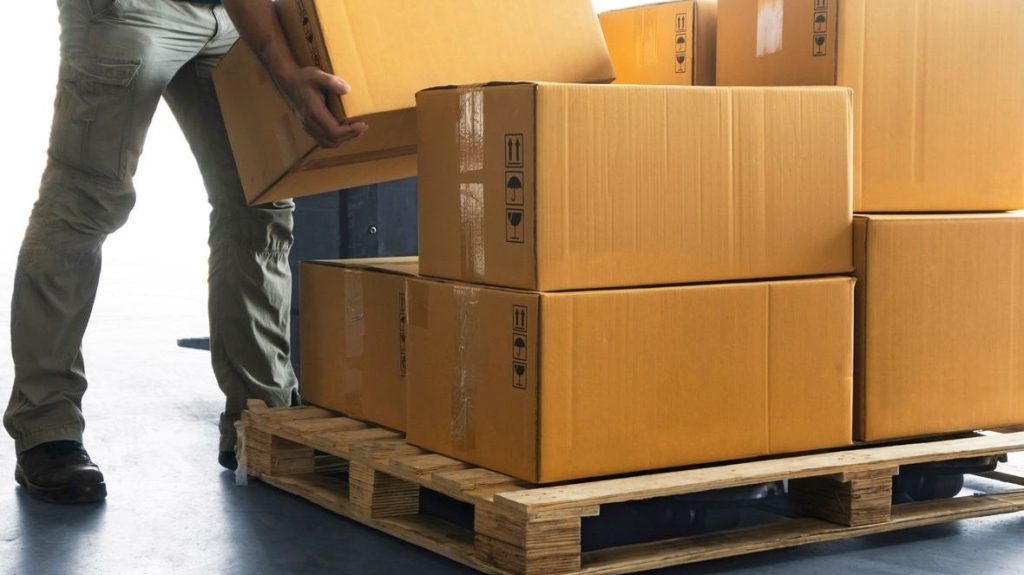
Manual pallet stacking is the balance between “how high to manually stack pallets” and what keeps people, product, and buildings safe. This guide links real height limits to stability ratios, floor conditions, fire rules, and ergonomic design so you can set clear, defensible stacking standards.
Defining Safe Manual Pallet Stack Heights
Safe manual pallet stack height is the lower of three limits: regulatory/fire rules, geometric stability, and what workers can handle without overexertion. When deciding how high to manually stack pallets, you must respect all three.
- Core rule: Keep manual stacks low enough to stay stable, below fire/sprinkler limits, and within ergonomic reach – that is the practical answer to “how high to manually stack pallets.”
- Typical practice: Manual pallet stacking rarely exceeds about 1.8–2.0 m for empty pallets and roughly 1.2–1.6 m for loaded pallets – this keeps most work below shoulder height.
- Always verify: Check your insurer, fire code, and ergonomics/risk assessment before setting a site-wide maximum – local rules are often stricter than generic guidance.
💡 Field Engineer’s Note: When I set site rules, I start from the highest regulatory or insurer limit, then reduce it until every layer can be handled in the power zone without stepping on pallets or using makeshift platforms.
Regulatory and insurer height limits
Regulatory and insurer limits answer the compliance side of how high to manually stack pallets by capping stack height to prevent collapse and control fire load.
- OSHA stability requirement: Stacks must be “blocked, interlocked, and limited in height” to prevent sliding or collapse as required by OSHA 1910.176(b). This is a performance rule: if your stack leans or sheds product, you are already non‑compliant. OSHA 1910.176(b) discussion
- Idle wood pallets – unsprinklered: Major insurers recommend idle wood pallet stacks not exceed about 1.8 m in unsprinklered areas, and that they be grouped in fours with at least 2.4 m separation between groups. This limits fire spread and collapse risk. Insurer guidance on idle pallets
- NFPA idle pallet limits: NFPA guidance caps idle pallet stacks at about 4.6 m high and roughly 37 m² per pile in protected areas to manage fire load and sprinkler performance. These are structural/fire limits, not ergonomic ones. NFPA-related summary
- Sprinkler clearance: Stacks must stay below sprinkler deflectors to avoid blocking water distribution. Even if stability allows higher stacks, you must stop well below sprinkler heads. Fire protection and sprinkler notes
- Empty pallet storage best practice: Many guidelines recommend keeping empty pallet stacks at or below 1.8 m with at least 2.4 m gaps between clusters, and never climbing stacks. This keeps both fire and fall hazards in check.
- Manual handling ceiling: Ergonomic guidance and insurer commentary typically limit manual stacking of pallets themselves to about six pallets high and strongly discourage down‑stacking from more than nine. Above this, reach, balance, and crush risk escalate quickly. Manual stacking limits
How to turn regulations into a site rule for stack height
1) Identify the strictest limit among OSHA performance rules, NFPA fire guidance, insurer bulletins, and your own risk assessment. 2) Subtract a safety margin (often 200–400 mm) for measurement error and floor unevenness. 3) Round down to a simple rule workers can remember, such as “maximum 1.6 m or 6 layers, whichever is lower.”
💡 Field Engineer’s Note: If I see workers needing to stand on the second pallet to build the top layer, the stack is already too high for manual work, even if it is still below the fire code limit.
Height-to-base stability ratios and floor flatness
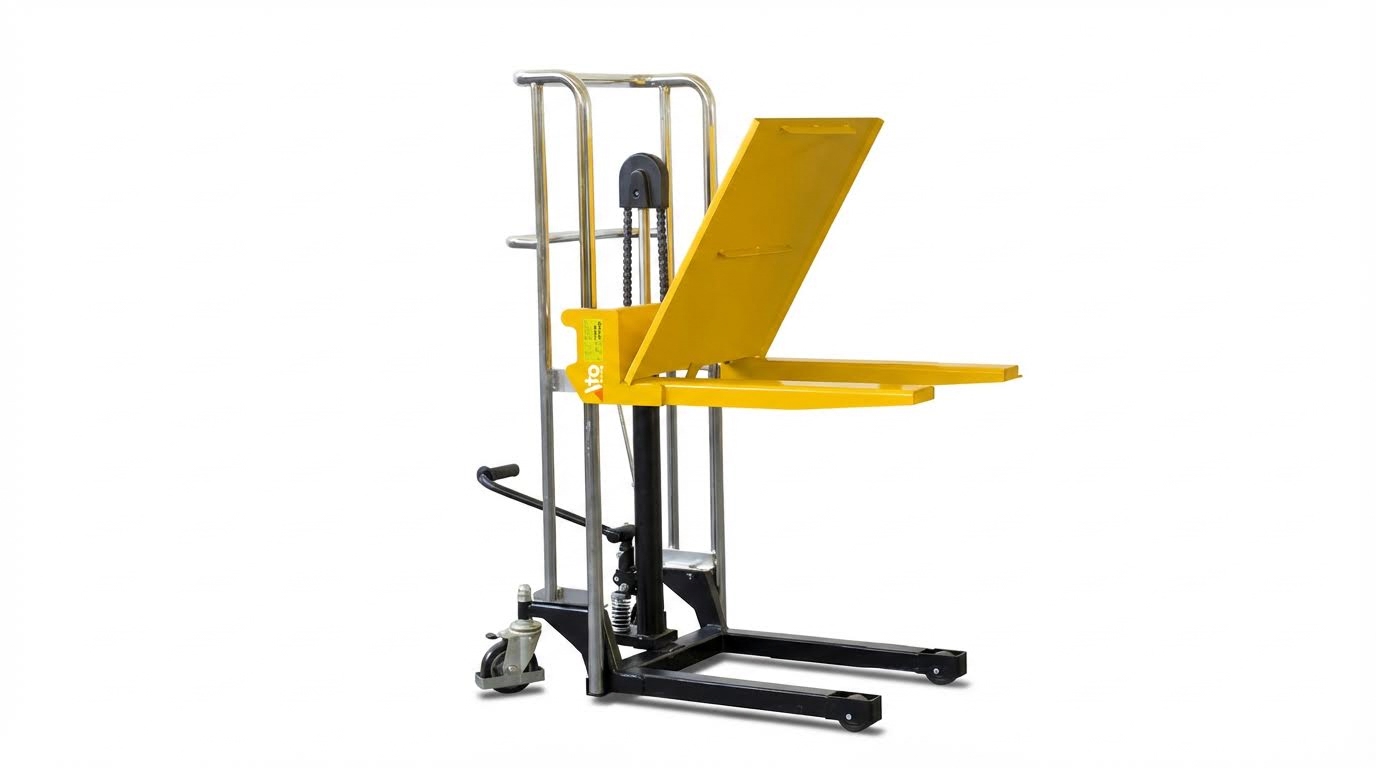
Geometric stability and floor flatness define the physical limit of how high to manually stack pallets before tipping risk becomes unacceptable.
- 4:1 height-to-base rule of thumb: Industry practice treats a 4:1 height-to-base ratio as an upper bound for free‑standing stacks of rigid, well‑secured unit loads. Above this, small impacts or floor defects can tip the stack. 4:1 ratio reference
| Base Size (m) | 4:1 Max Theoretical Height (m) | Recommended Manual Stack Height (m) | Operational Impact |
|---|---|---|---|
| 0.8 × 1.2 | ≈ 3.2 | 1.2–1.6 | Keeps layers in power zone and improves stability for mixed cartons. |
| 1.0 × 1.2 | ≈ 4.0 | 1.4–1.8 | Common warehouse pallet; manual work usually capped around shoulder height. |
| 1.2 × 1.2 | ≈ 4.8 | 1.6–2.0 | Wider base improves tipping resistance, but ergonomics still govern manual limit. |
- Reducing the ratio for difficult loads: For irregular, fragile, or top‑heavy loads, engineers often derate to 3:1 or even 2:1. This prevents overturning when centre of gravity is high or shifting.
- Floor flatness and stiffness: Stacking should occur only on level, structurally sound slabs with controlled cracks and joints. Uneven floors tilt the base, effectively increasing the height‑to‑base ratio on one side and amplifying overturning moments. Floor condition discussion
- Visual triggers: Any visible lean, shingling of layers, or gaps between pallets indicates that geometric or floor tolerances are exceeded. The correct response is immediate down‑stacking and restacking, not “nudging it straight.”
- Ergonomic overlay on geometry: Even if a 1.0 m × 1.2 m pallet could theoretically support a 4.0 m stack, manual palletizing should usually stop around 1.2–1.6 m to keep work in the power zone and reduce over‑shoulder lifts. Ergonomic pallet height guidance
Practical method to set a manual stack height for your pallet size
1) Determine pallet footprint (e.g., 1.0 m × 1.2 m). 2) Compute 4 × the smaller dimension (1.0 m → 4.0 m theoretical). 3) Apply a factor of 0.3–0.4 for manual work to keep layers between knee and shoulder height (≈1.2–1.6 m). 4) Check that this is also below any fire/sprinkler and insurer limits. 5) Express the rule in full layers or pallets, not millimetres, so operators can apply it without measuring tapes.
💡 Field Engineer’s Note: On older floors with visible settlement or patched joints, I routinely cut theoretical stack heights in half; floor defects are one of the most common root causes I see in tip‑over investigations, even when wrapping and patterns are correct.
Engineering Stability: Pallet Types, Loads, And Securing
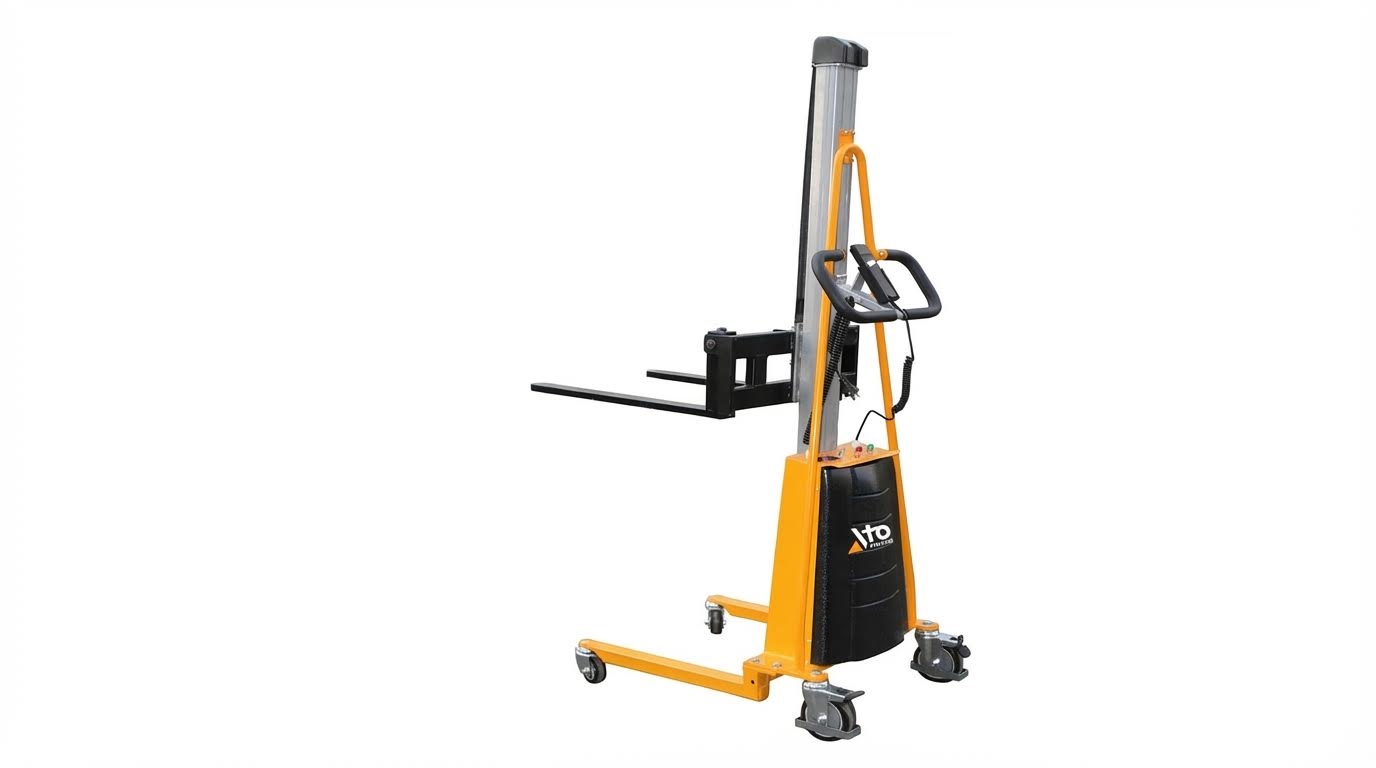
This section explains how pallet material, load geometry, and securing methods determine how high to manually stack pallets safely without exceeding stability, fire, or ergonomic limits.
When planning how high to manually stack pallets, you must balance three things: pallet strength, stack geometry, and how the load is secured. Even if a pallet could structurally support more height, OSHA stability rules, NFPA fire limits, and ergonomic guidance usually govern the real ceiling for manual work. Regulatory guidance and ergonomic best practice together keep most manual pallet stacks to modest heights, typically below 1.8–2.0 m for heavy, frequent tasks.
💡 Field Engineer’s Note: In real warehouses, I treat “perfect” tall stacks as the exception, not the rule; once floors are a bit uneven or loads are mixed, I derate theoretical height limits by at least one tier to keep manual handling and stability within a safe window.
Material-specific height limits for wood, plastic, steel
Different pallet materials change how high you can safely stack, but manual handling and fire rules usually cap practical heights well below the structural limits.
Engineers start with material capability, then reduce for ergonomics and fire protection. Wood, plastic, and steel pallets all behave differently under load and impact, so you must set manual stack heights by the weakest pallet in the column and the most demanding operating condition.
| Pallet Material | Typical Structural Stack Range | Practical Manual Stack Guidance | Key Risks | Operational Impact for how high to manually stack pallets |
|---|---|---|---|---|
| Wood | ≈4.5–5.5 m with uniform, well-wrapped loads (industry guidance) | Limit manual stacking to roughly 6 pallets high; reduce if boards are cracked or wet (ergonomic guidance) | Broken deck boards, stringers, moisture damage, splinters | Common choice; inspect every pallet and keep hand-stacked tiers low to avoid collapse and over-shoulder lifting. |
| Plastic | ≈3–4.5 m due to lower stiffness under load (industry guidance) | Use conservative heights, especially with heavy or point loads; often one tier less than wood for the same load | Flexing under load, creep over time, reduced friction between pallets | Best where hygiene matters; check deflection and reduce stack height if pallets bow or interlock poorly. |
| Steel | Can exceed 6 m where building and equipment allow (industry guidance) | Rarely manually stacked near structural limit; practical manual work usually stays within easy reach (≈1.4–1.8 m) | High mass, impact hazards, severe consequences if a stack fails | Excellent for racking and mechanical handling; for manual stacking, cap height to what workers can reach without climbing. |
Manual pallet stacks must also respect ergonomic limits. Guidance recommends keeping manual stacking to about six pallets high and avoiding down-stacking from more than nine pallets without mechanical help to control musculoskeletal risk. This recommendation directly affects how high to manually stack pallets, even when the pallet material could structurally tolerate more.
How to apply material limits in mixed-pallet stacks
Always design to the weakest pallet in the stack. If a stack mixes wood and plastic, treat the entire stack as plastic, then reduce further if any pallet shows visible damage. For steel-on-wood combinations, remember that the stiff steel layer can concentrate load onto a damaged wood pallet below, so inspect wood units more frequently and avoid tall free-standing stacks in mixed configurations.
Layer patterns, interlocking, and wrap/strapping design
Layer pattern and securing method determine whether a stack near its height limit behaves like a rigid column or a loose pile.
Even with strong pallets, poor layer patterns or weak stretch wrap can cause sliding and toppling well below theoretical height limits. OSHA requires stacked materials to be blocked, interlocked, and limited in height to prevent sliding or collapse. OSHA 1910.176(b) guidance reinforces that geometry and securing are as important as pallet strength when deciding how high to manually stack pallets.
- Heaviest items low: Place dense or heavy cartons on the bottom layers – this lowers the centre of gravity and increases resistance to tipping.
- Cover the full deck: Fill the pallet footprint before building up – this maximizes base area and supports the 4:1 height-to-base stability rule.
- Interlocking (brick) patterns: Stagger cartons between layers – this improves resistance to layer shear and sliding, especially under vibration.
- Column stacking for strong boxes: Use straight columns where cartons are very rigid – this can carry higher compressive loads but needs better wrap to control side sway.
- Anti-slip sheets: Add friction sheets between layers for smooth packaging – this mitigates sliding without increasing wrap tension that might crush product.
- Base wraps: Apply several tight wraps around the pallet base – this locks load to the pallet and reduces “walking” under handling impacts.
- Overlap and tension: Use at least ~50% overlap on stretch-wrap passes with consistent tension – this creates a unified unit load without overcompressing cartons.
- Supplemental strapping: Add PET or steel straps for heavy or tall rigid loads – this provides high tensile restraint and protects against sudden shifts during transport.
| Design Aspect | Good Practice | Failure Mode if Ignored | Impact on Safe Stack Height |
|---|---|---|---|
| Layer pattern | Brick or well-planned column pattern | Random gaps, overhangs, leaning faces | May force you to reduce stack by 1–2 layers to avoid collapse. |
| Footprint coverage | No overhang; flush with pallet edges | Overhanging cartons, voids at edges | Reduces effective base width; violates 4:1 rule earlier. |
| Stretch wrap design | Multiple base wraps, ≥50% overlap up the height | Loose, broken, or minimal wrap | Tall loads sway; manual stacking height must be cut back. |
| Strapping | Correct strap count and path with edge protectors | Insufficient straps, sharp edges cutting strap | Risk of sudden failure; keep manual stacks low for safety. |
💡 Field Engineer’s Note: If I see overhang or a “barrel-shaped” wrapped load, I assume the real safe height is already exceeded—even if the numbers say it should be fine—because side bulging is an early warning of instability and carton crush.
Quick check: Is this stack too high for its pattern?
Walk the perimeter. If you see more than a few millimetres of lean, repeated overhang, or stretched wrap “necks” near the top third of the stack, treat it as height-limited. Down-stack at least one full layer and rebuild with better patterning and wrap before allowing manual work around the stack.
Fire protection, idle pallet rules, and sprinkler clearance
Fire codes and insurer rules often dictate how high to manually stack pallets, especially for idle pallet storage and areas under sprinklers.
Even if a stack is mechanically stable, excessive height or footprint can overload fire protection systems. NFPA guidance limits idle pallet stacks to about 4.6 m high and 37 m² per pile, with insurers often imposing tighter limits on unsprinklered wood pallet storage. Industry summaries highlight that unsprinklered idle wood stacks are commonly capped at 1.8 m with at least 2.4 m separation between groups to control horizontal fire spread.
| Scenario | Typical Height Limit | Spacing / Clearance Requirement | Reason | Effect on Manual Stacking Strategy |
|---|---|---|---|---|
| Idle pallets in sprinklered area | Up to ≈4.6 m per NFPA guidance | Max ≈37 m² per pile; maintain clearance to sprinklers (NFPA-based guidance) | Control fire load so sprinklers can contain ignition | Plan manual stacking zones so workers never build into the sprinkler deflector plane. |
| Idle wood pallets, no sprinklers | ≈1.8 m insurer recommendation | ≥2.4 m clear between groups of stacks (insurer guidance) | Limit fire size and prevent rapid horizontal spread | Cap manual stacking at about chest height; add painted floor zones to enforce gaps. |
| Unit loads under sprinklers | Below sprinkler deflectors | Maintain code-required vertical clearance (often ≥460 mm, check local code) | Allow sprinkler spray pattern to develop | Train operators to stop stacking at a marked “max height” line on walls or columns. |
- Block and interlock stacks: Arrange pallet groups so they are blocked and interlocked – this reduces the chance of collapse that could obstruct egress routes during a fire.
- Respect egress routes: Keep tall stacks away from exits and aisles – this prevents falling pallets from blocking evacuation paths.
- Separate idle from active storage: Store idle pallets in designated, controlled areas – this concentrates fire load where protection is designed for it.
- Use visual height controls: Mark maximum stack heights on walls or posts – this helps operators instantly see how high to manually stack pallets without measuring.
💡 Field Engineer’s Note: In audits, the most common fire-code miss I see is “creep” toward the sprinklers—operators add one more layer over time; painted max-height bands and periodic tape-measure checks keep this under control.
Why sprinkler clearance overrides structural stability
A stack can be perfectly stable and still be non-compliant if it intrudes into sprinkler discharge patterns. When pallets or loads get too close to sprinkler deflectors, water cannot spread and cool the fire plume, leading to uncontrolled growth. That is why, in practice, your maximum manual stack height is often set by the vertical distance to the sprinkler, not by the pallet’s rated capacity or the 4:1 stability ratio.
Ergonomic Design And Technology For Manual Stacking
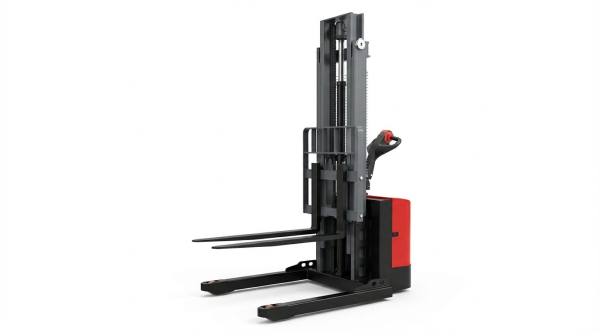
Ergonomic design and assist technology limit how high to manually stack pallets by keeping work in the power zone, reducing lift forces, and using devices or automation once stacks exceed safe hand-lift heights.
Power zone heights, lift limits, and task design
Ergonomic power zones and realistic lift limits are the first controls when deciding how high to manually stack pallets without overloading workers.
- Power zone height: Keep most lifts between about 500–1,300 mm (above knees, below relaxed shoulders) – Reduces spine and shoulder loading.
- Top-of-stack limit: Many ergonomic programs cap manual pallet loads at roughly 1,200 mm high to avoid shoulder-height lifting for typical palletizing tasks – Defines a practical ergonomic answer to how high to manually stack pallets.
- Manual pallet count: Guidance limits manual pallet stacking to about six pallets high and discourages down-stacking from more than nine without aids to reduce musculoskeletal risk – Links ergonomic limits with stability rules.
- Infeed / takeaway height: Set belt or roller heights around 850–1,150 mm so workers grab loads near navel height for lower back stress – Minimizes bending when transferring to the pallet.
- Reach distance: Keep operators close to the pallet face and product source to minimize forward reach – Reduces lever arm on the spine.
- Lift weight management: Use two-person lifts when item mass exceeds about 20 kg for frequent palletizing tasks – Controls peak compressive forces on the spine.
- Task rotation and breaks: Rotate staff mid-shift and respect breaks to limit repetitive exposure and fatigue in manual palletizing cells – Prevents overuse injuries even when stack heights are moderate.
How ergonomic limits interact with stability rules
Stability rules might allow stacks of 4.0–5.5 m for some pallet types, but ergonomic guidance keeps manual handling to roughly 1.0–1.2 m working height or about six pallets high. Above that, you should rely on mechanical or automated handling instead of pure muscle power.
💡 Field Engineer’s Note: When operators complain about “neck craning” or having to tip cartons over the top layer, your ergonomic limit is already exceeded even if the stack looks stable. Drop the target top-of-load height by 100–200 mm or add a lift table before injuries start showing up in your incident data.
Lift tables, turntables, cobots, and palletizing aids
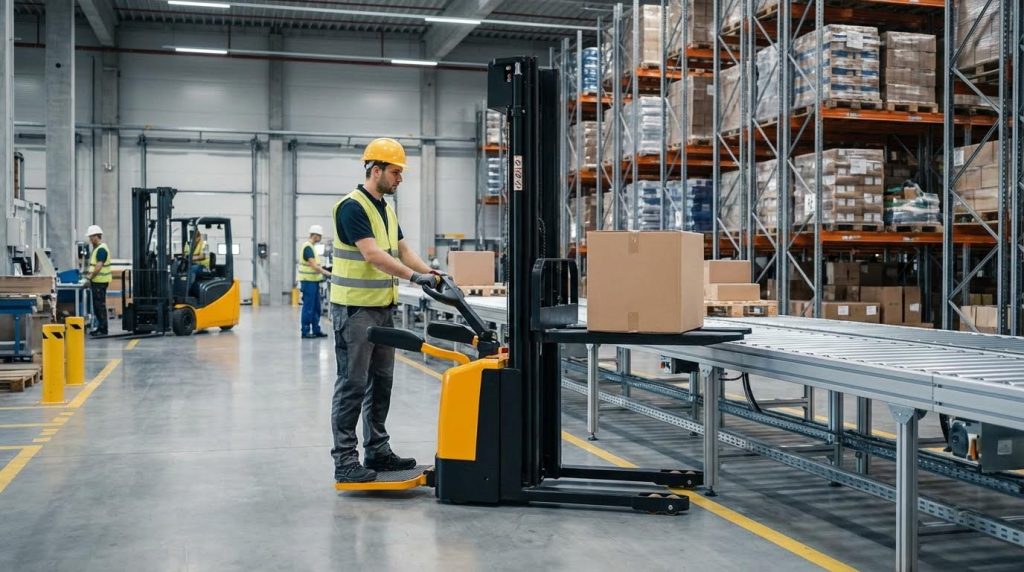
Mechanical aids answer how high to manually stack pallets by keeping the effective working height constant while the physical stack grows much higher.
- Self-leveling lift tables: Springs or pneumatics keep the top of the load within the power zone as layers change during pallet build-up – Lets stacks reach 1,600–1,800 mm while hands still work around 900–1,100 mm.
- Scissor lift platforms: Provide larger vertical travel than simple self-levelers and integrate with conveyors – Support tall unit loads without overhead lifting.
- Turntables: Allow the pallet to rotate instead of the worker twisting their torso during manual stacking – Reduces torsional stress and allows tighter layer patterns.
- Floor-level palletizing aids: Devices that sink to floor level then rise as loads are added keep all layers accessible without deep bending – Ideal when pallet entry is only by pallet jack.
- Cobots for palletizing: Collaborative robots place cartons within defined height limits while humans handle exceptions and pattern changes – Shift heavy, repetitive lifts away from people.
- Integrated conveyors and aids: Combining lift tables, turntables, and cobots with infeed belts at 850–1,150 mm creates a continuous ergonomic flow – Allows tall, dense stacks without manual overreach.
| Palletizing Aid | Typical Working Height Range | Main Ergonomic Benefit | Operational Impact on Stack Height |
|---|---|---|---|
| Self-leveling lift table | 700–1,100 mm | Keeps work in power zone as stack grows | Allows manual building of stacks up to ~1,600–1,800 mm while hands stay at waist height |
| Scissor lift platform | 400–1,300 mm (adjustable) | Large vertical travel for variable products | Supports tall unit loads and mixed-height pallets without overhead lifting |
| Turntable (on floor or table) | Depends on base device | Eliminates torso twisting | Improves quality of high stacks and reduces strain at all heights |
| Cobot palletizer | Robot-defined, usually 400–1,800 mm | Removes repetitive heavy lifts from humans | Enables full-height stacks where human role is supervision and exception handling |
When to justify investment in palletizing aids
As a rule of thumb, once operators must routinely lift above shoulder height or bend below mid-shin to hit throughput targets, mechanical aids usually pay back through reduced injuries and higher consistency. Compare the cost of aids against historical MSD claims and lost-time incidents.
💡 Field Engineer’s Note: In brownfield warehouses, I often start with a simple turntable on a fixed-height pallet stand. If incident reports and video review still show high shoulder lifts, then I upgrade to a self-leveling or powered lift. Phasing upgrades like this keeps capex under control while driving steady ergonomic gains.
Sensors, AI, and predictive maintenance for safer stacks
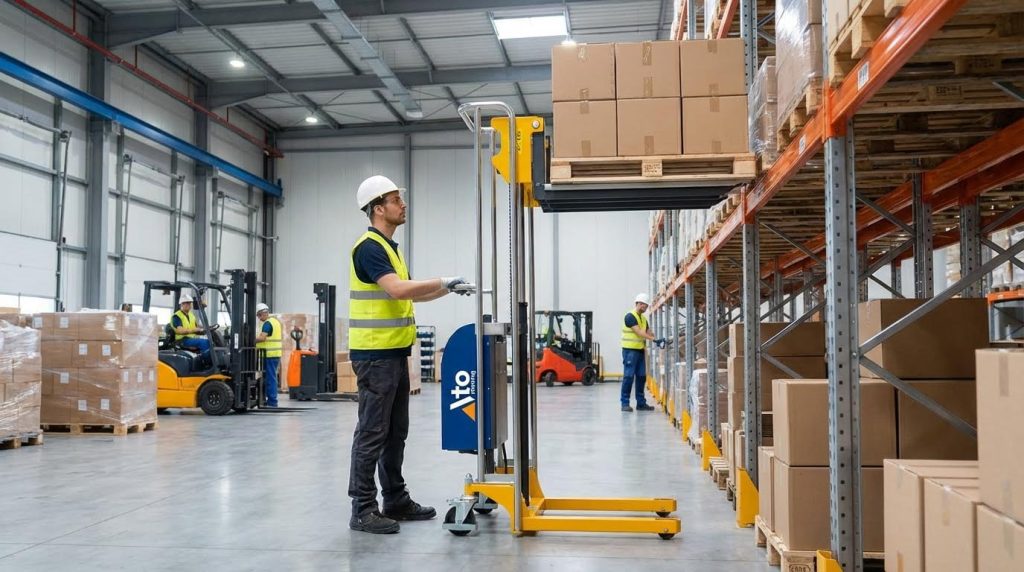
Sensors, AI, and predictive maintenance extend ergonomic control by monitoring how high to manually stack pallets, how people move, and how equipment and floors behave over time.
- Vision and lidar stack monitoring: Camera or lidar systems measure stack height, tilt, and sprinkler clearance in real time against OSHA and insurer rules – Alerts when manual stacks exceed safe envelope.
- Wearable sensors for posture: Devices track trunk flexion, reach distance, and lift frequency to identify high-risk tasks – Shows where stack height or layout is forcing bad posture.
- Digital twins of palletizing cells: Virtual models simulate pallet types, stack heights, and floor conditions to define safe manual envelopes – Lets you test “what if we go 300 mm higher?” before changing SOPs.
- Equipment condition monitoring: Sensors track vibration, hydraulic pressure, and steering response in pallet jacks and trucks to flag faults – Prevents sudden jerks that can topple marginally stable manual stacks.
- Floor condition analytics: Inspection data and floor sensors locate ruts, cracks, and uneven slabs that undermine the 4:1 stability rule – Supports targeted grinding or repair where operators struggle to move stacks.
- Ergonomic risk dashboards: Combining lift counts, posture metrics, and incident data highlights “red zones” – Shows exactly which palletizing stations need height or technology changes first.
| Technology | Primary Data Tracked | Ergonomic Use Case | Impact on Manual Stack Height Decisions |
|---|---|---|---|
| Vision / lidar stack monitor | Height, tilt, clearance | Prevent over-height or leaning stacks | Automatically enforces maximum manual stack height and warns before limits are breached |
| Wearable posture sensors | Flexion angle, reach, frequency | Spot harmful bending and overreaching | Reveal when current stack height is forcing unsafe postures, prompting redesign |
| Digital twin of palletizing cell | Simulated loads and layouts | Test scenarios safely | Optimizes target manual height vs. throughput before changing real-world SOPs |
| Predictive maintenance on trucks | Vibration, pressure, faults | Prevent equipment-induced incidents | Supports keeping stacks stable during moves and avoids emergency down-stacking |
Linking AI insights to practical shop-floor changes
Use AI outputs to drive concrete actions: lower target pallet heights at problem stations, add a lift table where flexion angles are high, or change case orientation where reach distances spike. Without this feedback loop, sensors become “ergonomic wallpaper” instead of a safety tool.
💡 Field Engineer’s Note: The most useful AI alert I have seen was not “stack too high” but “operator bending >60° more than 30 times per hour on line 3.” That single metric justified adding a low-cost lift table and cutting back strain complaints within a month.
Final Considerations For Safe Manual Pallet Stacking
Safe manual pallet stacking depends on three linked limits: stability, fire protection, and human capability. You must treat the lowest of these as your real ceiling. Geometry and floor quality define whether a stack stays upright after bumps, vibration, and handling. Fire and sprinkler rules define how much fuel the building can tolerate in one place and how close you can build to the roof. Ergonomic rules define what workers can repeat for a full shift without injury.
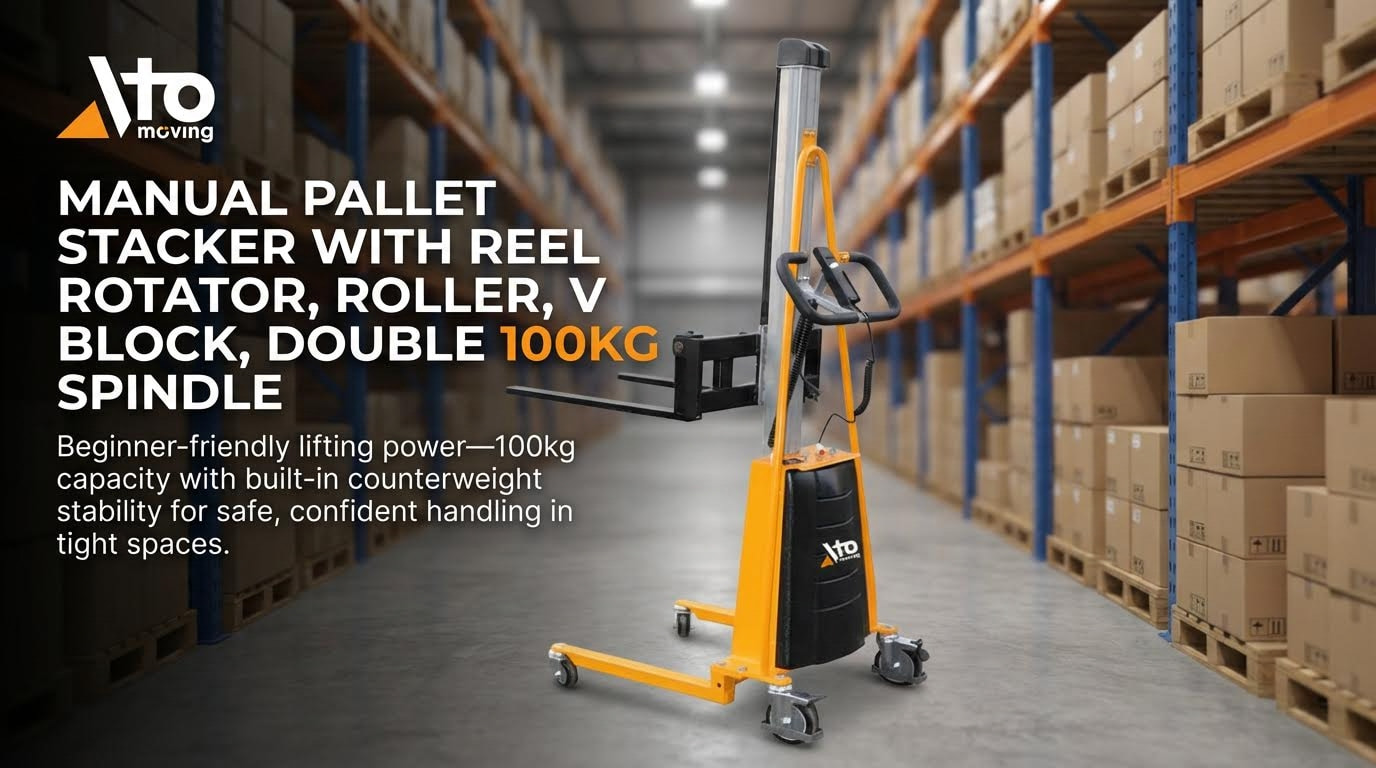
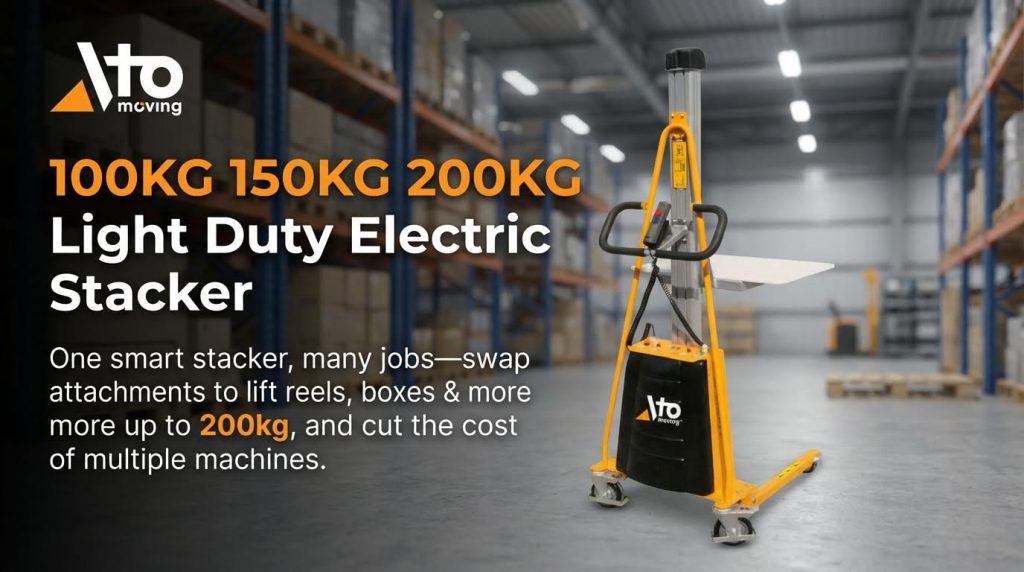
When you set site standards, start from codes, NFPA guidance, and insurer rules. Then derate for floor flatness, pallet type, and real load patterns. Finally, pull heights down again until almost all hand work stays in the power zone. Use Atomoving pallet stackers, lift tables, turntables, and palletizing aids wherever targets push above shoulder height or below mid‑shin.
Operations and engineering teams should lock these choices into simple rules, visual height markers, and standard patterns. Back them with training, inspections, and sensor data where possible. If a stack leans, forces over‑shoulder lifting, or creeps toward sprinklers, it is already too high. Bring it down, fix the cause, and redesign the task before the next shift repeats the same risk.
Frequently Asked Questions
What is the ideal pallet stacking height?
There isn’t a fixed national standard for pallet stacking height, but safety guidelines provide useful recommendations. According to NFPA guidelines, idle pallet stacks should not exceed 15 feet (4.5 meters) in height. Stacking higher can make movement slower and less safe, often requiring a forklift to manage. Safe Pallet Stacking Tips.
How high can you manually stack pallets safely?
Manually stacking pallets is safest when limited to a height of around 48 inches (1.2 meters). This height ensures stability and reduces the risk of accidents during handling. Additionally, OSHA requires that storage must not create hazards, such as blocking sprinklers—maintain at least 18 inches of clearance below ceiling sprinklers. Pallet Stacking Safety Guide.
What does OSHA say about stacking pallets?
OSHA emphasizes that pallet stacking must not create safety hazards. Specifically, there should be at least 18 inches of clearance between the top of the load and ceiling sprinklers to ensure fire safety systems remain effective. Always prioritize stability and accessibility in pallet stacking practices. OSHA Compliance Tips.