Industrial drums typically weighed between 180 kg and 360 kg for 205–210 litre and 55-gallon units, so facilities relied heavily on mechanical aids. Forklifts with purpose-designed drum attachments, and a wide range of hand trucks, dollies, cradles, and stackers, offered contrasting safety, productivity, and cost profiles. This article examined how to choose between these options by analysing load characteristics, floor and layout constraints, hazard profiles, lifecycle costs, and regulatory obligations. It then compared forklift-based and manual or semi-manual drum handling, and concluded with practical selection guidelines that aligned equipment choice with risk control and operational efficiency.
Key Factors In Choosing Forklifts Or Hand Trucks
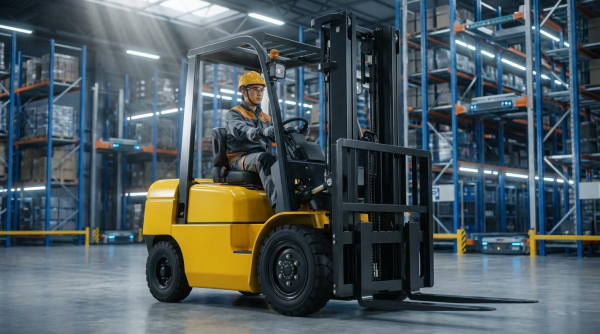
Choosing between forklifts and hand trucks for drum handling depends on quantifiable operating parameters. Engineers should evaluate drum mass, handling frequency, route geometry, surface conditions, and hazard profile before specifying equipment. A structured comparison reduces manual handling injuries, drum damage, and unplanned downtime.
Drum Weight, Frequency, And Travel Distance
Drum weight is the primary selection criterion. A standard 205 litre or 55 gallon drum typically weighed 180–360 kilograms depending on contents, which exceeded safe manual handling thresholds for a single operator. Frequent moves or long travel distances amplified fatigue and musculoskeletal risk, so plants typically specified forklifts, drum trucks, or palletiser stackers for repetitive flows. Hand trucks and drum dollies with capacities around 450–500 kilograms suited occasional short-distance moves on good floors. For continuous flows between production and storage, forklifts with drum attachments or pallet-based handling provided higher throughput and better stability.
Floor Conditions, Aisles, And Storage Layout
Floor condition strongly influenced equipment choice. Forklifts required relatively flat, obstruction-free floors and adequate turning radii, while small-wheeled dollies performed poorly on cracks, thresholds, and gratings. Narrow aisles and dense racking often favoured hand trucks, drum cradles, or compact pallet loaders that could straddle pallets and work in confined spaces. Plants with long, straight runs and dock interfaces benefited from forklifts and powered drum transporters. Storage patterns also mattered: stacked drums or palletised groups aligned well with forklift drum clamps or pallet handlers, while dispersed single drums near point-of-use suited manual or semi-manual carts.
Drum Contents, Hazards, And PPE Requirements
Drum contents determined both hazard classification and handling method. Liquid-filled drums, especially hazardous chemicals, demanded very smooth, controlled movement to prevent sloshing, leaks, or venting; forklift drum rotators with positive clamping and controlled rotation angles reduced spill risk. For corrosive, toxic, or flammable materials, operators had to follow Safety Data Sheet guidance and wear appropriate PPE such as chemical-resistant gloves, safety footwear, eye protection, aprons, and sometimes respirators. In such applications, minimizing manual contact and avoiding outdated practices like free-rolling drums on the chime reduced exposure and crush injuries. Non-hazardous or empty drums allowed more flexibility, but engineers still needed to prevent impact damage that could compromise reuse or recycling.
Lifecycle Cost, Training, And Maintenance
Lifecycle economics extended beyond purchase price. Forklifts and powered drum attachments carried higher capital cost but provided greater productivity and reduced injury-related costs when used intensively. They also required operator certification, periodic refresher training, and compliance with regulations such as LOLER and the Machinery Directive, including regular inspections and documented maintenance. Hand trucks, dollies, and manual drum rotators had lower acquisition and maintenance costs but shifted risk to ergonomics and operator effort, especially when used beyond their intended duty cycle. A balanced decision considered utilisation rate, expected service life, inspection intervals, spare parts availability, and training overhead, then matched equipment to the plant’s long-term drum handling strategy.
When A Forklift Is The Better Drum Handling Choice
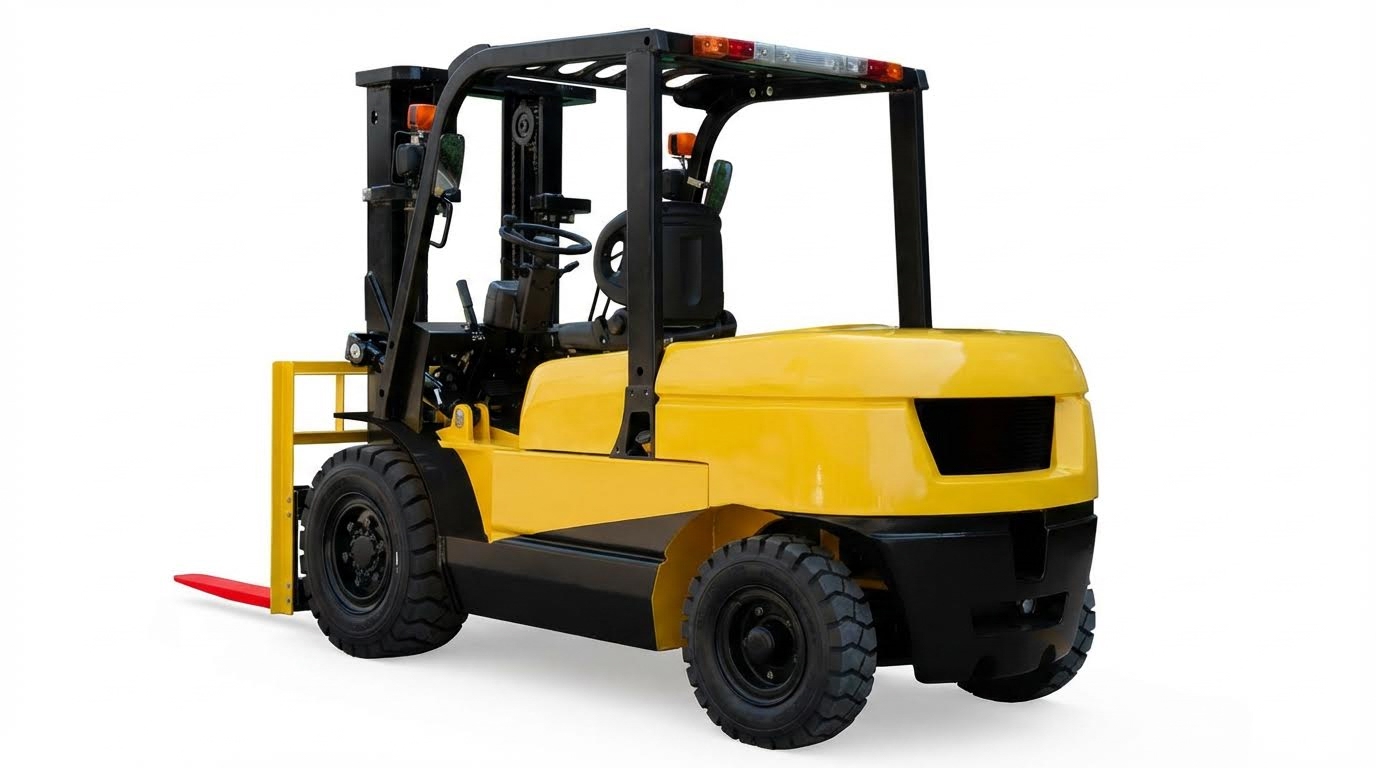
Forklifts became the preferred option where drum weights, handling frequency, and travel distances exceeded safe manual limits. A 205-litre (55-gallon) drum typically weighed 180–360 kilograms, which pushed most operations toward powered handling. Forklifts also allowed the use of specialized drum attachments that improved stability and reduced damage compared with bare forks. This section examined the technical criteria and operating practices that justified forklift use over hand trucks.
Load Capacity, Stability, And Attachment Selection
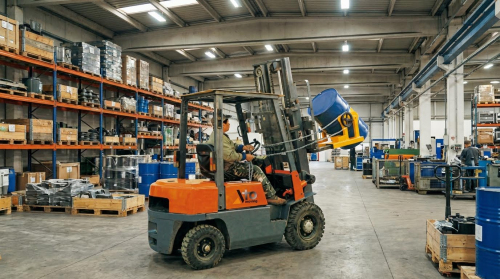
Forklifts handled drum masses that approached or exceeded 400 kilograms, especially with dense liquids. Engineers had to compare combined drum and attachment mass with the rated residual capacity at the specified load centre. For example, hydraulic drum rotators with 1000-kilogram Working Load Limits (WLL) required trucks with adequate capacity at load centres above 1 metre. Stability improved when operators used purpose-designed grabs, rim clamps, or waist grippers matched to drum type, such as steel, plastic L-ring, Mauser, or fibre drums. Fork length had to exceed drum diameter, and operators marked preferred fork positions for different drum widths to maintain repeatable, stable engagement.
Operating Practices For Safe Forklift Drum Moves
Safe drum moves relied on controlled, low-impact driving and correct mast positioning. Operators raised forks roughly 150–200 millimetres above the floor and applied slight mast tilt to keep the drum seated while avoiding ground contact. Guidelines prohibited pushing drums with forks or releasing them before the truck stopped completely. Plants maintained clearances between stored drums so forks and attachments could enter without striking adjacent containers. Trained drivers used smooth acceleration, deceleration, and rotation, which reduced surge in liquid-filled drums and minimised spill risk. Routine checks of PPE, including safety footwear, gloves, and eye protection, were mandatory, particularly for hazardous contents.
Integrating Drum Handling With Plant Logistics
Forklift-based drum handling worked best when integrated into wider material flow planning. Facilities defined fixed drum lanes, pallet positions, and staging zones that matched truck aisle widths and turning radii. Drum pallet loaders and palletiser stackers allowed direct transfer between pallets and floor storage, reducing intermediate manual handling. Centralised drum reception, decanting, and dispatch areas simplified traffic management and reduced crossflows with pedestrians. Planners specified standard drum types and pallet patterns so that attachments, load centres, and capacities remained consistent. This integration improved throughput while keeping handling steps, and therefore risk exposure, as low as reasonably practicable.
Automation, IoT, And Predictive Maintenance
Automation and connected technologies enhanced the safety case for forklifts in drum handling. Some hydraulic drum rotators incorporated interlocks, dual-button controls, and emergency stops that reduced inadvertent release. Plants increasingly used telematics and IoT sensors to monitor load weights, mast tilt, travel speed, and impact events, flagging unsafe behaviours and near misses. Predictive maintenance programmes tracked attachment usage hours, hydraulic cycles, and inspection findings to schedule service before structural or mechanical failures occurred. Annual LOLER-compliant examinations and certification of drum attachments remained standard practice in regulated regions. Over time, these digital tools supported data-driven decisions on attachment selection, fleet sizing, and replacement intervals for high-duty drum handling applications.
When Hand Trucks And Carts Are More Appropriate
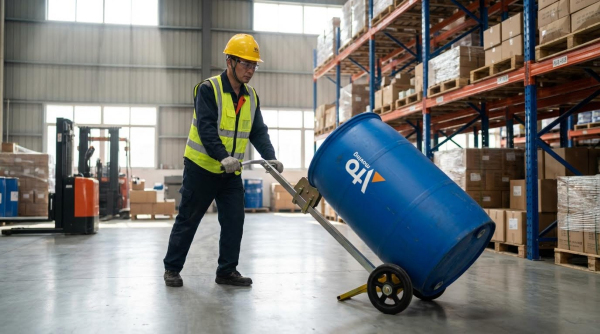
Load Limits, Ergonomics, And Injury Risk
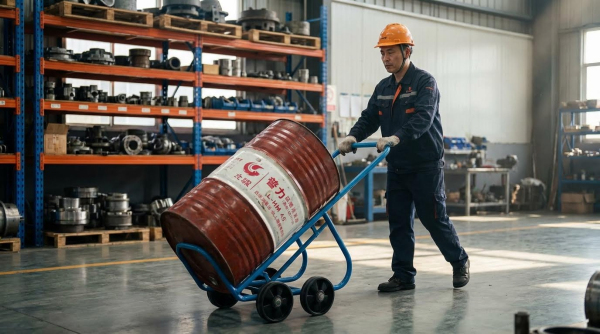
Hand trucks and drum carts suited drum handling where individual units weighed within safe manual handling limits. A typical 205-litre or 55-gallon drum weighed 180–360 kilograms, which exceeded safe one-person lift capacities, so manual devices only reduced, not eliminated, risk. Facilities therefore used hand trucks and carts to roll, tilt, and support drums while operators applied controlled, low-force inputs. Ergonomic risk depended on push–pull force, slope, and frequency of moves rather than drum mass alone. Safety programs limited sustained push forces, mandated two-person operation for marginal cases, and prohibited freehand rolling due to high rates of crushed hands and feet.
Correct posture and force direction reduced musculoskeletal disorders. Operators kept drums close to the body, used leg drive instead of spinal flexion, and avoided twisting under load. Supervisors restricted manual or semi-manual handling to short, level routes with good traction and lighting. Where frequent moves or gradients existed, sites upgraded to powered stackers or forklifts to keep cumulative joint loading within acceptable thresholds.
Drum Trucks, Cradles, Dollies, And Stackers
Specialised manual equipment improved control compared with direct rolling. Drum trucks and cradles supported the drum during tipping from vertical to horizontal, allowing operators to lever the mass instead of lifting it. Designs with curved backrests and chime hooks stabilised 205-litre steel or plastic drums during transfer to racks or decanting positions. Many cradles allowed 360-degree rotation for controlled pouring while keeping the drum supported at all times. This reduced impact loads and prevented sudden shifts of liquid contents.
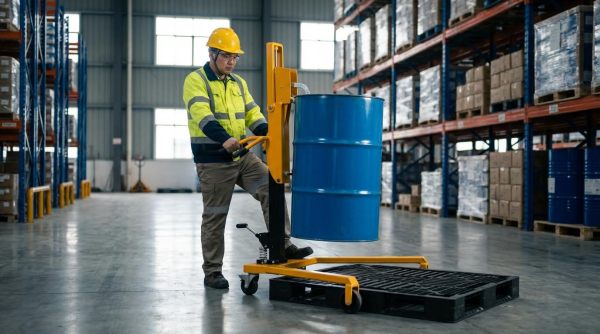
Drum dollies carried upright drums on low platforms with castors. Typical rated capacities reached 500 kilograms, which comfortably exceeded the mass of a filled 55-gallon drum. Dollies worked well for short moves on smooth floors and in congested areas where forklifts lacked access. Drum palletiser stackers bridged the gap between manual and forklift handling. These devices lifted drums up to about 450 kilograms to pallet height or higher using hydraulic jacks, while the operator walked behind. Stackers reduced vertical lifting demands and enabled precise placement into pallet footprints without relying on forks or mast tilt.
Workflows Suited To Manual Or Semi-Manual Moves
Hand trucks and carts best suited workflows with low drum throughput, short travel distances, and tight spaces. Typical applications included moving single drums from a receiving pallet to a nearby decanting station, or repositioning drums within a small mixing room. In laboratories, pilot plants, or maintenance workshops, drum volumes remained modest, so manual equipment provided flexibility without the overhead of forklift licensing or large turning radii. Manual systems also reduced ignition sources in classified areas when specified without electrical components.
Facilities often standardised on drum dollies or palletiser stackers where access constraints prevented forklifts entering mezzanines or between dense process skids. Operators could approach drums stored close together, clamp the chime, and extract one unit without disturbing adjacent stock. However, procedures limited the number of moves per shift and defined maximum gradients and floor conditions for manual routes. Where production scaled up, engineers reassessed workflows, introducing forklift drum attachments or powered handlers while keeping manual devices for exception handling, rework areas, and maintenance tasks.
Summary: Practical Guidelines For Drum Handling Choices
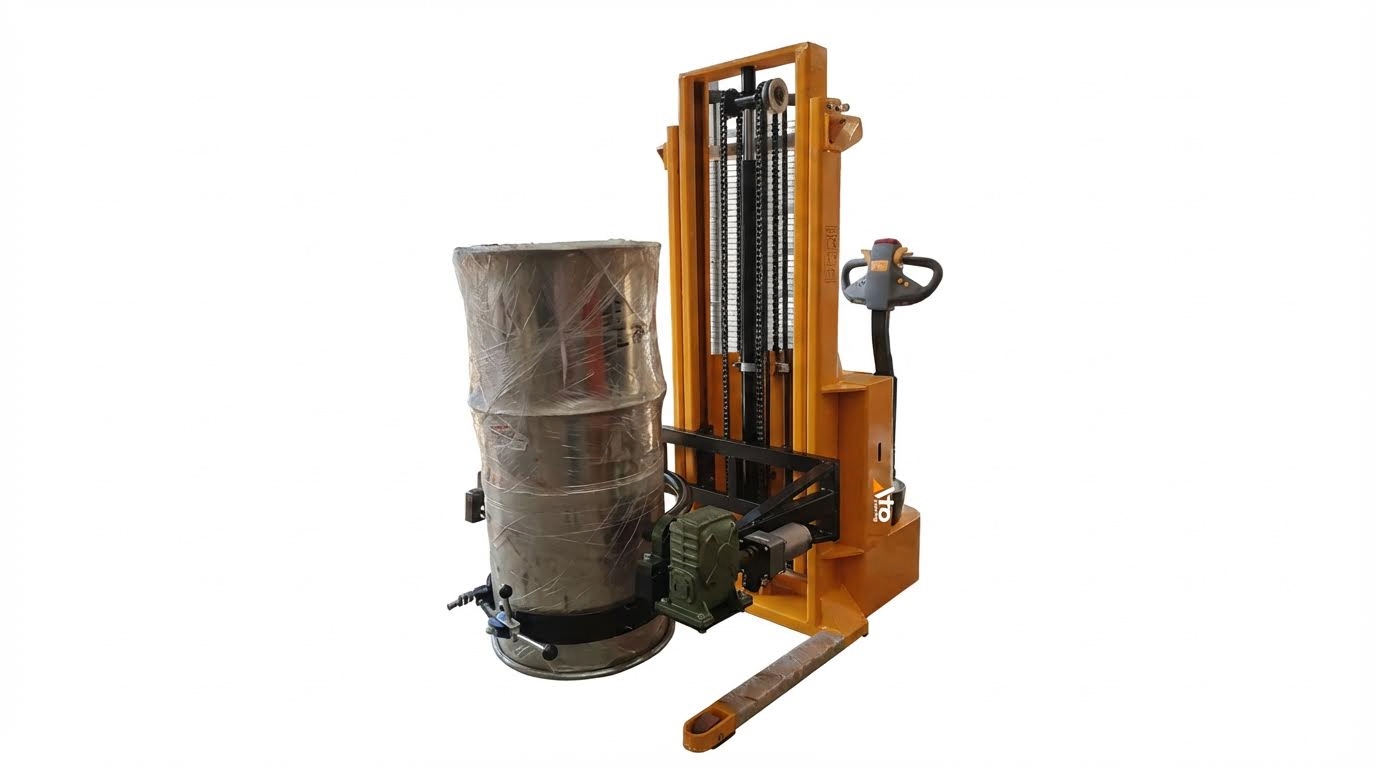
Safe drum handling depended on matching equipment capability to drum mass, contents, and route conditions. Forklifts with purpose-designed drum attachments offered the highest capacity, typically up to 450–1000 kilograms per drum, and provided secure clamping, controlled rotation, and pallet interface. They suited high-throughput operations, long travel distances, uneven floors, and liquid or hazardous contents, provided operators received formal training, attachments were LOLER-compliant, and inspections followed a documented schedule. Facilities had to enforce mast tilt, fork height, and no-push rules, and maintain clear traffic routes and segregated storage zones.
Hand trucks, cradles, dollies, and palletiser stackers fitted lower-throughput applications, short and predictable routes, and good floor conditions. They worked best below about 200–250 kilograms per drum for single-person moves, or higher masses only when devices carried the full weight and allowed mechanical tilting and stacking. Manual rolling or upending techniques were historically common but created a high risk of musculoskeletal injuries and crush incidents, so modern practice favored engineered aids over body force. Across all methods, operators had to inspect drums for leaks or damage, verify bungs and lids, and consult Safety Data Sheets before movement.
Decision-making therefore started with a structured assessment: drum weight and frequency, travel distance and gradient, floor and aisle constraints, contents hazards, and available skills. Plants benefited from standardizing on a small set of forklift attachments and manual devices that covered steel, plastic, and fiber drums while staying within defined working load limits and load centres. Over time, integrating drum handling equipment into site-wide logistics, adding interlocks and quick-attach systems, and using condition-based maintenance and checklists reduced incidents and downtime. A balanced approach used forklifts where risk and throughput justified them, and high-quality hand trucks or stackers where tasks remained genuinely light, controlled, and ergonomically acceptable.