People who search for how to be a picker in a warehouse usually want clear, practical steps, not theory. This guide explains the full path, from the core role and entry requirements through technical training, safety expectations, and daily workflows.
You will see how order picking methods, material handling equipment, and digital tools like WMS and scanners shape real warehouse work. The article then shows how to build speed and accuracy, gain certifications, and move into supervision, inventory, or safety roles while staying ready for automation and digital twins.
Core Role And Entry Requirements
People who ask how to be a picker in a warehouse usually want clear entry rules, not theory. This section explains what the role includes, what the job demands from your body and mind, and what employers check before hiring. It focuses on real hiring practice in logistics hubs and large distribution centres. You can use these points to judge your own readiness and plan your first step into warehouse work.
What A Warehouse Picker Actually Does
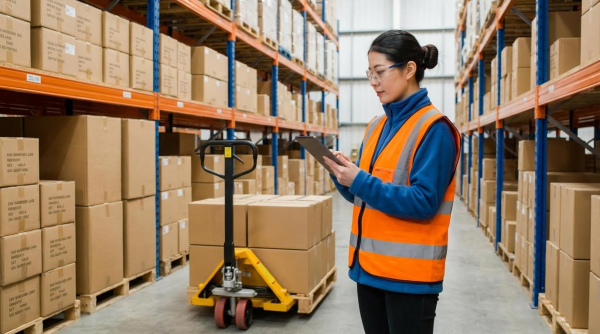
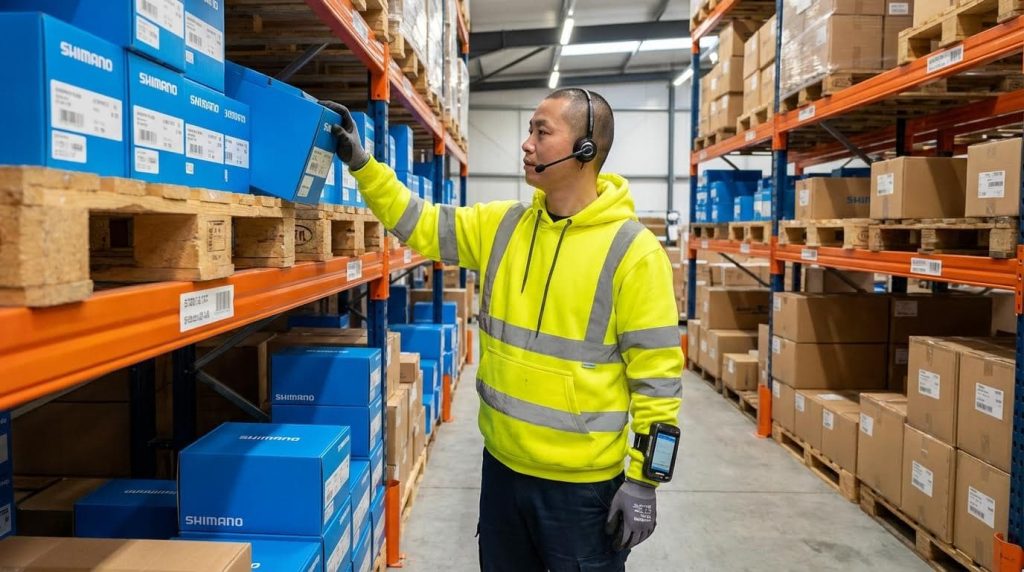
A warehouse picker locates and collects products for customer or internal orders. They follow paper pick lists, handheld scanners, or voice-pick headsets. The core output is complete, correct orders, ready on time for packing or loading.
Daily work usually includes tasks such as:
- Reading orders and confirming item codes, quantities, and locations
- Walking or driving to rack locations and picking units, cases, or pallets
- Checking for damage, expiry dates, or wrong labels
- Placing items into totes, cages, pallets, or cartons in a safe pattern
- Updating stock through scanners or simple data entry
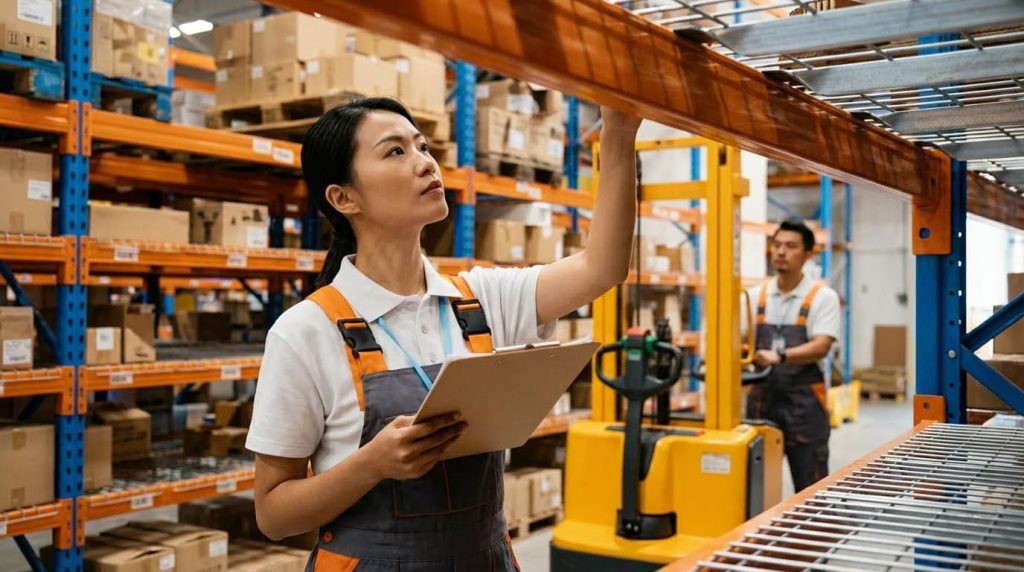
Pickers also support stock counts and basic housekeeping. They keep aisles clear, follow one-way systems, and report damaged racking or unsafe conditions. In high-bay sites, they may work with warehouse order picker trucks or assist Atomoving operators who move bulk pallets to forward pick faces.
Physical, Cognitive, And Safety Requirements
Warehouse picking is a manual job with constant movement. Workers walk long distances, bend, reach, and lift loads through the whole shift. Employers test whether candidates can lift typical carton weights, often 10–25 kilograms, in a safe way.
The role also needs strong mental focus. Key cognitive demands include:
- Reading item numbers and barcodes without mix-ups
- Counting units and cases accurately
- Following routing instructions from scanners or pick lists
- Reacting to priority changes from supervisors or systems
Safety awareness is critical. Pickers share space with hydraulic pallet truck, forklifts, and order pickers. Workers must respect marked walkways, speed limits, and exclusion zones. They must use personal protective equipment where required, such as safety shoes, high-visibility vests, or gloves, and follow manual handling rules to protect their backs and joints.
Minimum Education, Age, And Legal Considerations
Most sites that recruit people searching how to be a picker in a warehouse ask for basic education only. A completed secondary school level or equivalent is common, but some entry roles accept proof of simple reading and arithmetic instead. Candidates must read pick lists, safety signs, and simple English instructions.
Age rules depend on local law. In many regions, training on warehouse equipment could start from 16 years with supervision, while full, unsupervised operation often requires at least 18 years. Operators who drive powered equipment must meet legal rules for work equipment and lifting operations.
Employers also follow equality and non-discrimination laws. They may run right-to-work checks, basic medical questionnaires, or drug and alcohol screening, depending on national rules and site risk level.
Typical Hiring And Assessment Process
The hiring path for new pickers usually moves through four stages. First, candidates apply through job boards, agencies, or company career sites. Resumes that show reliability, shift work, or any warehouse or retail stock experience often move forward.
Second, short interviews test motivation, teamwork, and attitude to safety. Recruiters ask about past shift work, handling pressure, and dealing with mistakes. Third, practical assessments simulate real picking. Typical elements include:
- Lifting and carrying set weights over short distances
- Timed walks between locations while following simple instructions
- Mock order picking with barcode scans and quantity checks
- Short literacy and numeracy checks for order reading and basic sums
Finally, successful candidates pass background and reference checks. New hires then start induction, which covers site rules, hazard awareness, and job-specific training. This structured path helps employers judge if applicants can work safely and keep up with the pace before they join live operations.
Technical Training And Equipment Competence
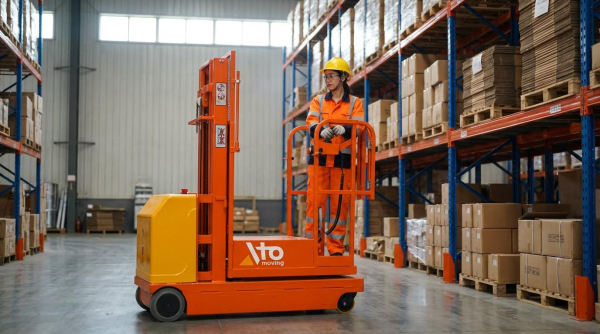
Anyone asking how to be a picker in a warehouse must build solid technical skills. Training covers how orders flow, how equipment moves safely, and how digital systems track every item. This section explains the core training blocks that turn an entry-level hire into a reliable picker. It links workflow basics, safe truck use, legal rules, and everyday digital tools into one clear skill set.
Order Picking Methods And Workflow Basics
New pickers first learn how orders move through the warehouse. This helps them understand why speed and accuracy both matter. In most sites, work follows repeatable patterns.
Common picking methods include:
- Single-order picking: One picker completes one order at a time. It suits low volumes and simple ranges.
- Batch picking: One picker collects lines for several orders in one route. It cuts travel distance.
- Zone picking: Each picker works in one zone. Orders pass between zones until complete.
- Wave picking: The system releases groups of orders together. It aligns with carrier cut-offs and dock slots.
Training explains how to read pick lists, bin locations, and unit types. Instructors show how to plan a route through aisles to reduce backtracking. New staff practice scanning locations, counting units, and confirming picks before packing. Good workflow discipline reduces errors, rework, and congestion around busy pick faces.
Operating Order Pickers And MHE Safely
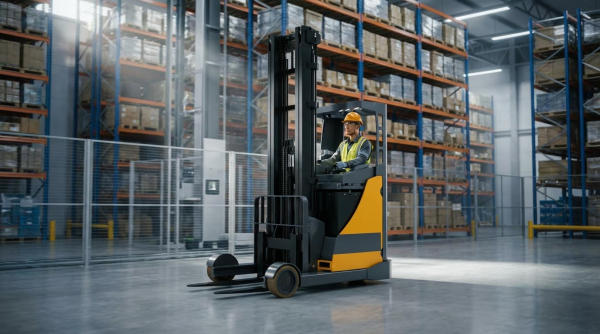
To learn how to be a picker in a warehouse, operators must handle material handling equipment correctly. That includes low-level warehouse order picker, pallet trucks, and sometimes reach or counterbalance trucks. Formal courses combine classroom theory and practical driving.
Key training topics usually cover:
- Pre-use checks on forks, guards, controls, and brakes.
- Load stability, centre of gravity, and rated capacity.
- Safe speeds, turning in aisles, and blind corner rules.
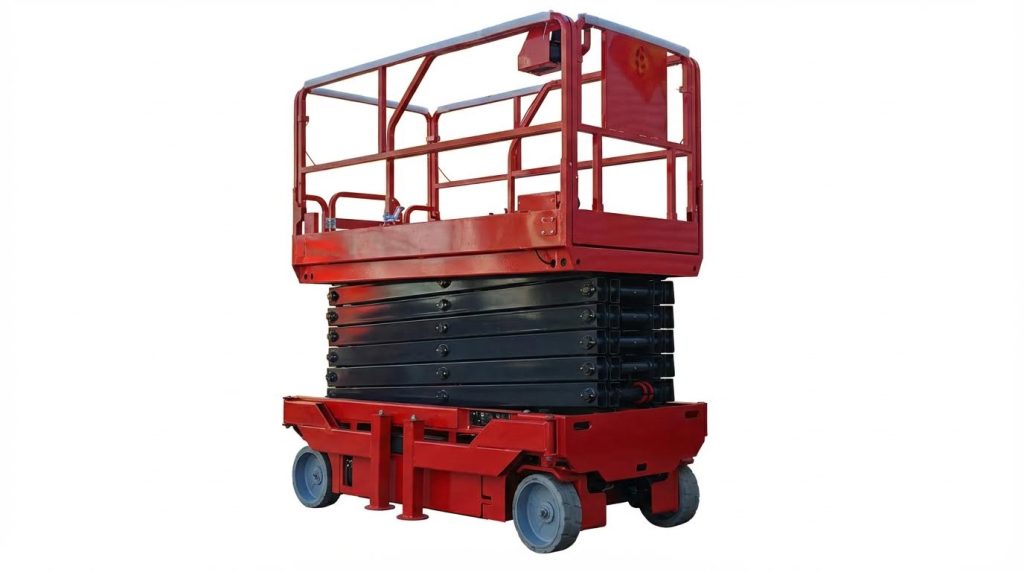
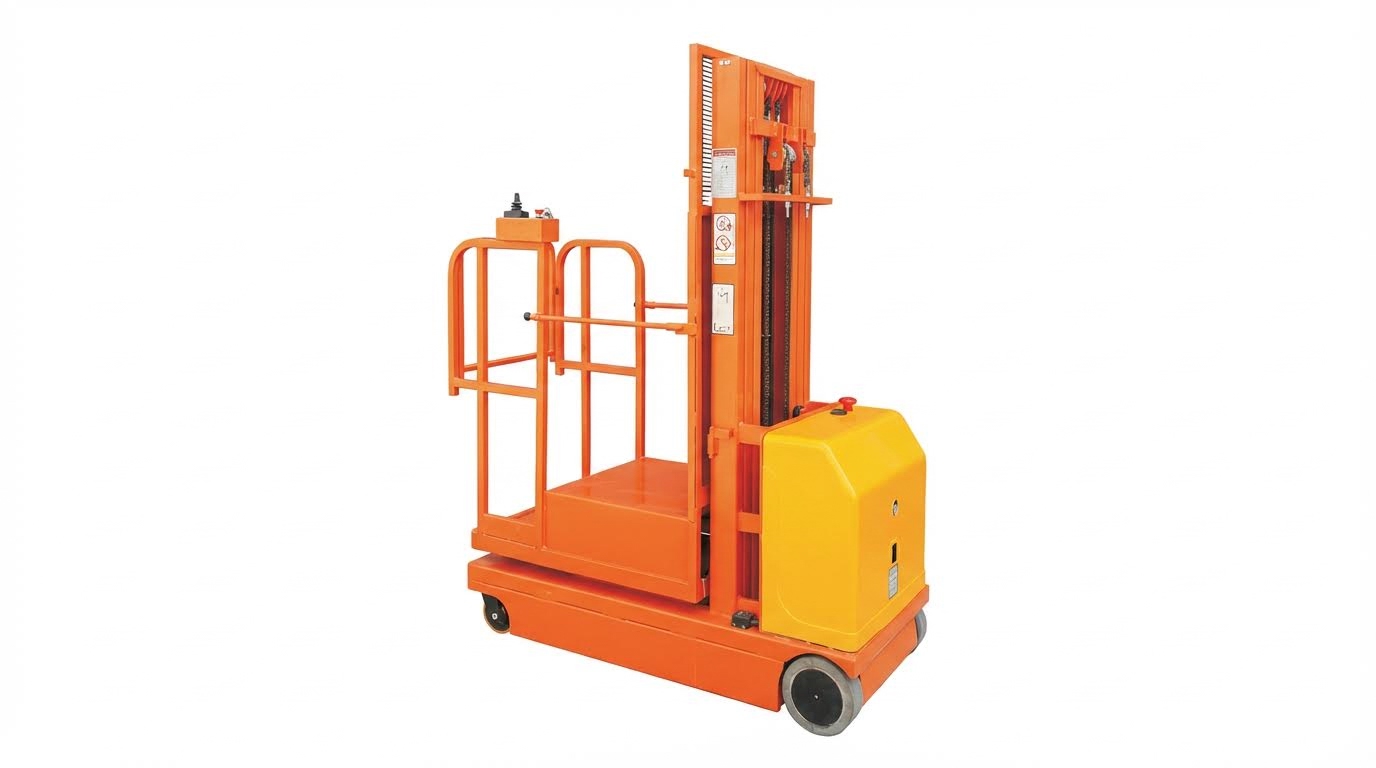
- Working at height on man-up order pickers with harnesses.
Novice order-picker courses often last several days. Refresher and conversion courses are shorter. Trainees practice mounting and dismounting, tight manoeuvres, and precise pallet approach. Assessors check control of the truck, awareness of pedestrians, and ability to avoid racking impacts and product damage. Only trained and authorised staff should operate powered equipment.
Regulatory And Safety Standards In Warehouses
Safe picking depends on clear rules, not just individual skill. Training explains legal duties and site procedures. In the United Kingdom, for example, operators learned about the Health and Safety at Work Act, PUWER, and LOLER. Other regions followed comparable regulations that govern work equipment and lifting.
For a new picker, the practical focus is:
- Knowing pedestrian routes and equipment routes.
- Using personal protective equipment such as safety shoes and high-visibility vests.
- Following safe systems for work at height and in narrow aisles.
- Reporting damage, near misses, and unsafe conditions quickly.
Approved Codes of Practice and in-house rules define training length, assessment, and re-certification cycles. Many operator certificates stayed valid for about three years, after which refresher training was required. Good safety training also linked picking errors to shrinkage, returns, and customer complaints, so new staff saw the full business impact.
Digital Tools: WMS, Scanners, And Basic Data Entry
Anyone serious about how to be a picker in a warehouse must be comfortable with digital tools. Almost every modern site used a warehouse management system to release work, guide picks, and record stock. Pickers interacted with the system through handheld scanners, truck-mounted terminals, or voice headsets.
Typical digital skills included:
- Logging into devices and selecting the right task or wave.
- Scanning location barcodes, item barcodes, and pallet labels in the right order.
- Entering quantities, batch codes, or serial numbers when the system asked.
- Confirming exceptions such as short picks or damaged stock.
Training kept the interface simple and repeatable. Instructors stressed that every scan updated live inventory and order status. Basic data entry accuracy supported stock counts, planning, and transport booking. As automation, cobots, and digital twins expanded, pickers who already used WMS tools confidently found it easier to move into more advanced roles and systems.
Developing Skills And Advancing Your Career
This section explains how to be a picker in a warehouse and still grow. It focuses on daily performance, formal training, and long‑term career moves. You will see how digital tools, automation, and new roles change what a skilled picker looks like today.
Building Speed, Accuracy, And Quality Discipline
High output and low error rates define how to be a picker in a warehouse who stands out. Speed starts with a repeatable routine. Plan the route, scan in the same order, and place items in fixed tote zones. This reduces wasted motion and thinking time.
Accuracy depends on discipline, not talent. Strong pickers always match three points before moving on: product code, description, and quantity. Many sites track key metrics such as lines per hour, units per hour, and error rate. Ask for your data and review it weekly.
To improve quality, focus on three habits:
- Stop and re-check any item that looks different from the image or shelf label.
- Use both visual checks and barcode scans, not one alone.
- Protect items in the tote so they arrive at packing undamaged.
Simple micro-goals work well. For example, cut your walk time per order by 5% over one month. Use shorter strides, tighter turns, and better use of pick paths. This makes you faster without breaking safety rules.
Certifications, Courses, And Formal Qualifications
Formal training shows you treat picking as a career, not just a job. Employers often look for three education blocks when they decide how to be a picker in a warehouse who can move up:
- Core safety and equipment training.
- Warehouse and logistics knowledge.
- Process and improvement skills.
Safety and equipment courses cover warehouse order picker, low‑level and high‑level pickers, and related lifting gear. Novice courses often lasted three to five days. Refresher courses usually took one day. These courses taught pre‑use checks, load stability, and emergency actions. Passing both theory and practical tests led to an operator card that normally stayed valid for about three years.
Logistics and warehouse courses covered picking, packing, and stock‑taking. They built skills in inventory control, stock rotation, and shrinkage reduction. In some regions, programmes carried formal credits at lower national qualification levels.
Improvement skills came from Lean or Six Sigma short courses. Even basic yellow‑belt style training helped pickers see waste in routes, layouts, and paperwork. Combined with a secondary school qualification, this profile supported moves into planning, inventory, or team lead roles.
Moving Into Supervision, Inventory, And Safety Roles
When people ask how to be a picker in a warehouse and then move up, the answer is to build a track record first. You need stable attendance, safe behaviour, and strong metrics. After that, you can target three common paths: supervision, inventory, and safety.
Supervisory roles need people skills. You must brief teams, solve small conflicts, and keep shifts on plan. Useful steps include acting as a buddy for new starters and leading short improvement tasks. Document these wins so you can show proof in interviews.
Inventory roles suit detail‑driven pickers. Daily tasks include cycle counts, variance checks, and root‑cause analysis for stock loss. Extra training in basic data analysis and spreadsheet use helps here. Knowledge of warehouse management system (WMS) screens beyond the picking menus is also valuable.
Safety roles fit workers who care about rules and risk control. You can start by joining the safety committee or helping with toolbox talks. Over time, add formal safety courses and incident investigation skills. This mix of floor experience and safety knowledge is attractive for coordinator or advisor posts.
Adapting To Automation, Cobots, And Digital Twins
Modern sites changed what it means to know how to be a picker in a warehouse. Robots, cobots, and digital planning tools now share the work. Strong pickers learn to work with these systems instead of fighting them.
Automation often takes over travel and heavy lifts. Goods‑to‑person systems bring totes to fixed stations. Your value then shifts to fast, accurate decisions at the station. You must read screens, follow prompts, and handle exceptions when the system flags issues.
Cobots can move carts, follow pickers, or handle repetitive lifting. You need to understand safe distances, shared paths, and simple fault resets. Good communication with maintenance teams also helps when you spot early warning signs.
Digital twins and advanced WMS tools model the warehouse in software. They test new layouts, routes, and slotting plans. Pickers who give clear feedback on real‑world issues shape these models. Over time, this involvement can lead to roles in continuous improvement, planning, or systems support, well beyond basic picking work.
Summary: Key Steps To A Sustainable Picker Career
If you want to know how to be a picker in a warehouse, treat it as a long-term career, not just an entry job. A sustainable path combines safe work habits, structured training, and steady skill growth. The goal is simple: stay employable, stay healthy, and keep your options open for promotion.
Start with the basics. Meet the physical and safety requirements. Learn correct lifting, safe walking routes, and how to use warehouse order picker and other equipment under supervision. Focus on accuracy first, then speed. Accurate picking protects customer trust and reduces costly returns.
Next, build your technical base. Get comfortable with scanners, simple data entry, and warehouse management systems. Ask for formal training on semi electric order picker trucks or other equipment when eligible. Keep your certificates current and attend refresher safety sessions on time.
For career growth, add structured learning. Short courses in warehouse operations, inventory control, or basic logistics help you move into roles like inventory clerk, team leader, or safety representative. Combine this with soft skills: clear communication, reliability, and calm problem solving during peak demand.
Warehouses adopted more automation, cobots, and digital twins over time. This did not remove picker jobs, but it changed them. Workers who learned to work with automation, read simple dashboards, and follow data-driven workflows stayed in demand. A balanced approach works best: strong manual skills, solid system skills, and a positive attitude to change. Additionally, familiarity with order picking machines can enhance efficiency.