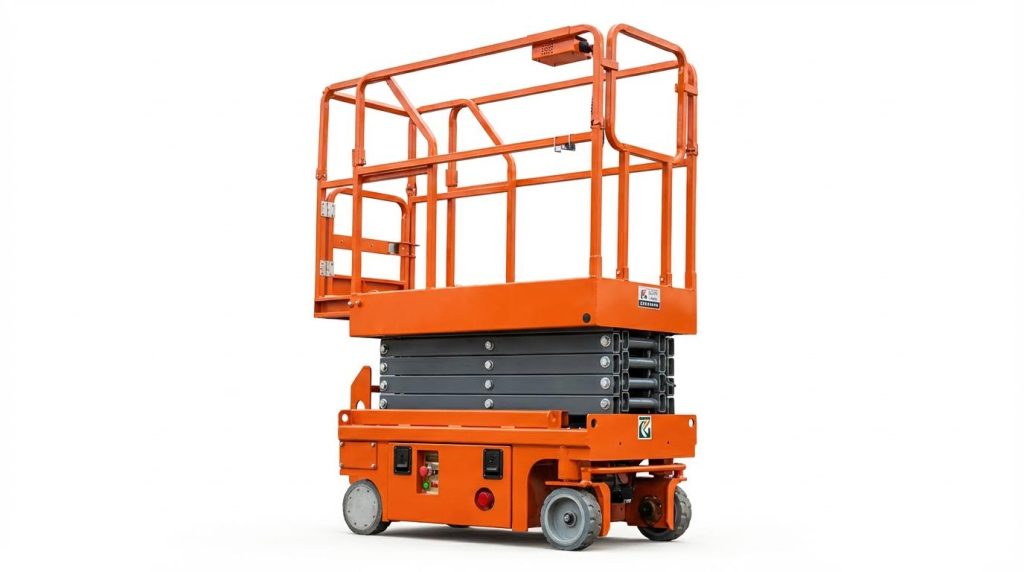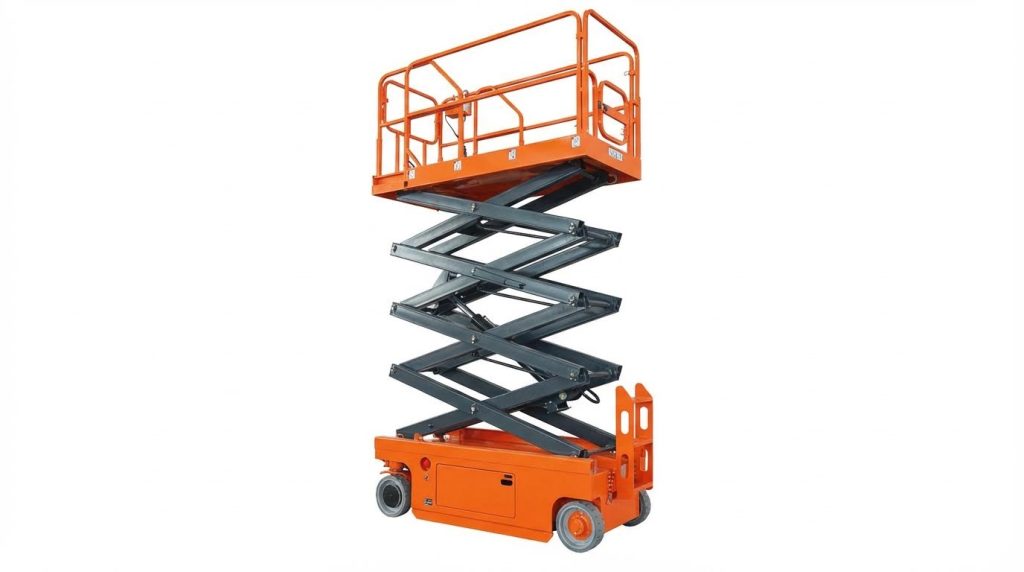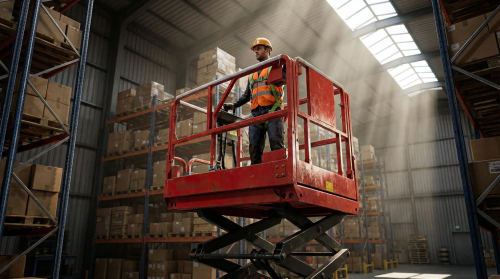
Are scissor lifts electric, engine-powered, or both? This guide explains how each power source affects safety, runtime, cost, and where you should (and should not) use them. You will learn how to match lift type to real indoor, outdoor, and rough‑terrain jobs while controlling energy, noise, and maintenance costs.
How Electric And Engine Scissor Lifts Work
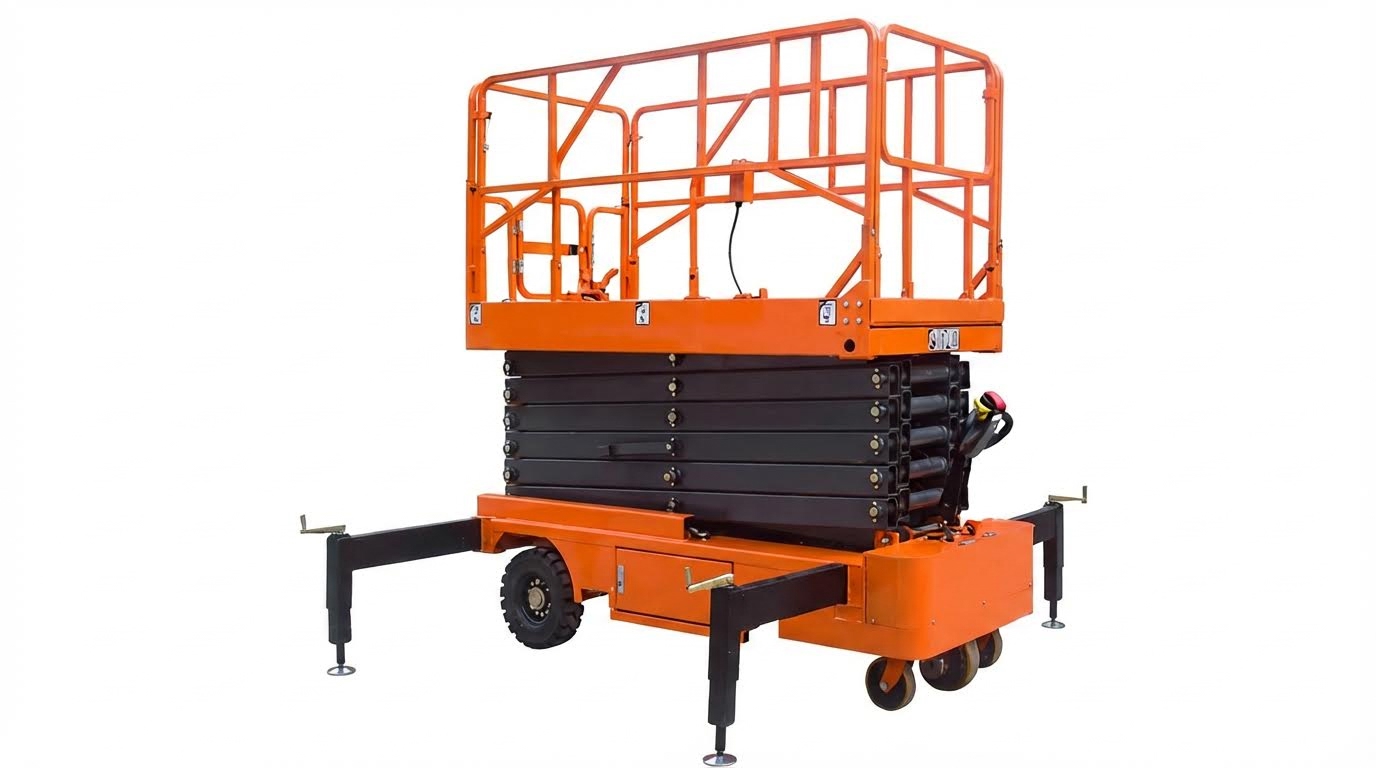
Electric and engine scissor lifts use the same basic hydraulic scissor mechanism, but they drive it with very different powertrains, controls, and duty‑cycle capabilities. Understanding these differences answers questions like “are scissor lifts electric” and guides safe, efficient fleet choices.
Both types convert rotational power into hydraulic pressure to extend cylinders and raise the platform. The key differences sit in how they generate that power, how complex the system is to maintain, and how controllable they are at low speeds indoors or on rough terrain outdoors.
Powertrain architectures and components
Electric and engine scissor lifts share a hydraulic core, but the upstream powertrain—battery‑electric vs internal combustion—changes efficiency, noise, emissions, and maintenance demands.
| Powertrain Type | Key Components | Typical Performance Traits | Operational Impact / Best For… |
|---|---|---|---|
| Electric scissor lift | Battery pack (DC), electric traction motor, electric motor for hydraulic pump, charger, basic cooling, electronic controls | 4–6 hours runtime per charge, ~70 dB noise, zero exhaust emissions, fewer moving parts | Indoor work in warehouses, hospitals, malls; low ventilation areas; sites targeting low maintenance and energy costs according to comparative tests. |
| Engine scissor lift | Diesel/gasoline engine, fuel system, exhaust system, cooling system, hydraulic pump, engine ECU and safety interlocks | Higher power, 680–1,800 kg and above lifting capacity, ~85 dB noise, continuous runtime via quick refueling | Outdoor construction, rough terrain, long shifts away from grid power, heavier materials handling where refueling is easier than recharging. |
In an electric scissor lift, the battery pack feeds one or more electric motors that directly drive the hydraulic pump and traction system. This removes many mechanical interfaces, which lowers wear and simplifies low‑speed maneuvering in tight aisles. Fewer rotating assemblies also reduce vibration and operator fatigue. Field data showed lower maintenance incidence on these drives.
Engine scissor lifts use an internal combustion engine to spin the hydraulic pump through a coupling or gearbox. Around that sit fuel tanks, filters, injectors, exhaust after‑treatment, and cooling circuits. This complexity supports higher duty cycles and heavier loads but increases the number of failure points and scheduled service tasks such as oil and filter changes, tuning, and emissions system checks. Cost comparisons linked these extra systems to higher lifetime spend.
- Electric powertrain simplicity: Fewer moving parts – Reduces unplanned downtime and makes troubleshooting easier for in‑house technicians.
- Engine powertrain robustness: High continuous power – Supports heavy platforms and attachments on demanding outdoor jobs.
- Battery system design: Matched to 4–6 hour duty cycles – Fits typical indoor maintenance shifts with overnight charging windows.
- Fuel system design: Large tanks and quick refuel – Keeps machines running through multi‑shift construction work with minimal pause time.
Are scissor lifts electric or engine‑powered?
Many buyers ask “are scissor lifts electric” as if there is only one option. In practice, the same working heights and platform sizes are available with battery‑electric or engine powertrains, and the right choice depends on indoor vs outdoor use, emissions rules, and duty cycle.
💡 Field Engineer’s Note: When standardizing a fleet, match your dominant powertrain to the site’s worst‑case duty cycle, not the average. A site that occasionally runs 10–12 hour outdoor shifts will quickly expose the limits of undersized battery packs, while a site that is mostly indoor will suffer from engine exhaust and noise if you overspec combustion units.
Hydraulic lifting systems and control logic
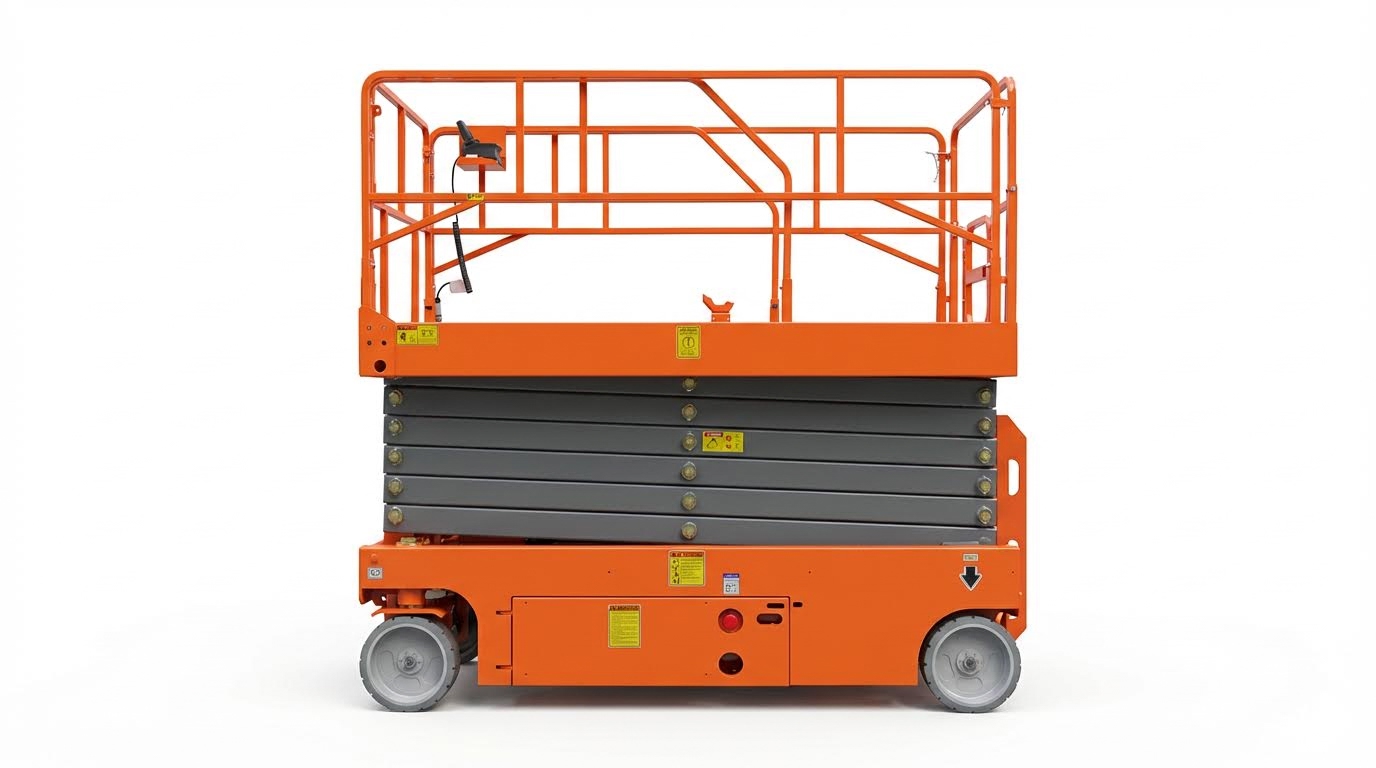
Both electric and engine scissor lifts use hydraulic cylinders and valves to raise and lower the platform, but control logic, flow rates, and safety interlocks determine how smooth, safe, and efficient that motion is.
The core lifting mechanism is a set of hydraulic cylinders pinned into the scissor arms. When the pump sends oil into the cylinder, the scissor stack opens and the platform rises. In both power types, hydraulic systems provide high force density and smooth motion, but they need careful fluid selection and leak control to avoid environmental and slip hazards. Hydraulic overviews stressed maintenance as a key reliability factor.
| Hydraulic Element | Function | Typical Design Traits | Operational Impact / Best Practice |
|---|---|---|---|
| Hydraulic pump | Converts mechanical power to hydraulic flow and pressure | Electric motor‑driven (electric lifts) or engine‑driven (engine lifts) | Right‑sizing the pump avoids slow lift speeds or wasted fuel/energy. |
| Cylinders | Extend to open scissor stack and raise platform | Double‑acting cylinders with seals rated for full load | Seal condition directly affects drift, stability, and service intervals. |
| Control valves | Meter flow for lift/lower and platform functions | Proportional or on/off valves integrated with control logic | Smooth metering reduces platform bounce and improves operator confidence. |
| Safety interlocks | Prevent unsafe movements | Pressure switches, load sensors, limit switches, emergency stop circuits | Protect against overload, over‑height, and hydraulic failures. |
- Lift command: Operator actuates a joystick or switch – Control logic enables the pump only when all safety conditions are satisfied.
- Hydraulic flow control: Valves modulate flow to cylinders – Controls lift speed to keep the platform stable with varying loads.
- Descent control: Return valves and counterbalance valves manage lowering – Prevents uncontrolled drops even if a hose fails.
- Load and tilt sensing: Sensors feed the controller – Stop movement if platform overload or unsafe chassis angle is detected.
Electric scissor lifts often integrate finer electronic control over hydraulic functions because they already use battery management and motor controllers. That makes it easier to tune soft‑start and soft‑stop behavior for precise work in tight indoor spaces. Engine lifts can achieve similar control, but the base system is more mechanical, so response can feel harsher if not well maintained.
How control logic protects operators
Modern scissor lifts tie hydraulic control into a central controller. The logic checks inputs like emergency stop, guardrail gate closed, tilt sensor, and platform load before energizing the pump. If any condition is violated, it disables motion or only allows safe descent. This architecture aligns with common aerial work platform safety standards and reduces the risk of tip‑over or structural overload.
💡 Field Engineer’s Note: In cold storage or winter outdoor work, high‑viscosity oil can slow valve response and make platforms jerk on start/stop. If your site runs below 0°C, specify hydraulic fluids and warm‑up procedures for those temperatures, or your operators will fight sluggish controls and may override safety habits to “get the job done.”
Performance, Safety, And Cost Trade-Offs
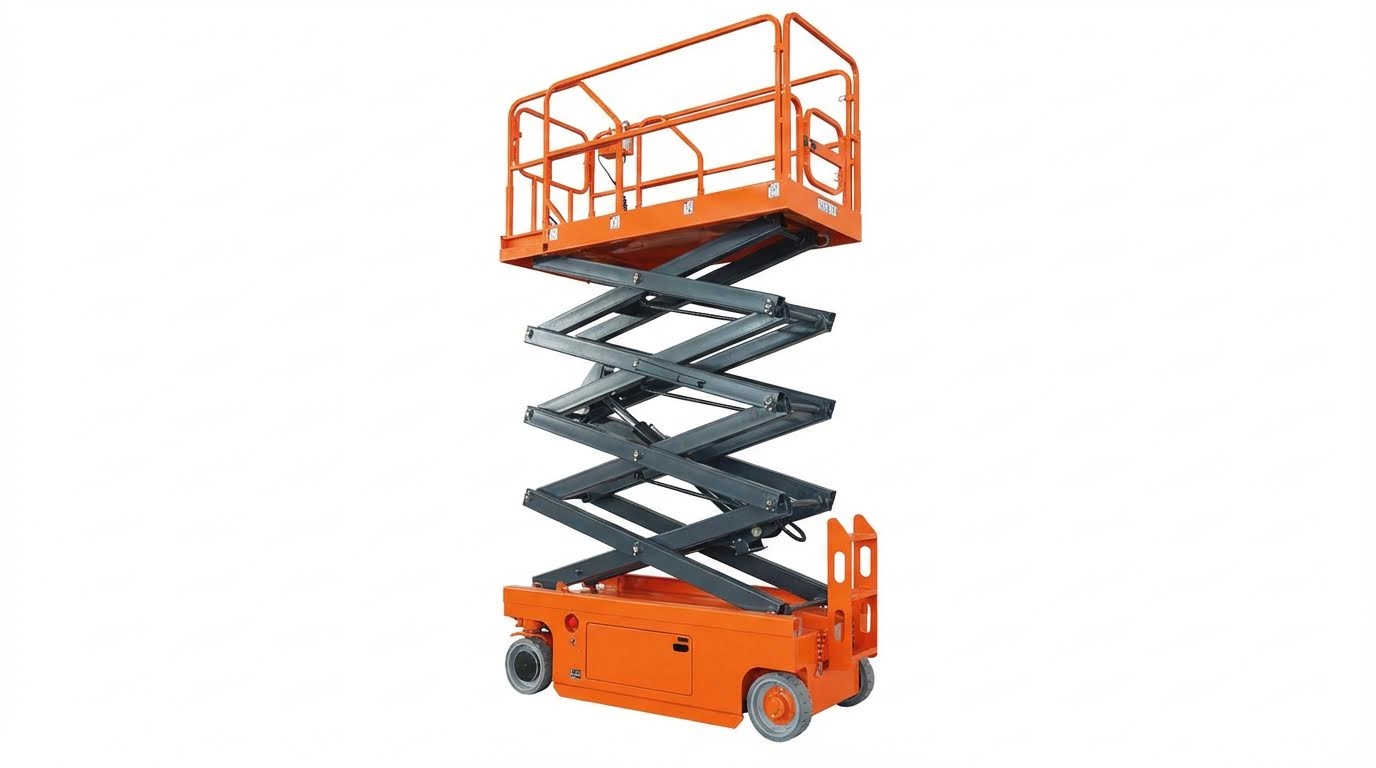
Electric scissor lifts trade higher purchase price for lower noise, zero emissions, and cheaper energy, while engine scissor lifts deliver more power, longer runtime, and higher fuel and maintenance costs over their life cycle.
This section breaks down how performance, safety, and cost differ so you can decide when electric makes sense and when an engine unit still wins.
Energy use, runtime, and charging vs refueling
Electric scissor lifts use less energy per hour but need planned charging windows, while engine scissor lifts burn more fuel but keep running as long as you can refuel them.
Many buyers start with the question “are scissor lifts electric or engine-driven?”—in reality, both exist, and the right choice depends on how many hours per day you run and how predictable your shifts are.
| Factor | Electric scissor lifts | Engine scissor lifts | Operational impact |
|---|---|---|---|
| Typical energy use | High efficiency, low kWh consumption compared to fuel units | Higher fuel use due to idling and engine losses over time | Electric cuts energy bills on repetitive indoor work; engines cost more per operating hour. |
| Runtime per “fill” | ≈4–6 h per full charge depending on duty cycle | Effectively full-shift+ as long as you can refuel quickly | Electric suits 1-shift, planned work; engines suit long or unpredictable shifts. |
| Recharge / refuel time | Standard: 6–8 h; fast charge: 3–4 h with battery life penalty on some chemistries | Refuel in minutes from on-site tanks or cans at remote sites | Electric needs overnight or scheduled charging; engines support 24/7 with fuel logistics. |
| Best duty cycle fit | Predictable, 4–6 h/day use with downtime for charging | High-duty, multi-shift, or remote work without grid access | Match power source to shift pattern and access to electricity or fuel. |
- Planned shifts: Use electric lifts on 1-shift indoor work – you can charge overnight and keep energy costs low.
- Remote or off-grid sites: Use engine lifts where you only have fuel – you avoid downtime waiting for a charger.
- Mixed fleets: Keep some engine units as “peaks and emergencies” – they cover overtime or unplanned night work.
How to size battery runtime for your site
Add up actual platform travel and lift time per shift, then apply a safety factor of 1.5–2. If you expect 3 hours of active use, target at least 4.5–6 hours of rated runtime so batteries are not fully depleted daily, which extends life.
💡 Field Engineer’s Note: On sites with partial outdoor work, operators often “top up” electric lifts at breaks. Designate 1–2 charging bays near high-traffic doors and standardize plug types; otherwise, machines end up parked far from outlets and run flat mid-shift.
Noise, emissions, and regulatory compliance
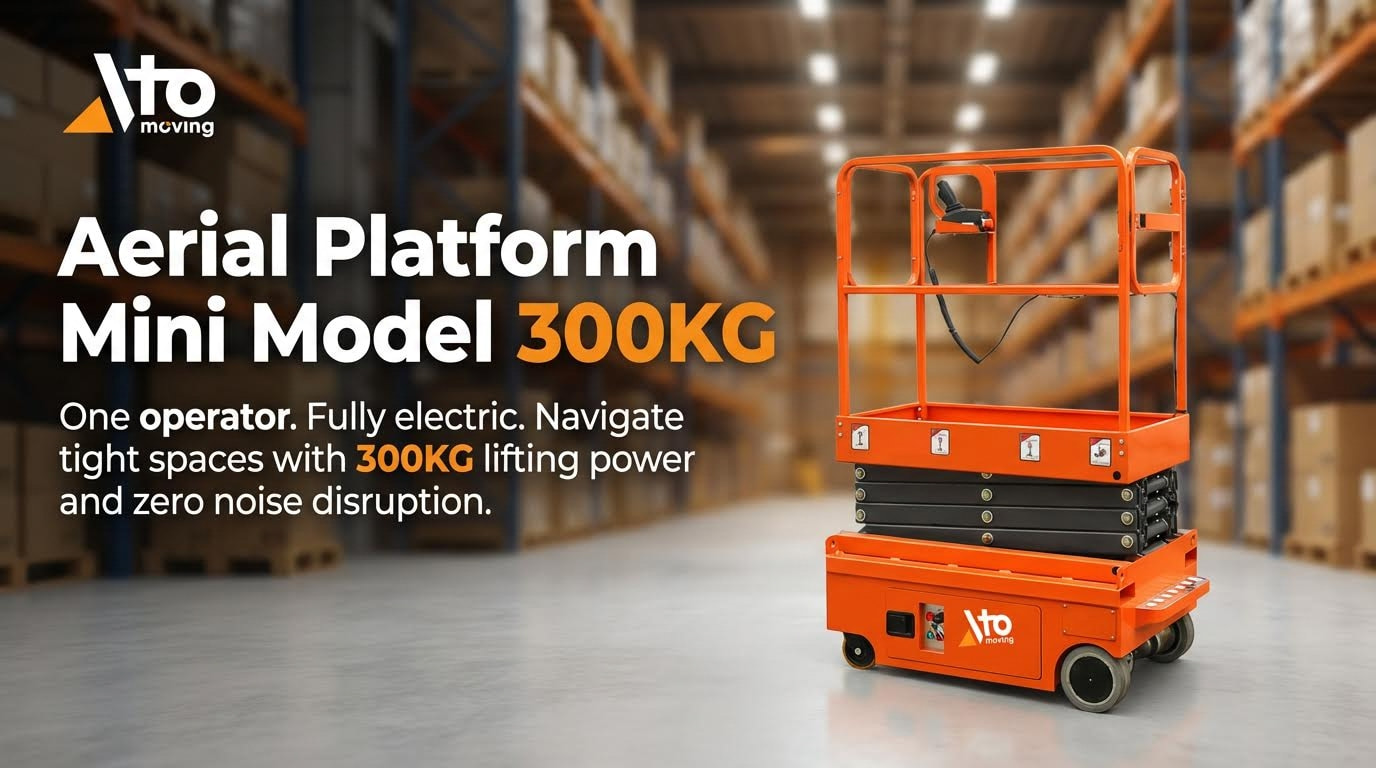
Electric scissor lifts run quieter and emit no exhaust at point of use, while engine scissor lifts are louder and produce gases that often trigger indoor bans or special controls.
From a safety and compliance standpoint, noise and air quality rules usually decide where each power source is legally allowed to work, especially under OSHA-style and local environmental regulations.
| Factor | Electric scissor lifts | Engine scissor lifts | Best for… |
|---|---|---|---|
| Noise level | ≈70 dB typical | Up to ≈85 dB depending on engine | Electric: hospitals, malls, offices. Engine: open construction sites. |
| Exhaust emissions | Zero at point of use (no CO₂/NOx on site) | CO₂, NOx, particulates from combustion even with after-treatment | Electric: enclosed spaces. Engine: ventilated outdoor or semi-open areas. |
| Indoor regulations | Generally allowed in warehouses, plants, schools, malls due to air quality | Often restricted or banned indoors unless special ventilation is used | Electric is the default choice for compliance-driven facilities. |
| PPE implications | Usually no hearing protection required at 70 dB | Often require hearing protection near 85 dB | Electric reduces PPE burden and fatigue indoors. |
- Noise-sensitive sites: Choose electric lifts – you avoid complaints and may skip extra noise studies.
- Air quality rules: Use electric wherever CO₂/NOx limits apply – you reduce risk of fines or shutdowns.
- Shared spaces: In malls, airports, and campuses, electric avoids fumes – safer for public and staff.
Hydraulic fluids and environmental impact
Both power sources use hydraulic cylinders. Leaks can contaminate floors and soil, so select low-toxicity hydraulic oils where possible and keep seals maintained. Electric lifts reduce exhaust pollution but still need hydraulic leak control to stay environmentally friendly.
💡 Field Engineer’s Note: Many sites ban engine-powered lifts indoors on paper, but the real enforcement trigger is CO and NOx alarms. If your gas detectors trip even once, expect stricter rules and mandatory switchovers to electric within months.
Maintenance, reliability, and total cost of ownership
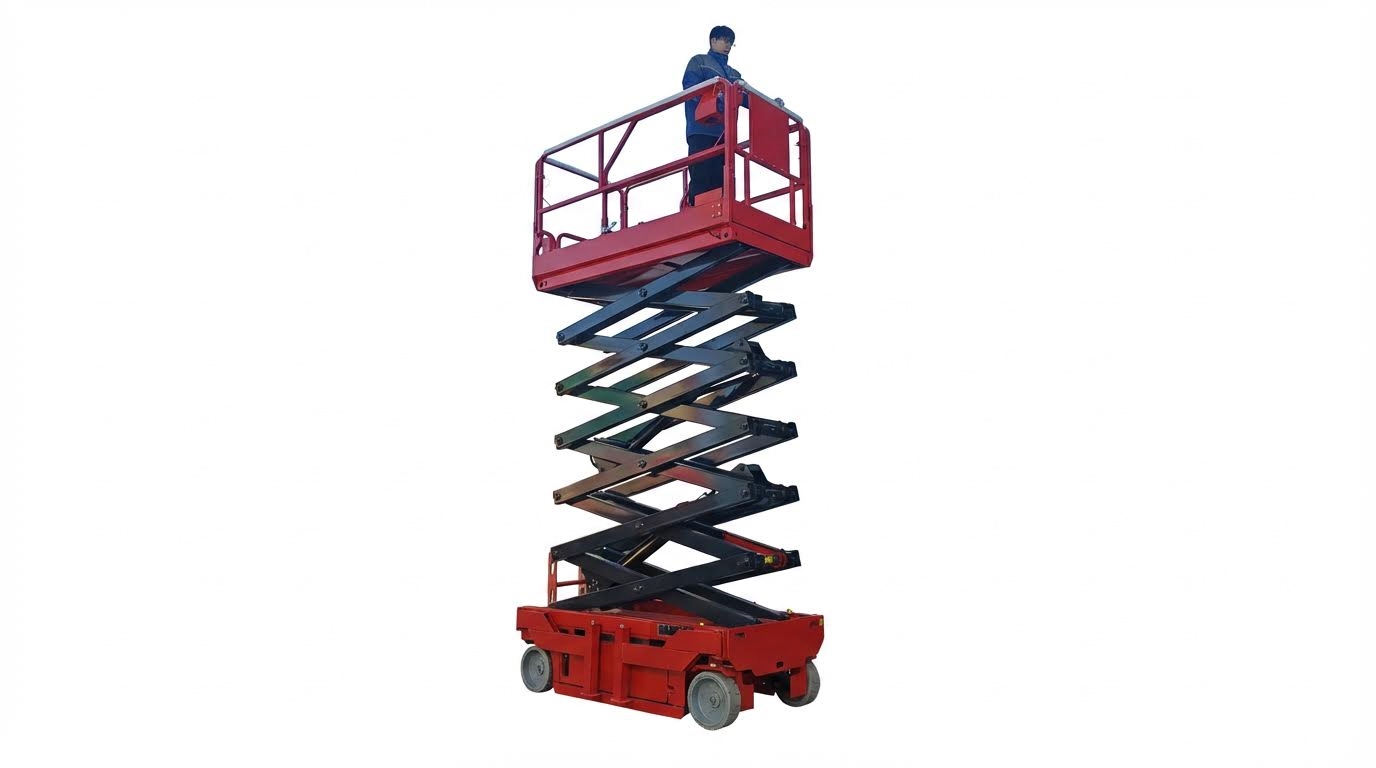
Electric scissor lifts usually cost more upfront but win on maintenance simplicity and energy cost, while engine scissor lifts are cheaper to buy but accumulate higher fuel and service expenses over a 5+ year horizon.
From a fleet manager’s view, total cost of ownership (TCO) matters more than purchase price, especially once you factor labor, downtime, and parts logistics.
| Cost / reliability factor | Electric scissor lifts | Engine scissor lifts | Operational impact |
|---|---|---|---|
| Upfront purchase cost | Typically higher initial price than diesel | Often lower to buy for similar height | Engines look cheaper year one; electric wins later. |
| Routine maintenance | Fewer moving parts; focus on batteries and electrics with lower failure rates | Regular oil, filters, fuel, and tuning plus exhaust and cooling | Electric reduces scheduled service hours and parts inventory. |
| Unplanned downtime | Lower due to simpler powertrain in many fleets | Higher risk from engine, fuel, and exhaust faults | Electric improves availability if charging is well managed. |
| Fuel / energy cost | Low kWh cost; no fuel logistics over life | Ongoing diesel/petrol spend; fuel delivery and storage | Electric gives predictable, lower operating cost per hour. |
| TCO over 5+ years | Often lower overall TCO despite higher purchase price | Higher TCO from fuel and maintenance in long-term fleets | Electric suits long-term ownership; engines suit short projects. |
- Service complexity: Electric lifts cut out engine, exhaust, and fuel systems – less to fail and fewer specialist tools needed.
- Battery management: Train operators to avoid deep discharges – this protects battery life and keeps TCO low.
- Project duration: For rentals or short projects, engine units can still be economical – you avoid investing in charging infrastructure.
Rule-of-thumb: when does electric beat engine on cost?
As a rough guide, if a lift will run regularly for more than 5 years on a single site with available power, electric usually delivers lower lifetime cost because energy and maintenance savings outweigh the higher purchase price and battery replacements.
💡 Field Engineer’s Note: In real fleets, the hidden cost is technician travel and callouts. Every extra subsystem on an engine lift—fuel, exhaust, cooling—adds failure modes. Standardizing on electric indoors has repeatedly cut callouts by 20–30% for multi-site operators in my experience.
Matching Power Source To Application Needs
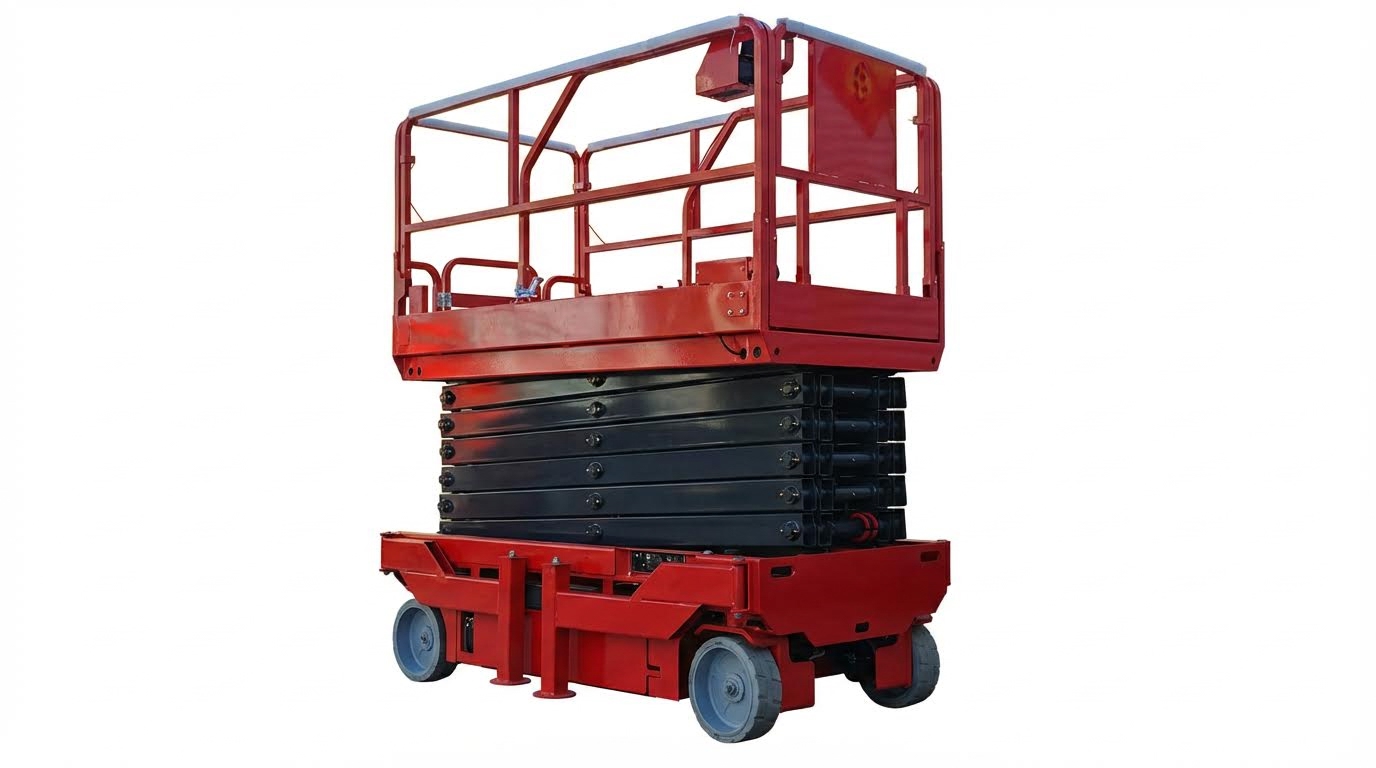
Choosing between electric and engine scissor lifts starts with the job site: floor type, air quality limits, runtime, and load demands decide the right power source. This section turns those variables into clear selection rules.
- Key idea: Start from the site, not the brochure – environment, duty cycle, and fleet simplicity drive the correct choice.
- Core question: Are scissor lifts electric or engine-driven for your use case? – Often you need one dominant type, plus a few specials.
💡 Field Engineer’s Note: When in doubt, standardize the whole site on one power type and treat exceptions as rentals. Mixed fleets of “ones and twos” quietly kill uptime through training gaps, wrong chargers, and misplaced fuel gear.
Indoor, outdoor, and rough‑terrain use cases
Indoor and smooth-floor work almost always favor electric scissor lifts, while outdoor and rough-terrain work usually demand engine-powered units. The environment and floor condition are your first filter before thinking about height or load.
Electric units answer the common question “are scissor lifts electric” with a clear “yes, for most indoor jobs.” They use battery power, generate zero exhaust at point of use, and run at around 70 dB, which suits warehouses, plants, schools, malls, and hospitals. Engine scissor lifts bring higher power and load capacity for construction sites, yards, and uneven or unpaved ground where long runtimes and quick refueling matter. Source data and ranges.
| Use Case / Environment | Recommended Power Source | Key Technical Reasons | Operational Impact |
|---|---|---|---|
| Indoor warehouses, logistics hubs | Electric | Zero exhaust, ~70 dB noise, 4–6 h runtime per charge | Meets air-quality rules, operators work near people and product safely |
| Production plants, food and pharma | Electric | No CO₂/NOx at point of use, low fluid-leak risk with good maintenance | Supports hygiene and clean-room style policies |
| Hospitals, offices, schools, malls | Electric | Low noise (~70 dB), no fumes | Night or daytime work without disturbing occupants |
| Outdoor paved yards, car parks | Electric or Engine (depending on duty) | Electric OK for light/medium duty; engines for long shifts and heavy loads | Pick electric for short maintenance tasks; engine for construction-style work |
| Construction sites, rough terrain | Engine | Higher power, 680–1,800 kg+ capacity, fast refueling | Handles heavy materials, mud, gradients, and long days |
| Remote sites without grid power | Engine | Fuel-based runtime, no chargers required | Simple logistics: just diesel or petrol on site |
- Indoor jobs: Choose electric – protects air quality and usually complies with indoor safety rules.
- Noise‑sensitive sites: Choose electric – around 70 dB keeps you under many occupational noise limits.
- Rough terrain and mud: Choose engine – more torque and ground clearance for uneven ground.
- Remote or off‑grid work: Choose engine – fuel cans are simpler than mobile charging infrastructure.
How to classify your site quickly
Walk the site and note: indoor vs outdoor, floor type (smooth concrete vs gravel), maximum slope, presence of people nearby, and access to 230–400 V power. If you tick “indoor + people + power,” electric almost always wins. If you tick “rough ground + no power + heavy materials,” engine is the safer bet.
Load, duty cycle, and fleet standardization criteria
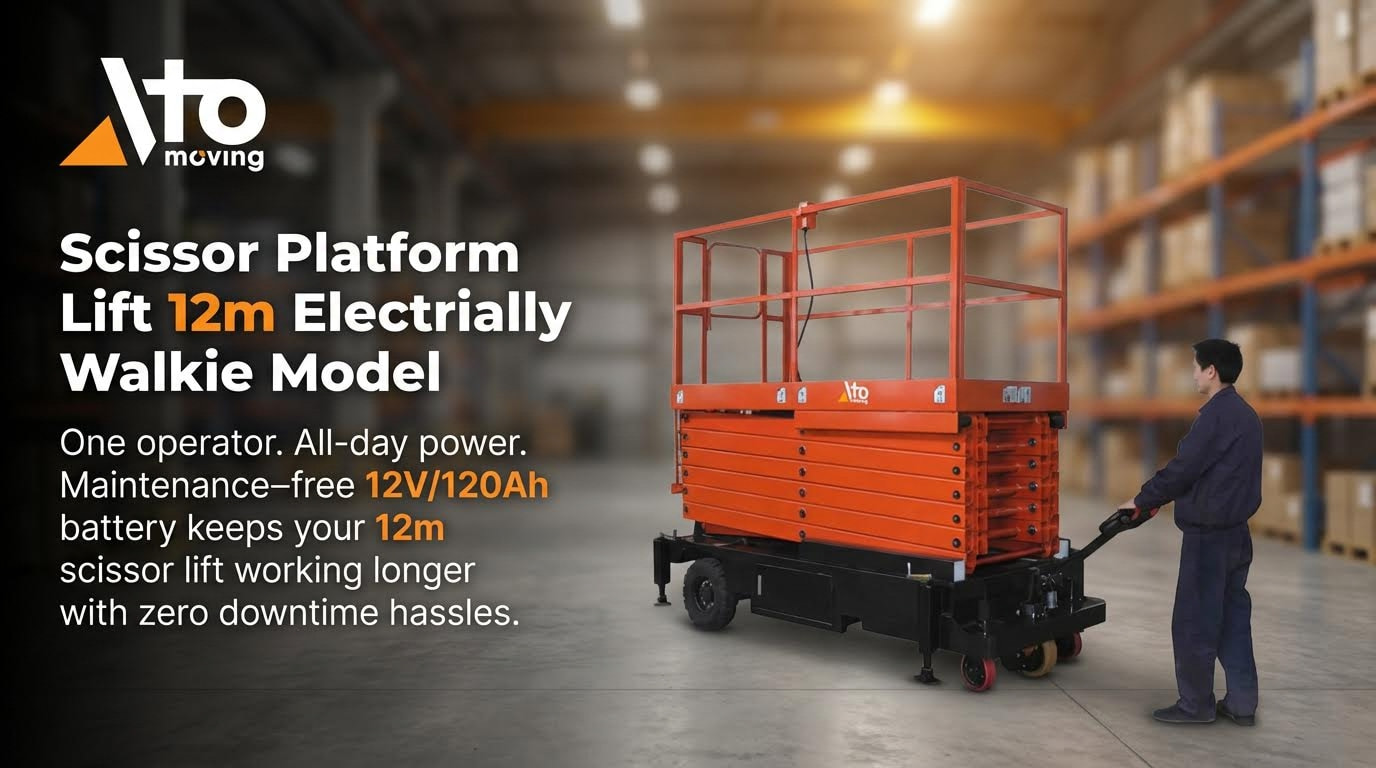
Load capacity, shift pattern, and how you manage your fleet decide whether electric alone is enough or if you need engine units in the mix. This is where you move from “can it work?” to “will it stay productive and economical for years?”
Electric scissor lifts typically handle about 225–1,100 kg, which covers most maintenance, HVAC, electrical, and light installation tasks. Engine scissor lifts commonly work in the 680–1,800 kg range and beyond, supporting multi-person platforms and heavy materials on demanding construction sites. scissor platform options provide versatile solutions for various lifting needs. manual pallet jack can be used for efficient material handling indoors. For drum handling, consider using a drum dolly.
| Selection Factor | Typical Electric Scissor Lift | Typical Engine Scissor Lift | Best For… |
|---|---|---|---|
| Platform capacity | 225–1,100 kg | 680–1,800 kg+ | Electric: 1–2 techs + tools; Engine: multiple workers + heavy materials |
| Daily duty cycle | 4–6 h effective run per charge | Full shift with quick refueling | Electric: maintenance rounds; Engine: continuous construction work |
| Energy / fuel logistics | Needs chargers and battery management | Needs fuel storage and handling | Electric: stable sites; Engine: mobile or temporary sites |
| Maintenance intensity | Lower, focused on batteries and electrics | Higher, engine fluids, filters, tuning | Electric: lean maintenance teams; Engine: sites with full service support |
| Fleet standardization | Ideal for all‑indoor or light‑duty mixed sites | Ideal for heavy outdoor and rough‑terrain fleets | Reduces training complexity and spare parts variety |
- Load profile: Map your heaviest realistic load, not just today’s – engine lifts give more headroom for future heavier work.
- Duty cycle: Count hours the lift must be moving, not just on site – continuous movement favors engines; intermittent tasks suit electric.
- Energy infrastructure: Check charger locations and power availability – poor charging layout can erase the efficiency gains of electric units.
- Fleet policy: Standardize per site wherever possible – one dominant power source simplifies training, inspections, and spare parts.
💡 Field Engineer’s Note: If your lifts regularly hit more than 70–80% of rated capacity, treat that as “heavy duty.” In that band, engine scissor lifts usually offer better thermal margins in hydraulics and engines, reducing nuisance shutdowns on hot days.
Practical rule‑of‑thumb matrix
If most work is indoor, light to medium load, single‑shift: go 100% electric and design proper charging bays. If most work is outdoor, heavy materials, multi‑shift: make engines your base fleet, and add a few electric units only for occasional indoor punch‑list work. If you run mixed sites: standardize each site separately instead of mixing power types everywhere.
Final Thoughts On Choosing Scissor Lift Power Sources
Electric and engine scissor lifts solve different problems, even though their hydraulic cores look similar. The right choice starts with where the machine will run, how long it must work without a break, and how heavy the loads are. From there, safety, noise, emissions, and lifetime cost narrow the options.
Electric lifts pair quiet, zero‑exhaust operation with precise electronic control and simpler maintenance. They fit indoor and noise‑sensitive sites, predictable single shifts, and fleets that want lower long‑term cost. Engine lifts deliver higher power, better rough‑terrain performance, and fast refueling. They fit heavy construction loads, long or irregular shifts, and remote sites without grid power.
Safety depends on more than power source. Correct hydraulic design, reliable valves, and strict load and tilt monitoring must back every unit. Operators and planners must respect rated capacity, duty cycle limits, and charging or fuel plans to keep those safety margins intact.
As a best practice, standardize each site around one dominant power type, then fill true gaps with specialist units or rentals. Use electric as the default for indoor and light outdoor work, and reserve engine machines for heavy, long‑duty, or off‑grid jobs. Partner with a supplier like Atomoving to align lift models, charging or fuel layouts, and maintenance routines with your real operating profile.
Frequently Asked Questions
Are scissor lifts powered by electricity?
Yes, many scissor lifts are powered by electricity. These electric models are typically used indoors due to their quiet operation and zero emissions. However, some scissor lifts are powered by gas or diesel, which are better suited for outdoor use or rough terrain. Scissor Lift Power Sources.
Do all scissor lifts require a power source?
No, not all scissor lifts require being plugged in. While electric scissor lifts need a power source, others run on gas or diesel. These fuel-powered lifts are ideal for outdoor projects where electricity may be limited. Scissor Lift Power Sources.
What are the advantages of electric scissor lifts?
Electric scissor lifts offer several advantages, including quieter operation, zero emissions, and lower maintenance costs compared to gas or diesel models. They are perfect for indoor use where air quality and noise levels are a concern.