You can transport diesel in metal drums if the drum type, construction, and closures are certified for diesel and used exactly as tested under UN/DOT and safety regulations. This guide explains when it is legal, when it is risky, and how to specify drums that actually survive real-world handling.
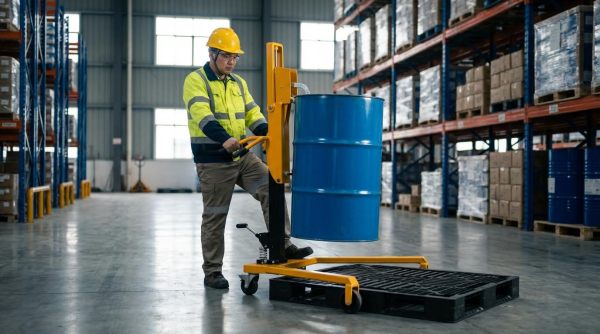
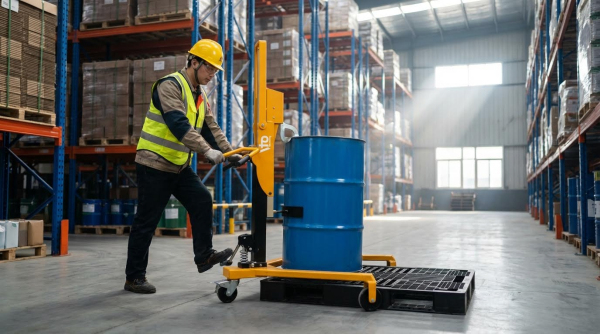
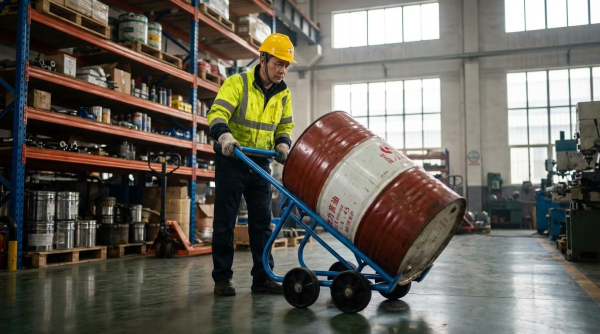
We will walk through diesel classifications, UN/DOT drum codes, wall thickness and hoop design, sealing and venting details, corrosion limits, and how metal drums compare to plastic options. Along the way you will see how each design choice affects spill risk, fire exposure, ergonomics, and compliance so you can confidently answer “can you transport diesel in a drum cart” for your own operation.
When Metal Drums Are Allowed For Diesel
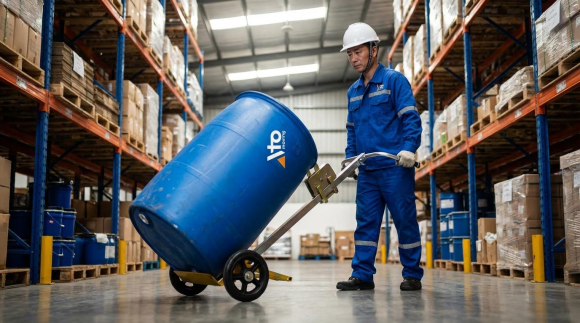
You can transport diesel in a metal drum only when the drum is a certified UN/DOT design, matched to diesel’s packing group, capacity limits, and closure configuration, and used within fire-code volume and handling rules.
This section explains when the answer to “can you transport diesel in a metal drum” is yes, and where regulations on diesel classification, drum size, and UN/DOT codes draw the line.
Diesel classifications and container limits
Diesel’s classification as a combustible liquid directly sets the maximum drum size, stacking limits, and total quantity you are allowed to move or store in one area.
Most regulations treat diesel as a higher-flashpoint combustible liquid, not a low-flashpoint gasoline-type fluid. That still triggers strict rules on approved containers, fire separation, and total litres per control area or vehicle load.
| Parameter | Typical Regulatory Position | Operational Impact |
|---|---|---|
| Liquid type | Combustible liquid with flashpoint >60°C | Lower vapour explosion risk than petrol, but still needs fire controls and certified drums. |
| Classification basis | Flashpoint and test method define class and container rules Diesel classification reference | Higher flashpoint allows larger container sizes than for highly flammable liquids. |
| Typical drum capacity band | Up to about 200 L per drum (common 200 L / 55-gallon size) | One drum is a convenient unit for handling, but multiple drums quickly push you into high-volume fire-code territory. |
| Drum volume limit vs. combustibility | Combustible liquids often allowed up to 450 L per single container in many codes Container size reference | Standard 200 L drums sit comfortably inside this ceiling, which is why they dominate diesel drum use. |
| Total outdoor volume at one location | Extra fire measures usually required beyond about 4,200–4,500 L stored outdoors Outdoor storage thresholds | Once you exceed roughly 20–22 drums, expect requirements for greater spacing, barriers, or suppression systems. |
| Secondary containment (UK example) | Must hold ≥110% of largest drum or 25% of total, whichever is greater Containment rule reference | Spill pallets or bunds become mandatory once you store multiple diesel drums in one place. |
| Distance from water (UK example) | ≥10 m from surface water and ≥50 m from wells Separation distance reference | Site layout must keep drums and bunds away from drains, streams, and boreholes. |
- Approved container only: Diesel must be in a tested, listed metal drum – generic or makeshift barrels are not acceptable, even if they “look strong enough.”
- Stay within drum volume limits: Use standard 200 L drums or smaller – this keeps you aligned with common combustible-liquid container caps.
- Control area totals: Add up all drums on a truck or in a storage bay – crossing the 4,200–4,500 L band usually triggers higher fire-protection duties.
- Secondary containment: Use bunds or spill pallets sized by the 110% / 25% rule – this prevents a single failed drum from becoming a major soil or water incident.
How diesel’s higher flashpoint helps – and where it doesn’t
Diesel’s higher flashpoint means vapours are harder to ignite at ambient temperatures than petrol. However, once heated, atomised, or sprayed, diesel can burn intensely. Fire codes therefore allow larger containers than for very flammable liquids, but still insist on certified drums, good separation distances, and spill control.
💡 Field Engineer’s Note: In real yards, operators often “temporarily” park extra diesel drums close together to save space. Once you stack above roughly 20 standard 200 L drums without revisiting your fire plan, you are very likely past the volume where regulators expect upgraded spacing, containment, and possibly fixed suppression.
UN/DOT drum types and packing group rules
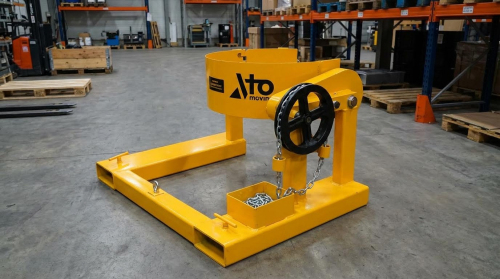
Only UN/DOT-certified metal drums whose code, packing group, and closure set exactly match diesel’s classification are legally acceptable for transporting diesel.
Regulations do not just ask “can you transport diesel in a metal drum”; they require that the metal drum is the right UN type, built to 49 CFR construction rules, and used with the tested bung, gasket, and lid system.
| UN/DOT Drum Code | Material & Lid Type | Typical Use for Diesel | Operational Impact |
|---|---|---|---|
| 1A1 | Steel drum, non-removable (tight) head UN 1A1 reference | Most common for diesel transport and long-term storage. | Best for leak-tight, pump-out operations; two threaded bungs only. |
| 1A2 | Steel drum, removable head UN 1A2 reference | Used when wide-open access is needed (e.g., internal cleaning). | More gasketed joints to manage; ring and lid must match certified set. |
| 1N1 | Non-steel metal drum, tight head UN 1N1 reference | Special alloys where corrosion or contamination is a concern. | Higher cost; check compatibility with diesel additives. |
| 1N2 | Non-steel metal drum, removable head UN 1N2 reference | Less common for diesel; niche chemical or food-grade applications. | Use only when a specific process requires non-steel removable head. |
| Regulatory Requirement | Key Rule | Operational Impact |
|---|---|---|
| Drum construction (49 CFR 178.504 / 178.506) | Welded body seams required above 40 L; ≥2 rolling hoops above 60 L; fixed lids cannot have openings >70 mm Drum construction reference | Standard 200 L diesel drums must be fully welded, with two or more hoops and small threaded bungs only. |
| Rolling hoops attachment | Hoops must be securely attached, not just spot-welded Rolling hoop rule | Hoops must survive rolling, tipping, and handling without peeling off and compromising strength. |
| Minimum wall thickness on reuse | Wall thickness must remain above limits defined in 173.28 and 178.503 Reuse thickness rule | Heavily corroded or abraded drums cannot be reused for diesel transport. |
| Certified use and packing group | Drum must be certified for the specific liquid and packing group Certification rule | Only drums tested and marked for diesel’s hazard level can be loaded legally. |
| Closure and gasket set | Certification covers a specific closure type and gasket set; modifications void approval Closure configuration rule | Swapping bung types, gasket materials, or lid hardware can make an otherwise good drum non-compliant. |
- Match the UN code to diesel: Use 1A1 or 1A2 steel drums certified for diesel’s packing group – this satisfies both strength and compatibility expectations.
- Respect construction minima: Check for welded seams, proper rolling hoops, and small bung openings – these features are not optional; they are part of the legal design.
- Never alter closures: Do not change bung size, thread adapters, or gasket materials outside the tested set – this technically voids the UN/DOT certification.
- Monitor wall thickness on re-use: Retire drums showing deep rust or heavy grinding – thin spots are where drops and impacts will rupture first.
Quick checklist before filling a metal drum with diesel
Before you load diesel into a metal drum, confirm these points: the UN code (1A1/1A2/1N1/1N2) is legible; the marking indicates suitability for the correct packing group; seams and hoops are intact with no visible repairs; bungs and gaskets match the original closure set; and there is no heavy corrosion, bulging, or denting in chime and body areas.
💡 Field Engineer’s Note: The most common compliance failure I see is “mix-and-match” closures: someone loses the original bung and substitutes a hardware-store plug. It may seem to seal, but you have just defeated the UN test configuration, increased leak risk in transit, and given inspectors a clear reason to reject the load.
Engineering Requirements For Diesel-Ready Metal Drums
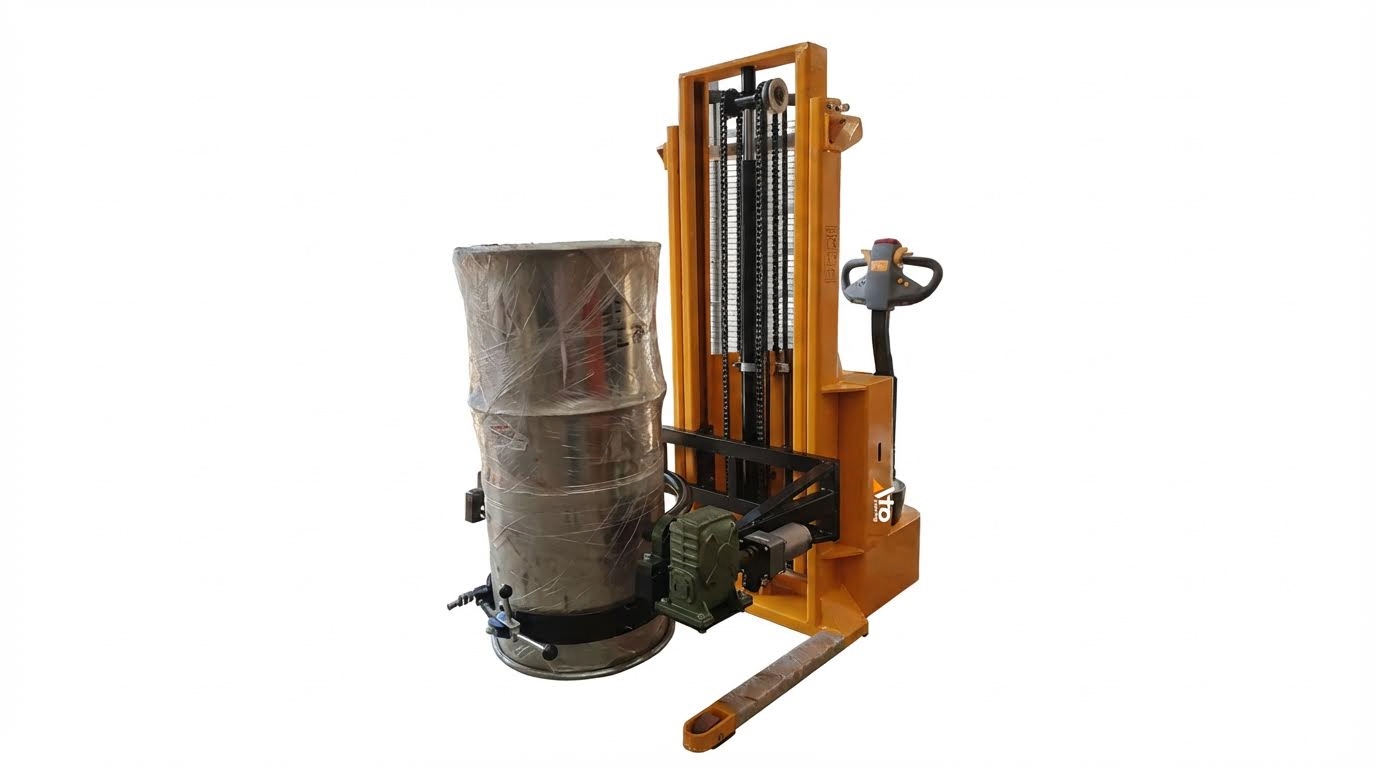
To safely answer can you transport diesel in a metal drum, the drum must meet strict engineering rules for construction, sealing, and corrosion protection under UN/DOT and national regulations. Cutting corners on these details turns a compliant package into a serious fire and spill risk.
Drum construction, wall thickness, and rolling hoops
Diesel-ready metal drums need welded construction, adequate wall thickness, and properly formed rolling hoops to withstand handling, stacking, and transport without leaking or collapsing.
| Requirement | Regulatory / Technical Basis | Typical Value / Rule | Operational Impact |
|---|---|---|---|
| Drum type codes | UN/DOT performance packaging codes for metal drums | 1A1, 1A2 (steel), 1N1, 1N2 (other metals) for liquids | Confirms the drum design is tested and certified for diesel-class liquids |
| Body seams | Construction rules for metal drums used with liquids | Welded body seams required for capacities above 40 L | Prevents seam weeping under stacking loads and vehicle vibration |
| Rolling hoops | 49 CFR 178.504 / 178.506 construction requirements for drums | Minimum two rolling hoops for drums above 60 L; securely attached, not spot‑welded Construction standards | Improves impact resistance during rolling and forklift handling; reduces denting that can start leaks |
| Closures in fixed lids | Limits for openings in non-removable heads | No single opening larger than about 70 mm in fixed heads Closure limits | Controls deformation risk and keeps closure assemblies strong under drop and stacking tests |
| Wall thickness retention in reuse | Reuse rules for UN/DOT drums | Minimum wall thickness must be maintained as specified in 173.28 and 178.503 during reuse Reuse criteria | Prevents thin, corroded drums from being put back into diesel service |
| Lid type vs use | UN/DOT code definition | 1A1/1N1 = fixed head; 1A2/1N2 = removable head | Fixed heads are preferred for diesel transport; removable heads more common for waste and solids |
- Use certified drum types: Select 1A1 or 1A2 (steel) drums certified for liquids in the correct packing group – this proves the design passed drop, leak, and pressure testing for diesel-type products.
- Insist on welded seams: For drums above 40 L, specify fully welded body seams – this mitigates crack initiation at seam joints when drums are stacked 2–3 high.
- Check rolling hoops: Ensure at least two well-formed rolling hoops on drums above 60 L – they act like stiffening ribs and sacrificial impact zones when drums are rolled or tipped.
- Avoid modified closures: Do not drill, weld, or change bung fittings from the tested configuration – any modification voids the UN/DOT certification and can create weak points.
- Control reuse: Measure wall thickness on reconditioned drums against regulatory minimums – this prevents “paper-thin” shells that can buckle in transit.
How to quickly field-check a diesel drum shell
Visually inspect rolling hoops for deep dents, flattening, or cracked welds. Use an ultrasonic thickness gauge or micrometer on non-corrugated areas to confirm enough metal remains for safe reuse. Reject drums with sharp creases or bulging.
💡 Field Engineer’s Note: In real fleets, more diesel leaks come from dented rolling hoops than from the sidewall itself. A hard side impact on an unreinforced drum can ovalize the shell, pop bungs loose, and overload pallets. When in doubt, scrap heavily dented drums instead of trying to “tap them back round.”
Sealing, gaskets, and venting for leak control
Diesel-ready drums rely on compatible gaskets, correctly torqued threaded bungs, and controlled venting to prevent leaks, vapor loss, and overpressure during transport and temperature swings.
| Component | Key Requirement | Typical Practice / Rule | Operational Impact |
|---|---|---|---|
| Threaded bungs | Leakproof closure system for liquid diesel | Standard threaded bungs in fixed or removable heads, matched to drum certification set Closure certification | Provides a robust, re-torqueable seal that survives transport vibration |
| Gasket material | Chemical compatibility with diesel | Fuel‑resistant gaskets used under bungs and plugs to prevent evaporation loss and water ingress | Reduces odor, product loss, and contamination from rain or washdown water |
| Leakproofness testing | UN performance requirement | Closures must pass leakproofness tests in the certified configuration Leakproofness tests | Ensures drums will not seep at joints when tipped or pressurized moderately |
| Torque control | Correct tightening of bungs | Follow manufacturer torque guidance; poor tightening is a known failure mode | Prevents both loose bungs (leaks) and over‑tightening (cracked gaskets, stripped threads) |
| Venting strategy | Pressure control under heat or pumping | Non‑vented for standard transport; vented caps or relief devices where heating or pumping can raise internal pressure | Limits drum bulging or rupture from thermal expansion or pump-induced pressure spikes |
| Fill level | Allowance for thermal expansion | Fill to about 95% of nominal volume to leave ullage space for expansion | Reduces risk of hydraulic overpressure if the drum warms in the sun or in transit |
- Use the certified closure set: Match bungs, plugs, and gaskets exactly to the drum’s UN/DOT certification – mixing components can create leak paths not covered by testing.
- Standardize torque procedures: Issue a torque chart and use calibrated tools for bung tightening – this makes sealing performance repeatable across shifts and locations.
- Control venting by use case: Keep drums non‑vented for normal over-the-road transport; use vented caps only in controlled transfer or heating setups – this balances spill prevention with pressure control.
- Respect the 95% fill rule: Train operators not to “top off” – leaving ullage prevents drums from ballooning when ambient temperature rises by 20–30°C.
- Inspect seals before every move: Check bungs, gaskets, and locking rings for damage before loading – this catches most small leaks before they reach public roads.
Quick checklist before transporting a diesel drum
Confirm the drum is upright, bungs are fully seated to specified torque, no wet spots are visible around closures, locking rings (on 1A2 drums) are in place, and any vented caps are appropriate for the planned operation.
💡 Field Engineer’s Note: On hot days, overfilled diesel drums can “sweat” at the bungs even if they passed leak tests cold. Leaving proper ullage and re-torquing bungs after the first temperature cycle drastically cuts nuisance leaks and odor complaints at loading docks.
Corrosion protection and outdoor storage limits
Diesel-ready metal drums need appropriate coatings, controlled ground contact, and limited outdoor exposure time so corrosion does not reduce wall thickness below regulatory minimums during their service life.
| Aspect | Requirement / Good Practice | Typical Implementation | Operational Impact |
|---|---|---|---|
| Base material | Use suitable metals per UN/DOT codes 1A1, 1A2, 1N1, 1N2 | Carbon steel is typical; other metals allowed if compatible with diesel and certified Corrosion guidance | Provides mechanical strength and compatibility with diesel fuel |
| Exterior protection | Mitigate atmospheric and splash corrosion | Exterior paint systems or coatings; avoid long-term standing water or soil contact | Extends drum life and keeps wall thickness above reuse minimums |
| Internal protection | Optional internal linings for specific risks | Use internal coatings where water contamination or aggressive additives are expected | Reduces internal pitting that can lead to pinhole leaks from the inside out |
| Outdoor storage duration | Limit exposure to weather | Apply strict limits on how long drums stay outdoors, especially in harsh climates | Prevents accelerated rusting that can invalidate UN/DOT certification for reuse |
| Ground contact | Prevent base corrosion | Store on pallets, steel racks, or spill pallets rather than bare ground | Stops moisture from attacking the chime area where most base leaks start |
| Secondary containment | Meet oil storage regulations for diesel | Containment bunds sized for at least 110% of the largest drum or 25% of total volume, whichever is greater Containment rules | Captures leaks from corroded drums before they reach soil or drains |
- Specify coatings by environment: Use heavier-duty exterior paint or additional coating systems in coastal or industrial atmospheres – this slows rust in high-salt or acidic air.
- Keep drums off the ground: Use pallets, racking, or spill platforms under every drum row – this protects the lower chime, the most common corrosion failure zone.
- Define outdoor time limits: Set a maximum outdoor storage duration in your procedures (for example, months not years) – this keeps drums from quietly rusting beyond safe reuse.
- Inspect regularly for corrosion: Look for blistered paint, rust streaks, bulging, or damp spots – early removal of suspect drums avoids catastrophic bottom failures.
- Pair with compliant bunds: Use spill pallets or bund platforms sized to at least 110% of the largest drum’s volume – this provides a final barrier if corrosion wins.
Outdoor diesel drum storage – layout tips
Use elevated, well-drained pads away from storm drains and watercourses. Arrange drums so all seams and bases are visible for inspection. Maintain clear access for forklifts and emergency response and keep ignition sources well away from the storage pad.
💡 Field Engineer’s Note: In many yards, the first drums to fail are the ones sitting directly on gravel or concrete where rainwater collects around the chime. A simple switch to raised spill pallets often cuts corrosion-related drum losses by more than half over a few seasons.

Final Thoughts On Specifying Metal Drums For Diesel Transport
Transporting diesel in metal drums is safe and legal only when engineering, classification, and handling choices line up. UN/DOT codes, packing group, and flashpoint rules define what drum you may use and how much diesel you may move or store. Drum construction then decides whether that legal package survives real yard abuse. Welded seams, correct wall thickness, and secure rolling hoops keep shells stable under stacking, drops, and forklift impacts.
Closures are the next weak link. Certified bungs, compatible gaskets, correct torque, and controlled venting prevent small seepage from turning into road spills or fire loads. Corrosion control and outdoor storage rules protect wall thickness over time, especially at the lower chime and base. Secondary containment and distance from water then limit the impact if a drum does fail.
For operations and engineering teams, the best practice is clear. Standardize on certified 1A1 or 1A2 drums, lock in closure and torque procedures, keep drums off the ground in compliant bunds, and enforce time limits on outdoor storage. Combine that with suitable handling gear from Atomoving and regular inspection, and metal drums remain a robust, compliant way to move diesel with controlled risk.
Frequently Asked Questions
Can you store diesel in a metal drum?
Diesel can be stored in a metal drum, but the type of metal matters. Stainless steel is highly recommended because it resists corrosion better than other materials. Galvanized steel, on the other hand, may corrode faster when in contact with diesel, especially if the fuel contains additives or impurities. For safe storage, use drums made of corrosion-resistant materials and ensure they are approved for fuel storage. Fuel Storage Safety Tips.
Does diesel react with steel?
Diesel itself does not aggressively react with steel, but impurities or water in the diesel can cause corrosion. Stainless steel performs better than galvanized steel in resisting corrosion when exposed to diesel. The acidity of certain diesel blends, such as those containing biodiesel or emulsifiers, can accelerate corrosion in metals like galvanized steel. To minimize risks, always use corrosion-resistant tanks for long-term storage. Fuel Storage Best Practices.
What kind of container can I put diesel fuel in?
Diesel should be stored in approved safety containers designed for flammable liquids. These include stainless steel drums, double-walled UL-rated tanks, or specialized plastic containers that meet safety standards. Avoid using unapproved containers like glass jars or low-quality plastics, as they lack the necessary safety features to prevent leaks or spills. Always prioritize containers with secondary containment systems to reduce environmental risks. Approved Diesel Containers.