Automated order picking systems use digital workflows, robotics, and optimization software to cut walking time, boost accuracy, and stabilize labor in modern warehouses. This guide explains the core technologies, engineering design, and ROI levers you need to build a high‑performance, future‑ready operation.
Key Automated Picking Technologies And Architectures
This section explains how core technologies and system architectures combine to build automated order picking systems that boost throughput, accuracy, and safety. You will see where each technology fits and what warehouse profiles it best serves.
| Technology | Typical Performance | Main Role In Architecture | Operational Impact |
|---|---|---|---|
| Pick-to-light | Accuracy up to 99.9–99.99%, throughput +30–50% over paper methods performance data | High-speed person-to-goods picking in dense rack zones | Ideal for fast-moving SKUs within 10–30 m pick zones; slashes search time and mis-picks |
| Voice-directed picking | Accuracy ~99.9%+, strong performance in cold / PPE environments accuracy data | Hands-free guidance in wide-aisle or pallet picking | Great where operators handle heavy items (15–25 kg) and need both hands free |
| Digital picklists | Fast to deploy, low CAPEX, suggested optimal routes process description | Entry-level digitization for paper-based sites | Cuts manual calculations, supports basic route optimization with only mobile devices |
| Goods-to-person (GTP) & cube storage | 300–600 picks/hour per workstation throughput range | Eliminates walking; high-density storage using full building height | Best where floor space is tight and order lines per day are high (e.g. >10,000) |
| Autonomous mobile robots (AMRs) | Walking reduction 60–80%, throughput +20% typical impact data walking reduction | Dynamic transport of totes, racks, or pallets | Great for sites needing flexible layouts and phased automation instead of fixed conveyors |
| Robotic picking (arms + vision + grippers) | 24/7 unattended potential; cycle time depends on item mix capability | Automates item grasping from bins, shelves, or conveyors | Best for stable SKU sets or high labor-cost environments with repetitive piece picking |
| Mobile platforms (robot bases) | Replace fixed conveyors, flexible path planning description | Move racks, pallets, or workstations | Useful where layout changes often or future expansion is uncertain |
💡 Field Engineer’s Note: When designing automated order picking systems, start from travel distance and pick density (order lines per metre of aisle) before choosing technology; this prevents overspecifying robots where simple light or voice guidance would deliver 80% of the benefit.
Pick-To-Light, Voice, And Digital Picklists
These technologies digitize person-to-goods workflows, cutting walking time and mis-picks without a full robotic overhaul. They are usually the fastest way to upgrade manual warehouses into semi-automated order picking systems.
- Pick-to-light racks: Shelf or bin lights show the exact location and quantity – reduces search time and mis-picks, ideal for high-velocity SKUs within 5–20 m zones. Systems can cut mis-pick rates by up to 35% while boosting throughput with minimal training disruption performance claim.
- High-accuracy light guidance: Modern pick-to-light achieves 99.9–99.99% accuracy and 30–50% higher throughput than paper-based picking performance data – supports dense order lines per metre of racking.
- Voice-directed headsets: Operators receive spoken instructions and confirm picks verbally or by scanning – keeps both hands on cartons or totes, which matters when handling 10–25 kg loads. Accuracy can reach about 99.9% and works well in cold or gloved environments accuracy data.
- Digital picklists on mobile devices: ERP- or WMS-generated lists replace paper and suggest optimized pick sequences workflow description – low-cost first step that still supports route optimization and error checks.
- Zone-based layouts: Dividing racks into small zones so each picker covers only about 2–3 m of rack length (6–10 ft) zone concept – cuts cross-traffic and allows new staff to become productive quickly.
- Tray-based order segregation: Each order has its own tray in the pick zone tray system – prevents item mixing when multiple orders share the same pick path.
- Scanning and expiry checks: Mobile scanners validate batch and expiry against ERP rules during picking quality control – turns pickers into quality inspectors and blocks expired stock at source.
- AI-optimized picklists: AI engines predict daily demand, prioritize urgent orders, and reduce walking paths by combining compatible items in the same route AI optimization – boosts throughput without adding headcount.
| Person-to-Goods Tech | Best Warehouse Profile | Key Benefits | Operational Impact |
|---|---|---|---|
| Pick-to-light | High SKU velocity, small to medium items, dense shelving | Visual guidance, very low mis-picks, fast training | Ideal for e‑commerce B2C lines where pickers stand within 1–2 m of racks all shift |
| Voice picking | Case / pallet picking, cold rooms, PPE-heavy operations | Hands-free, language-flexible, works under low visibility | Useful in 2–3 m wide aisles with heavy cartons and limited space for screens |
| Digital picklists | Paper-based sites starting automation | Low CAPEX, quick deployment, route suggestions | First step before adding lights or AMRs; leverages existing mobile devices |
Impact metrics from semi-automation rollouts
Reported projects using digital picklists, tray systems, and guided packing showed approximately +250% order fulfillment speed, about -92% picking errors, -60% staff fatigue, and training time reductions from about 30 days to 3 days, with ROI often within about 60 days reported metrics.
💡 Field Engineer’s Note: In brownfield warehouses, I usually deploy digital picklists and basic zone picking first; once data shows which 10–20% of SKUs drive 60–70% of travel, we selectively layer pick-to-light or voice there instead of over-automating low-volume zones.
Goods-To-Person, AMRs, And Mobile Platforms

These technologies shift the architecture from people walking to goods moving, forming the backbone of high-performance automated order picking systems. They are critical when travel time dominates your pick cycle.
- Goods-to-person (GTP) stations: Inventory travels to fixed operator workstations, eliminating walking and enabling 300–600 picks per hour per station throughput range – ideal where pick density is high and floor space is expensive.
- Cube storage automation: Bins are stacked vertically, and robots retrieve them from a 3D grid cube storage description – uses full building height, reducing aisle space and travel time dramatically.
- Autonomous mobile robots (AMRs): AMRs dynamically assign tasks, move goods, and optimize pick paths in real time, increasing throughput by about 20% and reducing walking by 60–80% AMR impact walking reduction – excellent for dynamically changing SKU maps.
- Mobile platforms vs conveyors: Mobile robot platforms transport goods without fixed conveyor infrastructure, avoiding costly roller runs and allowing flexible layout changes platform description – ideal for leased buildings or sites expecting major re-layouts.
- Laser navigation and SLAM forklifts: Automated forklifts use laser-based SLAM to map the building and navigate without reflectors, distinguishing permanent from temporary obstacles navigation description – good for pallet-level picking and deep-lane storage.
- Obstacle avoidance and safety zones: Multi-zone detection (long-, mid-, and short-range) lets robots slow down or stop based on proximity, and distinguish static objects from fast-moving pedestrians safety description – critical in mixed-traffic aisles of 2.5–3.5 m width.
- AI fleet management: AI coordinates multiple AMRs, recognizing traffic patterns and reducing travel distances by about 30–40% versus static zone picking AI decision making – keeps utilization high even during demand spikes.
- Engineering Design Of Automated Picking Workflows

Engineering design for automated order picking systems means turning technology options into safe, repeatable workflows that minimize walking distance, errors, and idle time while staying compatible with your building, people, and IT stack.
In this section we focus on three pillars: physical storage layout and routing, human–robot interaction and safety, and how controls and software (WES/WMS) orchestrate everything end‑to‑end.
Storage Layout, Clustering, And Route Optimization
Storage layout and route optimization decide how far every pick takes your operators or robots to travel, so they are the biggest mechanical lever on throughput in automated order picking systems.
Modern layouts combine ABC zoning, dynamic clustering, and GPU-accelerated routing to keep fast movers close, balance congestion, and cut route length without rebuilding your whole warehouse.
Design Lever What It Does Typical Quantitative Impact Operational Impact / Best For… ABC / Zone-Based Layout Groups SKUs by demand and assigns zones Pickers handle only 1.8–3.0 m of rack space per zone (6–10 ft) Eliminates cross‑walking and congestion; faster training of new staff Dynamic Storage Clustering Reorganizes SKUs based on order patterns Cluster separation area increased from 0.1 to up to 6 over 20 iterations, improving layout structure (clustering study) Places co-ordered SKUs together; reduces search and walking time as demand shifts GPU-Accelerated Route Optimization Uses parallel Bellman–Ford routing on GPUs Route length reduced by 44%, nodes per route cut from 27 to 15; approximate routes within 2–14% of optimal (routing study) Supports real‑time wave re‑planning during peaks without overloading servers Goods-to-Person (GTP) / Cube Storage Brings bins to fixed pick stations 300–600 picks per hour per station; eliminates walking time (GTP performance) Best for high-SKU, high-density e‑commerce where travel is the bottleneck AMR-Based Transport Robots move totes/pallets between zones Operator walking reduced by 60–80% (AMR systems) Ideal when you cannot install long conveyor runs or need flexible layouts - Start with data, not racking drawings: Use 6–12 months of order history to identify SKU velocity and co‑occurrence – this prevents over‑engineering low‑impact zones.
- Separate “travel” and “decision” work: Let AMRs or conveyors handle horizontal travel while humans stay in short pick zones – this converts walking time into picking time.
- Use trays and batch picking in dense zones: Order‑assigned trays at zone stations minimize mixing and missing items during batch picks – you gain speed without sacrificing accuracy (tray systems).
- Digitize picklists early: ERP‑driven digital picklists with suggested sequences are a low‑cost first step – they cut manual planning effort and support later automation layers (order fulfillment automation).
- Apply AI selectively: Use AI to generate optimal picklists, combine compatible items, and reduce walking paths – this squeezes more value from existing layout before you move a single rack (AI-driven optimization).
How to phase layout and routing improvements
Weeks 1–2: Move from paper to digital picklists and introduce simple tray systems. Weeks 3–4: Add digital sorting screens at merge tables and guided packing. Weeks 5–6: Review pick path data and start clustering SKUs based on actual order patterns, then introduce more advanced routing logic. This staged approach keeps investment low and has achieved ROI within about 60 days in practice for semi‑automated setups. (implementation timeline and impact)
💡 Field Engineer’s Note: When you re‑cluster storage, plan a hard cutoff window (for example, nightly or weekly) for moving SKUs. Mixing live picking with active re‑slotting in the same aisles often causes more congestion and mis‑picks than the theoretical travel savings.
Human–Robot Interaction And Safety Engineering
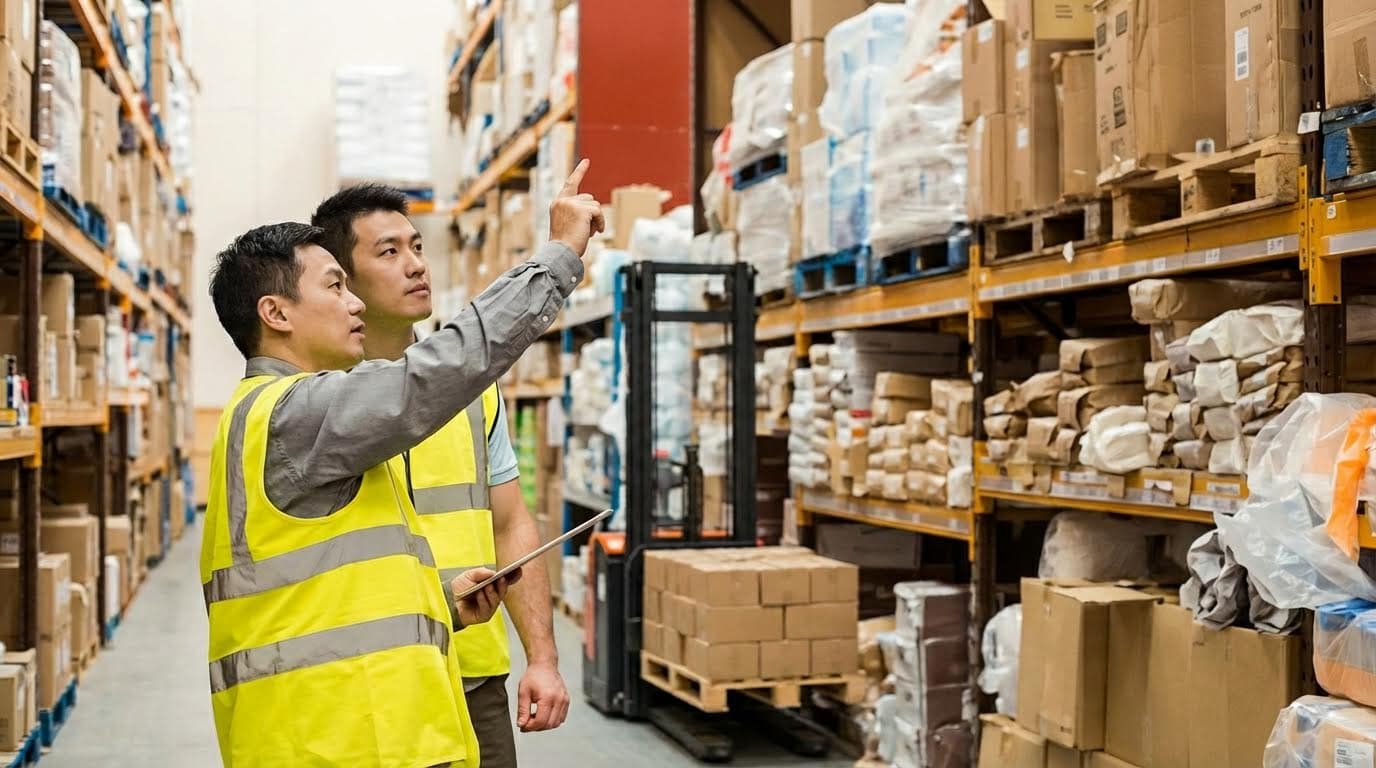
Human–robot interaction (HRI) and safety engineering ensure that people, AMRs, and robotic arms can share aisles and pick stations without collisions, confusion, or fatigue spikes.
Well‑designed automated order picking machines use clear roles, safety zones, and ergonomic interfaces so humans handle judgement-heavy work while machines handle repetitive motion and travel.
Element Technical Feature Quantitative Indicator Operational Impact / Best For… Voice-Directed Picking Hands‑free audio instructions and confirmations Accuracy up to 99.9% and strong performance in cold / gloved environments (voice picking) Reduces training time and keeps operators’ eyes on the aisle, not screens Pick-to-Light Lights and buttons at storage locations Accuracy 99.9–99.99%, throughput +30–50% vs paper methods (pick-to-light) Ideal for dense, fast‑moving SKUs where visual cues beat audio Collaborative Robot Arms Arms designed for safe close‑proximity work Chosen based on item size, mass, and reach envelope (robot arms) Suited to shared pick cells where staff load/unload and robots handle repetitive picks Mobile Platforms / AMRs Autonomous transport with obstacle avoidance Operate 20–22 hours per day with 200–300% productivity gains vs 6–7 human hours (productivity improvements) Take over long-distance travel, leaving humans in compact, ergonomic pick zones Obstacle Detection & Safety Zones Layered detection with graded responses Long-range detection up to 30 m, with speed reduction and emergency stop zones (obstacle avoidance) Enables safe mixed traffic of pedestrians, pallet jacks, and robots Safety Outcomes Programmed protocols and 360° awareness Reductions in material handling incidents of 70–90% reported after automation (safety enhancements) Lower injury rates, fewer near‑misses, and more predictable operations - Define clear human and robot “lanes”: Use floor markings and one‑way aisles where possible – this simplifies right‑of‑way rules and reduces hesitation at intersections.
- Design pick stations around the human body: Keep primary pick height roughly 800–1,400 mm and limit reaches beyond 500–600 mm – this cuts fatigue and musculoskeletal risk.
- Use visual and audio redundancy: Combine lights, screens, and voice where noise, PPE, or glare can interfere – this maintains accuracy across shifts and seasons.
- Match grippers to your SKU mix: Vacuum grippers are great for smooth, sealed surfaces, friction or roll‑up grippers for irregular or palletized items – most sites need a mix with tool changers (flexible grippers).
- Guard for vision and AI failure modes: Cameras and AI may mis‑identify transparent, reflective, or deformable packaging – design exception flows and manual override stations for these edge cases (cameras and AI).
💡 Field Engineer’s Note: Position AMR charging and buffering zones outside main pedestrian arteries. Robots bunching near chargers at shift change is one of the most common and avoidable causes of “automation traffic jams” in mixed human–robot warehouses.
Controls, WES/WMS Integration, And Data Flows
Controls and software integration turn individual technologies into a coordinated automated semi electric order picker system that can actually run live orders, not just demos.
A robust WES/WMS layer assigns work, synchronizes robots and people, validates batches and expiry, and feeds analytics back into layout and routing decisions.
Layer Role in the System Key Capabilities / Metrics Operational Impact / Best For… WMS (Warehouse Management System) Inventory truth and order allocation Generates digital picklists, manages batches and expiry validation via mobile scanners for 100% QC (batch and expiry scanning) Ensures correct stock, lots, and compliance, especially in pharma and food WES (Warehouse Execution Software) Real‑time orchestration of tasks Coordinates human tasks, robots, and AS/RS; provides real‑time analytics and modular automation control (WES platforms) Critical when you mix AMRs, GTP, and manual zones under one control layer Device/Robot Controllers Low‑level motion and safety logic Laser navigation and SLAM mapping generate point clouds and distinguish permanent vs temporary obstacles (SLAM navigation) Allow layout changes without re‑wiring guidance infrastructure AI Optimization Layer Decision support and automation Predicts daily demand, generates optimal picklists, priorit Evaluating ROI, Use Cases, And System Selection
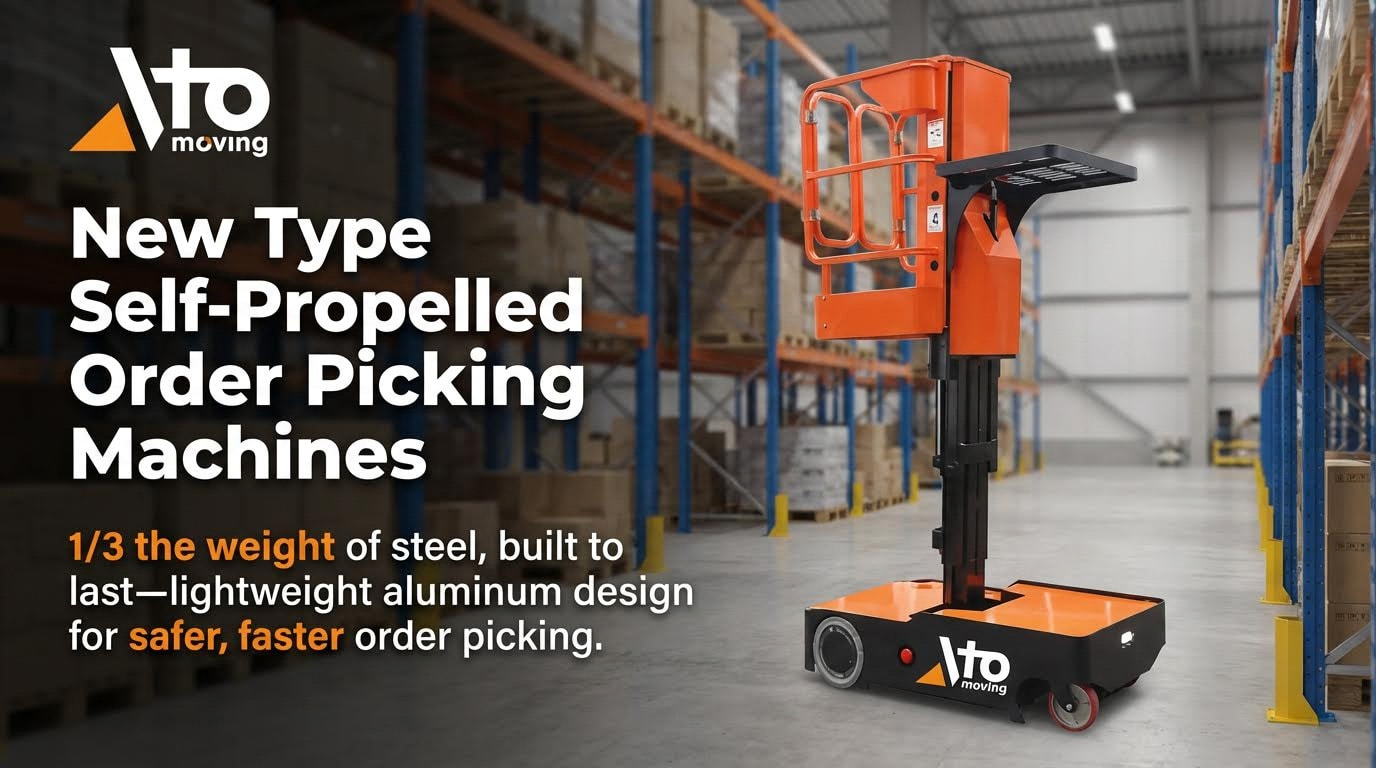
Evaluating automated order picking systems means turning throughput, accuracy, labor, and lifecycle costs into hard numbers so you can match each technology to the right warehouse profile and payback horizon.
This section translates engineering performance into business outcomes so you can defend investment decisions to both operations and finance.
Throughput, Accuracy, And Labor Productivity Metrics
Throughput, accuracy, and labor productivity are the core performance lenses for comparing automated order picking systems against manual or semi-manual workflows.
They determine how many order lines you ship per hour, how many you get right the first time, and how many people and shifts you need to sustain peak demand.
Technology Type Key Performance Metrics Typical Improvement vs Manual Operational Impact Pick-to-light Accuracy up to 99.9–99.99%; 30–50% higher picks/hour Mis-picks down by ~35%; throughput +30–50% compared to paper Ideal for high-velocity SKUs in dense rack sections where walking distance is already short. Voice-directed picking Accuracy 99.9%+; hands-free picking Case study: 72% productivity gain and headcount cut from 80 to 52 pickers in frozen food Best where operators walk long distances in chilled or frozen zones and need both hands free. Goods-to-person (GTP) / cube storage 300–600 picks/hour per station; minimal walking Large cut in travel and search time; routes shortened by eliminating aisles vs manual shelving High-throughput, space-constrained sites with stable SKU profiles and high order volume. Autonomous Mobile Robots (AMRs) Throughput +20%; walking reduced 60–80% Dynamic task allocation; 20%+ throughput gain by cutting non-value walking in mixed SKU environments Great for brownfield sites where you cannot rip out racks but must boost lines/hour. AI-optimized digital picklists +250% fulfillment speed; -92% picking errors Staff fatigue down 60%; training time down from 30 to 3 days in retailers adopting staged automation Low-cost entry step for sites still on paper lists, preparing for later robotics. Robotic picking cells 24/7 operation; cycle time depends on item complexity Cycle times now competitive with manual for many items using 3D vision and AI in pilot deployments Best for repetitive, ergonomically risky picks (heavy, high, or deep bins). Automated order picker vehicles 20–22 productive hours/day; ±10 mm positioning Productivity up 200–300% vs 6–7 human hours/day; major incident rates down 70–90% in automated fleets Suited to long travel paths and repetitive pallet-level picking or case picking. - Define baseline: Measure lines/hour, picks/hour, error rate, and labor hours per shift – this frames realistic uplift from automation.
- Normalize metrics: Compare technologies on “lines per labor hour” and “errors per 1,000 order lines” – removes bias from different staffing models.
- Segment by zone: Evaluate performance separately for ambient, chilled, and mezzanine zones – different physics and walking patterns apply.
- Include learning curve: Factor reduced training time (e.g., 30 to 3 days with guided systems) – critical for high-turnover operations.
- Consider uptime profile: Robots can sustain 20–22 hours/day; humans rarely exceed 6–7 productive hours – this changes how many shifts you need.
How to practically measure picking productivity before automation
Run a time-and-motion study for 1–2 representative weeks. Capture: order lines per hour per picker, average walking distance per pick tour, error rate by error type (wrong item, wrong quantity, wrong batch), and rework time per error. Use these as your “before” values when modeling automated order picking systems.
💡 Field Engineer’s Note: When you pilot AMRs or GTP, instrument at least one aisle with temporary tracking (UWB tags or WiFi-based positioning). You will often find 30–40% of time lost in micro-delays at congestion points, not in the long travel legs. Fixing slotting and aisle rules around these choke points can yield almost as much gain as the robots themselves.
TCO, Scalability, And Implementation Roadmaps
Total cost of ownership, scalability, and a staged roadmap determine whether automated order picking systems remain an asset or become an expensive constraint as your order profile changes.
Capex is only one piece; you must also account for software, floor readiness, maintenance, and the cost of pausing operations during changeovers.
Dimension What to Evaluate Typical Ranges / Examples Best-Fit Use Case Payback period (ROI) Time for labor, damage, and safety savings to offset investment Voice: ~5.4 months; GTP: up to ~2.5 years across case studies Fast-payback tech (voice, digital picklists) for cash-constrained sites; GTP for stable, high-volume hubs. Capex vs Opex mix Hardware, software licenses, service contracts, energy Mobile platforms avoid fixed conveyors; WES/WMS spreads cost across sites with modular setups Choose robots-as-a-service or software-first where flexibility and low upfront cost matter. Infrastructure readiness Floor flatness, lighting, WiFi, rack geometry, clear heights Floor deviations typically should not exceed ~10 mm over 3 m for reliable navigation for automated vehicles Brownfield sites may start with software and wearables while planning civil upgrades. Scalability path Ability to add robots, stations, or software modules WES platforms support modular automation and multi-site growth with real-time analytics Critical for 3PLs and e-commerce players with volatile SKU and order volumes. Implementation timeline Weeks or months to initial go-live and stabilization Digital picklists + trays can go live in 6 weeks with ROI in 60 days using phased rollout Use fast wins to fund and de-risk later robotics or GTP investments. Regulatory & quality needs Traceability, batch/expiry, serialization, halal/other segregation Systems can verify NPRA serialization and support halal-only stations with WMS rules in regulated sectors Pharma, food, and cosmetics where compliance risk can justify higher capex. - Stage 1 – Digital & procedural: Implement ERP-driven picklists, zone picking, tray systems, and expiry scanning – low capex, fast ROI, strong data foundation.
- Stage 2 – Guided automation: Add voice, pick-to-light, and guided packing stations – tightens accuracy to 99.9%+ while keeping layouts mostly intact.
- Stage 3 – Mobile robotics: Introduce AMRs and mobile platforms to cut walking by 60–80% – ideal once your WMS/WES data is clean and stable.
- Stage 4 – High-density GTP / cube storage: Deploy where throughput and space constraints justify 2–3 year paybacks – turns travel into stationary work at 300–600 picks/hour.
- Stage 5 – Robotic picking & AI: Layer 3D vision, flexible grippers, and AI routing – automates complex items and continuously optimizes routes and slotting.
How to compare two system proposals on a like-for-like basis
Convert each proposal into “cost per shipped order line” over a 5–7 year horizon. Include: capex amortized over expected life, software and support fees, energy, maintenance, and residual manual labor. Use the same volume growth and wage inflation assumptions for all options. For automated order picking systems, also model sensitivity to uptime (e.g., 95% vs 99%) because even small availability changes can erase theoretical throughput advantages.
💡 Field Engineer’s Note: Before signing any automation contract, walk the site with a laser level and RF survey tool. I have seen beautifully engineered AMR fleets underperform by 20–30% because of 15 mm floor humps at expansion joints and dead WiFi spots in mezzanine corners. Fixing concrete and coverage upfront is cheaper than re-engineering robot paths later.
Final Considerations For Future-Ready Picking Automation
Automated order picking only delivers full value when you treat it as an engineered system, not a gadget purchase. Layout, travel distance, and SKU clustering decide how much work each picker or robot can do per hour. Safety design, human–robot roles, and ergonomics decide whether that performance is stable across seasons and shifts. Controls, WES/WMS integration, and AI routing turn isolated devices into one coordinated flow.
ROI then depends on matching this technical design to your order profile, labor market, and building limits. Short-payback steps like digital picklists, trays, and voice help you clean data and de-risk later robotics. High-density GTP, AMRs, and robotic cells make sense once you have proven bottlenecks, solid infrastructure, and clear safety rules.
The best practice is simple: start from data on walking, errors, and congestion, then upgrade in stages. Validate floor flatness, WiFi, and rack geometry before you scale fleets or cube storage. Use your WMS/WES as the backbone and let Atomoving or other specialists help you phase investments. This way, each automation layer pays for the next while keeping your warehouse safe, adaptable, and ready for future demand. Please provide the `{reference}` data so I can parse, filter, and generate the FAQ section based on the query “automated order picking systems.” The `{reference}` should be an array of objects containing the `output` field with JSON strings. Once you provide it, I’ll proceed with the task.