Facilities that ask how to improve warehouse picking speed usually struggle with travel time, congestion, and inconsistent methods. This article walks through a full engineering approach, from layout and slotting to routing algorithms and equipment integration, to cut walking distance and raise throughput without losing accuracy.
You will see how to engineer the warehouse for minimal travel time, choose the right picking methods, and use performance metrics that actually reflect picker productivity. The article then explains how advanced tools such as AMRs, conveyors, robotics, and voice or light-directed systems connect with WMS logic to create dynamic, high-speed pick paths. The final section consolidates these ideas into a practical blueprint for a high-throughput picking system that scales with demand.
Engineering The Warehouse For Minimal Travel Time
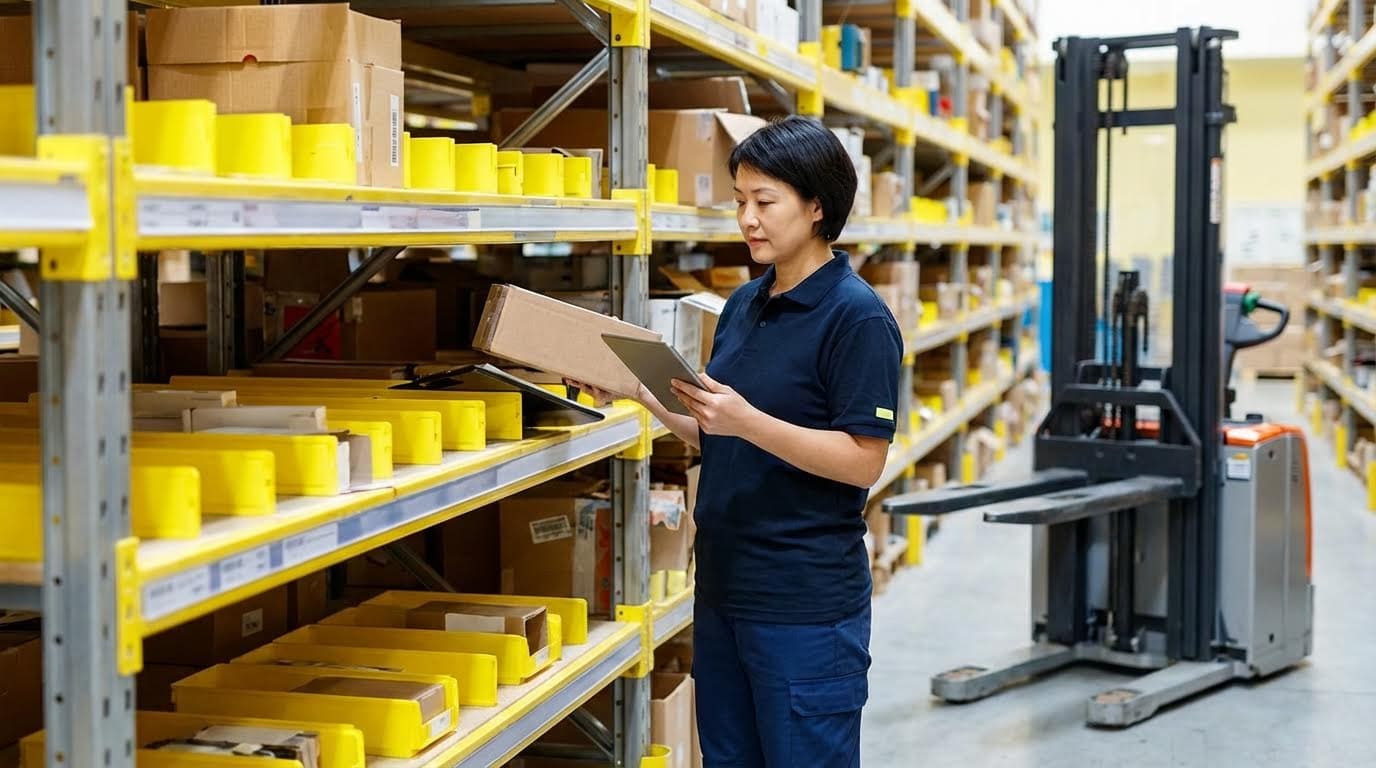
Travel time dominated picker activity in most warehouses and often reached 60% of total picking time. Engineering the building to cut this wasted motion was the fastest answer to how to improve warehouse picking speed. This section explains how layout, slotting, traffic rules, and routing logic worked together to shrink walking distance. The goal was a stable, scalable design that supported both manual and automated picking.
Layout Design To Cut Walking Distance
Layout design started with a simple target. Reduce unproductive walking between picks and packing. Engineers placed packing, consolidation, and dispatch close to the highest order volumes. They also minimized dead ends and long single-use aisles.
Three layout levers directly affected travel time and picking speed:
- Shorter average path length between picks and packing
- Fewer direction changes and backtracking
- Lower congestion at cross aisles and hot spots
Common patterns included U-shaped and through-flow layouts. U-shaped layouts brought inbound and outbound to the same side and cut line-haul inside the building. Through-flow layouts worked well for high-volume operations with strong conveyance. Cross aisles at regular intervals let pickers shortcut between aisles and avoid full-length walks. When teams asked how to improve warehouse picking speed without new tech, layout changes were often the first and cheapest step.
Slotting Strategies For High-Velocity SKUs
Slotting controlled where each SKU lived and how fast pickers could reach it. High-velocity SKUs moved closest to packing and main travel paths. This reduced average walking distance per order and lifted picks per hour.
Effective slotting for speed usually followed a simple structure:
| SKU group | Typical location choice | Impact on picking speed |
|---|---|---|
| Fast movers (A items) | Near packing, golden zone height | Strong reduction in travel time |
| Medium movers (B items) | Mid-distance, standard rack levels | Balanced walk time and space use |
| Slow movers (C items) | Upper or remote locations | Minimal impact on daily travel |
Dynamic slotting in a WMS further improved performance. The system re-slotted SKUs as demand changed and pulled peak items toward fast-pick zones. Engineers also grouped SKUs that appeared together in orders. This cut zigzag walking and answered how to improve warehouse picking speed without adding labor.
One-Way Aisles, Zoning, And Traffic Control
Traffic control reduced interference between people, forklifts, and automation. One-way aisles stopped head-on conflicts and removed decision points. Pickers followed a fixed direction and avoided passing each other in narrow spaces.
Zoning divided the warehouse into clear areas with defined responsibilities. Each picker stayed inside a zone for most of the shift. This design cut long cross-warehouse walks and reduced congestion near popular SKUs.
Typical traffic control tools included:
- Marked one-way arrows and stop lines at cross aisles
- Dedicated pedestrian lanes separated from semi electric order picker paths
- Fixed handover points between zones for carts or totes
These rules worked best when aligned with WMS routing. The system generated pick paths that respected one-way flows and zone borders. This alignment turned traffic rules into measurable gains in picks per hour.
Routing Algorithms For Optimal Pick Paths
Routing logic answered the core question of how to improve warehouse picking speed with software. The aim was simple. Visit every location on a pick list with the least walking distance and time.
Different algorithms fit different picking patterns:
- Shortest-path methods, such as Dijkstra, worked well for fixed aisles and single-order picking.
- Traveling Salesman based methods, including Christofides, suited batch picking with many stops.
- A* and similar search methods handled dynamic blocks, congestion, or temporary closures.
Advanced systems also used cluster and wave algorithms. These grouped orders that shared locations and time windows. The WMS then produced routes that avoided backtracking and respected one-way aisles and zones. Over time, analytics from completed routes fed continuous improvement. Engineers compared planned versus actual travel and tuned parameters. This closed loop pushed picking speed higher without sacrificing accuracy or safety.
Optimized Picking Methods And Performance Metrics
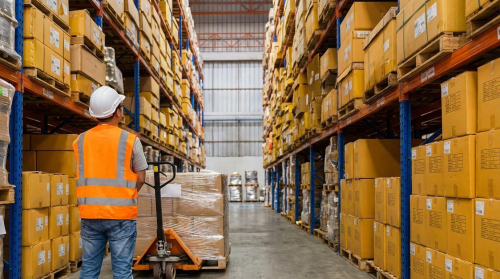
Optimized picking design is central when you ask how to improve warehouse picking speed. Method choice, layout, and software must work together. This section explains how picking schemes, KPIs, and WMS analytics combine to cut travel time and errors. The goal is faster order cycles without losing control or accuracy.
Zone, Wave, And Batch Picking Design Choices
Zone, wave, and batch picking attack travel time in different ways. Zone picking assigns each worker to a fixed area. This reduces walking and lets workers learn their slot locations in detail. It works well when order lines are spread across the warehouse.
Wave picking groups orders into time-based waves. Planners release waves based on carrier cut‑offs, dock capacity, or labor availability. This improves flow to packing and shipping and avoids peaks and idle gaps. It helps when you handle mixed order profiles and strict departure times.
Batch picking groups orders with shared SKUs into one route. The picker collects all needed units in one trip, then downstream sorting splits them into orders. This cuts back‑tracking and is effective when orders share many common items. A WMS should auto‑identify batch‑eligible orders to avoid manual planning effort.
To decide which method improves warehouse picking speed, compare them against your order profile:
| Method | Main benefit | Best for |
|---|---|---|
| Zone picking | Lower walking per picker | Large sites with clear product families |
| Wave picking | Stable outbound flow | High shipping deadlines pressure |
| Batch picking | Fewer trips per item | High SKU overlap between orders |
KPIs For Measuring Picking Speed And Accuracy
Improvement efforts fail if you do not measure them. Core KPIs for how to improve warehouse picking speed must cover both pace and quality. Picking rate shows items or order lines picked per hour per picker. It reveals the impact of routing, equipment, and training.
Order picking cycle time tracks the full path from task release to order ready-to-ship. It includes travel, queuing, and congestion. Reducing travel time through better layout and routing usually cuts this KPI sharply. Cost per pick links labor, equipment, and overhead to each pick and exposes hidden waste.
Accuracy metrics protect service levels while you chase speed. Typical measures include:
- Picking accuracy: Correct lines or units as a percentage of total picks.
- Order accuracy: Orders shipped without any error.
- Return rate due to mis-picks: Direct customer impact of errors.
Utilization metrics show how well you use available capacity. Examples are picker utilization and equipment utilization during the shift. A balanced KPI set prevents you from trading accuracy for speed. It also lets you compare methods like batch versus wave picking on equal terms.
Using WMS Analytics For Continuous Improvement
WMS analytics turn raw scan data into clear actions on how to improve warehouse picking speed. Modern systems record every task, travel segment, and exception. Dashboards then show heat maps of congestion, slow zones, and high‑velocity areas. You can see where pickers walk the most and which SKUs cause delays.
Analytics support continuous tuning in several ways. First, they highlight SKUs that should move closer to packing or into fast‑pick areas. Second, they reveal which picking method works best for each order type. For example, the WMS can flag orders ideal for order picking machines based on shared SKUs. Third, they expose training gaps by comparing pick rates and error patterns by worker.
Advanced WMS tools use algorithms to optimize pick paths and task assignment in real time. They can interleave picking with replenishment to cut deadheading. They also simulate different routing rules before you deploy them. Over time, this feedback loop builds a data‑driven culture. Teams stop guessing and instead test, measure, and refine every change to layout, routing, and equipment.
Selecting And Integrating Advanced Picking Equipment
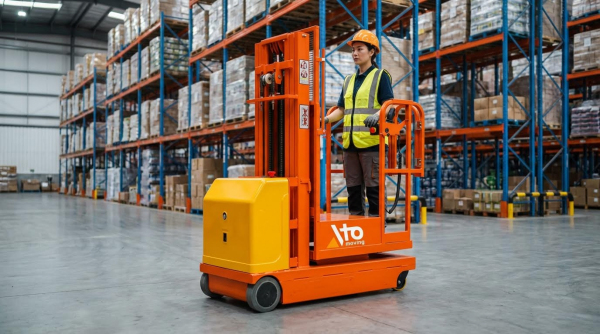
Advanced equipment is one of the fastest levers when you ask how to improve warehouse picking speed. The right mix of automation and software cuts walking, touches, and errors. This section explains how core technologies work together with routing and WMS logic. It focuses on practical engineering choices for high-throughput operations.
Automation Options: AMRs, Conveyors, And Sortation
Automation reduces travel time, which often consumed up to 60% of picker effort. AMRs bring goods to people, so workers walk less and pick more. Conveyors and sorters move cartons and totes at steady flow, which stabilizes cycle times.
When you study how to improve warehouse picking speed, compare options by function, not hype.
| Technology | Main Role | Impact On Picking Speed |
|---|---|---|
| AMRs | Goods-to-person transport | Cut walking distance and idle time |
| Conveyors | Continuous item/carton flow | Reduce manual carrying between zones |
| Sortation | High-speed order or destination sort | Support batch picking and rapid consolidation |
Engineers should align conveyor and sorter capacity with peak pick rates. Undersized systems cause queues and lost throughput. Integration with the WMS is critical so routing logic can release work in waves that match mechanical capacity.
Robotic And Vision-Guided Bin Picking Systems
Robotic bin picking lifted typical manual rates of 100–200 picks per hour to about 400–800+ picks per hour. Vision-guided robots used 3D cameras and AI to recognize parts in random orientation. This reduced search time and mis-picks.
When you evaluate how to improve warehouse picking speed with robots, check three points:
- Item mix and geometry, which drive grasp success and cycle time.
- Required pick rate versus proven system capability.
- Interface to upstream storage and downstream conveyors or sorters.
Error rates often dropped below 0.5%, versus 1–3% in manual work. That higher accuracy avoided rework, returns, and extra trips. However, complex items and fragile packaging still needed careful gripper and motion design.
Voice-Directed And Pick-To-Light Workflow Upgrades
Voice and light systems did not change the layout, but they changed how fast people moved through it. Voice-directed picking used headsets to give spoken instructions. Workers stayed hands-free and eyes-up, which improved safety and speed.
Studies showed voice workflows cut error rates by 50–90% versus paper. Productivity gains reached about 35% over paper and around 30–35% over RF scanning. Pick-to-light used LEDs and displays at storage locations. Lights guided the picker to the right slot and quantity, which cut search time.
For teams asking how to improve warehouse picking speed without full robotics, these upgrades are often the first step. They overlay on existing racking and carts. Integration with the WMS lets both systems receive real-time tasks, confirm picks, and support dynamic re-sequencing of routes.
Integrating AGVs And WMS For Dynamic Routing
AGVs moved pallets, carts, or totes between zones without human drivers. When linked to the WMS and sometimes ERP, they supported just-in-time replenishment and staging. Dynamic routing software assigned paths and jobs based on current congestion and priorities.
Key integration steps included:
- Defining data exchanges for tasks, status, locations, and priorities.
- Using standard protocols like REST APIs or MQTT where possible.
- Running a pilot in one zone before scaling across the site.
AGV and WMS integration helped when you focused on how to improve warehouse picking speed at system level, not only at the pick face. AGVs reduced delays between storage, pick, and pack. Real-time visibility into AGV positions allowed the WMS to adjust pick release and routes to keep workers and machines busy without creating traffic jams. Additionally, order picking machines played a crucial role in enhancing efficiency.
Summary: Engineering A High-Throughput Picking System
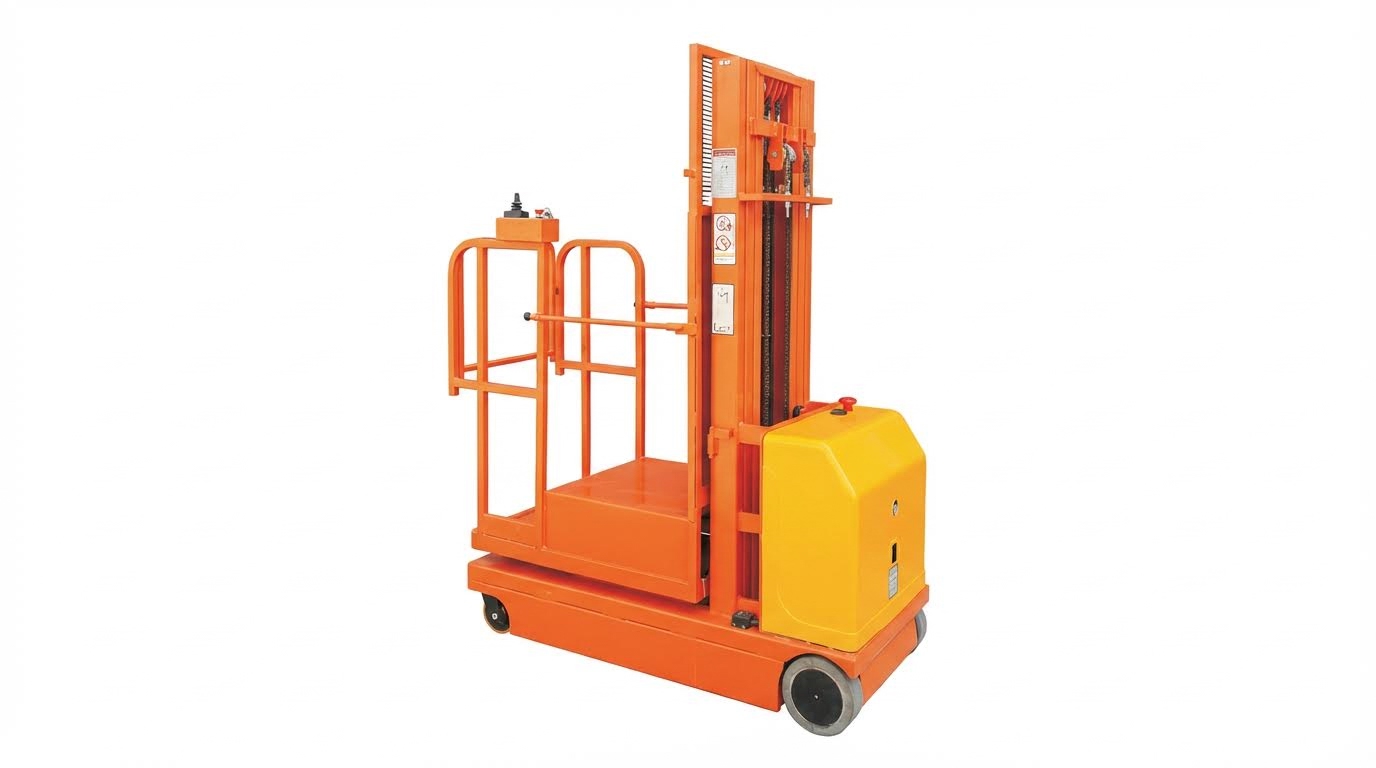
Engineering teams that ask how to improve warehouse picking speed need a system view. Travel time, routing logic, storage design, and equipment all interact. This article connected layout engineering, optimized picking methods, and advanced equipment integration into one framework. The goal is shorter pick paths, higher accuracy, and stable throughput at peak load.
Key findings showed that picker travel often consumed most of the picking shift. Layout changes, dynamic slotting, and one-way aisles cut walking distance. Routing algorithms and WMS logic then refined paths at a second level. Zone, wave, and batch picking designs aligned labor with demand patterns, while KPIs such as picks per hour, pick accuracy, and order cycle time quantified gains.
Advanced equipment raised the performance ceiling further. AMRs, conveyors, and sortation systems reduced manual moves and congestion. Robotic and vision-guided bin picking increased picks per hour and lowered error rates. Voice-directed and pick-to-light workflows improved speed while keeping hands free and eyes up. Integrated AGVs and WMS enabled dynamic routing and real-time task assignment.
Implementation required phased deployment. Teams needed to stabilize master data, tune slotting rules, and validate routing against safety and fire codes. Change management, training, and ergonomic design protected operators as speeds increased. Continuous analytics then drove small, frequent adjustments instead of rare large projects.
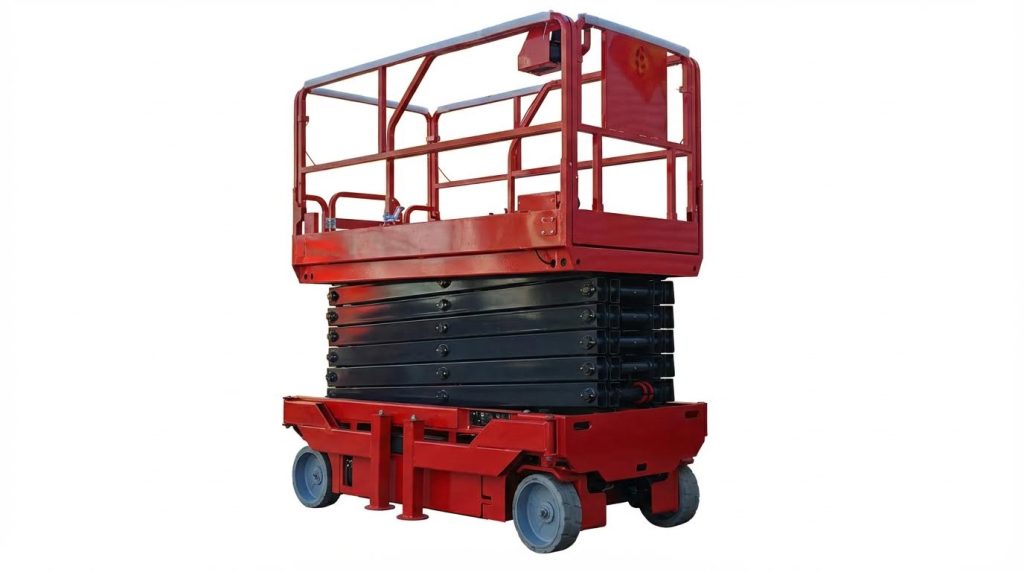
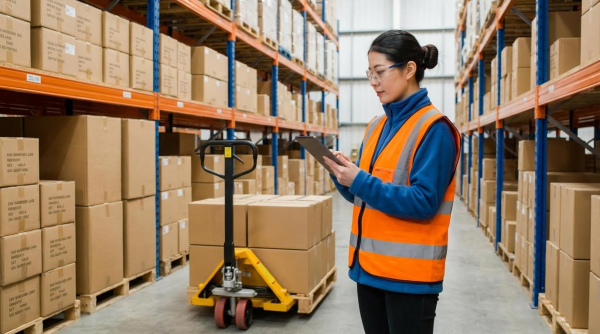
From an industry view, high-throughput picking was shifting from static layouts to adaptive, data-driven systems. Future designs would combine richer sensor data, better algorithms, and flexible equipment platforms such as warehouse order picker and modular conveyors. Facilities that invested in this integrated approach were better placed to handle volatile order profiles, tight labor markets, and rising service expectations while keeping picking costs under control. Advanced solutions like scissor platform lift and walkie pallet truck further enhanced operational efficiency.