Distribution warehouses that ask how to do pick and stage at amazon’s warehouse focus on tight control of order flow, labor, and space. This article explains the full framework, from core principles and VDI 3590 process steps to practical rules like FIFO, LIFO, and shelf‑life driven strategies across discrete, wave, batch, zone, and cluster picking.
You will see how engineers design physical pick-and-stage systems, including layout patterns, slotting, conveyors, carts, totes, and container choices, plus staging zones and pick‑and‑pass methods that support safe and ergonomic work. The digital section covers WMS logic, task interleaving, voice and light technologies, AR, warehouse order picker, AMRs, cobots, and goods‑to‑person cells, along with KPIs, digital twins, and AI‑driven optimization.
The final part turns these ideas into strategic takeaways for practitioners, linking engineering decisions to throughput, accuracy, and scalability targets in modern distribution networks.
Core Principles Of Pick-And-Stage Operations
Core principles of pick-and-stage operations defined how high-volume sites handled order flow. Engineers used them to answer a question common in search traffic: how to do pick and stage at amazon’s warehouse while keeping travel, errors, and congestion low. The same rules applied across e‑commerce, retail replenishment, and spare parts logistics. This section focused on clear process boundaries, standard steps per VDI 3590, stock rotation rules, and the main picking strategies that scaled reliably.
Defining Pick, Stage, And Order Flow Boundaries
Clear boundaries between pick and stage steps kept complex warehouses stable. Picking covered all actions from task release to item removal from storage locations. Staging started when picked units entered a defined buffer, such as lane, rack, or pallet position, and ended when orders transferred to packing or loading. High-volume operators separated these zones physically and in system logic to avoid double counting and misrouting.
Engineers mapped order flow as a series of states: available to pick, picking, staged, packed, loaded, and shipped. Each state had clear entry and exit scans or confirmations. In operations similar to large e‑commerce sites, this structure allowed parallel work: pickers filled totes while staging teams sorted, sequenced, or palletized. Boundaries also supported labor planning because managers saw exactly where queues formed and where to add resources.
Process Steps Per VDI 3590 And Practical Variants
VDI 3590 described picking as a chain of repeatable steps. The guideline covered transport information, movement of goods, staging, picker travel, picking, delivery of the pick, confirmation, and transport of collection units to the next point. Modern WMS platforms mirrored this with task statuses and scan events. This structure reduced ambiguity and supported time studies.
In practice, sites tailored these steps to match their automation level. Typical variants included:
- Combining movement of picker and picking information into one RF or voice prompt.
- Skipping explicit staging for direct pick-to-pack flows.
- Adding quality checks between delivery of the pick and confirmation.
High-volume facilities often inserted extra control points at staging. Examples included weight checks, carton dimension checks, or carrier cut-off checks. Engineers documented each variant in standard work instructions so that training, KPIs, and system events stayed aligned.
FIFO, LIFO, And Shelf-Life Driven Rules
Stock rotation rules determined which physical unit a picker took when the WMS created a task. FIFO suited most general merchandise because it reduced aging inventory and simplified audits. LIFO worked for deep lane storage or push-back racking where rear access was not possible. Shelf-life driven rules overrode both when best-before or expiry dates applied.
In regulated or food-grade operations, systems typically enforced FEFO, first-expired-first-out. The WMS selected lots with the shortest remaining shelf life within allowed limits. Engineers configured tie-breakers, such as oldest receipt date or lowest location depth, to avoid honeycombing. Clear rules also supported pick-and-stage design. For example, pallet staging lanes for outbound loads followed the same rotation logic to prevent loading the wrong batch first. Operators maintained visual labels and scan checks so physical handling matched system decisions.
Discrete, Wave, Batch, Zone, And Cluster Picking
Picking strategy strongly affected how to do pick and stage at amazon’s warehouse scale. Discrete picking handled one order at a time and suited low volumes or specialty items. It offered simple staging because each tote or carton matched one order. However, travel distance per line stayed high. Wave picking grouped orders by carrier, cut-off time, or area. WMS released waves so picking, staging, and loading aligned with truck schedules.
Batch picking grouped multiple orders by SKU or route. One tour collected the same SKU for several orders, then staging or a sortation step split items into order containers. This cut travel but required clear staging layouts and scan discipline. Zone picking divided the building into zones. Each picker stayed in one zone, and orders or totes moved between zones. Staging often happened at zone exits or central consolidation areas.
Cluster picking let one picker handle several orders at once using multiple totes or slots on a cart. The picker followed one optimized path and dropped items into separate compartments. This method reduced travel similar to batch picking but simplified downstream staging because each compartment already linked to one order. Engineers chose between these methods based on order profiles, SKU counts, and labor constraints, and often combined them by shift or product family for best overall throughput.
Engineering The Physical Pick-And-Stage System

Designing how to do pick and stage at amazon’s warehouse starts with the physical system. The physical design sets the ceiling for throughput, travel time, and error risk. Engineers tune layout, equipment, and staging logic so digital strategies like wave or batch picking can actually work on the floor. This section focuses on layout patterns, handling media, staging design, and safety rules that modern high-volume sites used in practice.
Layout, Slotting, And Flow Patterns (U, I, L Shape)
High-volume sites that asked how to do pick and stage at amazon’s warehouse level usually used three flow patterns. U-shape supported compact buildings with shared shipping and receiving docks. I-shape supported long buildings with clear one-way flow from inbound to outbound. L-shape supported cross-dock and heavy returns.
Engineers linked flow pattern to travel distance, congestion, and expandability. Typical design choices included:
- U-shape: short travel, good for small and mid-size sites, easy supervision.
- I-shape: best for high throughput, clear separation of inbound and outbound.
- L-shape: flexible for mixing storage, cross-dock, and value-add work.
Slotting rules then controlled picker steps. Teams used ABC or ABC‑XYZ analysis to place A‑items near shipping and at ergonomic heights. They put B‑items in mid-distance locations and C‑items in dense storage. They grouped SKUs that shipped together to reduce touches. Engineers verified that fast movers sat on the main pick path, not in dead-end aisles, to avoid congestion during waves.
Conveyors, Carts, Totes, And Container Strategies
Physical carriers defined how to do pick and stage at amazon’s warehouse scale. Designers combined conveyors, carts, totes, and shipping cartons to match order size and SKU profile. Conveyors supported constant flow between pick zones, quality checks, and packing. Carts supported flexible routing and quick layout changes.
Typical container strategy followed three rules:
- Use standard totes for small and medium orders to simplify automation and racking.
- Use shipping cartons as pick containers when cube utilization mattered most.
- Use pallet or large carts for bulky or low-SKU-count orders.
Engineers checked carton and tote dimensions against rack openings, conveyor width, and turn radii. They limited tote weight to safe handling values, often below 15–20 kg, to protect operators. They also defined color or label schemes so pickers could see priority, carrier, or temperature class at a glance. In high-volume lines, they used accumulation conveyors to decouple picking from packing and prevent upstream blocking.
Staging Zones, Consolidation, And Pick-And-Pass
Staging design explained a large part of how to do pick and stage at amazon’s warehouse level throughput. Staging zones acted as buffers between picking, packing, and shipping. They absorbed peaks from waves and carrier cut-offs. Engineers separated three staging types: pick staging, consolidation staging, and dock staging.
A typical design combined these elements:
- Dedicated lanes per carrier or route near docks.
- Consolidation area for multi-zone orders with clear lane IDs.
- Short-term pick staging near high-volume pick modules.
Pick-and-pass flows used zones with clear infeed and outfeed points. Totes or cartons entered a zone, received all required SKUs, then moved to the next zone. Movement happened via conveyors or guided carts. To avoid bottlenecks, engineers balanced lines per hour for each zone and sized staging buffers between zones. They also defined exception loops where problem orders could step out of the main flow without blocking standard work.
Safety, Ergonomics, And Regulatory Compliance
High-volume operations that studied how to do pick and stage at amazon’s warehouse scale treated safety and ergonomics as core design inputs, not add-ons. Engineers limited manual lift weights, reduced reach distances, and controlled step counts. They placed fast movers between knee and shoulder height. They used flow racks and gravities to bring cases forward and reduce deep reaches.
Key design checks included:
| Aspect | Engineering focus |
|---|---|
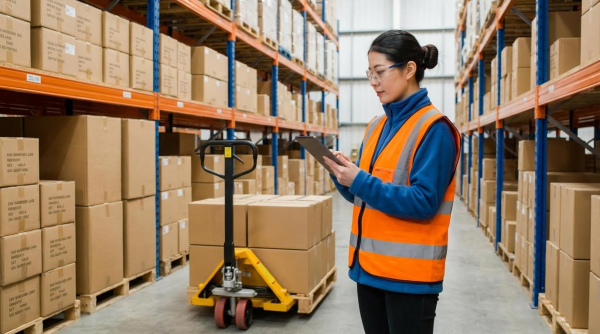
| Lifting and carrying | Limit load per lift, use manual pallet jack or conveyors for heavy items. |
| Walking distance | Shorten main pick paths, use zone or cluster picking. |
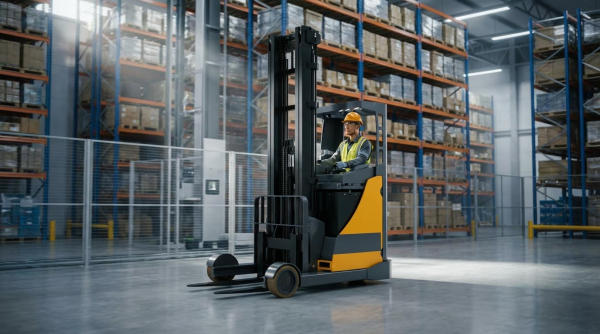
| Traffic safety | Separate pedestrians and trucks, mark crossings, set speed limits. |
| Fire and egress | Maintain aisle widths, keep exits and sprinklers clear. |
Compliance work covered local labor rules, building and fire codes, and hazardous material rules where relevant. Teams documented standard operating procedures, visual work instructions, and emergency plans. They built daily walk paths for supervisors to check blocked aisles, damaged racks, and staging overflow. This discipline kept pick-and-stage performance high while controlling injury rates and regulatory risk.
Digital Control, Automation, And Performance

Digital control defined how high-volume sites handled pick-and-stage. Facilities that studied how to do pick and stage at amazon’s warehouse focused on software logic, human–machine interfaces, mobile robotics, and hard performance data. This section explains how those elements worked together in a modern distribution center.
WMS Logic, Task Interleaving, And Wave Design
A capable Warehouse Management System (WMS) controlled almost every pick-and-stage decision. It generated pick lists, selected storage locations, and sequenced tasks based on rules. In operations modeled on how to do pick and stage at amazon’s warehouse, engineers tuned WMS logic to cut walking distance and idle time.
Task interleaving let a worker switch between picking, put-away, and replenishment in one optimized route. The WMS combined tasks by location, weight, and priority. This reduced empty travel legs and raised lines per hour. Wave design grouped orders by carrier cutoff, service level, or destination. Typical wave strategies included:
- Time-based waves aligned with trailer departure times.
- Batch waves that grouped similar SKUs or zones.
- Replenishment waves that filled fast movers before big drops.
Engineers checked that wave size matched packing and staging capacity. Poorly sized waves created congestion at docks and staging lanes. A feedback loop from KPIs such as order cycle time and dock dwell time helped refine wave templates.
Voice, Light, AR, And Vision-Guided Picking
Human–machine interfaces shaped how fast pickers could execute WMS plans. Voice picking used headsets and speech recognition. Pickers received verbal instructions and confirmed picks by speaking check digits or quantities. This kept hands and eyes free and cut label handling. It worked well for high-SKU, low-visibility areas like pallet racking.
Light-directed systems used LEDs at storage locations. The light showed the bin and quantity. These systems reached very high accuracy but needed dense wiring or wireless light modules. They fit best in dense pick modules or flow racks with repeat orders.
Augmented Reality (AR) glasses and wearables displayed arrows, slot IDs, and quantities in the field of view. Pilots showed double-digit gains in units per hour when layouts were complex. Vision-guided picking used cameras and AI to read barcodes or identify items by shape. This reduced scan time and helped where labels were small or damaged.
Engineers compared options using a simple matrix: error tolerance, SKU density, lighting conditions, and training effort. For operations similar to how to do pick and stage at amazon’s warehouse, mixed architectures were common. For example, light in fast-pick modules, voice in bulk storage, and AR for training and exception handling.
AGVs, AMRs, Cobots, And Goods-To-Person Cells
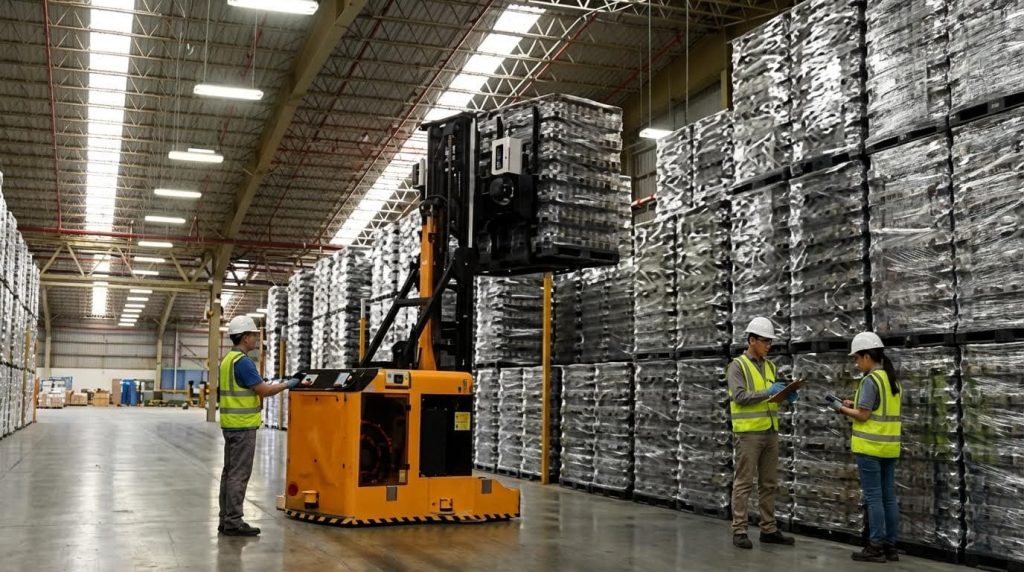
Mobile automation shifted the travel burden from people to machines. Automated Guided Vehicles (AGVs) followed fixed paths using markers or wires. They fit stable, repeatable flows such as pallet moves between receiving, storage, and staging. Changeovers were slow because routes were hard-coded.
Autonomous Mobile Robots (AMRs) used onboard mapping and sensors. They rerouted around obstacles and adapted to layout changes. Sites that studied how to do pick and stage at amazon’s warehouse often favored AMRs for tote or cart moves between zones. Typical roles included:
- Shuttling picked totes from zones to consolidation.
- Feeding goods-to-person workstations.
- Supporting dynamic zone picking during peaks.
Cobots worked next to people at pick or pack stations. They handled lifting, repetitive motions, or box forming. This reduced strain and improved consistency. Goods-to-person cells brought bins or trays to a fixed picker via shuttles, carousels, or AMRs. These cells cut walking almost to zero but needed high capital and careful SKU selection.
Engineers built business cases using labor savings, throughput gains, and peak coverage. They also checked safety standards, emergency stop architecture, and traffic rules. Clear right-of-way rules between forklifts, AMRs, and pedestrians were essential.
KPIs, Digital Twins, And AI-Driven Optimization
Strong digital control relied on accurate and timely performance data. Typical KPIs for pick-and-stage included:
- Pick accuracy (% error-free order lines).
- Units or lines per labor hour.
- Order cycle time from release to ship confirmation.
- Travel distance per pick route.
- Dock-to-stock and stock-to-ship times.
WMS logs, RF scans, and wearable data fed dashboards. Supervisors used these in shift huddles to spot bottlenecks in staging lanes, pick modules, or packing cells. Digital twins went a step further. They mirrored the warehouse layout, equipment, and process logic in simulation software. Teams could test new wave patterns, slotting rules, or AMR fleet sizes without risking live orders.
AI-driven optimization used historical data to tune parameters automatically. Examples included predicting order peaks, adjusting wave release times, and proposing dynamic slotting moves. In environments like how to do pick and stage at amazon’s warehouse, AI models suggested which orders should flow to which picking method, such as batch, cluster, or goods-to-person.
Engineers kept a balanced view. They validated AI suggestions against safety rules, ergonomic limits, and union or labor agreements. The best results came when AI supported clear human decision rights and when KPI definitions stayed stable over time.
Summary And Strategic Takeaways For Practitioners
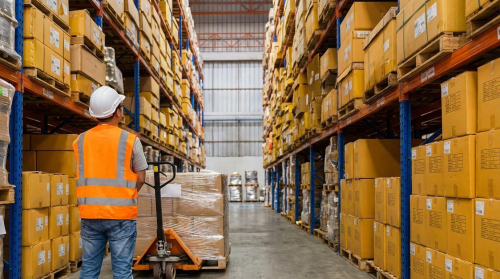
Practitioners who study how to do pick and stage at Amazon’s warehouse should view pick-and-stage as an integrated system. The earlier sections showed how clear process definitions, engineered layouts, and digital control link into one flow. This conclusion connects those ideas into a practical playbook that fits different warehouse sizes and automation levels.
From a technical view, stable pick-and-stage performance rests on four pillars. First, define the process per VDI 3590 style steps, from transport instruction to confirmation, and remove unclear handoffs. Second, align picking strategy with order profile. Use discrete picking for low volume, then add wave, batch, zone, cluster, or pick-and-pass as order lines per day grow. Third, design the floor: choose U, I, or L flow, then slot SKUs with ABC and velocity rules, and size staging zones for peak waves, not average days. Fourth, let a WMS or similar system control task release, replenishment, and KPIs.
Industry trends pointed to higher automation and more data-driven control. Facilities moved from manual carts and RF guns to voice, light, AR, and vision-guided workflows. AGVs, AMRs, cobots, and goods-to-person cells took over repetitive travel and heavy moves. Digital twins, AI-based slotting, and predictive wave design started to shape labor plans and staging capacity in advance. Yet even advanced sites still relied on basic rules like FIFO for shelf-life items, clear aisle markings, and ergonomic pick heights.
For implementation, most successful programs followed a phased roadmap. Teams first mapped the current process and measured baseline KPIs such as units per hour, pick accuracy, and order cycle time. Next, they piloted one or two changes in a limited area. Typical first steps included tighter slotting, simple wave logic, or a small pick-to-light or voice zone. Only after stable gains did they scale automation, add robots, or redesign staging layouts. Throughout, they updated SOPs, trained staff, and kept safety and regulatory checks in each design review.
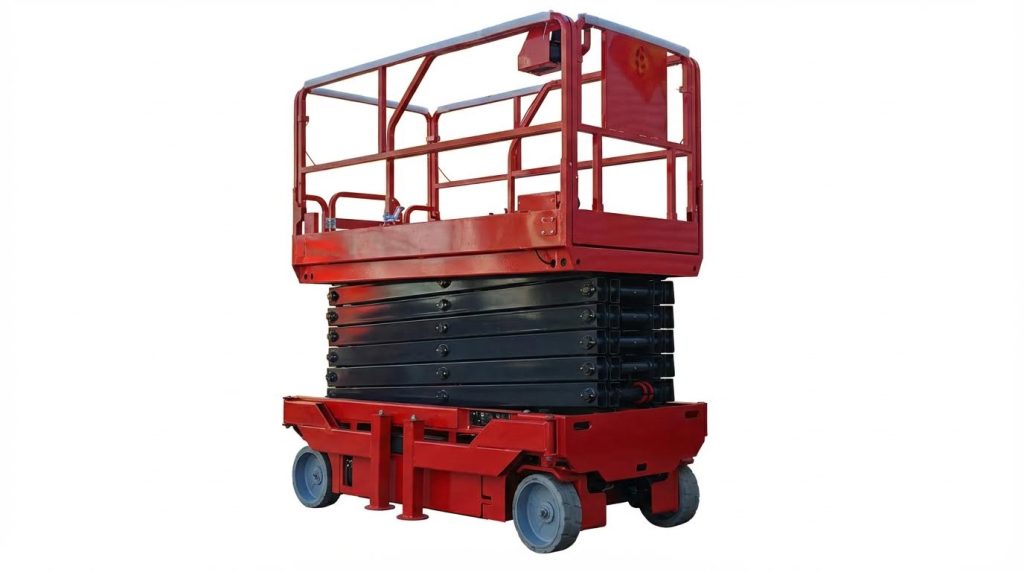
Looking ahead, the most resilient warehouses combined conservative engineering with flexible technology. They sized racks, staging lanes, and conveyors for worst-case loads and clearances. At the same time, they kept software, picking methods, and labor models adaptable. This balanced approach let them handle peak seasons, SKU growth, and new sales channels without constant rebuilds. Facilities that treated pick-and-stage as a living system, not a one-time project, stayed closest to the performance levels associated with leading e-commerce operations. For instance, integrating warehouse order picker systems and scissor platform lift solutions can significantly enhance efficiency. Additionally, adopting walkie pallet truck equipment supports smoother material handling workflows.