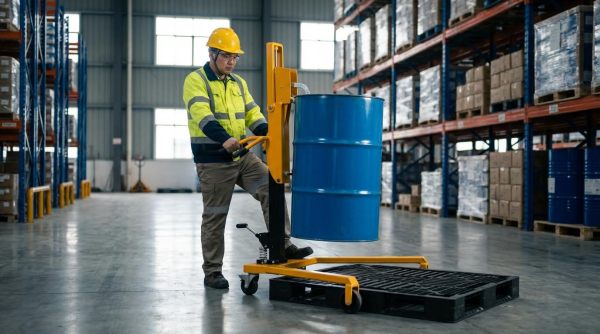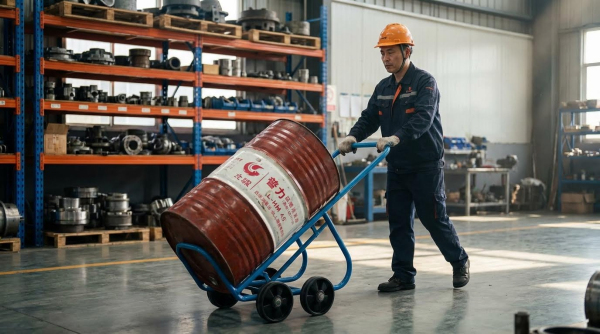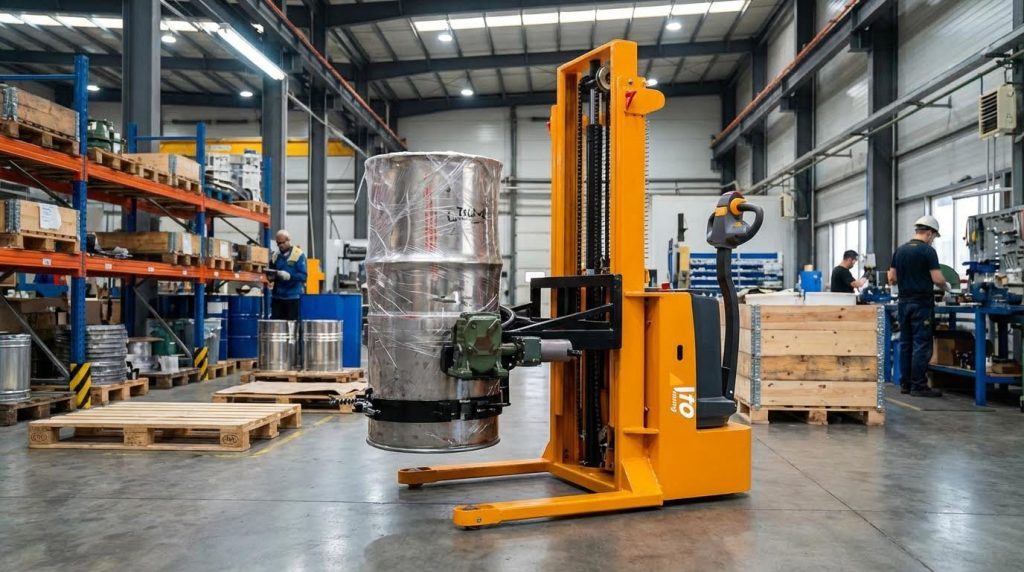
Safe handling of heavy barrels starts with understanding that a full 200 L (55-gallon) drum can weigh 180–360 kg, far beyond safe manual limits, so the real answer to how to lift a heavy barrel is always: with the right engineered equipment, not your back. This article walks through core risks, risk assessment, and how to match drum stacker, barrel lifter, forklifts, and hydraulic manipulators to your loads, floors, and processes. You will see how environment, stacking, and hazardous contents change your equipment choices and procedures. Use it as a practical field guide to cut injuries, prevent spills, and increase throughput while staying within ergonomic and regulatory limits.
Core Risks In Lifting And Moving Heavy Barrels
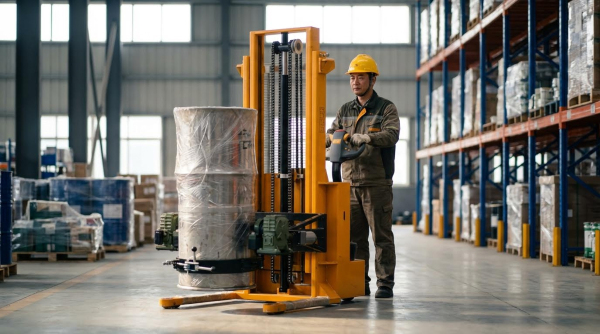
Lifting and moving heavy barrels is high-risk work because drum weights far exceed safe manual limits, centers of gravity shift unpredictably, and poor floors or layouts magnify every mistake. Understanding these risks is the first step in deciding how to lift a heavy barrel safely with the right equipment and methods.
Typical barrel weights and manual handling limits
Most full industrial barrels are far too heavy for manual lifting, so safe practice focuses on rolling, tilting, and using mechanical aids instead of lifting by hand. This is the foundation of any realistic approach to how to lift a heavy barrel without injury.
| Drum / Barrel Type | Typical Capacity | Typical Full Weight Range | Safe Single-Person Lift Guidance | Operational Impact |
|---|---|---|---|---|
| Standard industrial drum (e.g. 200 L) | ≈ 200 L (55 gal) | 180–360 kg documented range | Far above 25–35 kg ergonomic limit for single lifts | Never lift manually; always roll, tilt, or use drum stacker. |
| Half-filled 200 L drum | ≈ 100 L | ≈ 90–180 kg (contents dependent) | Still well above manual limits | Weight can shift suddenly as liquid sloshes, increasing handling risk during movement. |
| Empty / near-empty 200 L drum | Residual | Typically 15–25 kg (drum only) | At top end of safe manual range for many workers | Manual tilting/rolling possible with correct posture and technique; avoid full dead lifts. |
Ergonomic guidance recommends keeping single-person lifts below about 25–35 kg depending on reach and posture for industrial work. A full 200 L barrel at 180–360 kg exceeds this by a factor of 5–10, so “how to lift a heavy barrel” by hand is the wrong question; the right question is how to avoid lifting it at all.
- Manual lift limits: Keep individual lifts below 25–35 kg – Prevents acute back strain and long-term musculoskeletal disorders.
- Use rolling instead of lifting: Move standing drums by controlled rolling or tilting – Converts vertical lift into lower-force horizontal motion.
- Leg-dominant technique: For empty drums, bend hips and knees with neutral spine – Loads strong leg muscles instead of the lumbar spine.
- Never catch a falling drum: Step away, do not try to arrest it – Prevents crush injuries and shoulder dislocations.
How to handle empty or near-empty drums manually
For light, near-empty drums, place one foot forward, keep elbows locked, and push at chest height to roll the drum. Avoid twisting; move your feet so your hips and shoulders stay aligned while you tilt or spin the drum.
💡 Field Engineer’s Note: In real plants, most injuries happen not with full drums but when someone “just quickly” shifts a nearly empty drum by lifting one rim. Treat every drum like it is full until you have confirmed the weight, and standardize rolling/tilting techniques in training to avoid these casual shortcuts.
Key injury mechanisms and failure modes
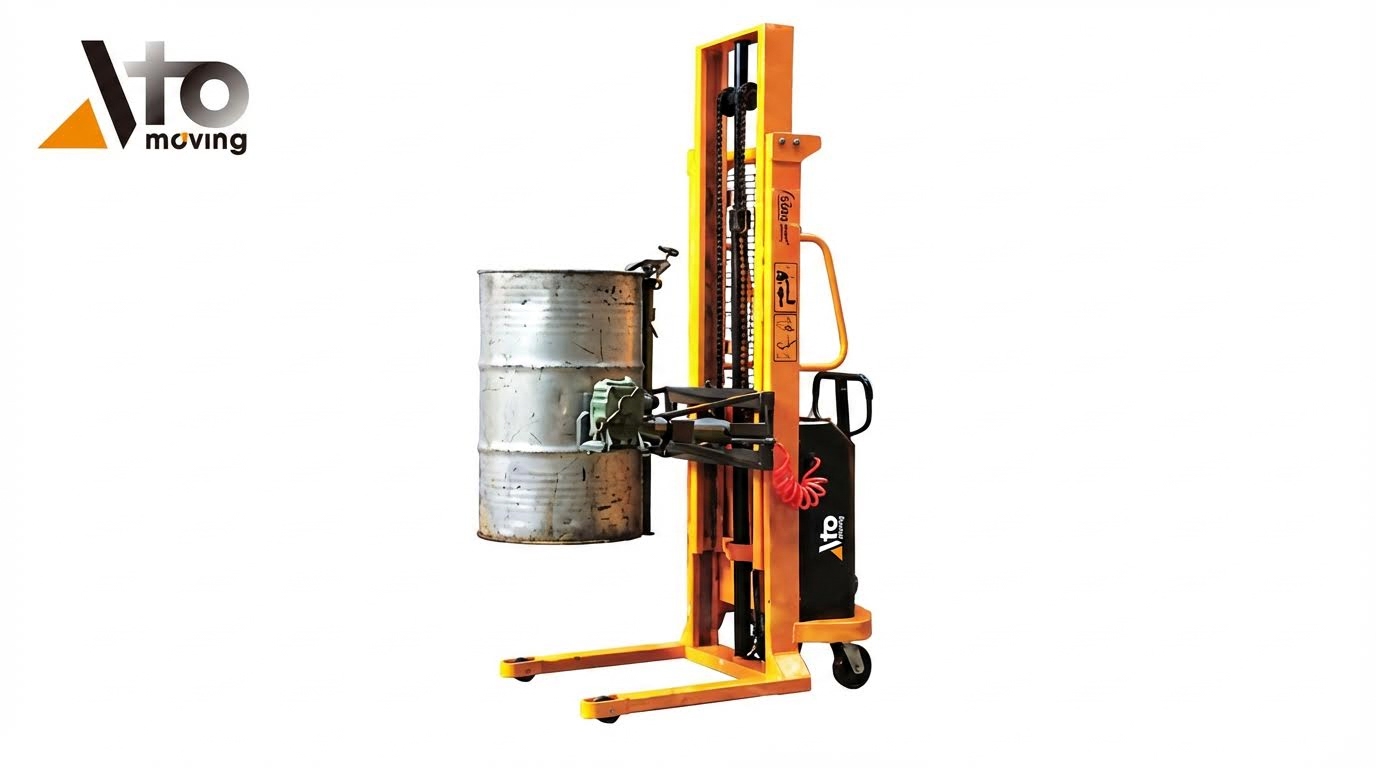
The main injury mechanisms in barrel handling are crush injuries, overexertion, and chemical exposure, driven by uncontrolled movement, shifting contents, and equipment misuse. Understanding these modes is essential before deciding how to lift a heavy barrel with any tool or method.
- Overexertion and musculoskeletal strain: Forcing a 180–275 kg drum to tilt or roll by brute strength – Leads to back, shoulder, and knee injuries, especially with twisted posture.
- Crush and pinch injuries: Hands or feet trapped under rolling or tipping drums – Can cause fractures, amputations, or disfigurement in severe cases.
- Shifting center of gravity: Half-filled drums with moving liquid – Sudden slosh can flip a drum truck or pull an operator off balance during transport.
- Equipment detachment: Drum lifter or clamp losing grip on a dirty or damaged drum – Creates a dropped load hazard above feet or nearby workers.
- Chemical exposure and burns: Leaks from improperly sealed or damaged drums – Can cause chemical burns, inhalation hazards, or environmental contamination during handling.
- Stack collapse: Poorly stacked drums on pallets or racks – Can topple, causing impact injuries and multiple simultaneous leaks.
Using mechanical aids incorrectly also introduces failure modes. For example, if a drum lifter grips only part of the rim or chime, the drum can slip when rotated to pour. Guidance for drum lifters stresses clean, dry contact surfaces and using the device only for its intended operations, with no one in the danger zone beneath or beside a suspended drum during lifting and moving.
- Unbalanced loads when dispensing: Tilting a drum to empty it shifts the center of gravity – Requires particular care to avoid sudden rotation or lifter overload as contents move.
- Shock loading of equipment: Sudden starts, stops, or impacts with suspended drums – Can exceed rated capacity even if static weight is within limits.
- Improvised tools: Using pry bars, chains, or non-rated slings to flip or drag drums – Increases risk of sling failure, uncontrolled motion, and operator loss of control.
How safe “how to lift a heavy barrel” really looks in practice
In a safe system, “lifting” a heavy barrel means using a rated drum truck, clamp, or electric drum stacker sized for the drum diameter and weight. The operator stays out of the fall zone, moves slowly, and never rotates or empties the drum faster than the equipment can control.
💡 Field Engineer’s Note: Many plants underestimate the risk of half-full drums. The slosh effect can add dynamic loads of 20–30% over the static weight when you stop or turn sharply. Always assume dynamic loads when sizing clamps and lifters, and set speed limits in drum-handling zones.
Environment, floor conditions, and storage layout
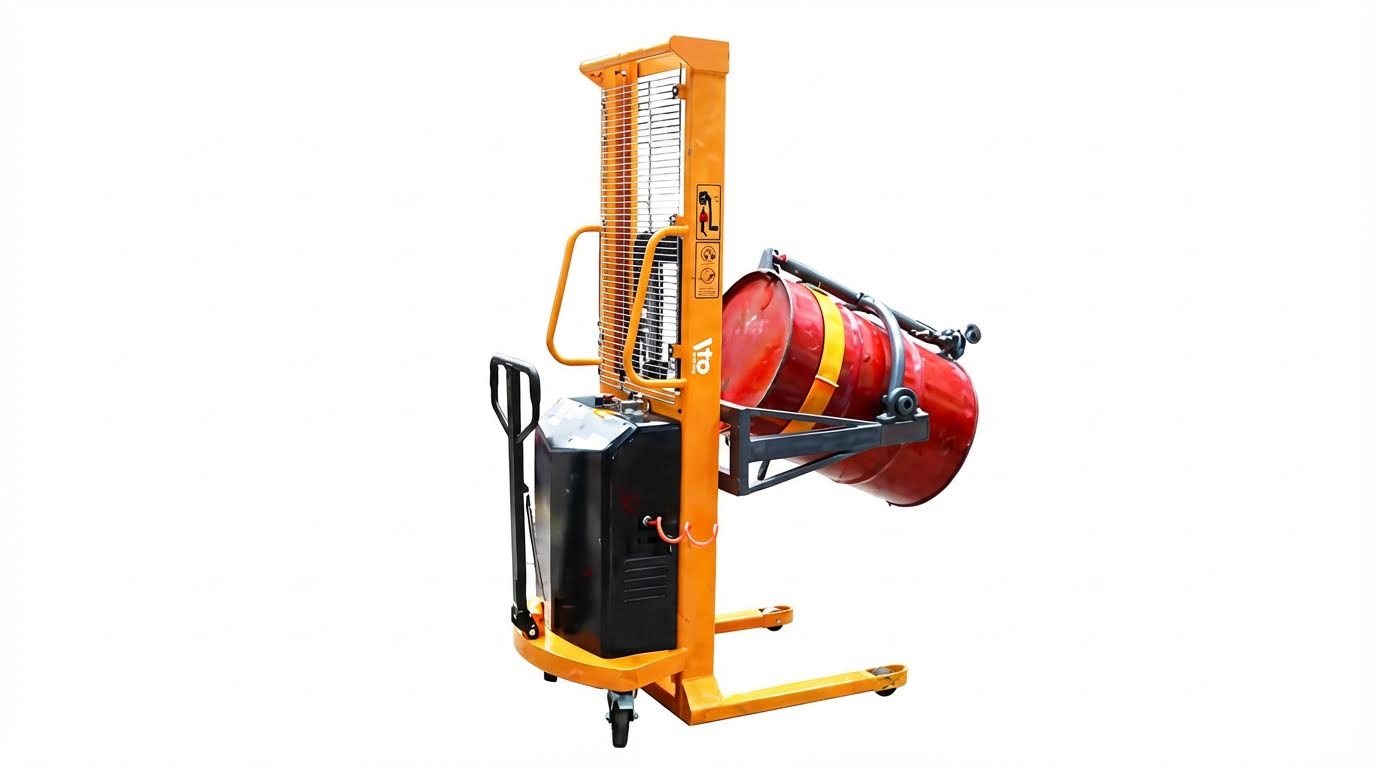
Poor floors and cramped storage layouts turn routine barrel handling into a high-risk operation, even with good equipment. When planning how to lift a heavy barrel, the environment often matters as much as the lifter or truck you choose.
- Floor flatness and integrity: Floors must be flat, non-porous, and strong enough for stacked pallets and drum traffic in drum storage areas – Prevents tipping, wheel snagging, and settlement.
- Cleanliness and housekeeping: Workspaces should be free of loose materials that could cause trips, fires, or pest harborages around stored materials – Reduces slip and trip risk during drum movement.
- Spill control and drainage: Secondary containment such as sumps or spill pallets should be sized to regulatory criteria for 55-gallon drums – Limits spread of leaks and keeps walking surfaces safer.
- Pallet and rack design: Pallets should provide near-full bearing under drum bases, often using 1,220 mm × 1,220 mm pallets for four-drum patterns in warehouses – Prevents drum base deformation and rocking.
- Blocking and chocking: Bottom tiers of drums stored on their sides should be blocked, and chocks used on drums stored on end to prevent rolling – Reduces risk of unplanned rolling when one drum is moved.
- Stack height and stability: Stacks should not exceed two drums high and two wide in general OSHA guidance for manual access – Maintains stability and allows safe inspection.
| Environmental / Layout Factor | Risk Introduced | Operational Impact on Barrel Handling |
|---|---|---|
| Uneven or cracked floors | Wheel snagging, sudden tilting of drum trucks or pallet jacks | Increases chance of tipping a 200 L drum when crossing defects. |
| Narrow aisles between drum rows | Limited turning radius for trucks and lifters | Forces awkward angles and close passes, raising collision risk with stacked drums. |
| Inadequate lighting | Obscured leaks, floor defects, or chocks | Makes it easy to push a heavy barrel over a spill or obstruction. |
| Congested mixed storage (pallets, loose items, drums) | Trip hazards and blocked escape paths | Reduces options to step clear if a drum tips or rolls. |
Storage distance rules also matter. Materials should not be stored so close to hoist ways or exterior walls that they create additional hazards, and bound materials should be stacked, blocked, or interlocked to prevent sliding or falling in storage areas. For drums, this translates into clear travel lanes, defined drum rows, and enough clearance for drum trucks or forklifts to approach square-on instead of at a twist.
Designing layouts for safer drum lifting and moving
Plan aisles at least wide enough for your widest drum truck or forklift plus 300–500 mm clearance each side. Standardize pallet sizes and drum patterns so every pallet positions four drums in a repeatable grid, and mark floor lines around sumps or spill pallets to keep travel paths dry.</p
Engineering Controls And Equipment For Barrel Handling
Engineering controls for how to lift a heavy barrel focus on using purpose-built drum trucks, pallet systems, forklift attachments, and hydraulic manipulators instead of manual lifting. The right equipment choice depends on drum weight, layout, contents, and handling frequency.
💡 Field Engineer’s Note: For full 200 L drums (180–360 kg), treat “no manual lift” as a hard rule; once you exceed about 50 kg, rolling and mechanical aids are your primary tools, not muscle.
Drum trucks, cradles, and pallet-based solutions
Drum trucks, cradles, and pallet solutions are the first engineering step when deciding how to lift a heavy barrel without manual strain. They convert lifting into rolling and controlled tilting, keeping forces within ergonomic limits.
Full 200 L (55-gallon) drums typically weigh 180–360 kg, far above safe single-person limits of about 25–35 kg, so direct lifting must be avoided. Ergonomic guidance recommends using drum trucks, pallet jacks with drum attachments, and similar aids instead of manual lifts.
| Equipment Type | Typical Use Case | Key Mechanical Action | Operational Impact |
|---|---|---|---|
| Two-wheel drum truck | Short moves of single drums on good floors | Levers drum from vertical, then rolls on wheels | One operator can move 180–275 kg drums with reduced back load |
| Drum cradle | Decanting or horizontal storage | Tilts drum from vertical to horizontal with controlled rotation | Safer pouring and sampling without free-hand tipping |
| Pallet jack with drum attachment | Moving multiple drums on pallets | Lifts pallet or engages drum rim with clamp | Allows 4-drum moves on 1,220 mm × 1,220 mm pallets |
| Fixed drum rack with cradles | Tiered storage and gravity dispensing | Holds drums on their sides, often above containment | Improves access; integrates spill control under racks |
Pallet systems play a central role in safe drum handling. A common layout uses 1,220 mm × 1,220 mm pallets to support four drums, giving near-full bearing under each drum base to prevent deformation and instability. Guidance on pallets and floors also stresses four-way entry pallets and flat, non-porous floors so trucks and pallet jacks can approach safely.
- Drum truck use: Engage the drum rim and tip using leg power – this keeps your spine neutral and transfers load to the wheels.
- Cradle selection: Match cradle width and profile to drum diameter – this prevents side slip when rotating to horizontal.
- Pallet condition: Inspect boards and blocks before loading – cracked pallets under drums can collapse suddenly.
- Containment integration: Place pallets on spill decks for hazardous liquids – this captures leaks without changing truck access.
How to choose between a drum truck and pallet-based handling
Use a drum truck when you move single drums over short distances and have good floor conditions. Use pallets and pallet jacks when you move drums in batches, store in racks, or need to integrate spill containment under the load.
Forklift, stacker, and AGV drum attachments
Forklift, stacker, and AGV drum attachments are the main answer when you ask how to lift a heavy barrel over longer distances or into racking. They let you clamp, lift, and transport drums while keeping operators out of the immediate fall zone.
Mechanical aids such as forklifts with drum clamps are essential for moving full 55-gallon drums safely. Operators must match the attachment to drum diameter and chime profile, verify closures, and check for leaks before lifting. Mechanical drum handling guidance also recommends traveling with drums low and at reduced speed to maintain truck stability.
| Attachment Type | Main Function | Typical Drum Orientation | Operational Impact |
|---|---|---|---|
| Fork-mounted drum clamp | Clamp and lift single or multiple drums | Vertical | Fast loading/unloading of pallets or floor-staged drums |
| Fork-mounted drum rotator | Lift and rotate for emptying | Vertical to inverted | Controlled decanting into process vessels or hoppers |
| Mast-type walkie stacker with drum cradle | Lift drums to low racks or platforms | Vertical | Suitable for narrow aisles where forklifts cannot enter |
| AGV with drum gripper | Automated transport between stations | Vertical | Removes people from routine drum transport paths |
- Capacity discipline: Keep drum plus attachment weight within the truck’s rated capacity – overloading shifts the center of gravity outside the stability triangle.
- Load positioning: Center drums close to the mast – this minimizes forward tipping moment.
- Travel height: Move with drums just clear of the floor – lower height reduces overturn risk on uneven surfaces.
- Speed and steering: Use reduced speed and smooth steering – sharp turns can unseat lightly clamped drums.
Standards-based guidance for powered industrial trucks requires that capacities are clearly displayed and not exceeded, and that loads remain centered close to the mast. Materials handling rules also stress that operators avoid adding counterweight or making improvised modifications.
💡 Field Engineer’s Note: In narrow aisles, a walkie stacker with a drum cradle often outperforms a sit-down forklift; you gain maneuverability and visibility, especially when placing drums onto spill pallets or into low racks.
Training and automation considerations
Powered industrial truck operators must receive task-specific training and periodic evaluation. Where drum flows are repetitive and predictable, AGVs with drum attachments can reduce traffic conflicts, but you must clearly segregate AGV paths from pedestrian routes.
Hydraulic drum lifters and powered manipulators
Hydraulic drum lifters and powered manipulators provide the most controlled method for how to lift a heavy barrel when you need vertical lift, rotation, or precise positioning. They use hydraulic circuits to keep human forces low while handling 200 L drums safely.
Hydraulic drum lifters commonly handle loads in the 900–1,350 kg range (approximately 2,000–3,000 lbs), depending on design, and many models can raise drums from about 0.75 m up to over 1.5 m. Product data shows manual, electric, semi-automatic, and fully automatic versions, all intended for cylindrical drums with suitable saddles or cradles.
| Hydraulic Drum Device | Power Type | Typical Capacity Range | Best For… |
|---|---|---|---|
| Manual hydraulic drum stacker | Hand pump | Up to ~900–1,000 kg (≈2,000 lbs) | Low-throughput areas needing occasional lifting to pallets or low racks |
| Electric drum lifter | Battery / mains | Up to ~1,350 kg (≈3,000 lbs) | Frequent lifting and moving in production or warehouse lines |
| Semi-automatic manipulator | Electric lift, manual positioning | Similar to electric lifters | Where fine manual control of drum orientation is needed |
| Fully automatic manipulator | Electric with sensors | Application-specific | High-volume, repeatable tasks integrated with conveyors or filling lines |
- Pre-use checks: Inspect structure, tires, chains, and hydraulic system for damage or leaks – hydraulic failure under a raised drum is a critical hazard.
- Surface requirement: Operate only on stable, level floors – even small slopes amplify tipping risk with raised loads.
- Drum condition: Ensure the drum surface is clean and dry – contamination can reduce grip and allow slippage in clamps.
- Motion control: Lift, lower, and travel smoothly – abrupt movements can shift the drum’s center of gravity, especially when partially filled.
Guidance on drum lifters stresses that they must not be used for operations beyond their specification, that loads should never be lifted with people in the danger zone, and that unbalanced or partially filled drums require particular care because the center of gravity can shift during manipulation. Drum lifter safety guidance also recommends transporting drums gently to avoid swaying and releasing lifters only once the drum is stable.
💡 Field Engineer’s Note: In cold rooms below 0 °C, hydraulic oil thickens and response slows; specify low-temperature hydraulic fluids and allow warm-up cycles, otherwise operators tend to “jerk” controls, which can destabilize tall drum loads.
Maintenance and service intervals
Routine maintenance for hydraulic drum lifters includes cleaning moving parts, checking for oil leaks, verifying fluid levels, and lubricating joints and wheels. Many vendors recommend changing hydraulic fluid roughly every six months or after about 100 operating hours, and replacing filters as needed to maintain consistent lift speed and holding capacity.
Applying Risk Assessment To Equipment Selection
This section explains how to lift a heavy barrel safely by turning risk assessment into clear equipment choices based on load, layout, and material hazards. You move from “what could go wrong” to “what tool prevents it.”
For heavy barrels, you never start with the catalog; you start with the risk profile. Weight, contents, floor, and traffic patterns dictate whether you use a drum dolly, pallet-based system, forklift attachment, or hydraulic drum lifter, and how you configure spill control and static protection.
Matching equipment to load, aisle, and process constraints
To match equipment to load and layout, you classify the barrel, then eliminate any option that breaches ergonomic, capacity, or stability limits. This is the practical core of how to lift a heavy barrel safely in real plants.
- Define the load: Full/partial, 180–360 kg typical for 200 L drums – Sets minimum capacity and manual-handling exclusion.
- Map the route: Aisle width, slopes, thresholds, door heights – Prevents “stuck” or unstable moves.
- Check the floor: Flat, non-porous, load-rated – Reduces tipping and pallet punch-through.
- Fix the interface: Drum diameter, chime profile, pallet pattern – Ensures clamps and cradles actually grip.
- Align with the task: Just move, or also lift, tilt, and dispense – Avoids improvising with wrong tools.
| Decision Factor | Typical Range / Requirement | Suitable Equipment Options | Operational Impact |
|---|---|---|---|
| Drum weight | 180–360 kg for full 200 L drums (full 55-gallon drums) | Drum trucks, pallet jacks with drum attachments, forklifts with drum clamps (mechanical aids) | Removes manual lifting; keeps operators below ergonomic limits. |
| Manual handling limit | Single-person lifts should stay below about 25–35 kg (ergonomic guidance) | Only controlled rolling/tilting of mostly empty drums; no “dead lifts.” | Clarifies that any full drum move must be mechanical, not manual. |
| Aisle width and turning | Narrow aisles often <2.0–2.5 m | Drum trucks, compact pallet jacks; avoid long-wheelbase forklifts | Ensures you can turn without multi-point maneuvers or clipping racks. |
| Lift height needed | Up to ~1.5 m for pallets; up to ~3 m for racks | Forklifts with drum clamps; hydraulic drum lifters with 0.75–1.5 m lift | Prevents “cheating” with makeshift platforms or overreaching. |
| Floor condition | Flat, non-porous, rated for stacked pallets and drums (floor requirements) | Hydraulic drum lifts and pallet-based systems on smooth floors; avoid wheeled gear on broken or sloped surfaces. | Reduces tip-overs and wheel sinkage into soft or damaged floors. |
| Storage pattern | 4 drums on 1,220 mm × 1,220 mm pallet; full bearing under drum base (pallet sizing) | Pallet jacks, forklifts, AGVs with pallet forks; drum cradles or chocks in racks. | Prevents drum base deformation and rolling in racks. |
| Task type | Just relocate vs. tilt, pour, or invert | Drum trucks for moves; rotators or hydraulic manipulators for dispensing | Avoids risky “man-handling” to pour from a non-tilting device. |
When you combine these factors, the “how to lift a heavy barrel” answer becomes a simple decision tree: if the drum is full and must leave the floor, use a rated mechanical aid; if aisles are tight, choose the shortest wheelbase that still meets capacity; if you must pour, specify tilt or rotation from day one.
How to document your selection rationale
Record the chosen equipment, rated capacity, route, and task in a short risk assessment note. Include drum type, weight band, floor condition, and any special hazards (flammable, corrosive, reactive). This document supports training and future audits.
💡 Field Engineer’s Note: On mixed-production sites, I always assume the “worst credible” drum: heaviest fill, highest specific gravity, and roughest floor. If your equipment is safe for that case, it will not be marginal in day-to-day use when conditions vary.
Handling hazardous contents, spills, and static risks
For hazardous barrels, equipment selection must also control leaks, pressure, and static ignition, not just weight. This is where many “how to lift a heavy barrel” guides stop too early.
- Assume failure modes: Leaks, bulging, shifting liquid, and falling drums – Drive containment and exclusion zones.
- Integrate containment: Sumps, spill pallets, and drainage – Limits spread when a drum fails.
- Control ignition sources: Grounding, bonding, and non-sparking tools – Prevents static fires when handling flammables.
- Respect pressure: Bulging or deformed drums – Do not move until evaluated.
- Align PPE and labeling: Gloves, eye/face, and signage – Protects staff during normal work and incidents.
| Hazard Aspect | Key Risk | Engineering / Equipment Control | Operational Impact |
|---|---|---|---|
| Hazardous contents and leaks | Leaks from improperly sealed or damaged drums, causing chemical exposure and slips (risk factors) | Use pallets with full bearing and integrated sumps or spill pallets; inspect closures before moving (pallet and containment guidelines) | Spills remain localized; reduces slip and chemical-burn incidents. |
| Spill containment sizing | Overflow from multiple drums during a failure event | Secondary containment sized to at least 10% of total volume or 100% of largest drum, whichever is greater (regulatory criteria) | Ensures bunds and spill pallets are large enough for worst-case single failure. |
| Static ignition with flammables | Sparks when transferring flammable liquids between drums and containers | Use grounding to earth and bonding between drum and receiving container with antistatic cables and clamps; integrate fixed points at stations (static control) | Reduces risk of fire/explosion during pumping or pouring. |
| Pressure and venting | Bulging drums and rupture from overpressure or vacuum | Install pressure-vacuum vents in appropriate bung openings; size vents for viscosity and flow; avoid moving visibly bulging drums (venting guidance) (pressure management) | Prevents catastrophic lid failure during handling or temperature changes. |
| Dynamic load shift | Half-filled drums sloshing and shifting centre of gravity during transport (weight shift) | Use drum clamps or side-grip lifters that fully restrain the shell; travel slowly; avoid sudden turns or stops (transport guidance) | Reduces tip-over risk when liquid sloshes or centre of gravity moves. |
| Failure consequences | Death, disfigurement, chemical burns, and musculoskeletal injuries from improper handling (consequences) | Maintain clean workspaces, use PPE, follow labels, and use purpose-built drum handling equipment only for specified tasks | Turns catastrophic risks into controlled, low-frequency events. |
When choosing between a drum truck, forklift attachment, or hydraulic lifter for hazardous contents, you ask three extra questions alongside “how to lift a heavy barrel”:
- Step 1: Can a spill be fully contained along the entire route? – If not, redesign the route or add spill pallets and sumps.
- Step 2: Are all transfer points grounded and bonded for flammables? – If not, install fixed lugs and cables before starting work.
- Step 3: Are any drums pressurized, bulging, or corroded?
Step 3 (continued): If yes, quarantine and have qualified staff depressurize or overpack them; do not move with standard handling gear.
Choosing lifter type for hazardous drums
Top-gripping lifters suit overhead or forklift-hook lifting and vertical rotation. End-gripping versions are better for horizontal rotation and controlled emptying. Side-gripping lifters offer the most stable control for lifting, lowering, and rotating, especially with unbalanced or partially filled drums (lifter types). For hazardous liquids, side-grip or fully restrained systems usually offer the best margin.
💡 Field Engineer’s Note: When I see flammable or corrosive labels, I automatically “upgrade” the solution: side-grip or fully enclosed clamps, fixed grounding points, and spill pallets under every staging area. It costs less than one serious incident and makes every lift more forgiving of human error.
Final Considerations For Safe, Efficient Barrel Handling
Safe, efficient handling of heavy barrels depends on eliminating manual lifting, matching equipment to risk, and locking in disciplined procedures, inspections, and training for every shift and every load.
This section pulls together the engineering, ergonomic, and procedural lessons into a short, practical checklist you can apply on any site that handles 200 L (55-gallon) drums.
Non‑Negotiables: What “Good” Looks Like When Lifting Heavy Barrels
When planning how to lift a heavy barrel, you must treat a full 200 L drum as a machine-handled load, not a manual job.
- Zero manual lifting of full drums: A liquid-filled 200 L drum typically weighs 180–360 kg, far above safe single-person limits of 25–35 kg – Mechanical aids are mandatory, not optional. Reference
- Use purpose-designed equipment: Drum stacker, clamps, cradles, and hydraulic lifters must match drum diameter, chime profile, and weight – This prevents grip failure and dropped drums. Reference
- Respect equipment capacities: Rated capacities on drum lifters, trucks, and forklifts must be visible and never exceeded, except under controlled test conditions – This avoids structural or tipping failures. Reference
- Keep people out of the danger zone: No one stands under or near suspended or tilted drums during lifting or dispensing – Removes crush and chemical exposure risk if the drum slips. Reference
- Disciplined travel behavior: Forklift and drum truck operators keep drums low, move slowly, and avoid sharp turns – Prevents swaying loads and tip-overs. Reference
💡 Field Engineer’s Note: When you define site rules for how to lift a heavy barrel, write them assuming the operator is tired and rushed. If the method is not simple and equipment is not close at hand, people will revert to rolling, dragging, or “just tipping it a bit,” which is exactly where most serious injuries start.
Safe Site Setup: Floors, Pallets, Stacking, and Containment
Safe barrel handling needs engineered infrastructure: stable floors, correct pallets, controlled stacking heights, and compliant spill containment.
- Floor conditions first: Keep routes flat, clean, and non-porous, with no loose materials – Reduces slips, trips, and drum trucks catching on debris. Reference
- Use full-bearing pallets: Typical 1,220 mm × 1,220 mm pallets support four drums with near-full base contact – Prevents base deformation and rocking during handling. Reference
- Control stacking height: For general storage, practical guidance limits stacks to two drums high and two wide when on end, with chocks and dunnage between tiers – Maintains stability and inspection access. Reference
- Use chocks and cradles: Block the bottom tier when drums are on their sides and use cradles or rack features that stop rolling – Prevents slow “creep” that ends in a sudden fall. Reference
- Design compliant containment: Size sumps or spill pallets for at least 10–25% of total volume or 100% of the largest drum, whichever is greater – Limits secondary damage from a leak or rupture. Reference
Quick reference: stacking and containment rules
| Design Element | Typical Guideline | Operational Impact |
|---|---|---|
| Drum stack height (on end) | Max 2 high × 2 wide with chocks and dunnage | Stable stacks; easy visual inspection and access |
| Pallet size for 4 drums | ≈1,220 mm × 1,220 mm | Full base support; compatible with standard forklifts |
| Secondary containment sizing | ≥10–25% of total volume or 100% of largest drum | Meets typical regulatory expectations for spill control |
Hazardous Contents: Static, Pressure, and Leaks
When contents are flammable, volatile, or corrosive, safe barrel handling must integrate static control, venting, and leak management into everyday operations.
- Ground and bond flammables: Always connect drums to earth and to receiving containers during transfers – Prevents static discharge ignition in flammable atmospheres. Reference
- Install suitable vents: Use pressure-vacuum vents sized for the liquid viscosity and transfer rate, with set points around 0.35 bar – Stops drums from collapsing under vacuum or bulging to failure. Reference
- Never move visibly bulging drums: Overpressure signs require isolation and specialist assessment before any movement – Reduces risk of catastrophic rupture during lifting. Reference
- Check closures and seals: Confirm bungs and lids are tight and there are no visible leaks before lifting – Prevents drips onto floors and equipment that later cause slips or corrosion. Reference
- Use appropriate PPE and labeling: Gloves, eye/face protection, and clear hazard labels must match the chemical – Limits exposure severity if a leak or splash occurs. Reference
People, Training, and Monitoring
Even with the right hardware, safe barrel handling fails without trained operators, clear procedures, and feedback from inspections and monitoring systems.
- Role-specific training: Powered industrial truck and drum lifter operators require formal training and evaluation at least every three years – Ensures they understand load limits, stability, and site rules. Reference
- Pre-use inspections: Check lifters for structural damage, oil leaks, tire wear, and chain or sling integrity before each shift – Catches early failures before they cause dropped drums. Reference
- Routine maintenance: Clean moving parts, lubricate joints, and change hydraulic fluid on defined intervals (e.g., around every six months or 100 hours) – Maintains predictable lift performance and control. Reference
- Use AI/telematics where justified: Monitoring vibration, hydraulic pressure, and impact events on forklifts and hoists helps identify misuse and emerging failures – Supports targeted retraining and proactive repairs. Reference
- Drill emergency actions: Workers must know not to catch falling drums, how to raise alarms, and how to contain spills quickly – Reduces escalation from an incident to a full-blown emergency. Reference
Putting It All Together: A Quick Field Checklist
You can turn all of the above into a simple pre-task checklist whenever your team decides how to lift a heavy barrel in a given area.
| Checklist Question | Yes/No | If “No”, Required Action |
|---|---|---|
| Is the drum weight confirmed and within equipment capacity? | Select higher-capacity lifter or reduce load before moving. | |
| Is the handling method 100% mechanical for full drums? | Bring in drum truck, clamp, or hydraulic lifter; ban manual lifting. | |
| Are floors, pallets, and stacking arrangements stable and compliant? | Clean route, replace damaged pallets, re-stack with chocks/dunnage. | |
| Are closures tight, labels legible, and no leaks visible? | Isolate drum, repair or overpack before moving. | |
| For flammables, are grounding and bonding points used? | Install and connect grounding/bonding before transfer. | |
| Has the operator been trained and equipment inspected this shift? | Complete training/inspection before authorizing the lift. |
If you can answer “yes” to each line of that checklist, you are very close to best practice for safe, efficient barrel handling in most industrial environments.
Final Considerations For Safe, Efficient Barrel Handling
Safe heavy barrel handling depends on one core decision: treat every full 200 L drum as a machine-handled load. From that point, engineering, layout, and procedures all line up behind the same goal: keep forces, stability, and exposure within safe limits every time.
Engineering controls do the heavy work. Drum trucks, pallet systems, forklift clamps, and hydraulic manipulators remove manual lifting and keep loads within rated capacities. Good floors, full-bearing pallets, conservative stack heights, and compliant containment turn unstable storage into predictable geometry. Grounding, venting, and leak control then close the gap for flammable or corrosive contents.
Risk assessment links these elements. Teams must size equipment for the heaviest credible drum, the tightest aisle, and the worst floor they will see. They must reject any method that relies on “just this once” manual effort. Training, inspections, and maintenance keep those design decisions working in the field.
The best practice verdict is clear. Use purpose-built, capacity-rated equipment for every full drum. Engineer floors, pallets, and containment to support it. Build simple checklists and enforce them. When in doubt, upgrade the solution and slow the move. That approach protects people, product, and throughput together, and aligns with the equipment range and guidance offered by Atomoving.
Frequently Asked Questions
How to Lift a Heavy Barrel Safely?
To lift a heavy barrel, get as close to the load as possible and keep your elbows and arms close to your body. Keep your back straight by tightening your stomach muscles, bending at the knees, and keeping the load close and centered in front of you. Look up and ahead during the lift, and avoid twisting while lifting. Lifting Safety Guide.
What Are the Golden Rules of Lifting Heavy Objects?
Always keep the load close to your waist for as long as possible while lifting. Ensure the heaviest side of the load stays next to your body. If the load isn’t close, slide it towards you before lifting. Use your legs and knees rather than your back to lift, and adopt a stable position before starting. Manual Handling Techniques.