Scissor lift operator certification explains how to get scissor lift certified, what the training covers, and which format fits your site. This guide breaks down legal duties, course modules, hands-on practice, and renewal cycles so you can build a safe, compliant program. It also compares on-site, classroom, and online options to match your budget and equipment. Use it as a practical roadmap for qualifying operators and reducing work-at-height risk.
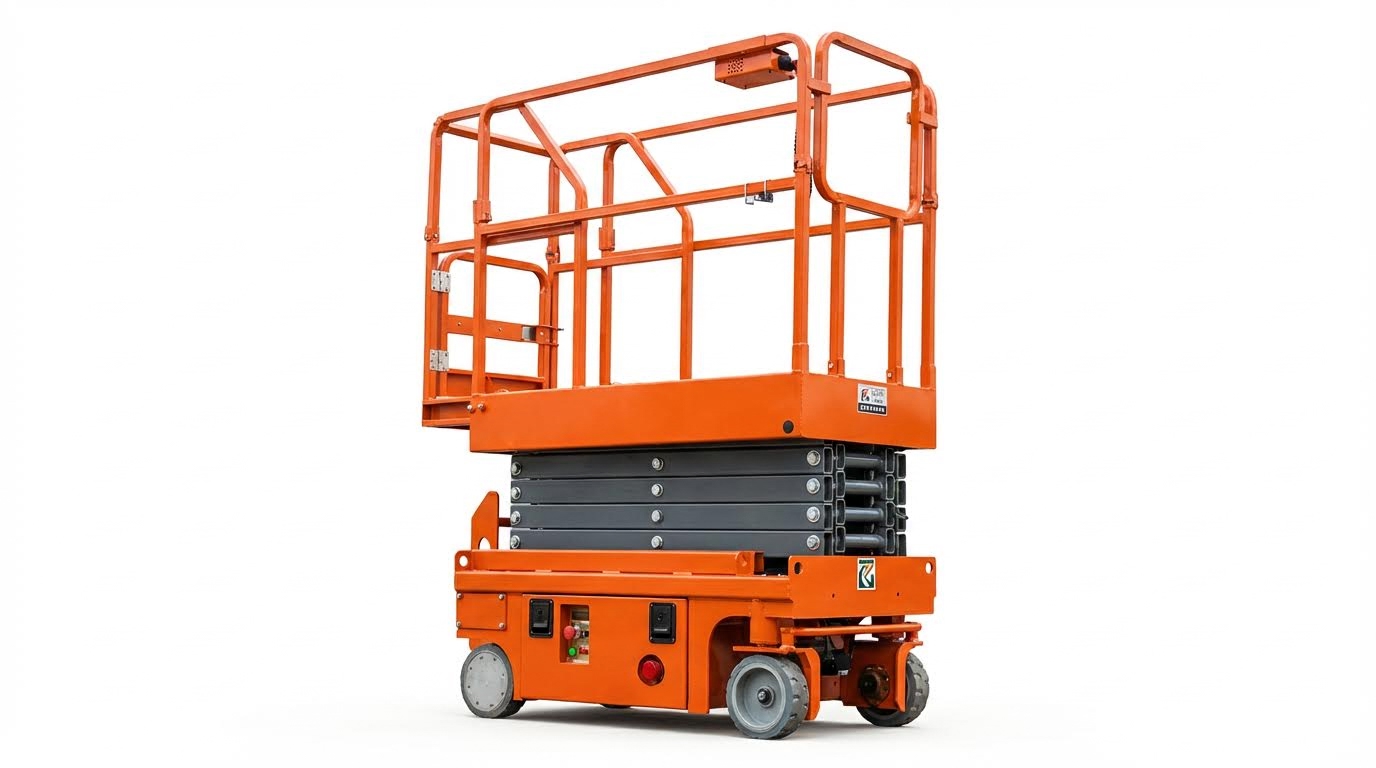
What Scissor Lift Certification Involves
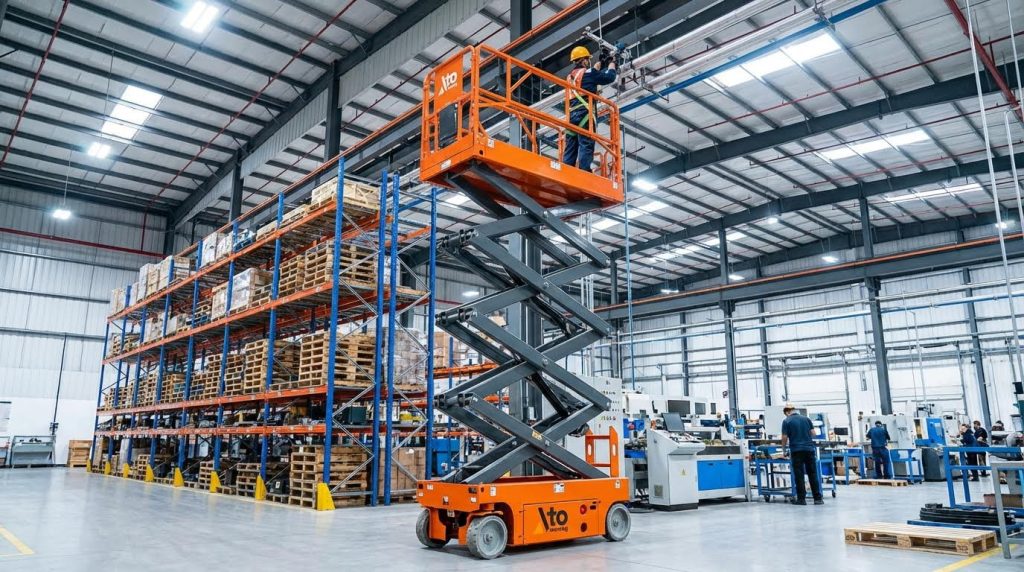
Scissor lift certification defines the minimum training, legal compliance, and hands-on skills an operator must prove to safely use elevated work platforms. If you are researching how to get scissor lift certified, this is the baseline you must meet.
Most programs combine classroom theory, site-specific instructions, and supervised operation before an employer or authority signs off your competency. Certification then remains valid for a fixed period (often up to 3 years) before refresher training is required. Typical certification cycles follow a 3‑year validity period.
| Element | What It Covers | Operational Impact |
|---|---|---|
| Regulatory standards | OSHA or local regulations, safe-use rules, employer duties | Ensures elevated work complies with national safety law and site rules. |
| Theory training | Hazards, fall protection, stability, weather limits | Reduces tip‑over, fall, and electrocution risks during daily work. |
| Practical training | Pre‑use checks, safe driving, positioning, emergency lowering | Builds muscle memory for safe movement at height in tight areas. |
| Assessment | Written test plus practical driving and control use | Proves the operator can apply rules, not just recite them. |
| Certification period | Validity up to about 3 years, then recertification | Keeps skills current as equipment, layouts, and rules change. |
💡 Field Engineer’s Note: Treat certification as your minimum entry ticket, not your full risk control. Real safety comes when the training is backed by strict site rules, supervisor enforcement, and regular refreshers after any near-miss.
Applicable Standards And Legal Duties
Scissor lift certification is built around national safety standards that define both what operators must know and what employers must provide. Understanding this legal framework is step one in how to get scissor lift certified in any country.
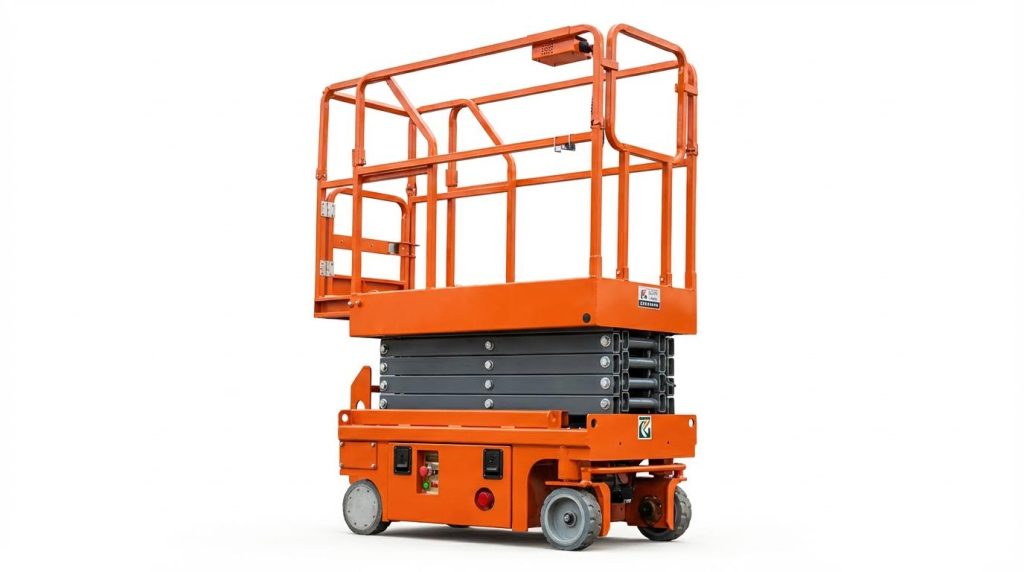
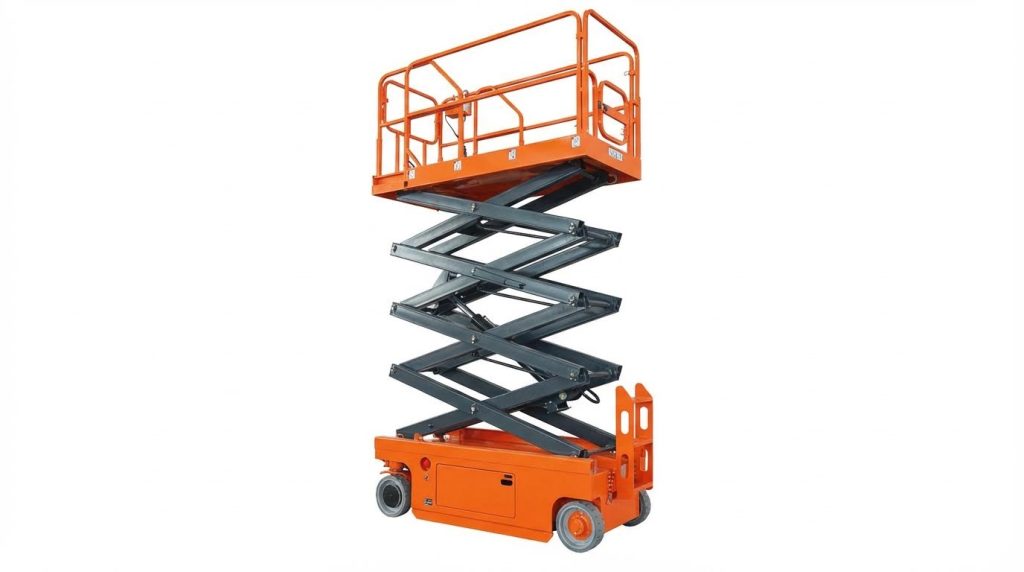
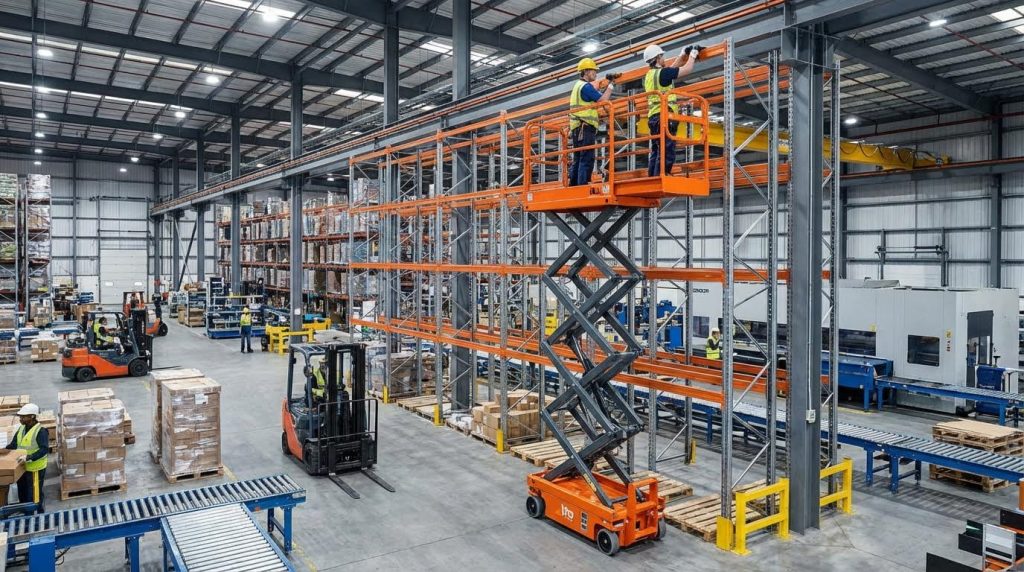
- Regulatory framework: Certification programs align with safety laws that treat scissor lifts as powered platforms or “mobile scaffolds” used to raise workers vertically up to about 4.5–15 m (15–50 ft). This ensures training matches the real fall and tip‑over risks of elevated work. Typical height ranges and usage scenarios are defined in training materials.
- Employer duty to train: Employers must ensure each operator receives formal instruction plus practical evaluation before being allowed to work at height. This shifts responsibility from the individual to the organization in control of the job site.
- Content requirements: Training must cover fall protection, stabilization, and positioning, including how guardrails, toe boards, and access gates work. This directly targets the most common serious injuries: falls from the platform and tip‑overs. Fall‑protection and stability topics are core curriculum.
- Safe-use obligations: Operators are taught to work only on firm, level surfaces and to avoid adverse weather such as high winds or lightning. This reduces the risk of overturning or losing control at height. Weather and surface conditions are explicitly addressed in safety guidance.
- Local authority certification (example – Indonesia): In Indonesia, scissor lift operators must be certified by the Ministry of Manpower (KEMNAKER RI) under Permenaker No 8 Tahun 2020 and Undang‑Undang No.1 Tahun 1970. This shows how some jurisdictions require government‑issued proof of competence, not just employer sign‑off. These rules define national certification and exam requirements.
- Retraining triggers: Many frameworks require retraining every 3 years or sooner after an accident, near‑miss, or unsafe behavior. This creates a legal mechanism to correct bad habits and update knowledge. Typical policies call for retraining after incidents or rule changes.
How standards shape “how to get scissor lift certified” in practice
In most countries, the path to certification follows the same pattern: understand the applicable national or regional standard, select a training provider whose course content matches that standard, complete both theory and hands‑on components, then document your evaluation and issue a certificate with a defined validity period.
💡 Field Engineer’s Note: When you choose a course, always ask which regulation it is designed to comply with and for which country. A generic “scissor lift card” that does not map to your local law can leave both operators and employers exposed during an audit or after an accident.
Core Safety And Operating Competencies
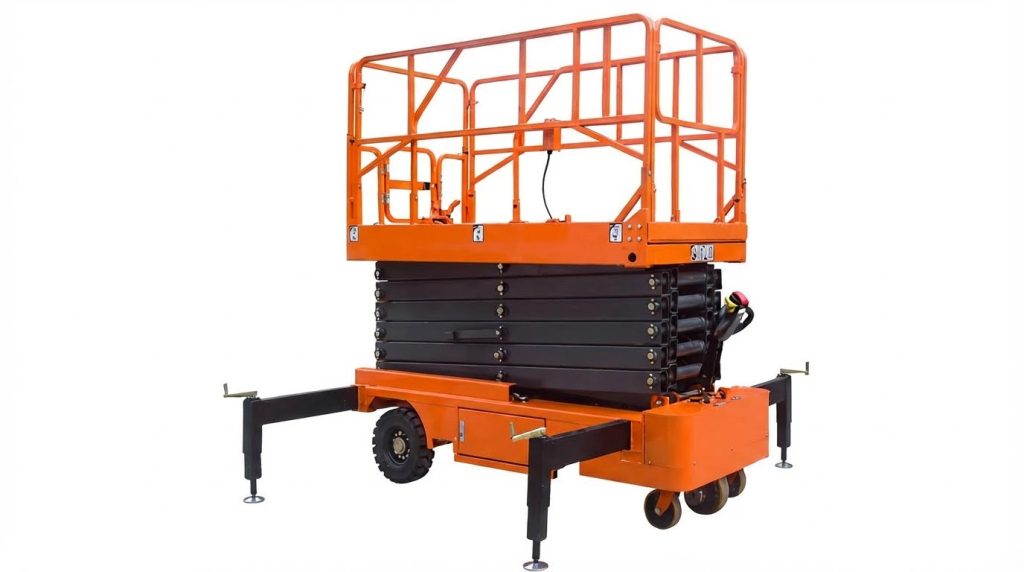
Scissor lift certification focuses on a specific set of skills and safety behaviors that every competent operator must demonstrate. These competencies turn legal requirements into practical, repeatable actions on the job.
- Equipment and hazard awareness: Operators learn the types of scissor lifts, their height limits, and typical applications in warehouses, maintenance, and construction. This helps them choose the right machine instead of misusing whatever is available. Training introduces common lift types and use cases.
- Pre‑use inspection: Daily checks include guardrails, access gates, hydraulic systems, batteries, and structural components. Finding leaks, cracks, or loose rails before elevation prevents catastrophic failures at height. Inspection of hydraulic and structural integrity is part of daily routines.
- Safe positioning and stabilization: Trainees practice selecting firm, level ground, respecting slope limits, and keeping clear of drop‑offs or floor openings. This directly mitigates tip‑over and collapse risks, especially near mezzanines or pits.
- Load and capacity control: Certification covers reading capacity plates, understanding maximum platform load (people, tools, materials), and avoiding side‑loading. Staying within rated load prevents structural overload and instability. Weight capacity management is a core practical topic.
- Driving and elevating technique: Operators learn to travel at low speed, avoid sudden turns, and respect no‑travel‑when‑elevated rules where applicable. Good driving habits reduce collision, crushing, and overturn events.
- Fall‑protection practice: Even with guardrails, training stresses correct use of gates, maintaining three‑point contact when entering/exiting, and keeping both feet on the platform. This prevents risky behaviors like climbing rails or leaning out. Programs emphasize guardrail inspection and safe access.
- Emergency and post‑use procedures: Courses include using emergency stop and lowering systems, responding to power loss, and correct shutdown and parking steps. This prepares operators and ground staff to react safely when something goes wrong. Emergency protocols and after‑use procedures are part of the curriculum.
- Assessment of knowledge and skills: To complete certification, candidates usually pass a written test and a practical driving and operation exam. This ensures they can both explain and demonstrate safe use before receiving a card or certificate. Theoretical and practical exams are standard in formal schemes.
Typical step-by-step competency path during training
- Step 1: Classroom theory – Builds a mental model of hazards, stability, and rules before touching the controls.
- Step 2: Walk‑around and inspection practice – Teaches how to spot defects that would make a lift unsafe to use.
- Step 3: Basic driving and positioning – Develops smooth, controlled movements in tight aisles and near obstacles.
- Step 4: Elevating and working at height – Focuses on body position, tool handling, and communication with ground staff.
- Step 5: Emergency and abnormal conditions – Prepares operators for power loss, alarms, or unexpected platform movement.
- Step 6: Formal evaluation – Confirms the trainee meets the competency standard before certification is issued.
💡 Field Engineer’s Note: When I audit sites, the biggest gap is rarely “no card” – it is poor pre‑use checks and sloppy positioning near edges or weak floors. During training, spend extra time on inspections and where you park the base; that is where most serious incidents start.
Training Formats, Course Content, And Assessment
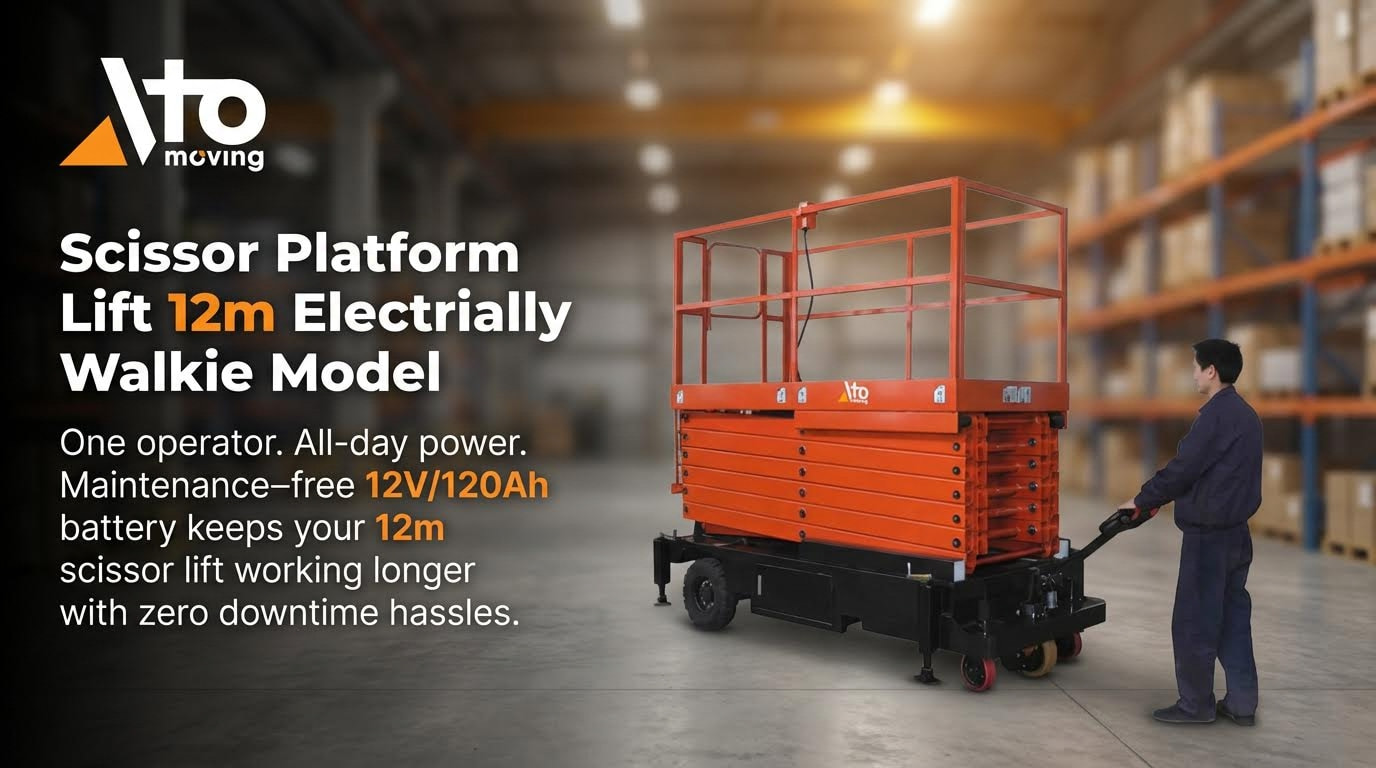
This section explains how to get scissor platform certified by breaking down training formats, typical course modules, and how operators are assessed and kept current. Use it to match training design with your site’s legal and safety needs.
Modern scissor lift certification blends theory, practical driving, and formal evaluation into one program. Most schemes follow the same logic: teach the hazards, build hands-on control, then verify competence and document it for 3 years.
💡 Field Engineer’s Note: When you plan “how to get scissor platform lift certified” for a whole site, schedule theory and practicals close together. Long gaps between modules cause skill fade, especially for emergency lowering and tilt alarms.
Classroom And Online Theory Modules
Theory modules explain the “why” behind every rule so operators understand risks, standards, and safe procedures before they touch the controls.
Whether in a classroom or online, this is where you cover standards, physics, and site rules. For most facilities, this is the first step in how to get aerial platform certified, followed by supervised practice.
| Theory Topic | Typical Content | Operational Impact / Why It Matters |
|---|---|---|
| Introduction to scissor lift safety | Basic hazards, accident statistics, typical tasks and environments | Builds risk awareness so operators respect platform height and narrow margins for error. Covers core safety themes |
| Regulations and standards | OSHA scissor lift rules, employer duties, worker responsibilities, local legislation | Ensures your program is legally defensible and operators know their obligations. OSHA compliance focus |
| Equipment types and capabilities | Electric vs engine powered, indoor vs outdoor, typical working heights 4.5–15 m (15–50 ft) | Helps choose the right lift for ceiling height, floor capacity, and reach. Defines vertical-only movement |
| Before-use procedures | Pre-start checks, daily inspection, worksite assessment, weather checks | Reduces hydraulic leaks, battery failures, and structural issues before they cause incidents. Covers daily inspection focus |
| Safe use and positioning | Firm, level surfaces; no operation in high winds or lightning; guardrail use and fall protection | Prevents tip-overs and falls by controlling surface conditions and exposure to weather. Specifies stabilization and weather limits |
| After-use procedures | Parking, lowering, securing keys, charging batteries, reporting defects | Improves fleet uptime and keeps unsafe lifts locked out until repaired. Includes post-use steps |
| Hazard recognition | Overhead obstructions, power lines, unstable ground, overloading, traffic interfaces | Teaches operators to read the environment, not just the control panel. Highlights hazard recognition |
| Causes of accidents | Case studies, common errors, unsafe practices | Turns past incidents into practical lessons, especially for new hires. Covers accident causation |
- Blended learning: Mix online modules with short classroom workshops – Reduces downtime while keeping discussion-based learning for complex topics.
- Localized content: Add your site rules and layouts – Makes “how to get scissor lift certified” directly relevant to your facility, not just generic.
- Knowledge checks: Use quizzes during theory modules – Confirms operators understand stability, load charts, and weather limits before practicals.
How theory fits into “how to get scissor lift certified”
Most certification processes start with theory, either self-paced online or in a classroom, to cover OSHA regulations, basic safety principles, and equipment types before any hands-on work. This satisfies the requirement that operators understand hazards and rules, not just control movements. Typical certification process
Hands-On Driving, Positioning, And Load Handling
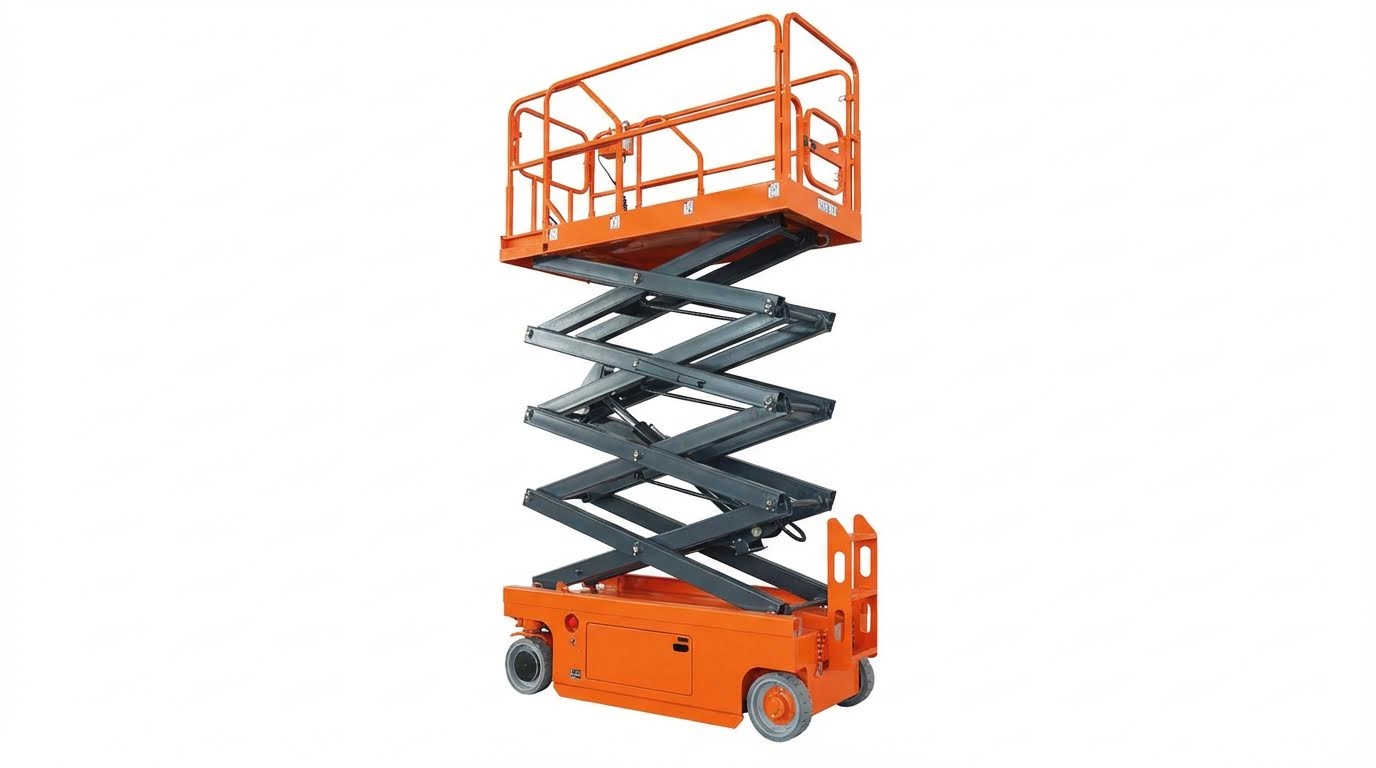
Hands-on modules translate theory into real control of the platform, with supervised practice on starting, driving, elevating, and handling loads safely.
This is the second major step in how to get order picking machines certified. Operators practice on the same lift types and floor conditions they will see in your plant or site.
| Practical Skill Area | Typical Exercises | Operational Impact / Best For… |
|---|---|---|
| Pre-operational checks | Walk-around inspection, hydraulic leaks, battery level, tire and structure checks | Builds habit of daily inspection per manufacturer guidance and training protocols. Emphasizes daily checks |
| Start-up and basic driving | Control familiarization, low-speed driving, stopping distances, tight turns at ground level | Reduces collisions in narrow aisles and crowded work zones. |
| Stabilization and positioning | Selecting firm, level ground; checking for slopes; aligning under the work area | Prevents tip-overs and avoids overreaching from the platform. Reinforces stabilization rules |
| Vertical travel and working at height | Raising/lowering to typical working heights, maintaining three points of contact, guardrail use | Trains safe body positioning and tool handling up to 10–15 m working height. |
| Load handling and capacity | Reading capacity labels, distributing tools/materials, avoiding overload and side loading | Protects structure and scissors mechanism from over-stress and instability. Highlights load safety factors |
| Operation under varied conditions | Indoor vs outdoor, different floor types, simulated wind or weather limits in discussion | Prepares operators to stop work when wind, rain, or lightning make conditions unsafe. Weather restrictions |
| Emergency procedures | Emergency stop, lower-from-ground controls, response to alarms or equipment failure | Reduces severity of incidents when something goes wrong. Includes emergency protocols |
| Post-use shutdown | Safe lowering, parking, chocking if required, key removal, charging routines | Ensures the lift is safe for the next shift and batteries are ready for use. |
- Real equipment: Train on the same height range and power type used on site – Minimizes surprises when operators move from training to production tasks.
- Progressive difficulty: Start with empty platforms, then add tools/material weight – Shows how handling changes as mass and center of gravity shift.
- Small group sizes: Keep practical sessions to limited operators per trainer – Allows close supervision and immediate correction of unsafe habits.
Hands-on requirements in different jurisdictions
Some jurisdictions, such as those following KEMNAKER RI in Indonesia, explicitly require both theoretical and practical exams for scissor lift operators, including understanding safety devices and accident causes. Example of combined theory and practical requirement
Evaluation, Validity Period, And Recertification
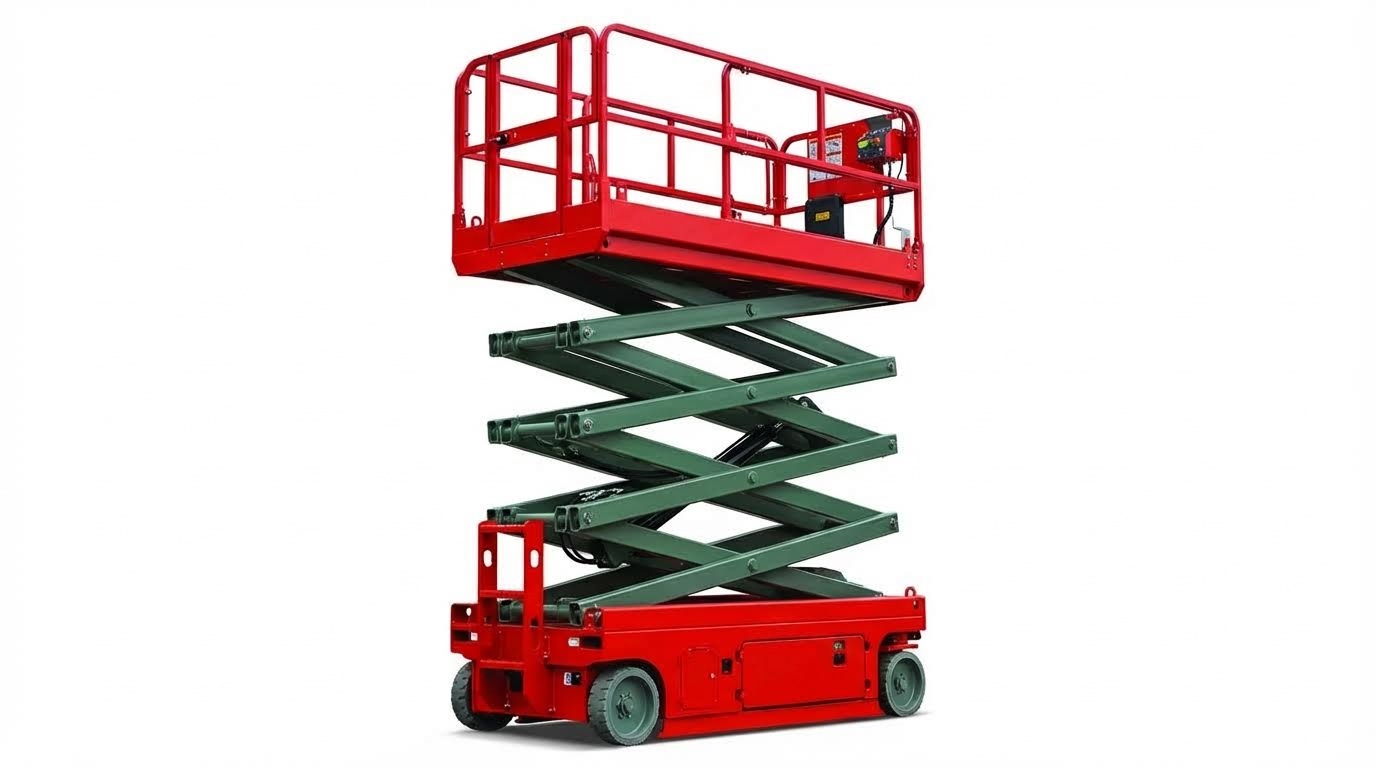
Evaluation ties everything together by testing theory, observing practical skills, and issuing documentation with a clear validity period and recertification plan.
This final step is what formally completes how to get scissor lift certified for each operator. Without documented assessment and expiry dates, your program will not stand up to audits or investigations.
| Certification Element | Typical Practice | Operational Impact / Why It Matters | ||||||||||||||||||||||||||||||
|---|---|---|---|---|---|---|---|---|---|---|---|---|---|---|---|---|---|---|---|---|---|---|---|---|---|---|---|---|---|---|---|---|
| Theory assessment | Written or online test on hazards, regulations, and safe procedures | Confirms operators understood key rules before they are allowed to operate. Includes classroom testing | ||||||||||||||||||||||||||||||
| Practical evaluation | Assessor observes inspection, driving, elevation, and emergency actions | Provides evidence of competence, not just attendance. Requires practical exam | ||||||||||||||||||||||||||||||
| Certificate and card | Certificate of Completion and digital or physical operator card | Gives supervisors a simple way to verify who is currently certified. Example of documentation issued | ||||||||||||||||||||||||||||||
| Validity period | Certification valid up to 3 years before renewal | Aligns with common practice that skills and regulations change over time. 3‑year validity | ||||||||||||||||||||||||||||||
| Retraining triggers | Mandatory retraining after incidents, near misses, or observed unsafe operation | Closes the loop when real-world events show a gap in competence. Defines retraining conditions | ||||||||||||||||||||||||||||||
| Cost expectations | Typical in-person cost around USD 100–300; online theory around USD 50–200 | Helps budget a compliant program and compare in-house vs external options. Selecting The Right Training For Your Facility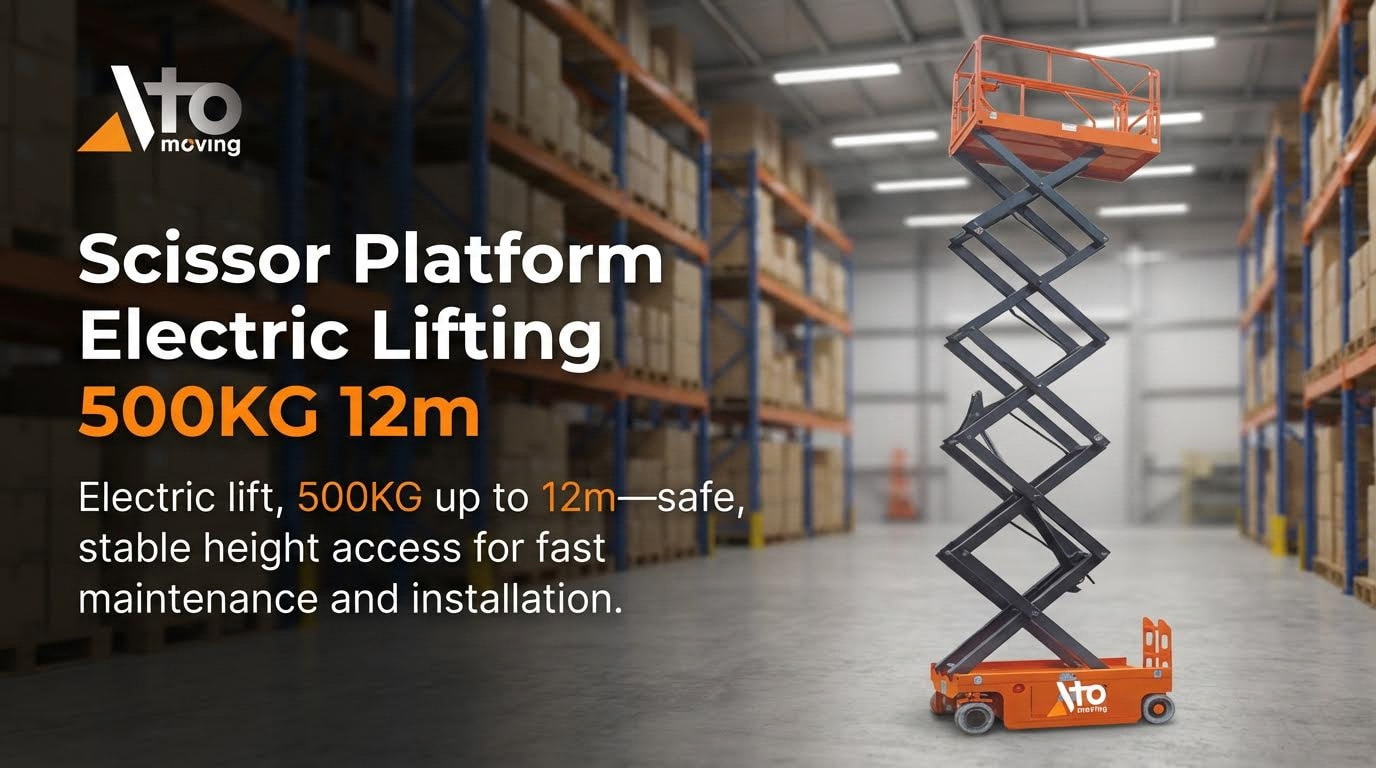 Selecting the right scissor lift training means matching course format, depth, and assessment to your site risks, fleet, and workforce so operators are genuinely competent, not just “paper certified.” This is the practical side of how to get scissor platform certified in a way that actually works on your floor. Comparing Providers, Costs, And Delivery ModelsChoosing a training provider is about balancing cost, delivery mode, and compliance so operators meet OSHA-equivalent requirements and can safely run your specific lifts and tasks. Cheap but generic training usually costs you more in incidents and downtime.
Whichever option you choose, you must combine theory with practical training and evaluation on the actual or equivalent equipment, in line with OSHA-style expectations for hazard recognition, pre-use checks, and safe operation under different conditions. Typical programs mix classroom content on hazards and regulations with hands-on work on pre-operational checks, capacity management, and emergency procedures, then issue a certificate valid for about 3 years.
How this fits into “how to get scissor lift certified”From an operator’s view, how to get scissor platform lift certified usually means: complete a recognized classroom or online theory course, then pass hands-on training and evaluation on the lift model you will use. Employers should document both elements in the employee’s training file.
Aligning Training With Site Risks And EquipmentAligning scissor lift training to your site means mapping course content and practical drills to your actual lift types, floor conditions, heights, and task patterns. Generic training does not prepare operators for your real hazards.
Practical checklist to align a course with your siteBefore you sign with any provider, walk your facility and list: lift models and working heights; typical loads and tools carried; floor types and slopes; indoor vs. outdoor use; nearby traffic (people, forklifts, trucks). Then ask the provider to show exactly where each of these items appears in their lesson plan and practical exercises. If they cannot map it, the course is not yet aligned. For employers planning how to get scissor lift certified operators quickly, the fastest route is usually: deploy an online or classroom theory module that matches your legal framework, then schedule short, focused hands-on sessions on each lift type and task profile in your facility. Document both, including the evaluation results and the 3‑year recertification date, so your program stays defensible during audits or after an incident.
Final Thoughts On Building A Compliant Scissor Lift ProgramA strong scissor lift program does more than hand out cards. It links law, engineering limits, and operator behavior into one system. Certification gives each operator a clear baseline in hazards, stability, and fall protection. Hands-on training then turns that theory into safe habits for inspection, positioning, and emergency response on real equipment. Engineering limits such as platform height, floor capacity, slope, and rated load must drive your site rules. Trainers and supervisors must enforce these limits every shift. Daily checks protect the structure, hydraulics, and controls before anyone leaves the ground. Clear weather and surface rules stop work when wind, rain, or weak floors threaten stability. To stay compliant, document theory, practical assessment, and a defined validity period, usually around three years. Trigger retraining after near-misses, incidents, or major changes in lifts or layouts. Align every course with your national regulations and your exact lift models, including Atomoving platforms where used. The best practice is simple: choose a provider or in-house program that matches your law, your risks, and your equipment, then audit it often. When certification, supervision, and engineering limits all line up, work at height becomes controlled, predictable, and defensible. Frequently Asked QuestionsHow do I get scissor lift certified?To get scissor lift certified, you typically need to complete a training program that covers safe operation and hazard recognition. Many organizations offer online courses where you can enroll, complete the training and exam at your own pace, and instantly receive your certification upon passing. Scissor Lift Certification is one such option. Is scissor lift certification required by OSHA?Yes, OSHA requires workers to be trained and certified before operating a scissor lift. The training must include safe operation practices, recognizing potential hazards, and adhering to OSHA standards to ensure safety and compliance in the workplace. For more details, refer to OSHA Scissor Lift Requirements. Can I get scissor lift certified online?Yes, you can get scissor lift certified online. Many providers offer comprehensive online training courses that cover essential safety guidelines for operating aerial and scissor lifts. These courses often allow you to instantly download your Certificate of Completion after passing the exam. Check out options like Online Scissor Lift Training. |