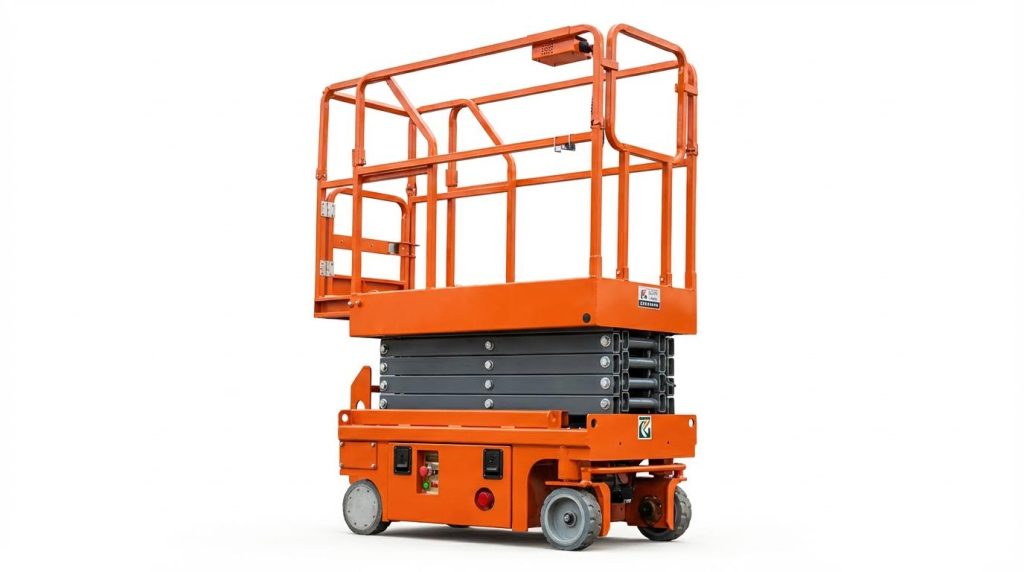
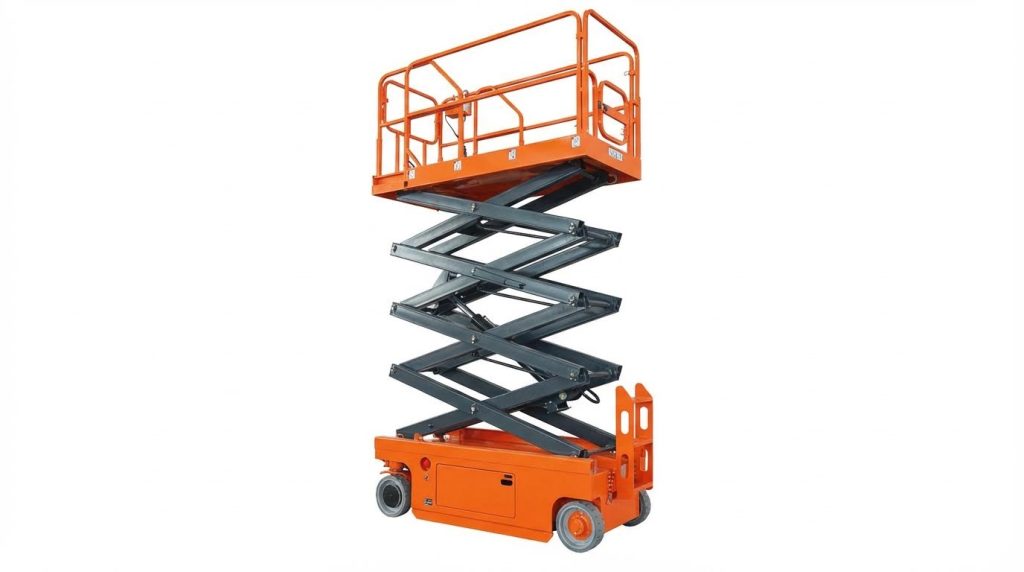
If you are asking “what size trailer for scissor lift,” you must match deck size, load rating, and ramp geometry to your exact machine. This guide walks through dimensions, weights, and trailer types so you can choose safely and avoid costly mis-sizing.
We will look at how to read scissor lift specs, how those numbers translate into trailer deck length, width, and capacity, and which trailer designs suit different lift classes. You will also see practical limits around tongue weight, towing vehicles, and braking so your trailer choice works in the real world, not just on paper.
Core Transport Requirements And Constraints
This section explains how to decide what size trailer for scissor platform transport by matching lift dimensions, weight, and duty cycle to trailer deck size and capacity limits.
Before you look at trailer types, you must lock in three things: the exact lift size and weight, the clear deck area you need, and the real working pattern (frequency, distance, and terrain). Those three factors drive safety, cost, and legal compliance.
Determining Lift Dimensions And Weight
To know what size trailer for scissor platform lift transport, you first measure the lift’s footprint, stowed height, and total operating weight including add-ons.
You are not sizing a trailer to the catalog “platform height”; you are sizing it to the stowed transport envelope and real mass on the axles. Get this wrong and you overload the trailer or end up with a lift that physically will not fit between the fenders.
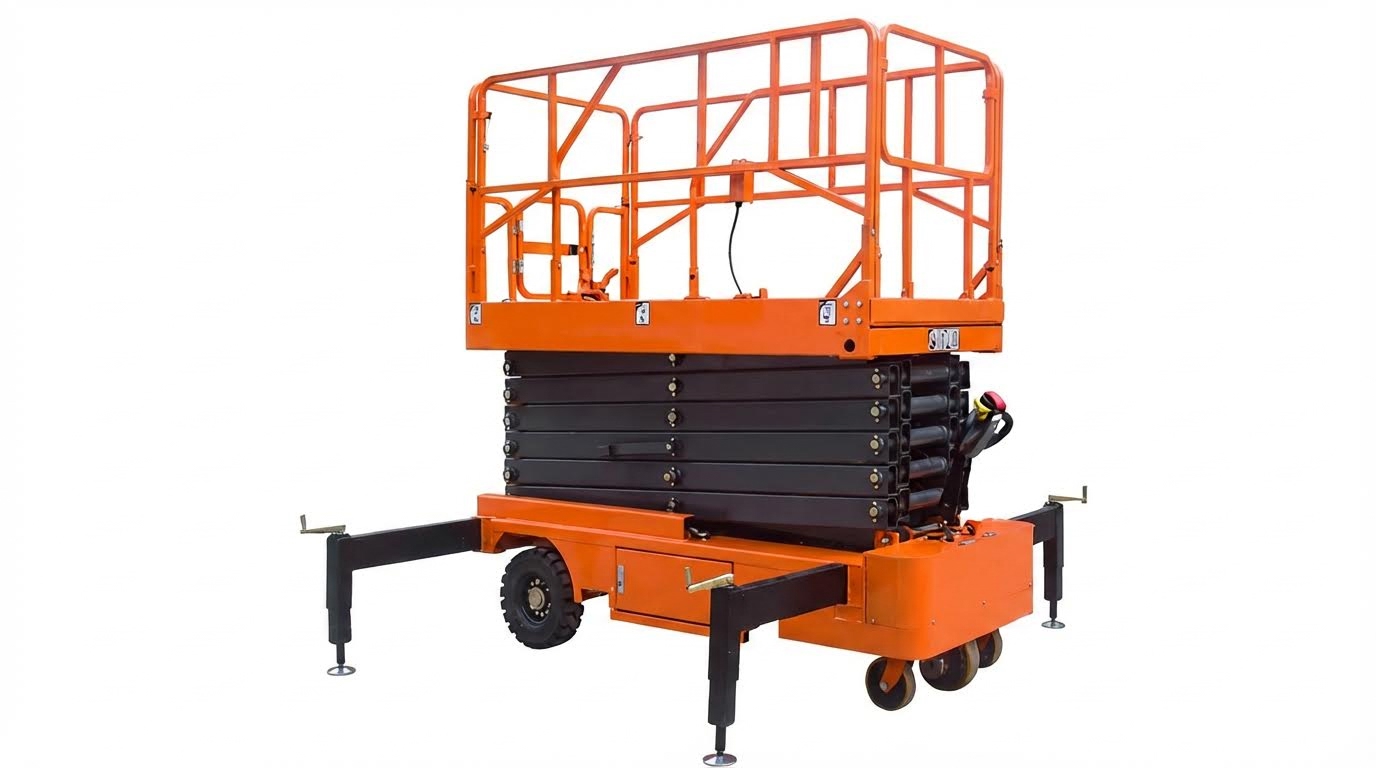
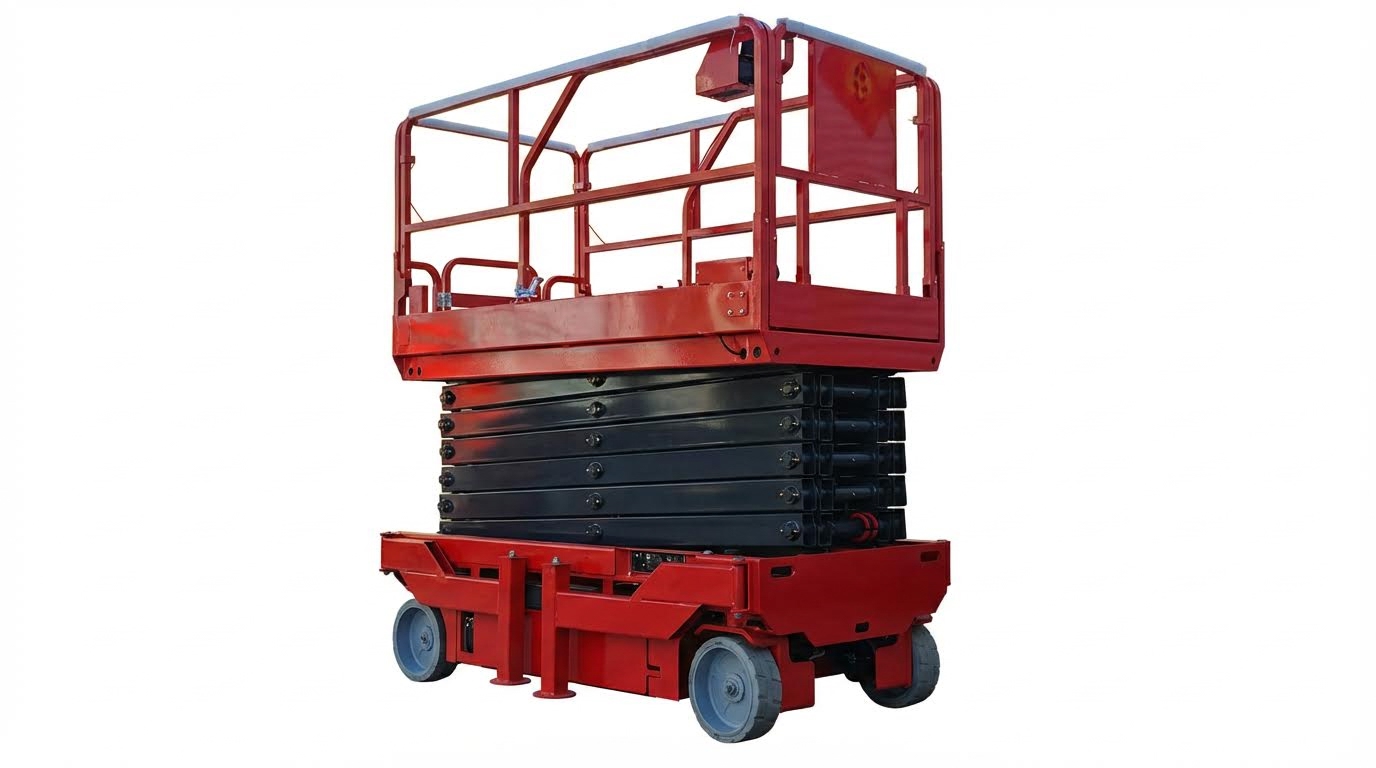
Overall width (critical): Measure tyre‑to‑tyre or outer guard‑to‑guard in mm – Sets minimum inside deck width.
Overall length: Measure from front bumper/step to rear tyre/guard – Sets minimum usable deck length.
Stowed height: Measure ground to highest point (rails, control box, beacon) – Checks for enclosed trailer or bridge clearance.
Total weight: Use manufacturer plate or manual – Drives trailer load rating and axle/brake selection.
Attachments and options: Include deck extensions, pipe racks, material lifts – Prevents underestimating width and weight.
How to measure a scissor lift accurately
Park on level ground, lower fully, and chock wheels. Use a tape measure in mm. Take width at the widest hard point, not just tyre tread. For weight, rely on the data plate or manual; do not guess from “similar” models.
Once you know the lift weight, you can map it against typical trailer capacities. Many trailers for scissor lifts are rated from about 2,000–5,000 lbs (≈900–2,300 kg) and higher, depending on design and axle count capacity ranges. Flatbed and utility examples show single‑axle models with around 4,590–5,500 lbs (≈2,080–2,495 kg) payload and tandem‑axle models with about 10,000–14,000 lbs (≈4,540–6,350 kg) payload, with deck widths roughly 1,370–1,900 mm and lengths about 2,600–4,900 mm example specs.
Typical Lift Class
Common Weight Range (kg)
Common Width Range (mm)
Implication For Trailer Sizing
Small electric slab (indoor)
1,300–2,300
760–900
Often fits compact single‑axle trailer; width is rarely the constraint, weight and ramp angle are.
Mid‑size electric / small RT
2,300–3,800
1,200–1,800
Usually needs higher‑capacity single or light tandem axle; deck width and fender clearance become critical.
Large RT / heavy‑duty
3,800–7,000+
1,800–2,300+
Drives you into heavy tandem or gooseneck trailers with long, wide decks and strong brakes.
💡 Field Engineer’s Note: Always re‑check the data plate after adding non‑standard options like pipe racks or welders. I have seen “small” slab lifts exceed trailer ratings by 200–300 kg once fully kitted.
Calculating Required Trailer Deck Size
To decide what size trailer for scissor lift, you add safety margins to the lift’s footprint so the deck is longer and wider than the machine by a practical, measurable amount.
The goal is not just “will it fit once,” but “will it load safely, even with a tired operator on a wet day.” That means allowing for steering wander on ramps, tie‑down hardware, and space to walk around the lift.
Deck width rule of thumb: Lift width + 150–250 mm each side – Gives steering margin and clearance from fenders/rails.
Deck length rule of thumb: Lift length + 300–600 mm total – Leaves room for chocks, ramps, and tie‑downs.
Ramp length and angle: Match ramp length to lift ground clearance so it does not bottom out – Protects scissor arms and chassis.
Open vs enclosed: Enclosed trailers need extra height and door clearance – Prevents impact with door frame or roof.
Many scissor‑lift trailers offer ramp lengths of about 1,800–3,000 mm, giving a relatively gentle incline for loading ramp length ranges. Low‑profile trailers specifically reduce deck height so the effective ramp angle is smaller, which is vital for lifts with limited ground clearance low‑profile designs.
Trailer Type
Typical Deck Width (mm)
Typical Deck Length (mm)
Operational Impact
Single‑axle flatbed (compact)
≈1,370
≈2,600
Best for narrow slab lifts; fits through tight yards and small depots. Limited for long RT units.
Single‑axle utility
≈1,450
≈3,050
More length for mid‑size electric lifts or extra tools; still easy to maneuver.
Tandem‑axle flatbed
≈1,900
≈4,880
Handles wide, heavy RT lifts; enough deck to position lift over axles.
Tandem‑axle utility
≈1,900
≈4,880
Similar envelope with sides or rails; better containment but check door widths.
Enclosed trailer
≈1,900
≈4,800
Weather protection and security; must verify door opening height and width.
These example dimensions are based on typical scissor‑lift trailers with deck widths around 1,370–1,900 mm and lengths near 2,600–4,900 mm deck size examples. Always confirm specific model dimensions and compare them to your measured lift footprint.
Quick sizing example
If your lift is 2,300 mm long and 900 mm wide, a practical minimum is about 3,000 mm deck length and 1,250–1,400 mm clear width. That gives roughly 350 mm extra length and 175–250 mm spare width for steering and tie‑downs.
💡 Field Engineer’s Note: If your operators often load on a slight slope or gravel, add another 100–150 mm of width margin. Wheels tend to “walk” sideways when climbing ramps on uneven ground.
Matching Trailer Capacity To TCO And Duty Cycle
The right answer to what size trailer for scissor lift also depends on how often, how far, and on what terrain you tow, because trailer capacity, axle count, and brakes all affect total cost of ownership (TCO).
Oversizing the trailer “just in case” increases purchase price, tyre wear, and fuel consumption. Undersizing it drives up maintenance, risks legal overloads, and increases accident risk. The sweet spot is a trailer that runs at roughly 60–80% of its rated payload in normal use.
Match capacity to lift weight: Aim for at least 20–30% headroom above the heaviest lift you plan to carry – Reduces fatigue and brake load.
Choose axle configuration: Single axle for light, occasional moves; tandem or more for heavy or frequent moves – Improves stability and tyre life.
Consider braking system: Heavier trailers typically use electric or hydraulic brakes – Shorter stopping distance and legal compliance.
Account for duty cycle: Daily, long‑distance towing justifies higher‑spec axles, tyres, and suspension – Lowers lifecycle cost.
Include accessories: Toolboxes, fuel tanks, and spare batteries add mass – They consume payload capacity.
Market examples show single‑axle flatbeds with gross vehicle weight ratings (GVWR) around 7,800 lbs (≈3,540 kg) and payloads near 4,590–5,500 lbs (≈2,080–2,495 kg), while tandem‑axle models reach GVWR values around 18,000 lbs (≈8,165 kg) and payloads about 10,000–14,000 lbs (≈4,540–6,350 kg) capacity examples. Many generic scissor‑lift trailers offer 2,000–5,000 lbs (≈900–2,300 kg) and higher ratings for lighter lifts capacity ranges.
Trailer Capacity Strategy
Typical Use Case
Engineering Rationale
Impact On TCO
Capacity ≈ lift weight + 10%
Rare moves, short distances, flat ground
Works only if loading is always controlled and no extra cargo is added.
Lowest purchase cost but higher risk of overload and faster wear.
Capacity ≈ lift weight + 20–30%
Regular site‑to‑site transport
Allows for tools, fuel, and occasional heavier hire units.
Balanced cost vs durability; typical “best value” zone.
Capacity ≥ 2 × lift weight
Fleet trailer for mixed heavy equipment
Supports multiple or heavier machines than your scissor lift.
Higher upfront and running cost; only justified for multi‑use fleets.
Trailer design also influences stability and long‑term cost. Single‑axle trailers suit lighter, smaller lifts and are easier to maneuver, while dual‑axle and gooseneck designs support heavier scissor lifts with better load distribution and stability axle and design options. Tongue weight is typically 10–15% of total trailer weight, which is crucial for control and to avoid sway during towing tongue weight.
Duty cycle checklist before choosing capacity
List how many trips per week, average distance, typical road speed, and maximum gradient. Note whether you tow on paved roads only or include rough sites. Add up the weight of chains, straps, fuel, batteries, and tools you regularly carry with the lift.
💡 Field Engineer’s Note: For lifts that shuttle daily between sites, I target trailers that run at no more than about 70% of rated payload on a normal day. The extra margin pays for itself in fewer bearing, tyre, and brake failures over the years.
Trailer Designs And Key Technical Specifications
Trailer design directly answers the question “what size trailer for scissor lift” by linking deck length, axle rating, ramp geometry, and braking to real-world loading safety and highway stability. Get these wrong and you risk jack-knifing, bent frames, or an immobilised lift.
Axles and load rating: Define how heavy and how fast you can safely tow – prevents overloading and structural failure.
Ramp, deck height, clearance: Control how safely the lift can drive on/off – prevents bottoming out and tip-over.
Brakes and tongue weight: Control-stop distance and sway – keeps rig stable in emergency braking.
Construction and tie-downs: Steel vs aluminium and anchor layout – affects corrosion life and restraint of the lift.
Use the following sections to translate these specs into a concrete trailer size for your scissor platform, not just a theoretical rating.
Comparing Axle Configurations And Load Ratings
Axle configuration and load rating determine whether a trailer can safely carry your scissor lift’s mass plus fuel, tools, and attachments. For “what size trailer for scissor lift,” axle rating is the first hard filter before you even look at deck length.
Trailer / Axle Type
Typical Capacity (kg)
Typical Deck Size (mm)
Best For… / Operational Impact
Single axle, light-duty flatbed
≈2,000–2,500 kg (4,400–5,500 lbs) capacity range for scissor-lift trailers capacity range
≈1,350–1,450 W × 2,600–3,100 L (54–57″ × 8′6″–10′) for typical single-axle models single-axle dimensions
Small electric slab lifts up to roughly 900–1,500 kg. Compact footprint fits tight depots and light-duty tow vehicles.
Dual (tandem) axle flatbed / utility
Up to ≈6,350 kg (14,000 lbs) capacity on tandem-axle models tandem capacity
Medium RT lifts and heavier electric units. Better stability and tyre life on longer highway runs.
Triple axle / gooseneck
10,000 lbs (≈4,540 kg) and above for heavy-duty scissor lifts heavy-duty use
Longer decks, often 5,000 mm+; low-profile options available long deck
Very heavy RT or high-capacity lifts; improved control and sway resistance with bed weight over the tow vehicle’s rear axle.
Enclosed tandem-axle
≈4,540 kg (10,000 lbs) capacity on example model enclosed specs
≈1,900 W × 4,800 L (75″ × 15′9″) deck inside enclosure deck dimensions
Weather-sensitive or high-value lifts. Added wind drag and weight, but full protection from debris and rain.
Single axle: One axle, lower tare weight – good for small lifts and short trips; limited redundancy if a tyre fails.
Tandem axle: Two axles share the load – smoother ride, better for 2,000+ kg lifts and regular highway towing.
Triple / gooseneck: Axles plus hitch over the tow axle – handles high pin weight for very heavy scissor lifts.
Load rating vs lift weight: Trailer capacity must exceed lift weight plus fuel, tools, and attachments – prevents frame and axle over-stress.
How to sanity-check axle capacity for your lift
1) Find the lift’s operating weight in kg from the data plate. 2) Add 10–20% for fuel, tools, and mud. 3) Choose a trailer whose rated payload exceeds that number by at least 10–15% for safety margin.
💡 Field Engineer’s Note: For mixed fleets, spec your “base” tandem-axle trailer around the heaviest lift you routinely move, not today’s lightest model. Undersized single-axle trailers tend to get “borrowed” for heavier lifts and quietly overloaded.
Ramp Angle, Deck Height, And Ground Clearance
Ramp angle, deck height, and ground clearance determine whether your scissor lift can drive onto the trailer without striking the deck or losing traction. For “what size trailer for scissor lift,” these dimensions are as critical as length and width.
Feature
Typical Values
Operational Impact For Scissor Lifts
Ramp length
≈1,800–3,050 mm (6–10 ft) for scissor-lift trailers ramp range
Longer ramps reduce approach angle, critical for low-clearance electric slab lifts and wet or muddy tyres.
Deck height
Low-profile designs minimise deck height for easier loading low-profile
Lower decks reduce ramp angle and centre of gravity, improving stability during loading and on the road.
Trailer width
≈915–2,130 mm (3–7 ft) to suit different scissor lift widths width range
Must exceed lift wheel track by a safe margin; too narrow and you risk driving off the deck edge.
Ground clearance
Varies by model; low-profile units trade clearance for easy loading low-profile
Too low and the trailer can hang up on ramps or site entrances; too high and ramp angle becomes unsafe.
Low-profile trailers: Designed with a gentle ramp and low deck – ideal for low-clearance electric lifts and indoor jobs.
Tilt-bed designs: Whole deck tilts to form the ramp – eliminates loose ramps and speeds up loading.
Enclosed trailers: Include integrated rear ramp doors – check door height and ramp length against your lift’s stowed height and approach angle.
Quick ramp-angle rule-of-thumb
If operators complain that the lift “feels like it will tip” when loading, your ramp is too short or deck too high. Increasing ramp length from 1,800 mm to 2,400–3,000 mm often makes the difference between sketchy and controlled loading.
💡 Field Engineer’s Note: On rough sites, I prioritised a slightly higher deck with longer ramps over ultra-low decks. Low-profile trailers load beautifully on flat yards but can easily drag their tail or hang up on broken kerbs and steep site entrances.
Braking Systems, Tongue Weight, And Stability
Braking system, tongue weight, and overall stability determine whether your chosen trailer size for a scissor lift can stop straight and avoid sway at speed. Capacity alone is not enough; dynamic control matters just as much as static load rating.
Spec / Feature
Typical Values
Operational Impact
Trailer brakes
Electric or hydraulic brakes, sized to trailer capacity brake types
Essential for safe stopping when loaded near capacity; required by many road regulations above certain weights.
Tongue weight
≈10–15% of total trailer weight on the hitch tongue weight
Too low causes sway; too high can overload the tow vehicle’s rear axle and lighten steering.
Tie-down points & safety chains
Multiple anchor points and chains as standard safety features safety features
Allow proper four-corner restraint of the lift and keep trailer attached to tow vehicle if the hitch fails.
Construction material
Steel or aluminium frames for durability and corrosion resistance materials
Steel suits heavy, high-duty cycles; aluminium saves weight and resists corrosion in winter-salt regions.
Electric vs hydraulic brakes: Electric integrate well with most pickups; hydraulic often used on heavier, commercial rigs – both must be maintained and tested before each trip.
Correct tongue weight: Position the scissor lift so its centre of gravity sits slightly ahead of the trailer axle group – this usually lands you in the 10–15% tongue-weight window.
Stability vs “what size trailer for scissor lift”: Longer wheelbase and dual/triple axles track straighter and resist sway – especially important for tall RT lifts with high centres of gravity.
Simple field check for tongue weight and balance
After loading, step back and visually check: 1) Tow vehicle rear suspension compressed but not bottomed. 2) Trailer sits slightly nose-down, not nose-up. 3) Lift is centred left–right with equal tyre compression each side. Adjust lift position by 100–200 mm as needed.
💡 Field Engineer’s Note: Most scary moments I investigated on the road were not from “too small” trailers by length, but from badly balanced loads with almost no tongue weight. Train operators to re-position the lift until the rig feels planted before they ever leave the yard.
Trailer Selection For Typical Scissor Lift Scenarios
This section explains what size trailer for scissor lift applications in the real world by splitting typical jobs into two groups: small electric slab lifts and large rough‑terrain or heavy‑duty lifts, then matching them to practical trailer types.
The goal is to turn “what size trailer for scissor lift” from a guess into a repeatable rule: check lift size and weight, then choose a trailer type and deck size that keeps loading angles safe and axle / brake ratings within limits.
Scenario
Typical Lift Type
Recommended Trailer Type
Key Specs Focus
Operational Impact
Indoor facilities, tight sites
Small electric slab scissor
Single‑axle or low‑profile utility / flatbed trailer
Deck width, ramp length, tie‑downs
Easy to maneuver, quick loading in car‑park size spaces
Construction sites, uneven ground
Large RT scissor, heavy‑duty electric / hybrid
Dual‑axle, gooseneck, or heavy low‑profile trailer
Axle rating, deck length, braking system
Stable at speed, safe on gradients and rough access roads
💡 Field Engineer’s Note: Decide the scenario first (indoor maintenance vs. rough construction). In practice, that choice narrows trailer size and design far faster than starting from trailer catalogs.
Trailers For Small Electric Slab Scissor Lifts
For small electric slab scissor lifts, the right trailer size is usually a compact single‑axle or low‑profile utility/flatbed trailer sized around the lift’s footprint with extra deck length for safe ramp angles.
These lifts typically weigh well under 2,000–2,500 kg and have narrow widths, so the limiting factors are deck width, tie‑down layout, and a gentle enough ramp to avoid grounding the chassis during loading.
Longer ramps reduce approach angle and risk of the lift belly contacting the ramp break‑over
Axle configuration
Single‑axle trailers are widely used for light and small scissor lifts and provide a compact, maneuverable platform for small‑lift transport
Single axle keeps turning radius small but demands correct tongue weight and good brakes
Trailer type – small lifts: Single axle flatbed or utility trailers are suitable for light and small scissor lifts, often with tilting beds and compact size – ideal where maneuverability in tight yards matters more than maximum payload.Typical small‑lift trailer listings
Low‑profile designs: Low‑profile trailers use a lower deck and gentle ramp – this minimizes the risk of grounding low‑clearance electric scissor lifts when loading.Low‑profile trailer options
Typical deck examples: A compact single‑axle flatbed with about 1.37 m width and 2.59 m length (approx. 54″ × 8′ 6″) carries around 2,080 kg (4,590 lbs) of payload in one representative model – this footprint is a good benchmark for many small electric slabs.
Utility variant: A single‑axle utility trailer with about 1.45 m × 3.05 m deck (57″ × 10′) and roughly 2,495 kg (5,500 lbs) payload shows the upper end – useful when you also carry materials or multiple light machines.
Tie‑downs and safety: Small‑lift trailers still need proper tie‑down points, safety chains, and reflective lighting – these features keep the load secure and visible under road regulations.Typical safety features
How to quickly size a trailer for a small electric scissor lift
Step 1: Measure lift width across tyres – the trailer’s internal deck width must exceed this by a safe margin, usually at least 100–150 mm each side.
Step 2: Measure overall length and wheelbase – ensure the deck is long enough that the wheels sit fully on the deck with some clearance front and rear.
Step 3: Check lift weight against trailer payload – compare to the trailer’s rated loading capacity, not just GVWR, to avoid overloading axles.
Step 4: Confirm ramp length and angle – longer ramps (up to 3.0 m) reduce the approach angle and protect low‑clearance battery trays.
💡 Field Engineer’s Note: For indoor maintenance fleets, I often standardize on one low‑profile single‑axle trailer sized to the largest electric slab lift. This avoids a mix of marginally small trailers that operators “make do” with.
Trailers For Large RT And Heavy-Duty Scissor Lifts
For large rough‑terrain and heavy‑duty scissor lifts, the right trailer size usually means dual‑axle or gooseneck designs with long decks, higher load ratings, and stronger braking systems matched to the lift’s high mass and wider stance.
These lifts can approach or exceed several tonnes, so “what size trailer for scissor lift” becomes a question of axle count, deck length, and tongue weight control rather than simple footprint fit.
Design Aspect
Typical Heavy‑Lift Trailer Characteristic
Operational Impact
Axle configuration
Dual or multiple axles are common for larger scissor lifts, with 2–4 axles providing support and stability while towing in heavy‑duty trailers
Spreads weight over more tyres and bearings, reducing per‑axle load and improving highway stability
Load capacity
Dual‑axle scissor‑lift trailers can offer capacities up to about 4,500 kg (10,000 lbs) or more in typical listings
Allows safe transport of larger RT lifts plus fuel, tools, and attachments without exceeding ratings
Deck size
Representative tandem flatbeds show around 1.90 m width and 4.88 m length (75″ × 16′) with about 6,350 kg (14,000 lbs) payload on one heavy model
Longer deck supports long wheelbases and gives room for outriggers or extended platforms
Gooseneck design
Gooseneck trailers for heavy scissor lifts use longer decks and often triple‑axle setups with multiple ramp options for heavy-duty transport
Improves control and stability at higher speeds and when towing with large trucks
Enclosed heavy trailers
Enclosed scissor‑lift trailers can reach around 1.90 m width and nearly 4.80 m length with about 4,540 kg (10,000 lbs) payload in one example
Protects high‑value machines and electronics from weather and debris on long hauls
Dual‑axle trailers: Dual axle trailers can carry larger scissor lifts up to about 4,500 kg (10,000 lbs) and include brakes for safety – this is the default choice for most RT scissor lifts that must travel on public roads.Dual‑axle examples
Gooseneck for very heavy lifts: Gooseneck trailers use a hitch over the tow‑vehicle axle and longer decks with multiple axles – this provides more stability and control when moving very heavy scissor lifts at highway speeds.Gooseneck trailer listings
Braking systems: Electric or hydraulic brakes are standard on larger trailers – they shorten stopping distances and keep combinations controllable if the tow vehicle brakes hard.Brake system overview
Tongue weight management: Tongue weight is typically kept at 10–15% of total trailer weight for stable towing – this is critical with heavy scissor lifts to avoid trailer sway or overloading the tow‑vehicle rear axle.
Material and durability: Heavy scissor‑lift trailers often use steel or aluminum frames for strength and corrosion resistance – steel suits rough construction sites, while aluminum helps control tare weight.Material options
Quick decision rules for heavy scissor lift trailer sizing
Step 1: Confirm machine weight and width – choose a trailer whose payload rating exceeds machine weight plus any attachments, and whose deck width exceeds tyre width with margin.
Step 2: Select axle configuration – use dual axles for mid‑size RT lifts and consider triple axles or gooseneck for very heavy or long‑distance hauling.
Step 3: Check braking and tongue weight – ensure the trailer has adequate electric or hydraulic brakes and that your load plan keeps tongue weight in the 10–15% band.
Step 4: Match tow vehicle capacity – verify that the vehicle’s towing capacity exceeds the combined trailer and scissor lift weight and that the hitch type is compatible.Towing compatibility guidance
💡 Field Engineer’s Note: On heavy RT lifts, the weak link is rarely the deck size; it is usually axle rating or braking. I
Final Considerations Before Purchasing A Trailer
This section gives a final, practical checklist so you do not misjudge what size trailer for scissor lift transport, including tow vehicle limits, legal rules, and lifecycle costs before you commit money.
Confirm real-world weight: Add lift weight, attachments, fuel/batteries, plus 10–15% margin – Prevents overloading and axle or tire failure.
Check overall footprint: Measure lift length, width, and turning clearance on deck – Avoids side-rail clashes and impossible loading angles.
Match capacity, then type: Size for mass and dimensions first, then choose single, dual, gooseneck, enclosed, folding, or low-profile layout – Ensures safety before convenience or storage needs.
Plan for the “next” lift: Consider the heaviest lift you expect within 3–5 years – Reduces the chance of needing a second trailer purchase.
Verify braking and control: Choose electric or hydraulic brakes sized for the trailer’s gross rating – Improves stopping distance and legal compliance.
1. Verify Tow Vehicle And Hitch Compatibility
You must confirm that your tow vehicle can safely pull the trailer and scissor lift combination with the correct hitch class and tongue weight.
Check rated towing capacity: The vehicle’s towing capacity must exceed the trailer’s gross weight rating – Prevents engine, transmission, and brake overload.Typical trailer guidance
Confirm hitch type and rating: Match ball size, receiver class, or gooseneck/5th-wheel style to the trailer – Stops coupling failures and sway.
Set tongue weight correctly: Aim for about 10–15% of total trailer weight on the hitch – Improves straight-line stability and reduces fishtailing.manual pallet jack
Check electrical connector: Ensure plug type matches and all light/brake circuits work – Required for legal road use.
How to quickly estimate combined weight
Add the lift’s operating weight (from the data plate) plus 100–300 kg for tools, platforms, chains, and residual materials. Compare this to the trailer’s rated payload and then to the vehicle’s towing capacity. Keep at least 10–20% safety margin.
💡 Field Engineer’s Note: When operators ask what size trailer for scissor lift work trucks can tow, I always derate the vehicle’s brochure tow rating by about 20% for hilly routes or hot climates. Real gradients and brake fade are less forgiving than marketing numbers.
2. Confirm Legal And Safety Requirements
You must check local road rules for trailer weight, brakes, and lighting so your scissor lift haul stays compliant and insurable.
Brakes on heavier trailers: Trailers above a set gross weight usually need electric or hydraulic brakes – Reduces stopping distance and meets road regulations.hydraulic pallet truck
Lighting and reflectors: Ensure tail, brake, indicator, and marker lights all function – Improves visibility and avoids fines.
Safety chains and breakaway: Use rated safety chains and, where required, a breakaway brake system – Provides backup if the coupling fails.
Speed limits for towing: Some regions impose lower speed limits when towing – Plan journey times realistically and reduce risk of rollovers.
Operator training: Only trained people should load and tow scissor lifts – Minimizes incidents from incorrect tie-down or ramp use.electric high lift pallet truck
Pre-trip legal and safety checklist
Before each trip, walk around the trailer. Check tire condition and pressure, verify that all lights work, confirm brakes engage, inspect safety chains, and make sure registration plates are visible. Document the check if your company safety system requires it.
💡 Field Engineer’s Note: Many “what size trailer for scissor lift” questions ignore that an overloaded but short trailer is still illegal. Inspectors care more about axle ratings, brakes, and lights than how neatly the lift fits the deck.
3. Evaluate Trailer Construction, Tie-Downs, And Ramps
You must ensure the trailer structure, anchor points, and ramp geometry are suitable for the scissor lift’s wheel layout and ground clearance.
Steel vs aluminium frame: Steel or aluminium frames provide durability and corrosion resistance – Choose based on climate and weight targets.electric drum stacker
Deck width and length: Typical scissor-lift trailers range about 0.9–2.1 m (3–7 ft) wide – Confirm your lift’s wheel track fits with side clearance.drum cart
Ramp length and angle: Ramp lengths around 1.8–3.0 m (6–10 ft) give a gentler incline – Reduces belly scraping on low-clearance lifts.low profile pallet jack
Tie-down points and layout: Multiple rated lashing points along the deck edges are essential – Allows four-point securement over the lift’s chassis.
Safety features: Look for safety chains, reflective lighting, and robust fenders – Protects the load and improves visibility.forklift drum grabber double grips
Securing the lift on the trailer
Always lower the platform fully, apply the lift’s brakes, and use rated tie-down straps or chains at four corners of the chassis. Do not rely on guardrails or scissor arms as anchor points. Recheck tension after the first few kilometres as straps can settle.
💡 Field Engineer’s Note: Low-profile trailers sound ideal, but if the ramp is too short, you still get high-centre issues. For compact electric scissors, I often prefer a slightly longer trailer purely to gain a safer ramp angle.
4. Consider Maintenance, Operating Environment, And Lifecycle Cost
You must think beyond day-one purchase price and factor in maintenance, corrosion, and utilisation so the chosen trailer size stays economical over its full life.
Routine maintenance load: Inspect structure, tires, brakes, and lights regularly, and lubricate moving parts – Reduces downtime and extends trailer life.rough terrain pallet truck
Corrosion environment: In coastal or winter-salt areas, prioritise coatings and drainage – Prevents frame and brake deterioration.
Storage footprint: Folding or compact trailers reduce yard space – Useful for small depots or shared parking.folding trailer info
Utilisation across fleet: Choose a deck size that suits several lift models – Improves utilisation and spreads cost across more jobs.
Fuel and tyre wear: Oversized trailers increase drag and rolling resistance – Balance extra capacity against higher running costs.
When to upsize vs downsize the trailer
Upsize if you regularly run near maximum payload, plan to add heavier lifts, or operate on steep grades. Downsize if the trailer spends most of its time half-empty, struggles in tight urban sites, or pushes your tow vehicle close to its limits.
💡 Field Engineer’s Note: For contractors asking what size trailer for scissor lift fleets they should standardise on, I often recommend two “families”: a nimble single-axle for small electric units and a heavier dual-axle for RT scissors. This avoids running one oversized trailer everywhere and burning fuel and tyres.
Final Considerations Before Purchasing A Trailer
Selecting the right trailer size for a scissor lift is not just about “will it fit.” You must balance geometry, load rating, and braking so the whole rig behaves safely on real roads and job sites. Accurate lift measurements set the baseline. Deck width, length, and ramp angle then turn those numbers into safe loading and unloading, even on wet or uneven ground.
Axle count, tongue weight, and brake choice decide whether that safe static setup remains stable at speed and under hard braking. A trailer that runs at about 60–80% of rated payload, with tongue weight near 10–15%, usually gives the best mix of safety, durability, and cost. Oversizing wastes fuel and tyres; undersizing quietly overloads frames, hubs, and hitches.
Operations teams should lock in a simple process: measure the lift, calculate real towed weight, check legal limits, then choose trailer type and deck geometry. Standardise on two or three trailer “families” that cover your lift range and tow vehicles. When in doubt, prioritise braking, balance, and ramp angle over convenience features. That approach keeps your scissor lifts, drivers, and Atomoving equipment working safely for years.
Frequently Asked Questions
What size trailer is needed for a scissor lift?
A scissor lift requires a specialized trailer designed to handle its weight and dimensions. Enclosed trailers are ideal for added security and protection from the elements. Scissor Lift Transport Guide. Avoid using hydraulic tipping trailers, tradesman trailers, or luggage trailers as they are not suitable for this type of equipment.
Use a dedicated scissor lift trailer for safe transport.
Ensure the trailer can support the weight and size of the scissor lift.
Can you haul a scissor lift on a car trailer?
No, a standard car trailer is not recommended for hauling a scissor lift. Scissor lifts require a specialized trailer that can handle their weight and provide stability during transport. Trailer Selection Tips.
Avoid using car trailers or lightweight utility trailers.
Opt for a heavy-duty trailer designed specifically for material handling equipment.