Warehouse picking is where service level, labor cost, and layout design all meet on the floor. This guide explains what is picking in a warehouse, how different methods work, and which technologies actually move the needle on accuracy, speed, and cost. You will see how to match picking strategies to your SKU profile, layout, and workforce while managing safety and ergonomics. Use it as a practical reference to design, benchmark, or upgrade your own picking operation.
What Warehouse Picking Is And Why It Matters
Defining picking in modern warehouses
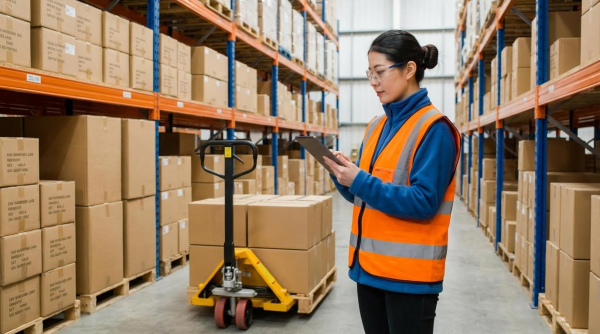
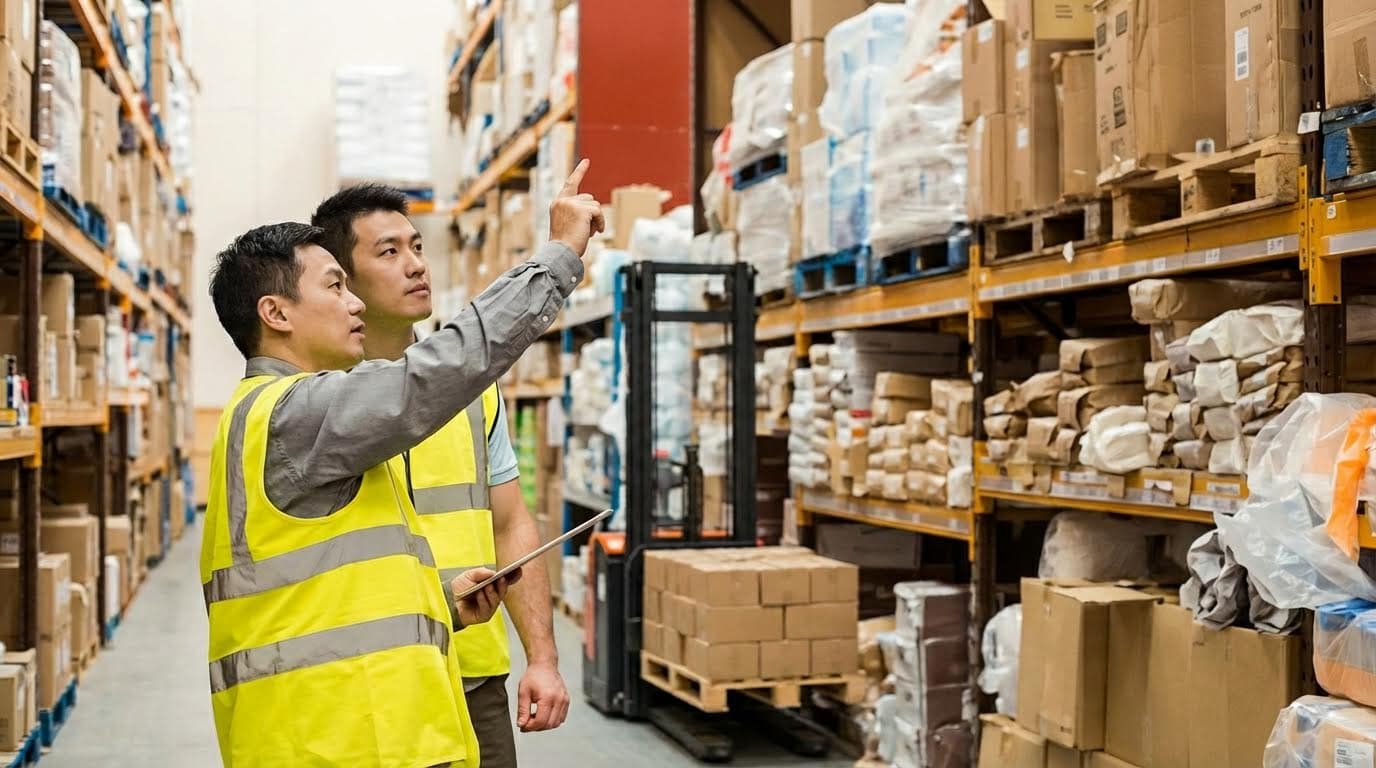
When operations teams ask “what is picking in a warehouse,” they are really asking how individual customer orders are converted into physical product moves. In simple terms, warehouse picking is the process of locating, selecting, and removing items from storage locations to fulfill an order. In modern fulfillment centers, this includes a range of workflows such as each picking, split-case picking, full-case picking, and pallet picking, often coordinated by a warehouse management system (WMS). Each picking focuses on single units taken from bins, usually grouped into waves so workers can minimize walking distance and confirm picks in real time using technologies such as voice or light guidance to maintain accuracy in high-volume environments. Split-case picking is used when orders require less than a full case and relies on optimized zones and light-directed walls to keep throughput high while limiting congestion on the pick line even with diverse SKUs and order sizes. For bulk moves, full-case and pallet picking retrieve entire cartons or pallets, with tasks sequenced so operators follow efficient paths and outbound loads are staged in the right dock order for shipping to streamline load planning and replenishment. Across all these methods, the core goal of warehouse picking is to balance speed, accuracy, and labor effort so every order leaves the building correctly and on time.
Core KPIs: accuracy, speed, and cost
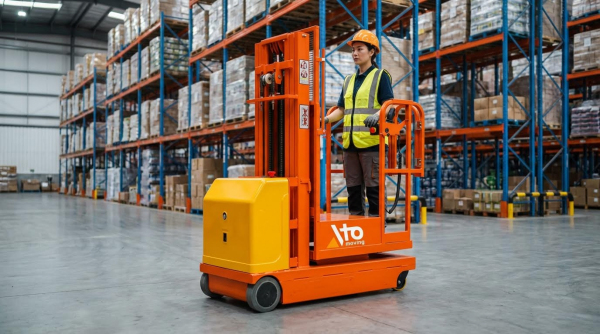
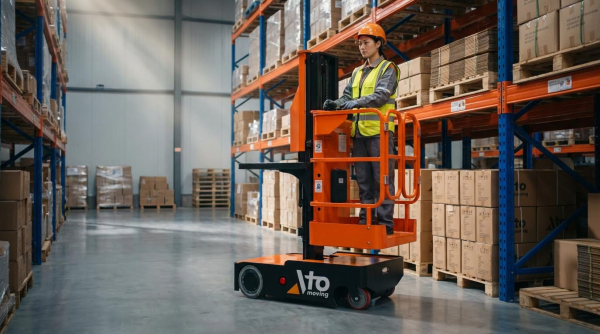
Three KPIs define whether a picking operation is performing well: accuracy, speed, and cost. Accuracy measures how often the right item, quantity, and lot or serial number are picked; manual processes typically see error rates in the 1–3% range, while automated systems can reduce errors below 0.5% by using vision, sensors, and system checks to prevent mis-picks even with randomly stacked items. Speed is captured in lines or picks per hour; manual picking often achieves 100–200 picks per hour, while automated solutions can reach 400–800+ picks per hour and maintain that rate continuously during peak periods because machines do not slow down from fatigue. Cost ties directly to labor and equipment; manual operations require lower upfront investment but carry ongoing expenses for wages, overtime, training, and errors, while automated systems demand higher capital but deliver more stable operating costs and better throughput over time leading to stronger ROI in medium to large, growing operations. When evaluating what is picking in a warehouse from a management perspective, these KPIs should be tracked together, since pushing raw speed without protecting accuracy and ergonomics usually increases rework, returns, and long-term cost per order. To optimize these processes, tools like warehouse order picker, order picking machines, and manual pallet jack are essential. Additionally, equipment such as drum dolly can assist in handling materials efficiently.
Key Picking Methods And Enabling Technologies
Each, case, and pallet picking explained
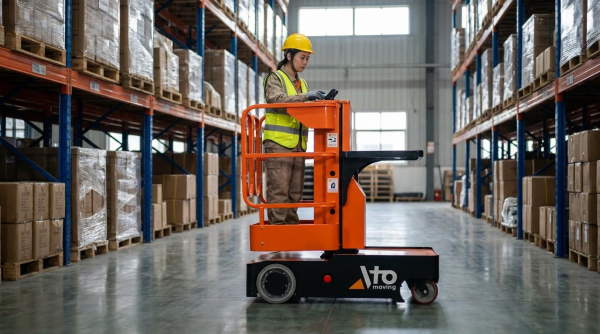
To understand what is picking in a warehouse, it helps to separate work into each, case, and pallet picking. Each (or piece) picking focuses on individual units and is common in e‑commerce and spare parts. In optimized operations, orders with common SKUs are grouped into waves so pickers travel less, and workers are guided by voice or light systems for real‑time confirmation and tracking of productivity and accuracy. Wave planning and voice or light guidance are standard tools in high‑volume each picking. Split‑case (or broken‑case) picking is used when customers order less than a full carton. Systems assign optimal zones and use pick‑to‑light or put‑to‑light walls to maintain high throughput and accuracy in operations with many SKUs and variable order sizes. Sequencing picks also helps reduce congestion in busy aisles. Full‑case picking handles sealed cartons of a single SKU, typically for wholesale or store replenishment. Orders with the same case requirements are batched, and pickers follow optimized routes supported by voice technology or pick‑to‑conveyor strategies. Inventory is monitored in real time so replenishment tasks are triggered before stock‑outs disrupt the flow. This combination of batching, routing, and real‑time inventory control is central to efficient case picking. Pallet picking operates at the highest unit level. In full‑pallet picking, complete pallets are retrieved from reserve storage for outbound orders or internal replenishment, with tasks sequenced to align with dock schedules and load planning. Mixed‑SKU pallet picking consolidates different products on one pallet, with the sequence planned to build stable layers and maintain packaging rules. Mobile devices, voice systems, or automated vehicles typically coordinate pallet‑level tasks.
Slotting, layout, and travel-time reduction
Once you define what is picking in a warehouse at the unit level, the next lever is where you store SKUs and how people move. A structured slotting process starts by extracting 6–12 months of order data and ranking SKUs by pick frequency, cube, and weight. The highest‑velocity 20% of picks are placed in the “golden zone” between knee and shoulder height, while the next 30% are stored within two aisles of packing or shipping to cut walking distance. Slow movers go to upper racks or remote aisles, and slotting for fast items is reviewed monthly, slower items quarterly to keep the layout aligned with demand. This data‑driven slotting approach directly reduces travel time and improves productivity. Facility layout also matters. Straight, one‑way aisles with defined clockwise or counter‑clockwise pick paths prevent backtracking and congestion. Separating inbound and outbound docks reduces cross‑traffic delays, and dynamic pick faces such as carton or pallet flow racks keep product available at the front edge for faster access. Consistent location labeling with barcodes or RFID tied to the WMS further shortens search time. At the system level, goods‑to‑person automation can recover up to 85% of floor space by using vertical, high‑density storage and high‑bay designs. These systems deliver items directly to operators, eliminating most walking and lifting, and support heavy palletized loads where needed. Space utilization gains of this magnitude allow more SKUs without expanding the building footprint. Travel‑time reduction also comes from well‑designed workstations. Pallet flow racks bring pallets forward on slightly pitched roller tracks, so pickers work at the aisle face instead of entering deep storage lanes. Integrating conveyor near these pick points further cuts non‑value‑added walking.
Manual vs automated picking performance
From a performance standpoint, what is picking in a warehouse today often means choosing the right balance between manual labor and automation. Manual picking typically reaches about 100–200 picks per hour, while automated systems can achieve 400–800+ picks per hour depending on item complexity, and they operate continuously without breaks. This translates into much higher throughput during peak periods. Accuracy follows a similar pattern. Manual error rates of 1–3% are common, whereas automated systems often run below 0.5% by using sensors and software to validate each pick. Higher accuracy reduces returns, rework, and customer complaints. Labor and cost structure differ significantly. Manual operations require ongoing spending on wages, recruitment, training, overtime, and safety, with productivity constrained by fatigue and turnover. Automated systems demand higher upfront investment in equipment, software, and integration, but they stabilize operating costs over time and reduce reliance on fluctuating labor markets. This often improves cost per order, accuracy, and throughput simultaneously in medium to large operations. Flexibility is the main advantage of manual picking. Teams can adapt quickly to new products or short‑term changes in demand, while automated systems require more planning and configuration changes when product ranges shift. For many facilities, a hybrid model—manual picking supported by targeted automation such as conveyors, scanning, or goods‑to‑person modules—delivers a balanced answer to what is picking in a warehouse when both ROI and agility matter.
Designing And Optimizing A Picking Operation
Choosing methods by SKU profile and order mix
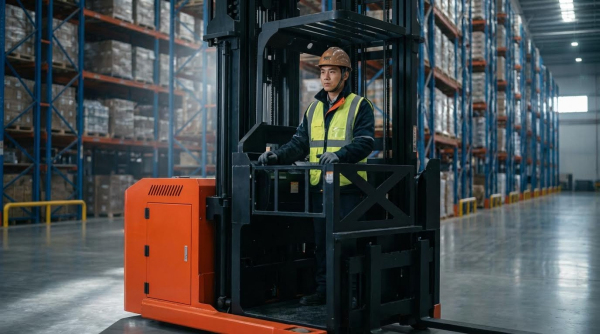
Designing a picking operation starts with understanding what is picking in a warehouse in practical, data terms: which SKUs you handle, how often they move, and how customers order them. Pull 6–12 months of order history and rank SKUs by pick frequency, cube, and weight to build a realistic profile of demand and handling effort. High-frequency, small-item SKUs usually fit each or split-case picking, while bulky or high-cube SKUs lean toward full-case or pallet picking. The goal is to match each SKU family and order pattern to the simplest method that meets service levels at the lowest total cost.
A structured slotting process then aligns that SKU profile with your layout. A proven approach is to assign the top 20% of picks to “golden zone” locations between knee and shoulder height, with the next 30% positioned within a short walk of packing or shipping areas, while slow movers go to upper racks or remote aisles based on slotting best practices. Straight, one-way aisles with consistent pick paths reduce decision-making and travel time, especially when you batch orders with common SKUs or release them in waves to minimize backtracking. Review and adjust slotting monthly for the fastest movers and at least quarterly for the rest to keep travel-time assumptions valid as demand shifts.
Once the physical design is in place, you can fine-tune method selection by order mix. For example, operations with many small, multi-line e‑commerce orders favor batch or zone each-picking, whereas wholesale or store-replenishment orders justify more full-case or pallet picking. Grouping orders with overlapping SKUs into waves and using dynamic zones or pick-to-consolidation strategies helps cut touches and walking distance according to modern picking process design. This structured approach turns the abstract question of what is picking in a warehouse into a set of concrete design choices tied to SKU behavior and customer demand.
Ergonomics, safety, and material handling aids
Optimizing a picking operation also means engineering out ergonomic risk. Common hazards include lifting or carrying heavy loads without assistance, bending or twisting to reach low or deep locations, and repetitive reaching or lifting throughout a shift as noted in order-picking safety guidance. A basic rule is to use mechanical aids when loads exceed roughly 51 lb, which is cited as the maximum recommended manual lift under ideal conditions with both hands. Beyond weight alone, you should avoid requiring picks below knee height or above shoulder height, where leverage is poor and injury risk rises sharply.
Workstation and pick-face design are key levers. Design workstations so operators can maintain a neutral posture: straight neck and back, shoulders relaxed, elbows around 90°, and wrists straight per ergonomic recommendations. Store pallet loads above floor level wherever possible so most work occurs in the “power zone” between knees and shoulders to reduce bending and overreaching. Use pallet flow racks to bring product automatically to the pick face and keep pick locations consistently near the operator, with conveyors positioned close to minimize carrying distances according to pallet flow rack design guidance.
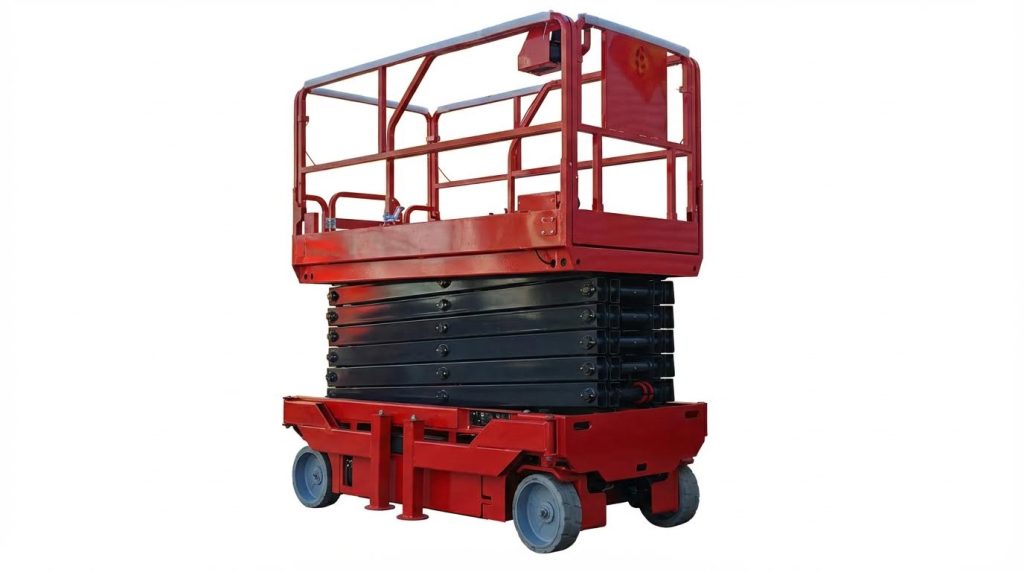
Material handling aids further reduce strain and support higher sustained productivity. Mobile lift tables that handle loads up to around 1,200 lb and lift to working height let operators slide or roll heavy items instead of lifting them manual pallet jack. Anti-fatigue mats at standing workstations and adjustable-height benches help reduce back and leg fatigue over long shifts hydraulic pallet truck. Finally, job rotation that periodically moves pickers to tasks with less lifting or reaching lowers cumulative musculoskeletal load and supports consistent performance across the operation drum dolly.
“”
Summary: Building A Future-Proof Picking Strategy
A future-proof picking operation starts with clear targets for accuracy, speed, and cost, then works backward from real order data. Engineers and managers must choose each, case, or pallet picking based on SKU size, velocity, and order patterns, not habit. Data-driven slotting and disciplined layouts cut travel time, which protects labor cost and supports higher throughput without pushing workers past safe limits.
Ergonomics and safety are not add-ons. They shape where you place fast movers, how high you store heavy items, and when you deploy material handling aids and lift assists. Good design keeps most picks in the power zone, shortens reaches, and limits manual lifts. This reduces injuries and also keeps pick rates stable over long shifts.
Manual, automated, and hybrid setups all have a place. Manual systems offer flexibility. Automation offers higher, more stable performance. The best long-term strategy usually blends both, adding targeted technologies and equipment from partners like Atomoving where the ROI is clear. Treat picking as an engineered system that you measure, adjust, and improve in cycles. Teams that follow this approach will keep service levels high while adapting to new products, channels, and demand swings without rebuilding the warehouse from scratch.
Frequently Asked Questions
What does picking mean in a warehouse?
Picking refers to the process of selecting the right products from inventory to fulfill customer orders. This involves retrieving items from their storage locations and preparing them for shipment. The goal is to ensure accuracy while optimizing efficiency. Warehouse Picking Guide.
What is the process of picking in a warehouse?
The picking process includes several steps: receiving the order, locating the required items in the warehouse, retrieving them, and consolidating the items for packing and shipping. It is a critical part of warehouse operations that ensures timely delivery of products. Order Picking Explained.
What is voice picking in a warehouse?
Voice picking is a hands-free and paperless method where workers receive verbal instructions through a headset to pick items from specific warehouse locations. This technology improves accuracy and speeds up the picking process by allowing workers to focus on the task without handling devices or papers. Voice Picking Benefits.
What is the role of an order picker in a warehouse?
An order picker retrieves products from warehouse shelves based on customer orders. Their responsibilities include following inventory lists, collecting items, and preparing them for shipment. Accuracy and speed are essential in this fast-paced job to meet customer demands efficiently. Order Picker Role.