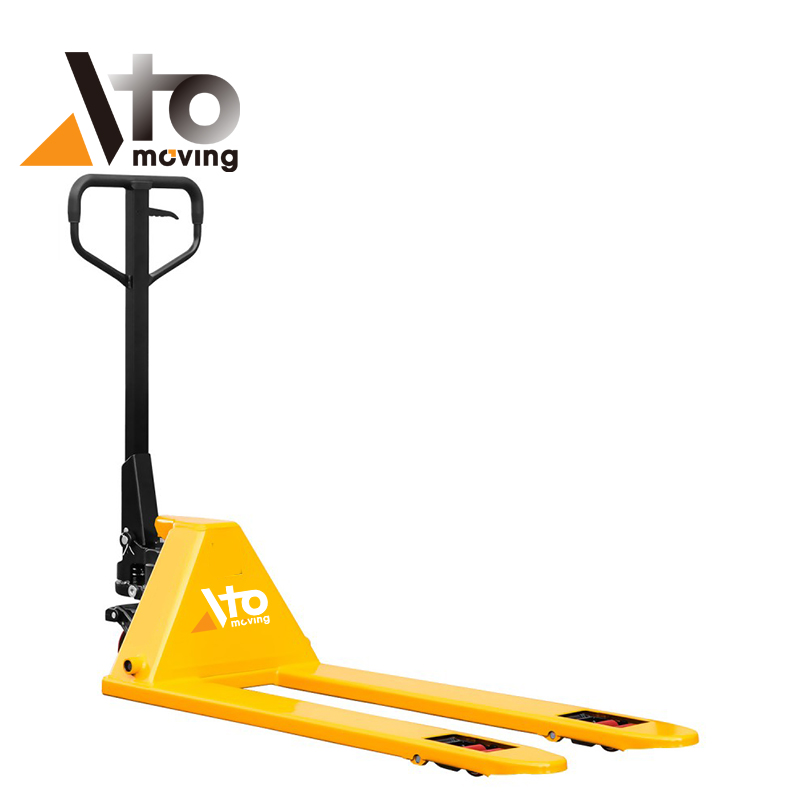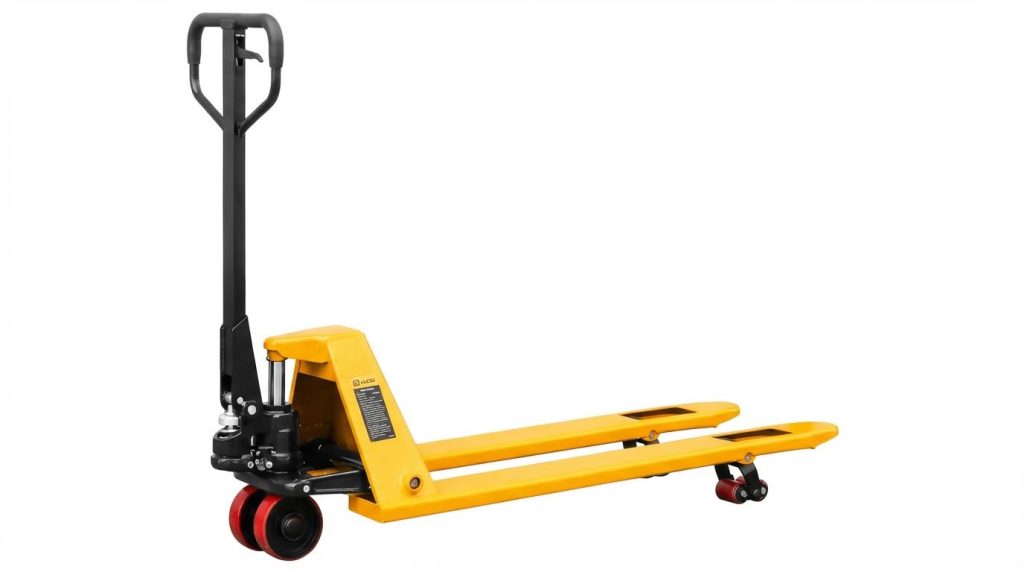
Understanding how to get pallet jack certification is critical for safety, OSHA compliance, and efficient material handling. This guide walks you through the differences between manual and electric pallet jacks, the full certification process, and key engineering factors like load capacity, aisle width, and maintenance. You will see how formal training, employer evaluations, and sound equipment selection work together to reduce risk. Use this as a practical roadmap to build a compliant, low‑incident pallet jack program in any warehouse or distribution environment.
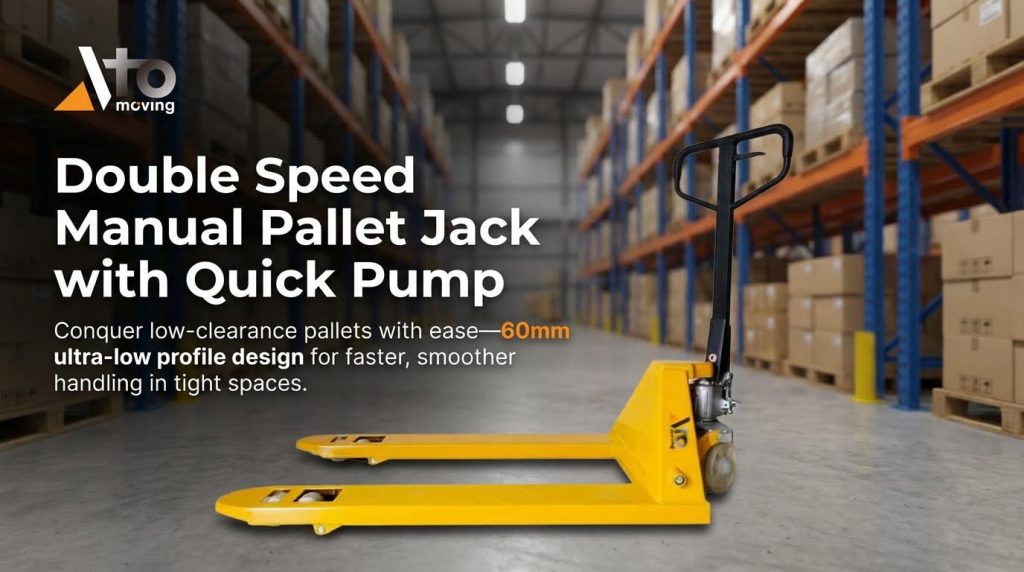
Understanding Pallet Jack Certification Basics
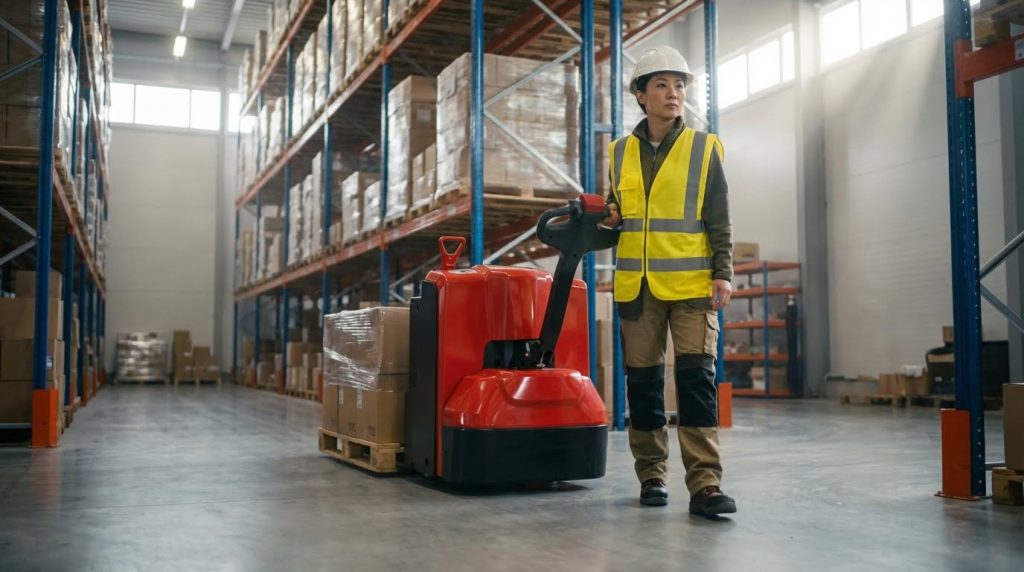
Manual vs. electric pallet jack requirements
When people research how to get pallet jack certification, the first distinction they must understand is between manual and electric units. Electric pallet jacks are powered industrial trucks, while manual pallet jacks are not. This difference drives very different OSHA expectations, training depth, and documentation needs.
- Electric pallet jacks (powered)
- OSHA classified electric pallet jacks as Class III powered industrial trucks under 29 CFR 1910.178. They require formal operator training and certification.
- Typical models lift up to about 5,000 lb and under 10 in, and operate in tight warehouse or trailer spaces. They are treated the same way as other Class III forklifts for training purposes.
- To run them, operators must be at least 18, complete formal instruction, receive employer-led hands-on training, and pass a performance evaluation. This three-step path is the core of how to get pallet jack certification for powered units.
- Manual pallet jacks (non‑powered)
- Manual pallet jacks are not powered industrial trucks, so OSHA does not mandate formal certification. They can be used by workers, including those under 18, if allowed by company policy.
- Even without a legal certification requirement, employers should still train staff on safe operation, load handling, and site-specific hazards to control risk.
- Manual units are usually chosen in smaller spaces or low-throughput areas, where lower speed reduces some but not all risk.
Why the distinction matters for safety and compliance
Electric pallet jacks can move faster, handle higher loads, and introduce battery, electrical, and braking hazards. That is why OSHA ties them to a formal certification process, while manual jacks fall under general duty and training expectations. Understanding this split helps safety managers build the right mix of formal certification and internal training programs.
OSHA rules for Class III powered trucks
Anyone looking at how to get pallet jack certification for electric units must align with OSHA’s Class III powered industrial truck rules. These rules define who can operate the equipment, what training is required, and how often evaluations must occur.
- Core OSHA classification and age requirement
- Electric pallet jacks are Class III powered industrial trucks under OSHA standard 29 CFR 1910.178. This places them under the same operator training and evaluation rules as other PITs.
- Operators must be at least 18 years old to legally run powered pallet jacks in general industry settings. This age limit is a baseline compliance requirement.
- Training and evaluation structure
- OSHA requires three elements: formal instruction, practical (hands-on) training, and a performance evaluation in the workplace. Many employers meet the formal instruction requirement with a two-hour online pallet jack safety course covering hazards, controls, and safe practices.
- Hands-on training and the final evaluation must be employer-led and site-specific. Supervisors often use a Powered Industrial Truck Operator Evaluation Form to document skills and sign-off.
- Validity and renewal
- Certification cards from compliant courses are commonly recognized for three years in all states, but OSHA focuses on the employer’s three-year evaluation cycle. OSHA requires a new operator evaluation at least every three years.
- Retraining or earlier re-evaluation is required if the operator has an accident or near miss, is observed operating unsafely, or there are changes in equipment or conditions.
Practical compliance tips for safety managers
To stay compliant, safety managers should maintain a simple matrix listing each electric pallet jack model, associated hazards, and trained operators. They should tie online formal instruction dates, hands-on training records, and evaluation forms to each employee file. Aligning these records with OSHA’s three-year evaluation requirement reduces citation risk and clarifies exactly how to get pallet jack certification and keep it current inside the facility.
Step-By-Step Certification Process For Electric Pallet Jacks
Formal instruction and online course structure
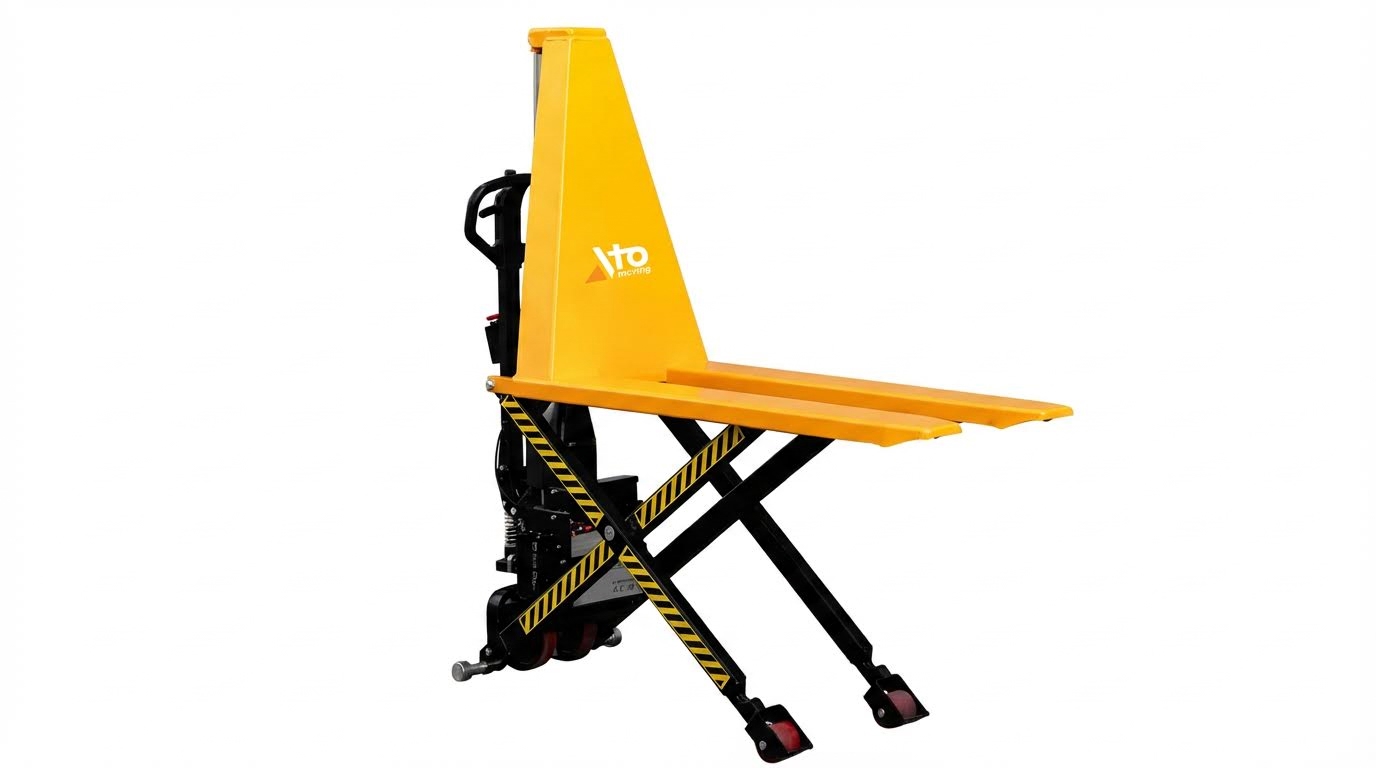
If you want to know how to get pallet jack certification for Class III electric units, the first step is formal instruction. OSHA allowed employers to meet this requirement through online or classroom courses that cover equipment types, controls, safe operation, and site hazards. Many two-hour online courses met OSHA’s “formal training” requirement and included six short quizzes and a final exam, where learners needed around 80% on module quizzes and 70% on the final to pass. Typical programs provided a downloadable certificate and wallet card that employers could file as proof of training, and the formal training portion remained valid nationwide for three years. For operators, this step explained legal duties, stability principles, pedestrian safety, and basic inspection routines before they ever touched equipment.
Employer-led hands-on training and site hazards
The second step in how to get pallet jack certification focused on hands-on, employer-led training at the actual worksite. OSHA expected employers to demonstrate controls, walk the operator through start-up and shutdown, and supervise practice runs with and without loads. Training needed to address real facility conditions, including floor gradients, dock edges, racking layouts, and traffic patterns, not just generic theory. Guidance emphasized covering site-specific hazards such as narrow aisles, blind intersections, cold rooms, and mixed traffic with pedestrians or other powered trucks. In practice, many employers used a standardized evaluation or skills checklist from the formal course as a training roadmap, then added their own procedures for PPE, charging, parking, and load staging.
Performance evaluation, documentation, and renewals
The final step was a documented performance evaluation, where the employer observed the operator running an electric pallet jack under typical conditions. The evaluator checked core skills such as pre-use inspection, safe starting and stopping, steering in tight spaces, correct fork placement, and controlled travel with rated loads. Many online programs supplied a Powered Industrial Truck Operator Evaluation Form that supervisors could complete and sign; once both employer and operator signed, the operator was considered certified. Employers then kept training records on file and tracked renewal dates. OSHA required a fresh evaluation at least every three years, and retraining sooner if there was an accident, a near miss, unsafe operation, or a change in equipment or conditions. Common practice was to repeat the formal safety course on the same three-year cycle so operators could refresh knowledge while renewing their evaluation.
Engineering Considerations For Safe, Compliant Operation
Load ratings, stability, and capacity selection
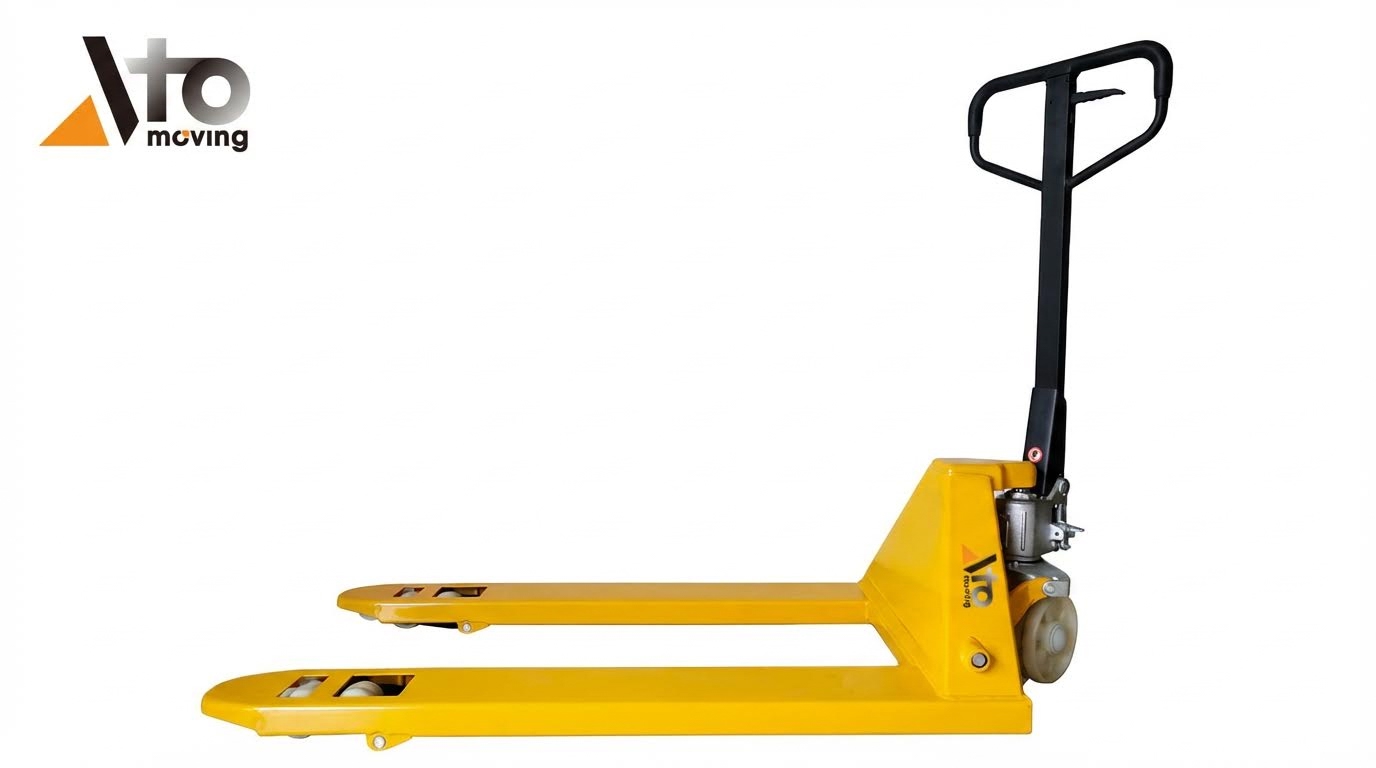
Safe operation starts with matching the pallet jack’s rated capacity to your heaviest realistic load, including pallet weight and packaging. Many warehouse applications use jacks in the 2,500–5,500 lb range, with 5,500 lb units often chosen for heavier goods to keep the safety margin high. Pallet jacks typically lift less than 10 inches, but they can still handle loads up to about 5,000 lb or more, so exceeding the nameplate rating can quickly compromise stability and damage the frame or hydraulics. Pallet jacks are classified as Class III forklifts and are designed for low-lift, high-weight applications. When you plan how to get semi electric order picker certification for your team, build capacity and stability topics into both the formal instruction and hands-on training so operators understand why overloading and off‑center loads are major risk factors.
- Always read the data plate and never exceed the rated capacity.
- Keep the load centered over both forks to reduce tipping risk.
- Use longer forks for long or unstable pallets so the load is fully supported.
- Reduce travel speed and cornering speed as load height and weight increase.
Why stability matters in real operations
Most pallet jack incidents involve a combination of marginally excessive weight, poor load placement, and uneven floors. Teaching operators to check load condition, fork engagement depth, and floor gradients during certification training significantly reduces those events.
Aisle width, maneuverability, and equipment choice
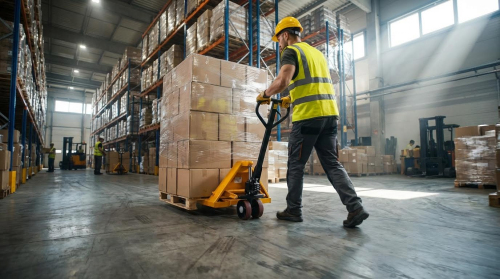
Aisle width and layout strongly influence which pallet jack type you should use and how safely it can be driven. Narrow aisles improve storage density, and optimized layouts can increase capacity by up to 20%, but they also leave less margin for steering errors and pedestrian traffic. Right-sizing pallet jack dimensions to pallet size and aisle width is critical for maneuverability and productivity. When mapping how to get warehouse order picker certification for operators, include site-specific driving patterns, turning clearances, and one‑way systems in the employer-led practical training.
- Measure the minimum clear aisle width at racking, corners, and dock doors.
- Choose compact walk-behind electrics or manual jacks for very tight aisles.
- Use models with adjustable forks when you handle mixed pallet sizes. Adjustable forks improve flexibility and reduce repositioning time.
- Match wheel material to floor conditions to reduce push force and improve steering.
Balancing density and safety
Very narrow aisles increase storage but can raise collision risk at rack uprights and end-of-aisle intersections. A good engineering review considers traffic flow, pick rates, and emergency egress, then feeds those constraints directly into route-based training and evaluations.
Maintenance, inspections, and emerging technologies
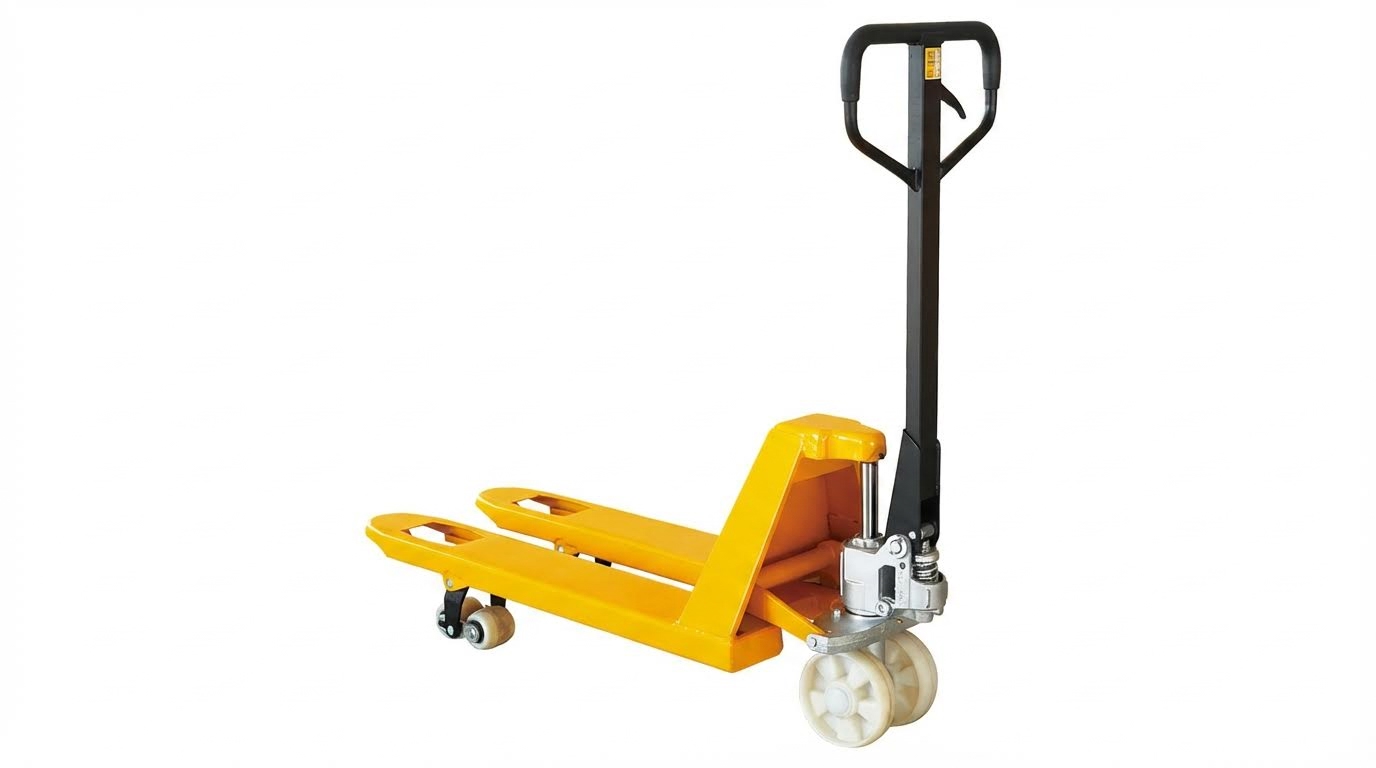
Engineering controls only work if the pallet jack stays in serviceable condition, so structured inspections and maintenance must support your certification program. Simple devices like manual or hand-powered stackers often need only periodic lubrication, while powered units and electric stackers require battery service and more formal maintenance planning; some electric units need a battery change roughly every three years under typical duty cycles. Electric stackers and similar powered equipment also show lower accident rates related to uncontrolled manual lowering compared with hand-operated units, which highlights how engineering features and upkeep affect safety outcomes. As you design how to get order picking machines certification aligned with OSHA’s three-part structure—formal instruction, hands-on training, and performance evaluation—embed daily checks, defect tagging, and out-of-service rules into both the classroom content and the practical test.
- Use a pre-use checklist to catch leaks, bent forks, damaged wheels, and faulty controls.
- Schedule periodic inspections based on operating hours and environment (e.g., cold storage, wet areas).
- Consider features such as ergonomic handles, rust-resistant coatings, and built-in scales to reduce strain and improve accuracy. Ergonomic and measurement features can boost efficiency and longevity.
- Capture all maintenance and inspection records; they support both risk management and regulatory defense after an incident.
Role of technology in modern programs
Newer pallet jacks and stackers increasingly include diagnostic indicators, controlled lowering valves, and more robust braking. Pairing these features with digital inspection checklists and training records makes it easier to prove that certified operators used safe, well-maintained equipment, which is central to any compliance-focused material handling program.
“”
Key Takeaways For Compliance And Risk Reduction
Pallet jack certification only works when legal rules, engineering limits, and day-to-day habits align. OSHA’s Class III framework sets a clear three-step path: formal instruction, employer-led hands-on training, and a documented performance evaluation. Engineering choices then shape how safe that certified operator can actually work. Correct capacity selection, centered loads, and proper fork length protect frames, hydraulics, and floors while cutting tip-over risk. Aisle width and layout drive equipment choice and travel rules, so supervisors must build turning limits, one-way systems, and speed control into route-based training.
Maintenance and inspections close the loop. Daily checks, clear out-of-service rules, and scheduled service keep both manual and electric units within design limits. When teams pair this with accurate records, they strengthen OSHA compliance and post-incident defense. The best practice is simple: treat certification as a system, not a card. Use structured training, engineered layouts, and disciplined inspection routines to support every operator. When you design your program this way, Atomoving pallet jacks and related equipment can run at high throughput with low incident rates and a clear, auditable safety story.
Frequently Asked Questions
How can I get a pallet jack certification?
To get certified, you need to complete formal instruction, practical training, and a performance evaluation. Many online courses allow you to finish the formal instruction at your own pace. Pallet Jack Certification Course.
Do I need a license to operate a pallet jack?
No, you do not need a driver’s license to operate a pallet jack. However, proper training and certification are required to ensure safety and compliance with OSHA standards. OSHA Pallet Jack Training.
What does pallet jack training involve?
Pallet jack training involves three key components:
- Formal instruction covering safety guidelines and operational theory.
- Practical hands-on training to develop skills.
- A performance evaluation to assess competency.
This ensures operators can safely handle material-moving equipment in warehouses. Pallet Jack Safety Guide.